

The Blue Lagoon at Abereiddy in Pembrokeshire is a 25‑metre‑deep, blue‑green quarry pool that’s become one of the best places in Wales for coasteering, cliff‑jumping and coastal walks.
By: Paul Healy | Last Updated:
Born from the region’s slate‑mining past, the Blue Lagoon in Wales is now a natural playground for adventure enthusiasts.
Along this unique stretch of coastline, you can scramble over rocky ledges on a coasteering tour or leap from the 11‑metre‑high ruined quarry buildings into the depths of the lagoon.
But dropping in on one of the best places to visit in Pembrokeshire isn’t just about thrill‑chasing.
Explore the character of this stunning shoreline by kayak, walk the Pembrokeshire Coast Path for sublime views, or relax on one of our favourite beaches in Wales, where you’re likely to have the sand and surf all to yourself.
Here’s everything you need to know to have a great day out at the Blue Lagoon and its surrounding area.
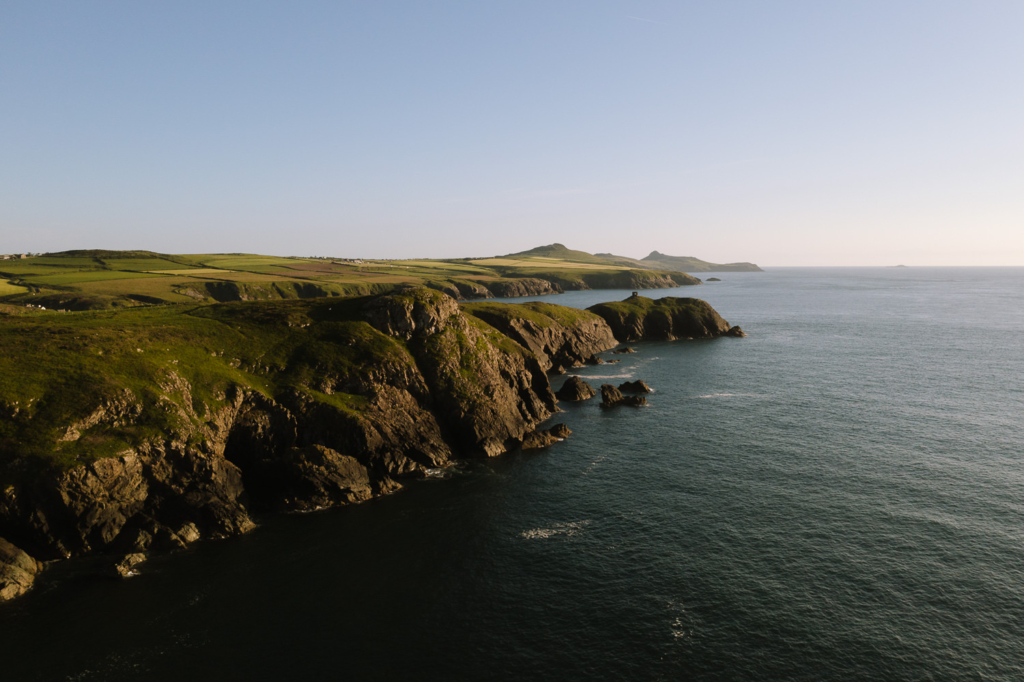
What Is the Blue Lagoon at Abereiddy
Pembrokeshire slate was in high demand all over the British Isles throughout the 18th century, and the quarry pit at the St Brides Slate Company at Abereiddy was famous for its vibrant, earthy lustre.
The quarry closed in 1910.
Spotting a unique opportunity, local fishermen blasted a narrow channel between the quarry and the sea, creating an artificial harbour in the old pit.
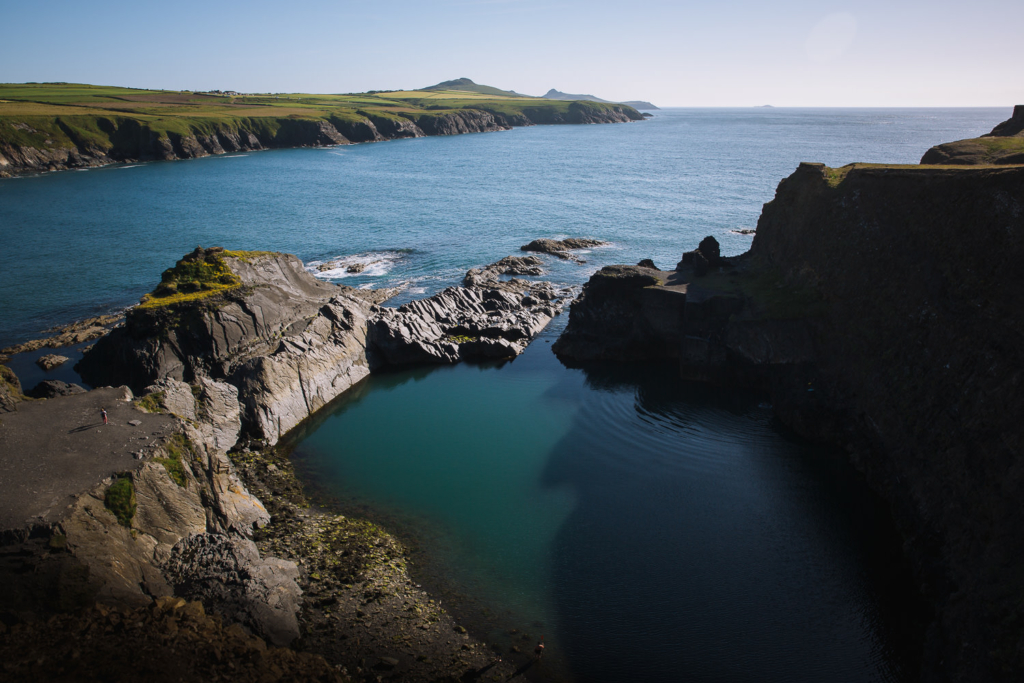
Today, the Blue Lagoon at Abereiddy is a 25-metre-deep pool in a mesmerising shade of blue-green.
Know Before You Go
- Parking at Abereiddy is limited, on rough ground, and typically cash only, so bring coins.
- Mobile signal can be patchy, so don’t rely on data.
- The lagoon water is cold year‑round, so bring sturdy footwear and warm layers for after your swim or coasteering session.
- There are basic toilets at Abereiddy, but food and drink options are limited; bring water and snacks or plan to eat in Porthgain.
- Conditions can change quickly on this exposed stretch of coast, so stay up to date on the weather and conditions.

What to Do at the Blue Lagoon, Wales
1. Coasteering at the Blue Lagoon
One of the top things to do at the Blue Lagoon is to join a coasteering group.
Invented in Pembrokeshire, coasteering involves rock-jumping, shore-scrambling, and cliff-jumping in the band of coastline between high and low tide.
The first part of the tour usually takes place on the open coast, where you traverse rocky edges, leap from low cliffs into the sea, ride the swell, and explore sea caves.
The second half of the tour makes full use of the Blue Lagoon: you run down steep slate slopes before leaping into the water.
If you’re keen, you can work up to jumping from the ever-increasing heights of the old quarry buildings that line the edge. The first jump is around 2 metres above the water, followed by a second at about 6 metres, with the highest leap reaching roughly 10 metres.
We went with Celtic Quest and had a great time. They provide a wetsuit, helmet, and buoyancy aid, and they make sure everything you do is appropriate for the conditions.
You need to be comfortable swimming and jumping into water, but you only have to attempt what you feel happy doing.


2. Tombstoning & Leaping
While joining a coasteering tour is safer and lets you explore the coast around the Blue Lagoon with an experienced guide, there’s nothing to stop you from having your own adventure.
It’s free to swim in the lagoon, and you can jump in from the cliffs or the ruined quarry buildings at your own risk.
Just beware of a few things.
The water in the Blue Lagoon is very cold; the surface can be a couple of degrees warmer than the sea, but it gets much colder as you go deeper.
It’s important to acclimatise to the temperature before leaping in. If you plan on spending a long time in the water, don’t underestimate the value of a wetsuit, and never swim alone.
The water is deep below the ruined quarry buildings, but if you’re jumping from rocks around the lagoon, make sure there are no shallow ledges or hidden obstacles beneath the surface.
Always check the landing area first.
Finally, from 2 metres, a belly flop might be embarrassing, but it’s unlikely to do serious damage. However, when the tide is out, the jump from the higher quarry building is around 11 metres, and from this height you’ll be travelling at close to 30 mph when you hit the water.
For higher jumps, make sure you enter the water vertically (like a pencil) with your arms crossed over your chest; otherwise, you could seriously hurt yourself.
Read Next – Our complete guide to Pembrokeshire.

3. Kayaking into the Blue Lagoon
The coastal area around the Blue Lagoon is packed with interest.
Secret caves and inlets hide untouched beaches, and towering cliffs provide a home to an abundance of seabirds and other wildlife.
One of the best ways to explore the Blue Lagoon is from a kayak. If you have your own, you can set off from Abereiddy beach, but for most people it is easier to join a tour.
No experience is needed, and it’s a great way to explore the dramatic Pembrokeshire coast.
The MUUK kayaking tour passes the narrow entrance to the Blue Lagoon, and if the tide is high enough, you can paddle through the tight gap and spend time jumping from the towers.

4. Have a Picnic
Even if the idea of swimming in cold water and leaping from ungodly heights doesn’t appeal, the Blue Lagoon is a great place to people-watch.
There is a grassy headland at the top of the lagoon, the perfect spot to set up a picnic.
Enjoy the antics of the people jumping in, or just watch the sunset over this beautiful location.
It’s a steep, unprotected drop to the rocks around the lagoon below the headland. So, keep the alcohol consumption sensible and be very careful with young kids.
Read Next – What to do in Tenby

5. Go to a Stunning Beach
The area around the Blue Lagoon is a stunning stretch of coastline with several hidden beaches.
The best is a secret cove of golden sand called Traeth Llyfn, just beyond the headland behind the Blue Lagoon.
The 15-minute walk across the clifftops takes in some of the best coastal views in Pembrokeshire. You’ll arrive at a steep metal staircase that descends to the cove.
Hardly anyone comes here, but it’s a magnificent beach surrounded on three sides by walls of rock.
At high tide, almost all the sand is covered, except for a lovely slice of soft sand under the rocks.
There’s rock-pooling at the edges, and at low tide, there’s room for games on the beach between huge rocks nestled into the sand.
Just don’t head out too far, as the currents beyond the sheltered area can be fierce.


6. Hike the Coastal Path Around the Blue Lagoon
The area around the Blue Lagoon is excellent for hiking, with the stunning Pembrokeshire Coast Path running through it.
One of our favourite walks in the area covers the rugged headlands between Abereiddy and Portgain, stopping off at the Blue Lagoon on the way.
Along the route, you’ll find remnants of the slate trade, including crumbling office buildings, disused quarries, and the tramway that carried slate from the mine to Porthgain harbour.
Porthgain itself is fascinating, with the remains of the massive factory that once produced slate and bricks, looming over the tiny village from the cliff face on which it was built.
You can return the way you came, head inland to complete a circular walk or time your trip to coincide with the 404 bus.
All the details, including a map is in our Pembrokeshire Coastal Walks guide.


7. Have a Pint at the Sloop Inn
After exploring the joys of the Blue Lagoon, take the 10-minute drive from Abereiddy to Porthgain and end the day with a drink at the Sloop Inn.
Established in 1743, the pub is packed with memorabilia harking back to the village’s industrial and fishing past. Photos of the old port, bricks made by the now-ruined kiln, and nautical objects dot the walls.
On a warm day, its terrace has views over the bay, but it’s the wood-panelled interior, a cosy burning fire, and a collection of games that tell of seafarers sheltering from the cold and misty nights.
Thursday is quiz night, where Malcolm asks the questions – and sometimes gives away the answers by mistake.
It’s quite simply one of the most atmospheric pubs we have visited and a must-see on the Pembrokeshire Coast.

Logistics & Practicalities
How to Get to the Blue Lagoon in Pembrokeshire, Wales
The Blue Lagoon is next to Abereiddy Beach in southwest Wales within the Pembrokeshire Coast National Park. As a popular location, it’s a good idea to plan your visit in advance.
Parking at Abereiddy Blue Lagoon
The easiest way to get to the Blue Lagoon is to drive and park at Abereiddy Beach car park.
The car park is very rocky, with no marked spaces; however, at busy times, attendants at the entrance will direct you where to park as it fills up.
If it’s full when you arrive, you may be asked to return later. Therefore, on holidays and weekends, try to arrive early or late in the day when it’s less busy.
From the car park, it’s a 5-minute walk along a good path to reach the Blue Lagoon. This path is accessible for scooters and wheelchairs.
The roads to the car park are very narrow with only a few passing places, so take care when driving to Abereiddy.
There are public toilets in the car park and sometimes a van selling drinks and snacks. Parking costs £5 for the day (cash only), regardless of when you arrive.


Parking at Porthgain
If you don’t mind more of a walk, another option is to park at Porthgain (a 10-minute drive away).
There is currently free parking in the village car park, but spaces are limited in peak season.
From the village of Porthgain, it’s a glorious 45-minute walk to the Blue Lagoon over a magnificent stretch of coast, making it one of our favourite walks in Pembrokeshire.
By Bus
The 404 Strumble Shuttle runs between St Davids and Fishguard, stopping at Abereiddy (for the Blue Lagoon) and Porthgain.
This is a seasonal summer service with around three buses a day in each direction, including a limited Sunday service, so you need to plan your day carefully. Download the latest 404 timetable from the Pembrokeshire County Council.

Where to Stay
The Blue Lagoon is located in southwest Wales in the beautiful Pembrokeshire area.
There are plenty of affordable hotels and cool country houses that make the most of the local area. Here are some recommendations near the Blue Lagoon. For our full list, read our guide to the best places to stay in Pembrokeshire.
- Caerhys B&B – Hearty breakfast and helpful hosts. The location is excellent, with the coastal path half a mile away and the Blue Lagoon half a mile further.
- Crug Glâs – This country house, set in 600 acres of farmland, has boutique rooms in a traditional but stylish setting. The restaurant lets the local in-season produce speak for itself.
- Noddfa Farm – A family-run joint campsite with room in the main house. Excellent value, clean, comfortable rooms just a short distance from the Blue Lagoon.
- Twr Y Felin Hotel – A quirky contemporary hotel incorporating a circular turret that was once a windmill. The communal areas are packed with art, and all the rooms are boutique.
Safety at the Blue Lagoon
The Blue Lagoon is deep, cold water surrounded by rock and old quarry walls, so take care when swimming or jumping.
Enter the water slowly at first to acclimatise, and avoid staying in too long without a wetsuit, especially outside of summer.
Always check your landing zone for rocks or shallow ledges, and only jump from heights you are completely comfortable with.
Never swim alone, avoid alcohol before getting in, and keep an eye on changing sea conditions at the lagoon entrance.
Best Time to Visit
For warmer water, longer days, and operating coastal buses, late spring to early autumn is the best time to visit.
Summer holidays bring the biggest crowds, especially midday, so early morning or late afternoon are better for parking and a quieter experience.
Outside peak season, it’s much quieter and atmospherically wild, but you’ll need to be more self‑sufficient and prepared for cold, wind, and changeable weather.

More UK Reading
- Read our Where To Stay in London guide which has a neighbourhood breakdown and hotel recommendations.
- For all the best attractions and hidden gems, read our guide to the best things to do in London.
- Put your trip together with our 7-day England itinerary.
- See some of the charming English countryside with our guide to the best places to visit in the Cotswolds.
- Book a Lake District break around Keswick for great walks and stunning scenery.
- Hit some of the best trails in the country with our guide to the Pembrokeshire Coastal Path.
- Enjoy some of the best coastlines in the country with our Cornwall guide.

reader-supported
When you buy through links on our site, we may earn a small affiliate commission at no extra cost to you.
Thanks for your support // Paul & Mark