

Cairo is a vast city of 22 million people, but you don’t need weeks to explore. This 2- to 3-day Cairo itinerary covers all the iconic sights to help you see the best of Egypt’s capital.
By: Mark Barnes | Last Updated:
Cairo is a city where ancient wonders and modern life collide in the most unforgettable way.
Although we knew it had the last surviving wonder of the ancient world, buzzing medieval streets, and remarkable museums, we were still surprised by how much we liked Egypt’s capital.
It can be manic, but with a well-planned itinerary, you can see most of the iconic sights and explore the history of Cairo in just two or three days.
We have been to Cairo twice now; this guide is our firsthand experience on how best to spend a few days in the city.
Each day has been planned so you can visit the sights independently, but we have also included some well-rated tours to make life a bit easier.
How Many Days in Cairo
We recommend spending 3 days in Cairo.
You need at least one full day to visit the Pyramids at Giza and the newly opened Grand Egyptian Museum.
Two days allow you to explore Islamic Cairo and its grand mosques, mighty fortresses, and bustling markets.
A third day gives you time to visit Coptic Cairo (the old Christian centre) and delve into more ancient history at the National Museum of Egyptian Civilization including its amazing collection of mummified pharaohs.
Complete the above, and you’ll have visited all our favourite things to do in Cairo.
If you like to travel slowly, you could spend even longer and add day trips to the Step Pyramid at Saqqara, into the Western Sahara Desert, or by train to Alexandria.
We cover each of these options at the end of this post.
Cairo Itinerary
Overview
This is how we recommend you spend 3 days in Cairo.
- Day 1: Pyramids & Grand Egyptian Museum
- Day 2: Saladin Citadel & Islamic Cairo
- Day 3: Coptic Cairo and Egyptian Civilisation Museum
If you only have two days, complete Day 1 on this itinerary, and then pick the bits you are most interested in from Day 2 and Day 3 and combine them into a single day.
If you start early and move quickly, you can visit almost all of them.
The most convenient way to visit the sights is by the Metro or via ride-hailing apps such as Uber or Careem. We provide more details at the end of the post.
Below is a map to help you get your bearings and plan your days. To work out how to add Cairo to your trip, read our 7 to 10-day Egypt Itinerary.
Click on the top right corner to open our map in your Google Maps app. Click the star next to the title to save it to your Google account.
Day 1: Pyramids & Grand Egyptian Museum
Great Pyramids of Giza
The Great Pyramid of Giza is most probably the main reason you’re in Cairo to start with. And this mighty treasure doesn’t disappoint.
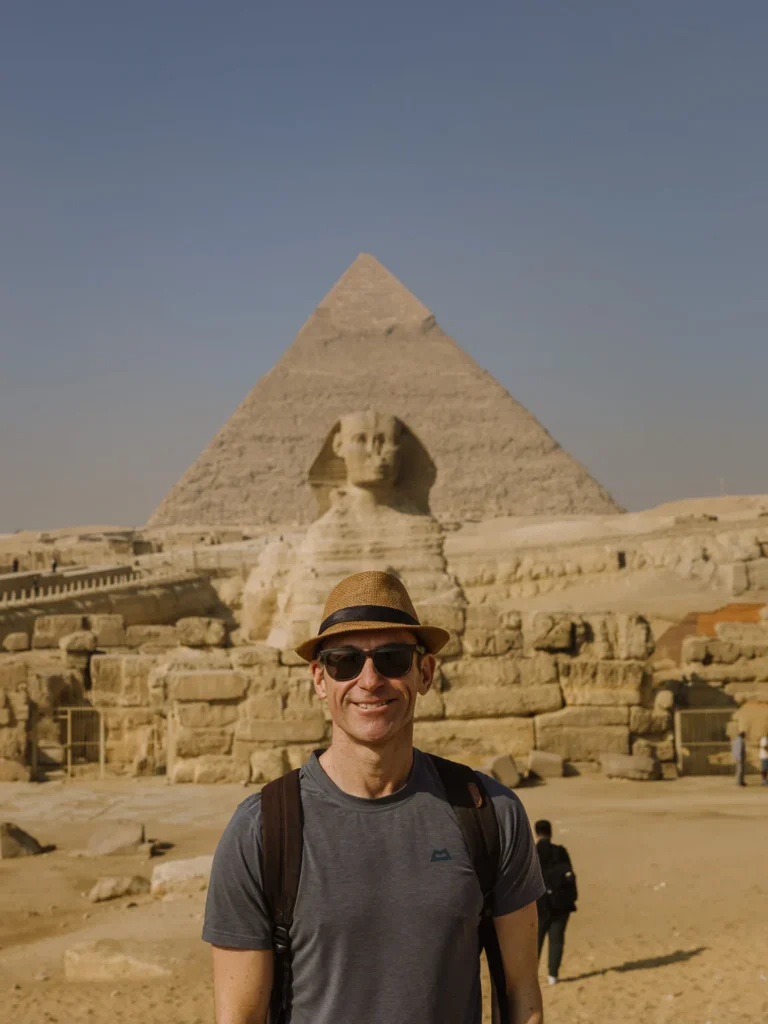
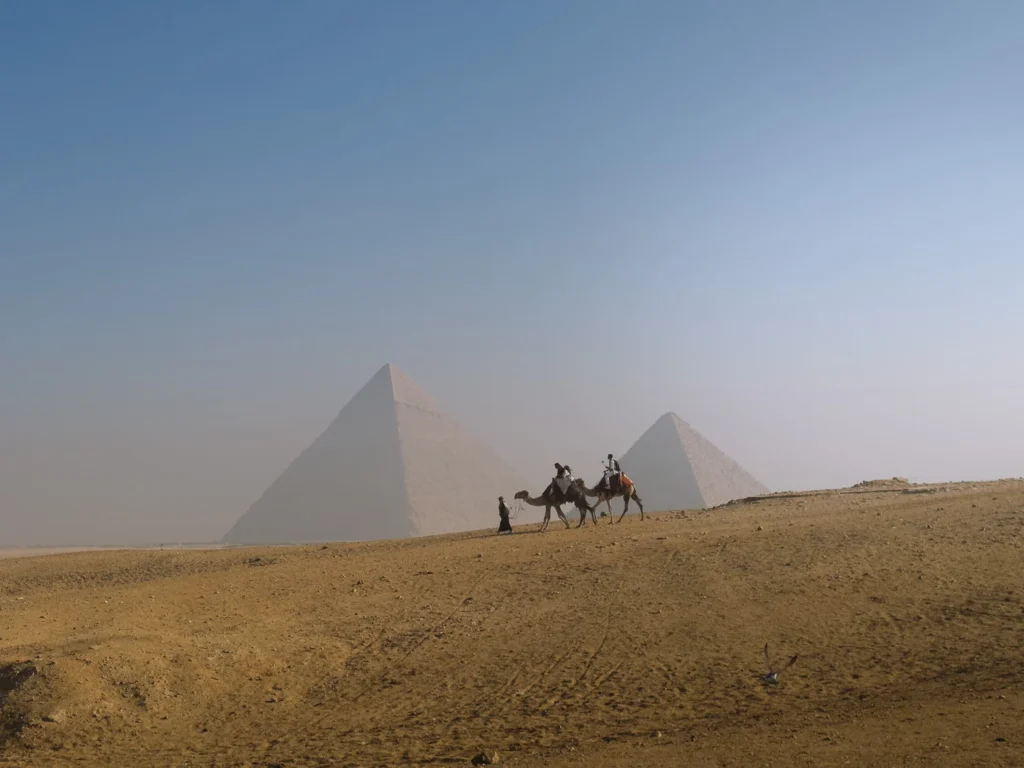
Three giant pyramids and the Great Sphinx are spread across the Giza Plateau. It used to be a chaotic experience, but we were pleasantly surprised to see the site has undergone a makeover since our last visit.
Private cars are no longer permitted, and a new shuttle bus system has been implemented to get around the various viewpoints, making it much easier to visit independently.
The site opens at 7 AM, but the shuttle bus service doesn’t start until 8 AM, and the tour buses don’t arrive until about 9 AM.
We recommend arriving at the Visitors Entrance by 7:45 AM, passing through security, exploring the small exhibition on how the pyramids were built, and then boarding the first bus.
Visiting the site takes about 3 hours, and you can find all the information (including how and which tickets to buy) on our post How to Visit the Pyramids in Giza.
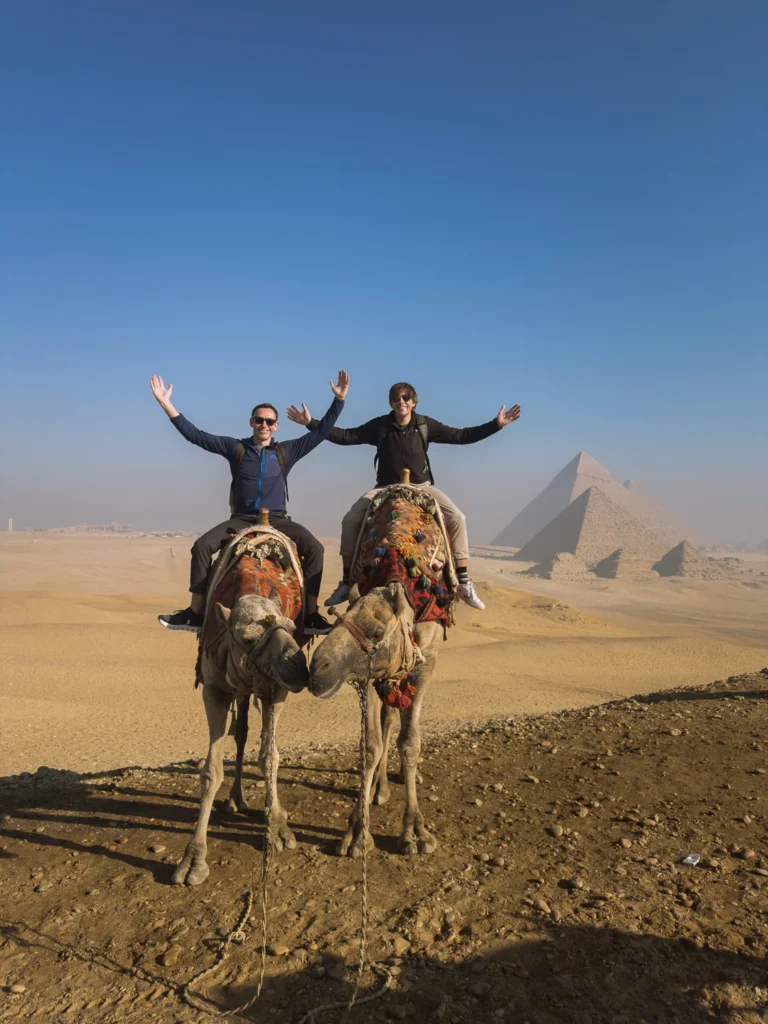
One very touristy thing we do recommend is the camel ride to Panorama Point. It costs around 1,000EGP ($US20 – bring cash), but you get to one of the best viewpoints of the three pyramids.
Lunch
Exploring the Pyramids Complex took the entire morning, so we were ready for lunch by the time we finished.
There are several options within the Giza Complex, but as you might expect, they can be expensive and low-quality, often both.
One that stands out is Khufu Restaurant, a fine-dining restaurant on a raised terrace with panoramic views of the pyramids. Breakfast is à la carte, but lunch is a set menu (with a few choices). It’s expensive by Egyptian standards (US$40 per person), but it’s a wonderful location. You need to make a reservation in advance.
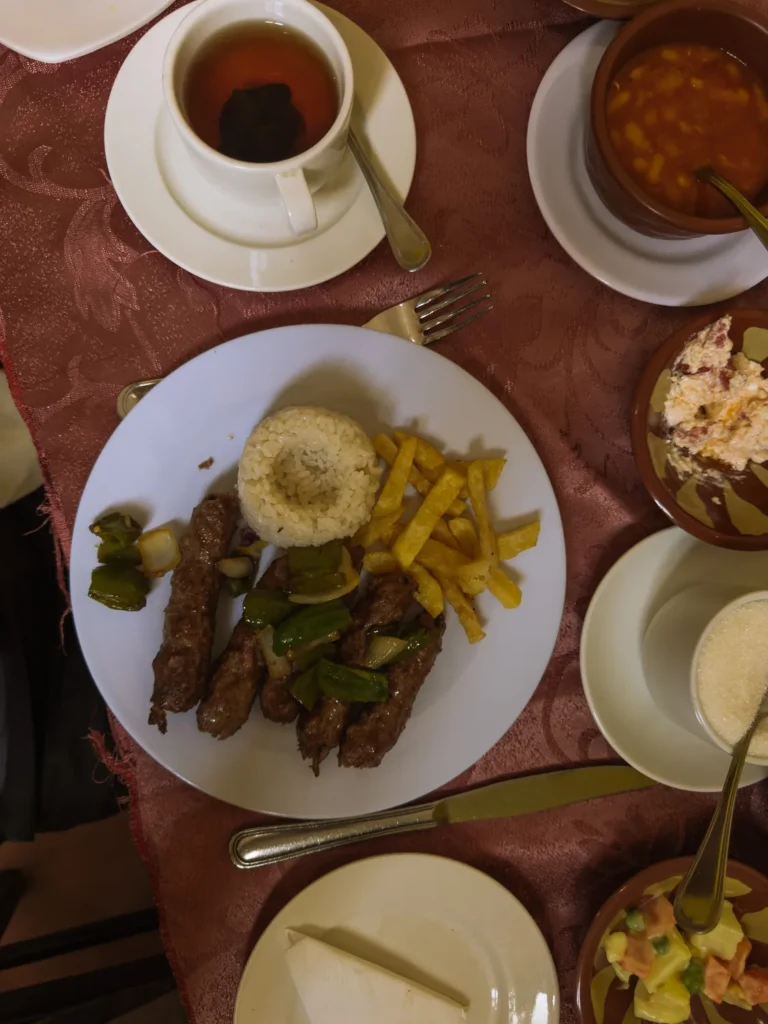
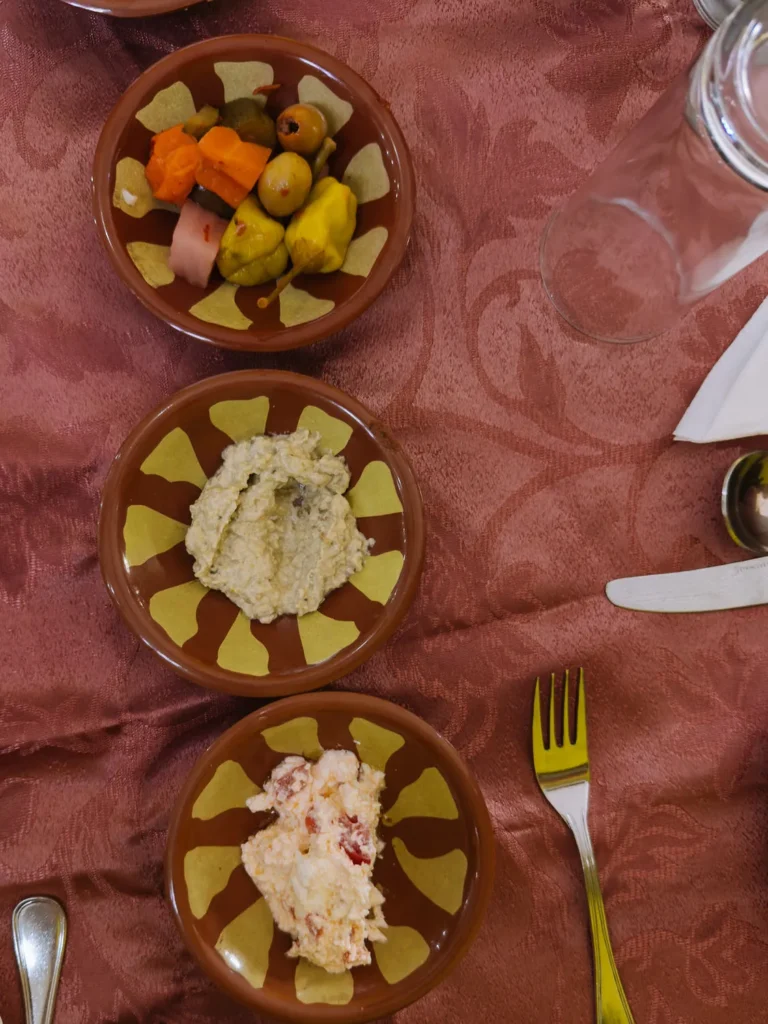
We went to El Dar Darak, a 10-minute walk from the Sphinx Gate. It has regular Egyptian classics in a lively dining room.
Please note: your entrance ticket for the Pyramid Complex is single-entry, so once you have left, you cannot re-enter without purchasing another ticket.
Grand Egyptian Museum
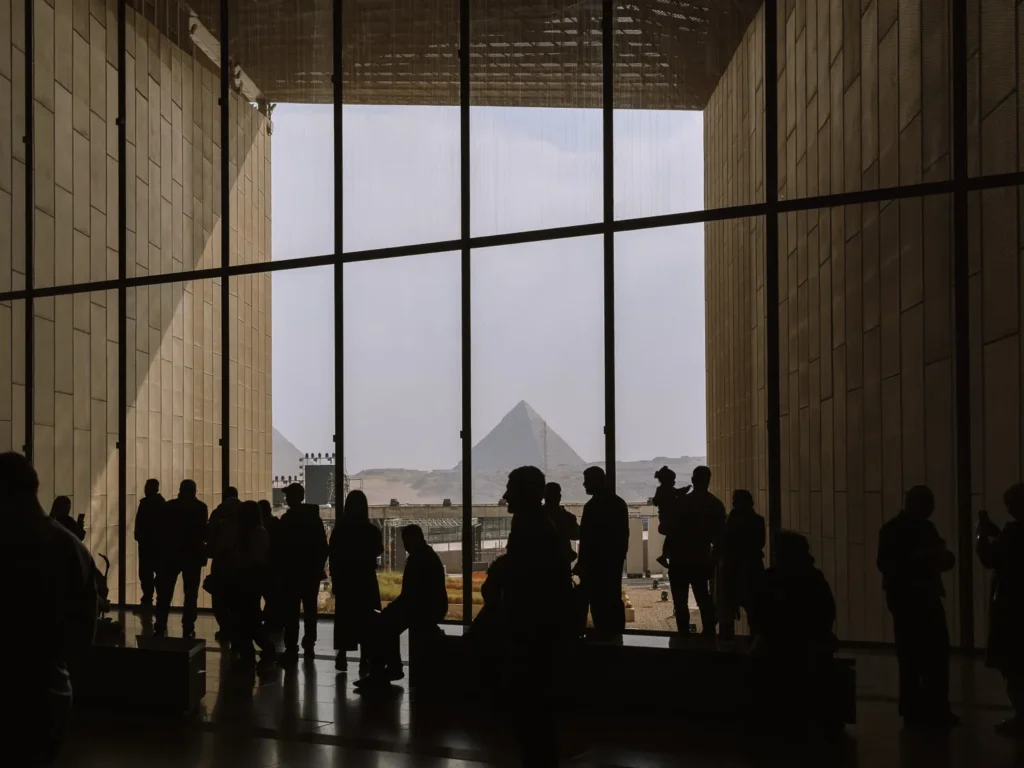
After keeping us in suspense for around 20 years, the Grand Egyptian Museum (GEM) finally opened to the public in November 2025.
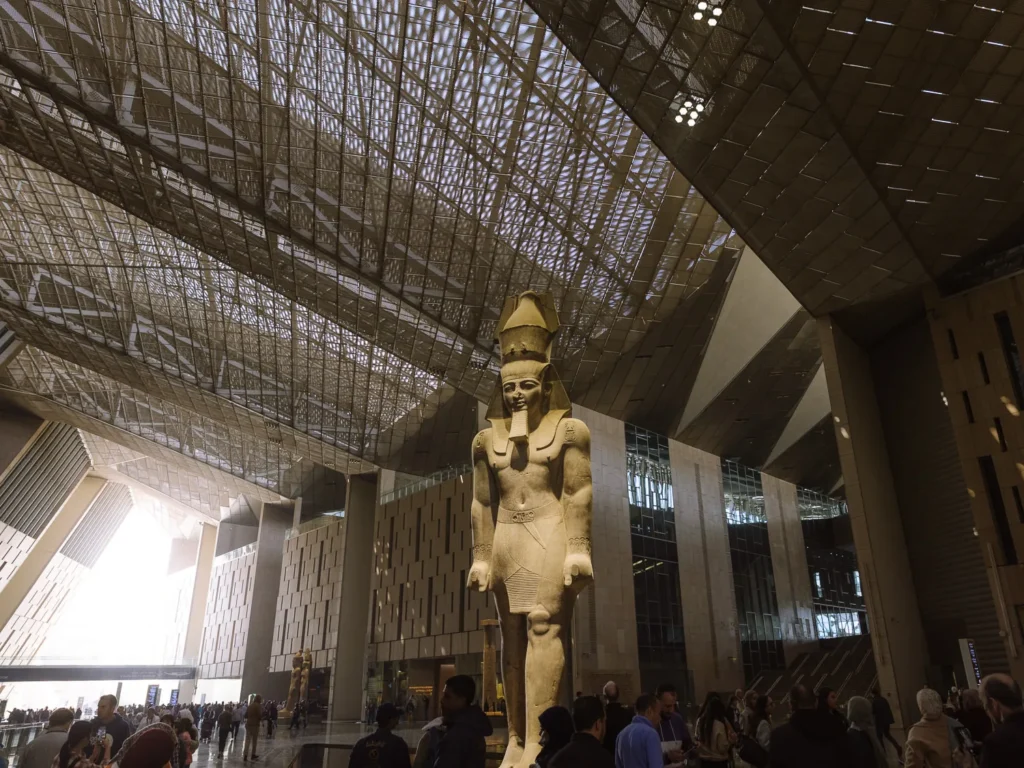
The monument space has a dramatic entrance hall dominated by a colossal statue of Ramses II. From here, it’s a voyage through history in the largest museum dedicated to a single civilisation.
There’s a large central staircase that divides the collection into two distinct wings. One side displays 12 galleries arranged in chronological order, demonstrating the sophistication of Ancient Egyptian civilisation.
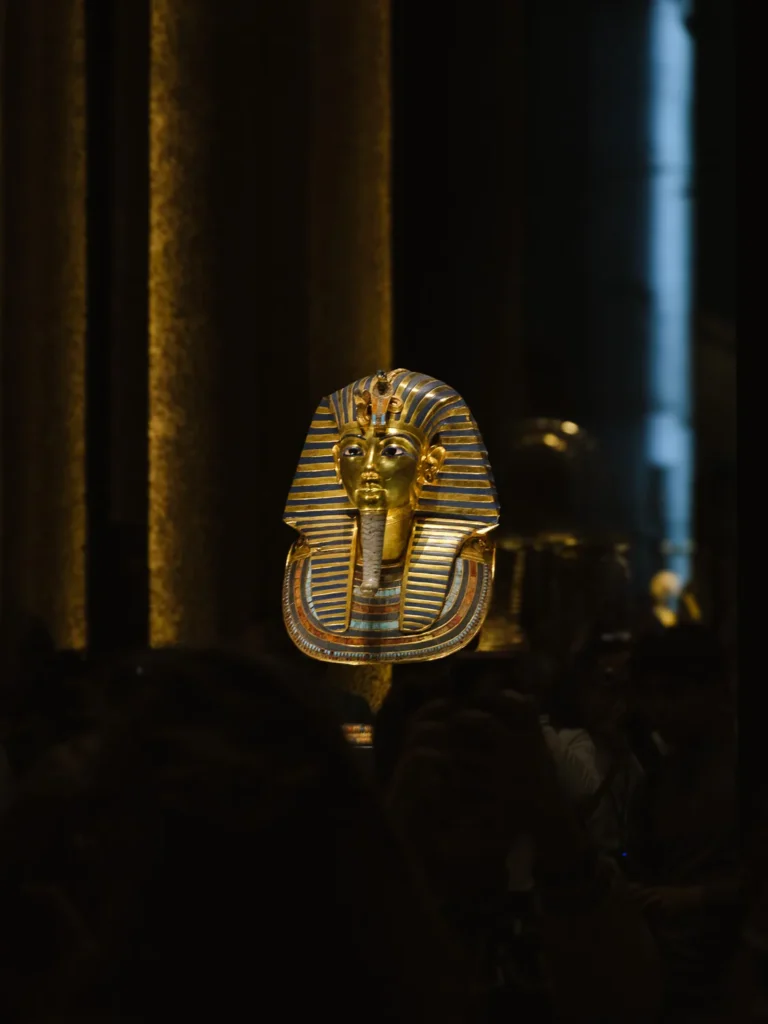
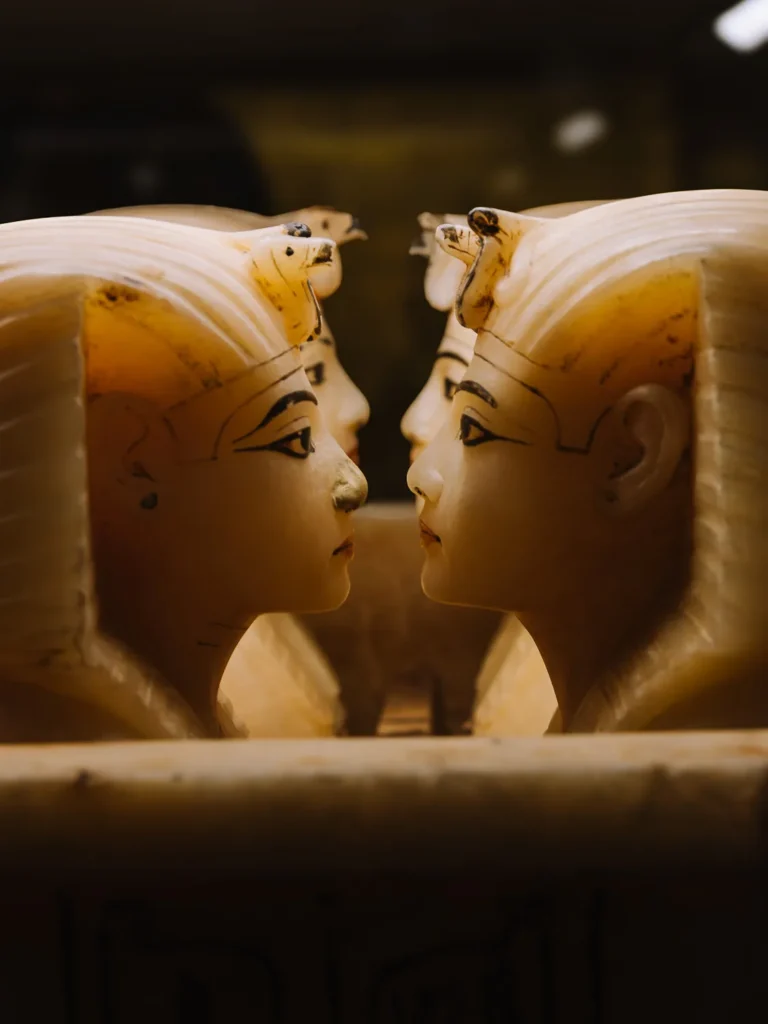
The other side houses the complete collection of artefacts from Tutankhamun’s tomb, including the famous golden death mask.
The museum is only a few kilometres from the pyramids, but we wouldn’t recommend walking there. Several major roads are hard to cross as pedestrians.
So, catch an Uber for a 15-minute ride.
You could spend all day at the museum, but 2–3 hours are enough for most visitors.
There are several cafes inside – we suggest taking a break and recharging about halfway through.
- Hours: The museum is open till 6 pm most days (9 pm on Wednesdays & Saturdays), but closes at 5 pm during Ramadan. If you are visiting during Ramadan, you might prefer to visit the museum in the morning and the pyramids in the afternoon.
- Cost: EGP 1,450 (US$30) for adults and EGP 730 (US$15) for children.
- Tickets: Tickets must be booked in advance for specific time slots
It’s perfectly possible to complete this day independently, but to make life easier, you can also join a tour. This Private Tour lasts 8-10 hours and includes lunch and a camel ride.
Day 2: Saladin Citadel & Islamic Cairo
Try to avoid doing this day on a Friday – it is the day of prayer for Muslims, and the mosques may be closed at midday and in the afternoon.
Saladin Citadel
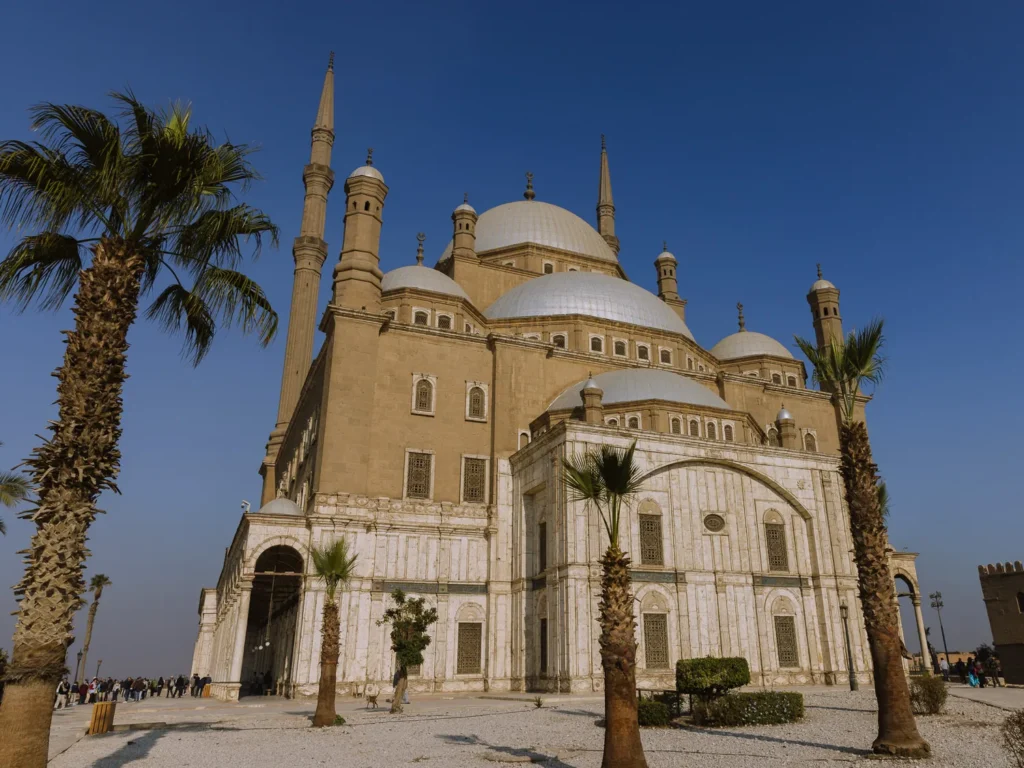
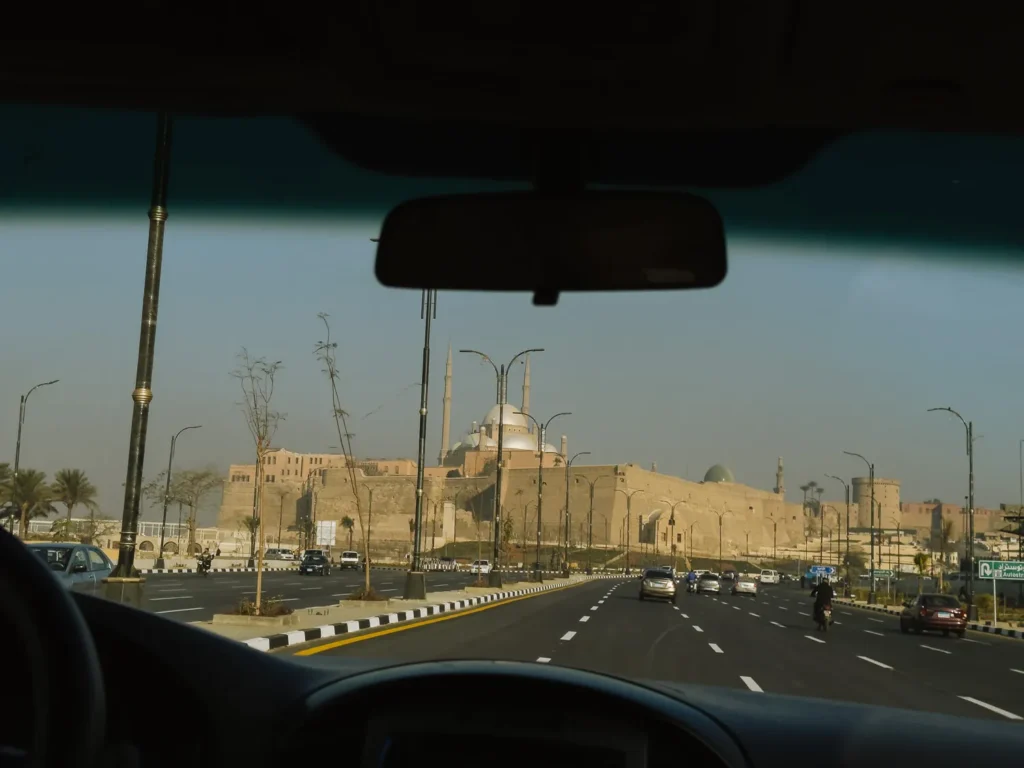
Start the day at Saladin Citadel, the medieval Islamic-era fortress perched on a limestone promontory above Cairo.
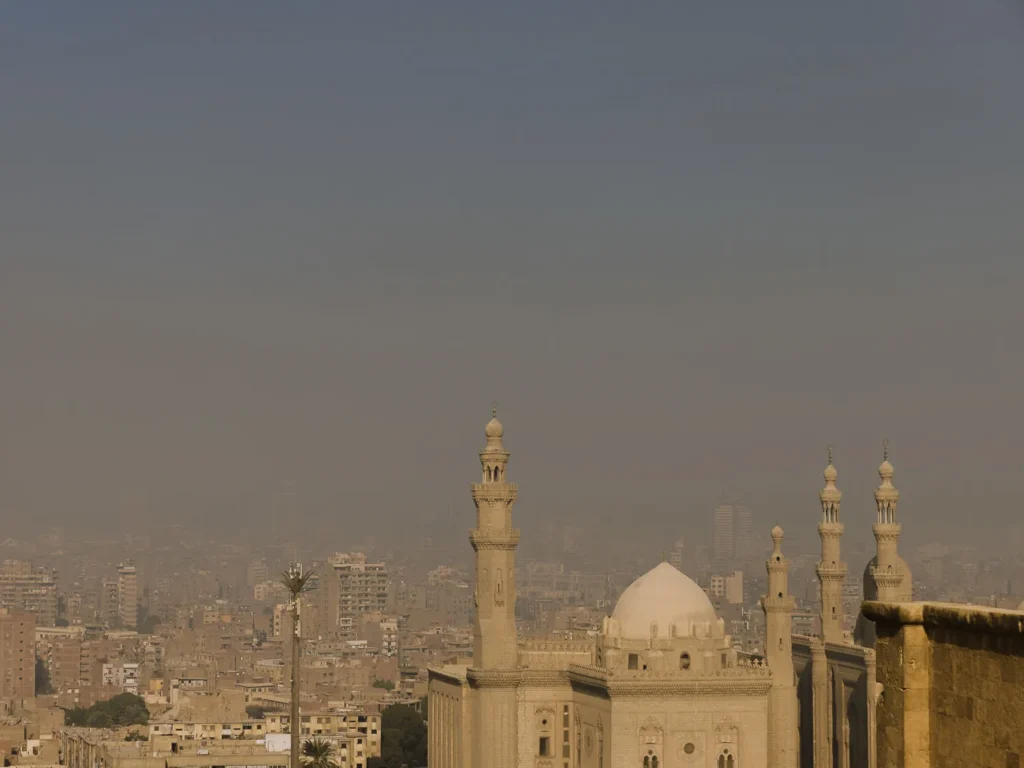
At its centre is the Muhammad Ali Mosque, modelled on the Blue Mosque in Istanbul, with Ottoman-style domes and slender minarets. It’s a striking sight, and non-Muslims are allowed to enter – but please dress conservatively.
The views of Cairo from the terrace outside are excellent.
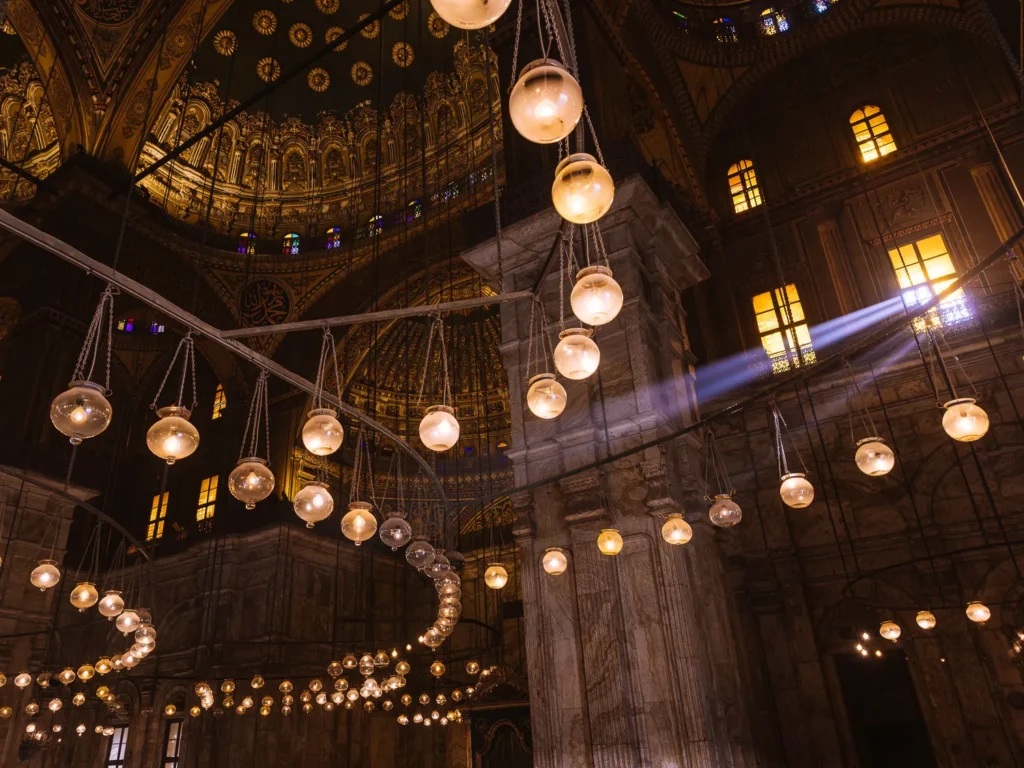
Al-Muizz LI-Din Allah Street
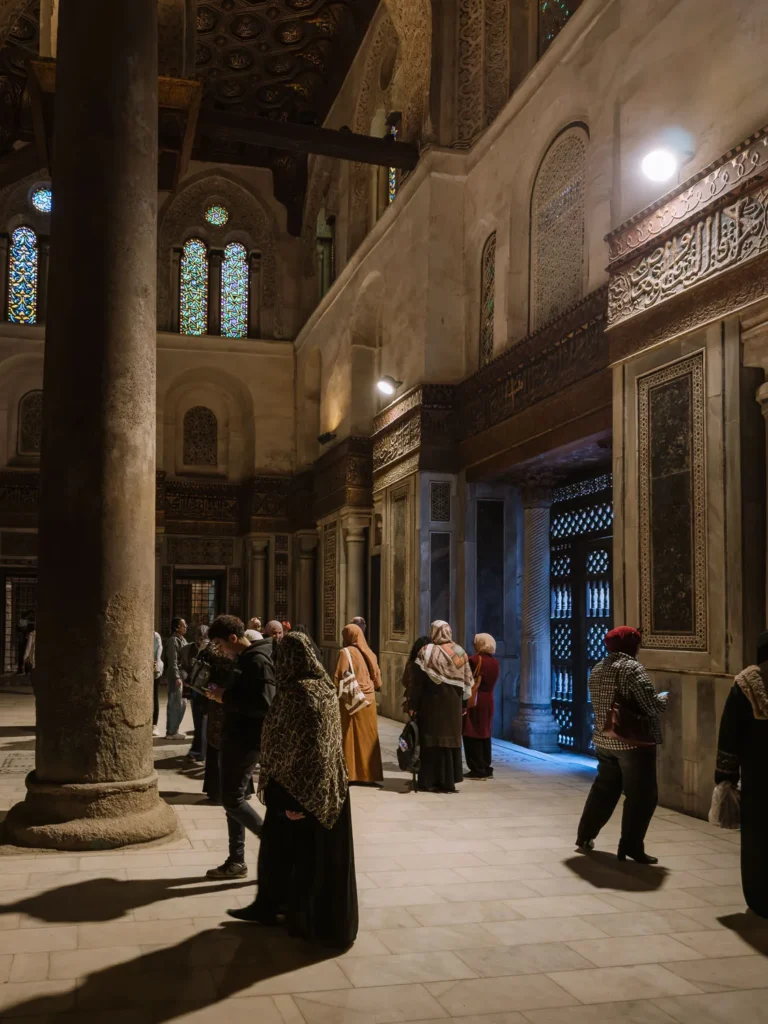
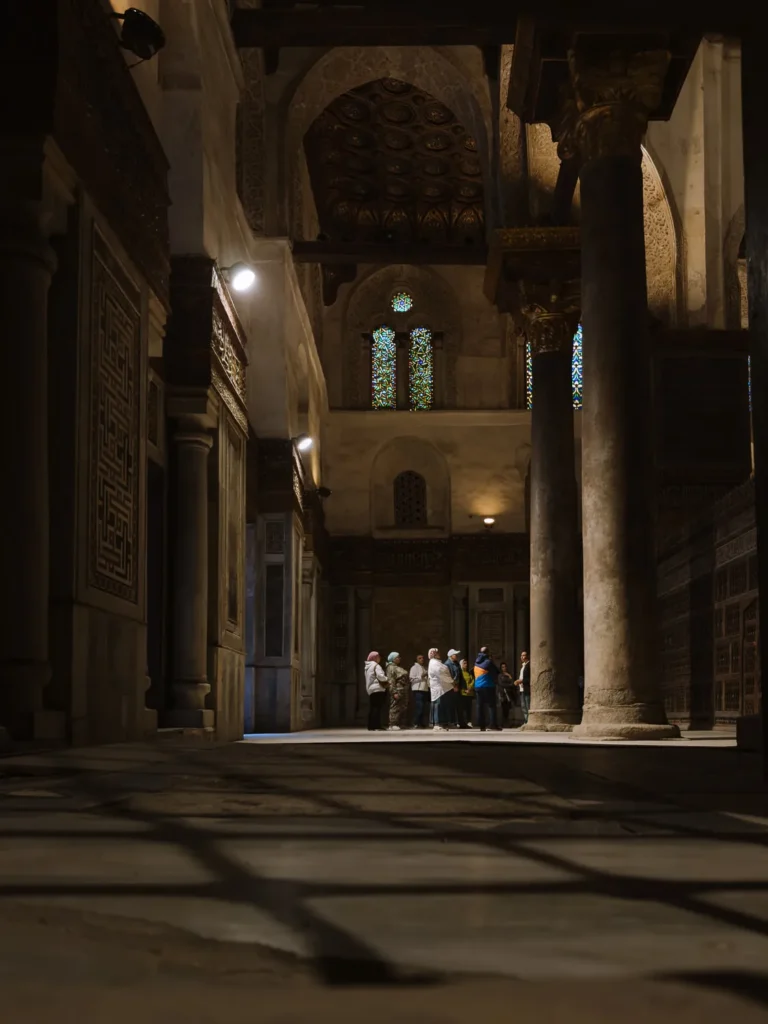
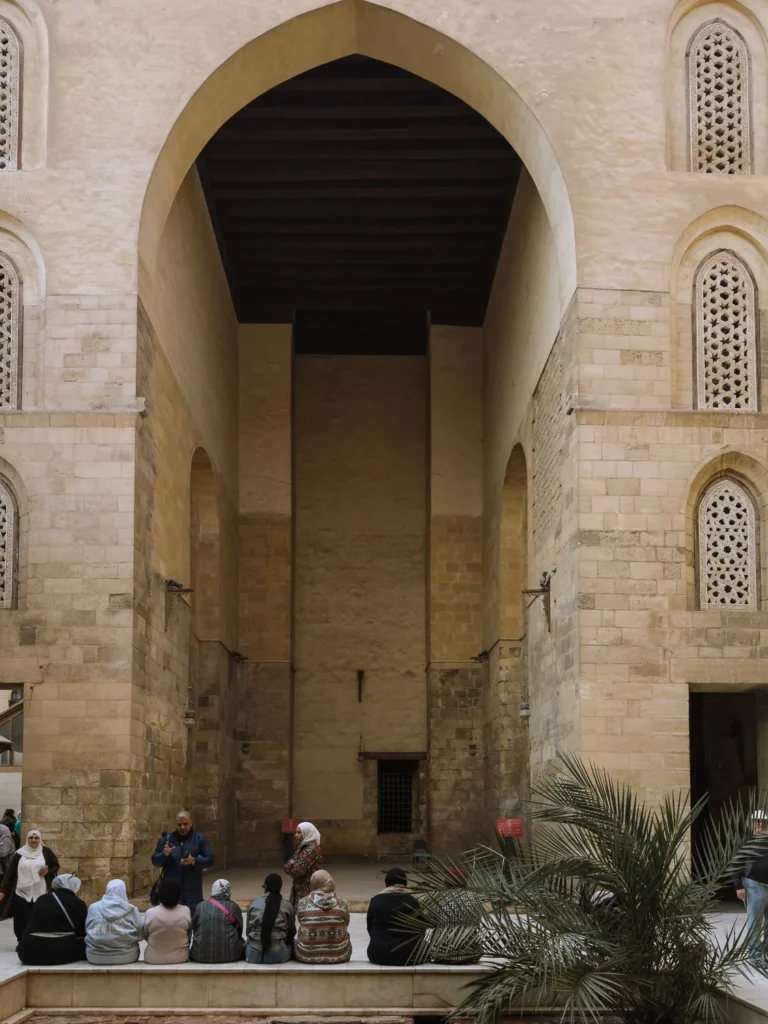
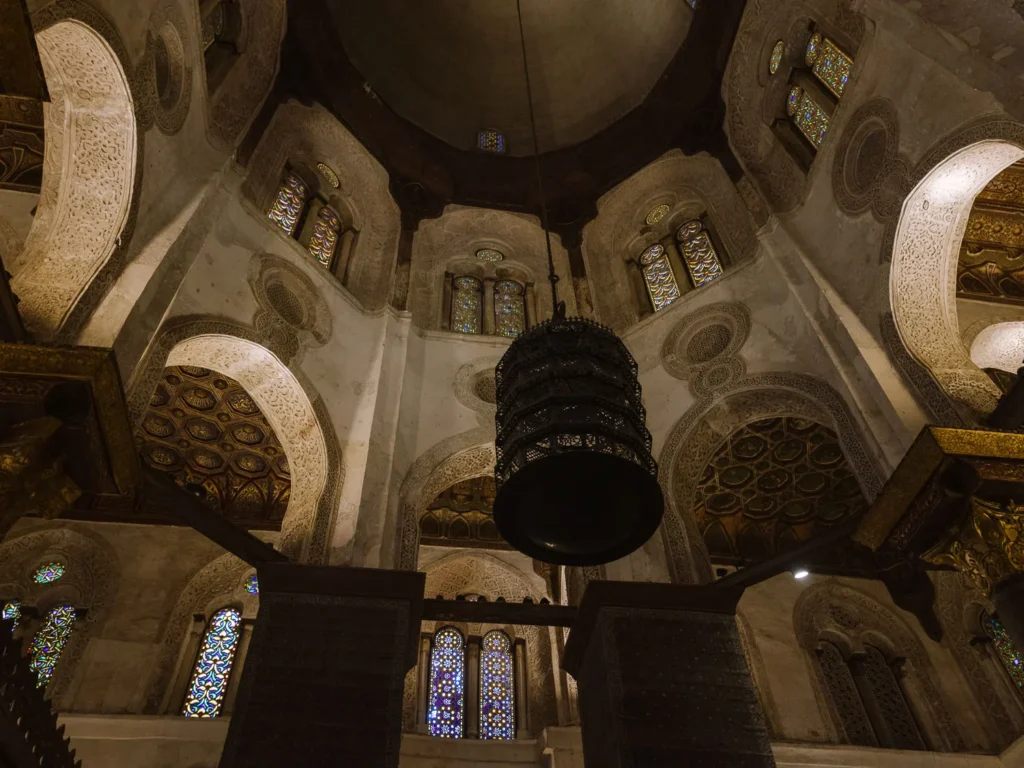
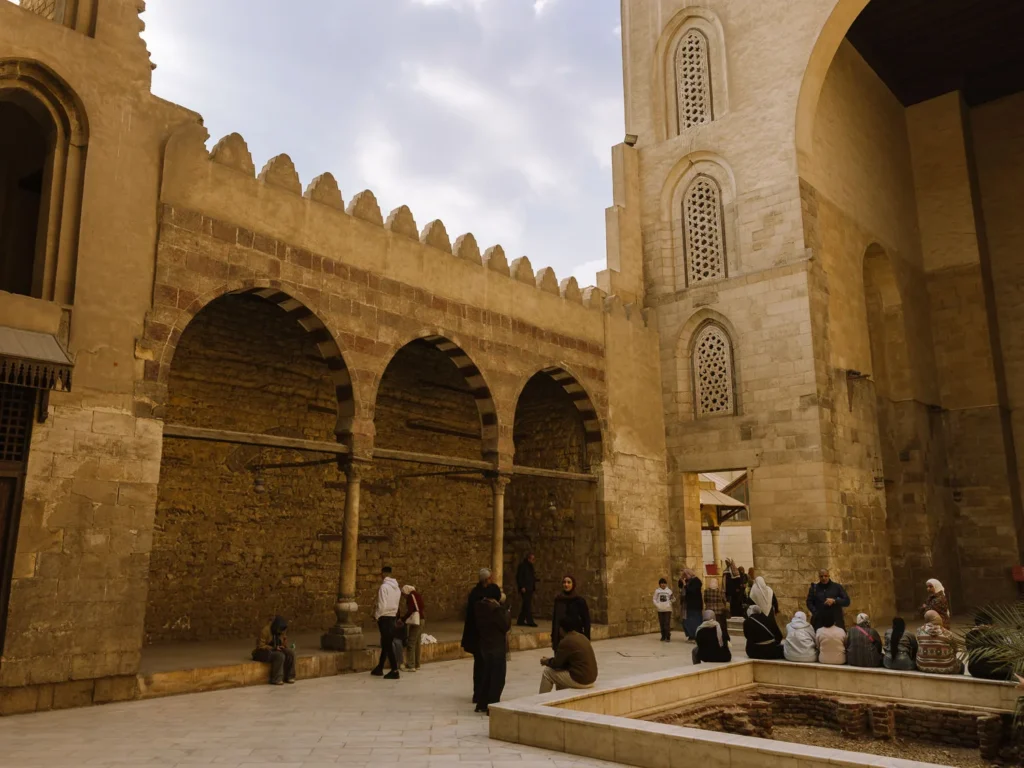
Next, take a taxi (or a lengthy one-hour walk) to Al-Muizz Li-Din Allah Street. Lined with mosques, madrasas and mausoleums, it contains some of the finest medieval Islamic architecture anywhere in the world.
There are several sights to visit, but we recommend the following three.
- Mausoleum & Madrasa of Qalawun – We were stunned by the soaring proportions, intricate carvings and exquisite marble in the 13th century mausoleum
- Madrasa and Mausoleum of Al-Salih Najm Al-Din Ayyub – The austere madrasa stands in striking contrast to Qalawun, yet it was the first madrasa to teach all four Sunni schools of law.
- Bab Al-Futuh – Well-preserved 11th-century Fatimid gate of medieval Cairo.
You can buy a single multi-site ticket for EGP 220 (US$5) for adults and EGP 110 (US$2) for students from the ticket window opposite the Qalawun Complex (location marked on the map).
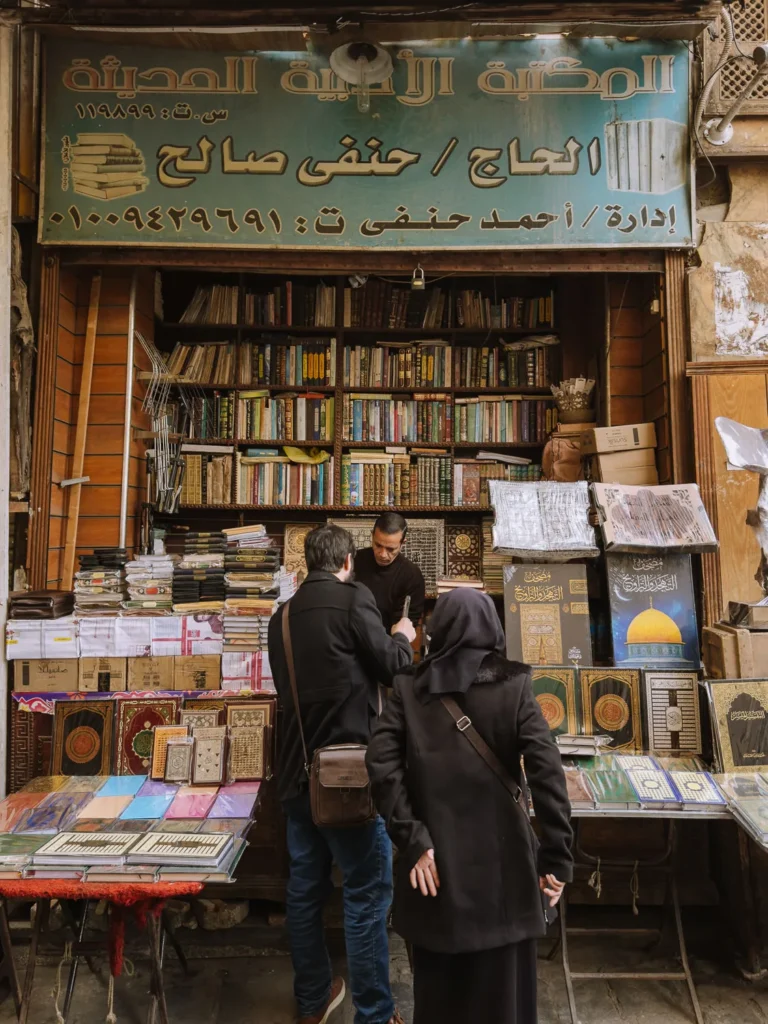
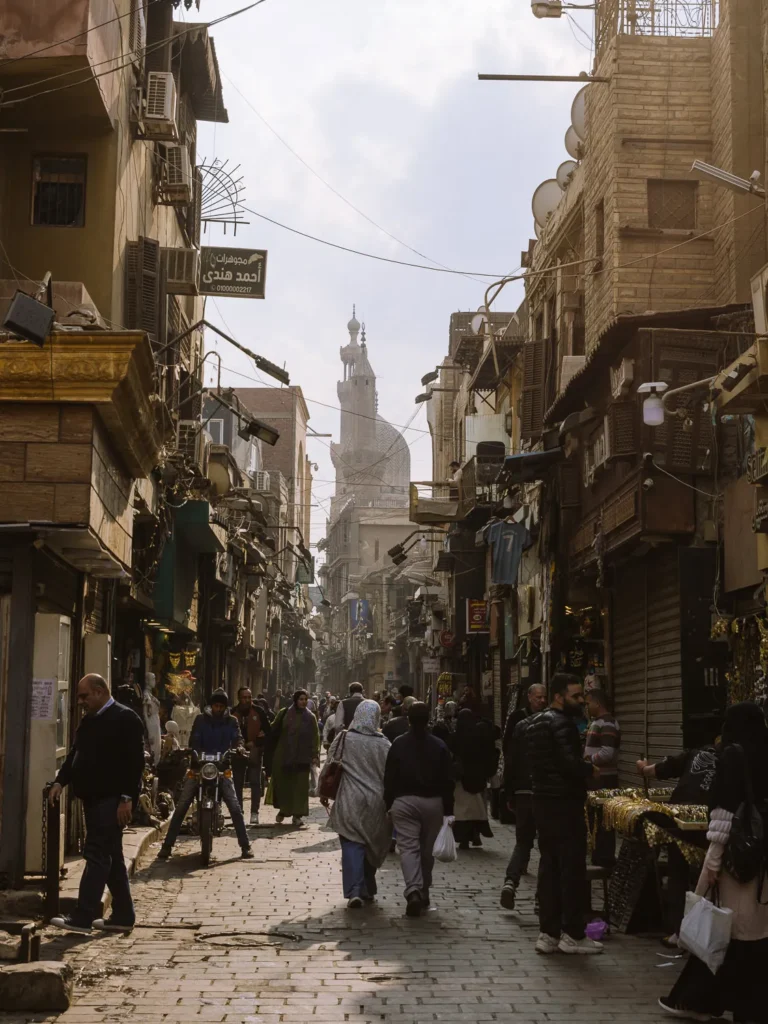
Khan El-Khalili Market
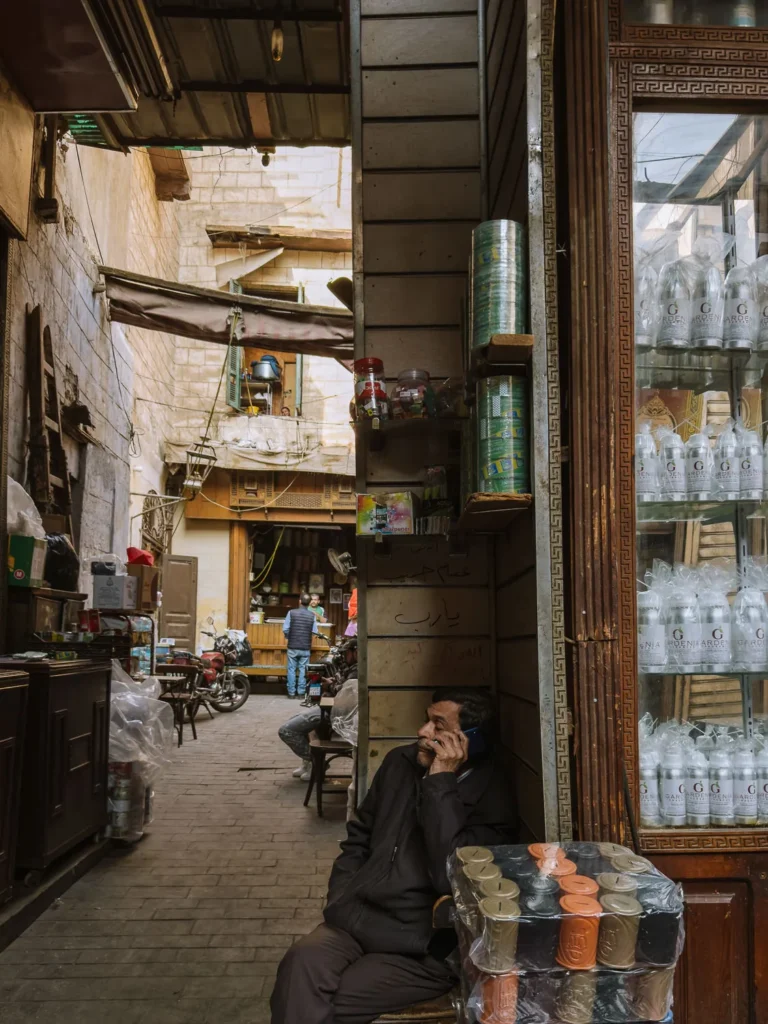
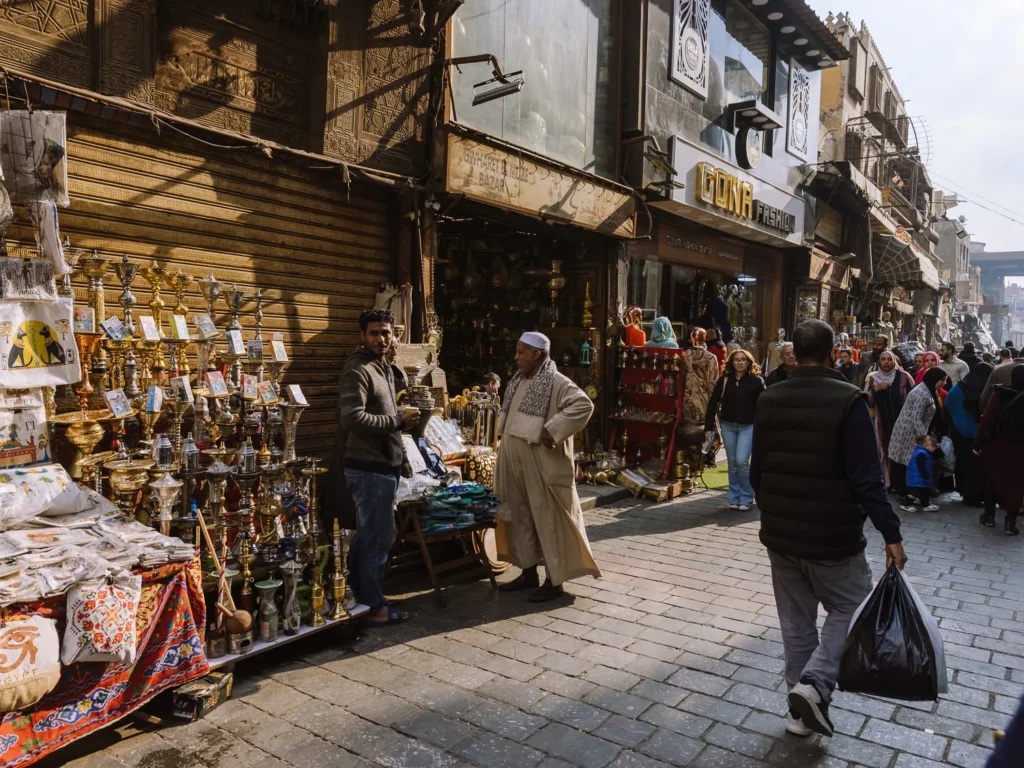
The sprawling Khan el-Khalili Market is at the southern end of Al-Muizz Li-Din Allah Street.
It has a touristy centre, but we wandered into the narrow lanes lining the main strip, which felt much more local.
You’ll find craft workshops selling brass lamps, inlaid boxes, and jewellery, as well as stacks of spices, essential oils and perfumes.
There are some atmospheric restaurants and tea shops dotted around the bazaar. Pick one with a lot of Egyptians, grab a mint tea, and enjoy the experience.
Al-Azhar Mosque
After the market, head to Al-Azhar Mosque. Founded in 970 CE, it is the oldest in Egypt and serves as the centre for Islamic learning.
The highlight is the striking white marble floor surrounded by domes and minarets.
Downtown Cairo
Now head to Downtown Cairo near Tahrir Square, where there are plenty of options for the rest of the day.
If you’re not museum-ed out after the GEM, you could go to the Egyptian Museum. A lot of the collection has been moved to the GEM, but there are still some remarkable exhibits to see.
Otherwise, you could stroll the downtown area. Northeast of Tahrir Square, there is a series of lanes with interesting shops and stalls.
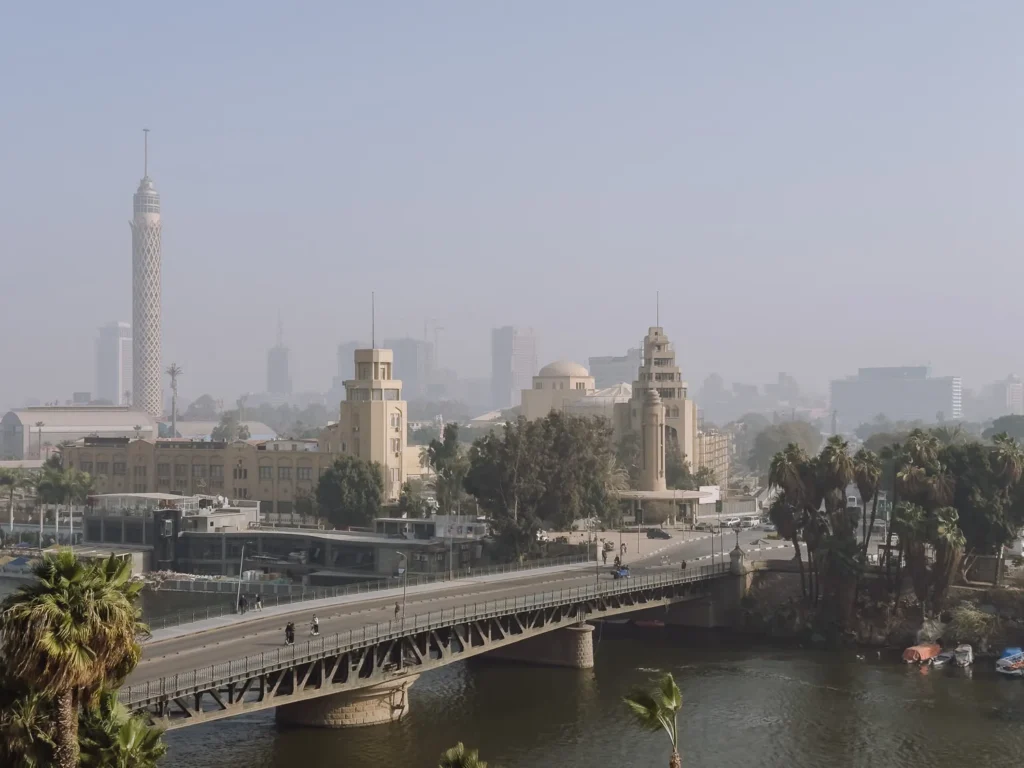
Another option is to walk along the People of Egypt Walkway.
Walking in Cairo can be challenging due to busy roads and uneven pavements, but this pedestrian walkway begins on the eastern side of the 26th of July Bridge and runs north along the Nile.
Dinner
Have dinner at Abou Tarek, which serves Koshary – a carb-filled national dish containing rice, macaroni, vermicelli, and brown lentils topped with a spiced tomato sauce and crispy fried onions.
If you did the People of Egypt Walkway, there are plenty of places to stop for dinner. The one recommended to us was Zaza Cuisine by the Nile.
Day 3: Coptic Cairo and Egyptian Civilisation Museum
Coptic Cairo
Begin the day exploring Coptic Cairo. To get there, grab a taxi or hop on the metro and get off at Mar Girgis (St. George) stop.
The Romans conquered Egypt in 30 BCE, and when the Roman Empire converted to Christianity in the 4th century CE, Egypt began to follow suit.
Coptic Cairo is a historic walled enclave in Old Cairo that was the city’s centre of Christianity from the 4th to 7th centuries, before Arabs conquered the country and converted it to Islam.
It’s a small, compact area but packed with interesting sights. All except the Coptic museum are free to enter. There’s lots to explore, but we suggest you pop into:
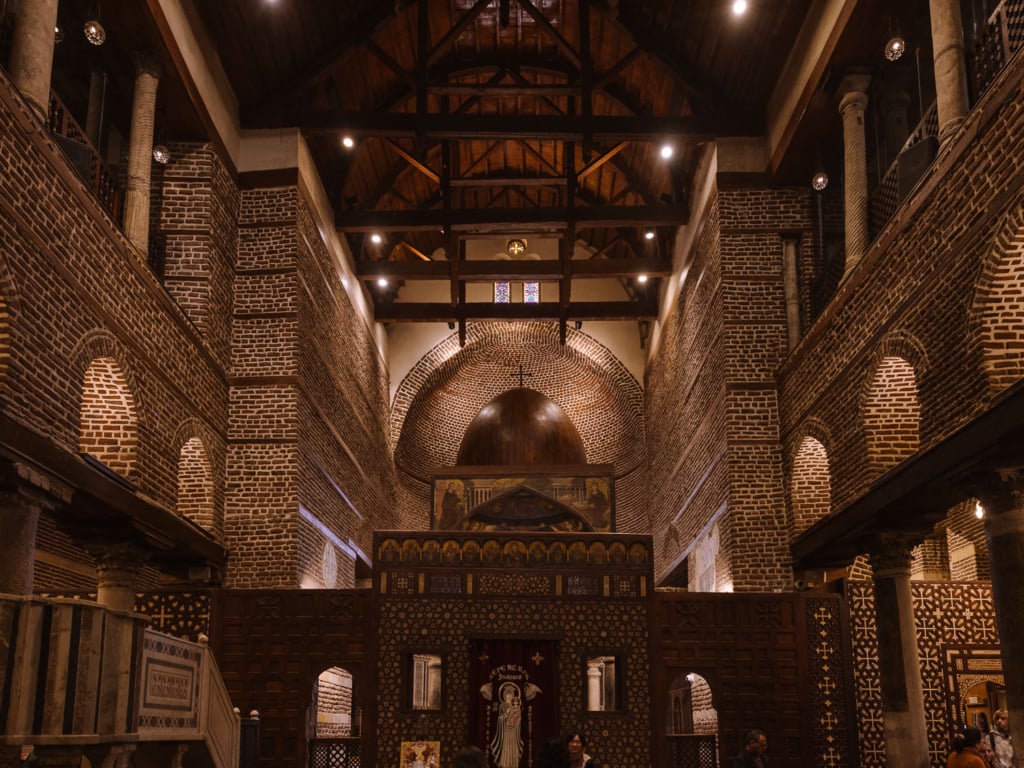
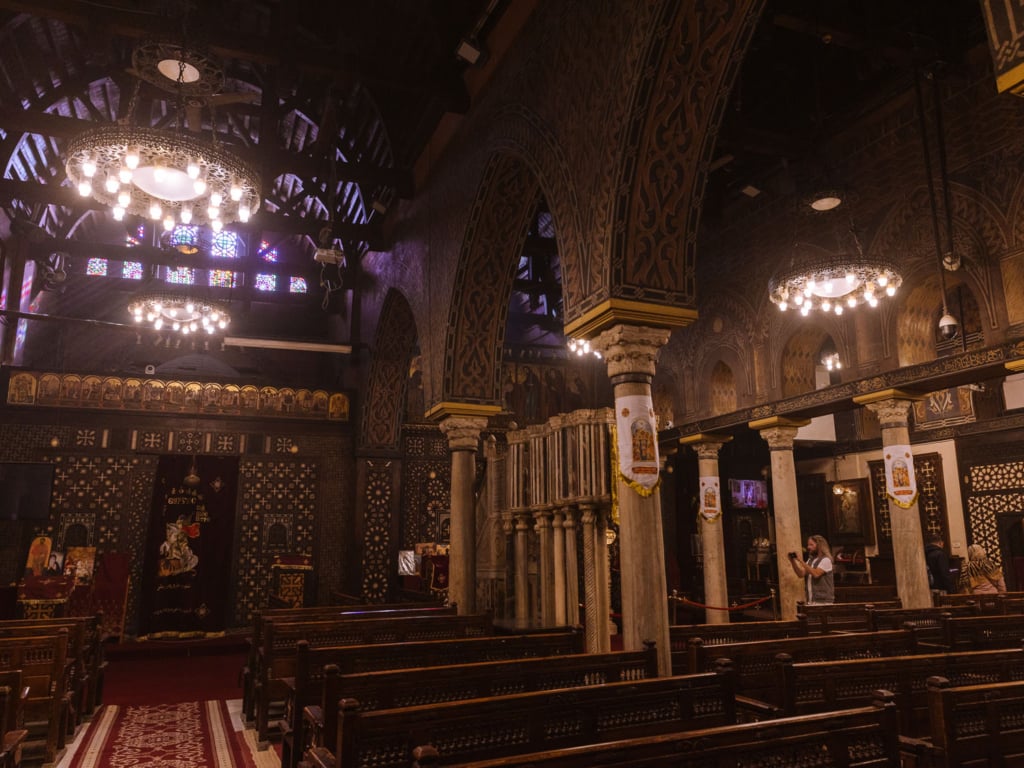
- Hanging Church – With 4th century foundations, it is called the Hanging Church because it was built over a Roman Tower that flooded in winter months, giving the perception that the church was floating on water.
- Church of the Cavern (Saint Sergius and Bacchus Church) – The supposed location where Jesus, Mary and Joseph sheltered while fleeing Herod’s persecution in the Holy Land.
- Ben Ezra Synagogue – An architectural hybrid, built in Christian basilica style with Islamic decorative elements and heavy Jewish symbolism.
- Coptic Museum – A comprehensive collection of Coptic art, textiles, manuscripts, and religious artefacts. It traces the development of Christianity in Egypt from its earliest days through the Islamic period. The Coptic Museum costs 280 EGP (US$6).
Lunch
On the northwestern edge of the main sights of Coptic Cairo, the Old Cairo Restaurant and Café serves decent food and an (extremely strong) Turkish coffee.
Egyptian Civilisation Museum
In the afternoon, head to the Egyptian Civilisation Museum, just a 10- minute taxi ride away.
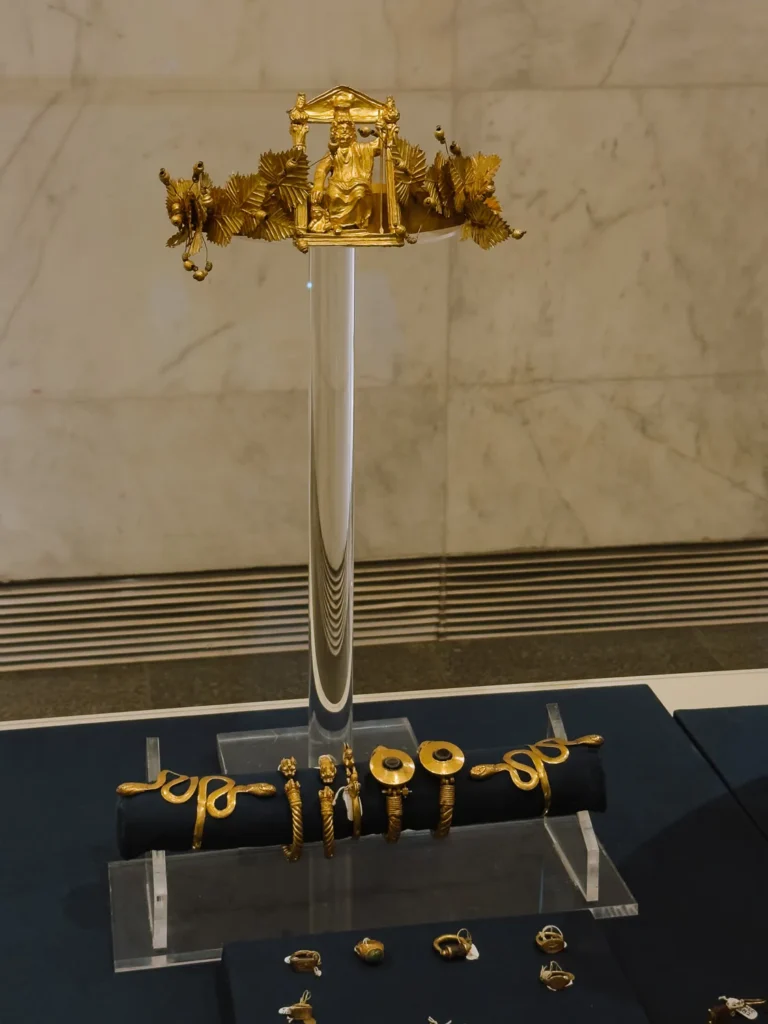
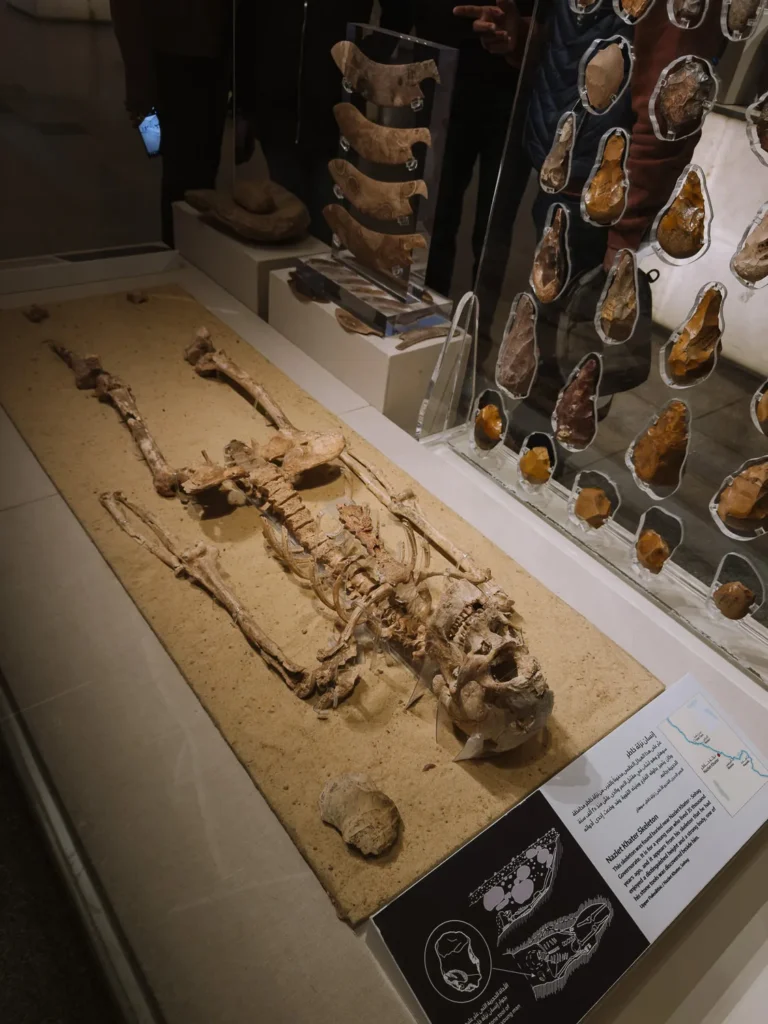
The museum has three sections. The largest room takes you on a fascinating journey through Egyptian history.
You can explore artefacts from the mighty Egyptian Empires, the Roman conquest, the early caliphates, the Mamluks, and the Ottomans, before ending in the modern republic.
But the highlight of the museum and the main reason we recommend going is the Royal Mummies Gallery.
The mummies of pharaohs and queens are displayed in climate-controlled cases. The level of preservation is extraordinary: facial features, hair, teeth, and even physical differences between rulers are clearly visible.
Allow about 2 to 3 hours to explore the entire museum. Tickets cost EGP 90 (US$2) for adults and EGP 45 (US$1) for students and can be purchased online or at the visitor entrance.
Zamalek
End your time in Cairo at upmarket Zamalek. This relaxed area on an island in the Nile has a great mix of local shops, upscale bars, and eateries.
Enjoy sunset drinks at the Nile Zamalek Hotel with views of the Nile.
For dinner, we recommend the upscale Mood Rooftop Lounge, set on a boat on the river. Otherwise, if you still have some appetite for Egyptian cuisine, try Abou El Sid.
Either way, we highly recommend you finish your evening with fried doughnuts from Batates & Zalabya street stall (all marked on the map).
Day Trips from Cairo
If you have extra time and like to travel slowly, here are some day trips you can do from Cairo.
Saqqara & Dashur
Saqqara is home to the Pyramid of Djoser. It is less than half the size of the Great Pyramid at Giza, but it is older (27th century BCE) and architecturally different (consisting of six giant steps rather than smooth-sided).
The site at Dashur features the Bent Pyramid (a failed attempt at the first smooth-sided pyramid) and the Red Pyramid (the first successful smooth-sided pyramid).
The two sights can be visited in a 4- to 5-hour day trip. They may not be as impressive as the Giza Pyramids, but they tell the story of the architectural evolution of pyramids in Egypt.
The easiest way to see them is on a tour. This 6-hour tour visits Saqqara, Dashur, and the Old Kingdom capital of Memphis.
Alexandria
The name Alexandria conjures up images of the ancient past. Built for Alexander the Great after his conquest of Egypt in 332 BCE, it once housed the Library of Alexandria and the Lighthouse of Alexandria – one of the Seven Ancient Wonders of the World.
Sadly, the Library burnt down in 48 BCE, and the Lighthouse was destroyed by a series of earthquakes around the turn of the first to second millennium.
Today, Alexandria lacks the big sights, but tourists come to soak up the Mediterranean air on the Corniche, dip into its museums and citadels, and walk in the footsteps of ancient legends.
Buses run to and from Alexandria taking 3 hours, whereas trains take between 2.5 and 4 hours. You can take the hassle out of planning and join a 10-12-hour tour, with the option to include an Egyptologist.
Desert Excursion
Exploring the Pyramids on the Giza Plateau, you get a feeling of life in the desert. But to truly get immersed in the dunes, you need to take a day trip.
This well-rated all-day tour includes a barbecue lunch in the desert, camel riding, sandboarding, dune bashing, and a visit to the waterfalls at Wadi El Rayan.
It’s about a 2-hour and 30-minute drive each way to the waterfalls, but stops are made along the way. We have not done it, but the reviews are excellent.
Planning & Logistics
Where to Stay in Cairo
There are two main options when choosing accommodation in Cairo: staying near the pyramids or staying in central Cairo.
The benefit of staying near the pyramids is that you are conveniently located for both the pyramids and the Grand Egyptian Museum.
Staying centrally will make it more convenient to reach Coptic Cairo and Islamic Cairo, where many of the other sights are located.
For a detailed breakdown of the main areas, read our guide on Where to Stay in Cairo.
Marriott Mena House (Pyramids | $$$$) – Excellent Pyramid views, beautiful garden, several restaurants, outdoor pool and fitness centre. Great access to the Pyramids and the Grand Egyptian Museum.
Four Seasons Hotel Cairo at Nile Plaza (Central | $$$$): Impeccable service with stunning Nile views and easy access to the Egyptian Museum.
Steigenberger Hotel El Tahrir (Central | $$$): Modern hotel in downtown Cairo within walking distance of Tahrir Square and major museums.
Australian Hostel (Central | $): Clean, friendly hostel near the Egyptian Museum with helpful staff and rooftop views.
Best Time to Visit
The only time we would really recommend visiting Cairo is between October and April, when temperatures are more manageable.
Summer months (June-August) can be brutally hot, with temperatures regularly exceeding 40°C (104°F). It’s also peak season and the sites can be crazy busy.
On our last trip, we visited during winter, and the temperatures were very decent, 20°C (68°F), but nights were surprisingly cool, especially on the Nile.
Friday is the Islamic holy day, and many sites have reduced hours or are closed in the morning.
We would suggest you try to avoid Ramadan if possible, as opening hours are shorter.
Getting Around Cairo
Metro: Cairo’s metro is efficient, air-conditioned, and incredibly cheap. It’s perfect for reaching Coptic Cairo (Saint George station) and the National Museum of Egyptian Civilisation (El-Malek El-Saleh station). Women can use the dedicated women’s carriages at the front of the train.
Uber/Careem: These ride-sharing apps work brilliantly in Cairo and are far easier than negotiating with taxi drivers. They’re also extremely affordable by Western standards.
Traffic: Cairo’s traffic is legendary. Build in extra time for everything, especially during rush hours (roughly 7-10 AM and 4-8 PM).
Language
Arabic is the official language. English is widely spoken in tourist areas, hotels, and restaurants, but less common in local markets and neighbourhoods.
Learning a few basic Arabic phrases is appreciated: shukran (thank you), min fadlak (please), and la, shukran (no, thank you) will serve you well.
More Egypt Guides
- How to plan a 7- or 10-day Egypt itinerary.
- The best places to visit in Egypt.
- Essential tips for visiting Egypt: what to know before you travel.
- The best ancient temples in Egypt.
- Nile Cruise ship vs Dahabiya: which is the best experience?
- The best things to do in Cairo (including the Pyramids).
- Plan your trip with our 2- or 3-day itinerary for Cairo.
- All you need to know about visiting the Valley of the Kings.
- What to do in Aswan, Egypt’s southern escape.
- See the best and other great things to do in Luxor.
- Your complete guide to visiting the Pyramids of Giza.

reader-supported
When you buy through links on our site, we may earn a small affiliate commission at no extra cost to you.
Thanks for your support // Paul & Mark