

If you’re looking for London travel tips, you’re in the right place. This guide covers all the essential information you need to know about London, including the new visa requirements, getting around, what things cost, and when to go.
By: Paul Healy | Last Updated:
London is not a city to wing it.
It’s one of the biggest, most relentlessly busy cities on earth and arriving without a plan can be genuinely overwhelming.
But it’s also one of the most rewarding cities in the world to visit. The museums are standouts, the shopping is unparalleled, the parks are beautiful, and the history is fascinating.
We’re Londoners, and we’ve spent years getting to grips with the city.
This guide covers everything practical you need to know before you arrive — from the new entry requirements to the best way to pay for transport, what the city costs, and how to dress for weather that can change four times before lunch.
The New Eta
As of 25 February 2026, most non-UK citizens travelling to the UK need an Electronic Travel Authorisation (ETA) — a digital pre-approval linked to your passport — before you travel.
This new requirement applies to travellers from 85 countries who previously didn’t need a visa to visit the UK — including citizens of the US, Canada, Australia, and all EU countries.
- Cost: £16 per person — non-refundable.
- Validity: 2 years, or until your passport expires. Multiple trips allowed as long as each stay is up to 6 months.
- How to apply: Through the official UK ETA app.
- Processing time: Most decisions arrive within minutes via the app; allow up to 3 working days to be safe.
We suggest applying for the ETA before you book anything else. Without a valid ETA, you cannot board your flight.
Transit // if you’re passing through a UK airport without clearing immigration, you don’t currently need an ETA. If your connection involves going through passport control, you do.


Where to Stay
We have a complete guide about Where To Stay In London, but here is a quick summary of the best areas for first-timers.
Westminster is a great option for first-time visitors as it’s right in the centre of the main tourist attractions. It lacks the neighbourhood feel of other areas, but you can find some surprisingly good hotels.
Soho has a bohemian feel and excellent bars, cafés, and restaurants. It’s a great base if you plan on enjoying London’s nightlife and want to be in the centre of the action.
Paddington is slightly out of the centre, but it has excellent transport links. You can be in Soho within 15 minutes, and you’ll find some of the best-value accommodation here.


Getting Around London
Many of the best attractions are located in a compact area of central London, and a well-planned itinerary will let you walk between plenty of them.
But to cover the city fully, you’ll need to use public transport at some point. Here’s how it all works.
The London Underground
The Underground — known as the Tube — is the fastest and most reliable way to get across the city.
In central areas, stations are rarely more than ten minutes’ walk apart, and trains run every two or three minutes during the day.
The Tube runs from around 5 am to just after midnight on most lines.
On Friday and Saturday nights, the Central, Jubilee, Northern, Piccadilly, and Victoria lines run a 24-hour service.
London Buses
Buses are slower than the Tube for covering distance, but they offer great views, especially from the front seat on the top deck of a double-decker.
They’re particularly useful in areas where Tube stations are further apart.
Use the TfL Go app or Google Maps to plan bus journeys. You pay by tapping a contactless card or phone when you board — buses are entirely cashless.

Pay-As-You-Go Caps
The best way to pay for public transport in London is to use contactless.
Tap your bank card or phone on the yellow card reader at Tube gates and bus stops.
Contactless payments are automatically capped daily and weekly, so no matter how many journeys you make, you’ll never pay more than:
- Daily cap (Zones 1–2): £8.90
- Weekly cap (Zones 1–2): £44.70
- Daily cap (buses only): £5.25
Travelcards
The alternative is a Travelcard, which gives unlimited travel within set zones.
Daily travel cards for Zones 1 and 2, which most tourists would use, are no longer available.
A Zone 1-6 card is available, but at £16.60 it’s very poor value compared to the contactless daily cap of £8.90 for Zones 1–2. For most visitors, contactless is simpler and cheaper.
For a week in London, the weekly contactless cap of £44.70 matches the weekly Travelcard price exactly, so again, contactless is simpler and no less affordable.

Bikes & E-Bikes
Shared bikes are a great way to cover short distances in London, particularly along the river or through parks. There are currently two good options.
- Santander Bikes — The official TfL scheme, with hundreds of docking stations across central London. A day pass gives you unlimited 30-minute journeys for £3, or £1.65 per 30 minutes without a pass.
- Forest E-Bikes — The cheapest e-bike option in the city and the only zero-emissions fleet. Offers 10 free minutes every day, then 19p per minute.
Taxis & Uber
Uber works in London, though in our experience, it’s become less reliable than it once was. Keep an eye on surge pricing at busy times, which can push costs up considerably.
London’s black cabs are more expensive but genuinely iconic. They can be hailed from the street when the yellow light is on, all accept contactless payment, and the drivers’ knowledge of the city is formidable.
Honestly, we rarely bother with taxis these days. The Tube is so efficient that it’s usually much quicker than getting anywhere on London’s roads.
We’d only bother with taxis after midnight, or during a Tube strike.

Money & Costs
London is an expensive city. There’s no point pretending otherwise.
But there is scope: the gap between a budget trip and a luxury one is enormous. Many of the city’s best museums and attractions are completely free.
We cover more in our free things to do in London guide.
What Things Cost: a Rough Daily Guide
- Budget: £65–95 per person per day — hostel or budget hotel, supermarket meals, the Tube daily cap, free museums
- Mid-range: £150–220 per day — comfortable hotel, restaurant meals, a paid attraction or two
- Luxury: £350+ per day (excluding accommodation if already booked)
Free Attractions
The single biggest saving in London is that many of its world-class attractions are completely free to enter. The following are free all year round:
- British Museum
- National Gallery
- National Portrait Gallery
- Tate Modern and Tate Britain
- Natural History Museum
- Victoria & Albert Museum
- Science Museum
Temporary exhibitions within these museums often have admission charges, but the permanent collections — which contain some of the greatest art and artefacts in the world — are free.


West End Theatre
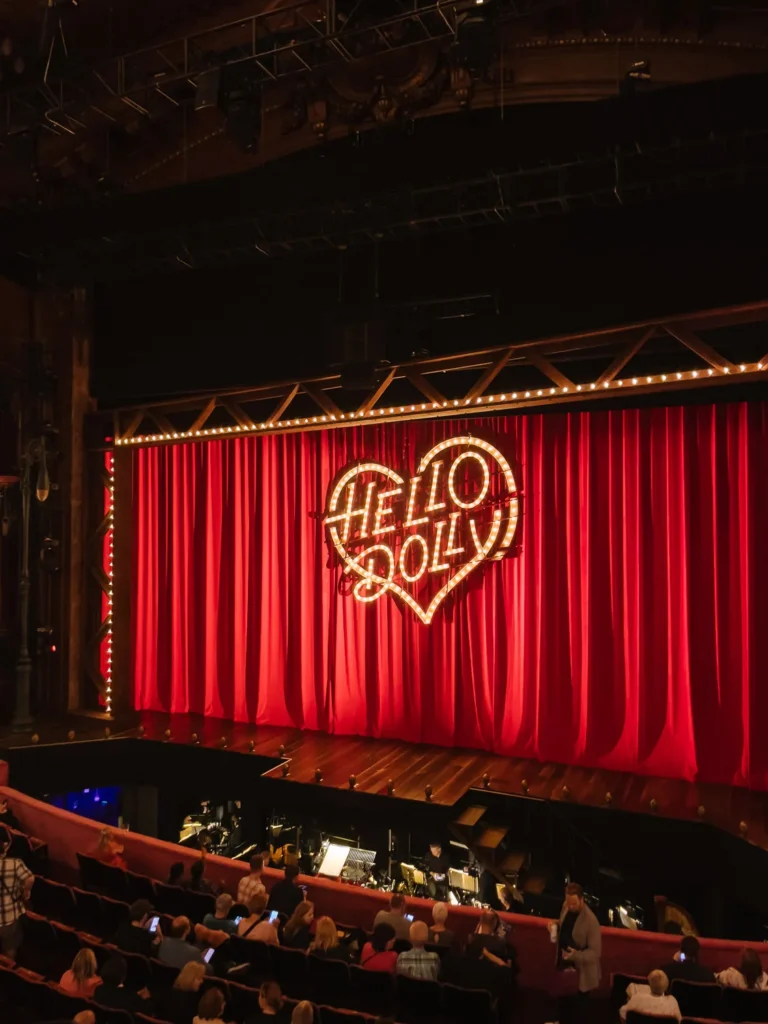
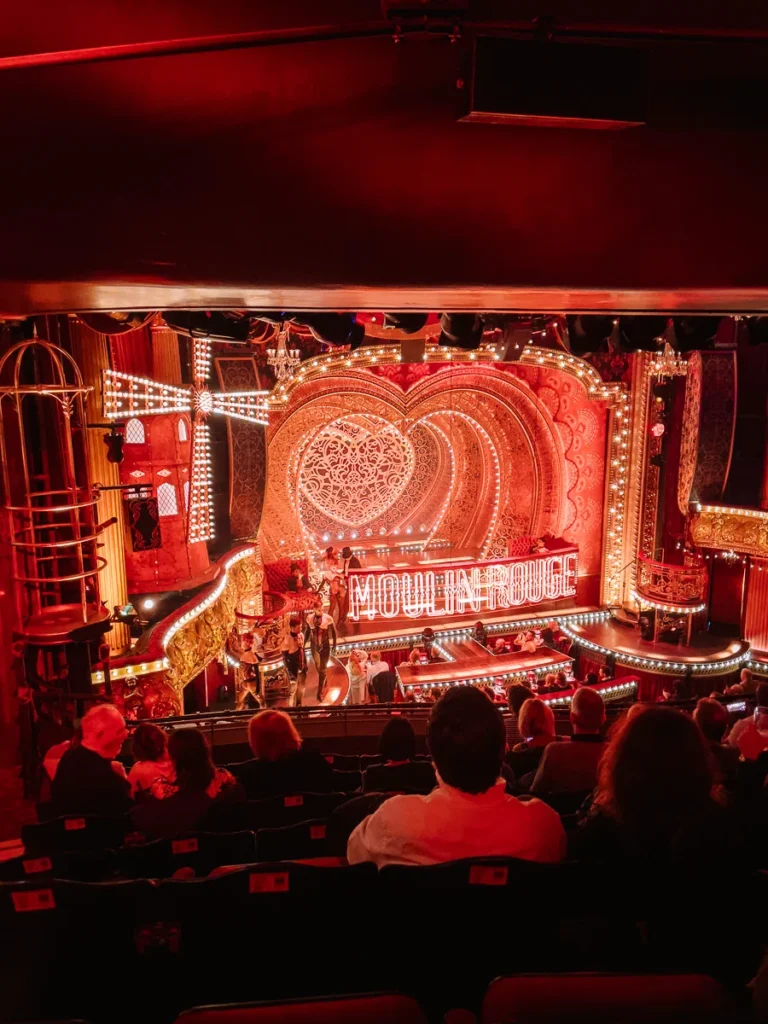
West End theatre is getting more and more expensive these days. But last-minute and standing tickets are often available on the day, and the TKTS booth on Leicester Square sells same-day discounted tickets for many shows.
Currency & Paying
London is almost entirely cashless — contactless payment is accepted in virtually every shop, pub, restaurant, market stall, and on all public transport. You’ll rarely need cash.
Avoid exchanging currency at airport booths, which offer poor rates and charge high fees.
Using your debit card at a UK ATM is better, though check whether your home bank charges withdrawal fees.
A fee-free travel card, such as Revolut or Wise, will save money on every transaction if you’re visiting for more than a few days.
Always select local currency at ATMs or payment terminals.
Tipping in London
Tipping in the UK works quite differently from the US.
UK hospitality workers are paid at least the National Minimum Wage, so tips are a genuine bonus rather than an essential part of their income.
Here’s how it works in practice:
- Restaurants – Many London restaurants automatically add a 12.5% service charge. Check your bill before adding more — if it’s already there, anything extra is unnecessary. If no service charge is included, 10–12% for good service is appropriate.
- Pubs & bars – Tipping is not expected when ordering at the bar. If you have a table with full table service, rounding up the bill is a nice gesture.
- Taxis & black cabs – Rounding up to the nearest pound is standard for short journeys, or around 10% for longer trips — especially if the driver helps with luggage.
- Uber & ride-hailing – Tipping through the app is appreciated but not expected.
- Hotels – Tipping is not generally expected. A small tip for a porter (£1–2 per bag) is appreciated; tipping housekeeping is kind but not the norm.
- Tour guides – Around 10% is standard for a paid tour. For free walking tours, which operate on a pay-what-you-like basis, £5–10 per person is fair.
- Cafés & coffee shops – Not expected, though many now prompt for tips on card readers. Feel free to decline — there’s no social pressure to add one.
Weather & What to Pack
London’s weather is famously unpredictable, and the most important thing to understand is that it can change several times in a single day. Your only defence is to layer up and always carry a compact umbrella — whatever the forecast says.
- Spring (March–May) – Mild but changeable, with a mix of sunshine and showers. Pack a light-to-midweight jacket, layers, and a compact umbrella. Comfortable walking shoes are essential.
- Summer (June–August) – Generally warm and pleasant, but rarely hot enough to pack light summer-only clothing. A light jacket is still useful for cooler mornings and evenings.
- Autumn (September–November) – Comfortable in September, turning progressively cooler and wetter through October and November. A mid-weight waterproof jacket and layers are ideal.
- Winter (December–February) – Cold, grey, and damp, but rarely as harsh as many visitors expect. Average January temperatures are around 5–6°C (42°F). A proper winter coat, scarf, and gloves are needed, but heavy snow is rare.


Practical Tips for Visiting London
Plugs & Power — The UK uses Type G plugs — the large three-pin plugs used only in the UK and a handful of other countries. You’ll need an adaptor if you’re visiting from Europe, North America, or Australia. Pick one up before you leave or at the airport on arrival. We never travel without a universal adaptor.
eSIM & Mobile Data — An eSIM is the most convenient option if your phone supports it. You can purchase and activate one before you leave home, and it’s ready the moment you land. Airalo is a reliable and affordable provider that we use ourselves.
Free WiFi — Widely available in hotels, cafés, restaurants, and pubs, and many Underground stations now have WiFi in the ticketing areas.
Healthcare — US Medicare and Medicaid do not work in the UK, and the NHS charges tourists 150% of the cost of treatment for any care received. EU citizens visiting the UK can use a valid European Health Insurance Card (EHIC) issued by their home country to access necessary healthcare during their stay.
Queuing — Queuing politely is taken very seriously in the UK. Jumping a queue is considered one of the most antisocial things you can do in London.
Escalators — On Tube escalators, always stand on the right and walk on the left. This is a firm, unwritten rule. Blocking the left side during rush hour will not make you popular.
Pubs — Order at the bar rather than wait for table service; payment is made when you order. If you’re in a group with British locals, it’s customary to buy drinks in rounds.
Driving — As locals, we’d say you almost certainly won’t want to drive in London. If you do, keep in mind there’s a Congestion Charge that applies to most of central London on weekdays.

Food & Drink
British food can get a mixed reception, but there’s no denying London’s food scene is genuinely world-class. It’s diverse, creative, international and has something for all budgets.
Eating Out
London has restaurants covering essentially every cuisine you could imagine. We’re not going to cover restaurants in detail; that would take a lot more than this one guide.
But here are a few things worth knowing.
- Lunch is often significantly cheaper than dinner at the same restaurant. Many places offer a set lunch menu at a fraction of the evening price.
- Borough Market (London Bridge) is one of the world’s great food markets. It’s excellent for a weekend lunch of small plates from different stalls, but it can be very busy.
- Dinner service starts around 6–7 pm and peaks at 8 pm. Unlike some Southern European cities, Londoners don’t eat particularly late.

British Food Worth Trying
A few classics that are worth seeking out properly, rather than in tourist-facing versions:
- Fish and chips – Seek out a proper chippy rather than a pub version. Poppies are generally considered the best.
- Sunday roast – The great British ritual. Most good pubs serve one on Sunday; gastropubs like the Harwood Arms in Fulham take it seriously.
- Pie and mash A true East End institution. M. Manze on Tower Bridge Road is one of the oldest and most authentic.
- Afternoon tea Worth doing once at a proper venue — the Savoy, Claridge’s, or the Ritz for a splurge; most good hotels and many cafés for something more affordable.
Going to a Pub in London
A visit to a London pub isn’t just about grabbing a drink — it’s a cultural ritual.
Most pubs don’t offer table service. Instead, you should find a spot at the bar, knowing what you are going to order (bartenders move quickly).
Order and pay at the bar, all pubs in London will accept contactless, even for a single pint.
Tipping isn’t expected.
Here are some of the beers you’ll come across in a London pub.
- Cask Ale (Real Ale) – Traditional British beer, served at cellar temperature, less fizzy, often local and seasonal.
- Bitter – A classic amber ale with a balanced, slightly hoppy flavour.
- Pale Ale – Lighter and hoppier than bitter; often more citrusy.
- IPA (India Pale Ale) – Stronger hops, more pronounced bitterness; many craft variations.
- Lager – Cold, crisp, and carbonated; the most widely ordered style.
- Stout & Porter – Dark, rich beers with notes of coffee or chocolate (think Guinness-style).
- Craft Beer – Rotating taps featuring independent breweries, often more experimental in flavour.
If you’re unsure, ask for a taster — most bartenders are happy to offer a small sample before you commit.


What to Book in Advance
London’s most popular attractions can get extremely busy, particularly in summer. Booking ahead will save you time and, in some cases, is now mandatory.
- Tower of London – This is one of the busiest paid attractions in the city, and you really need to book online in advance to avoid queuing.
- Westminster Abbey: A timed-entry ticket is required in advance. Book before you travel, especially in summer.
- St Paul’s Cathedral – From our experience, booking a ticket in advance is a good idea, but not mandatory for St Paul’s.
- The Shard – Book a timed entry at least a couple of days in advance.
- Harry Potter Studio Tour – This can book up weeks in advance. Check availability before planning your dates around it.
- West End Shows – Can book our weeks in advance, especially if a big celebrity is performing. Also, you’ll get better prices in advance.


More Guides to Plan Your London Trip
- To get an idea of what you might like to do, read our guide to the best things to do in London.
- Our London Itinerary helps you plan 3 or 4 amazing days in the city.
- Find your perfect accommodation with our Where To Stay in London guide, which includes a review of the best areas.
- A great neighbourhood to explore is Notting Hill – this guide covers the highlights.
- For a completely different area, take our Shoreditch Street Art walk.
- Read our Hackney neighbourhood guide for all the best things to do in this East London area.
- Our guide to accommodation in Soho includes our hotel recommendations and things to do.
- Get out and about with our top walks in London – each with a detailed map.

reader-supported
When you buy through links on our site, we may earn a small affiliate commission at no extra cost to you.
Thanks for your support // Paul & Mark