

Looking for the best place to stay in London? We’ve lived here for over 30 years and know the city inside out. Here’s our honest guide to the six best neighbourhoods for visitors — what makes each special, how they compare, and the hotels we’d actually recommend.
By: Paul Healy | Last Updated:
Where you stay in London shapes everything about your trip.
Pick the wrong neighbourhood, and you’ll spend half your time underground, shuttling between places rather than actually experiencing them.
Pick the right one and the city starts to make sense — good food nearby, major sights within walking distance, and the kind of streets you’ll want to explore.
We’ve lived in London for over 30 years, so we know which neighbourhoods are actually good for visitors.
This guide focuses on the six neighbourhoods that work for both first-time and returning visitors: Westminster, Soho & West End, Marylebone, South Bank & Borough, Notting Hill, and Shoreditch.
Each one offers a very different London experience; here’s how they compare.
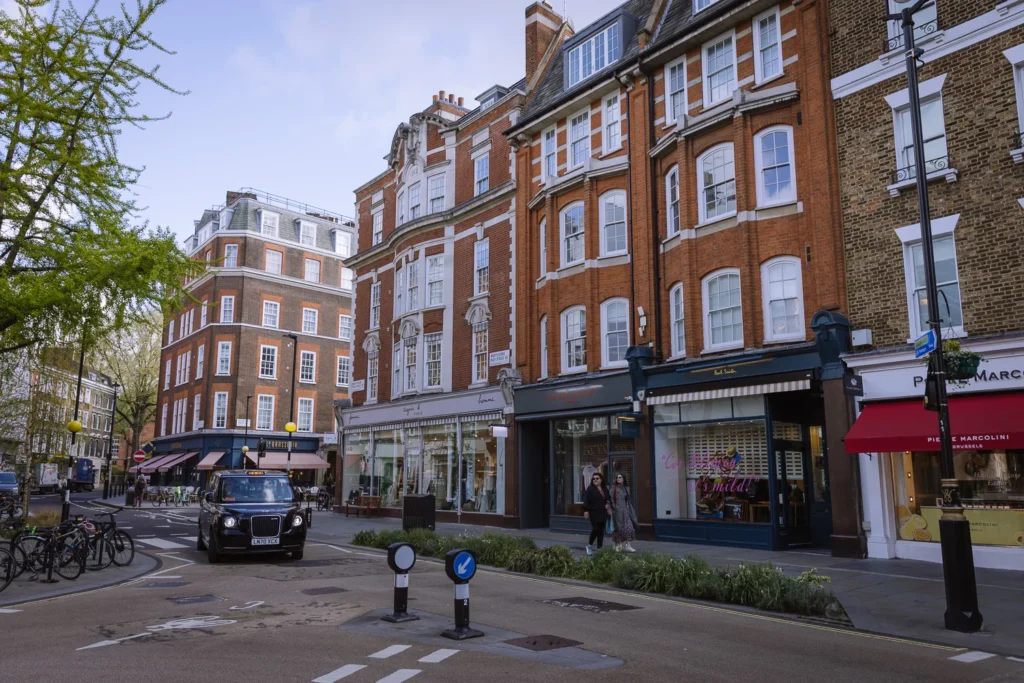
Quick Answer: Best Areas to Stay in London
Here is a quick overview of the six neighbourhoods and how they compare.
| Neighborhood | Best For | Vibe | Relative Price Level |
|---|---|---|---|
| Westminster | First-timers, sightseers | Iconic and touristy | £££ |
| Soho & West End | Foodies, nightlife | Energetic & social | £££ |
| Marylebone | Sophisticated travelers | Elegant & polished | £££ |
| South Bank & Borough | Culture buffs | Artsy & relaxed | ££ |
| Notting Hill | Return visitors | Residential & bohemian | ££ |
| Shoreditch | Creatives | Edgy & multicultural | £ |

How to Choose Where to Stay in London?
Choosing the right neighbourhood to stay depends on three things: what you want to see, how you want to spend your evenings, and how much you’re willing to pay.
If this is your first time in London and you want to walk to Big Ben, Westminster Abbey, and Buckingham Palace without relying on the tube, Westminster is the obvious choice.
If you’re returning to London or you want somewhere with real neighbourhood character where people actually live, Notting Hill or Marylebone are far better choices.
If food, theatre, and nightlife are your priorities, stay in Soho & the West End. You can move between a gallery, a Michelin-starred restaurant, a West End show, and one of the city’s best cocktail bars without ever getting on the tube.
If you want culture and excellent value, South Bank & Borough has world-class galleries, excellent markets and river views.
If you want something cool, creative, and genuinely edgy, Shoreditch delivers with independent restaurants, vintage stores and cool nightlife.

Map: London Neighbourhoods
To help you get your bearings, this map has the location of the six neighbourhoods we recommend for your London trip.
Click on the top right corner to open our map in your Google Maps app. Click the star next to the title to save it to your Google account.
Where to Stay in London
1. Westminster
Best for: First-time visitors who want to be steps from major attractions | Vibe: Royal, political, iconic, surprisingly calm at night | Average hotel cost: Expensive
Why Stay Here
Westminster is London’s royal and political heartland — home to Westminster Abbey, Big Ben, the Houses of Parliament, Buckingham Palace, and Trafalgar Square, all within easy walking distance of each other.
There are plenty of green spaces too. St James’s Park, Green Park, and the grounds around Buckingham Palace give the area a surprisingly open, unhurried feel for somewhere so central.
It’s not a neighbourhood in the traditional sense — you won’t find a village high street or buzzy local café scene — but what it lacks in local charm it more than makes up for in location.
Soho, Covent Garden, and the West End are a 30-minute walk away, and the South Bank is just across Westminster Bridge.
Transport connections are exceptional: four tube stations, plus Victoria for Gatwick and Waterloo for Eurostar.


What It’s Not Good for
If you want a lively neighbourhood with great local restaurants, bars, and independent shops on your doorstep, Westminster doesn’t deliver.
It’s also one of the more expensive areas, and if you’re a returning visitor who’s already seen the main sights, you’ll get better value and more character elsewhere.
Our Top Hotel Picks
- Budget: Luna Simone Hotel — Family-run, clean and comfortable, 20-minute walk from the main attractions in Pimlico.
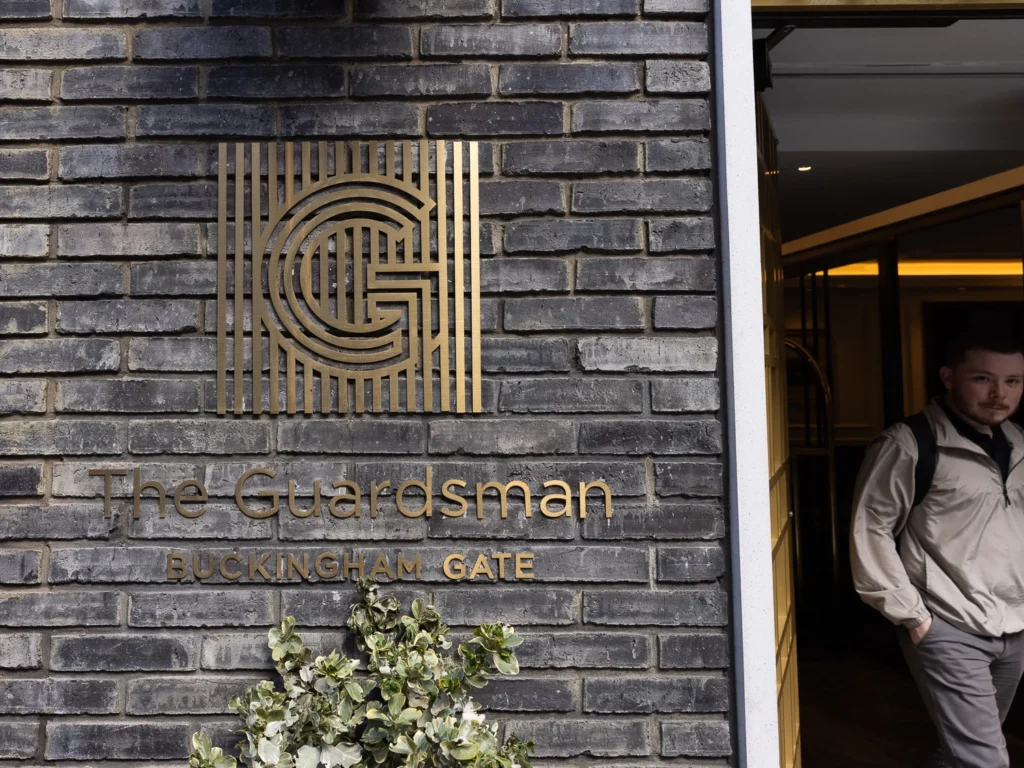
- Mid-Range: The Guardsman Hotel & Residence — Boutique hotel tucked between St James’s Park and Buckingham Palace with thoughtfully designed rooms.
- Luxury: The Goring — One of London’s great historic hotels with a private garden, Michelin-starred restaurant, and old-school English service that never feels stuffy.
Read our more detailed Westminster Hotel Guide for our other favourite hotels.

2. Soho & West End
Best for: Foodies, theatre-lovers, nightlife enthusiasts | Vibe: Energetic, social, buzzing around the clock | Average hotel cost: Expensive
Why Stay Here
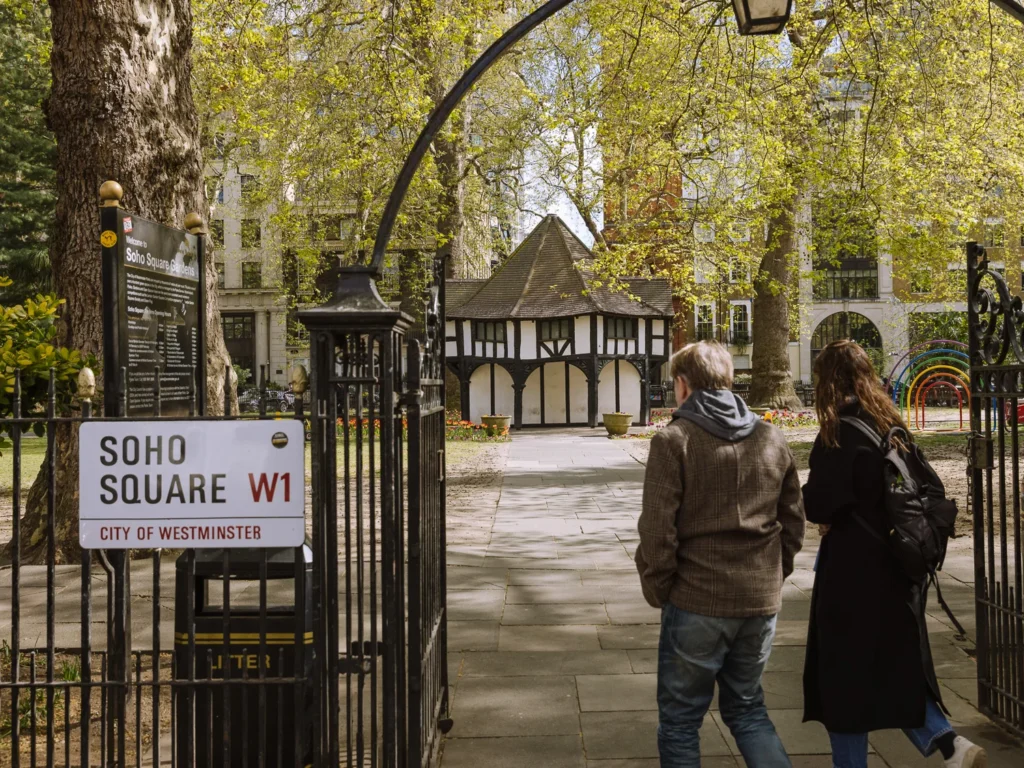
Soho sits at the beating heart of London. Despite its small size, it packs an extraordinary density of restaurants, bars, live music venues, and independent shops.
Everything is walkable from Soho.
Oxford Street, Carnaby Street, and Regent Street for shopping are on your doorstep. Covent Garden, Chinatown, Leicester Square, the National Gallery, and the South Bank are all within a short walk.
It’s as central as it is possible to be in London, and much of what you have come to see as a first-time visitor is within easy walking distance.


What It’s Not Good for
The one trade-off is noise. Soho is lively around the clock, and some streets — particularly around Old Compton Street and Dean Street — stay busy well into the early hours.
If noise is a problem, pick a hotel slightly away from the centre of the action or ask for a room on a higher floor.
It’s also one of the most expensive neighbourhoods in London.
Our Top Hotel Picks
- Budget: Z Hotel Soho — Compact but stylish rooms right in the middle of the action. Pack light.
- Mid-Range: Hazlitt’s — One of the most characterful hotels in London. Four Georgian townhouses with wood-panelled rooms, leather-bound books, and genuine old-world atmosphere.
- Luxury: Ham Yard Hotel — A hotel that feels like its own little neighbourhood with a tree-filled courtyard, bowling alley, rooftop terrace, and beautifully designed rooms.
Read our more detailed Soho & West End Hotel Guide for our other favourite hotels.

3. Marylebone
Best for: Sophisticated travellers who want elegance and excellent food | Vibe: Polished, village-like, beautifully maintained | Average hotel cost: Expensive
Why Stay Here
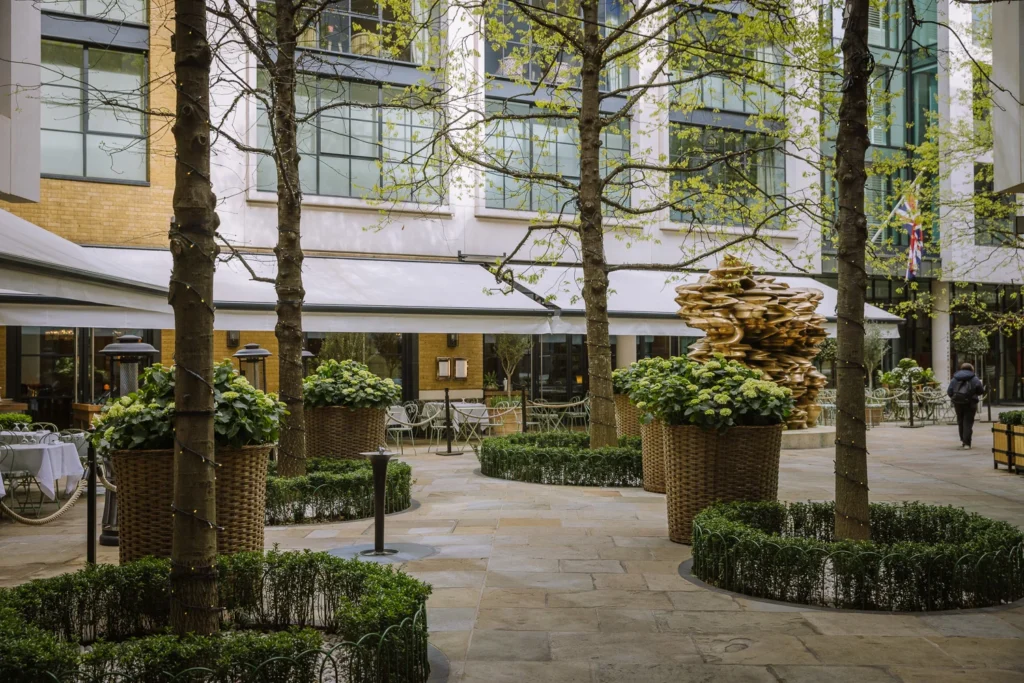
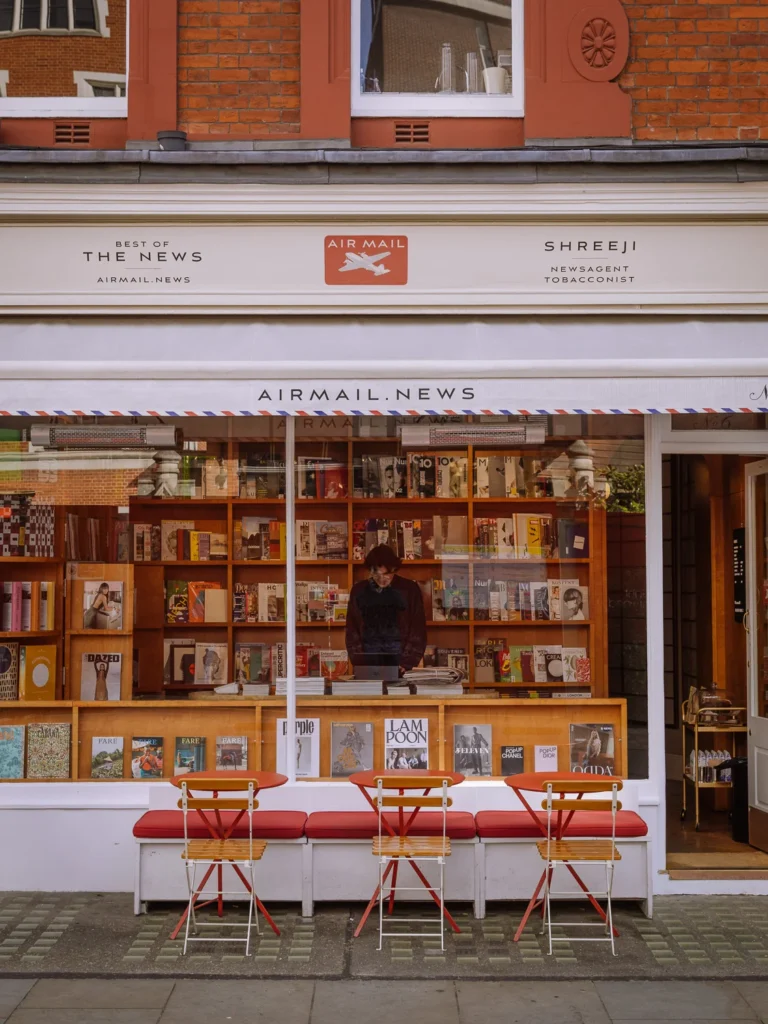
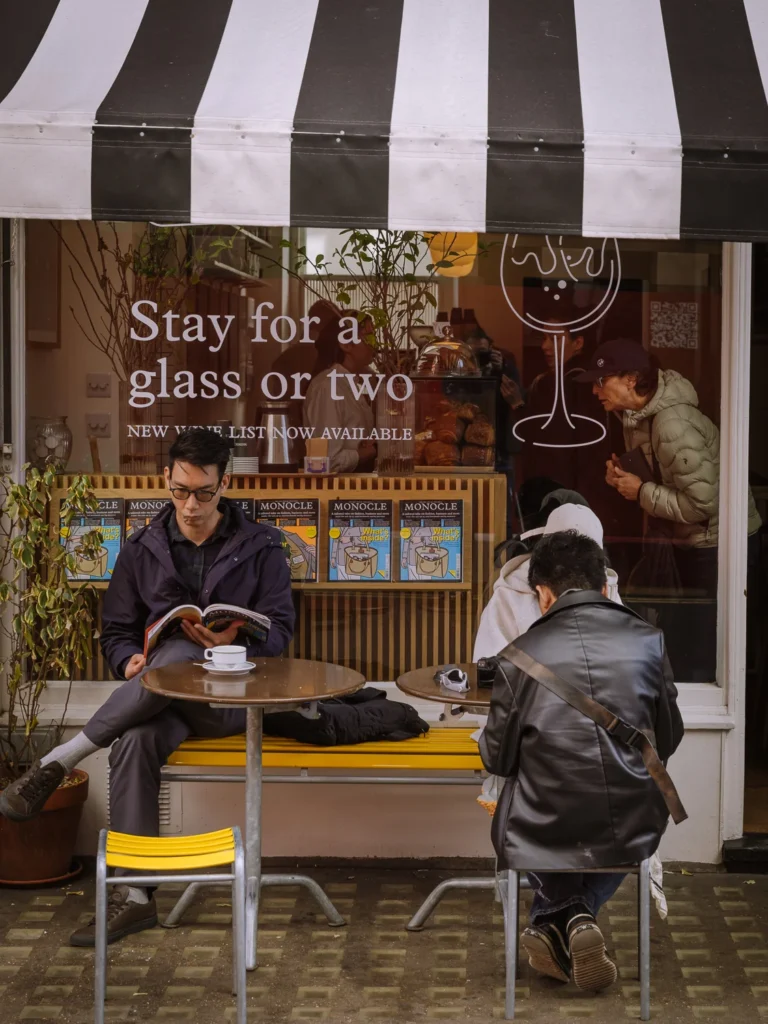
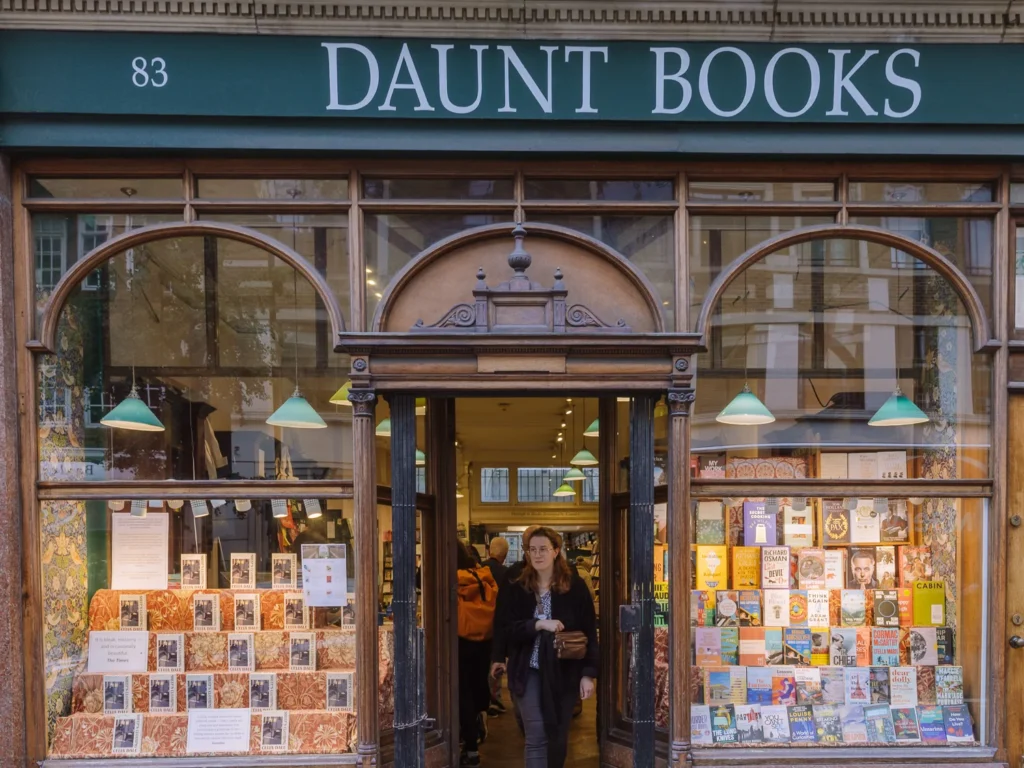
Marylebone is one of London’s most effortlessly sophisticated neighbourhoods, with Georgian townhouses, independent boutiques, and the city’s best concentration of neighbourhood restaurants.
Marylebone High Street on a Sunday morning is one of the great London rituals: the farmers’ market spills onto the pavement with locals lingering over coffee.
The surrounding streets are quieter still. Marylebone Lane winds north with centuries-old pubs and contemporary wine bars. Chiltern Street has become a destination lined with design-led shops and restaurants.
Transport connections are exceptional — Baker Street station alone gives you access to five different tube lines, and you can walk to most West End theatres in fifteen minutes.
What It’s Not Good for
Hotels here come with a price tag to match the postcode. Marylebone is one of the more expensive neighbourhoods to stay in London — comparable to Soho and Westminster, and noticeably pricier than Notting Hill or Shoreditch.
Our Top Hotel Picks
- Budget: The Z Hotel Gloucester Place — Compact, cleverly designed, reliably well-priced, excellent location.
- Mid-Range: Treehouse Hotel — Visually striking with a rooftop bar offering some of the best views in central London.
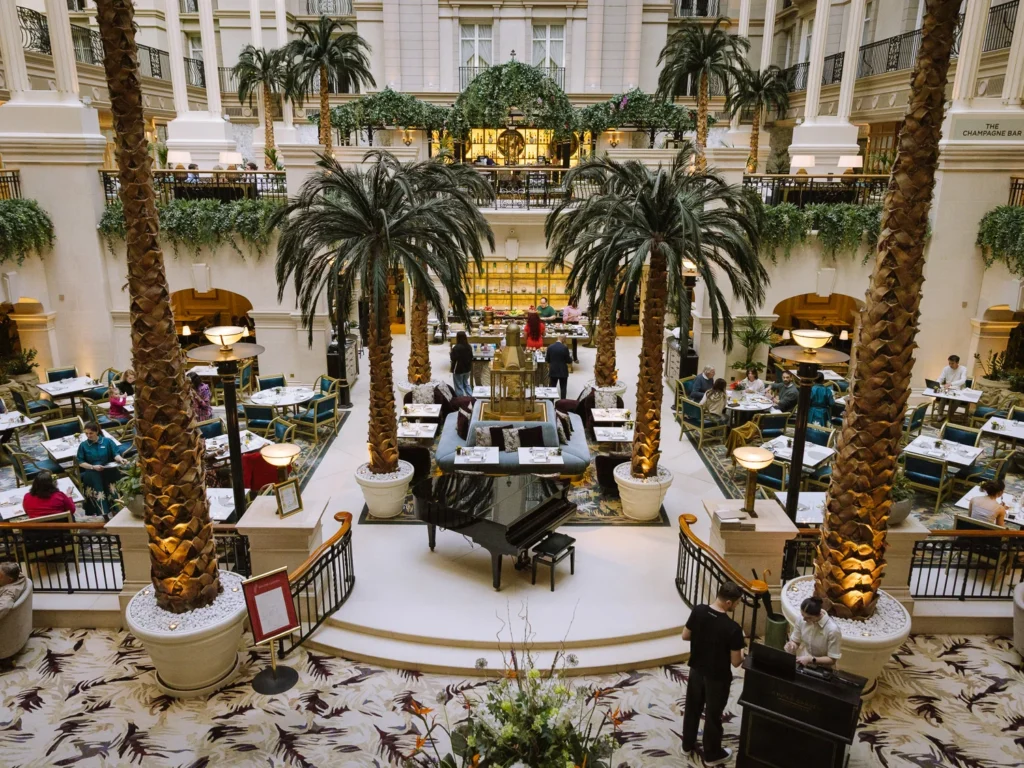
- Luxury: The Landmark London — Grand Victorian railway hotel with a genuinely breathtaking eight-storey glass-roofed atrium.
Read our more detailed Marylebone Hotel Guide for our other hotel picks and more information about the area.
4. South Bank & Borough
Best for: Culture lovers, market enthusiasts, value seekers | Vibe: Riverside, artsy, relaxed, creative | Average hotel cost: Better value than Marylebone, Soho and Westminster.
Why Stay Here
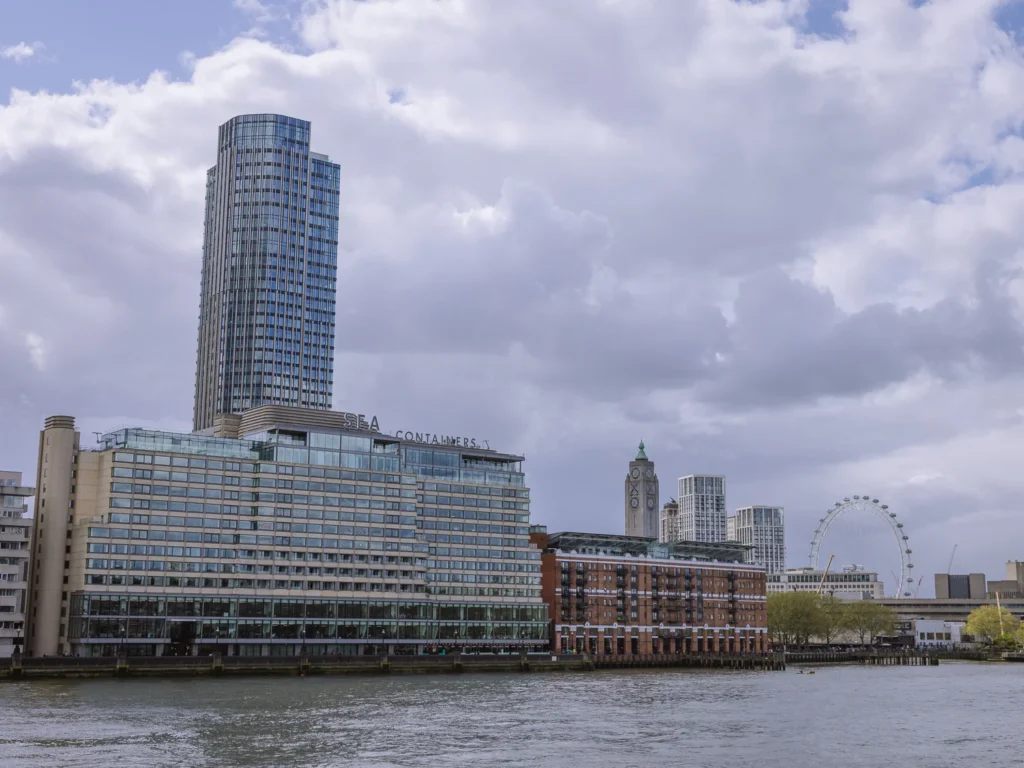
The South Bank is one of the great riverside walks in Europe and one of London’s best places to stay.
Stretching from Westminster Bridge to Tower Bridge, it has a wonderful concentration of culture, history, and food into a walkable stretch. The Tate Modern, Shakespeare’s Globe, Borough Market, and the National Theatre are all on your doorstep.
The views back across the Thames towards St Paul’s and the City are better than the views from the north bank looking south. And the hotels are noticeably cheaper too.
Borough, immediately behind the riverside, has its own distinct identity. The market is one of the best food markets in the world, surrounded by excellent independent restaurants, wine bars, and pubs.
Transport is excellent — Waterloo is one of London’s busiest stations with fast links everywhere, and London Bridge connects directly to Gatwick Airport.


What It’s Not Good for
Parts of the South Bank (particularly around Waterloo and the London Eye) can feel more transient than neighbourhoods like Notting Hill or Marylebone, and it gets very touristy in the afternoons.
Our Top Hotel Picks
- Budget: Ibis London Blackfriars — Functional but excellently positioned. The City, Tate Modern, Globe, and Borough Market are all within walking distance.
- Mid-Range: London Bridge Hotel — Independently owned with genuine warmth and character, plus an in-house restaurant worth using.
- Luxury: Sea Containers London — A personal favourite. Nautically inspired Art Deco former headquarters with exceptional river views and a rooftop bar that’s a destination in itself.
Read our more detailed South Bank & Borough Hotel Guide for more information about what you can do in the area.

5. Notting Hill
Best for: Weekend explorers, returners, those wanting neighbourhood charm | Vibe: Charming, residential, bohemian, village-like | Average hotel cost: ££
Why Stay Here
Notting Hill is one of the most beautiful and distinctive neighbourhoods in London.
Pastel-painted terraces, leafy garden squares, the Saturday bustle of Portobello Road market, and one of the best independent food and café scenes in the city.
You can read more about it in our guide to the best things to do in Notting Hill.
Portobello Road market on Fridays and Saturdays is one of the great London experiences. The surrounding streets are quieter, the architecture is remarkable, and there’s always great coffee or a good pub within a few minutes’ walk.
There is an excellent selection of breakfast and brunch spots in Notting Hill, making it an ideal place to start every day. You’re also within walking distance of Hyde Park, Kensington Gardens, and the museums of South Kensington.
Hotels here are generally cheaper than in Westminster, South Bank, or Soho.


What It’s Not Good for
It’s not as central as Soho or Westminster for the big tourist attractions. You’ll need to hop on the tube each day to head into the city centre. But don’t let that put you off — there are numerous tube stations, and most journeys are only 10 to 20 minutes.
Our Top Hotel Picks
- Budget: Pembridge Palace Hotel — Well-located on one of Notting Hill’s prettiest garden squares with genuine Victorian character.
- Mid-Range: Ruby Zoe — Fresh addition focusing on what matters: great bed, well-designed room, excellent coffee, lively bar.
- Luxury: The Laslett — Our pick for the best hotel in Notting Hill. Five Victorian townhouses with individually curated rooms and an outdoor terrace.
Read our more detailed Notting Hill Hotel Guide which has much more information about the area.

6. Shoreditch
Best for: Creative types, nightlife seekers, art lovers | Vibe: Edgy, multicultural, cool, constantly evolving | Average hotel cost: The lowest among the 6 neighbourhoods.
Why Stay Here
Shoreditch is the most creatively charged neighbourhood in London. Street art covers entire buildings, independent restaurants spill onto pavements, and vintage stores line the streets.
During the day, it’s great for a slow stroll – our Shoreditch Street Art walk has a fantastic route to see the best of the area.
The restaurant scene is one of the most exciting in the city — everything from Bangladeshi curry houses on Brick Lane to some of London’s most inventive small-plate restaurants. The bar scene runs from craft beer taprooms to rooftop cocktail bars.
It’s also well-placed for anyone working in the City, with the financial district just a short walk away.
Hotels are generally cheaper than those in Westminster, South Bank, or Soho.


What It’s Not Good for
Shoreditch can be noisy, particularly on weekend nights. Shoreditch High Street and Brick Lane stay lively well into the early hours on Fridays and Saturdays.
You’ll also need to hop on the tube to get to major tourist sights. Tube stations are less prevalent than in other parts of London, so you may need to walk a bit further.
Our Top Hotel Picks
- Budget: Z Hotel Shoreditch — Compact, cleverly designed rooms in an excellent location near Hoxton Square.
- Mid-Range: citizenM Shoreditch — Small but extraordinarily well-designed rooms with king beds, rainfall showers, and full control from a tablet.
- Luxury: art’otel Hoxton — Every inch treated as a canvas. Spacious rooms, rooftop pool with exceptional East London views.
Read our more detailed Shoreditch Hotel Guide for more tips about staying in the area.


Where Not to Stay in London
A few areas that visitors often consider but that we’d generally recommend avoiding:
King’s Cross — The station is excellent for transport, but the immediate area around it lacks character and feels more like a transit hub than a neighbourhood. Bloomsbury (just south) is a better choice.
Paddington — Similar issue to King’s Cross. Great for the Heathrow Express, but the streets around Paddington Station are dominated by budget chain hotels with little neighbourhood appeal. If you want this part of London, Notting Hill is a 10-minute walk away and infinitely more rewarding.
Leicester Square/Piccadilly Circus — These are places to pass through, not stay near. They’re tourist traps surrounded by overpriced chain restaurants and noisy at all hours. Soho is a five-minute walk away and much better.

Frequently Asked Questions
What’s the safest area to stay in London?
All six neighbourhoods in this guide are safe. London is generally a very safe city for tourists. Westminster, Marylebone, and Notting Hill are particularly calm and residential in the evenings. We’ve lived here for 30 years and never had a problem.
Where should I stay in London on a budget?
South Bank, Notting Hill, and Shoreditch offer the best value. Budget hotels in these areas are 20-30% cheaper than equivalent properties in Westminster, Marylebone or Soho, and you’re still well-connected to the rest of the city.
What’s the best area for families?
Notting Hill and South Bank are both excellent for families. Notting Hill has parks, markets, and a village feel. South Bank has the London Eye, museums, and Borough Market. Both have good-value accommodation options.
Where should couples stay in London?
Marylebone and Notting Hill are both romantic choices with beautiful streets, excellent restaurants, and boutique hotels. For something livelier, Soho puts you in the middle of London’s best dining and theatre scene.
How far in advance should I book London hotels?
For the best selection and prices, book 2-3 months ahead. Last-minute deals exist but are rare in popular neighbourhoods like Westminster and Soho, especially during peak season (May-September).


More Where to Stay in London Guides
- Choosing where to stay? Read our guide about the best neighbourhoods to stay in London.
- Looking to sleep near the main sights of London? Check out our guide to staying in Westminster.
- Many visitors don’t think to stay here, but it’s a great base. Our guide to staying in South Bank.
- Want to stay in a fun and colourful neighbourhood. Check out the best hotels in Notting Hill.
- Looking for buzzy and exciting nightlife? Find the best places to stay in Soho & the West End.
- For a cool neighbourhood at decent budget prices, stay in Shoreditch.
- For a refined neighbourhood in a central location, pick a boutique stay in Marylebone.
- All our favourite things are covered in our guide, the best things to do in London.
- Find out how to put them together in our 4-day London itinerary.
- London is a great base to explore the southeast. Read our best day trips from London.

reader-supported
When you buy through links on our site, we may earn a small affiliate commission at no extra cost to you.
Thanks for your support // Paul & Mark