

Aswan is a scenic city in southern Egypt on the banks of the Nile, known for Nubian culture, vibrant markets, and several major attractions. Here are some of the most interesting things to do in Aswan.
By: Mark Barnes | Last Updated:
Aswan is a destination many people visit but never actually see.
As the starting or ending point for most Nile cruises, the popular option is to disembark the cruise boat and head straight to Abu Simbel.
But you’d be missing out on a unique, low-key Egyptian city with plenty to see.
This vibrant city of 4 million people has a wonderfully laid-back atmosphere that’s a refreshing change from Egypt’s more hectic destinations.
There’s Nubian culture and history, ancient temples, local markets and several activities that make wonderful use of the Nile.
You don’t need long in Aswan, but if you want to get a feel for a different side of Egypt with some worthwhile attractions, read on for what to do.
Map: Aswan
To help you get your bearings, we’ve included all the attractions listed in this guide on the map below. You can read about our visit to Aswan in our 10-day Egypt itinerary, which includes more information to help you plan your trip.
Click on the top right corner to open our map in your Google Maps app. Click the star next to the title to save it to your Google account.
What to Do in Aswan, Egypt
1. Philae Temple
After the Aswan Low Dam was built in 1902, the temple of Philae flooded for 4-6 months each year, with only the top remaining visible.
When plans were made to build the Aswan High Dam, it was feared that the temple would be permanently submerged and destroyed.
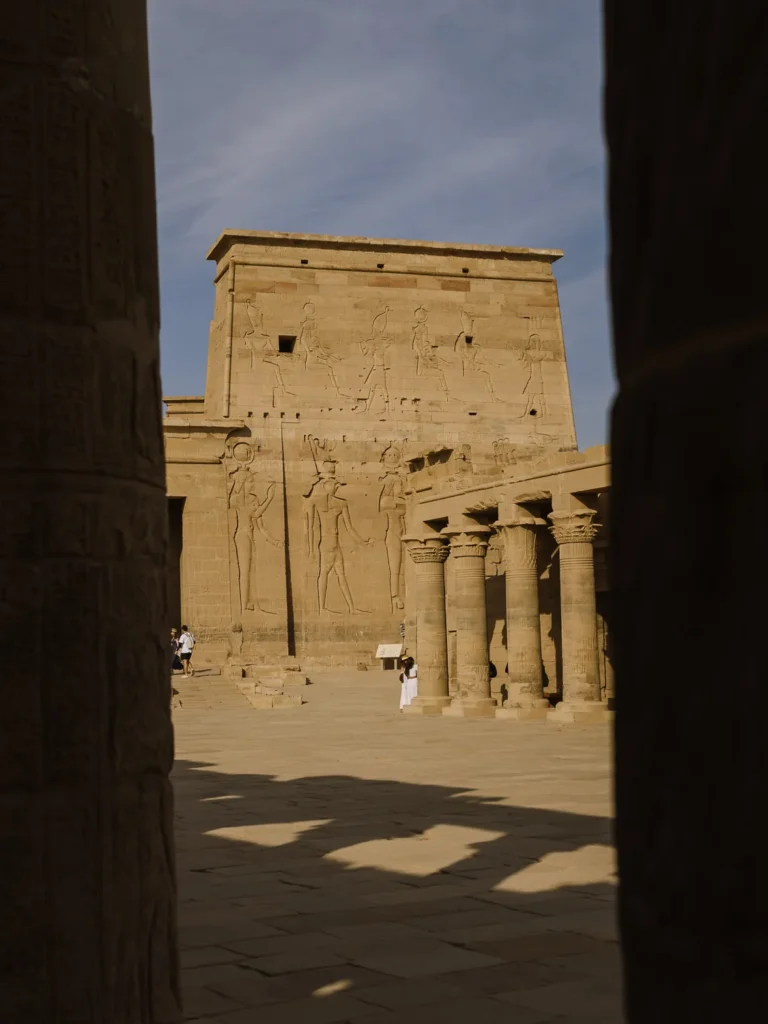
A massive rescue effort began to relocate the temple from the flooded area to nearby Agilkia Island. The temple sits on the island, surrounded by water.
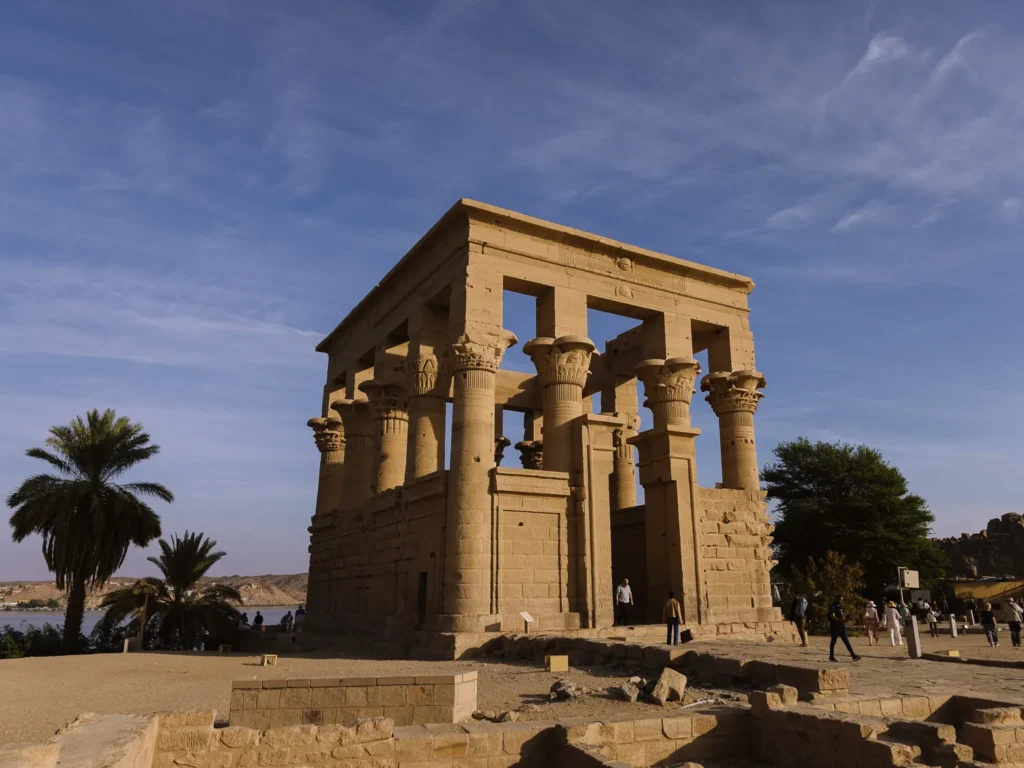
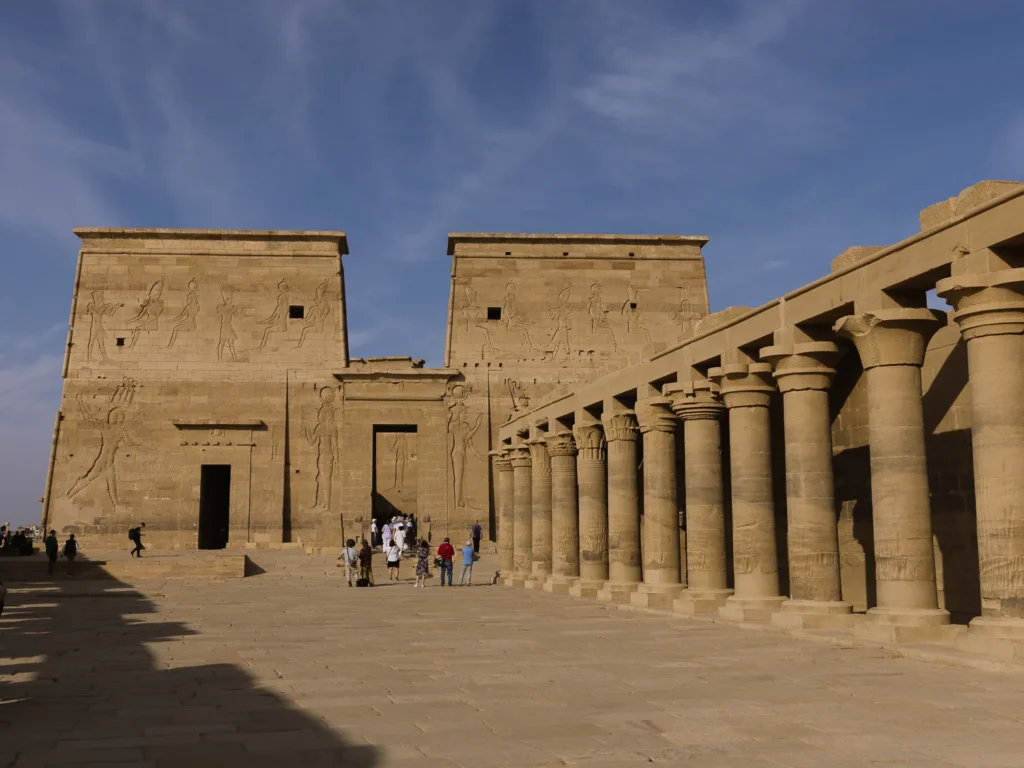
It is a mix of Egyptian, Ptolemaic, and Roman ruins spanning the 4th century BCE to the 2nd century CE.
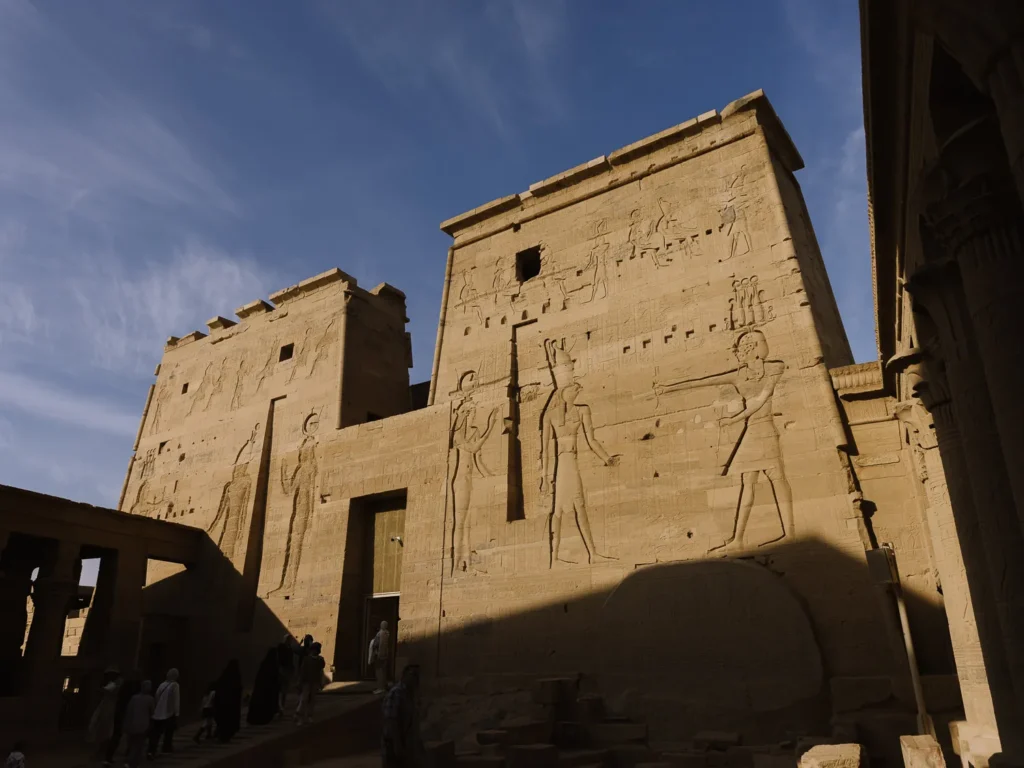
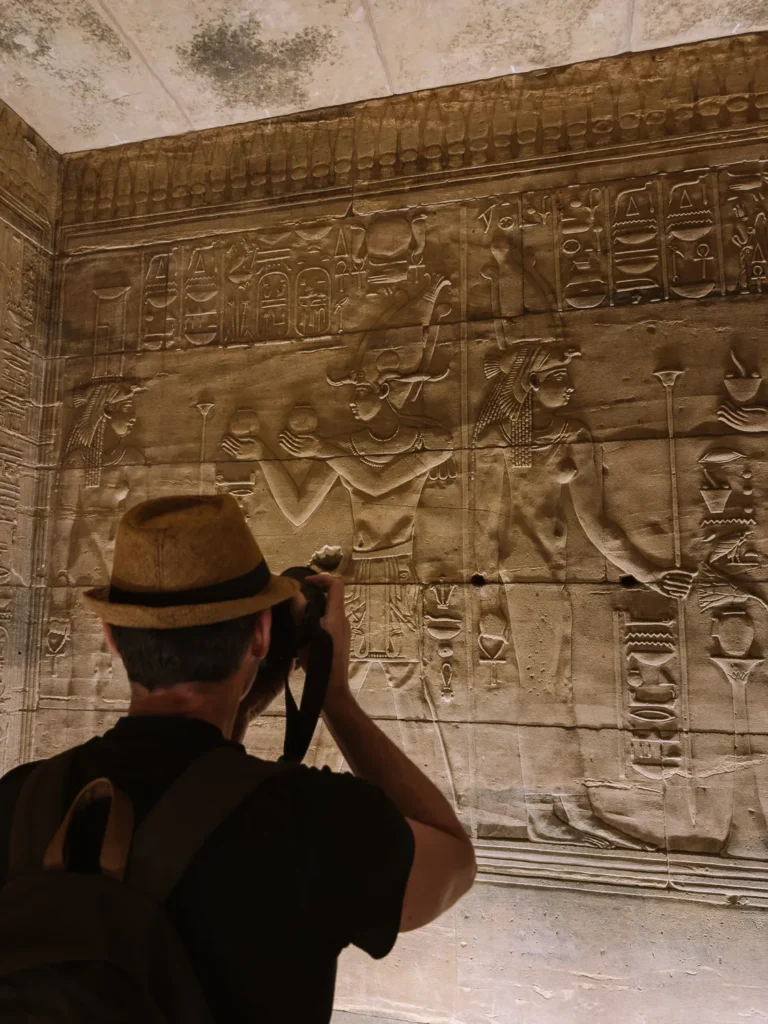
The main Temple of Isis has beautiful colonnaded courtyards and sanctuaries, with intricate reliefs and hieroglyphs covering the walls.
It’s a fantastic temple, but getting there is half the fun.
Philae is only accessible by water taxi, and the short trip out to the island, zipping past huge granite rocks as the temple loomed closer, was a real highlight.
Water taxis depart from Philae Marina (see map).
You need to purchase your entrance ticket to the Philae before boarding the boat. There is a ticket office on the marina.
Expect to pay approximately EGP 400-600 for a round-trip journey, including 1 hour of waiting time. It should be cheaper if you agree to share.
To bring the temple to life and save the hassle of haggling, join a Philae Guided Tour.
2. Elephantine Island
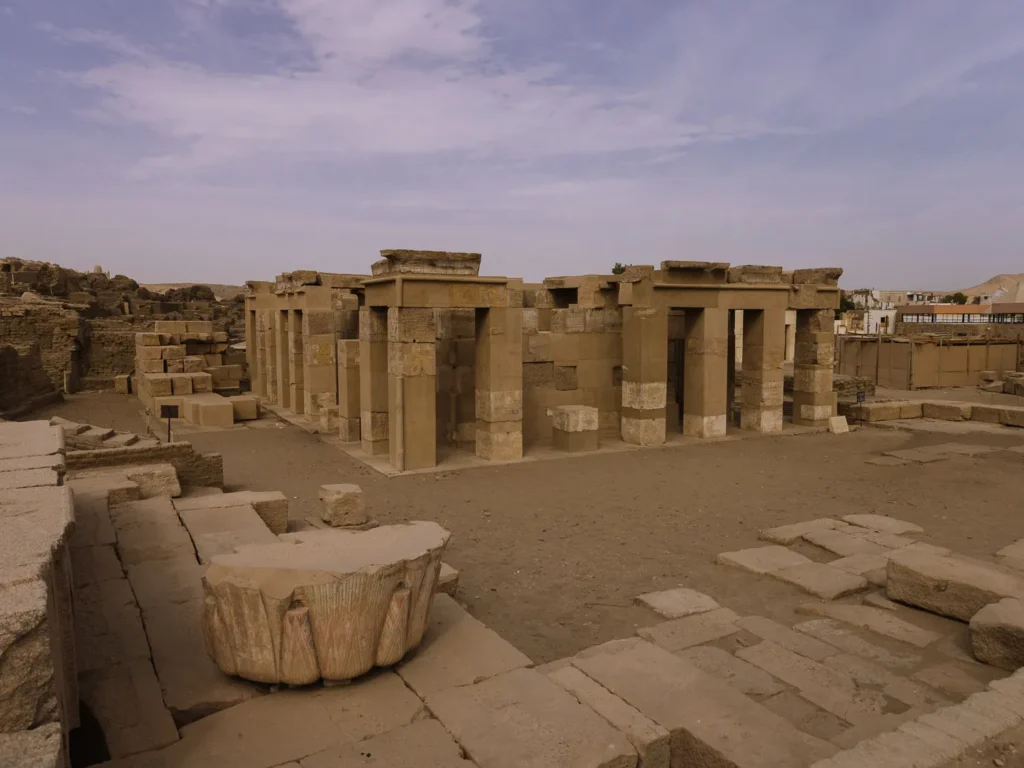
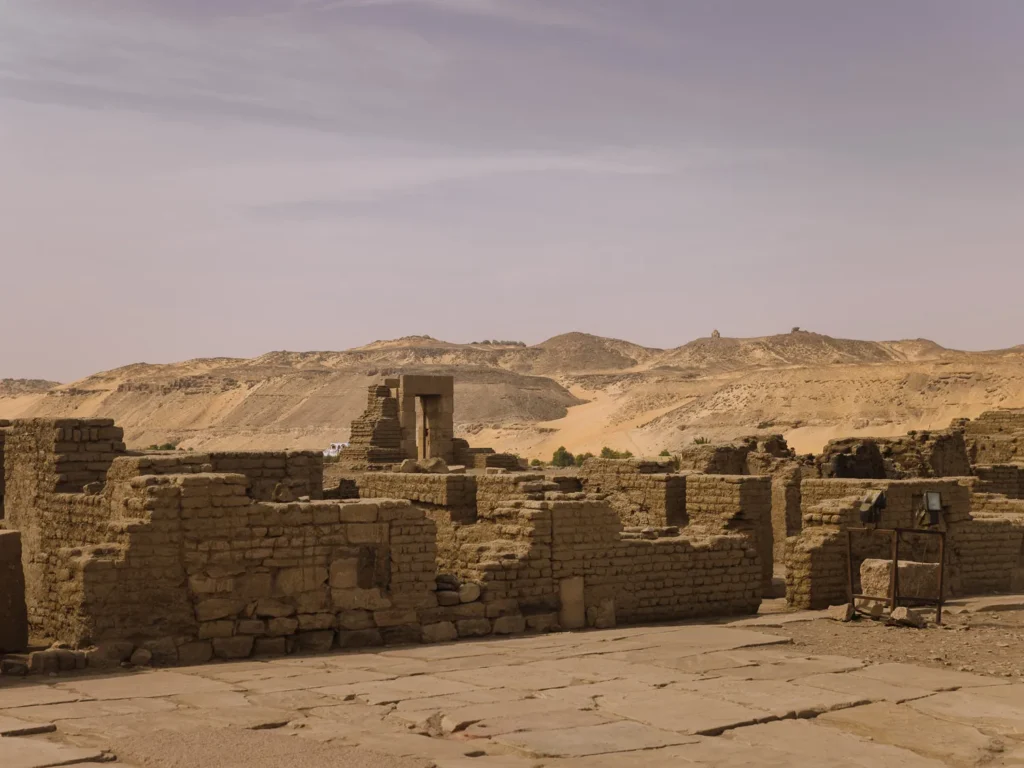
The ruins on Elephantine Island are less impressive than those in many other parts of Egypt, but there are three reasons to visit this site.
Firstly, it is a journey through Egyptian history.
The ancient city of Abu was situated at the southern tip of the island from 3,000 BCE to the 14th century CE.
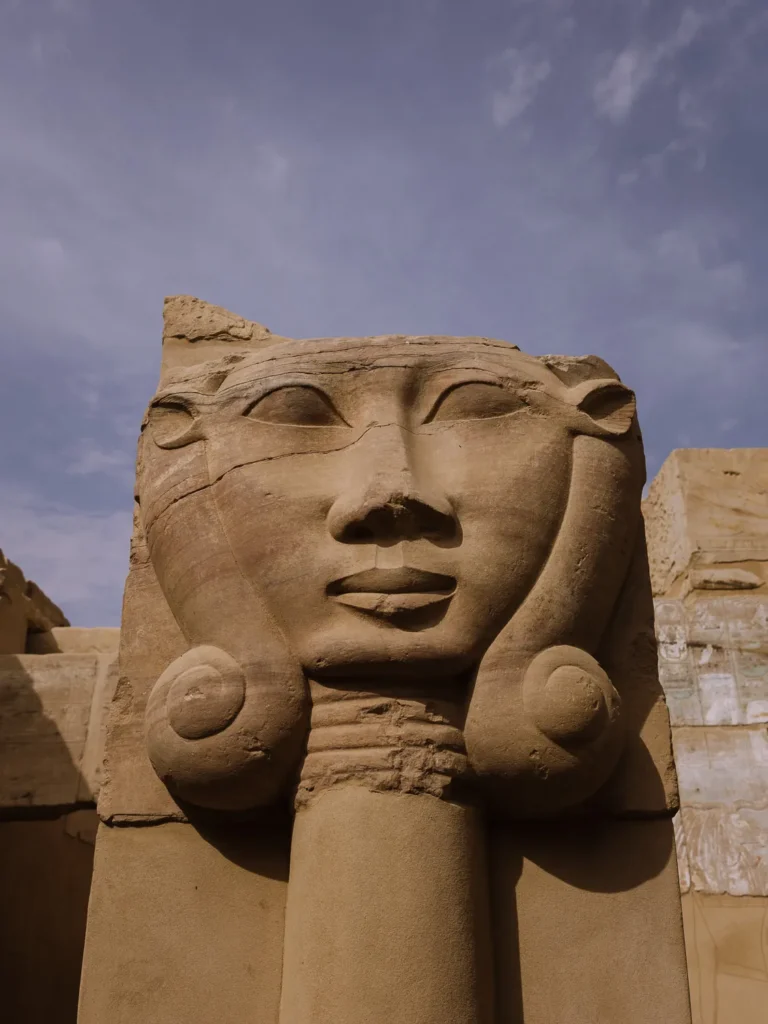
Inside, you can see the heavily reconstructed Temple of Khnum, a ruined 4th-century step pyramid, a well-preserved Nileometer, a Coptic chapel, and a spot where (it is claimed) the Ark of the Covenant once rested during its journey through Egypt.
Secondly, there is a raised viewing platform, with wonderful views across the Nile and the First Cataract.
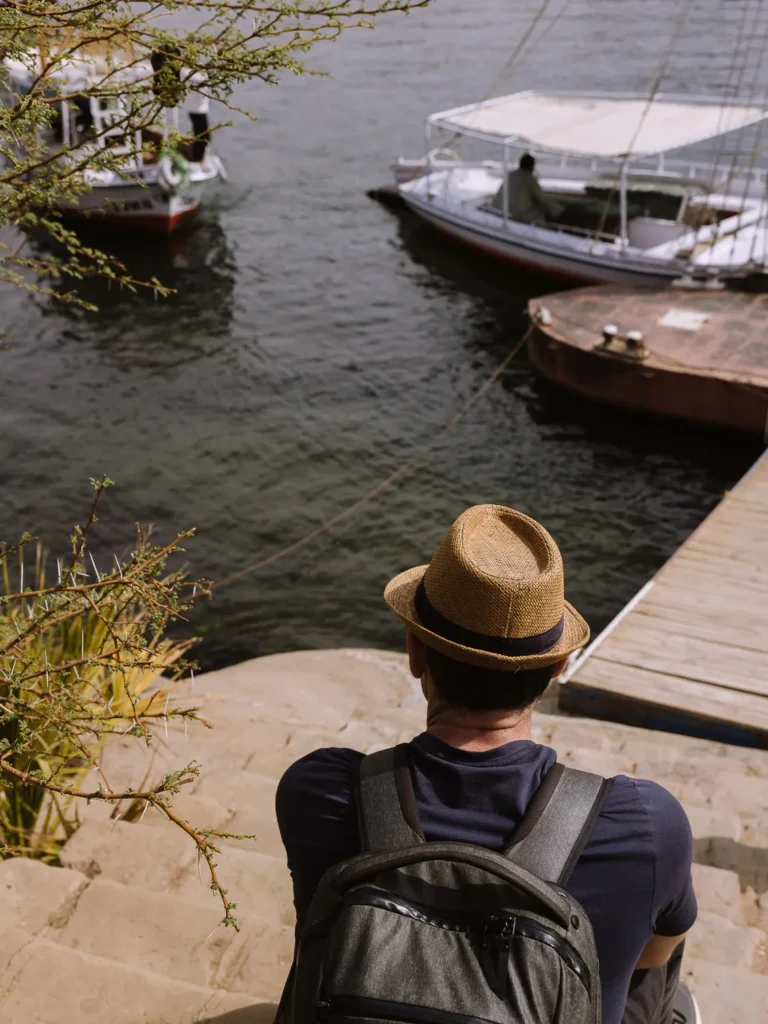
Thirdly, you arrive here by water taxi, a fun way to travel around Aswan.
Plan your itinerary with your captain in advance; it can be combined with a trip to the Nubian Village, which is exactly what we did.
The ruins on Elephantine Island cost EGP 200 (US$4) for adults or EGP 100 (US$2) for students. Book online or buy tickets at the entrance. A guide is helpful given the limited information.
3. Nubian Village
When the Aswan High Dam was completed in 1970, it flooded a massive area upstream. The 550km long Lake Nasser was created, and the fertile edges of the Nile Valley were submerged.
Sadly, this fertile valley was home to around 100,000 Nubians. They were forcibly displaced and given land around the lake.
However, this land was dry and infertile, causing many to move downstream to Aswan and settle on the town’s West Bank.
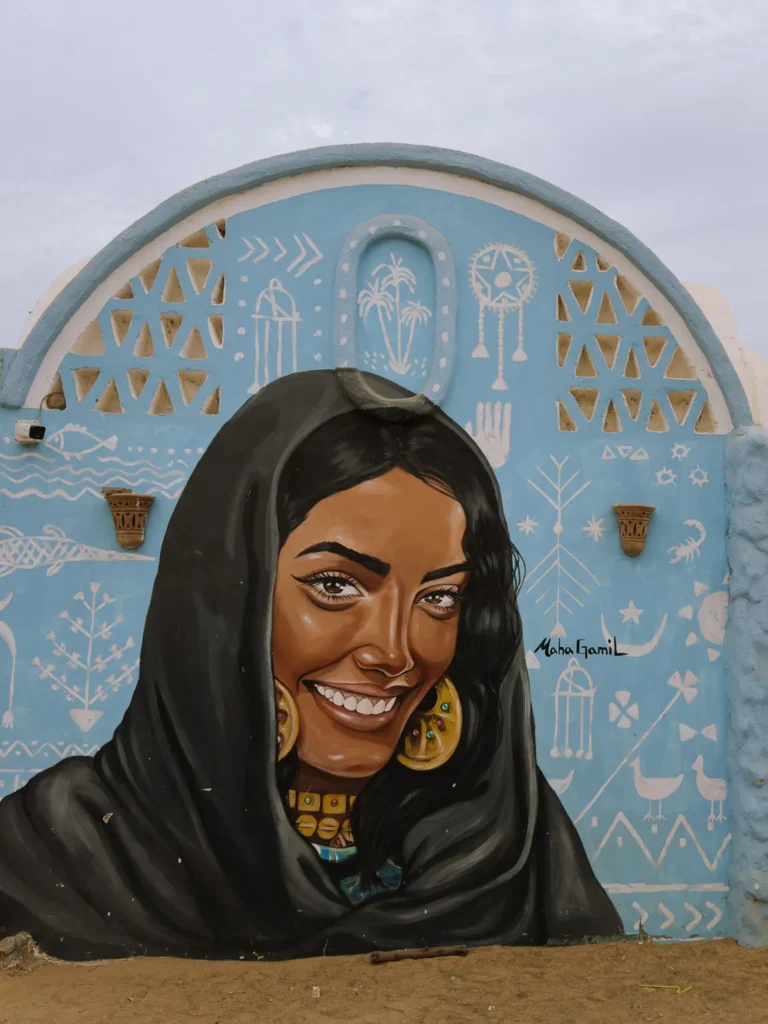
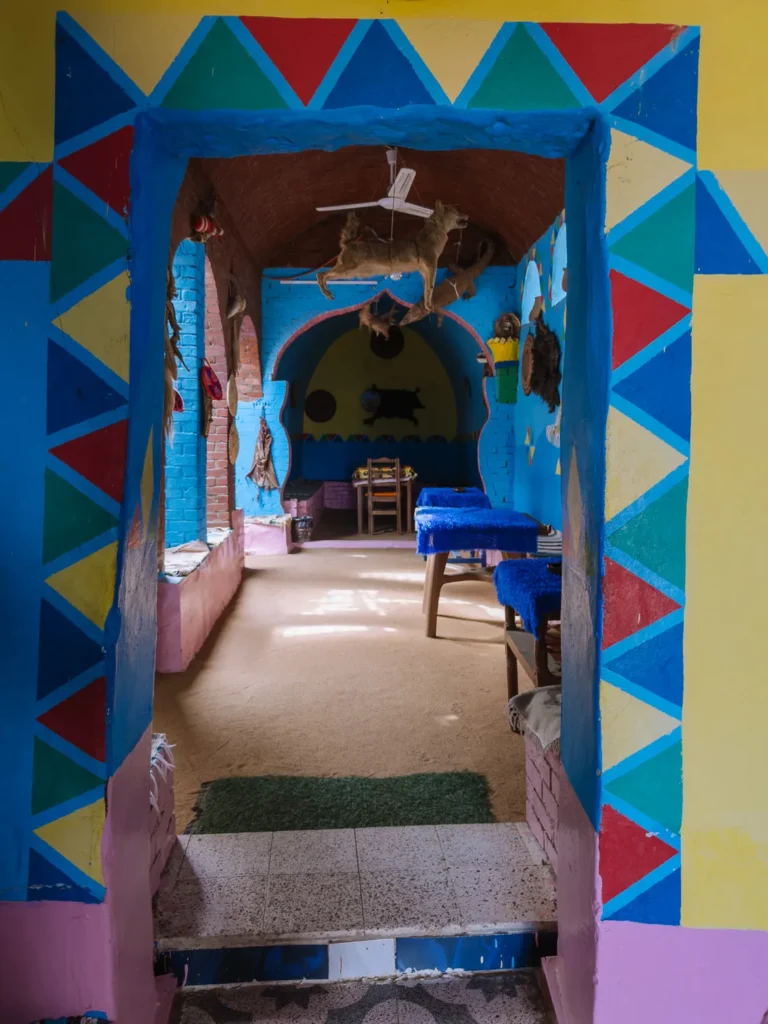
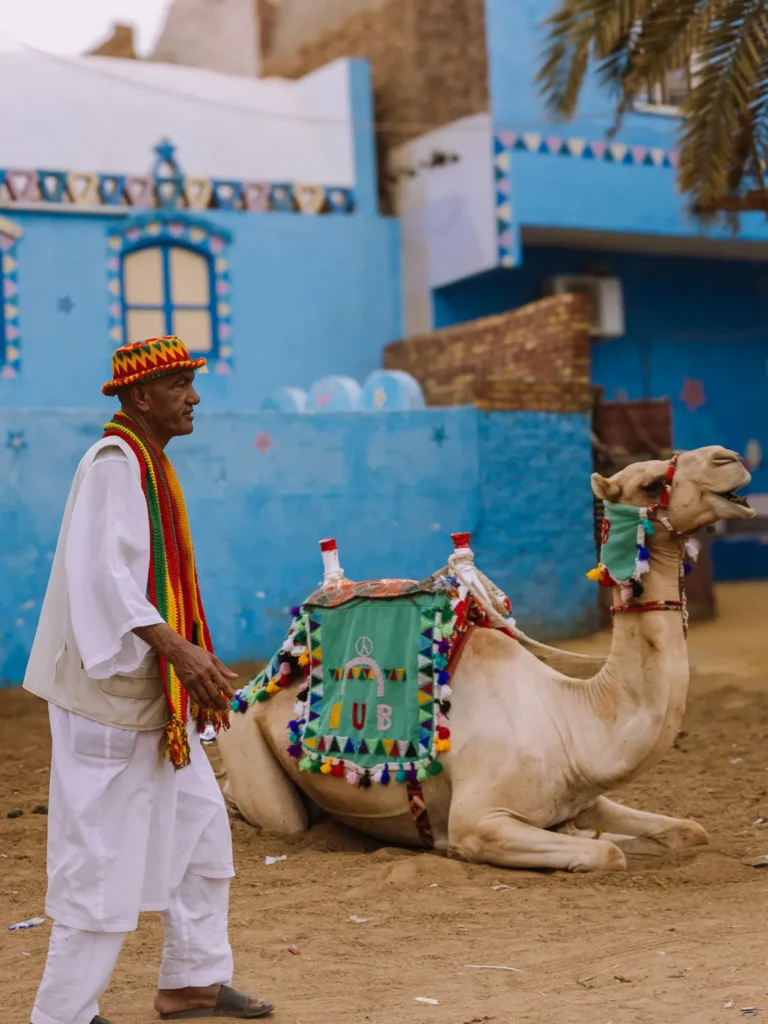
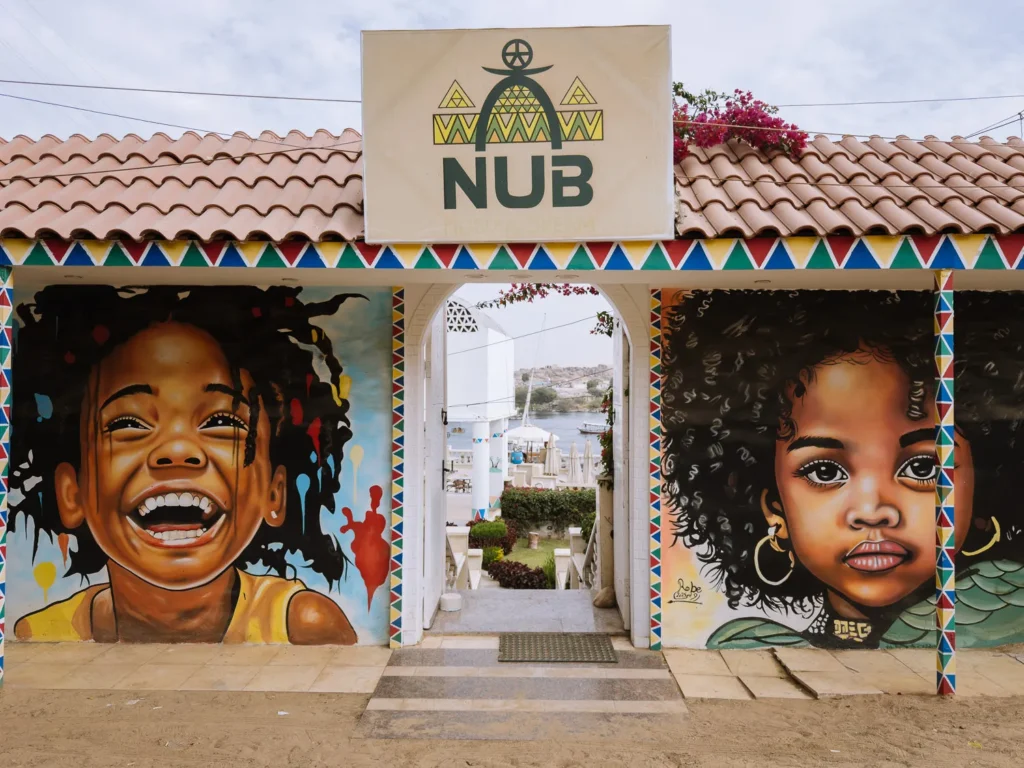
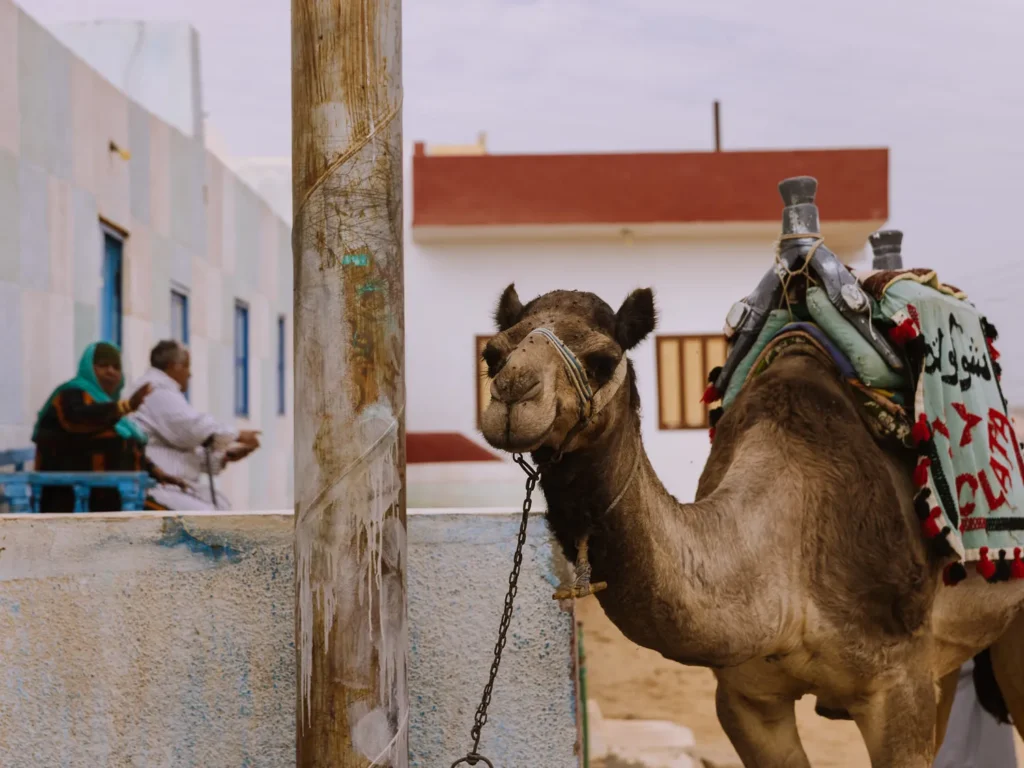
Today, this Nubian village is a colourful, lively and wonderful thing to do in Egypt. Mud-brick houses are painted in vibrant blues, yellows, and oranges, many of which feature striking street art.
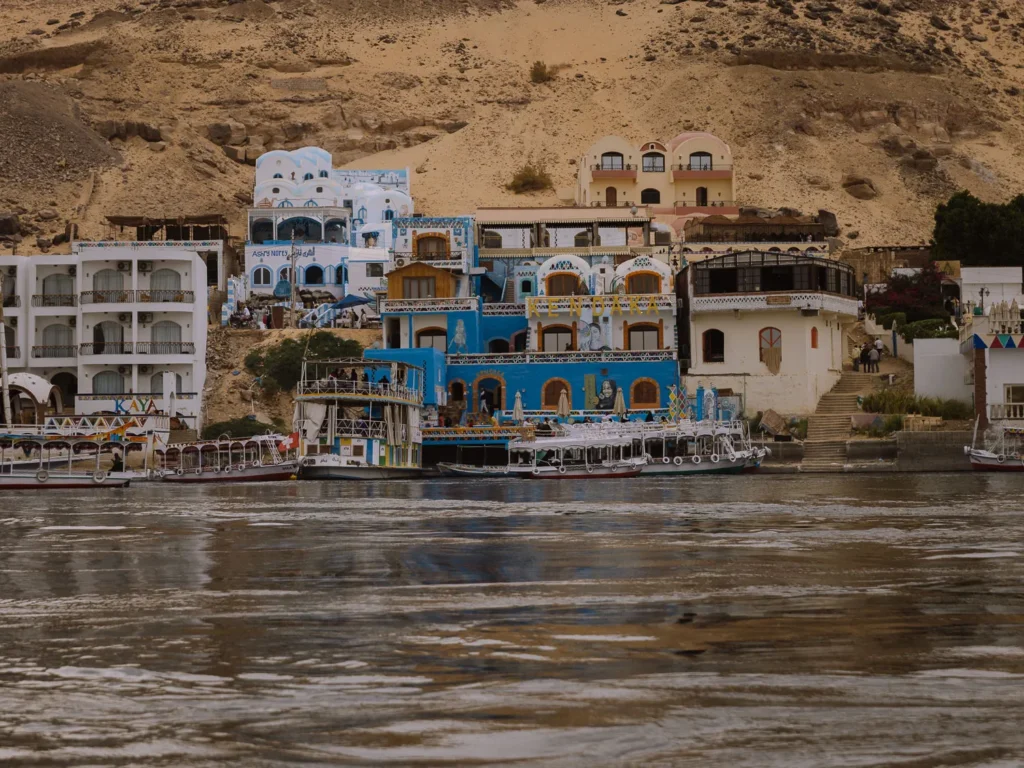
Some locals let you explore their homes (for a fee), and you can go for a camel ride through town or up into the desert.
There’s a great selection of restaurants in the Nubian village. We had the claypot tagine from Onaty Ka overlooking the Nile, and it was fantastic.
The Nubian Village is a 30-40-minute water taxi ride from Aswan or a 30-minute drive.
If you’d rather explore Nubian Culture on a tour, this water taxi tour picks you up in Aswan and explores the Nubian island of Sohail, just opposite the Nubian Village mentioned above.
4. Nile First Cataract
The great ships of the Egyptian Empire had to stop at Aswan because the First Cataract blocked their path. This section of fast-running water through narrow channels was too much for them to navigate.
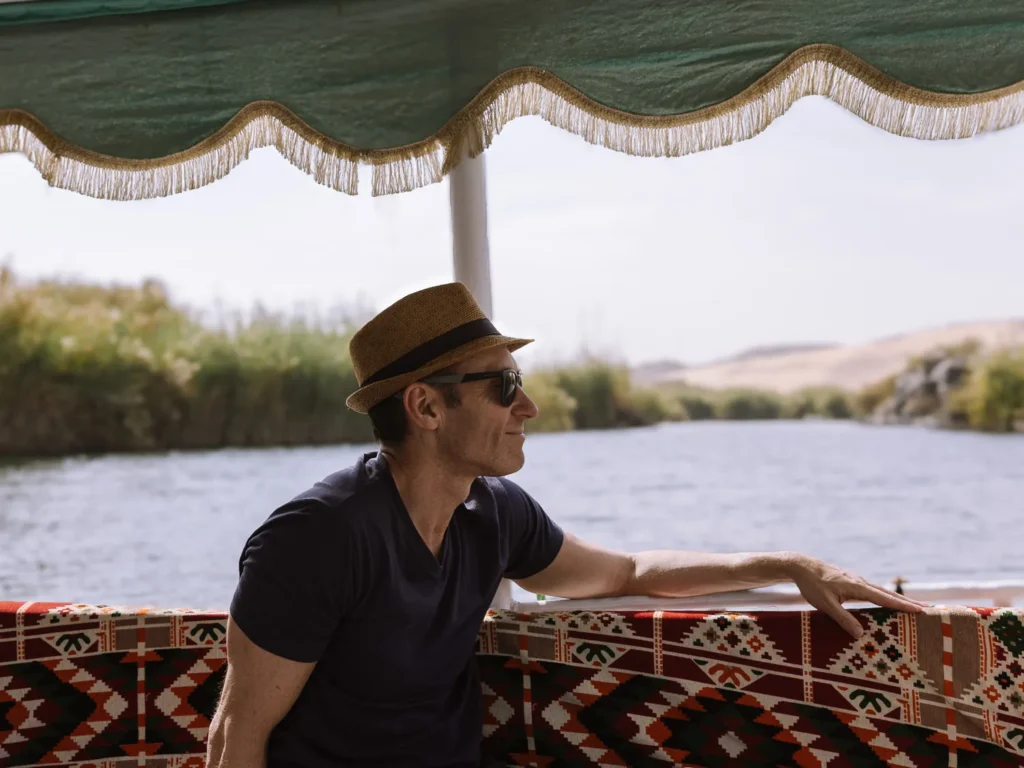
Today, the only way you can get through the Cataract is on a water taxi. It’s a fun thing to do and doesn’t cost anything extra if you are visiting the Nubian village.
Just ask the water taxi captain to take you through the narrow cataracts (rather than the wider part of the river) when he is taking you from Elephantine Island and the Nubian Village.
5. Unfinished Obelisk
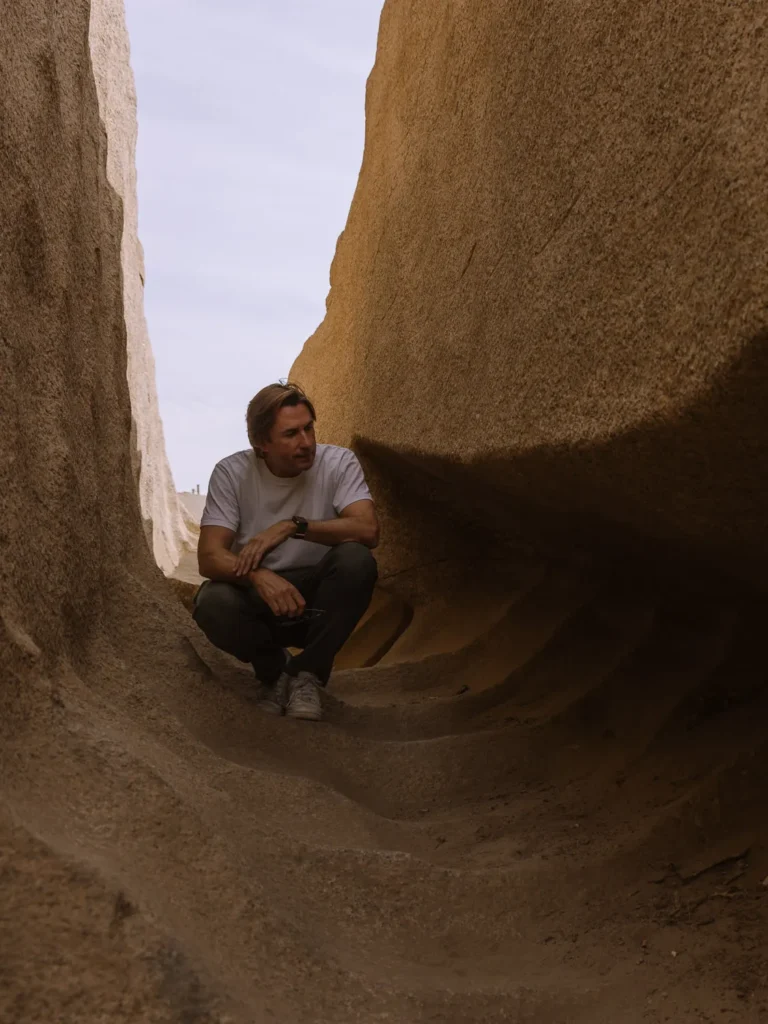
The vast majority of Egypt’s obelisks were quarried in Aswan, a major source of high-quality red granite prized by Ancient Egyptians for its durability and finish.
Many obelisks around the world, including those in Paris (Place de la Concorde), Rome (several locations), New York (Central Park), and London (the Thames Embankment), were quarried in Aswan.
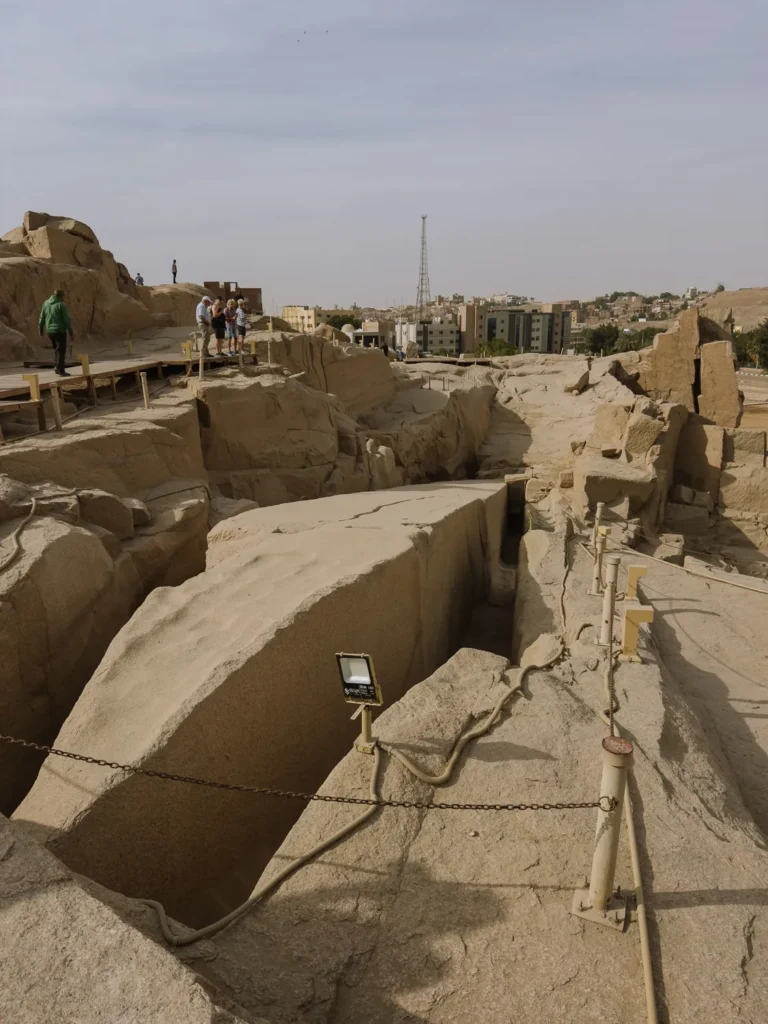
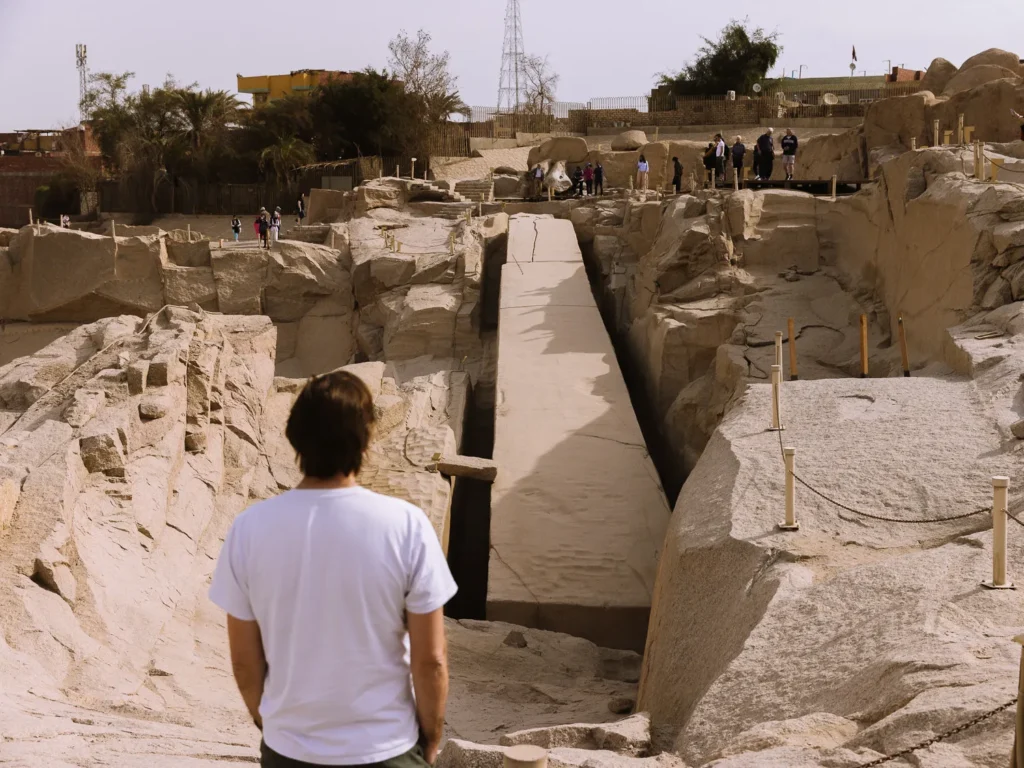
The tallest in Egypt is the Queen Hatshepsut obelisk at Karnak, which is 30 metres high. The unfinished Obelisk in Aswan was designed to be its pair, but it was never completed.
If it had been completed, it would have been 42m high and weighed 1,200 tonnes.
Unfortunately, while they were carving it from the rock, cracks appeared, and the project had to be abandoned.
This unfinished obelisk still lies in the quarry at Aswan, where you can get a true appreciation of how enormous the Egyptian building projects are.
The Unfinished Obelisk costs EGP 220 (US$4) for adults or EGP 110 (US$2) for students. Book online or buy tickets at the entrance.
You can also visit the obelisk on this half-day tour that includes Philae Temple and the Aswan High Dam.
6. Nubian Museum
When the Nubians were forcibly displaced from their homes in the Nile Valley, UNESCO set about preserving artefacts of their way of life.
The result is the beautiful Nubian Museum.
Designed by Egyptian Mahmoud El-Hakim and completed in 1997, it traces the history of the Nubian peoples from 3,500 BCE to the present.
It is a moving and evocative story, excellently supported by a great selection of exhibits.
The Nubian Museum costs EGP 400 (US$8) for adults or EGP 200 (US$4) for students. Book online or buy tickets at the entrance.
There are clear English-language information boards, so a guide is not needed.
Read all our Egypt guides to plan your bucket list trip to the Land of the Pharaohs.
Egypt
7. Old Cataract Hotel
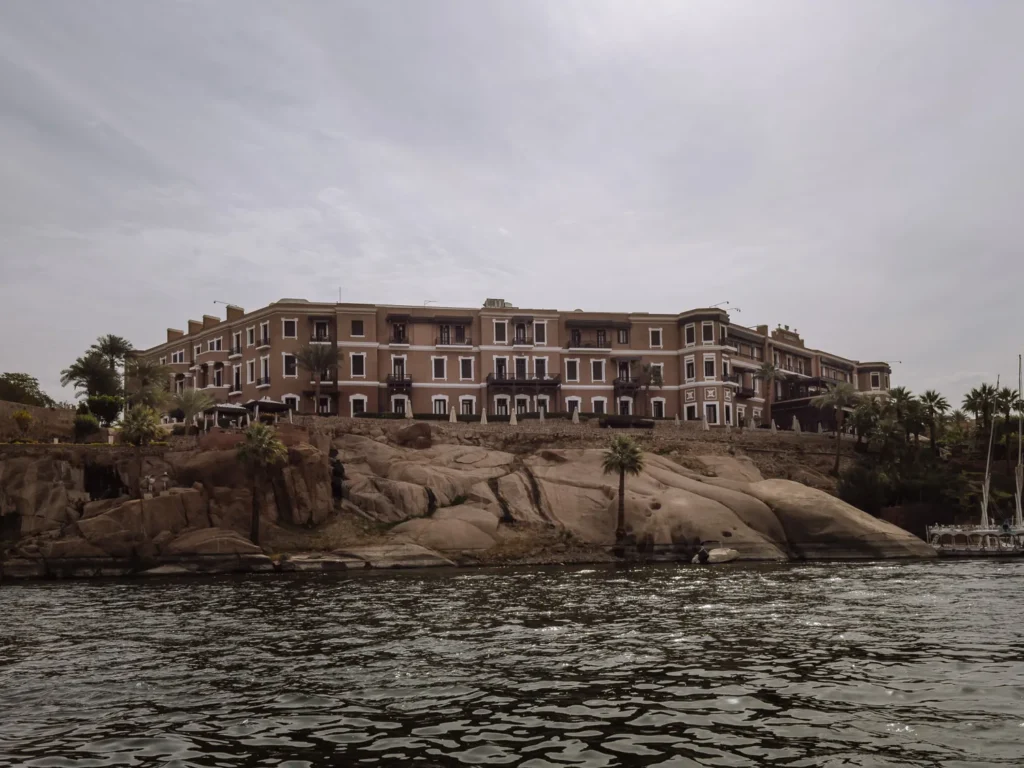
If you are ending your Egyptian tour in Aswan, then there are few better ways to spend the night before than at the Old Cataract Hotel.
This grand dame of Aswan has a prime spot overlooking a narrow stretch of the Nile with the ruins of Elephantine Island behind.
If your budget doesn’t stretch to staying overnight, the other great thing to do is the Traditional Afternoon tea on the terrace overlooking the Nile.
8. Aswan Souk
Less chaotic than Cairo’s large markets, and a little less touristy, the Aswan Souk extends along Sharia al-Souq (market street) parallel to Corniche El-Nile near the train station.
It’s a covered bazaar stretching for several blocks, and the further you go, the less touristy and more local it becomes.
Stalls are bright and colourful, offering pyramids of spices, scarves, jewellery, leather goods, Nubian crafts and souvenirs.
Go in the late afternoon or early evening when it’s more atmospheric and expect to bargain. You’ll need Egyptian pounds to purchase anything. For more tips on how to haggle, read our guide with our tips for visiting Egypt.
If you fancy a meal, head to Abeer for kebab and kofte, just one block away from the market.
9. Sunset Felucca
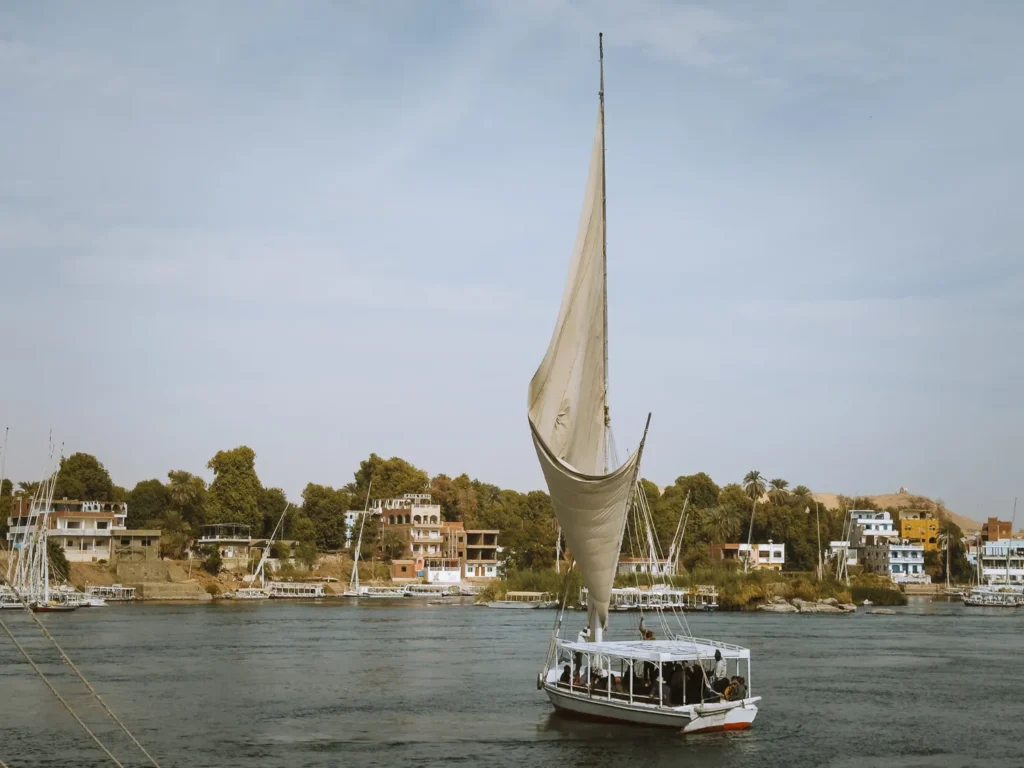
Feluccas are traditional wooden sailing boats that have been used on the Nile for thousands of years.
There’s no motor or enclosed cabin, just wooden benches, silence and the wind in your hair. Taking a Felucca sunset trip is one of the more relaxing things to do in Aswan.
Most sunset trips last around 1-2 hours and sail around Elephantine Island and past the smaller islands in the Aswan area. We saw the botanical gardens, local villages, the Old Cataract Hotel and the desert landscapes beyond the town.
10. Day Trip to Abu Simbel
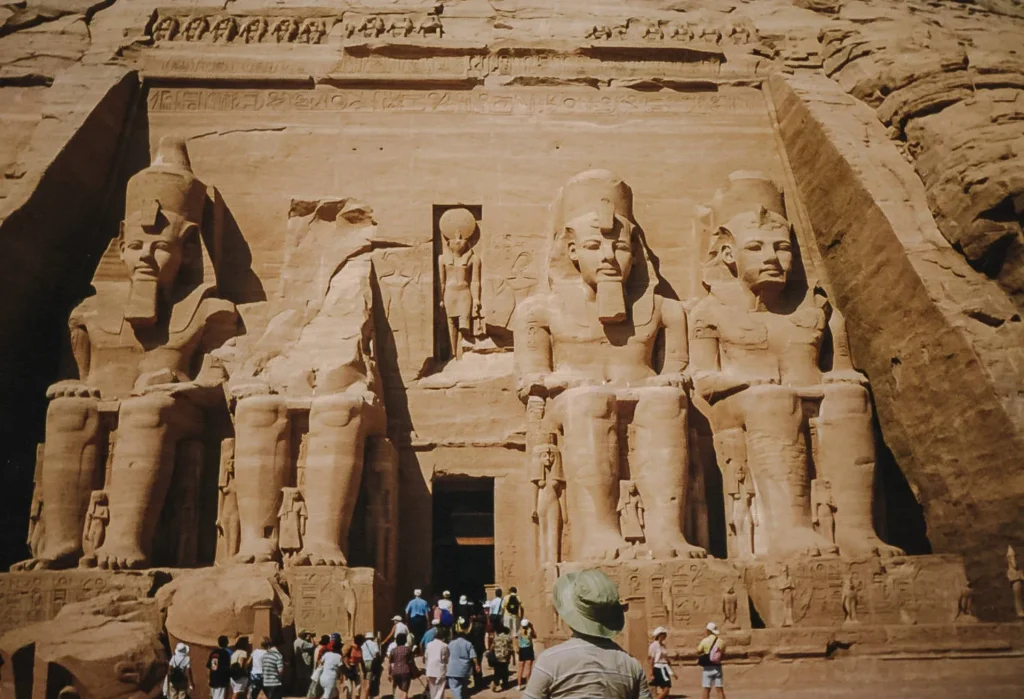
The most photographed and striking temple in Egypt is Abu Simbel.
Consisting of two temples, the main temple is fronted by four enormous, seated statues of Ramesses II, each about 20m high. Inside, the reliefs and hieroglyphs are crisp and sharp.
You have likely seen a picture in any Egyptian brochure.
The temple is about 300km south of Aswan and takes about 2 hours to look around. From Aswan, it’s a 3-hour drive or a 45-minute plane ride. There are a few ways to visit.
- Take a full-day shared bus tour – 10 hours
- Take a private tour by car/van – 10 hours
- Get the public bus and either return by taxi or by bus the next day.
- Fly from Aswan to Abu Simbel, and then either back to Aswan or on to Cairo.
Due to the timing of the day trips, almost everyone visits Abu Simbel at the same time (late morning). If you can, stay overnight, attend the evening light-and-sound show, then explore the temple on your own in the early morning.
Planning and Logistics
How Long to Spend in Aswan
Most people start or finish their Nile cruise in Aswan and rush off to Abu Simbel without spending much time at all in the city.
However, we think you’re missing out by doing that. The attractions are well worth spending an extra day, and it’s a great way to experience Egypt’s slower pace of travel.
You don’t need more than 1 full day in Aswan to see the highlights. But if you wanted to unwind a bit more, there are plenty of riverside cafes to while away a few hours on your second day.
To get an idea of the type of cruise you might want to do, read our summary of the different Nile Cruises on offer and how your experience can change significantly based on your choice.
Where to Stay in Aswan
There is a range of different neighbourhoods to stay in Aswan. Choose between the Nile Corniche, a backpacker’s island, Nubian hospitality, or plush boutiques.
You can find our full breakdown on where to stay in Aswan, or pick from the brief list below.
Go Inn Backpackers – A riverside sun terrace and a friendly owner who helps organise good-value tours and services.
Obelisk Nile Hotel – Good mid-market hotel on Corniche overlooking the Nile. Excellent location for exploring the city with the Old Souks just a 15-minute walk away.
Dolty Kato Nubian House – Located at the entrance to the Nubian Village on the West Bank of the Nile, this lively and colourful Nubian-run hotel offers an opportunity to immerse yourself in Nubian culture. It’s accessible by water taxi or a 30-minute taxi ride into the city.
Ben Ben by Dhara Hotel – Adults only, peaceful resort on an island opposite Philae Temple. A serene and beautiful escape from the noise of the city. Access is by water taxi, which is part of the fun.
Old Cataract Hotel – The grand dame of Aswan, it has attracted the wealthy and stylish for generations. Perfect position among the rocks on the East Bank of the Nile. Refined luxury with beautiful gardens and a lovely terrace.
Where to Eat and Drink in Aswan
Abeer – Popular local restaurant, tucked into the back streets near the old souk, serving koftas and kebabs. Fun atmosphere at reasonable prices. You may have to wait a few minutes for a table.
Onaty Ka – The sun terrace restaurant at this lively Nubian venue is busy on Friday and Saturday evenings. We visited for lunch and ordered the clay-pot tagine and other Nubian delicacies. The food was excellent, and the views across the river were superb.
Old Cataract Hotel – Even if you have not forked out for a room, you can come for a drink or high tea on the terrace or a meal at the 1902 fancy restaurant.
More Egypt Guides
- How to plan a 7- or 10-day Egypt itinerary.
- The best places to visit in Egypt.
- Essential tips for visiting Egypt: what to know before you travel.
- The best ancient temples in Egypt.
- Nile Cruise ship vs Dahabiya: which is the best experience?
- The best things to do in Cairo (including the Pyramids).
- Plan your trip with our 2- or 3-day itinerary for Cairo.
- All you need to know about visiting the Valley of the Kings.
- What to do in Aswan, Egypt’s southern escape.
- See the best and other great things to do in Luxor.
- Your complete guide to visiting the Pyramids of Giza.

reader-supported
When you buy through links on our site, we may earn a small affiliate commission at no extra cost to you.
Thanks for your support // Paul & Mark