

Grand boulevards, world-class art, tango in the streets, and some of the best steak on the planet. Here is our pick of the very best things to do in Buenos Aires.
By: Paul Healy | Last Updated:
On paper, Buenos Aires is easy to summarise – grand boulevards, steak, tango, faded European elegance.
In reality, it’s much harder to pin down.
For us, it’s less about what’s in the city and more about how it’s lived in. Dinner runs to the wee hours, bookshops stay open past midnight, and cafés have that worn-in feel from decades of use.
Then there are modern wine bars, design-led coffee shops, Parisian-style avenues, colourful neighbourhoods and green spaces.
We’ve covered here what we think are the best attractions to visit whilst in Buenos Aires, along with a few local experiences that give you a feel for how the city lives.
What to Do in Buenos Aires
1. Plaza de Mayo
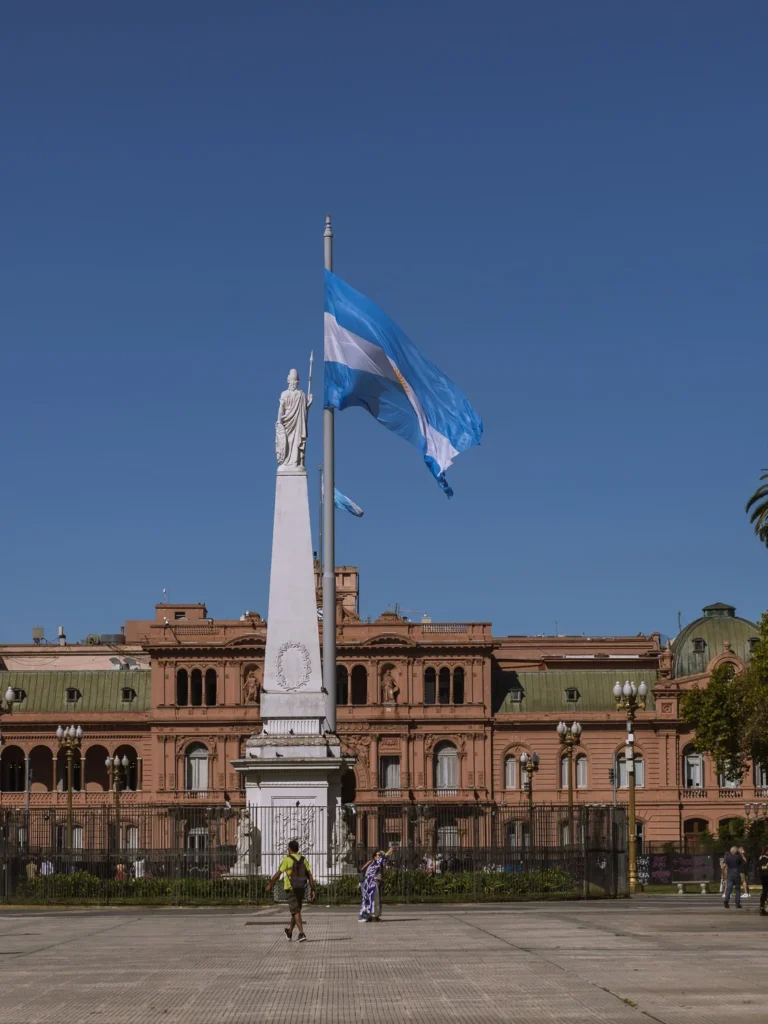
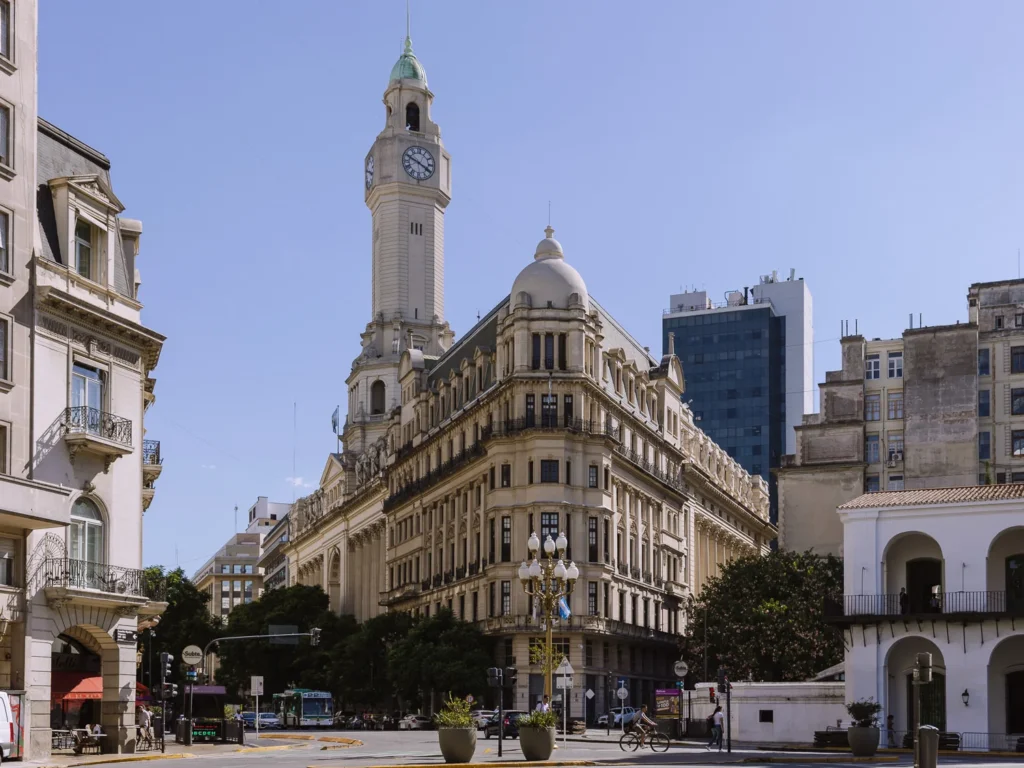
There is no better way to get your bearings in Buenos Aires than Plaza de Mayo – one of the most historically charged public spaces in South America.
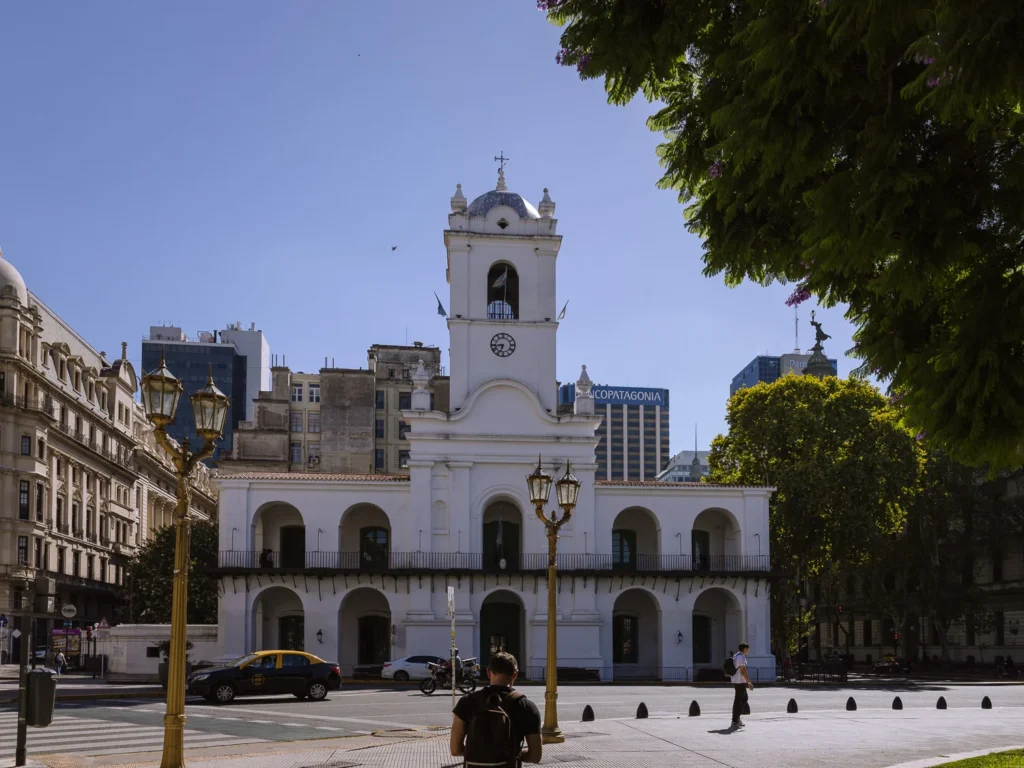
Around the square, you’ll find some of the city’s major landmarks: the presidential palace, the cathedral and the old colonial town hall.
The square is also where the Madres de Plaza de Mayo marched in silence every Thursday for years during the military dictatorship, demanding to know the fate of their disappeared children.
Their white headscarf emblem is painted on the paving stones below the Pirámide de Mayo, which is located just in front of the Casa Rosada.
We didn’t spend long in Plaza de Mayo, but it’s a worthy stop to get your bearings.
2. Casa Rosada
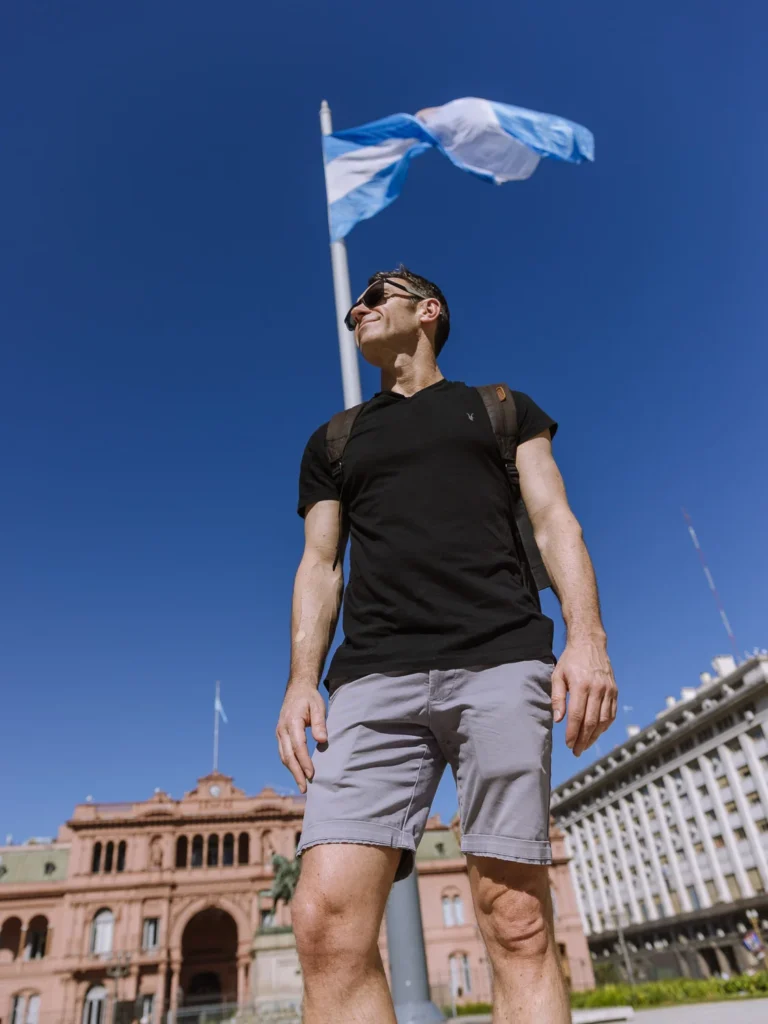
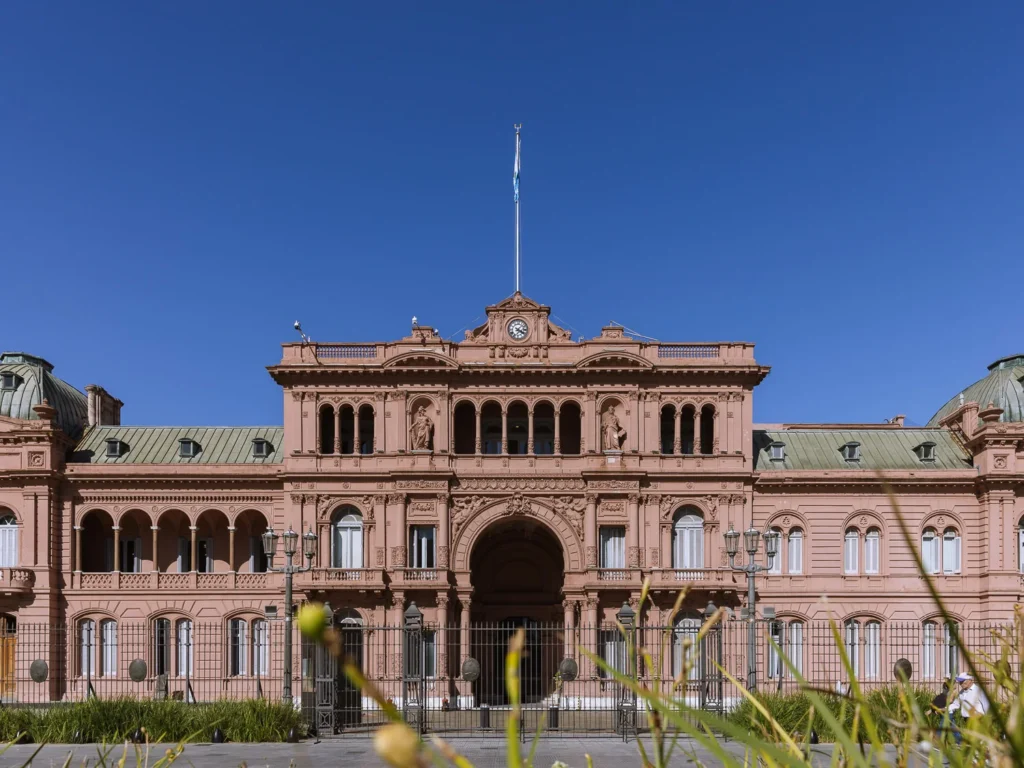
The Casa Rosada is the pink presidential palace on the eastern edge of Plaza de Mayo, and the most iconic building in Argentina.
The balcony facing the plaza is where Eva Perón addressed the descamisados, where Pope Francis appeared after his election, and where Argentina’s victories have been celebrated.
Free guided tours in English and Spanish run on weekends. Book in advance on the Casa Rosada website.
3. Recoleta Cemetery
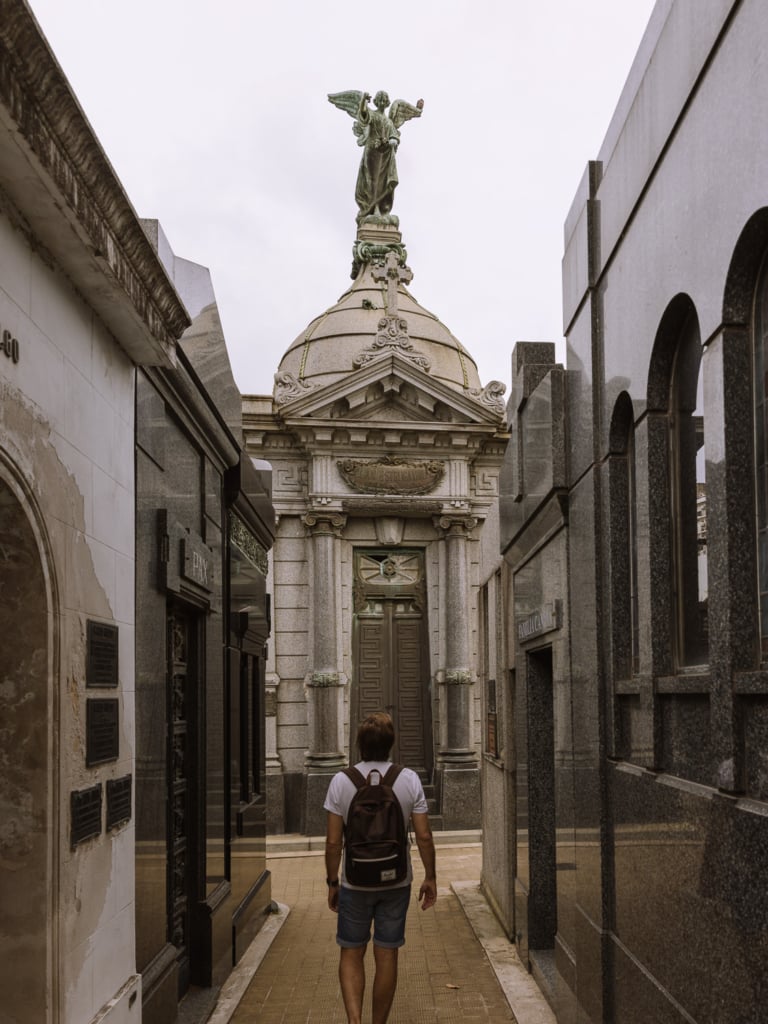
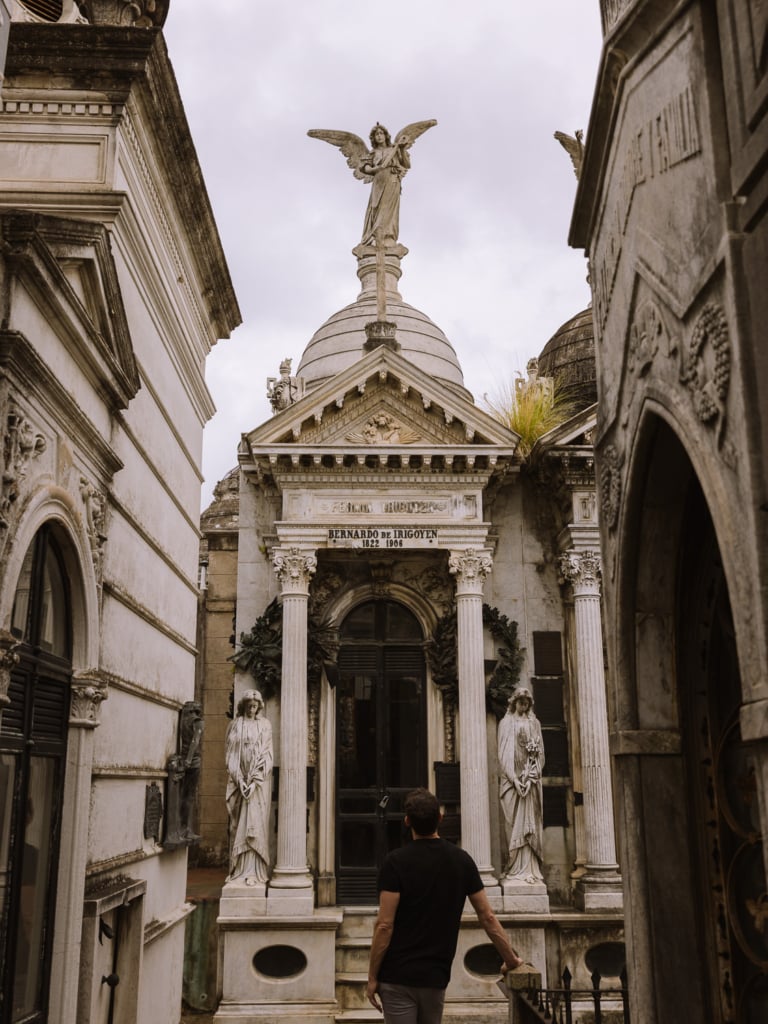
The Cementerio de la Recoleta is one of the most interesting cemeteries we have ever visited.
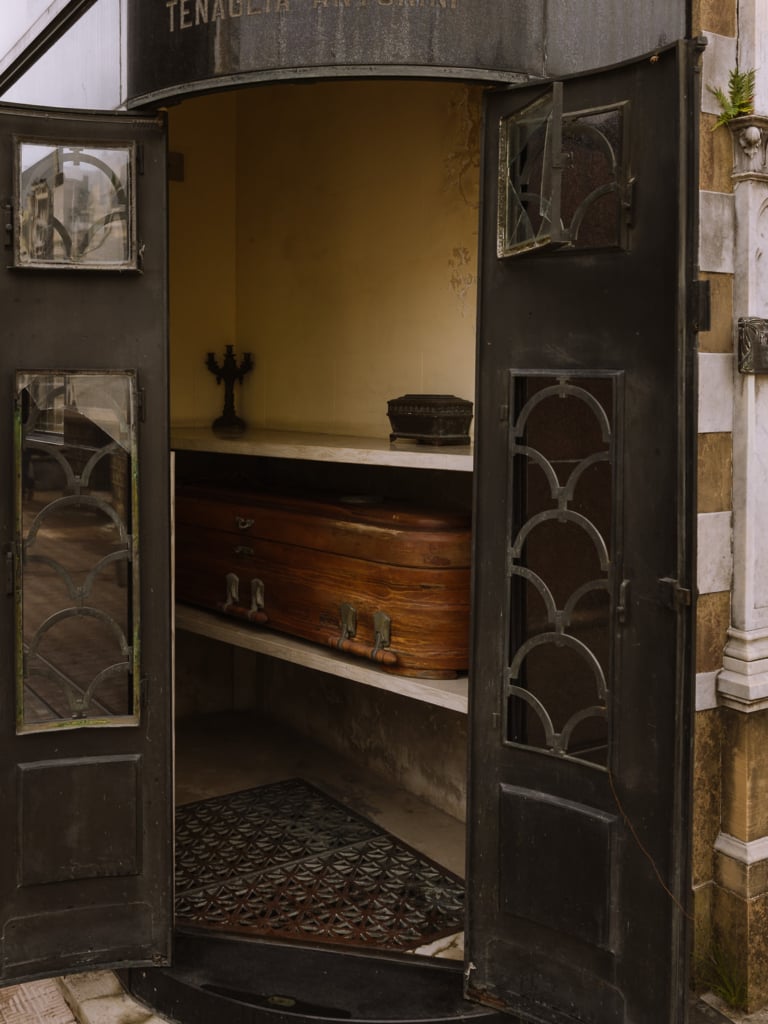
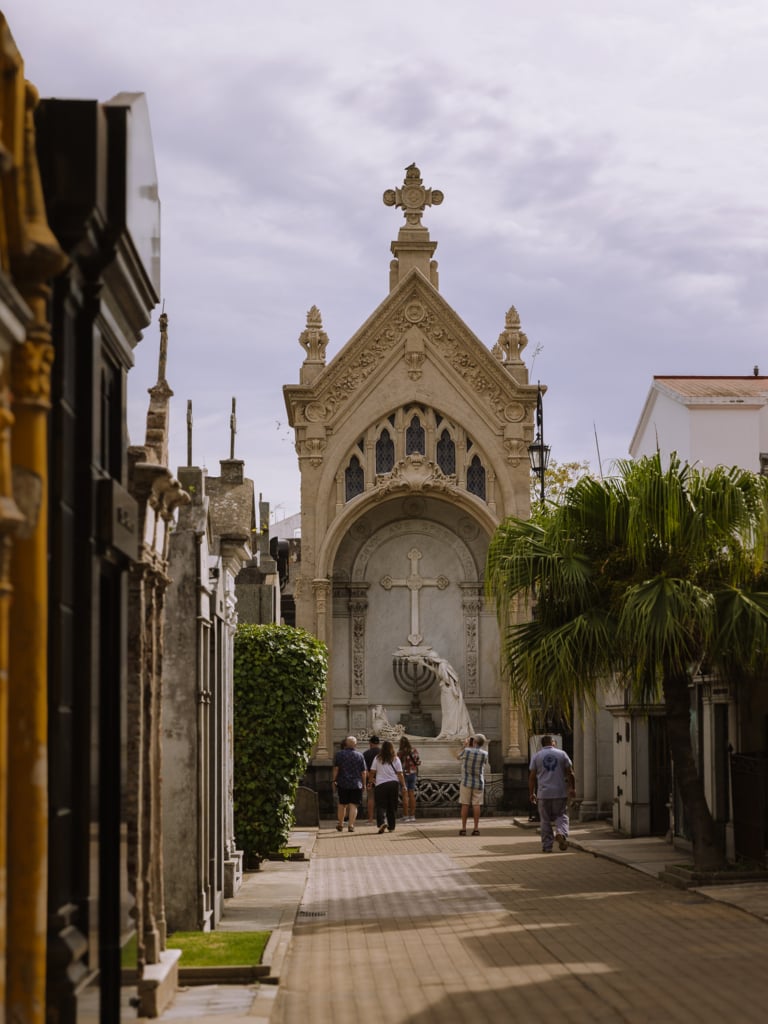
It contains a vast collection of marble mausoleums, some the size of small chapels, arranged along narrow streets.
But unlike other famous cemeteries, this one is active, with rich families still building elaborate burial places, many of which have the coffins on display.
The architecture ranges from neoclassical columns to Art Nouveau glass to Gothic spires, and the overall effect is genuinely extraordinary.
The most famous tomb is Eva Perón’s, but it’s unremarkable compared to some of the other, much grander mausoleums.
There’s a map at the entrance which marks the most significant mausoleums; however, unless you have a good grasp of Argentine history, just strolling around is the best way to go.
If you’re interested in learning a bit more, try this Recoleta Cemetery Tour.
4. Teatro Colón
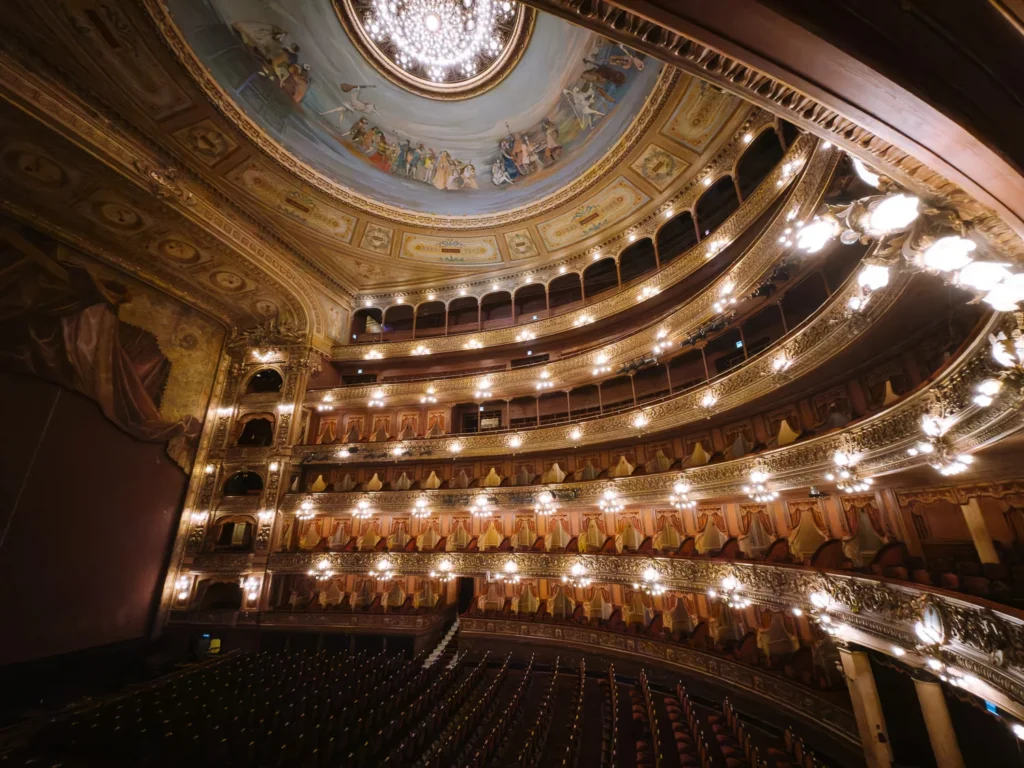
The Teatro Colón ranks among the greatest opera houses in the world, and it’s something you probably don’t want to miss whilst in Buenos Aires.
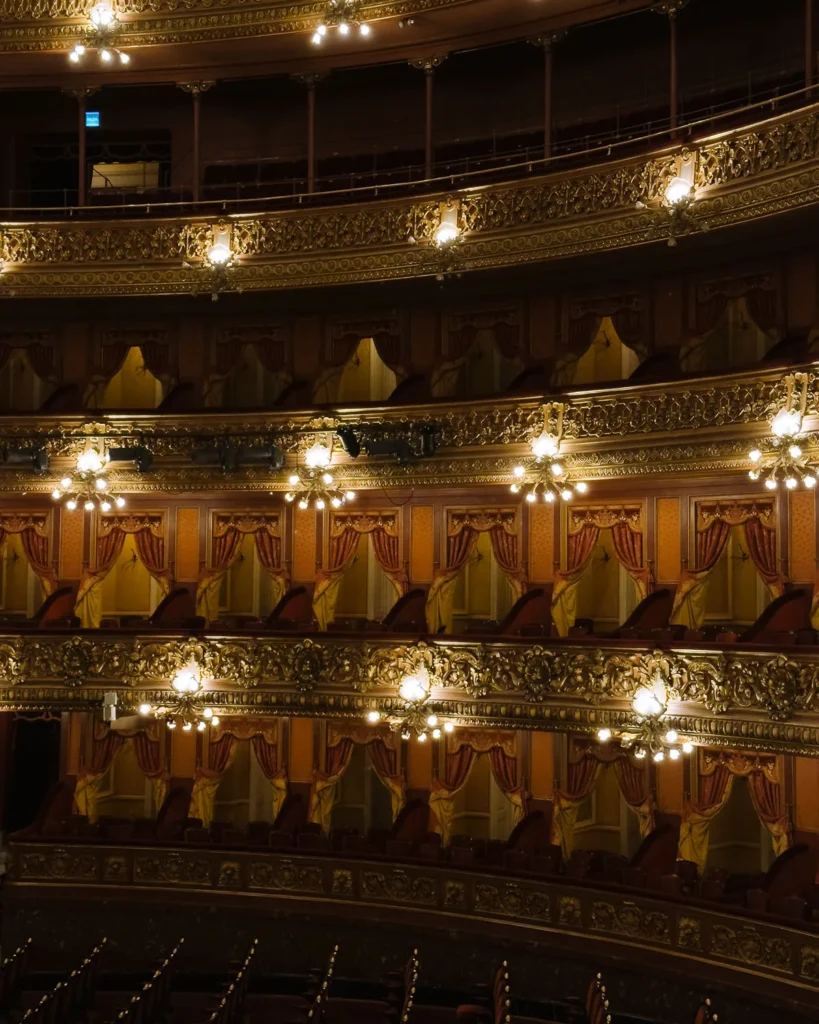
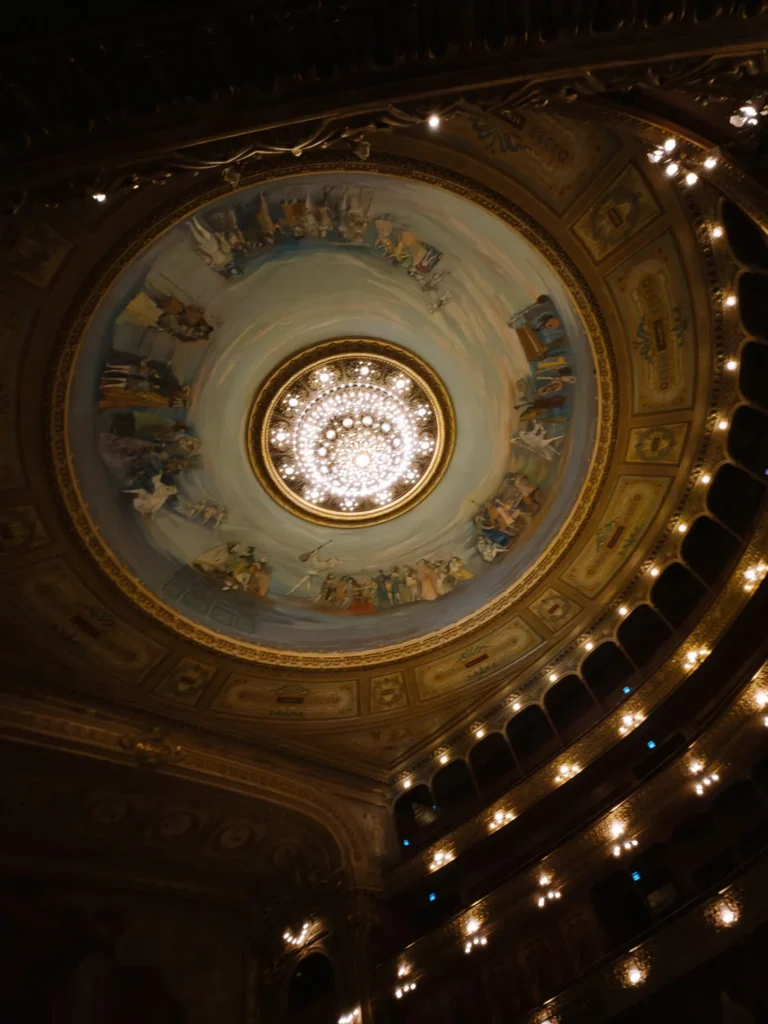
The building took 20 years to complete and opened in 1908. The gilded horseshoe auditorium, with its extraordinary painted dome and seven tiers of gilded balconies, is one of the most beautiful spaces we have ever visited.
The guided tours take you through the ornate lobby with marble, sculptures, and incredible stained glass, and finish in the remarkable auditorium.
Guided tours in English take place daily at 10:00, 11:00, 12:00, 13:00, 13:30, 14:00, 15:00, 15:30.
Important information about the lights – We visited the theatre three times during our trip to Buenos Aires and didn’t take the tour because of a sign out front that said the lights were out in the main auditorium. Eventually, we had to do the tour because we were running out of time, but the lights were all working.
We asked the guide about this, and she said they just leave the sign up all the time, just in case the lights are off for a technical rehearsal. So, don’t be put off if this sign is out.
Tours – If you are visiting during a busy time, you might want to book tickets in advance. We tried to turn up on the day but had to buy tickets for the following day.
5. El Ateneo Grand Splendid
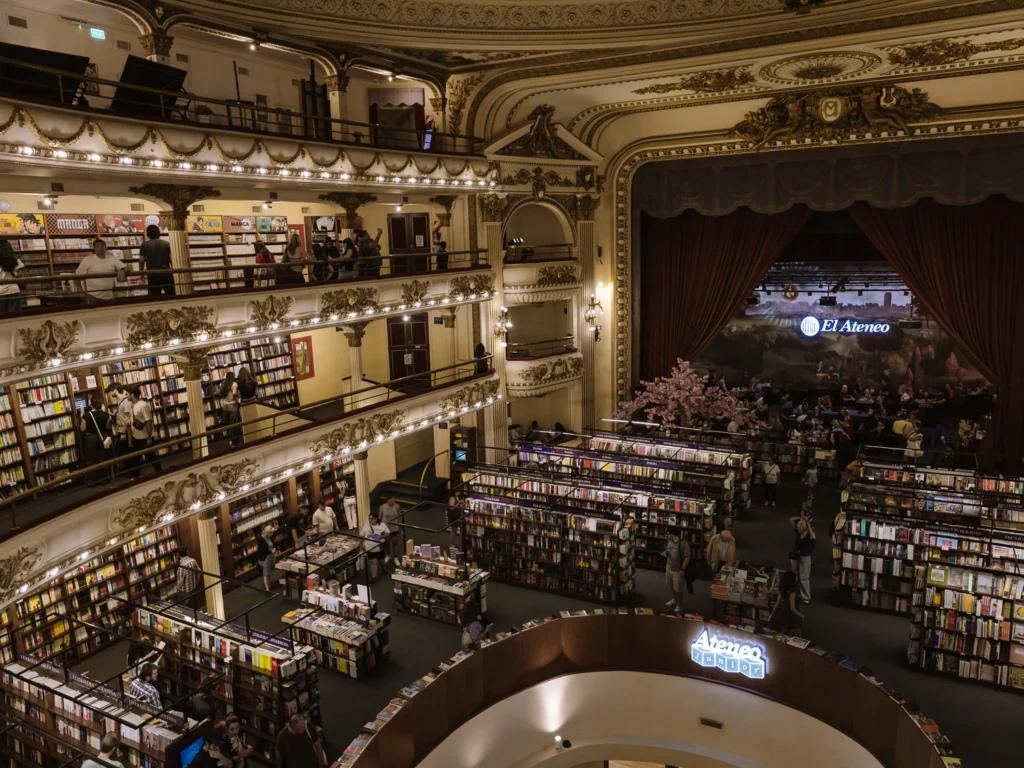
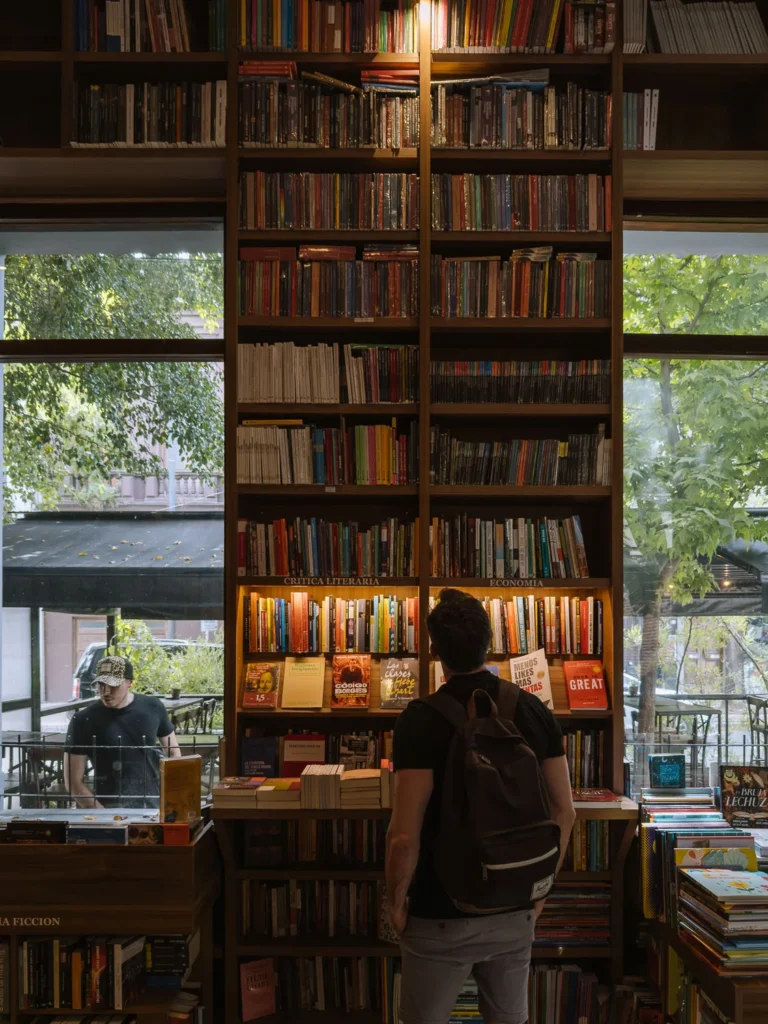
There’s just something about cool bookshops that always manages to draw us in, and El Ateneo Grand Splendid is no exception.
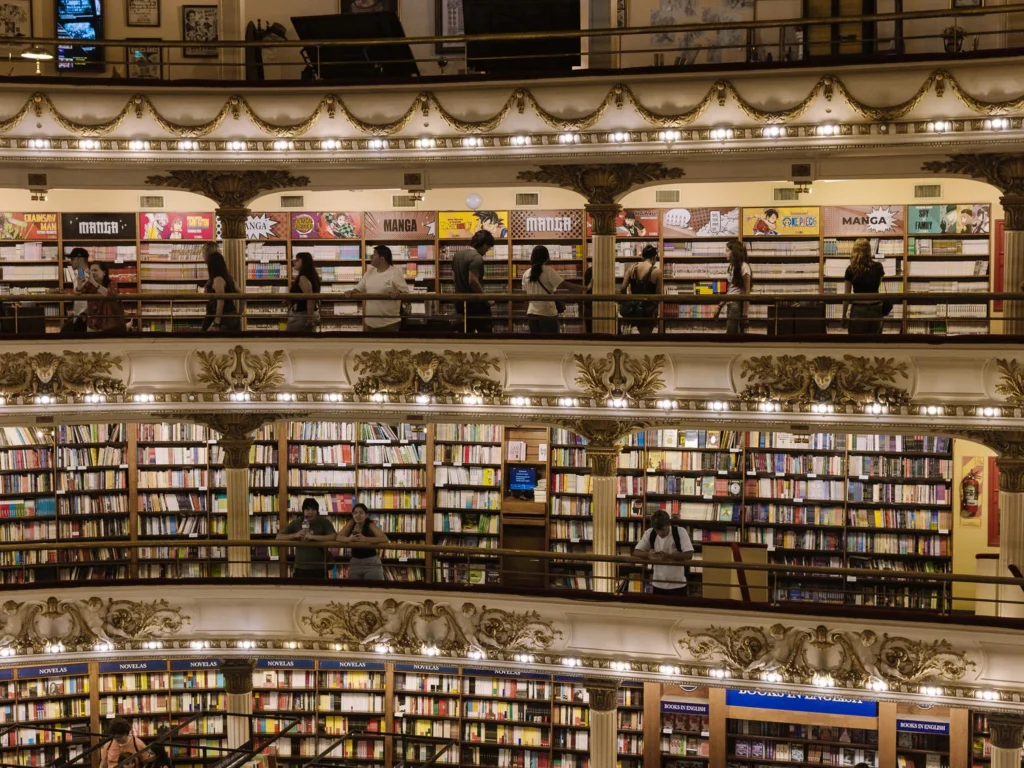
Installed inside a 1919 theatre, El Ateneo Grand Splendid has preserved the original plasterwork, ceiling frescoes, gilded balconies and stage curtain.
The old theatre boxes have been converted into reading alcoves, and the stage itself is a café.
You’ll also find reading nooks in theatre boxes, a children’s section in the basement, and exhibition space upstairs.
The overall effect is pretty magical, and we had a lovely time strolling around, soaking it all in.
Even if you don’t read Spanish, this is well worth a visit.
6. Malba
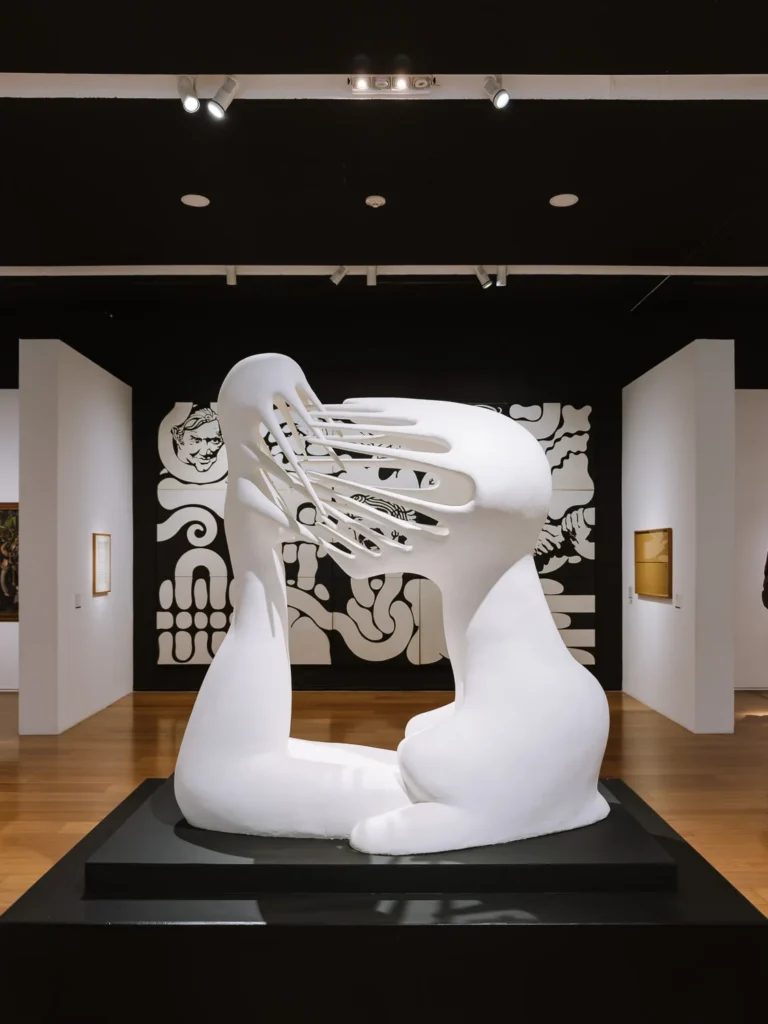
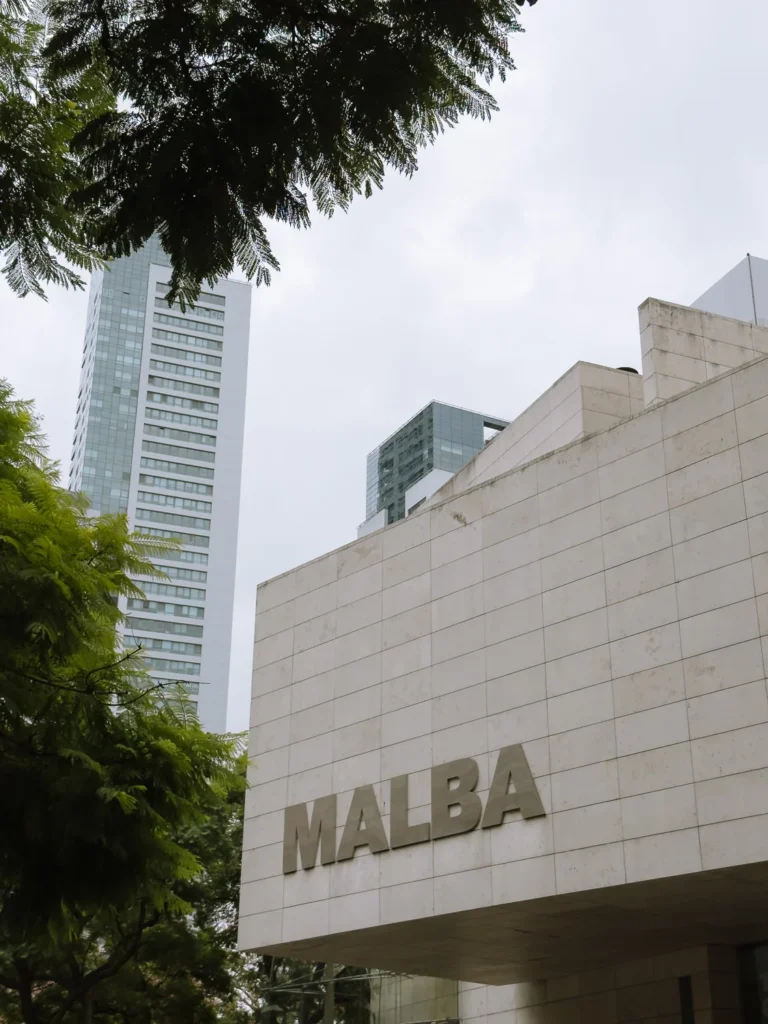
The Museo de Arte Latinoamericano de Buenos Aires (MALBA) is a museum we really recommend if you’re looking for a cultural experience in Buenos Aires.
The focus is on Latin American art from the 20th and 21st centuries, with a permanent collection that includes major works by Frida Kahlo, Diego Rivera, Tarsila do Amaral and Xul Solar.
We also really loved the modern, purpose-built building, which is easy to navigate.
MALBA is a very digestible gallery. There’s enough to see to make it really interesting, without having so much that it feels overwhelming.
The café is a decent spot for lunch as well.
The MALBA is closed on Tuesdays.
7. La Boca & the Caminito
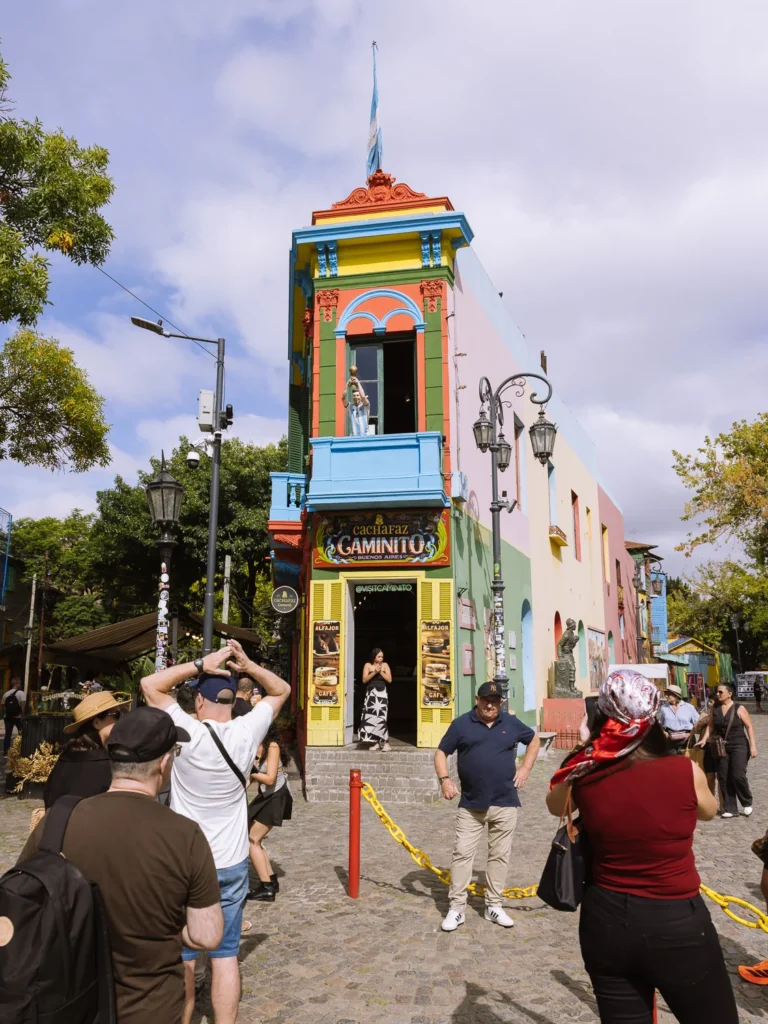
La Boca is probably the most photographed neighbourhood in Buenos Aires.
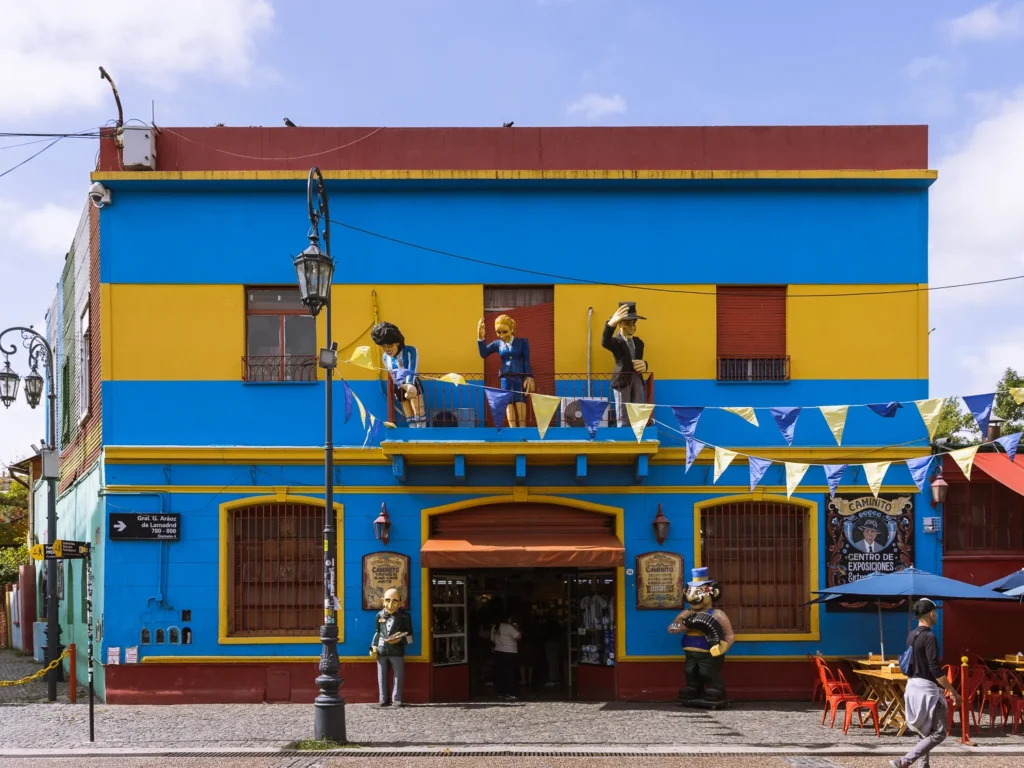
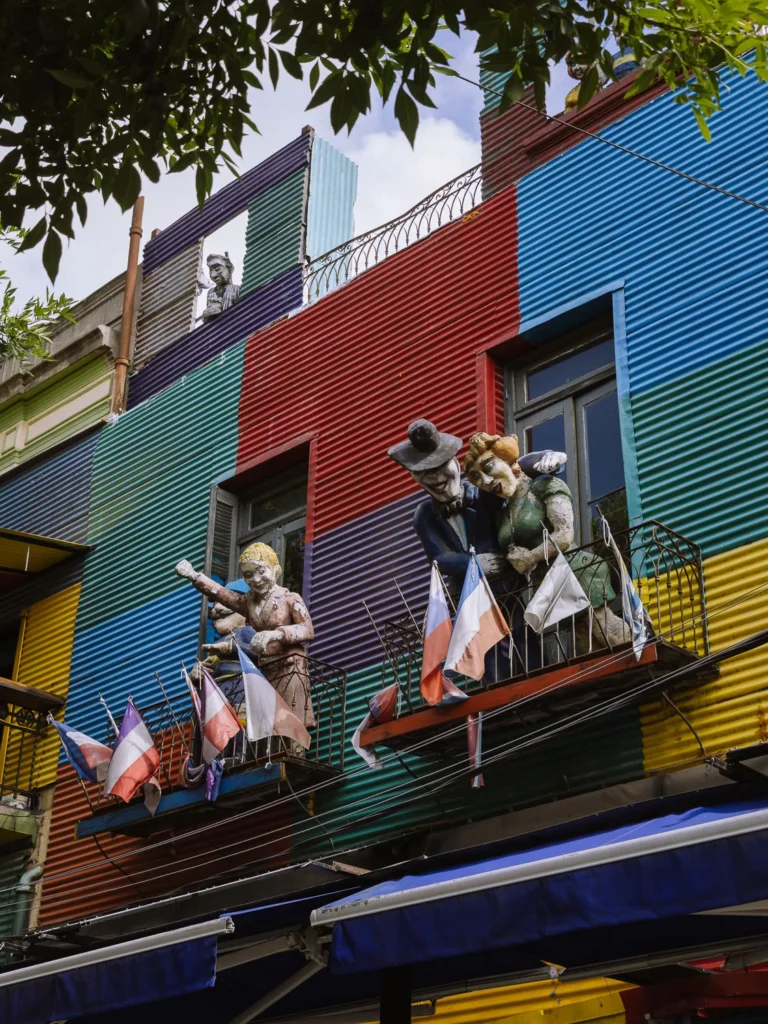
Corrugated-iron houses are painted in bright, mismatched colours of yellow, red, blue and green – a tradition dating back to Italian immigrants who used leftover ship paint.
Caminito is a pedestrian street in La Boca lined with murals, sculptures, and performers.
Yes, it’s touristy, but it’s also a genuinely wonderful part of the city to stroll around.
The Fundación PROA on the waterfront nearby is one of the finest contemporary art spaces in the city, with a strong programme of international and Argentine artists and excellent views over the Riachuelo.
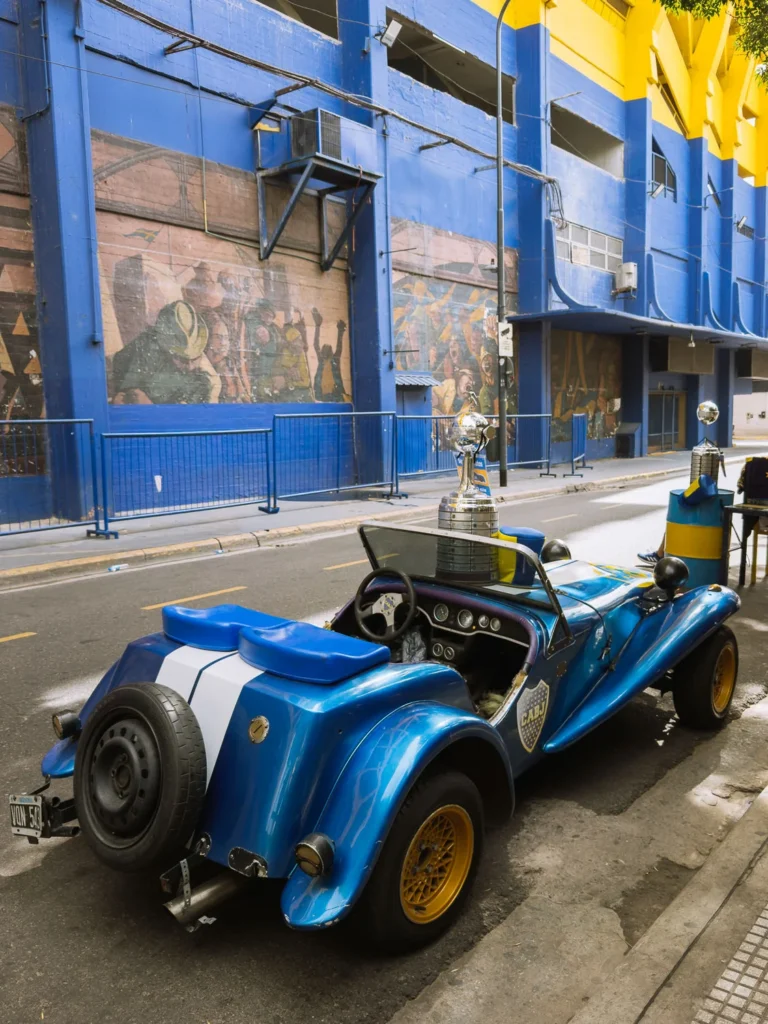
We also went for a stroll up to La Bombonera, home of Boca Juniors – one of the most iconic football venues in the world.
There is a football museum which you can visit as part of the stadium tour, which we didn’t do because we ran out of time. However, just checking out the area around the stadium is well worth the quick detour.
One important practical note: La Boca has a reputation for petty crime, so it’s a good idea to arrive by taxi and ask to be dropped off at the Caminito. We stayed within the tourist areas and felt very safe the whole time.
A note about taxis: We used Uber a lot in Buenos Aires. It’s efficient, reliable and very cheap.
8. Museo Nacional de Bellas Artes
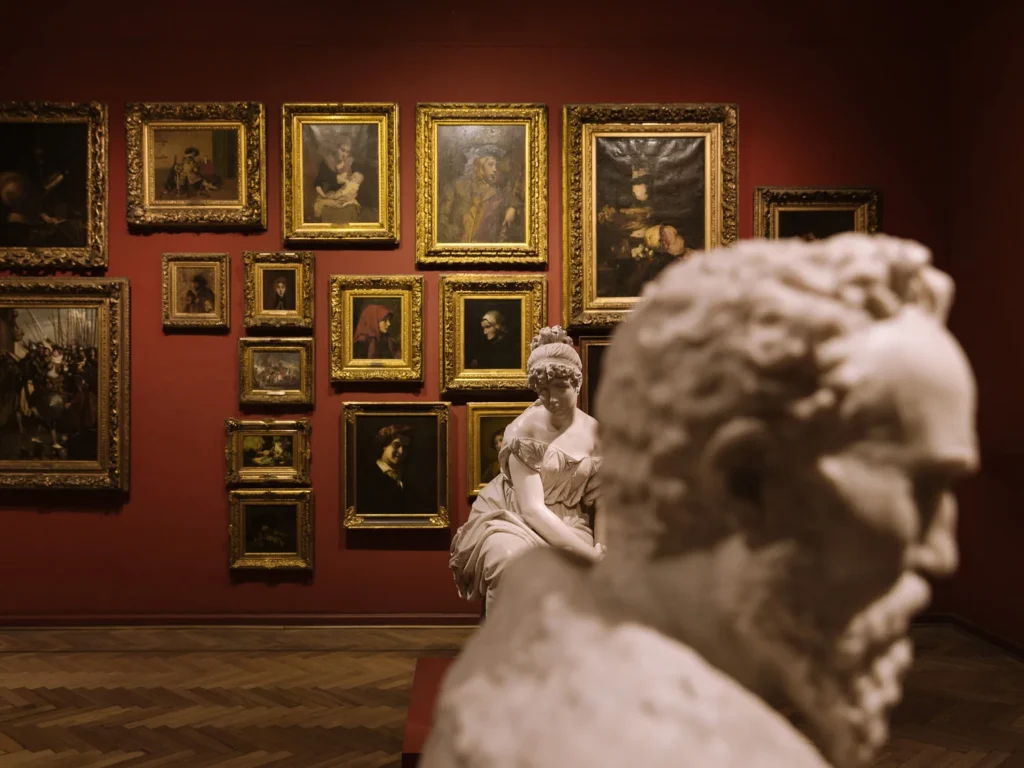
The National Museum of Fine Arts is one of the best art collections in Latin America, and it’s completely free to enter.
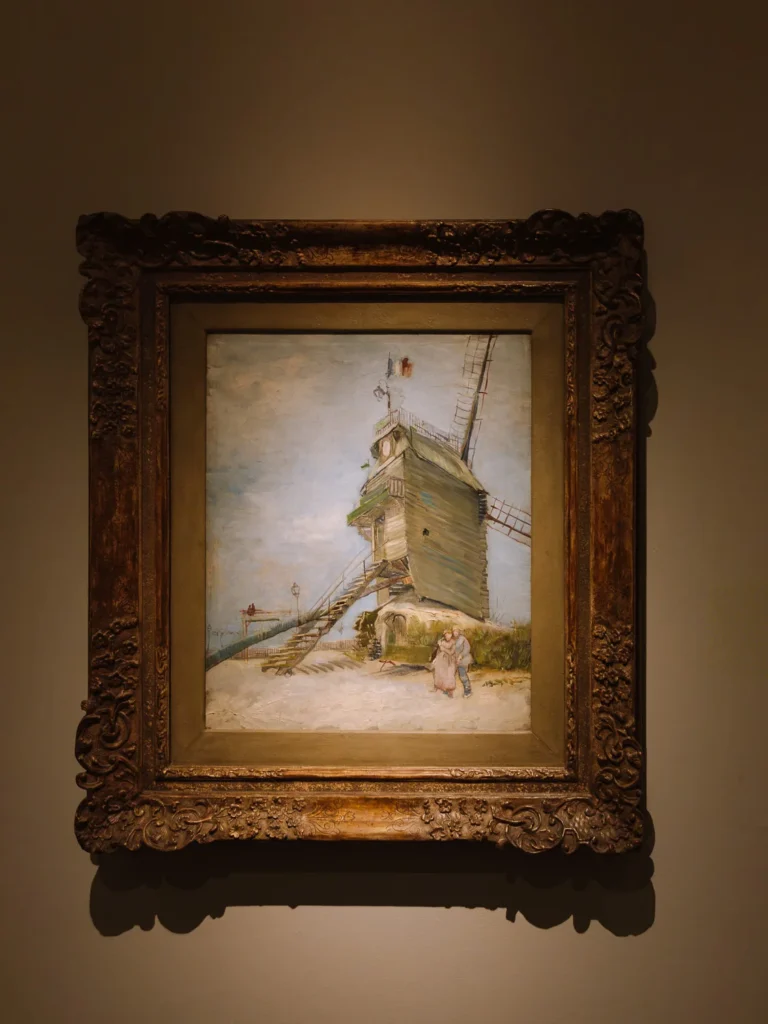
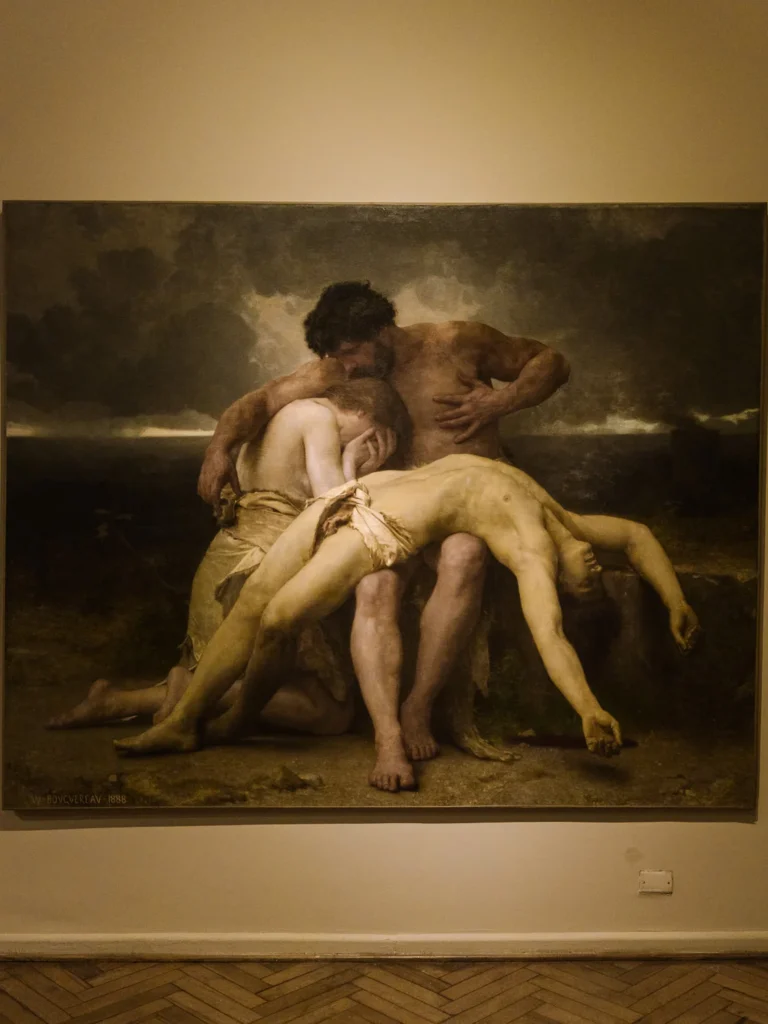
The permanent collection spans several centuries of European and Argentine art. You’ll see El Greco, Rembrandt, Rodin sculptures, and an excellent selection of Argentine Impressionists.
The Argentine galleries were particularly good, especially the sections documenting Argentine society, wars, landscapes and people. Keep an eye out for works by Prilidiano Pueyrredón, Eduardo Sívori and Cándido López.
The Rodin room is also excellent, with a remarkable collection of bronze statues.
The Museo Nacional de Bellas Artes is closed on Mondays.
9. Antiques, Markets & Bars in San Telmo
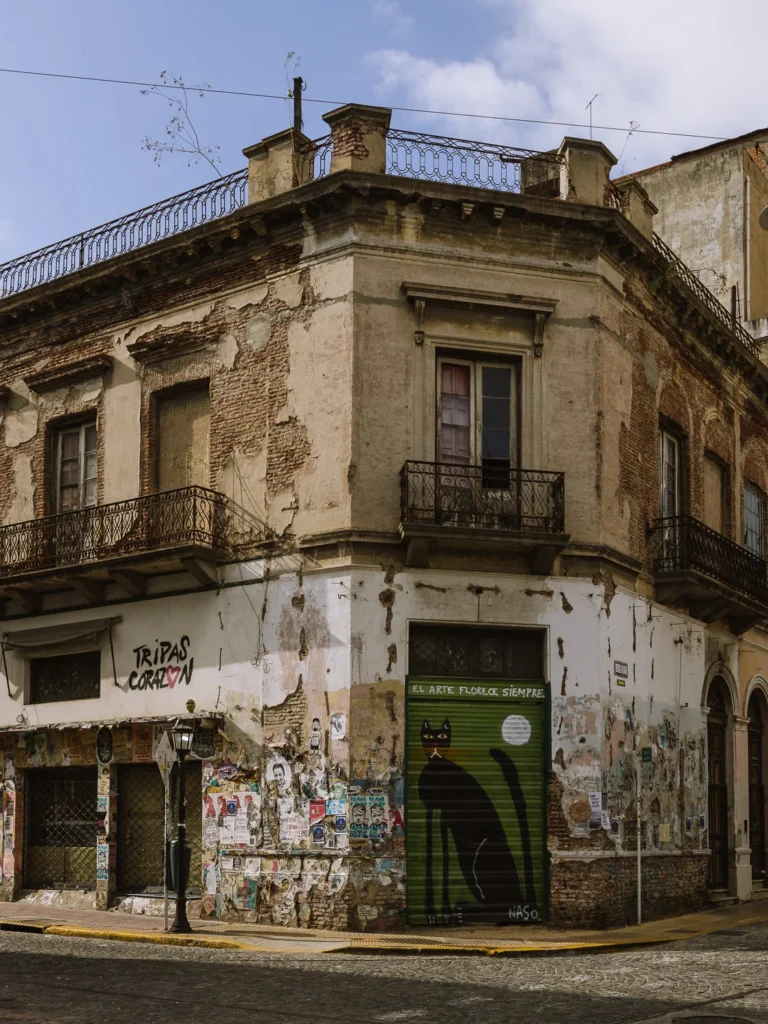
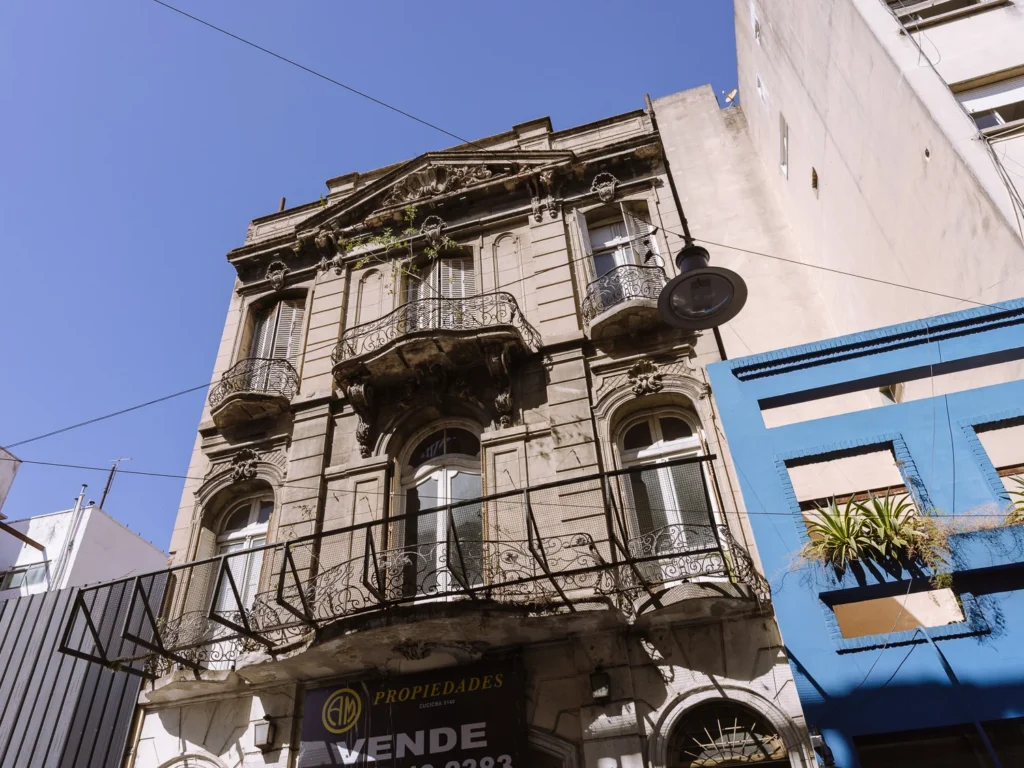
San Telmo is the oldest neighbourhood in Buenos Aires and one of the most atmospheric. Its cobblestone streets, crumbling colonial façades, antique dealers, and tango bars give it a character quite unlike that of the more polished parts of the city.
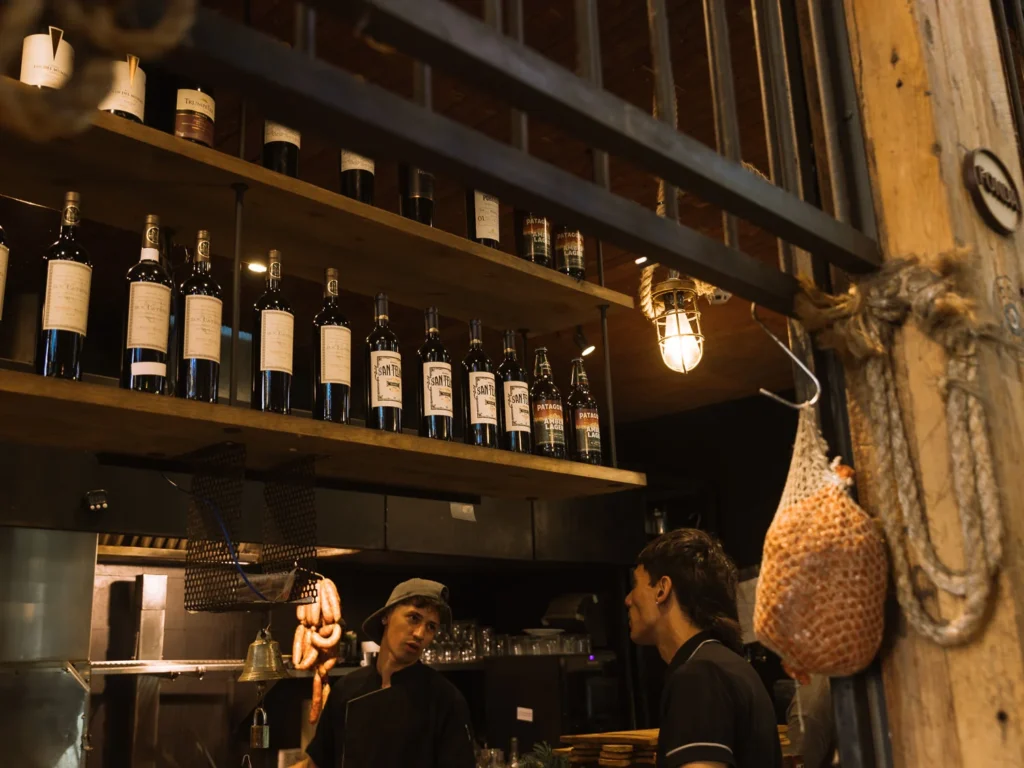
The centrepiece is the Mercado de San Telmo, a beautiful 19th-century iron market hall on Calle Defensa. Around the edges, it has expanded to include antique stalls, speciality food vendors, wine bars and excellent lunch spots.
On Sunday mornings, the Plaza Dorrego, a few blocks south, becomes the city’s most famous antiques market.
Stalls of silverware, vinyl records, vintage clothing and general Argentine curiosities spread across the cobblestones, with tango dancers performing in the square itself. If you’re in Buenos Aires on a Sunday, it’s a good idea to arrange your morning around it.
The streets of Calle Defensa leading south from the market are lined with antique shops, small galleries and local cafés. It’s one of the best streets in the city for aimless wandering.
Here are a few things we loved in San Telmo:
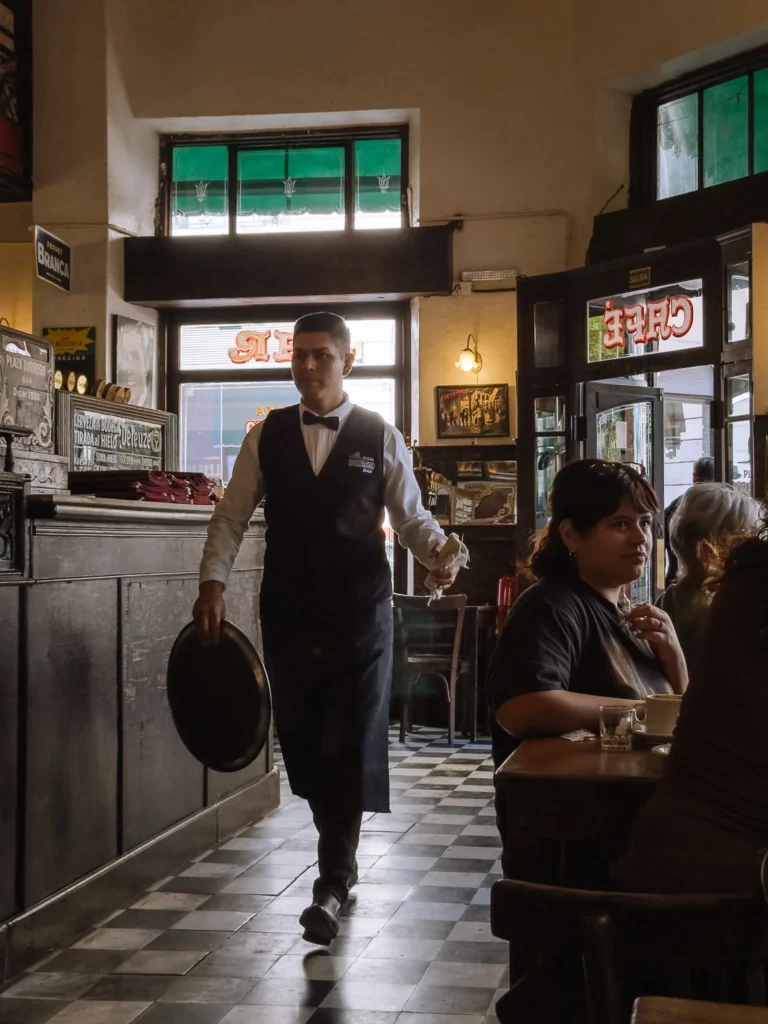
- El Federal – A historic corner café-bar known for its old-school interiors, classic Argentine dishes, and timeless neighbourhood atmosphere.
- Bar Plaza Dorrego – A lively, tourist-friendly café overlooking Plaza Dorrego, ideal for people-watching and soaking up San Telmo’s street scene.
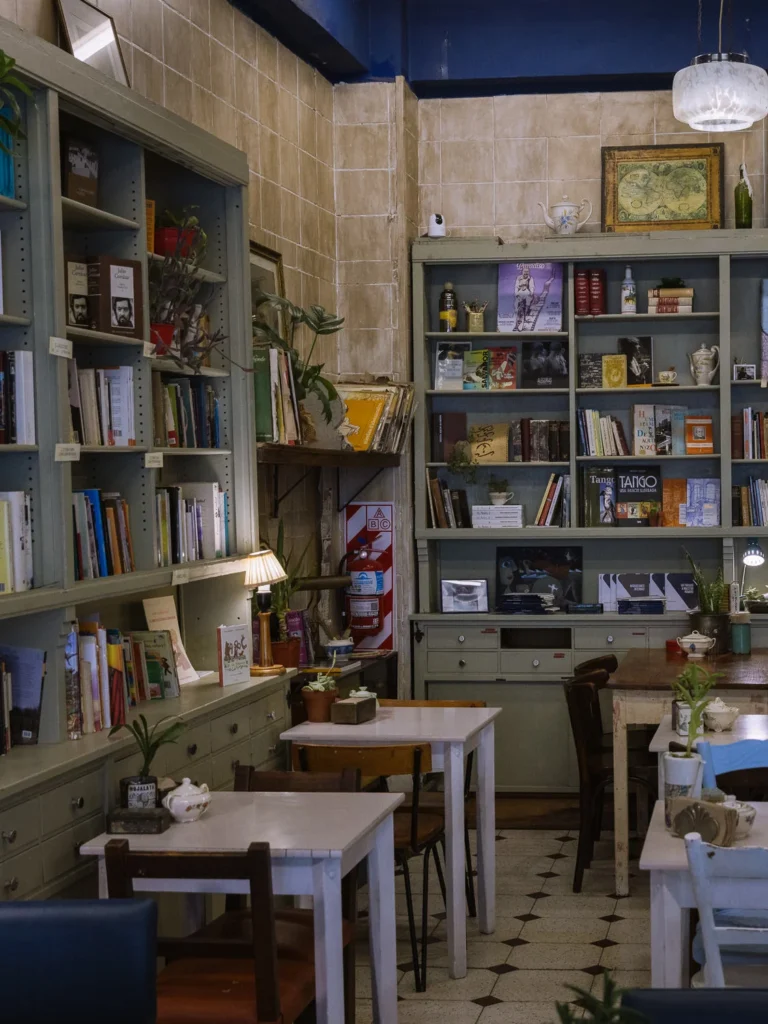
- Modular Café – A modern, well-designed coffee spot serving speciality brews and brunch in a minimalist setting.
- Café Ifigenia – A cosy, low-key café with homemade pastries and a relaxed, local vibe away from the main crowds.
10. Parks, Cafés & Nightlife in Palermo
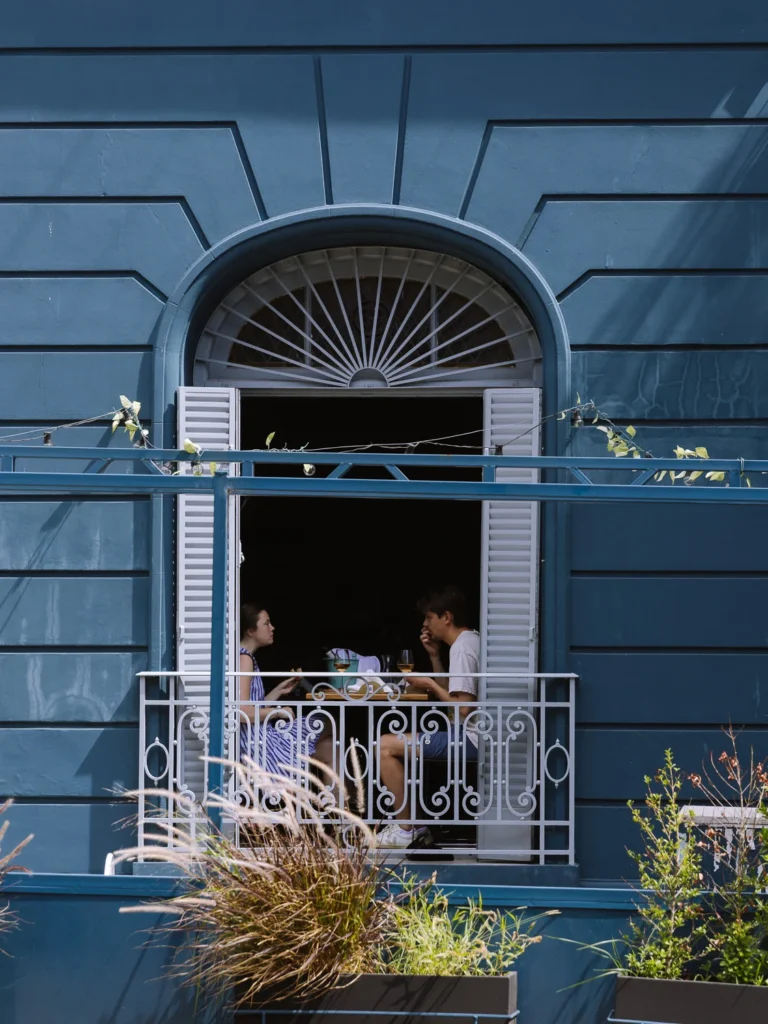
Palermo is Buenos Aires’ largest and most dynamic neighbourhood, trading San Telmo’s faded charm for leafy parks, design-forward cafés and some of the city’s best food and nightlife.
It’s typically split between Palermo Soho (boutiques, brunch spots, creative energy) and Palermo Hollywood (restaurants, cocktail bars, late nights), though the whole area blends seamlessly when you’re exploring on foot.
During the day, we had a great time just strolling the leafy streets of Palermo. There’s a really cool selection of independent shops, concept stores and some of Buenos Aires’ best coffee.
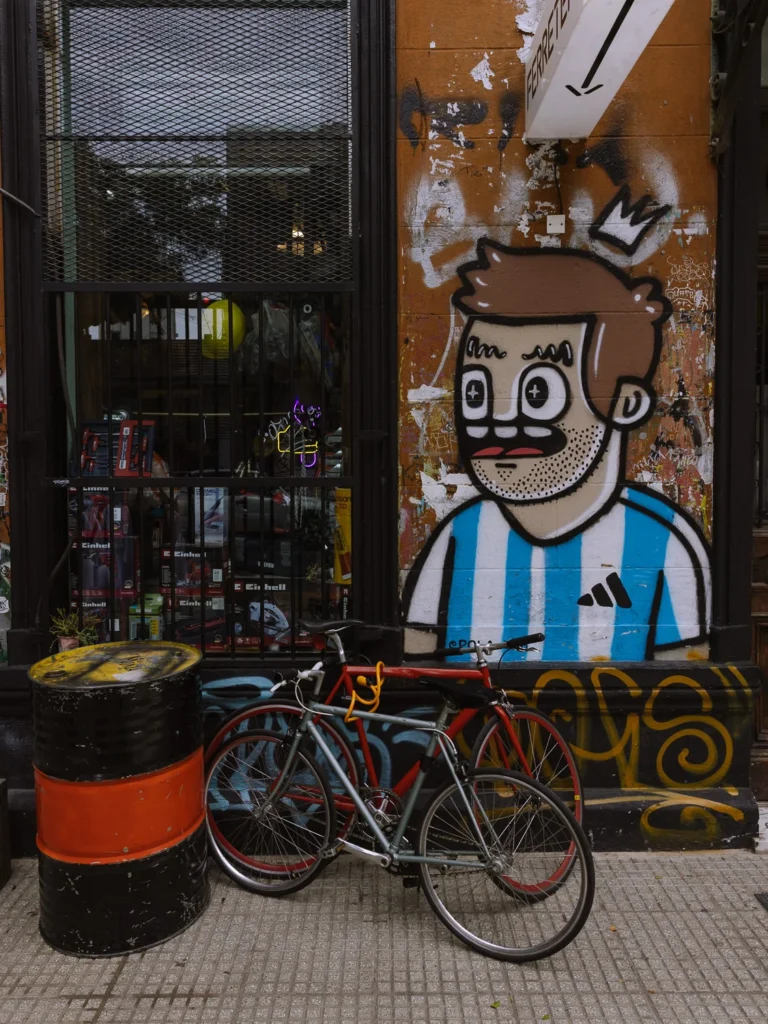
It’s also packed with great street art.
Palermo shifts gears slightly in the evening as the go-to area for a night out in Buenos Aires. The restaurants are more polished than in San Telmo, and there are plenty of bars and clubs.
Here are a few things we loved in Palermo:
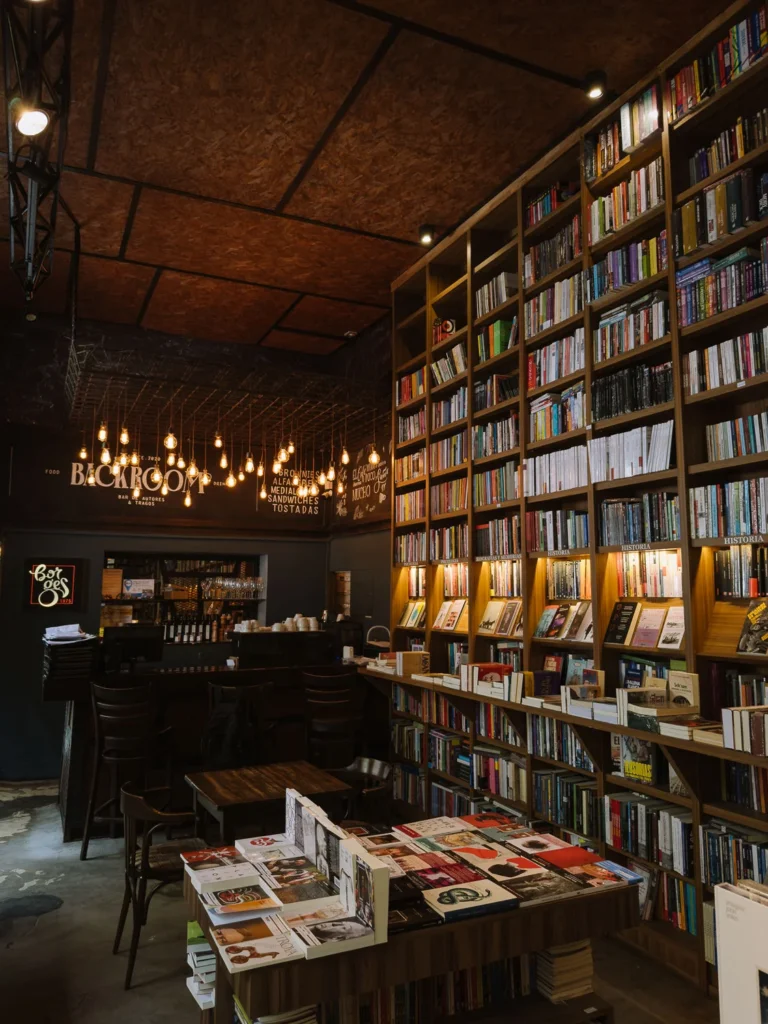
- Backroom Bar – A hidden, speakeasy-style cocktail bar with a low-lit, intimate feel and some of the most inventive drinks in the neighbourhood.
- Minga – A relaxed, stylish restaurant-bar blending natural wines, seasonal plates and a distinctly local, creative crowd.
- Caldén del Soho – A classic Argentine steakhouse setting, known for generous cuts, strong Malbecs and a more traditional parrilla experience in Palermo.
- L’Attente Café – One of Palermo’s standout speciality coffee spots, popular for its expertly brewed coffee, minimalist aesthetic and laid-back daytime atmosphere.
11. El Zanjón de Granados
El Zanjón de Granados is a restored colonial mansion on Calle Defensa in San Telmo.
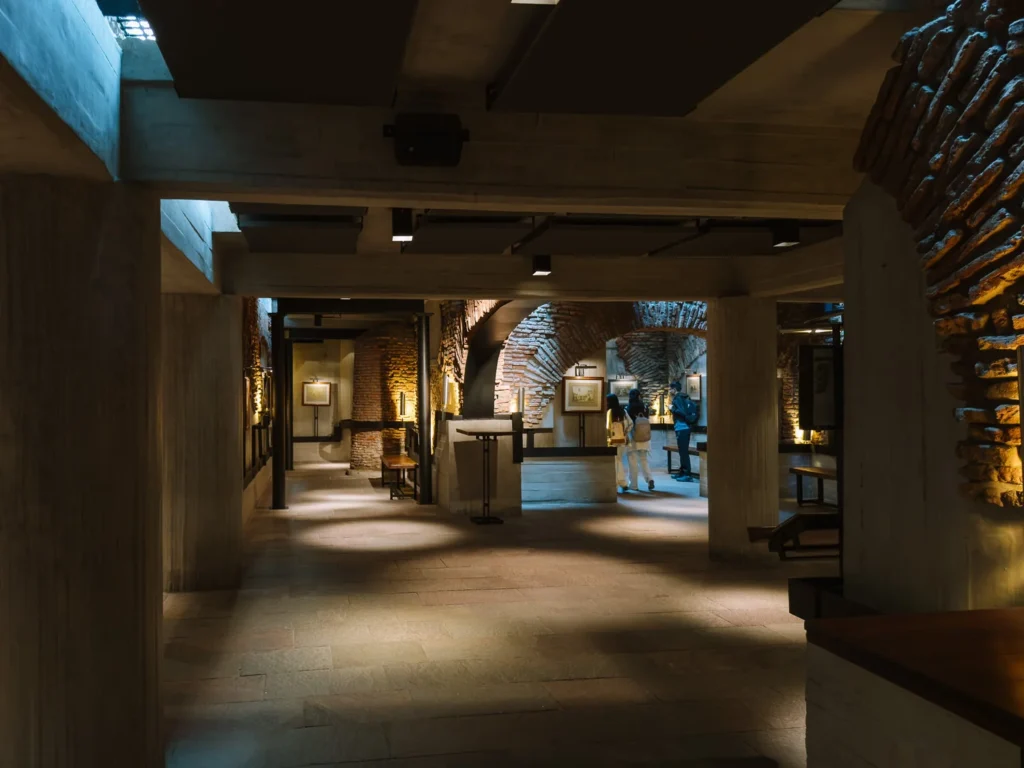
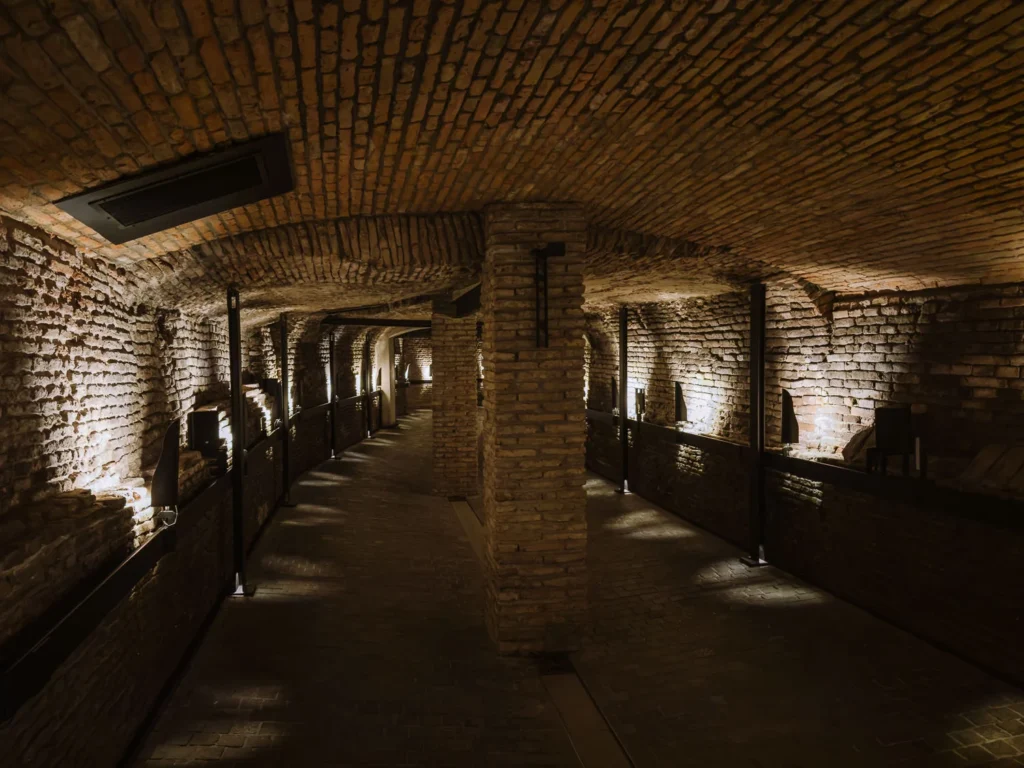
Underneath the building, a network of tunnels and cisterns dating back to the city’s earliest years was rediscovered only during a restoration project in the 1980s.
The only way to visit is on a guided tour, which takes around one hour. We were guided through the excavated brick passageways, past original arches and wells, all of which displayed the layered archaeological record of the city.
The building itself is largely a restored shell; however, our tour guide was informative and energetic, which made the whole experience quite interesting.
This is probably something we’d recommend after you’ve seen the other sites in Buenos Aires.
Tours need to be booked in advance. Make sure you book an English language tour, which are generally at 12:00, 14:00 and 16:00.
12. Palacio Barolo
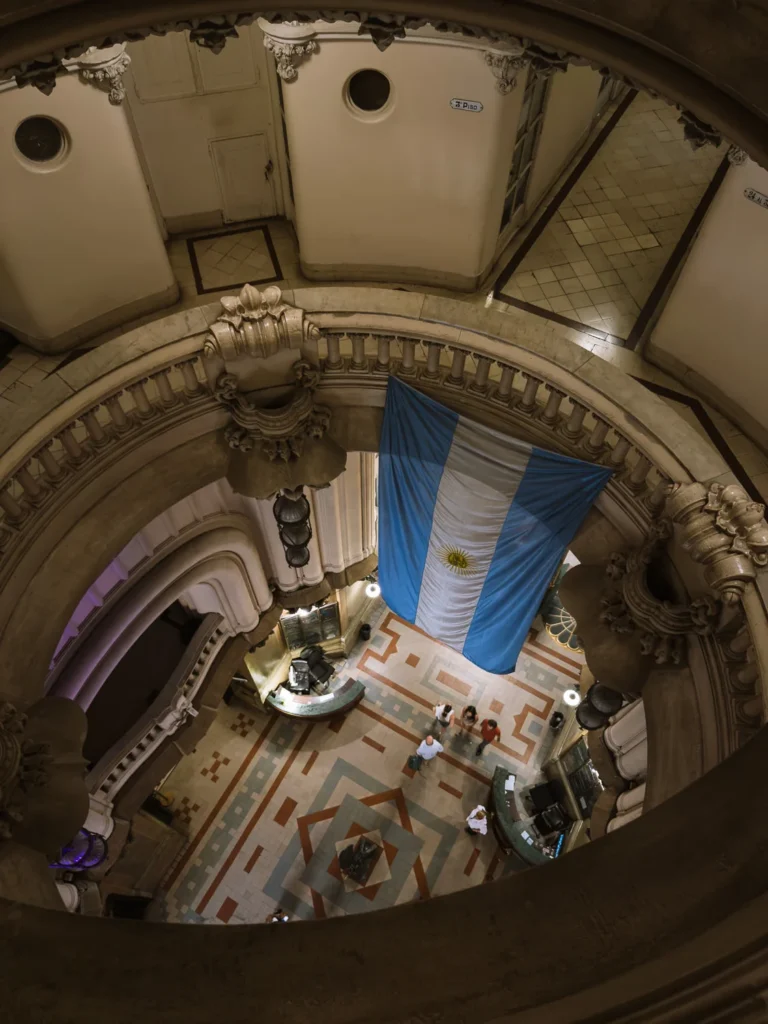
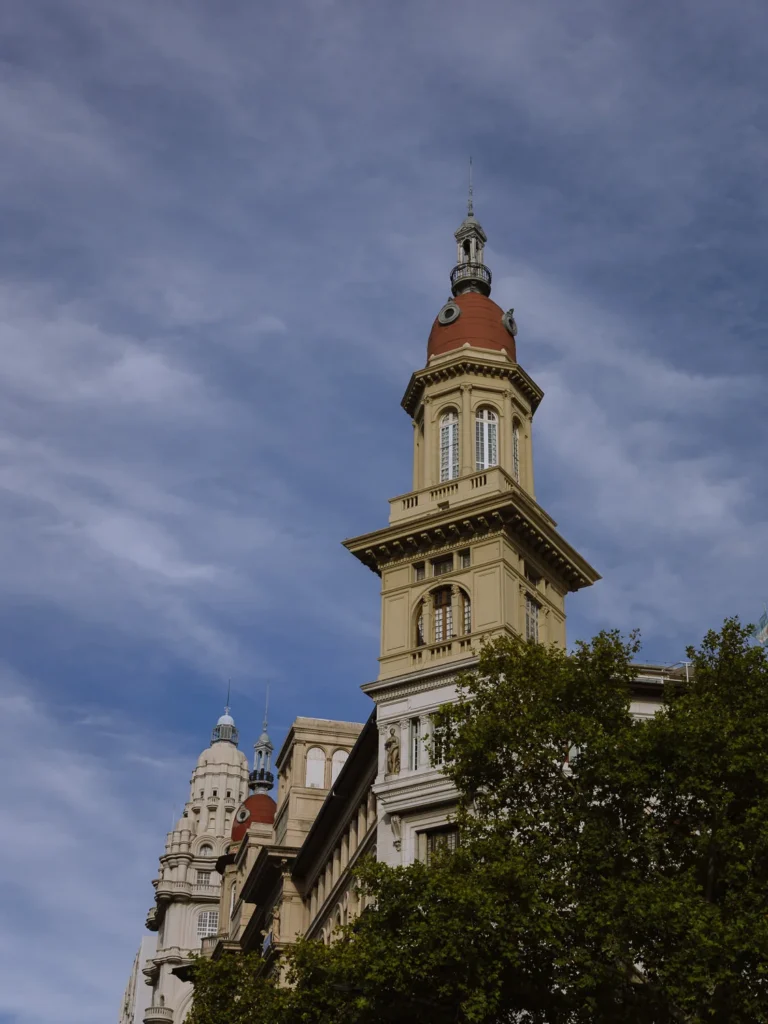
Palacio Barolo is an interesting building on Avenida de Mayo, designed by Italian architect Mario Palanti.
Completed in 1923, it was the tallest building in South America at the time.
The design is structured around Dante’s Divine Comedy. The basement represents Hell; the 22 floors above represent Purgatory (one floor per canto); and the lighthouse tower at the top represents Heaven.
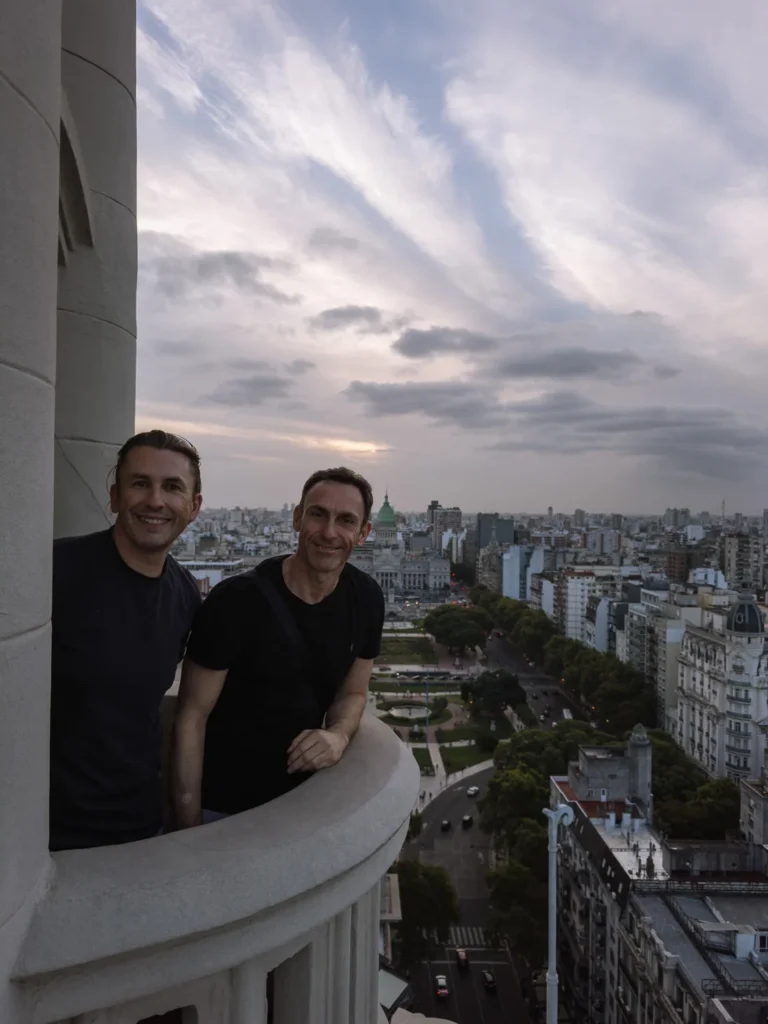
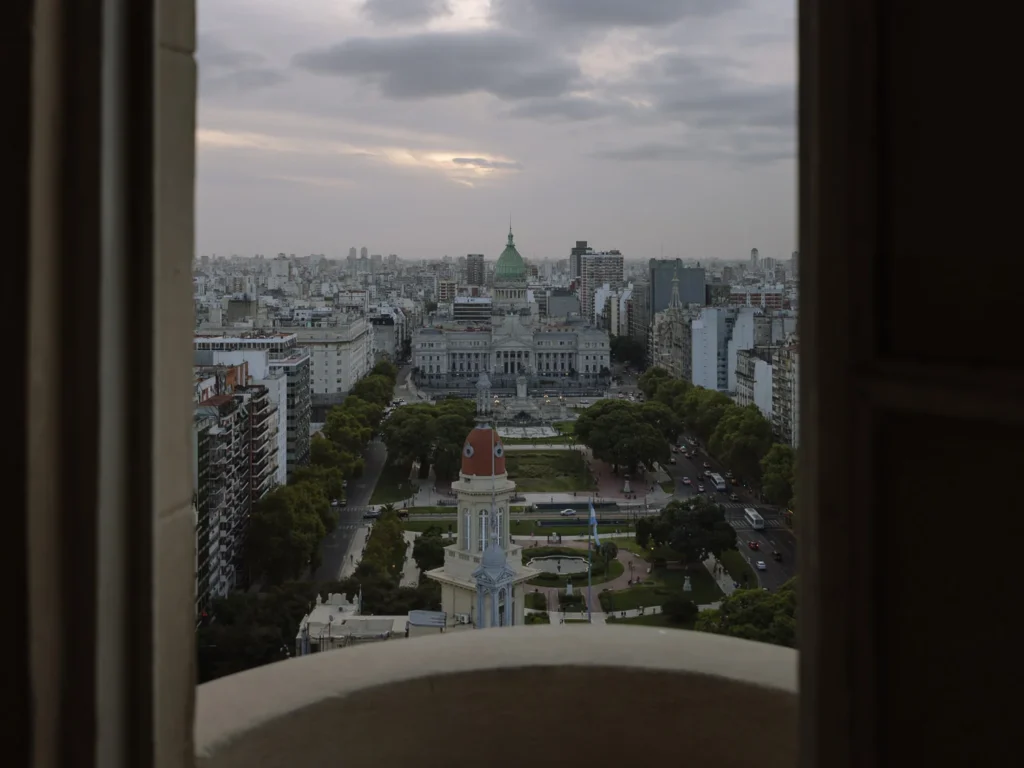
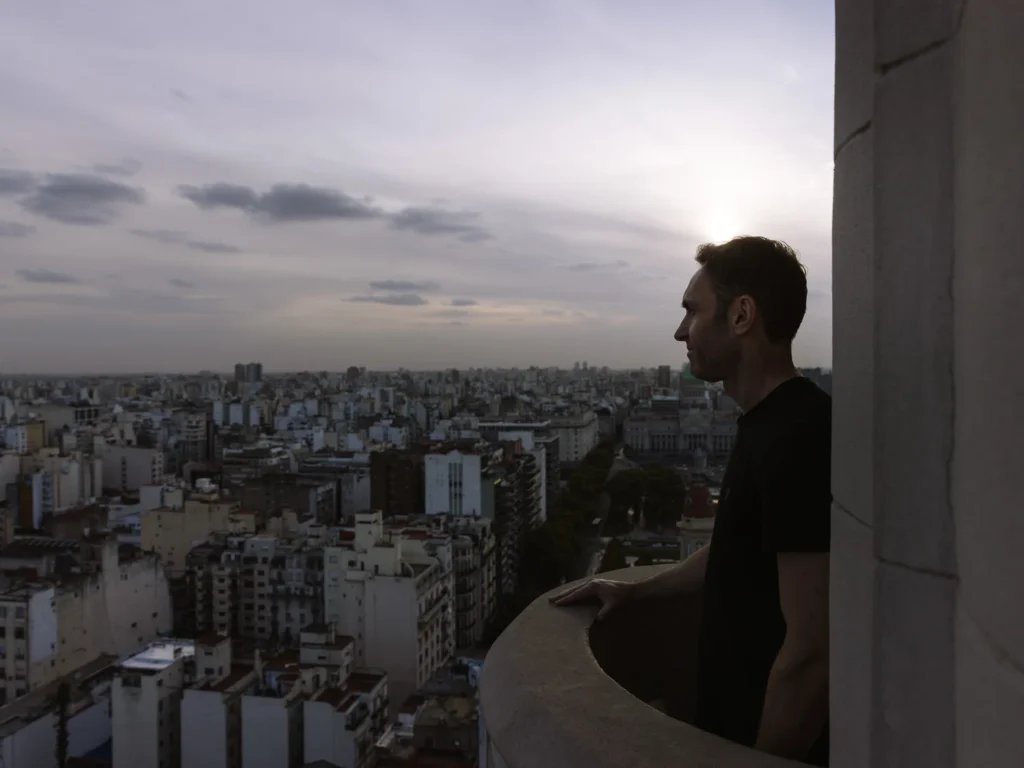
The guided tours end at the lighthouse platform and offer one of the best views in Buenos Aires. However, the tours are bilingual, so waiting for the information to be delivered in Spanish, then English, makes the whole process a little drawn out.
We liked it, but we’re not raving about it.
If you’re particularly interested in architecture, this could be a good one for you.
Tours – If you do decide to go, tours need to be booked in advance.
13. Avenida de Mayo & the Cafés Notables
The Avenida de Mayo connects the Casa Rosada to the National Congress and is one of the great boulevards of Buenos Aires. It’s lined with Beaux-Arts and Modernista buildings, grand old hotels, bookshops and the city’s most traditional cafés.
A few of the traditional cafés around Avenida de Mayo are known as cafés notables – legally protected as cultural heritage sites.ca
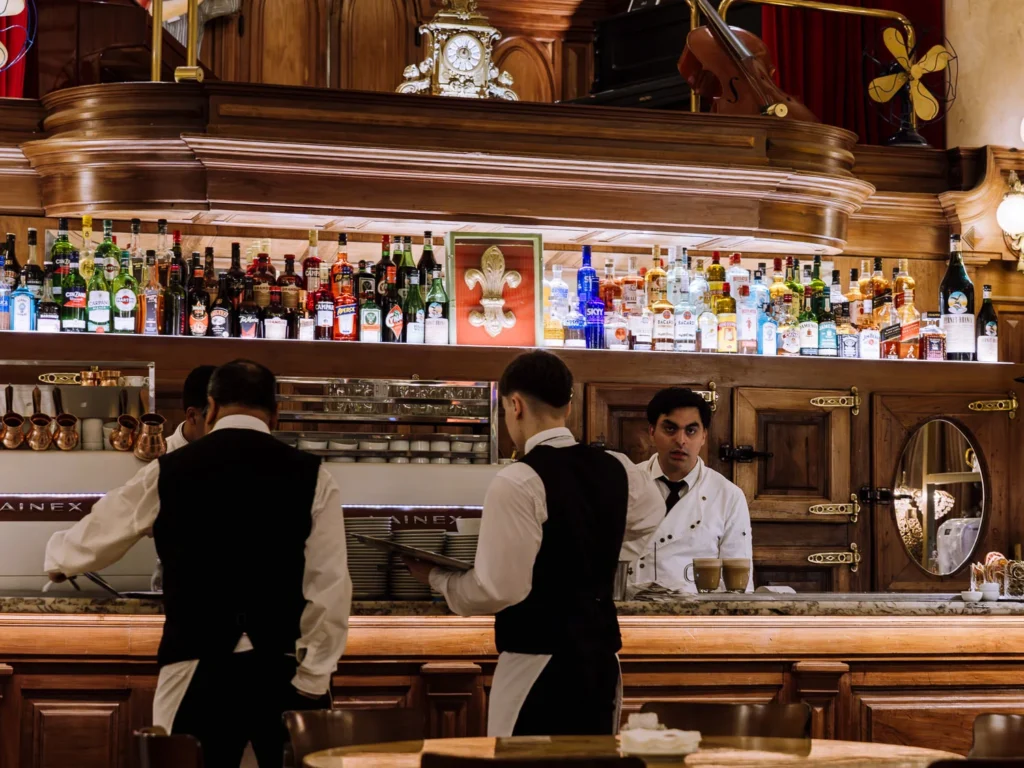
The most famous is Café Tortoni at number 825. It was founded in 1858, making it the oldest café in Buenos Aires. It has a long, low interior of dark wood, marble-topped tables, mirrors and a basement tango salon. It’s very touristy, but we still think it’s a great thing to do.
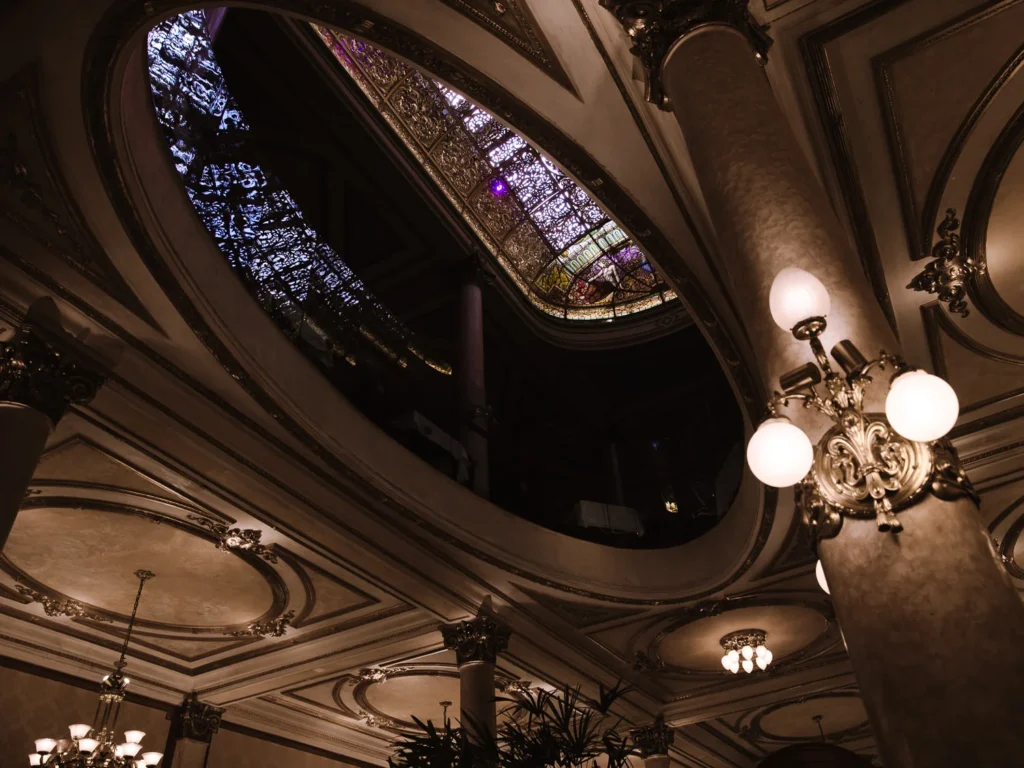
The other wonderful old café we loved was Confitería La Ideal, which is about the architecture first, then the coffee. The beautiful room has stained-glass ceilings, French chandeliers, carved wood panelling and marble staircases.
14. Calle Florida & Galería Güemes
Calle Florida is the pedestrianised shopping street that cuts through the heart of the Centro district.
It’s a hub for both tourists and locals, so you’ll find shoe shops, leather goods stores, money changers and street performers. If you need supplies, you’ll find chemists and supermarkets.
Even if you’re not here to shop, the row of Beaux-Arts and Art Nouveau façades from the early 20th century is wonderful.
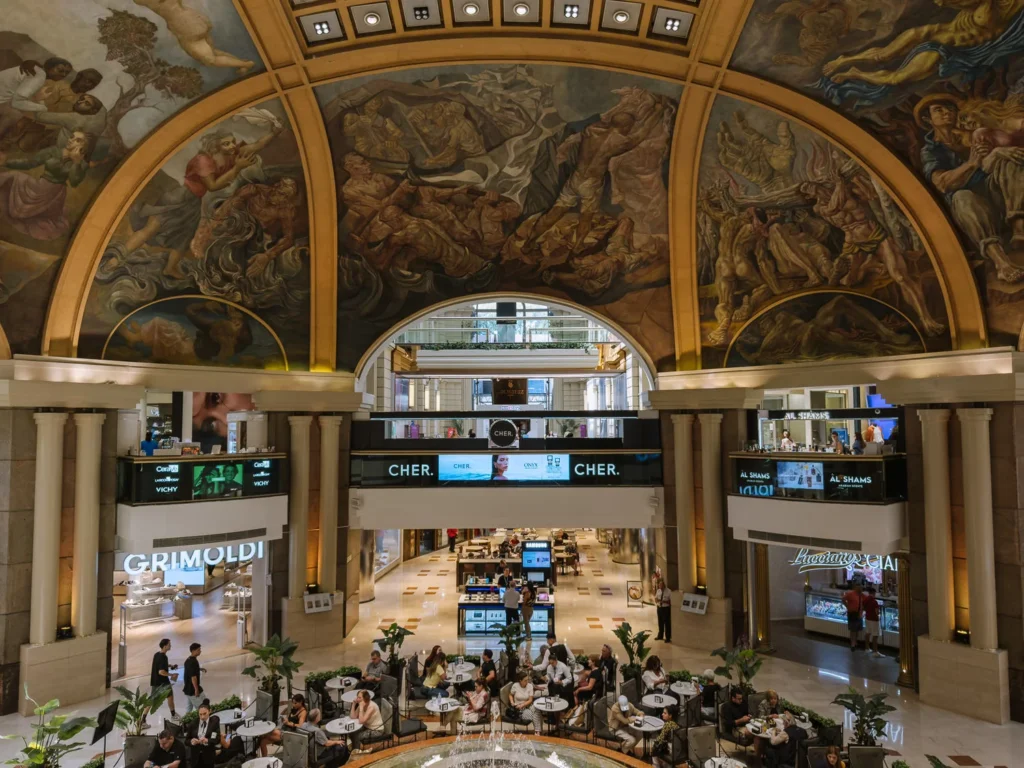
At Florida 165, step inside the Galería Güemes – an ornate shopping arcade with a glass atrium and cool terracotta detailing.
Make your way up to the rooftop level, where the Piazzolla Tango venue has a bar with views over Centro.
15. El Obelisco & Avenida 9 de Julio
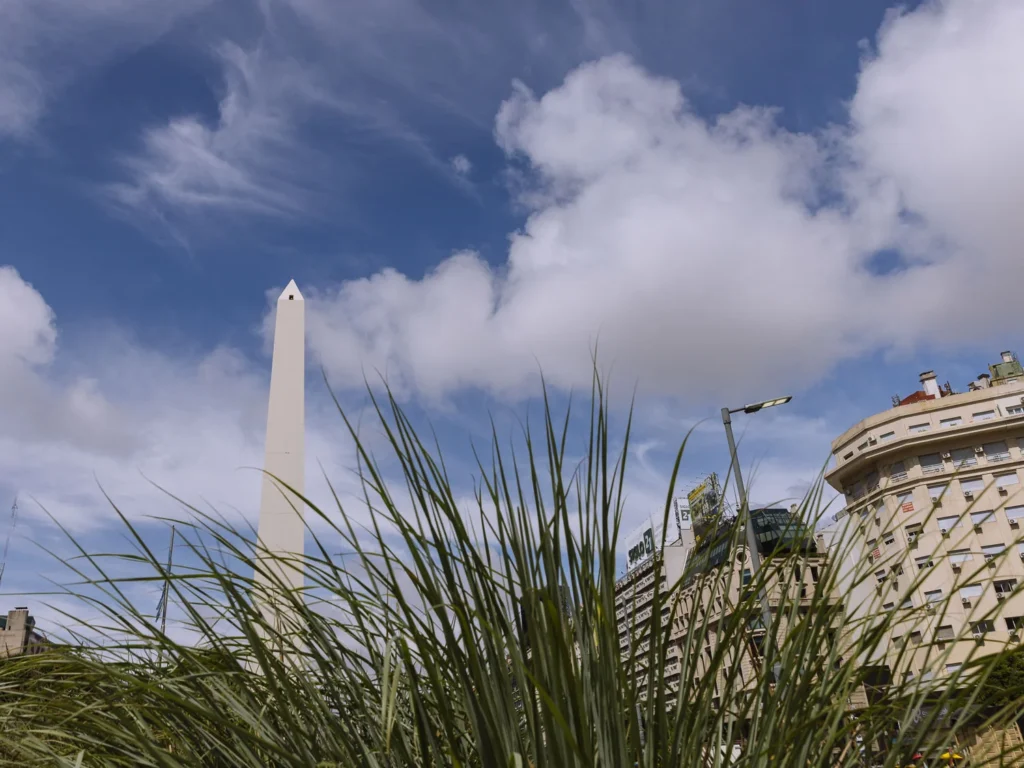
The Obelisco is a 67-metre white obelisk that has stood at the intersection of Avenida Corrientes and Avenida 9 de Julio since 1936.
It was built in 31 days for the 400th anniversary of the city’s first founding in 1536, and has been Buenos Aires’s most debated piece of public art ever since.
Avenida 9 de Julio, which the Obelisco straddles, is frequently cited as the widest avenue in the world at around 140 metres across. The scale of it gives you a real sense of the ambition with which Buenos Aires was imagined and built.
The Obelisco functions as Argentina’s communal meeting place for football celebrations, political demonstrations and New Year’s Eve.
16. Bosques de Palermo
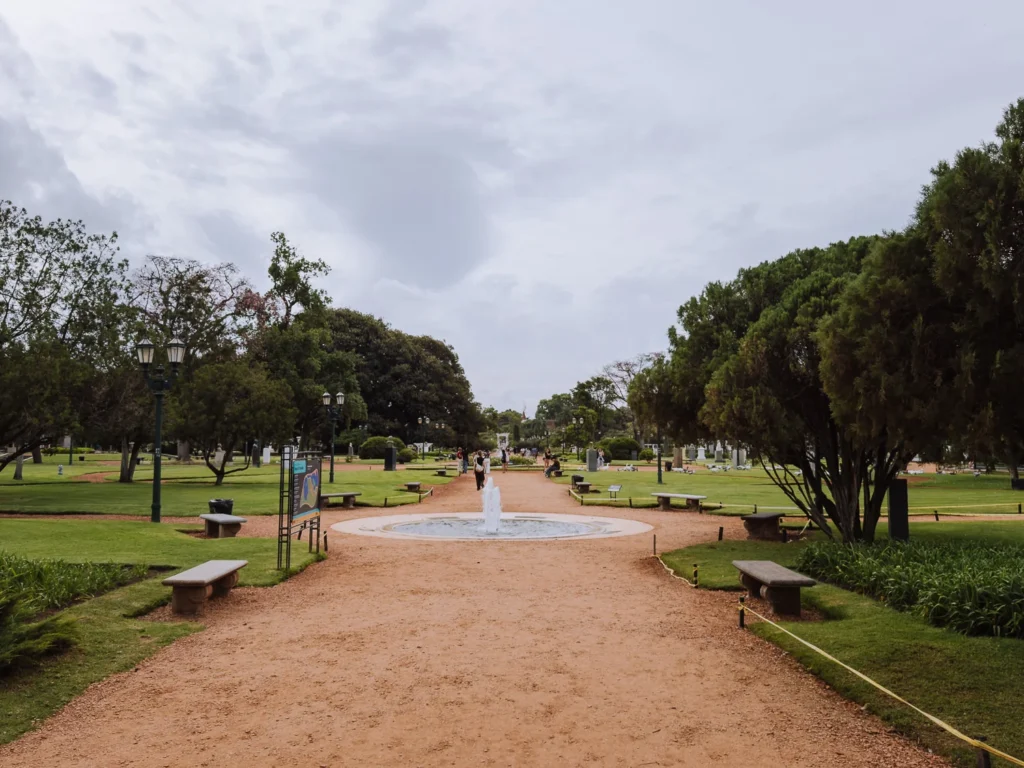
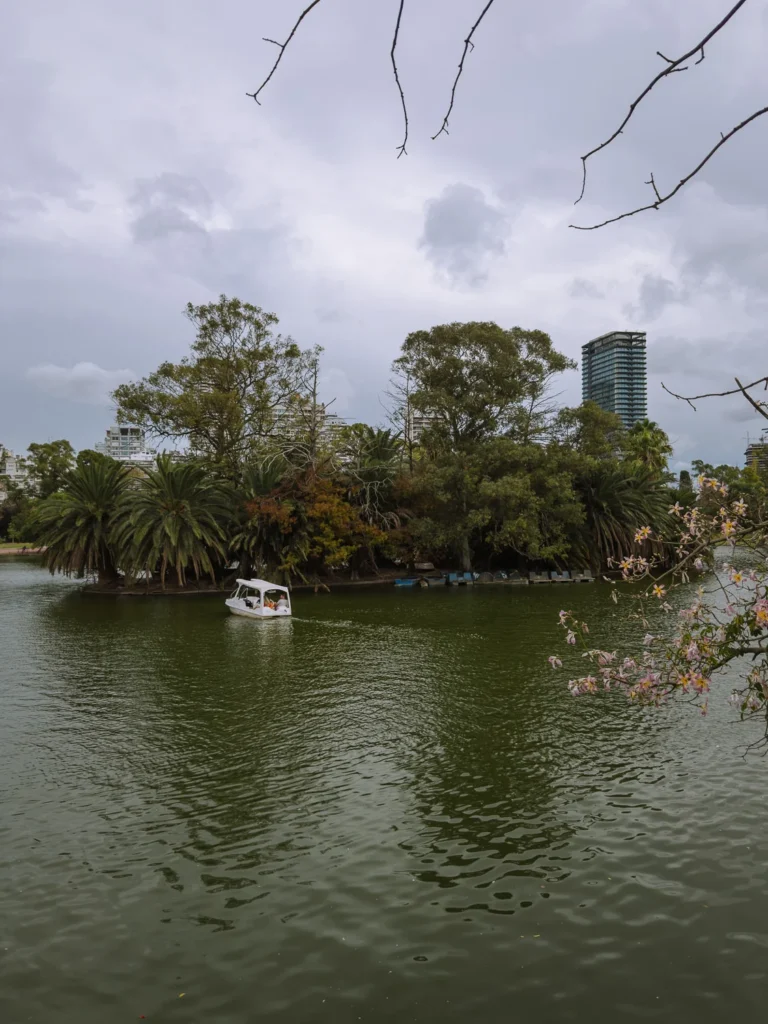
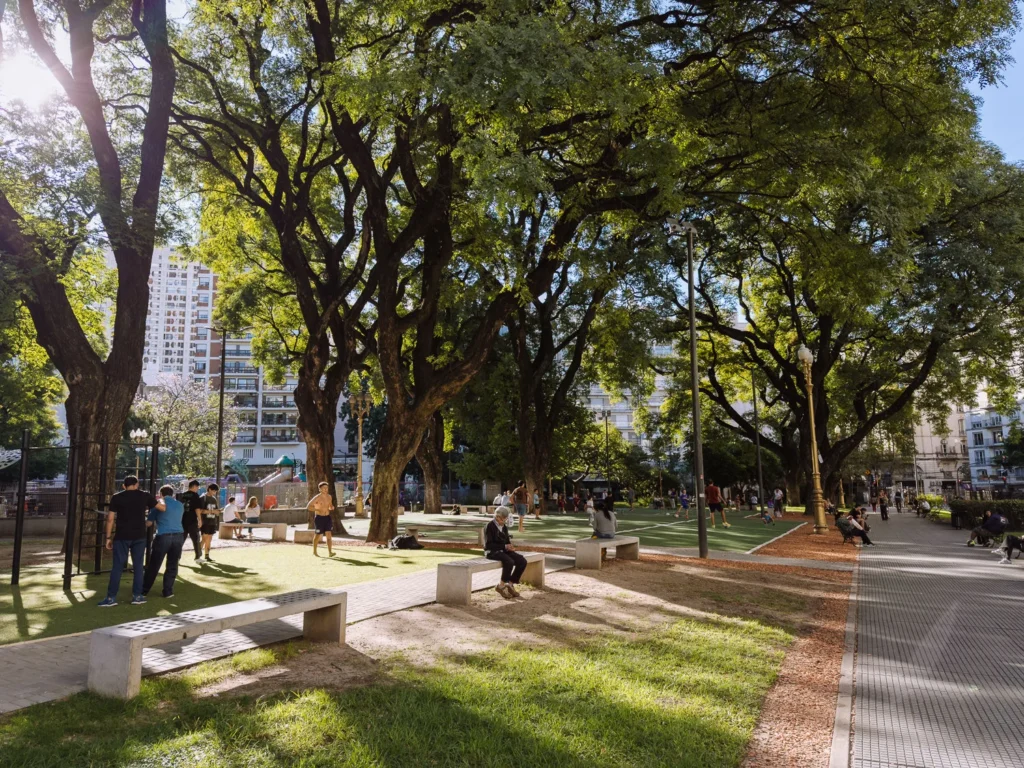
The Bosques de Palermo is a sprawling urban park with several hundred hectares of woodland, rose gardens, lakes, sculpture paths and open lawns. If you have some spare time in Buenos Aires and feel like a wind-down, this could be a good option.
The Jardín Japonés (Japanese Garden) on the eastern edge of the park is a beautifully maintained space with a small tea house and a bridge over an ornamental lake. There’s a small fee to enter the garden.
The Jardín Botánico Carlos Thays nearby has a collection of over 5,500 plant species and some wonderful bronze sculptures scattered among the greenhouses.
The best time to be here is a weekend morning, when the city comes out to walk, cycle and stretch out on the grass.
17. Floralis Genérica & the Recoleta Sculpture
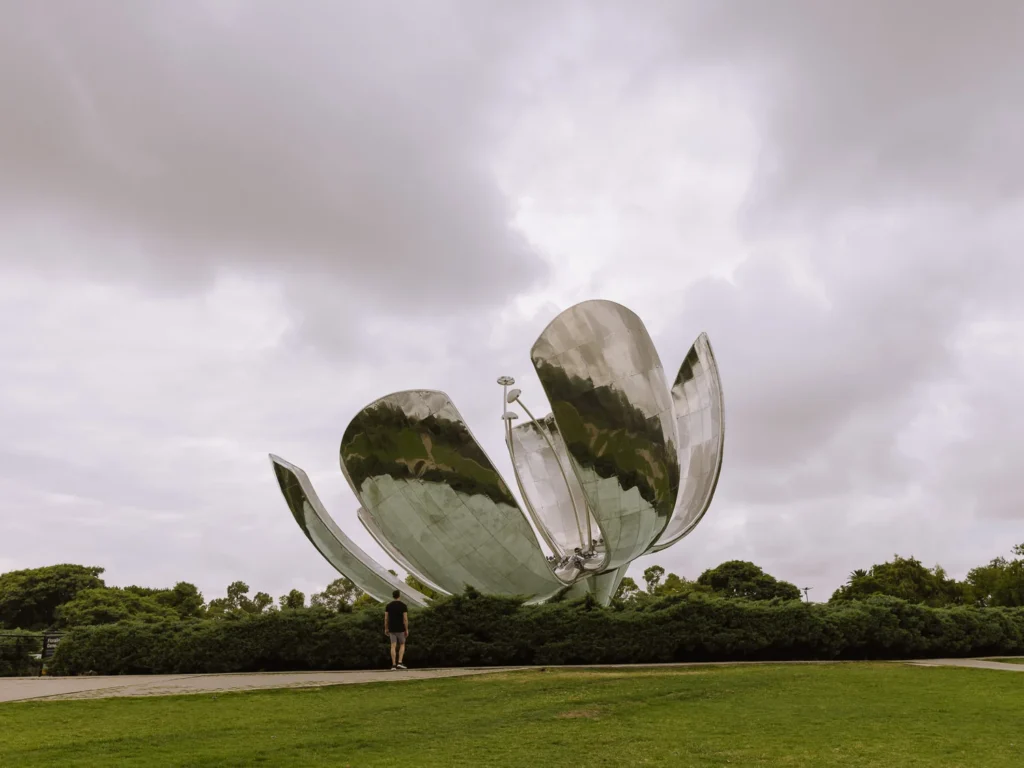
In the Plaza de las Naciones Unidas, a short walk from the Recoleta Cemetery, stands the Floralis Genérica – a massive steel and aluminium flower sculpture.
It was donated to the city by Argentine architect Eduardo Catalano in 2002.
The flower’s petals open at dawn and close at dusk via solar-powered sensors that control the mechanism.
It’s a genuinely good piece of public sculpture and very much worth seeing if you’re already in Recoleta. We popped in on the way from the Recoleta Cemetery to the Museo Nacional de Bellas Artes, which is a good way to see it.
18. Puerto Madero & Puente de la Mujer
Puerto Madero is the old port docklands, which were abandoned for decades before being transformed in the 1990s into a waterfront precinct.
You’ll find restaurants, hotels, offices and cultural spaces in the original red-brick warehouses.
We found it a little too geared towards tourists with big chain restaurants and American-style bars, but it’s worth having a stroll along, then back along the Puente de la Mujer.
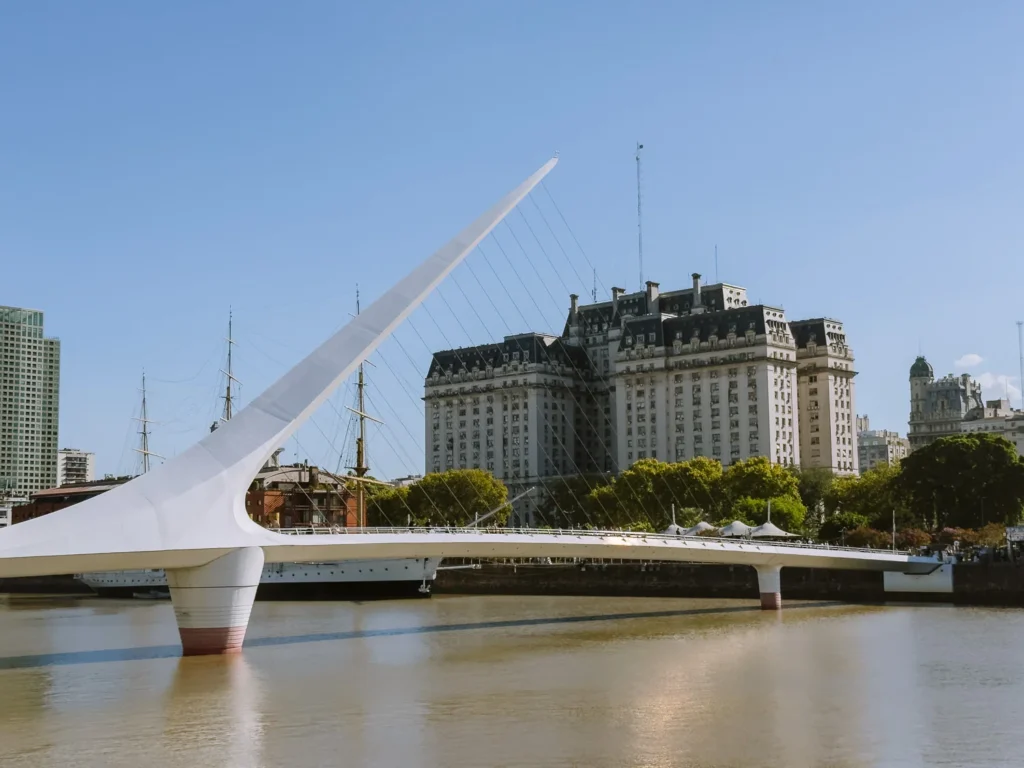
Puente de la Mujer (Woman Bridge) is a white suspension bridge that rotates to allow boats to pass. It’s one of the most elegant pieces of infrastructure in the city.
19. Experience Tango
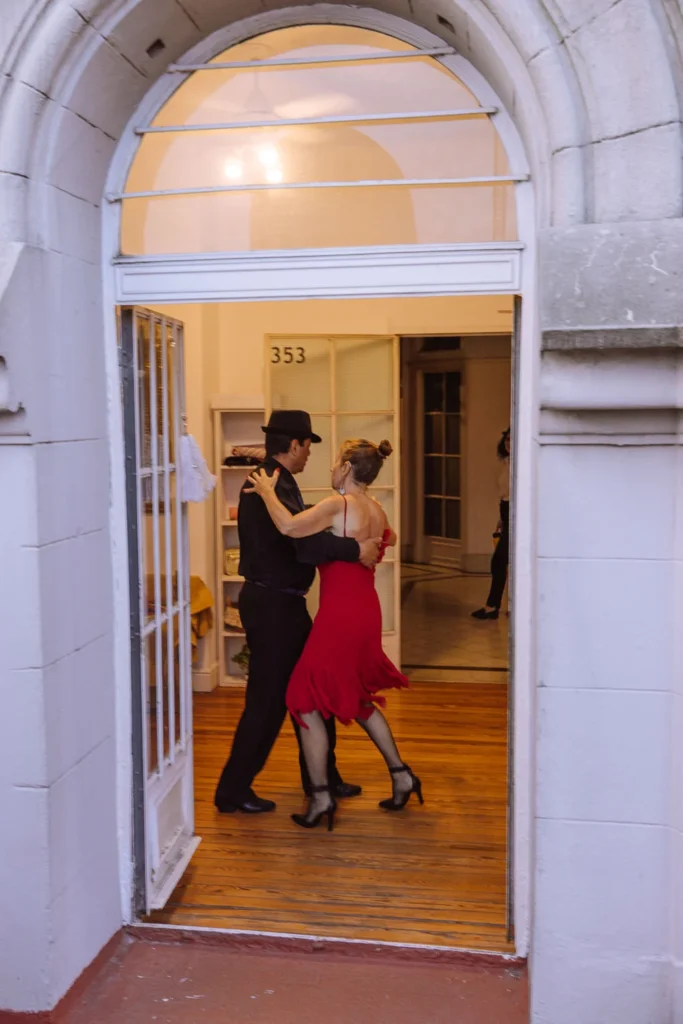
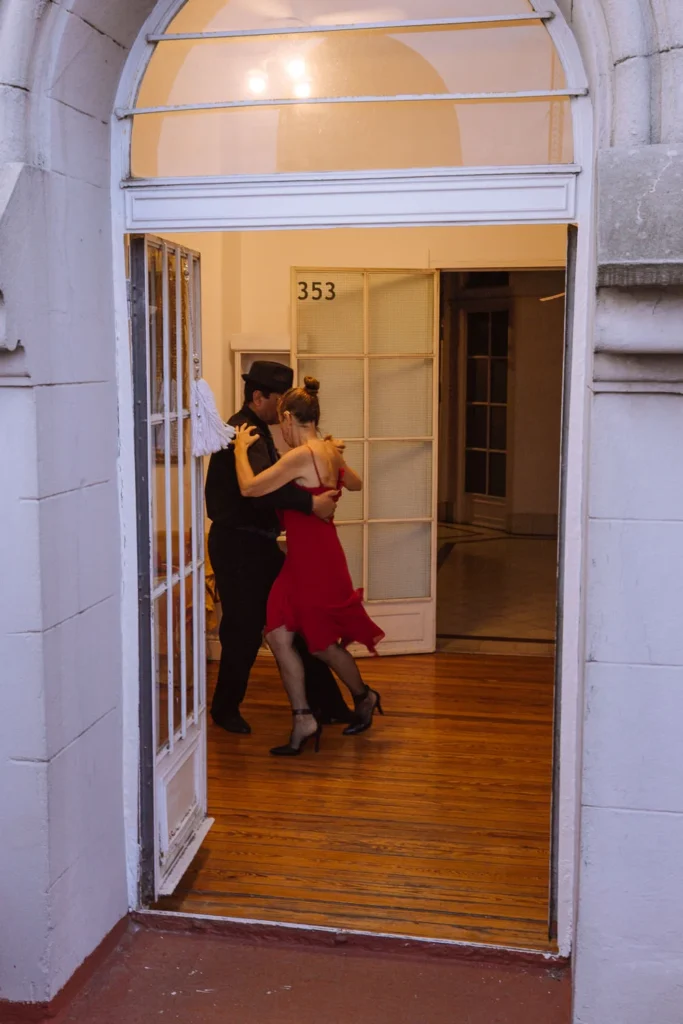
Tango was born in Buenos Aires in the late 19th century, created by Italian, Spanish and African immigrants living in San Telmo and La Boca. They created a music and dance form that became the soundtrack of Argentine identity.
The two most acclaimed tango shows are Rojo Tango at the Faena Hotel (expensive but very good) and Tango Porteño (a little more affordable).
The other way to experience tango is at the milongas – the traditional tango dance halls.
El Beso and Salón Canning in Palermo are good starting points; La Catedral in San Telmo is more informal and bohemian. You don’t need to know how to dance; the whole process is fascinating to watch even from the sidelines.
Milongas usually don’t get going until after midnight.
20. Eat Like a Local
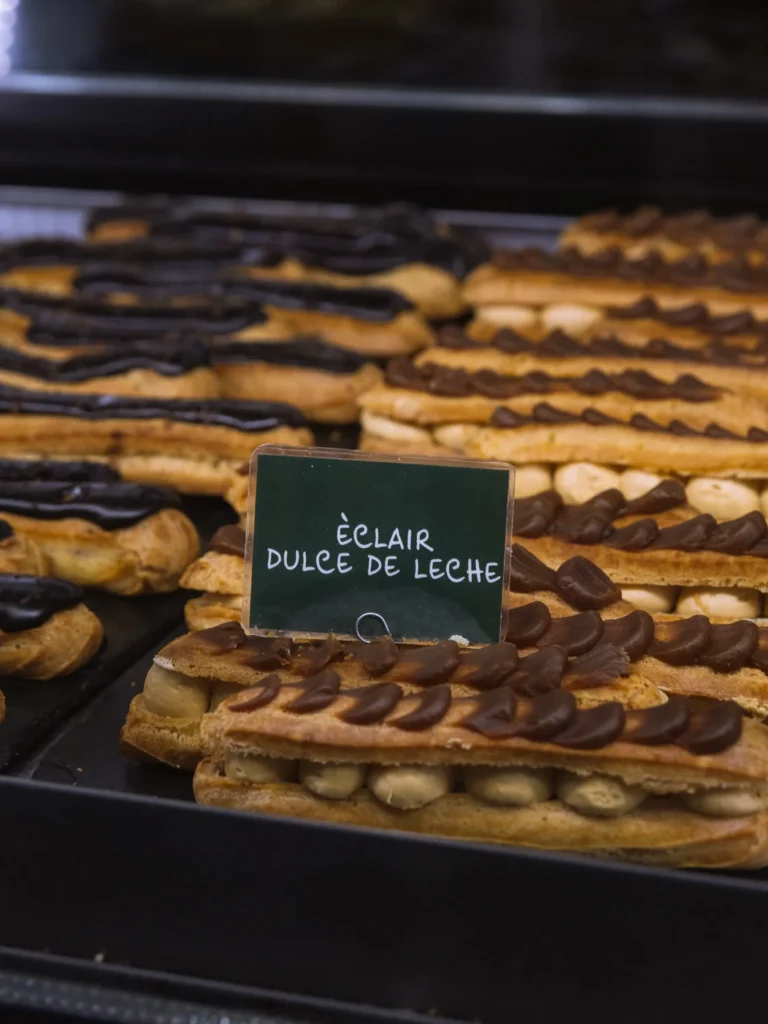
It’s hard to write about Buenos Aires without talking about food. The city has a well-known obsession with steak, but it doesn’t end there. We were pleasantly surprised to see a collective dedication to cakes, pastries and ice cream.
Here are a few pointers about eating out in Buenos Aires.
Asado & Parrillas
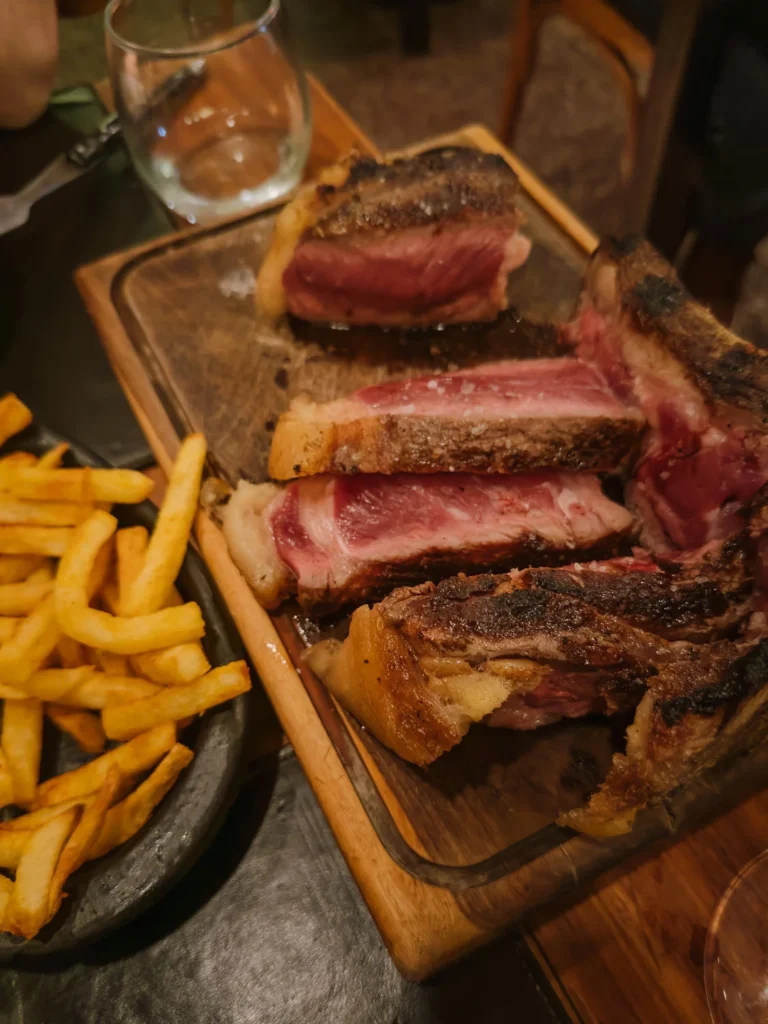
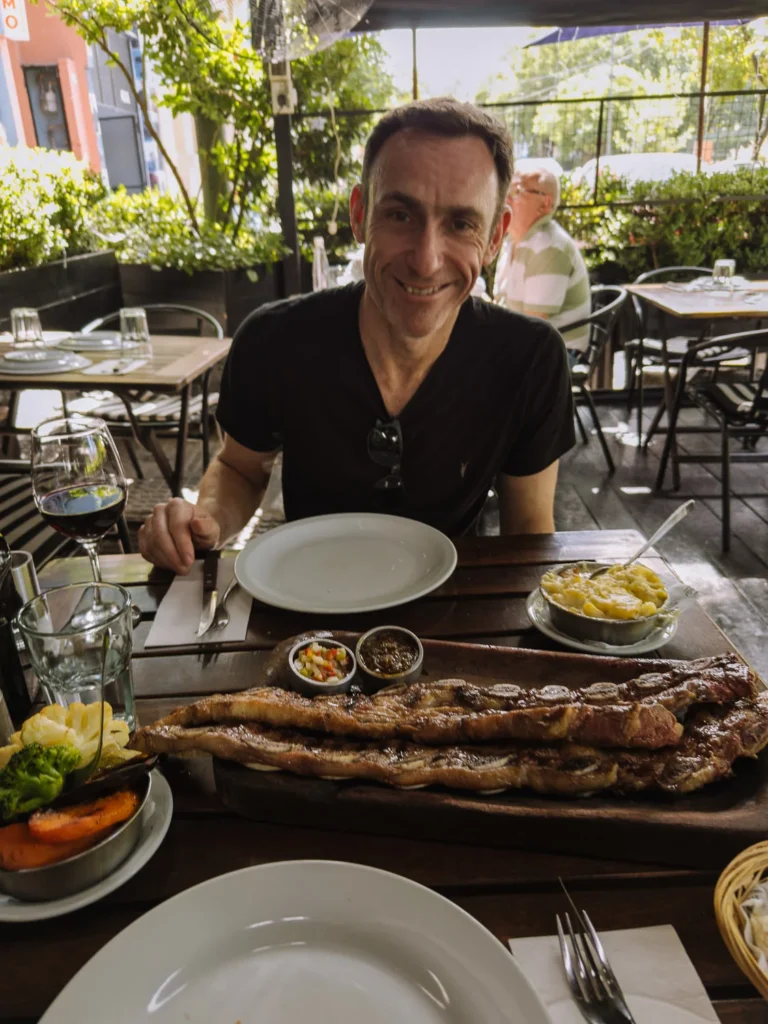
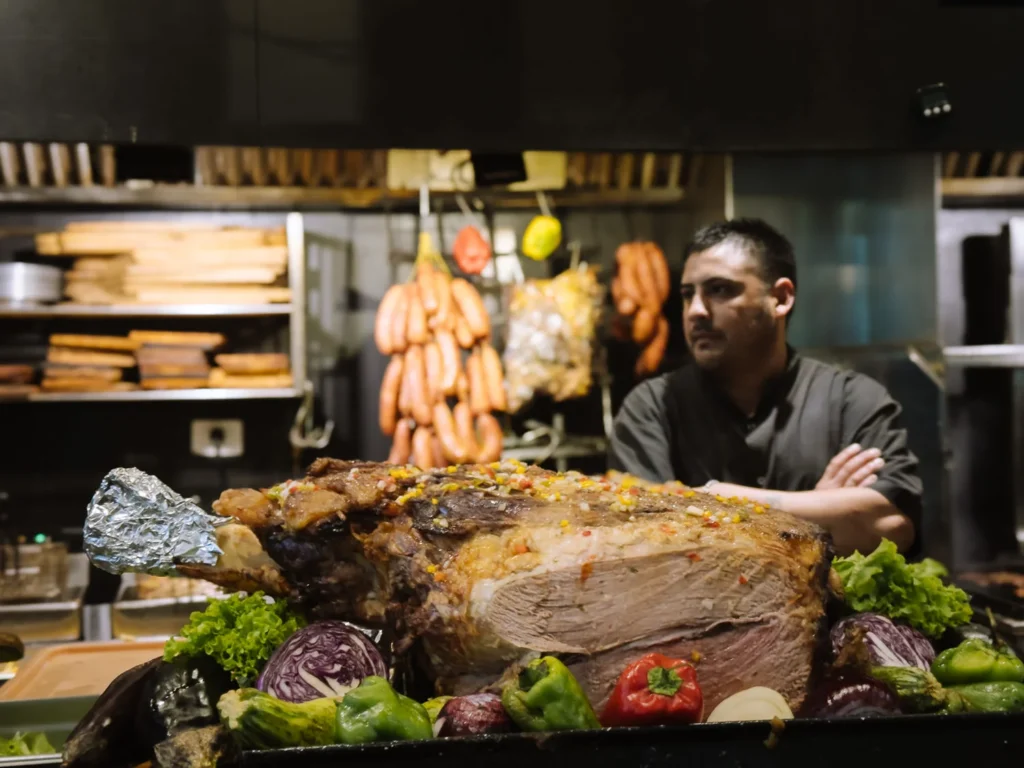
Beef is the cornerstone of Argentine food culture, and going to a parrilla (steakhouse) is an absolute must whilst in Buenos Aires.
Just to be clear on the terminology: an asado is both the event (like a barbecue) and the cooking technique, whereby meat is slow-cooked over a parrilla, which is the name for the actual grill and the type of restaurant.
Some of the cuts are a bit different from what you might expect in Europe and North America, but here are the main ones you’ll come across:
- Bife de chorizo: Strip steak / Striploin / New York strip
- Ojo de bife: Rib eye / Entrecôte / Scotch fillet
- Lomo: Filet mignon / Fillet / Eye fillet
- Vacío: Flank / Bavette (French)
- Tira de asado: Short ribs
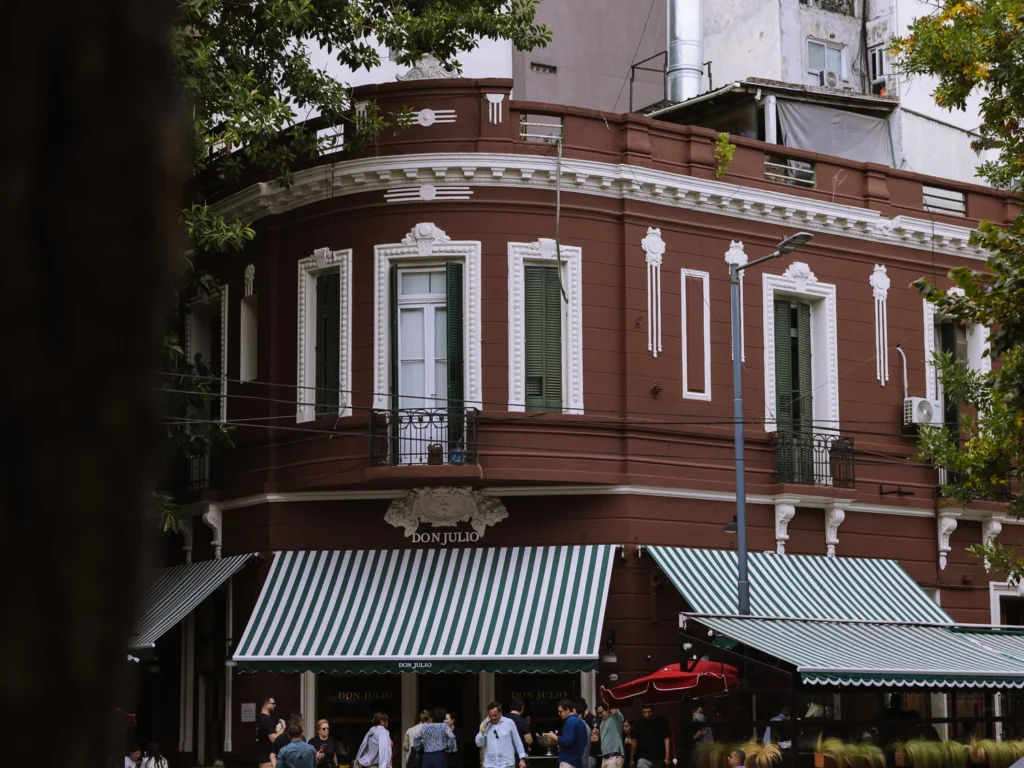
Don Julio Parrilla in Palermo is frequently cited as the best parrilla in the city, but unfortunately, we couldn’t get in. So book early if you want to try it out.
We went to La Carnicería, also in Palermo, and it was very good. It’s unapologetically meat-driven, and the Ojo de bife was excellent.
For something a little more relaxed, La Brigade in San Telmo is very popular with tourists, but with all the football paraphernalia, it’s fun.
Empanadas & Medialunas
Empanadas – pastry cases filled with beef, chicken, ham and cheese, or spinach – are the ubiquitous portable food of Argentina.
Each region of the country has its own recipe and debate about which is superior. In Buenos Aires, the Salta-style empanadas (juicy, slightly spiced beef) are particularly good.
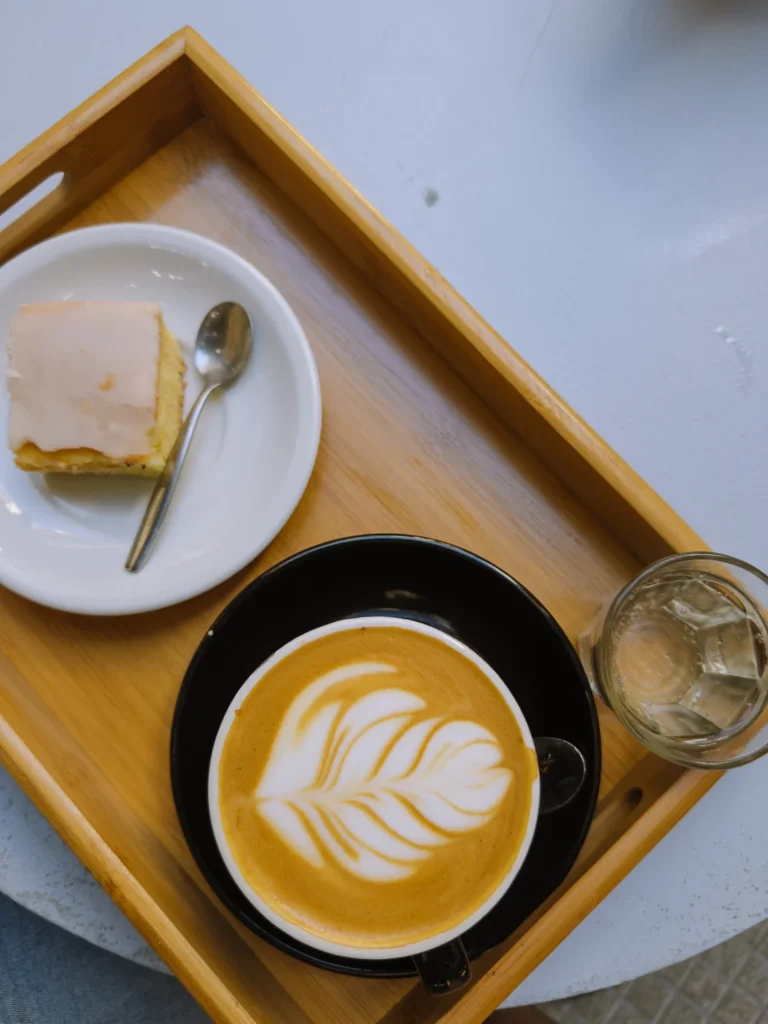
Medialunas are the Argentine version of a croissant, which is sweeter compared to their French counterparts and slightly glazed. They are the default breakfast across the city.
Ice Cream
Argentina is said to have some of the best ice cream in the world, a direct inheritance from Italian immigration.
Buenos Aires is full of heladerías (ice cream shops) serving dense, creamy gelato. Cadore on Avenida Corrientes has been making ice cream since 1957 and is generally considered the best.
Wine
Argentina is the world’s fifth-largest wine producer, and Malbec is the grape that made its reputation internationally.
Even small family restaurants will have a pretty good wine list, but we generally just asked for a copa de vino tinto and were never disappointed.
Buenos Aires’s Best Neighbourhoods
Buenos Aires is really a collection of barrios – distinct neighbourhoods with their own character, architecture and feel. Here are the areas we found ourselves in the most during our time in Buenos Aires.
San Telmo
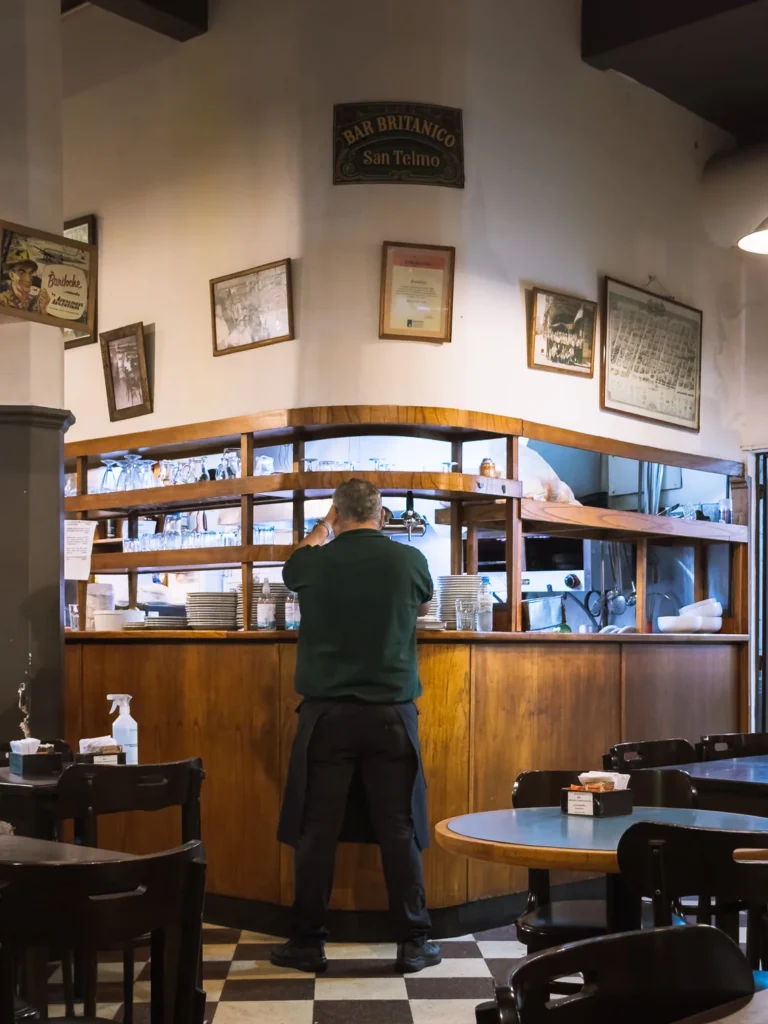
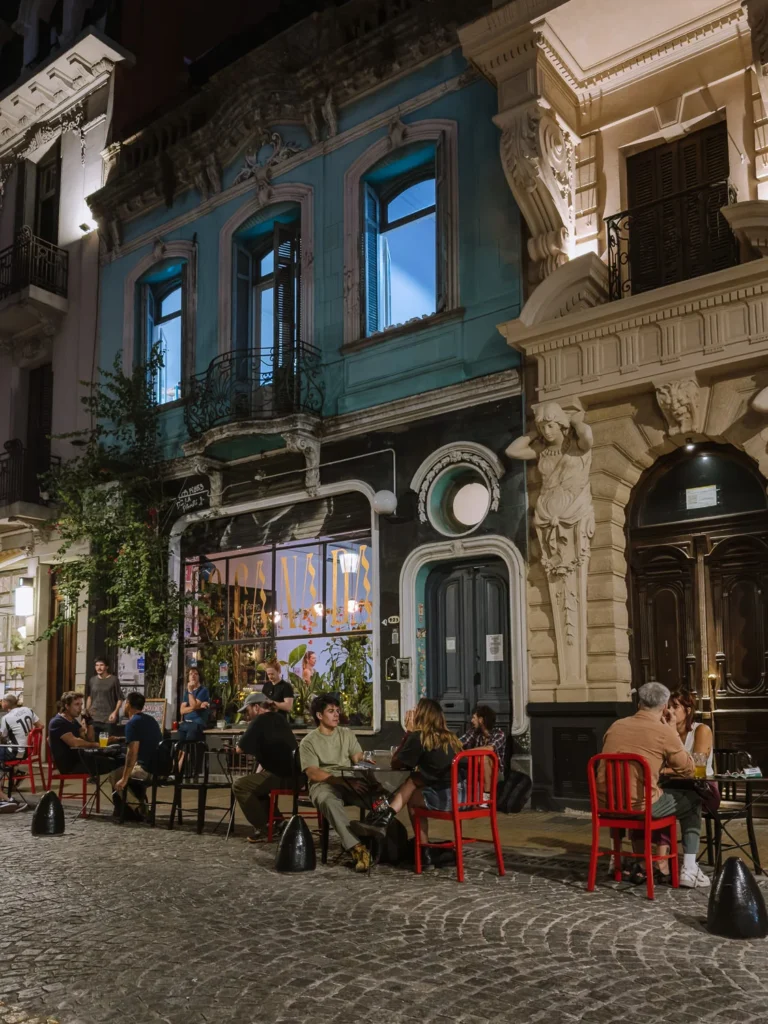
San Telmo is the oldest neighbourhood in Buenos Aires and the one with the most visible sense of history. You’ll find cobblestone streets, crumbling colonial façades, antique dealers, tango bars and one of the best market halls in South America.
Navigate yourself around Bolívar Street, which has a great collection of vintage shops, cafés, bars and restaurants. We loved sitting outside eating at PES Gastrobar, followed by drinks across the road at Bocanda.
Recoleta
Recoleta is one of the grandest neighbourhoods in the city with wide tree-lined streets, French-inspired mansions, world-class museums and the famous cemetery.
It’s quieter and more elegant than Palermo or San Telmo, with a European feel that can make you forget which continent you’re on.
Palermo
Buenos Aires’s largest and most varied neighbourhood, subdivided into Palermo Soho, Palermo Hollywood and Palermo Chico.
The area around Plaza Cortázar (locally called Plaza Serrano) is the heart of the area where you’ll find the best of the cafés and bars.
Palermo is also where you’ll find most of the higher-end restaurants in Buenos Aires.
Microcentro
The historic heart of Buenos Aires, where the city was founded. The microcentre is home to iconic landmarks including the Casa Rosada, the Teatro Colón and the Cathedral.
As the financial and administrative centre of the city, it’s best explored during the day.
Planning & Logistics
Where to Stay in Buenos Aires
Buenos Aires is a sprawling city, so where you stay makes a real difference to your experience.
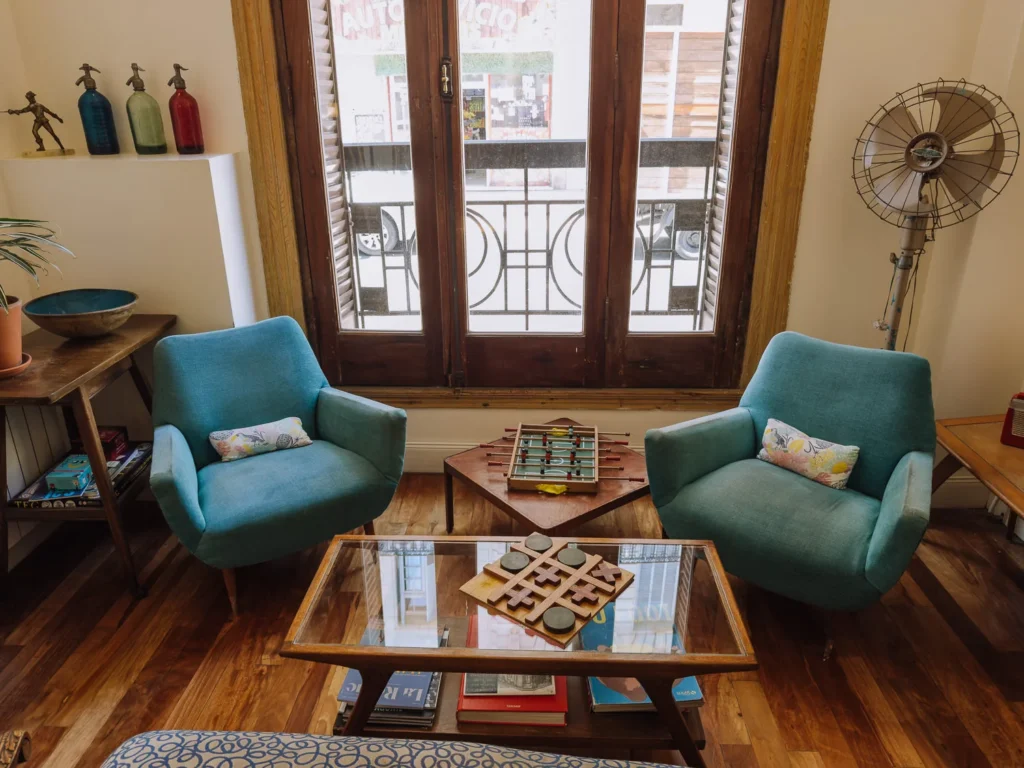
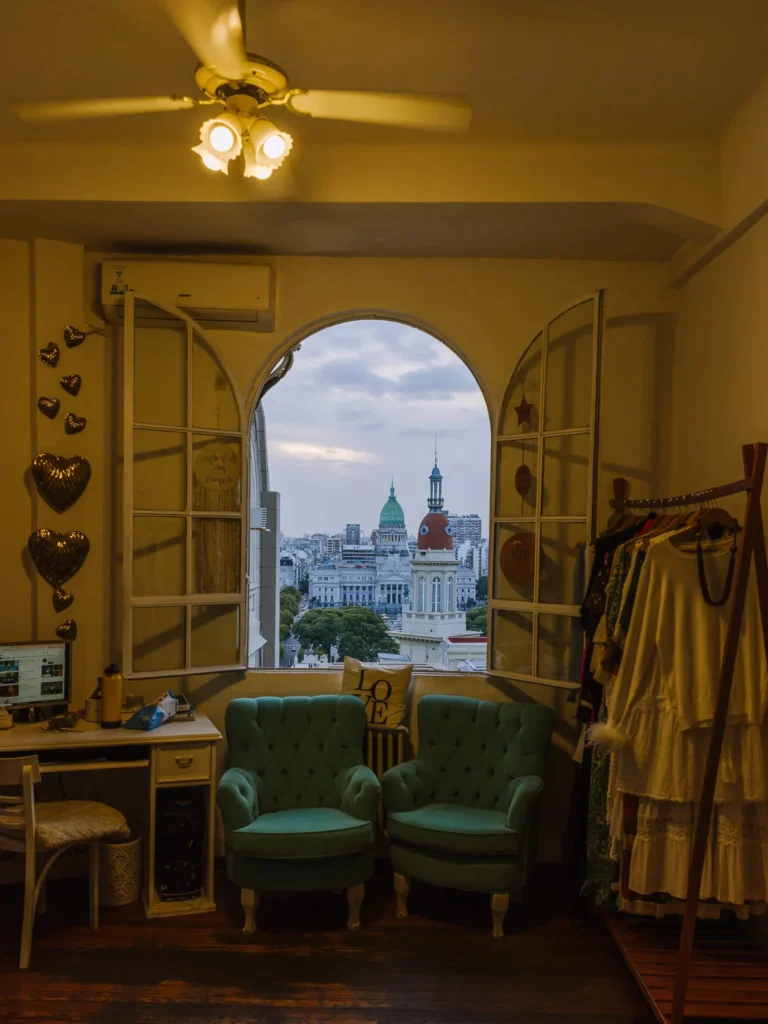
Palermo is a good all-round base with plenty of restaurants, nightlife and galleries. Recoleta is quieter and more elegant, but we found it a bit lacking in restaurant options in the evening. San Telmo has the most atmospheric boutique hotels, with the bonus of the Sunday market on your doorstep.
- Palacio Duhau – Park Hyatt Buenos Aires (Recoleta | $) – One of the city’s standout luxury stays, set in a restored 1930s palace connected to a sleek modern tower via an underground art gallery.
- L’Adresse Hotel Boutique (San Telmo | $$) – A small, design-led boutique hotel with bright, minimalist rooms and a calm, residential feel just outside the busiest part of San Telmo. A good option if you want the neighbourhood’s character without the noise.
- Vilon Recoleta Hotel (Recoleta | $$$) – A low-key luxury boutique with spacious suites, warm service and a more intimate feel than the larger five-star hotels nearby. Ideal if you want Recoleta’s elegance without going full grand hotel.
- Miravida Soho Hotel & Wine Bar (Palermo Soho | $$$) – A beautifully converted mansion with just twelve rooms, a small pool and an excellent wine list. Intimate, stylish and perfectly placed for Palermo’s restaurants and galleries.
Getting to Buenos Aires
Buenos Aires has two airports. Most international long-haul flights arrive at Aeropuerto Internacional Ministro Pistarini – almost universally called Ezeiza – around 35 km southwest of the city.
Regional flights and domestic services use the far more central Aeroparque Jorge Newbery, on the riverbank just a few kilometres from Palermo and Recoleta.
From Ezeiza, the Tienda León bus service runs regularly to Microcentro (the city centre). Journey time is typically 45 minutes to an hour and a half, depending on traffic – avoid the morning rush hours if at all possible.
The easiest option for getting into the city is a pre-booked private transfer, or a metered taxi from the official rank outside the terminal. However, we found the pre-booked transfers to be very expensive.
By far, the best option is to get an Uber into the centre. Just follow the signs in the terminal to the ride-sharing location, where you can book your car easily. Uber was fantastic in Buenos Aires – more about this below.
Important – If you use a metered taxi at Ezeiza, make sure you go outside to the official taxi stand. Don’t use unofficial drivers who approach you in the arrivals hall.
From Aeroparque, a taxi to Palermo or Recoleta takes 15–20 minutes.
Getting Around Buenos Aires
Buenos Aires has an inexpensive metro system – the Subte – with six lines connecting the main areas of the city. It’s useful for getting quickly between the Microcentro, Palermo and points along Avenida de Mayo, and for avoiding traffic during peak hours.
For most cross-city journeys, we used Uber. It’s very cheap by European and US standards, and the service was always reliable, prompt and efficient.
For the convenience, cost and time it saved, Uber was our preferred way of getting around Buenos Aires. For reference, most trips across the city cost around US$5.
The SUBE card is Buenos Aires’s contactless transport card, usable on the Subte (the metro system), city buses (colectivos) and the suburban train network. However, it’s probably not really worth it if you’re only in the city for a couple of days and plan on using Uber to get around.
The colectivo bus network covers areas the Subte misses and is an inexpensive, genuinely local way to move around.
Best Time to Visit
Buenos Aires is worth visiting year-round, but the best times are spring (September–November) and autumn (March–May). Temperatures are comfortable, the jacaranda trees flower purple across Palermo in November, and the outdoor café culture that defines the city is in full swing.
Summer (December–February) can be very hot, with temperatures regularly reaching 35°C in January. Some smaller restaurants and venues may be closed during this time.
Winter (June–August) is mild by northern European standards, averaging 10–15°C, with occasional rain. The city is quieter, and accommodation prices are lower.
The Buenos Aires International Tango Festival takes place in August, drawing dancers from around the world and filling milongas across the city. If tango is a reason you’re visiting, this is the time to come.
Avoid the week between Christmas and New Year, when much of the city shuts down. Over the first two weeks of January, many restaurants take their annual break.
How Many Days in Buenos Aires?
We spent three days in Buenos Aires when we arrived, then another day and a half when we returned from Patagonia.
This gave us time to see everything in the city, which is important for writing this blog.
However, in all honesty, for most first-time visitors, two full days is enough. This will allow you to see the main attractions, go to a parrilla and get a good feel for the city.
This will allow you to see the two best galleries, Museo Nacional de Bellas Artes and MALBA, visit Teatro Colón and El Ateneo Grand Splendid, swing past the historic monuments and soak up the café culture.
You’ll also have time to wander around La Boca, San Telmo and Palermo, and of course, try a few parrillas.
Everything else we have covered in this guide, you’ll be able to see in three days.
Money
Cash in Argentina
Argentina’s currency and exchange rate situation has been complex in recent years, and there are a few important money tips that would have helped us a lot had we known them.
First and most importantly, we didn’t need cash anywhere in Buenos Aires. All restaurants, cafés, bars and museums took cards.
But if you decide you want cash, be aware that withdrawing cash from a cash machine is very expensive. The charges are steep, and the maximum amounts you can withdraw are very low.
It can be tempting to pay in cash in Argentina, as many businesses offer a 10–15% discount if you do. However, the high fees at the cash machine effectively wiped out any discount we could have enjoyed.
The best way to manage cash is to take foreign cash with you and exchange it at an exchange bureau (casa de cambio), which are easy to find throughout the city.
This will work well if you are travelling with US dollars and euros. However, we were offered very poor rates for British pounds.
Credit Cards
Additionally, you need a credit card because some transactions are charged in US dollars. For some reason, these transactions require a credit card, not a debit card. This was generally the case for hotel bills.
You can use credit or debit cards to pay in Argentine pesos, which is what we used most of the time.
Make sure you use a card that doesn’t charge foreign exchange fees, so you’ll always get the current exchange rate without extra costs.
Practical Tips for Buenos Aires
- Buenos Aires runs late. Restaurants don’t fill until 9–10 pm; clubs don’t get going until 2 am. Don’t fight it – adjust your schedule and the city makes much more sense.
- The heat in January and February is serious. Stay hydrated, book accommodation with air conditioning, and plan indoor activities for the middle of the day.
- La Boca is safe during the day on the main tourist streets. Don’t wander into residential streets or stay after dark.
- Sunday is the best day for San Telmo. The Sunday market on Plaza Dorrego, combined with the Mercado de San Telmo and El Zanjón de Granados, makes for an excellent full day.
- Use Uber. It’s cheap, reliable and the best way to get around the city.

reader-supported
When you buy through links on our site, we may earn a small affiliate commission at no extra cost to you.
Thanks for your support // Paul & Mark