

Looking for the best things to do in Cairo? After our most recent visit we have put together the main attractions that all visitors to Cairo should see.
By: Paul Healy | Last Updated:
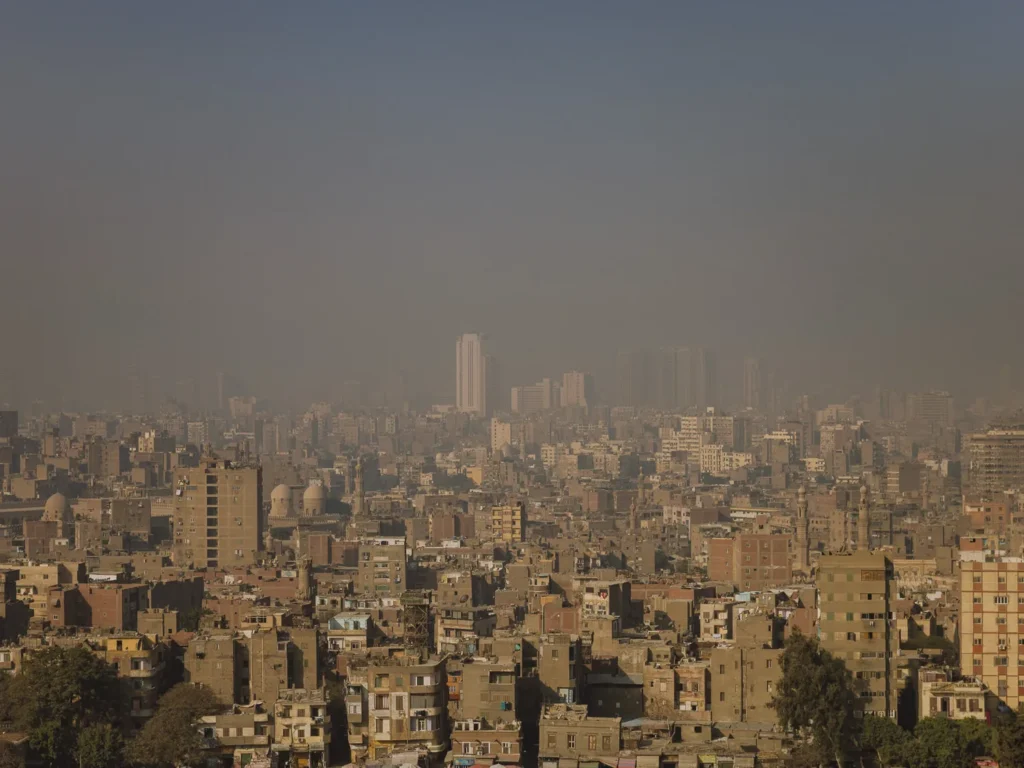
Cairo is a chaotic and sprawling metropolis of over 20 million people.
Yes, it’s overwhelming. The traffic is relentless, the crowds are intense, and the hassling can be annoying.
But beneath that, it’s also one of the world’s most extraordinary cities – the mother of the world. Home to ancient civilisations with a profound influence on religion, culture, science, and governance.
We were back in Cairo at the start of 2026, and it feels like the city has changed a lot in just the last 20 years since we were first here.
Most noticeable, there has been significant investment in infrastructure, including the recent opening of the Grand Egyptian Museum, a new shuttle bus system at the pyramids, and shiny new roads easing Cairo’s traffic.
We also found we were hassled a lot less this time than we were 20 years ago, yet the city hasn’t lost any of its magic along the way.
To be perfectly honest, Cairo is often used as a jumping-off point to see the other sights in Egypt, but it’s important not to miss the key sights before moving on.
We’ve kept this guide strictly to the standout attractions in the city that everyone should visit.
Map: Cairo
To help you get your bearings, we’ve included all the attractions listed in this guide on the map below. You can read how we put all these sights together on our Cairo Itinerary.
Click on the top right corner to open our map in your Google Maps app. Click the star next to the title to save it to your Google account.
What to Do in Cairo
1. Giza Pyramids
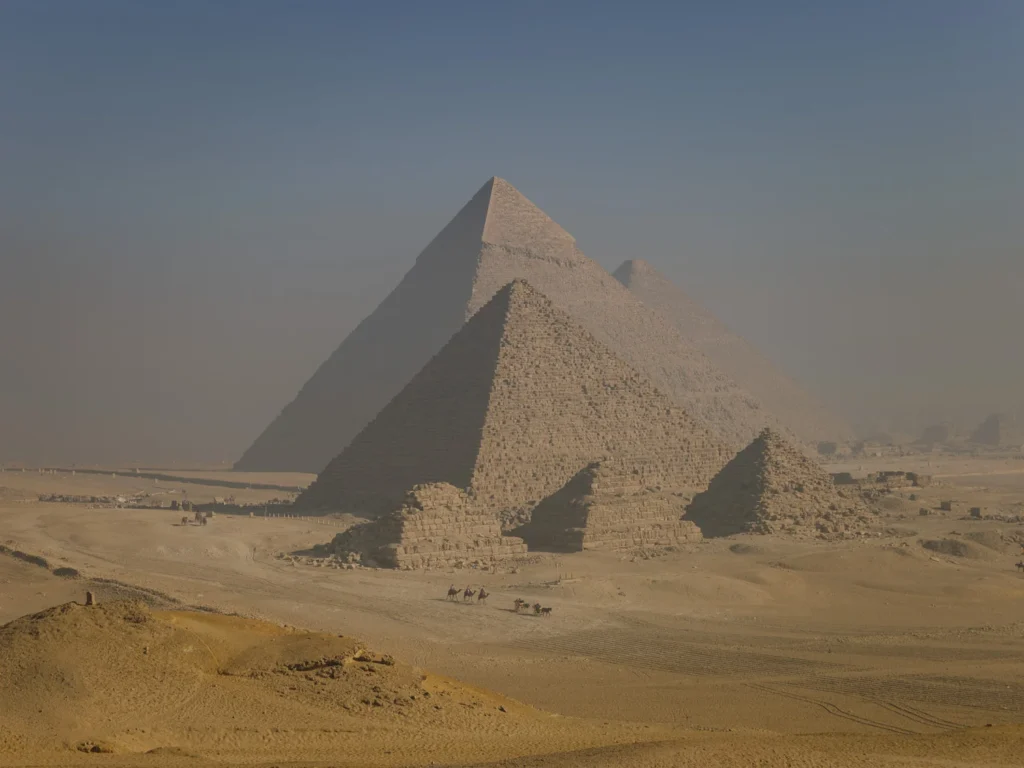
The Great Pyramids of Giza are most probably the main reasons you’re in Cairo to start with. And this mighty treasure doesn’t disappoint.
We were pleasantly surprised to see the site has had something of a makeover since our last visit 20 years ago.
Private cars are no longer permitted inside the Giza Plateau, and a new shuttle bus system has been implemented to get you around the various viewpoints. The buses run regularly and you can get on and off as much as you like.
This means you get hassled far less than you used to when visiting the Pyramids.
There are also some shiny new cafes and clean toilets.
One very touristy thing we do recommend is the camel ride to Panorama Point. It cost around 1,000EGP ($US20) but you get to one of the best viewpoints of the three pyramids.
The Pyramids still get very busy so we suggest arriving by 8 AM when the shuttle bus starts operating. The tour buses descend en masse from around 9 AM.
We have more information in our guide to visiting the Pyramids of Giza, including ticket details and recommended tours.
2. Grand Egyptian Museum
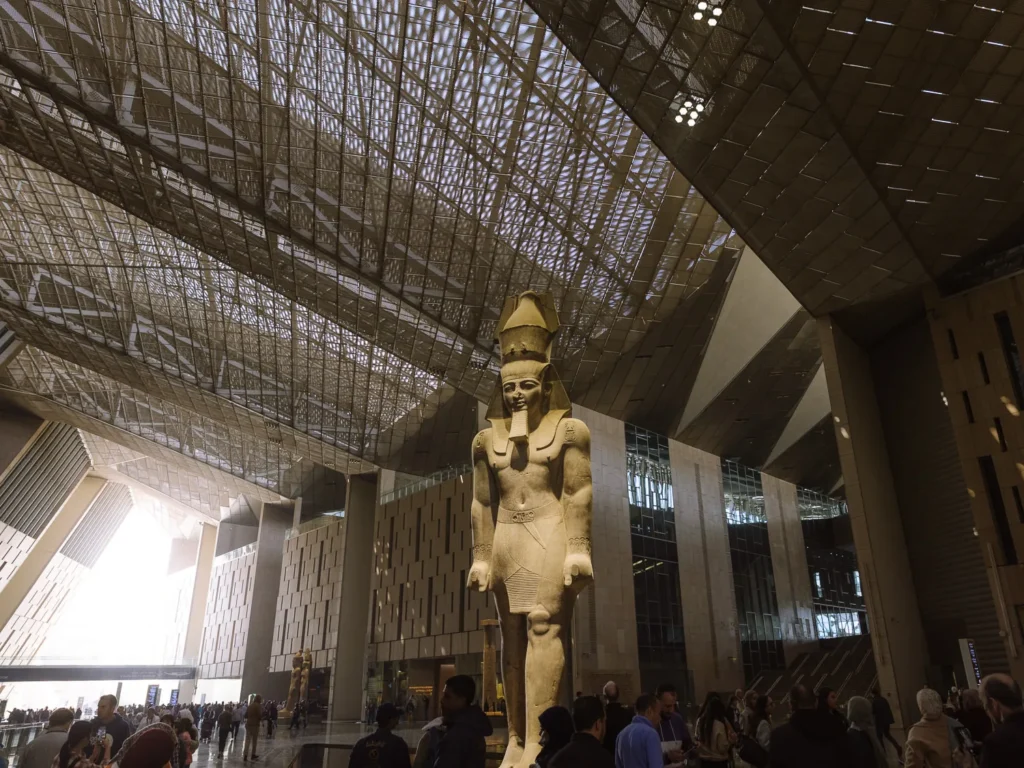
After keeping us in suspense for around 20 years, the Grand Egyptian Museum (GEM) finally opened to the public in November 2025.
The monumental space has a dramatic entrance hall dominated by a colossal statue of Ramses II, one of the most prolific builders in Ancient Egypt. From here, it’s a voyage through history in the largest museum dedicated to a single civilisation.
There’s a large central staircase which divides the collection into two distinct wings. One side has 12 galleries laid out in chronological order, displaying items showing how advanced Ancient Egyptian civilisation was.
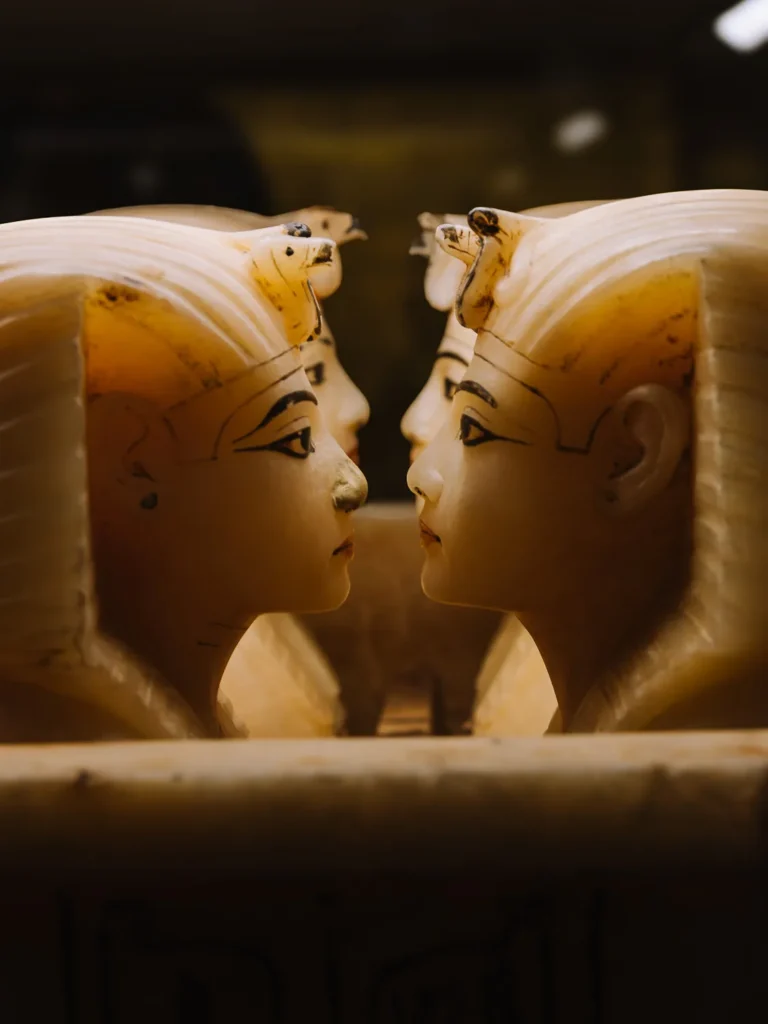
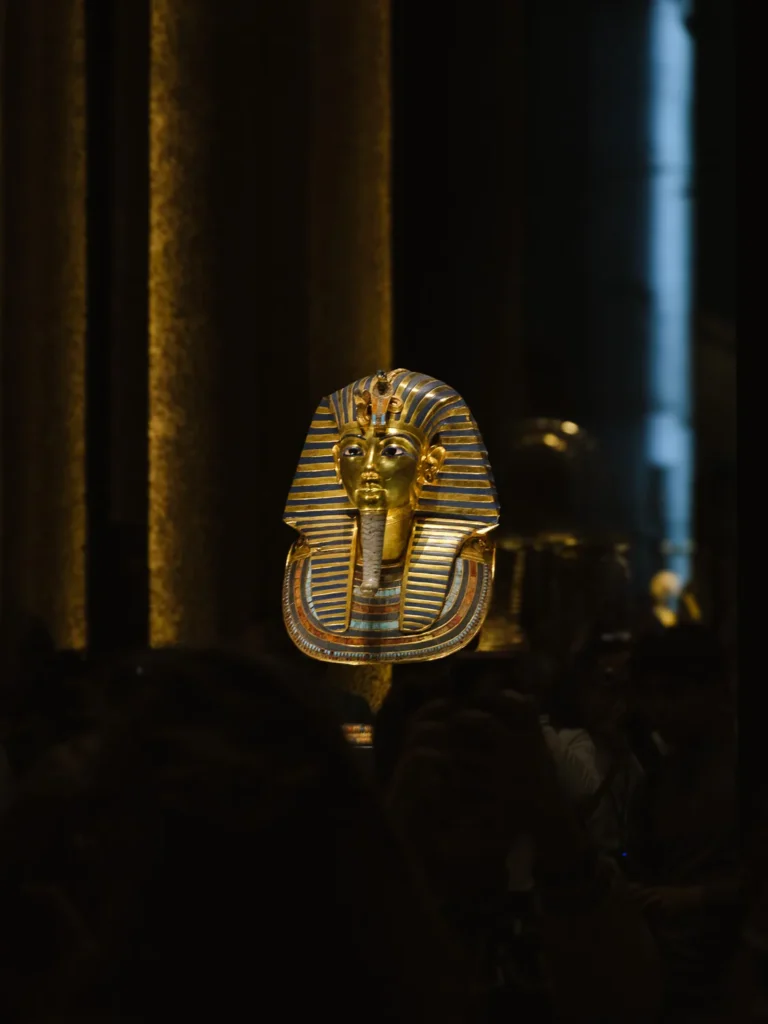
The other side has the complete collection of artefacts from Tutankhamun’s tomb, including the famous golden death mask. This is the highlight of the museum with the whole collection in one place for the first time.
Next door to the museum, you’ll find the ceremonial Khufu ship, the world’s oldest intact, full-sized ship. At 4,500 years old, that state of preservation is incredible.
GEM TOURS / There’s a lot to see at the GEM, so a guided tour that highlights selected items and provides in-depth explanations is a good idea. This guided tour by an Egyptologist includes pickup and drop-off from anywhere in Cairo or Giza.
3. Saladin Citadel
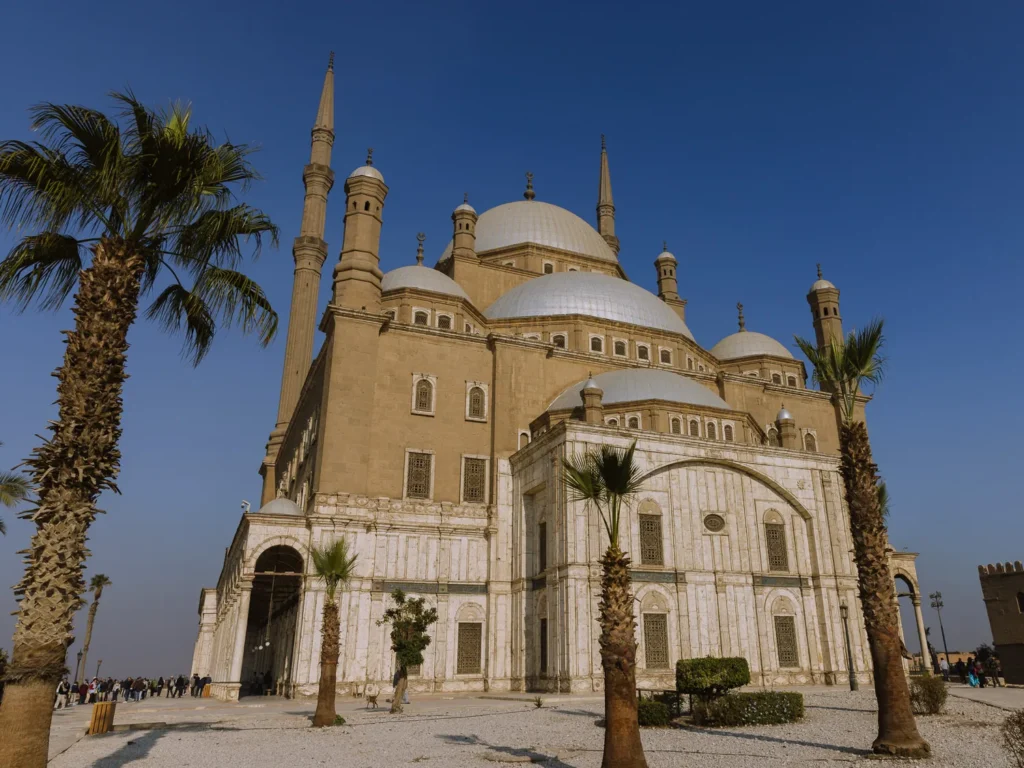
The Saladin Citadel is a medieval Islamic-era fortification perched on a limestone outcrop above Cairo.
Construction began in 1176, and it was one of the most impressive military buildings of its time. The strategic position and walled fortifications ensured it served as the seat of power for Egypt’s rulers for over 700 years.
There are sweeping panoramic views of chaotic Cairo.
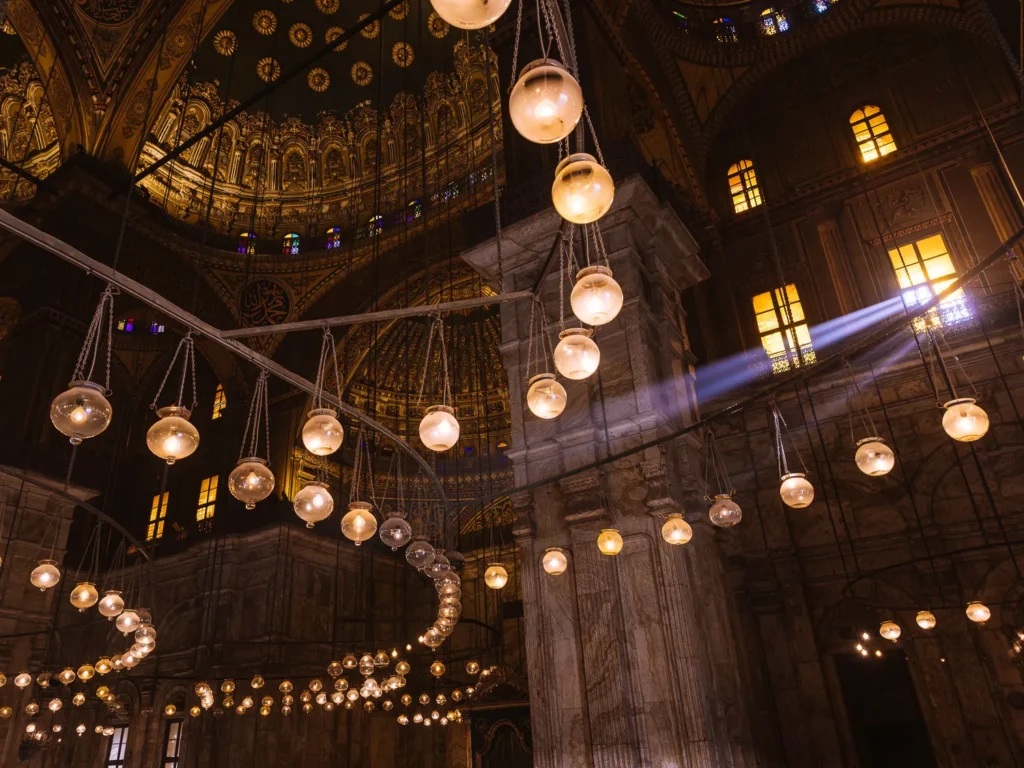
The most important building in the citadel is the Muhammad Ali Mosque, which was modelled on the Blue Mosque in Istanbul with Ottoman-style domes and slender minarets.
It’s a beautiful building inside and out, and the highlight of visiting the Citadel. As you will be entering a mosque at the Citadel, you will need to dress conservatively.
4. Coptic Cairo
Coptic Cairo is a historic neighbourhood in Old Cairo that served as a Christian stronghold before the Arab conquest and the arrival of Islam.
There are a few different sites to see, all of which you can see on foot, as it’s a small and walkable area. Here are the places we recommend:
Hanging Church
The hanging church is one of Egypt’s oldest churches. It was first constructed in the 4th century and today has an interesting patchwork of architectural styles.
There are relics inside, including a stone said to be from the tomb of Christ and a fragment of the cross.
It’s called the Hanging Church because it was built over a Roman Tower that once flooded during the winter months.
Church of the Cavern (Saint Serigius and Bacchus Church)
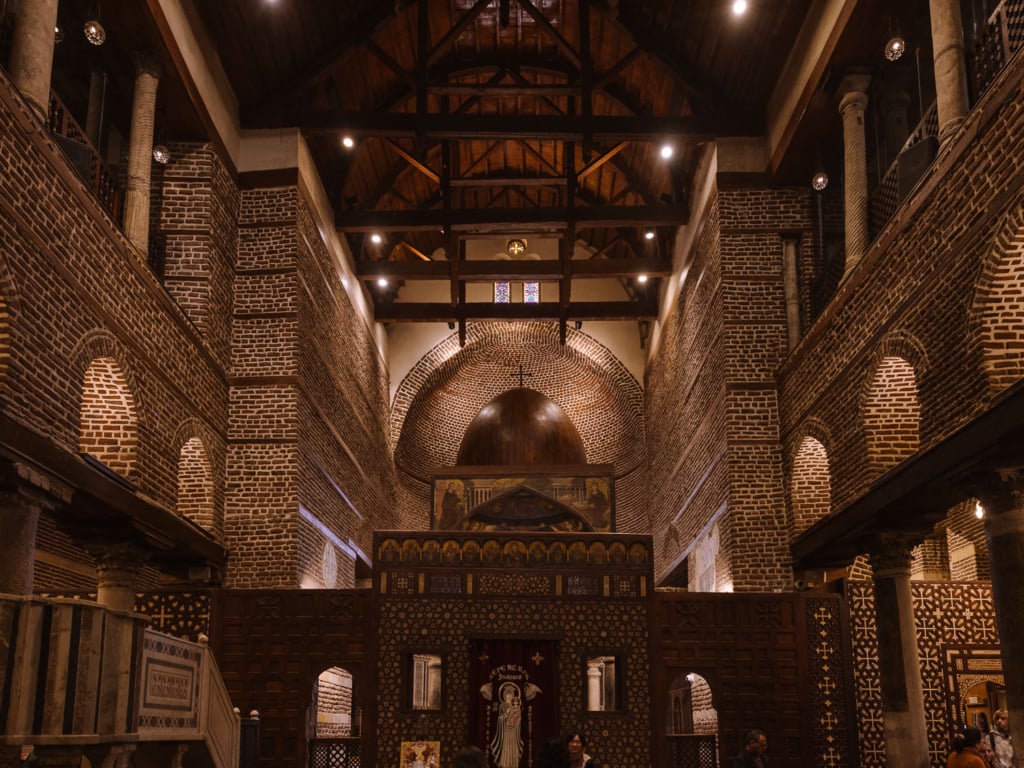
This church is considered the location where the Holy Family sheltered for 3 months while fleeing Herod’s persecution. The crypt cave can be visited beneath the church.
It’s one of the oldest churches in Egypt, with some original bricks and wood from the 4th century.
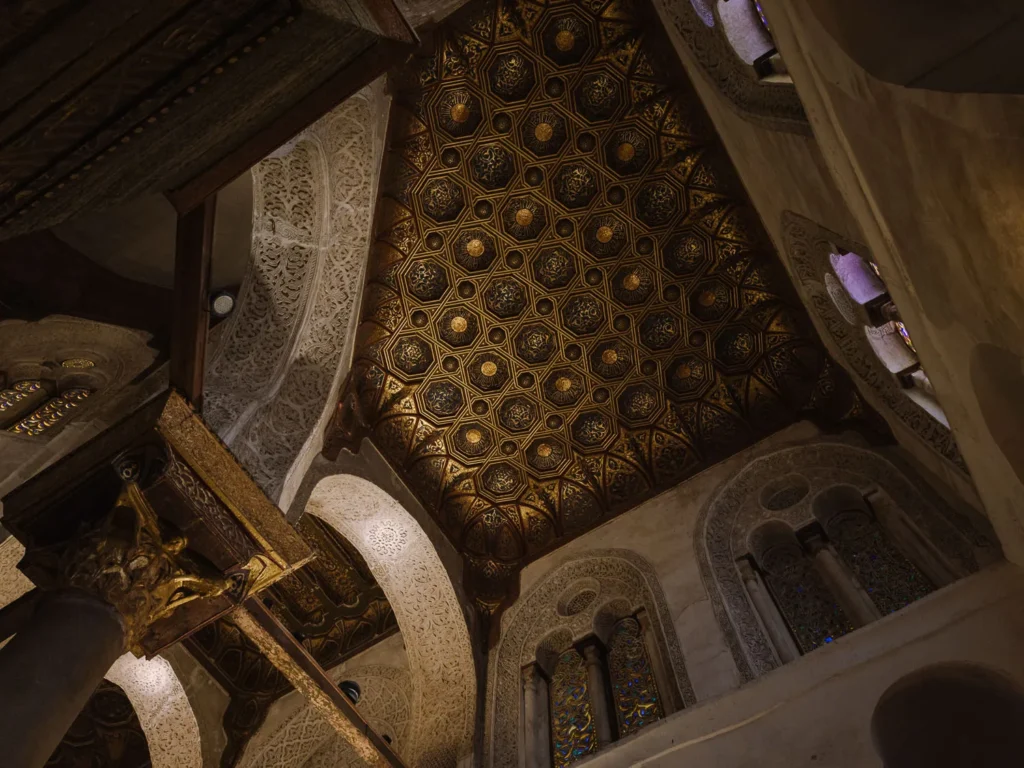
The interior follows a classic basilica layout, with a central nave flanked by two aisles, all crowned by an ornate wooden dome and illuminated by stained-glass windows.
Look out for the single granite column, which was pilfered from a pharaonic temple.
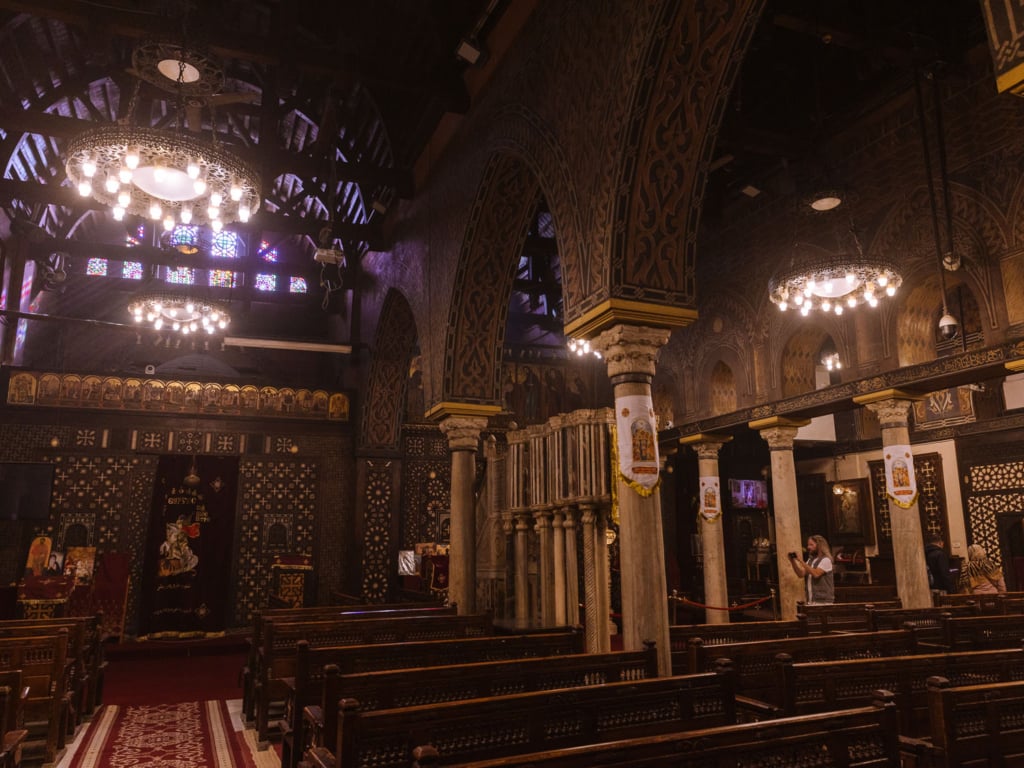
Ben Ezra Synagogue
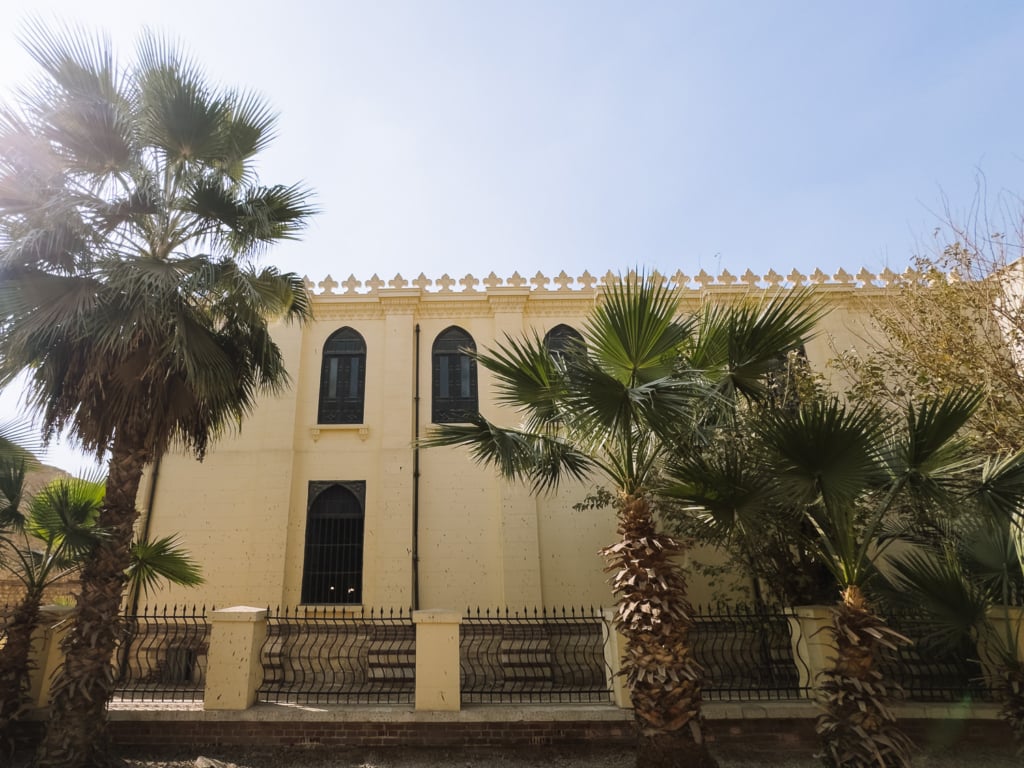
Ben Ezra Synagogue is a fascinating architectural hybrid. It was built in the Christian Basilica style, with Islamic decorative elements and, of course, heavy Jewish religious symbolism.
Unfortunately, photography is not permitted inside the synagogue, so we can’t show you any photos, but it’s well worth popping in.
Coptic Museum
The Coptic Museum provides valuable context for the churches and offers a comprehensive collection of Coptic art, textiles, manuscripts, and religious artefacts.
It traces the development of Christianity in Egypt from its earliest days through the Islamic period.
The churches and synagogues are free; the Coptic Museum costs 280 EGP ($US6). The nearest metro stop is Saint George
5. Khan El-Khalili Bazaar
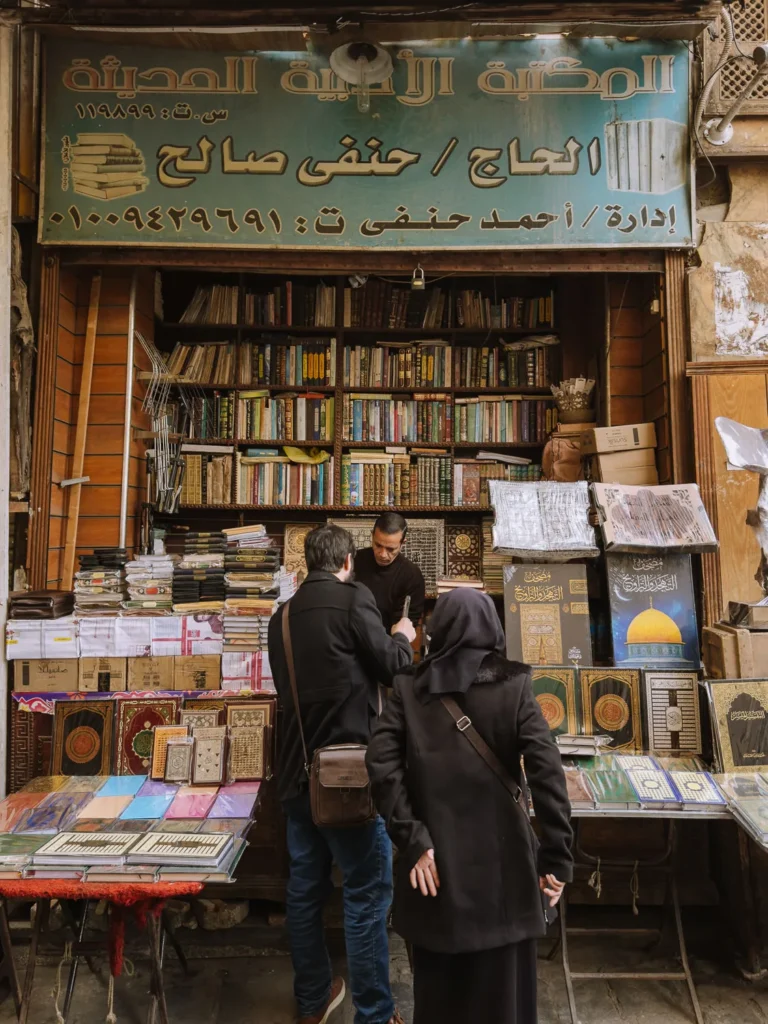
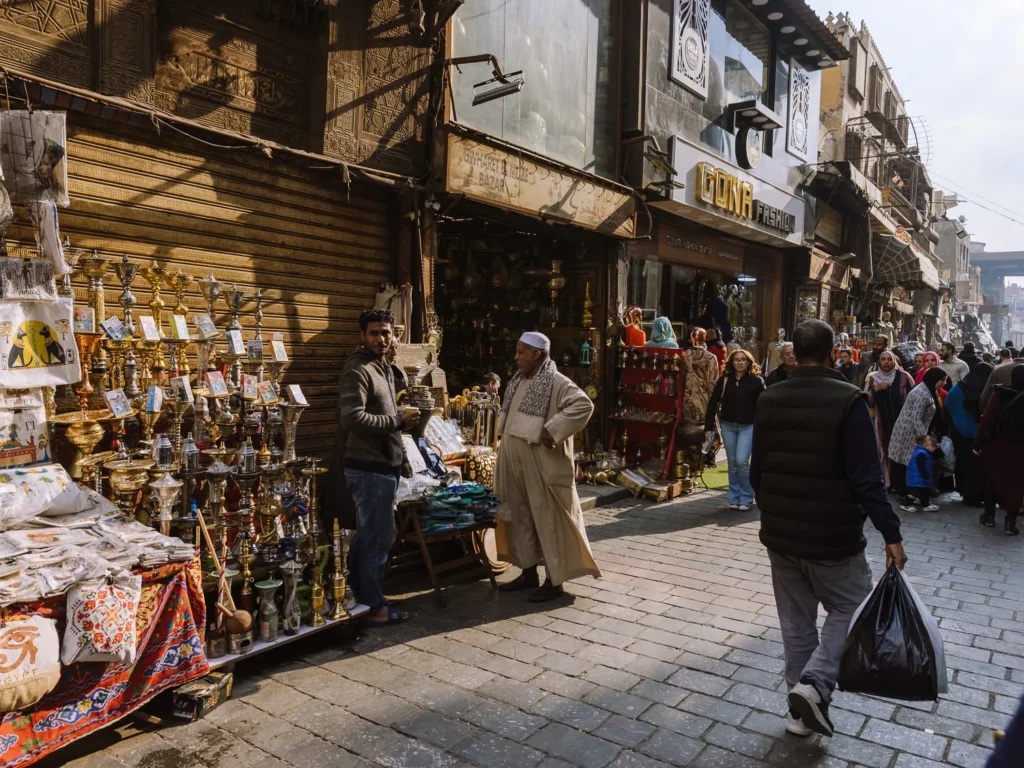
Khan el-Khalili is a market in the heart of Islamic Cairo and one of the best places to get a feel for the real city.
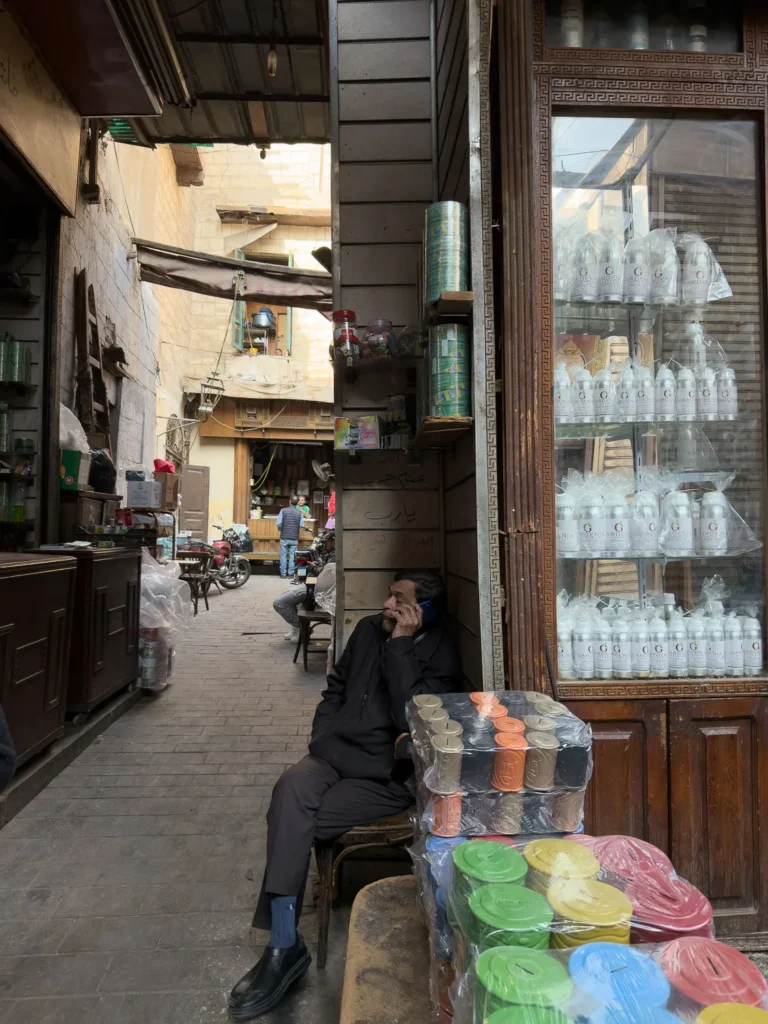
The market dates back to the 14th century and today it’s a labyrinth of narrow lanes packed with stalls and workshops selling crafts including brass lamps, inlaid boxes and jewellery. You’ll also find stacks of spices, cheap souvenirs, perfumes and much more.
Lanes are loosely organised by trade, and you’ll notice certain areas dominated by goldsmiths, coppersmiths, textiles, perfumes and spices.
We had a lot of shopkeepers calling out to us as we wandered through, but they were generally pretty friendly, and we didn’t feel too hassled.
Find a café for a mint tea, and you’ll be in a wonderful spot for people watching.
6. Al-Muizz LI Din Allah
Al-Muizz li-Din Allah Street, stretching north out of the Khan El-Khalili market, is one of the oldest and best streets in Cairo to explore.
This pedestrianised street, often described as an open-air museum, has an amazing collection of medieval mosques, madrassas and mausoleums.
You can purchase a multi-site ticket from the small ticket window near the entrance to the Qaluwun Complex, which includes several other sights on the street.
We think this is a great addition to your Cairo itinerary because you see so many ancient temples, it’s easy to forget the last 2,000 years of history.
Here is what we recommend seeing in Al Muizz Street:
Mausoleum & Madrasa of Qalawun
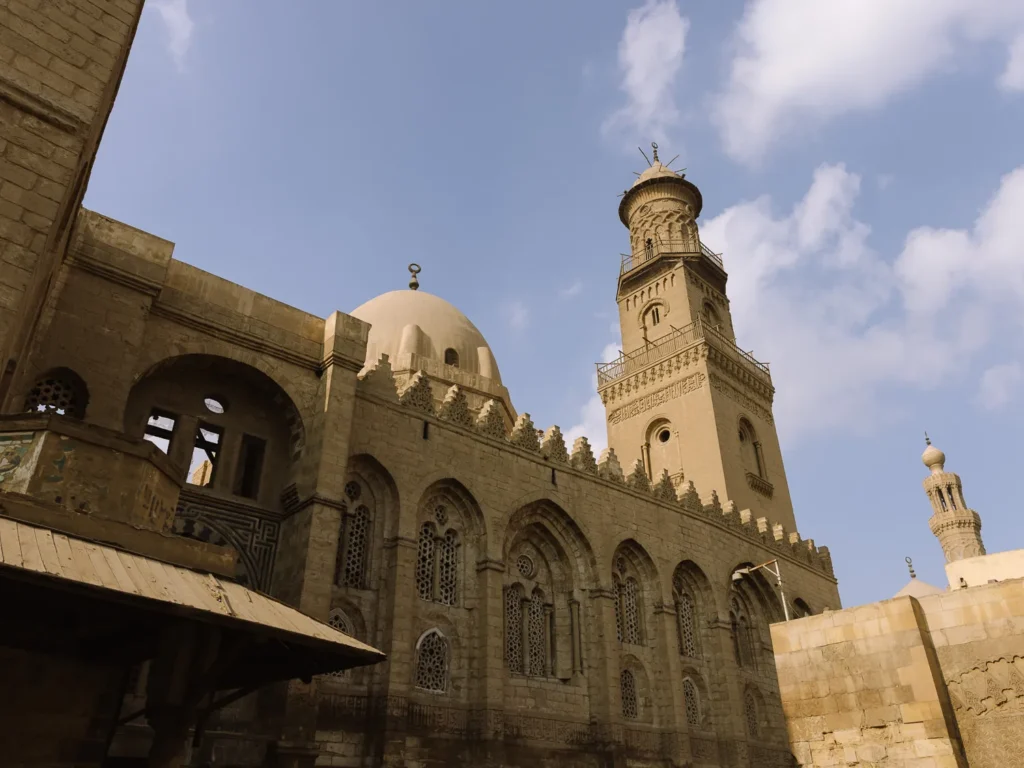
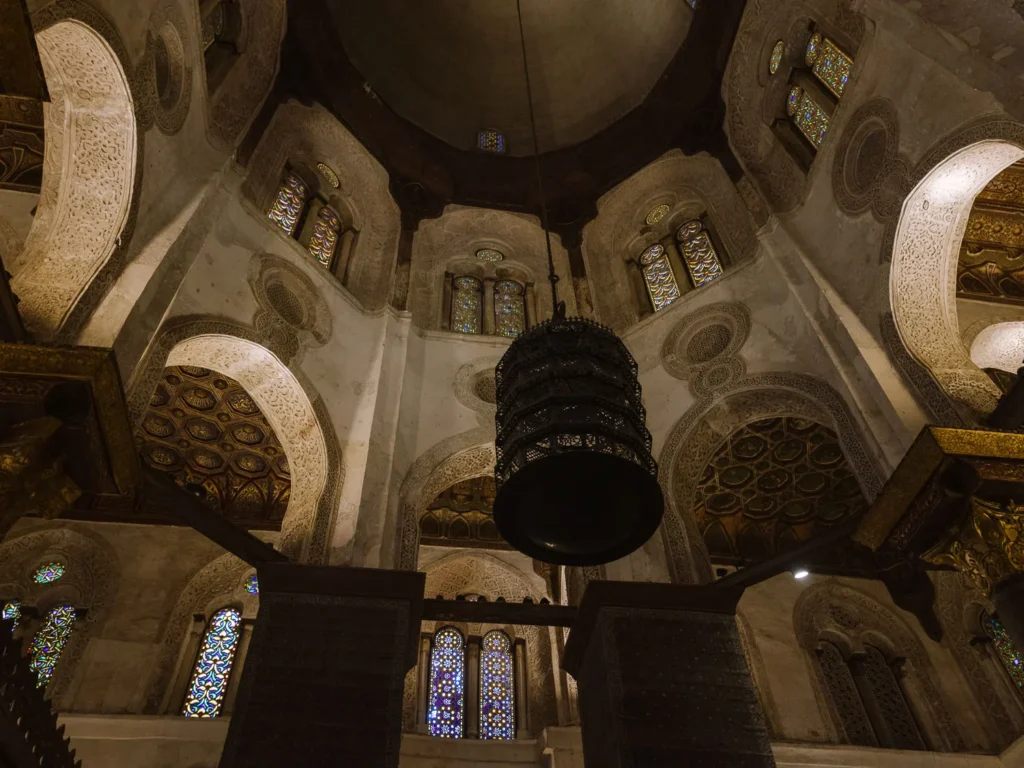
One of the masterpieces of Mamluk Cairo, the Qalawun complex combines a madrasa, mausoleum, and former hospital into a single monumental site.
Built in the late 13th century, the mausoleum was a complete surprise for us. It’s absolutely stunning. It features soaring proportions, exquisite marble, and some of the finest Islamic architecture in Cairo.
Madrasa and Mausoleum of Al-Salih Najm Al-Din Ayyub
This 13th-century complex marks a turning point in Cairo’s religious history. It was the first madrasa in the city to teach all four Sunni schools of law, reflecting Al-Salih’s ambition to make Cairo a centre of scholarship.
It’s far more austere in presentation than the Qalawun complex, so the contrast between the two is interesting to see.
Bab Al-Futuh
Bab al-Futuh is one of the best-preserved gates of Fatimid Cairo and the northern entrance to Al-Muizz Street. Built in the 11th century, its massive stone towers and carved details once formed part of the city’s defensive walls.
Today, it’s less a fortress and more a symbolic threshold between modern Cairo and the medieval city beyond.
7. National Museum of Egyptian Civilisation
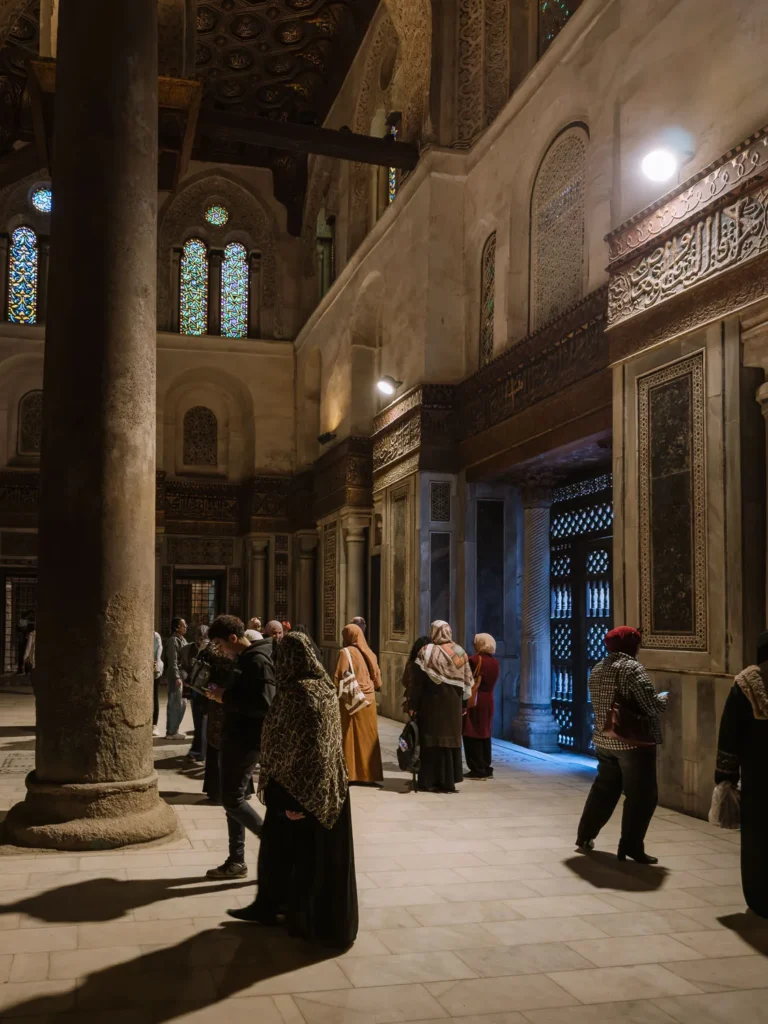
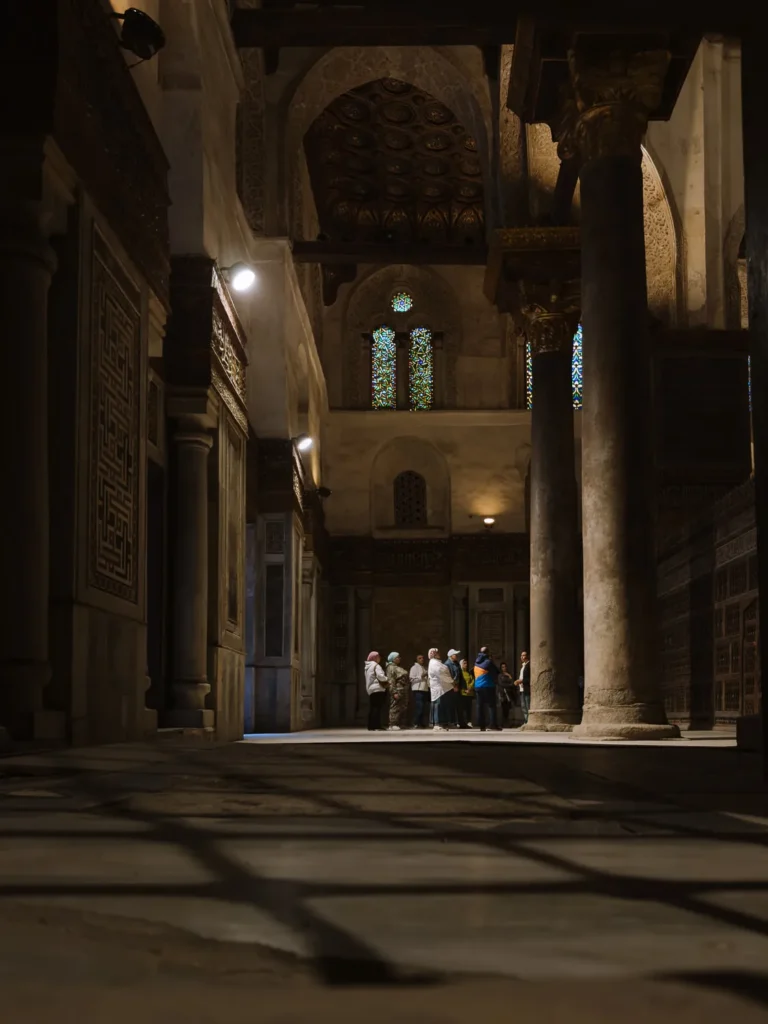
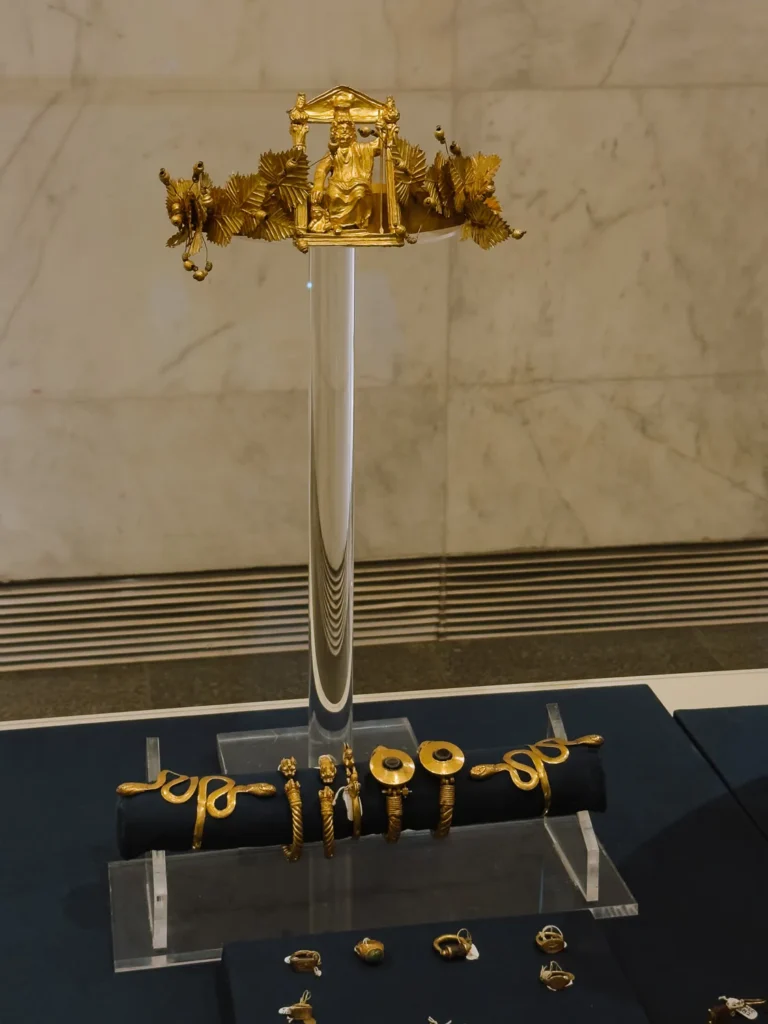
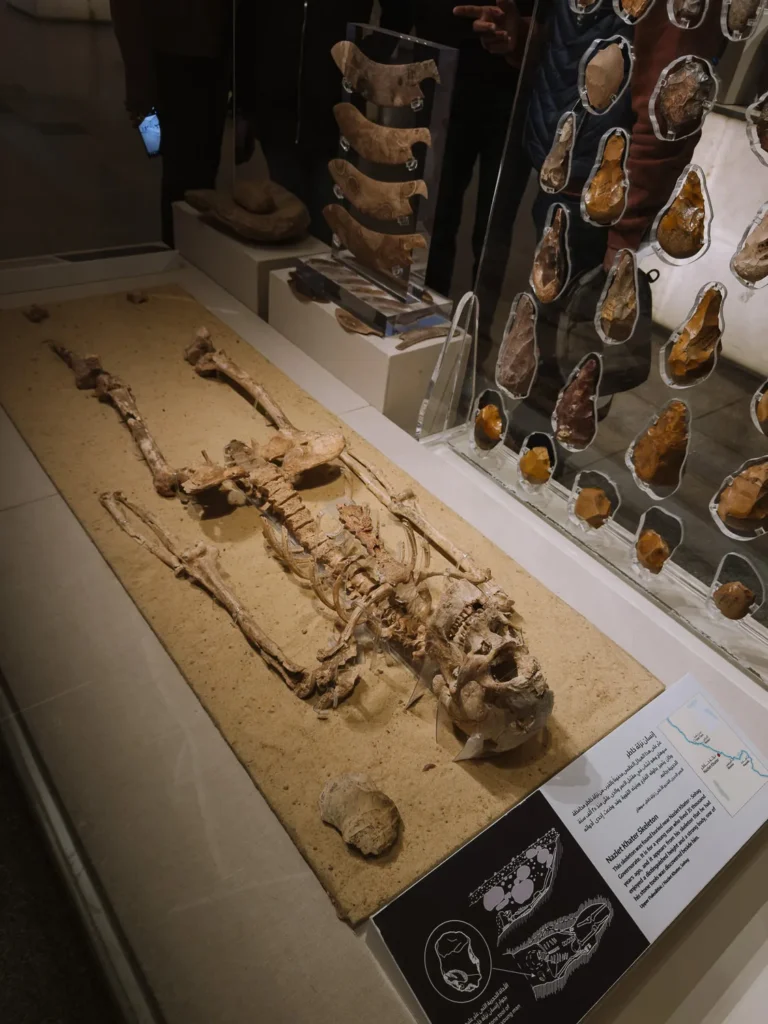
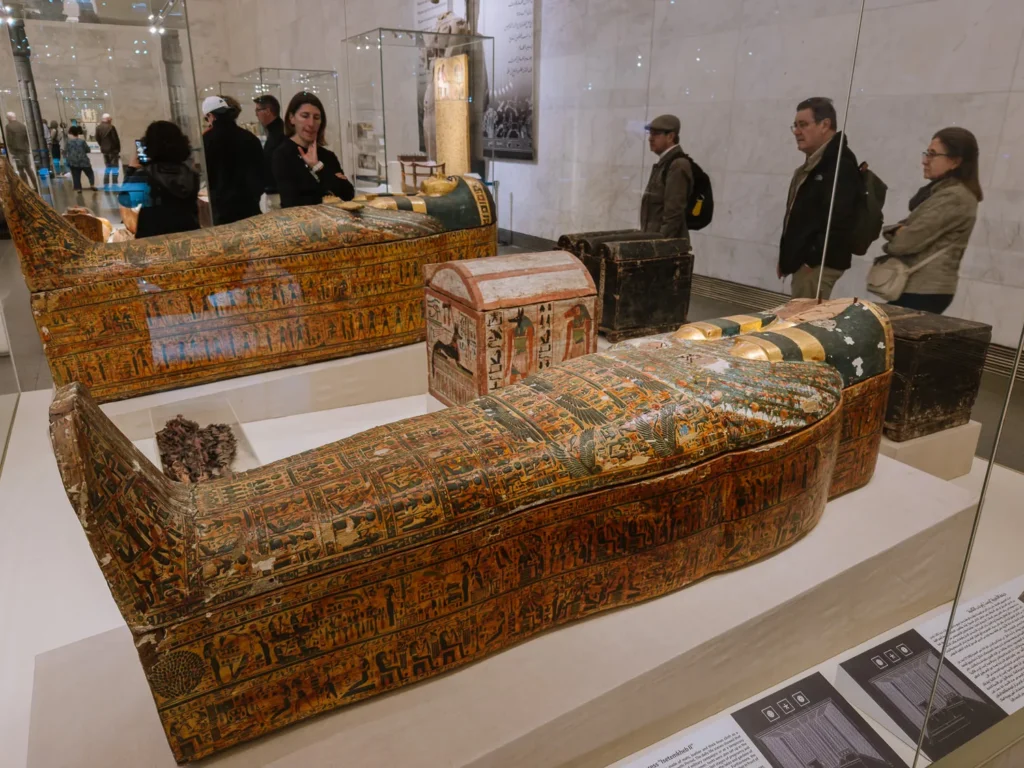
The National Museum of Egyptian Civilisation first opened in 2021; only 3 of the planned galleries have been completed so far.
The largest room takes you on a Journey through Egyptian history, from prehistory through the mighty Egyptian Empires and their fall to the Greeks under Alexander the Great and then the Romans.
From there, the focus shifts to Egypt’s Islamic history, tracing the early caliphates, the Mamluks, and the Ottomans, before ending in the modern republic.
There are only a few exhibits dedicated to each period, but they are beautifully laid out and present a grand sweep of Egyptian history.
The highlights of the museum and the main reason we recommend going is the Royal Mummies Gallery.
The mummies of pharaohs and queens are displayed in climate-controlled cases, arranged chronologically allowing you to move through different eras of Egypt’s dynastic history.
The level of preservation is extraordinary: facial features, hair, teeth, and even physical differences between rulers are clearly visible, making these figures feel unexpectedly human.
After seeing their tombs in the Valley of the Kings and temples on our Nile cruise, it was fascinating to see the actual bodies of the kings and queens we’d been learning about earlier in our trip.
Planning & Logistics
Where to Stay in Cairo
There are two main options when choosing accommodation in Cairo: staying near the pyramids or staying in central Cairo.
The benefit of staying near the pyramids is that you are conveniently located for both the pyramids and the Grand Egyptian Museum.
Staying centrally will make it more convenient to reach Coptic Cairo and Islamic Cairo, where many of the other sights are located.
We have a full guide covering the best places to stay in Cairo, which has a review of a few more areas you might want to consider.
Marriott Mena House (Pyramids | $$$$) – Excellent Pyramid views, beautiful garden, several restaurants, outdoor pool and fitness centre. Great access to the Pyramids and the Grand Egyptian Museum.
Four Seasons Hotel Cairo at Nile Plaza (Central | $$$$): Impeccable service with stunning Nile views and easy access to the Egyptian Museum.
Steigenberger Hotel El Tahrir (Central | $$$): Modern hotel in downtown Cairo within walking distance of Tahrir Square and major museums.
Australian Hostel (Central | $): Clean, friendly hostel near the Egyptian Museum with helpful staff and rooftop views.
Best Time to Visit
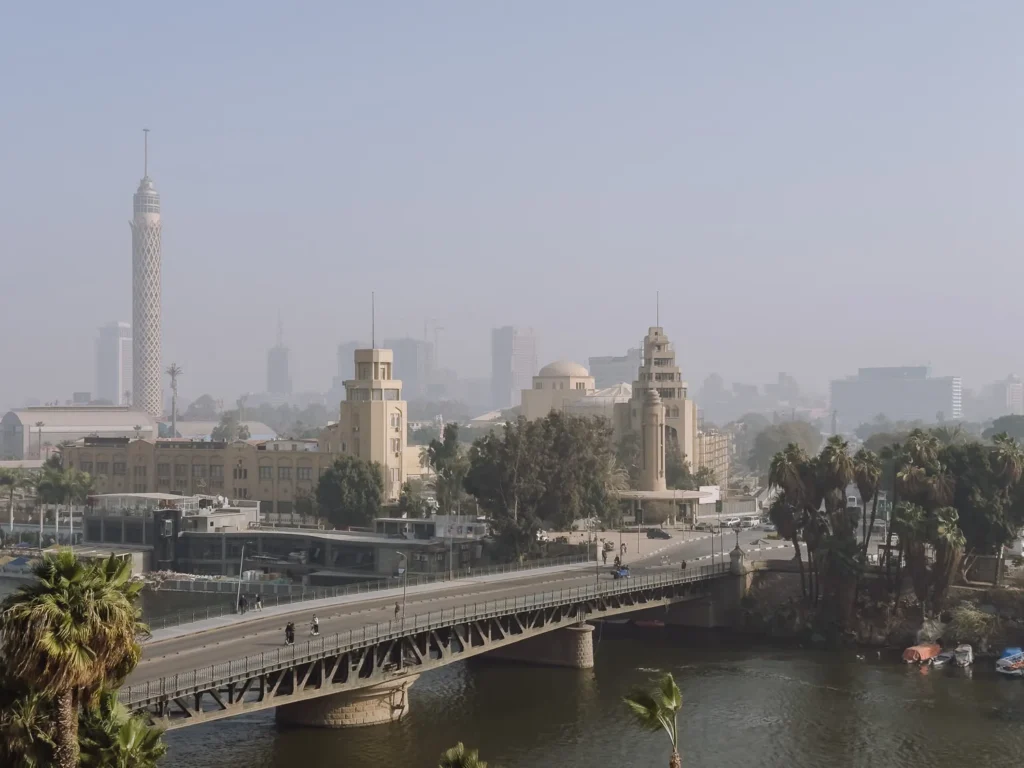
The only time we would really recommend visiting Cairo is between October and April, when temperatures are more manageable.
Summer months (June-August) can be brutally hot, with temperatures regularly exceeding 40°C (104°F). It’s also peak season and the sites can be crazy busy.
On our last trip, we visited during winter, and the temperatures were very decent, 20°C (68°F), but nights were surprisingly cool, especially on the Nile.
Friday is the Islamic holy day, and many sites have reduced hours or are closed in the morning.
We have more information about what you need to know before your trip in our tips for visiting Egypt blog post.
Getting Around Cairo
Metro: Cairo’s metro is efficient, air-conditioned, and incredibly cheap. It’s perfect for reaching Coptic Cairo (Saint George station) and the National Museum of Egyptian Civilisation (El-Malek El-Saleh station). Women can use the dedicated women’s carriages at the front of the train.
Uber/Careem: These ride-sharing apps work brilliantly in Cairo and are far easier than negotiating with taxi drivers. They’re also extremely affordable by Western standards.
Traffic: Cairo’s traffic is legendary. Build in extra time for everything, especially during rush hours (roughly 7-10 AM and 4-8 PM).
How Long to Spend in Cairo
On our Egypt itinerary, we spent 2 full days in Cairo, plus around half a day on the day we left.
This allowed us to see the highlights, which we have listed in this guide, without feeling completely rushed.
If you have 4-5 days, you’d have more time to get a feel for the real Cairo, but in our opinion, this is not what most visitors would need.
Language
Arabic is the official language. English is widely spoken in tourist areas, hotels, and restaurants, but less common in local markets and neighbourhoods. Learning a few basic Arabic phrases is appreciated: shukran (thank you), min fadlak (please), and la, shukran (no, thank you) will serve you well.
More Egypt Guides
- How to plan a 7- or 10-day Egypt itinerary.
- The best places to visit in Egypt.
- Essential tips for visiting Egypt: what to know before you travel.
- The best ancient temples in Egypt.
- Nile Cruise ship vs Dahabiya: which is the best experience?
- The best things to do in Cairo (including the Pyramids).
- Plan your trip with our 2- or 3-day itinerary for Cairo.
- All you need to know about visiting the Valley of the Kings.
- What to do in Aswan, Egypt’s southern escape.
- See the best and other great things to do in Luxor.
- Your complete guide to visiting the Pyramids of Giza.

reader-supported
When you buy through links on our site, we may earn a small affiliate commission at no extra cost to you.
Thanks for your support // Paul & Mark