

Egypt is a magical country with a history that left us spellbound. But there are a few important things to know before you travel there. This guide covers important planning considerations, advice on haggling and tipping, and what to expect when travelling in Egypt.
By: Paul Healy | Last Updated:
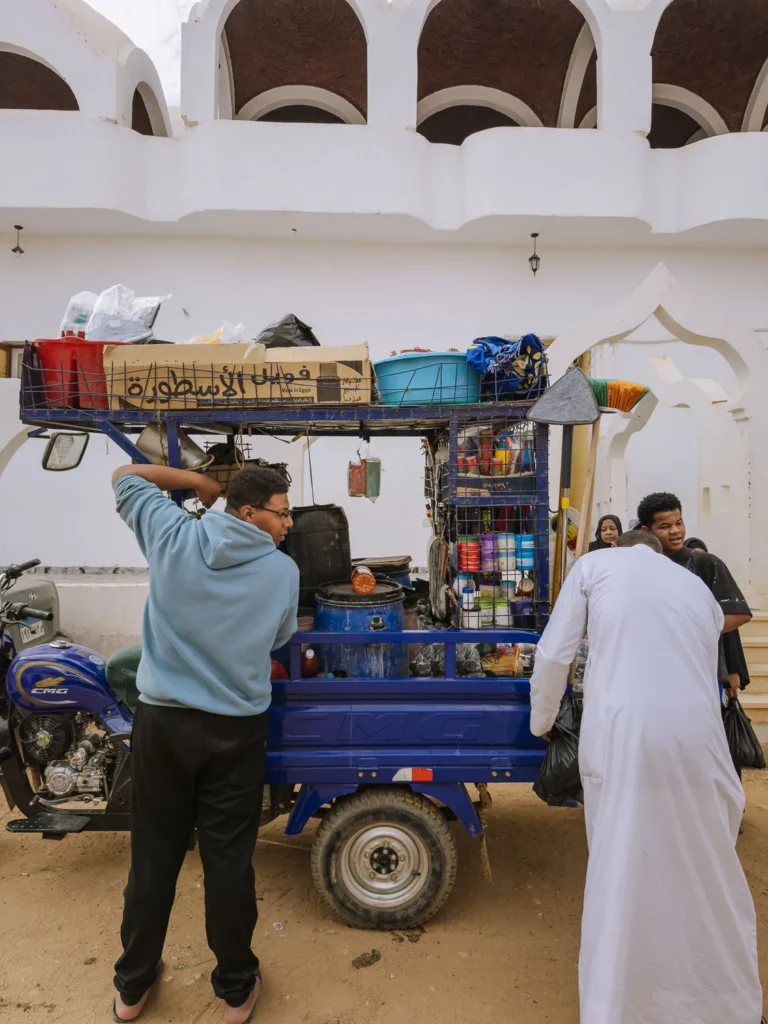
Tourism is a critical industry for Egypt, and many people work in it or around it.
Shopkeepers, taxi drivers, tour guides and street vendors all work for the tourist dollar in an environment where underemployment is high and commission-based work is common.
As a result, there is fierce competition for tourist money.
Also, income inequality is stark. What might be a small purchase for a tourist could be a substantial source of income for a vendor.
Haggling, tipping and getting hassled are all part of travelling in Egypt.
But none of that should put you off. For the most part, Egyptians are incredibly friendly and welcoming. They take great pride in showing off their country, and their passion is intoxicating.
Providing you’re prepared, well-planned and know what to expect, you can easily navigate the cultural idiosyncrasies of being a visitor in Egypt.
For some inspiration about where you might want to go, read our guide to the top places to see in Egypt.
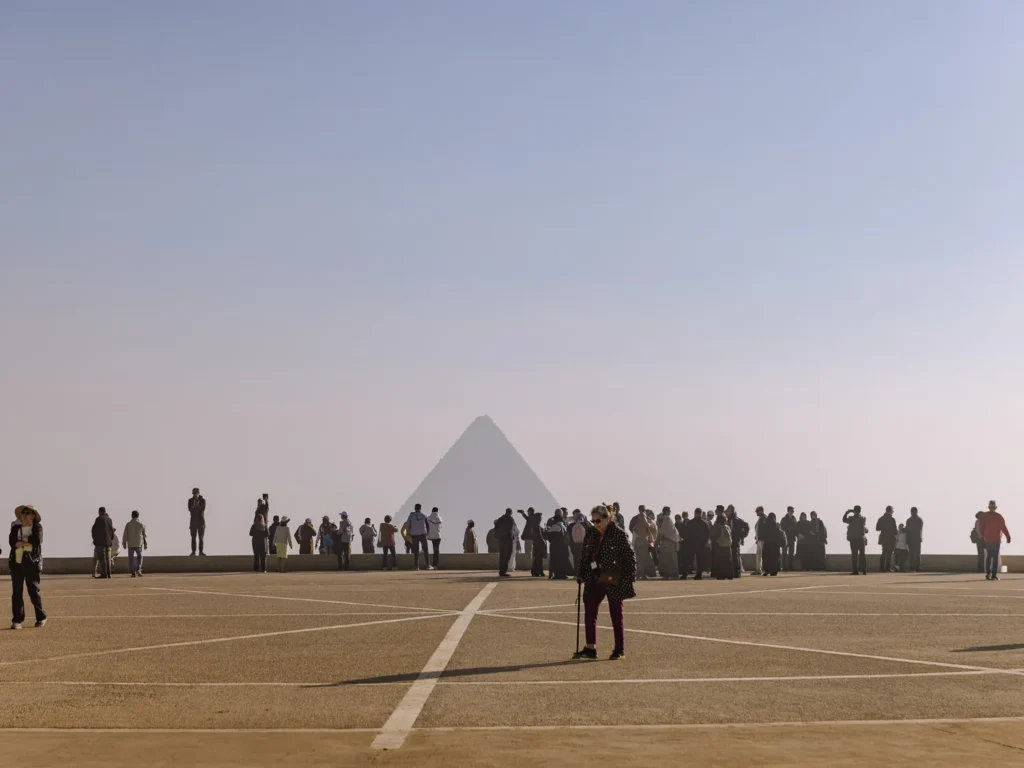
What to Know Before You Go to Egypt?
Visa Requirements
Most visitors can get a visa on arrival at the airport, which costs $25 USD. You’ll need cash in US dollars, euros, or British pounds—they don’t accept credit cards at the visa counter.
Your passport must be valid for at least 6 months beyond your arrival date.
You can also apply for an e-visa online before you travel, but we found the process virtually impossible.
The online form asks for details of any previous travel to Egypt, and you must provide the names of the hotels you stayed at. Our last trip to Egypt was over 20 years ago, so we didn’t have the hotel names (even if they were still operating).
Getting the visa on arrival was quick and painless (took about 2 minutes). Much less painful than trying to order it online.
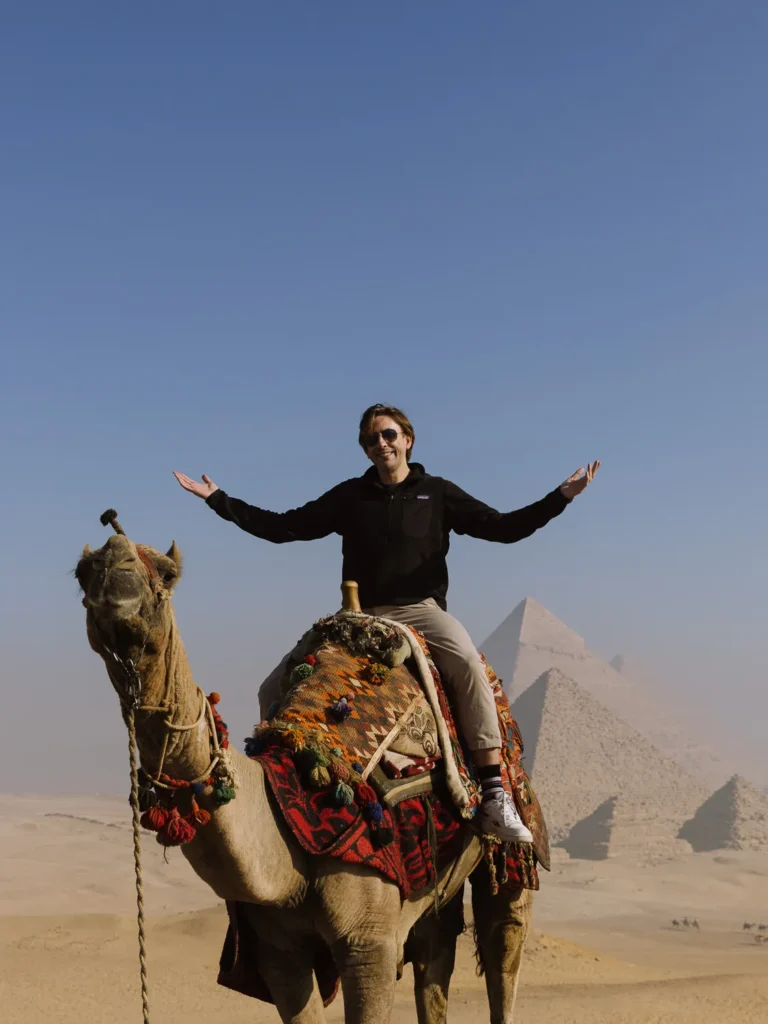
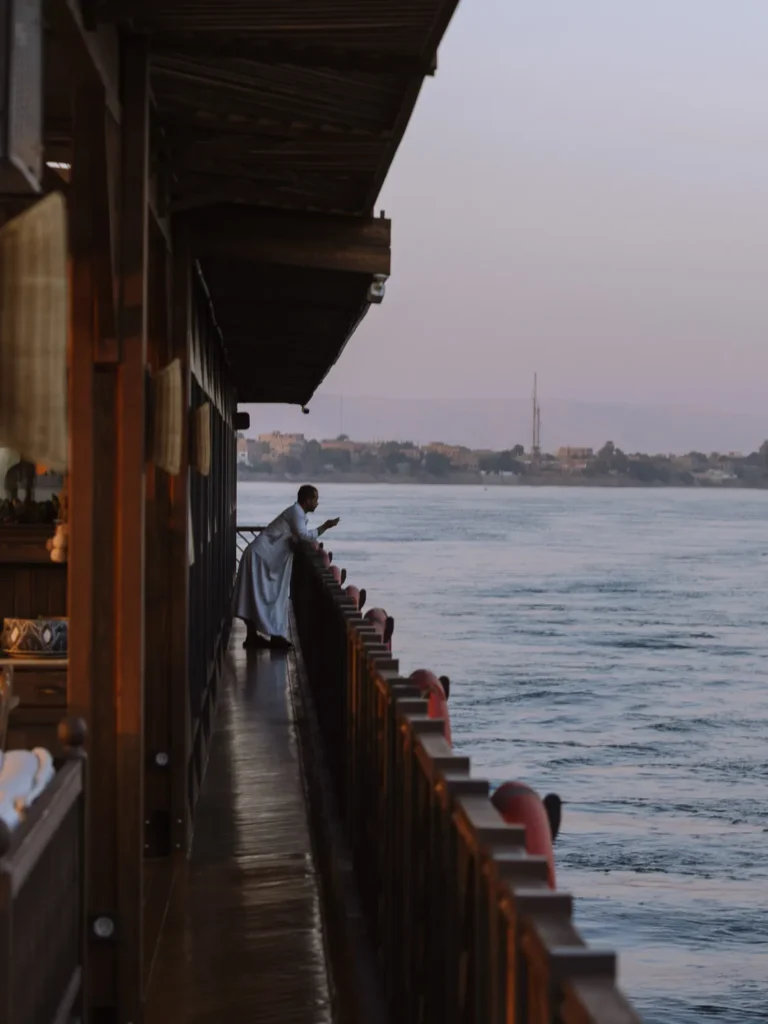
When to Go?
Egypt is hot for most of the year, and if you’re visiting Upper Egypt (the southern regions of Luxor, Aswan, and Abu Simbel), it’s even hotter.
The best time to visit is between November and March, when temperatures are more manageable (20-30°C / 68-86°F during the day).
May to September is extremely hot, especially in the south. Temperatures can hit 40-45°C (104-113°F) in Luxor and Aswan.
In our opinion, December-February is the ideal time to visit. This is when we were there on our last trip, and the timing was perfect. It was nice during the day, but it got surprisingly cold at night, especially in the desert. So, pack accordingly.
The only downside is that mid-December to mid-January is peak visitor season, so expect larger crowds and longer queues at the main sights.
The Red Sea coast has a more moderate climate year-round, which is why beach resorts are popular even in summer.
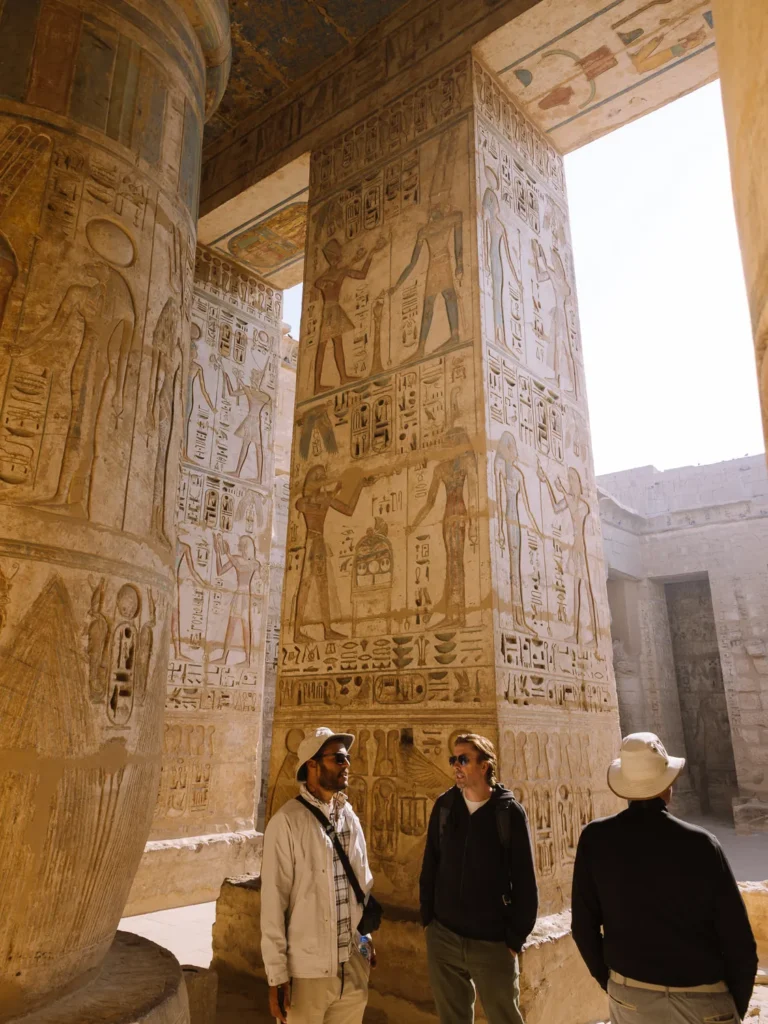
Learn Some Basic Arabic
Arabic is the official language in Egypt. English is widely spoken in tourist areas, hotels, and by guides, but less common outside major cities.
Learning a few basic Arabic phrases is appreciated and can be helpful, especially ‘la shukran’ (no thank you), which you’ll use frequently.
- Hello: Salam alaikum
- Thank you: Shukran
- Please: Min fadlak
- How much?: Bikam?
- No, thank you: La, shukran
Staying Connected in Egypt
Wi-Fi is available in most hotels, restaurants, and on Nile cruise ships. However, the Wi-Fi on our cruise was particularly patchy.
If you need constant connectivity, purchase a local SIM card (Vodafone, Orange, or Etisalat) at the airport or in a city. They’re cheap and easy to set up as long as your phone is unlocked. You’ll need your passport to get a SIM.
We prefer to arrange an eSIM in advance so we don’t have to spend time doing it at the airport, and we’re ready to go as soon as we pick up our bags.
We used Airalo, which has competitive rates for Egypt.
Having data is important in Egypt because local tour guides and drivers will regularly use WhatsApp to contact you.
What to Pack
Here are a few things we consider essentials for your Egypt trip:
- Sun protection: High-SPF sunscreen, hat, sunglasses, lip balm.
- Medications: anti-diarrhoea, pain relievers, any prescriptions, basic first aid.
- Toiletries: Bring favourites from home; they’re available but might be pricier or different brands.
- Power adapter: Egypt uses Type C and Type F plugs (European-style), 220V.
- Flashlight or headlamp: Useful in tombs and during power outages.
- Hand sanitiser and tissues: Not all bathrooms have soap or paper.
- Reusable water bottle: You can refill from large bottles provided by your tour guide or Nile Cruise. You cannot drink the tap water.
- Day pack: For carrying water, camera, sunscreen during sightseeing.
- Camera and extra batteries: You’ll take a lot of photos.
- Copies of documents: Passport, visa, insurance info—keep both physical and digital copies.
Booking Tips
Guided Tours Vs. Independent Travel
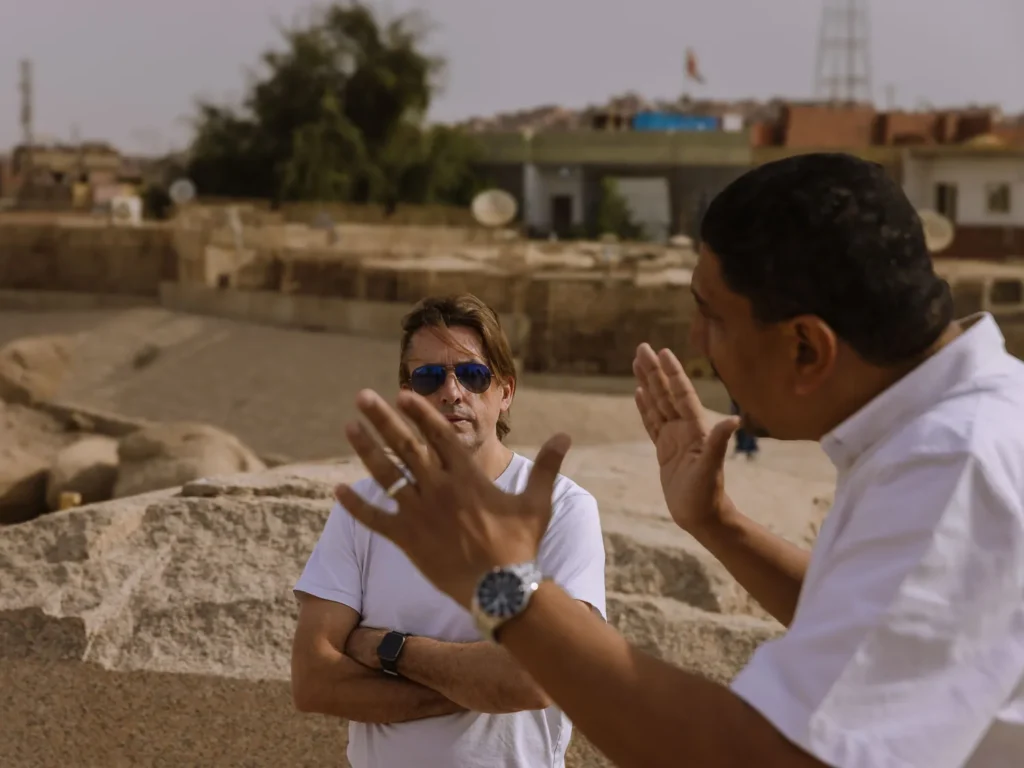
We generally travel independently. However, if there is one place where it might make sense to go on a guided tour, it’s Egypt.
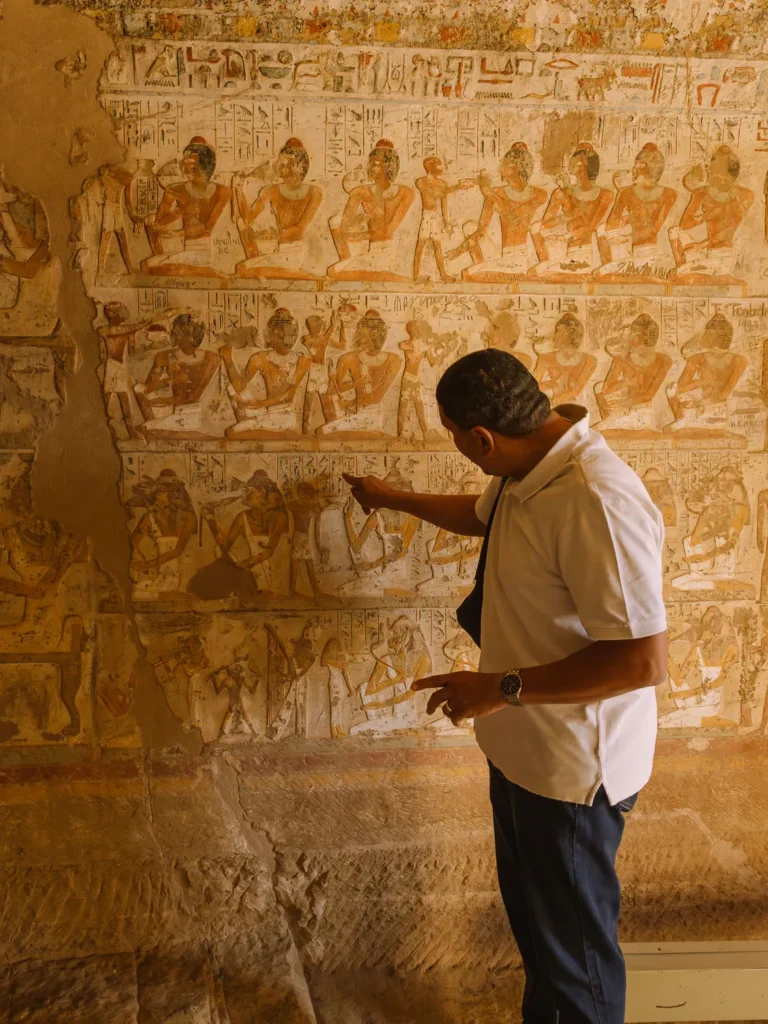
We would recommend a guided tour if this is your first time in Egypt. This is especially helpful at archaeological sites, where English-language information is often limited.
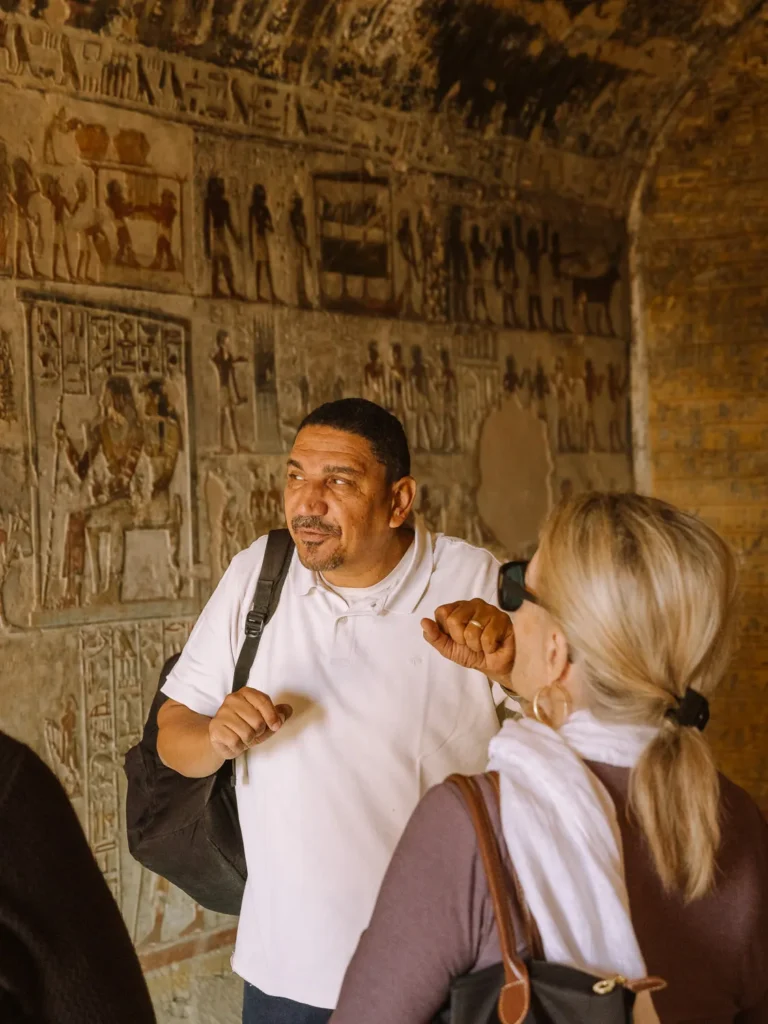
A good guide explains the history and significance of what you’re seeing, helps you navigate sites, and handles vendor hassles.
We booked a guided tour from Egypt Tours Plus. An Egyptologist took us around the archaeological sites, which made the whole experience much more enlightening.
If you do decide to go independently, guides can be hired at sites. A few things to keep in mind with regard to guides:
- Licensed guides wear official badges
- Always agree on a price up front before you start the tour
- Avoid guides who are offering anything for free; there will be a catch.
- Booking a tour in advance is a good idea, as you know what you are paying.
How Much Time Do You Need?
This depends on what you want to see, but for most people, we would suggest 7 to 10 days.
In 7 days, you’ll be able to see Cairo and the pyramids, plus at least one day in Luxor to see the Valley of the Kings and Karnak Temple. You’ll then have 3-4 days for a Nile Cruise plus an extra day, which will be taken up flying between Cairo and Luxor, then Aswan to Cairo.
If you have 10 days, you’ll be able to see more without feeling too rushed. We have more details on our Egypt itinerary.
Booking Accommodation
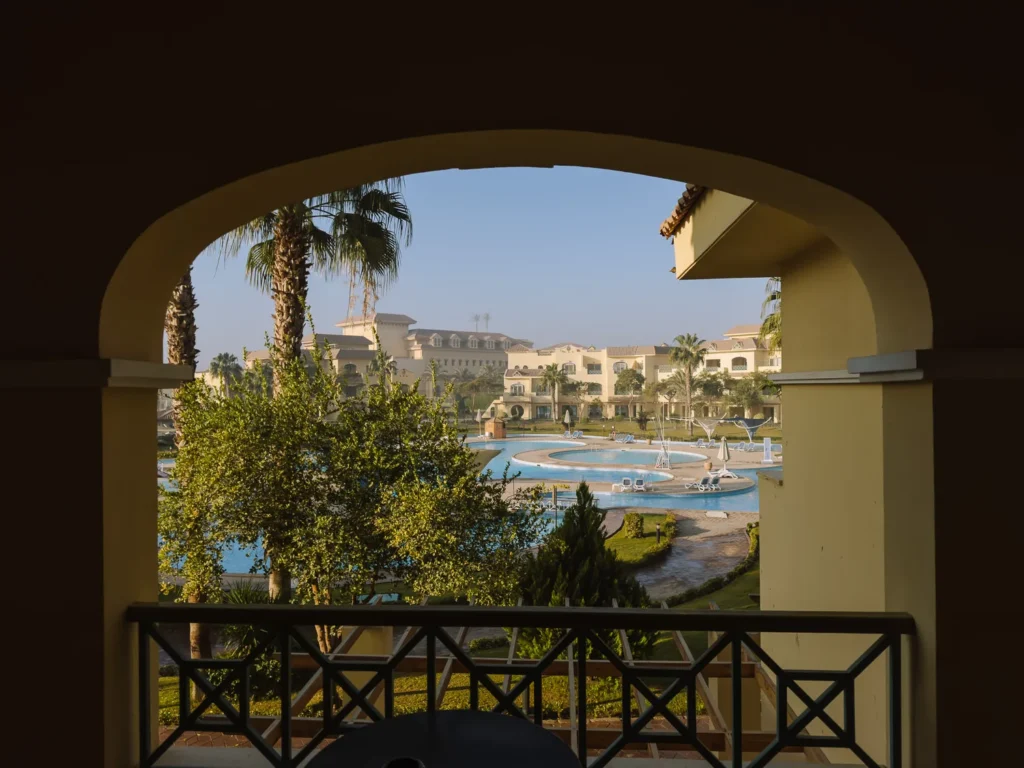
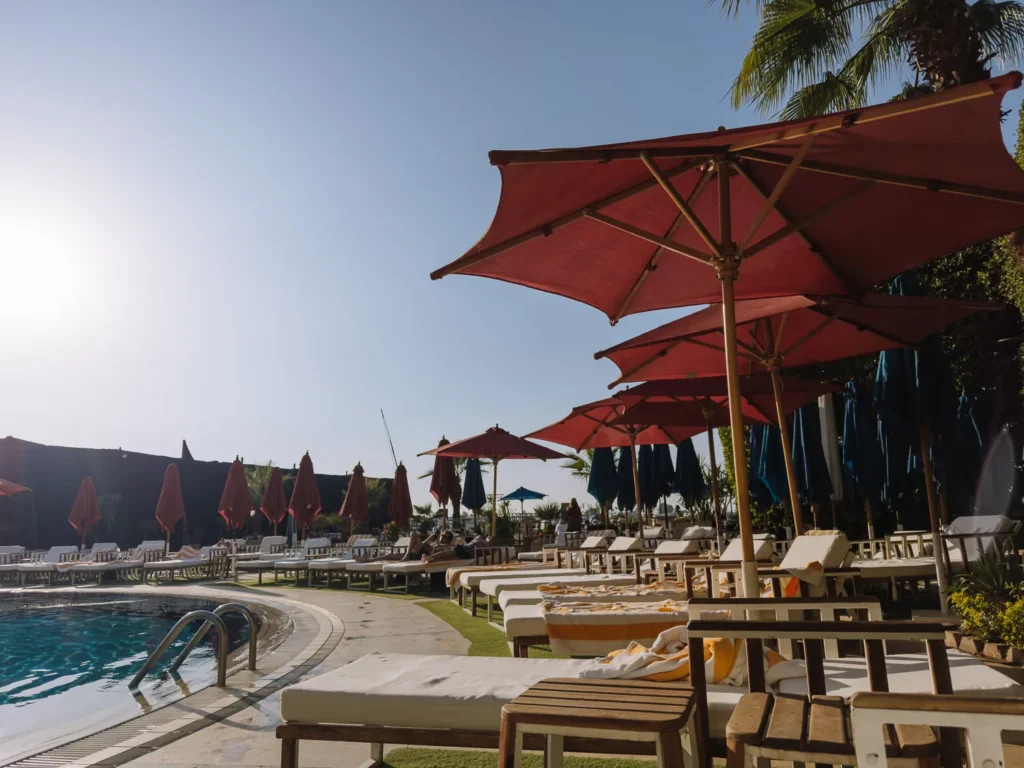
Egypt has accommodation for every budget, including high-end international hotels and some small local stays.
Book in advance for peak season (October-April) and even earlier for Nile Cruises. Always book your Nile Cruise through reputable companies; we used Egypt Tours Plus, and we were very happy with them.
Another important consideration is the type of Nile Cruise you want to take. We cover this in depth in our guide to getting the best Nile Cruise.
In Cairo, we recommend staying near Tahrir Square or in Zamalek. In Luxor, the East Bank is more central. In Aswan, the West Bank is the most convenient area for sightseeing.
Where to Go
The most popular route in Egypt starts in Cairo, then picks up a Nile cruise in either Aswan or Luxor. The advantage of this itinerary is that it covers all of Egypt’s must-visit sites, and it’s perfect for first-timers.
For a deeper dive into planning your route, we’ve written a comprehensive guide to the best places to visit in Egypt that covers everything from the must-see archaeological sites to lesser-known gems.
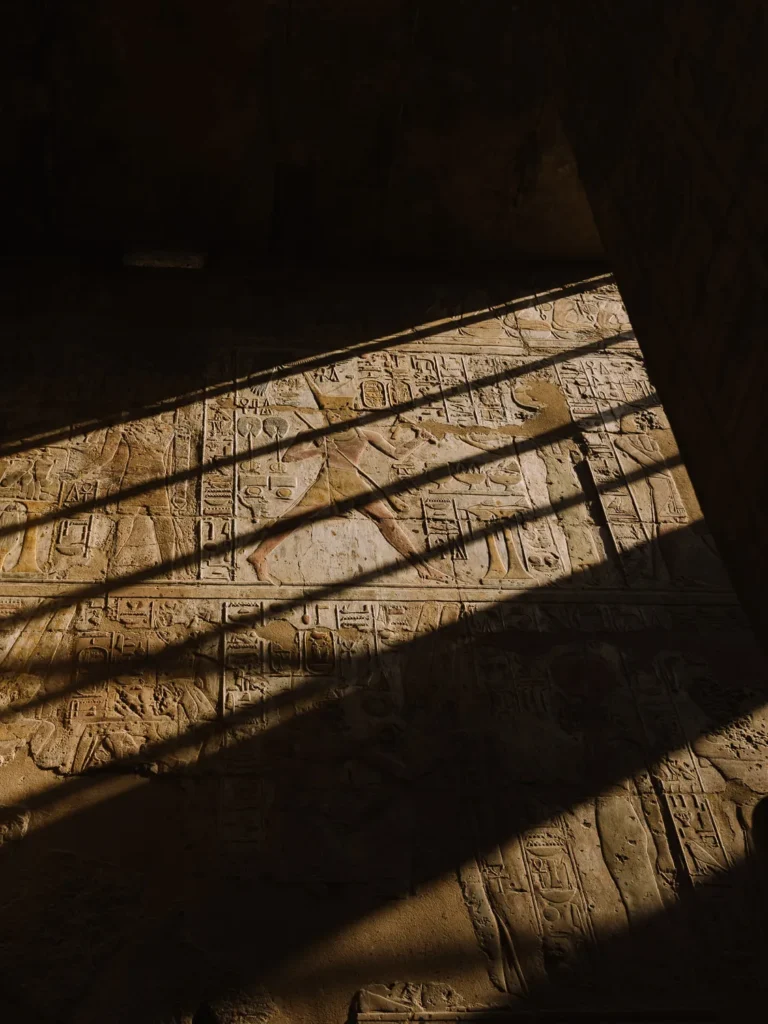
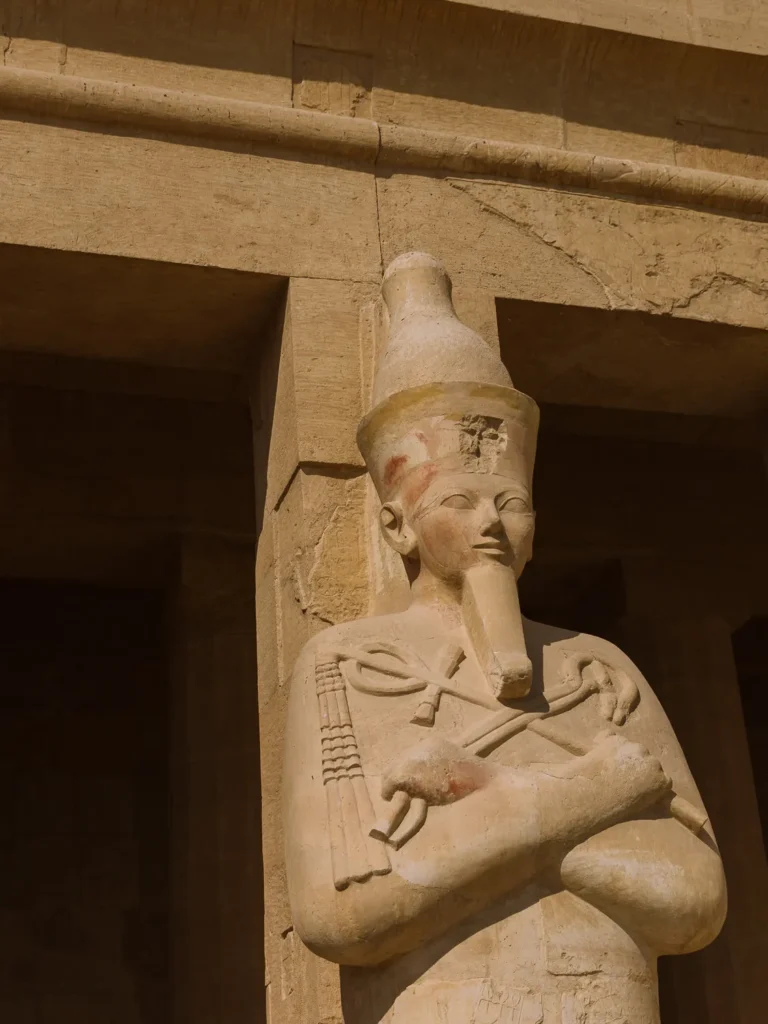
One of the absolute highlights is Egypt’s ancient history. Our guide to the best temples in Egypt will help you understand which temples are worth visiting and what makes each one special.
To help put everything together, we also have a 7- to 10-day Egypt itinerary that outlines the route we took, with options for adjustments.
Travelling in Egypt
Dress Code
Egypt is a conservative Muslim country, and dressing modestly shows respect for local culture—it also helps you avoid unwanted attention.
For Women:
- Cover your shoulders and knees as a general rule
- A scarf is useful for visiting mosques and can protect from sun and dust
- At beach resorts like Sharm el-Sheikh, normal swimwear is fine at the pool or beach
- Save the tank tops and shorts for your hotel room or resort areas
For Men:
- Long pants or knee-length shorts are fine
- T-shirts are acceptable, though you may need to cover up in some mosques
For Everyone:
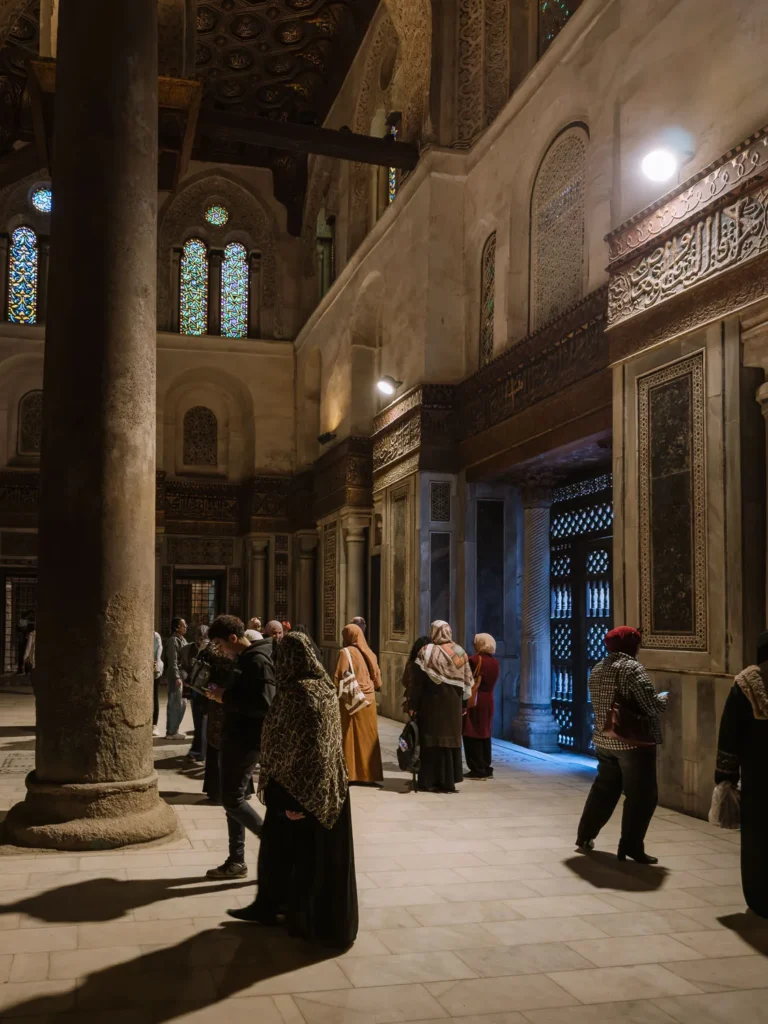
- Remove shoes when entering mosques
- Comfortable walking shoes are essential—you’ll be on your feet a lot
- Sandals are fine but bring closed shoes for temple and pyramid climbing
- Layers help with air-conditioned museums and buses
The dress code is more relaxed in resort areas like Hurghada and Sharm el-Sheikh, but when visiting Cairo, Luxor, or Aswan, modest clothing is the way to go.
Cultural Etiquette and Customs
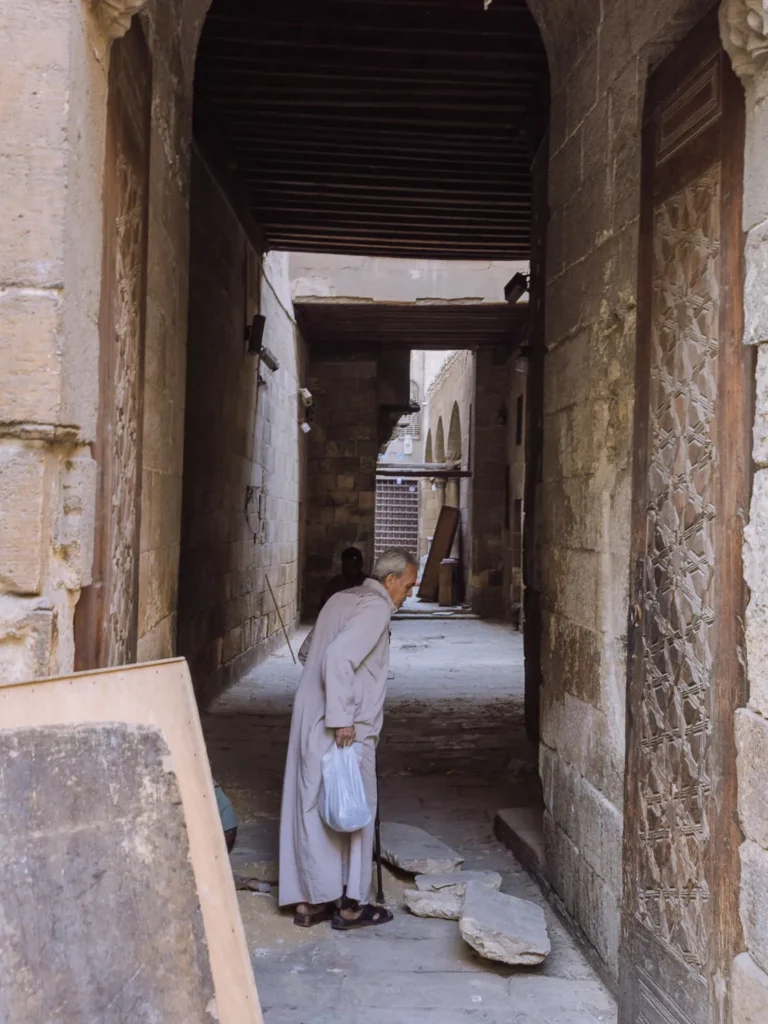
Understanding local customs helps you travel safely and respectfully. Here are a few pointers:
Ramadan: If visiting during Ramadan (dates vary yearly), Muslims fast from sunrise to sunset. Many museums shut early and restaurants are closed during the day, though tourist restaurants usually stay open.
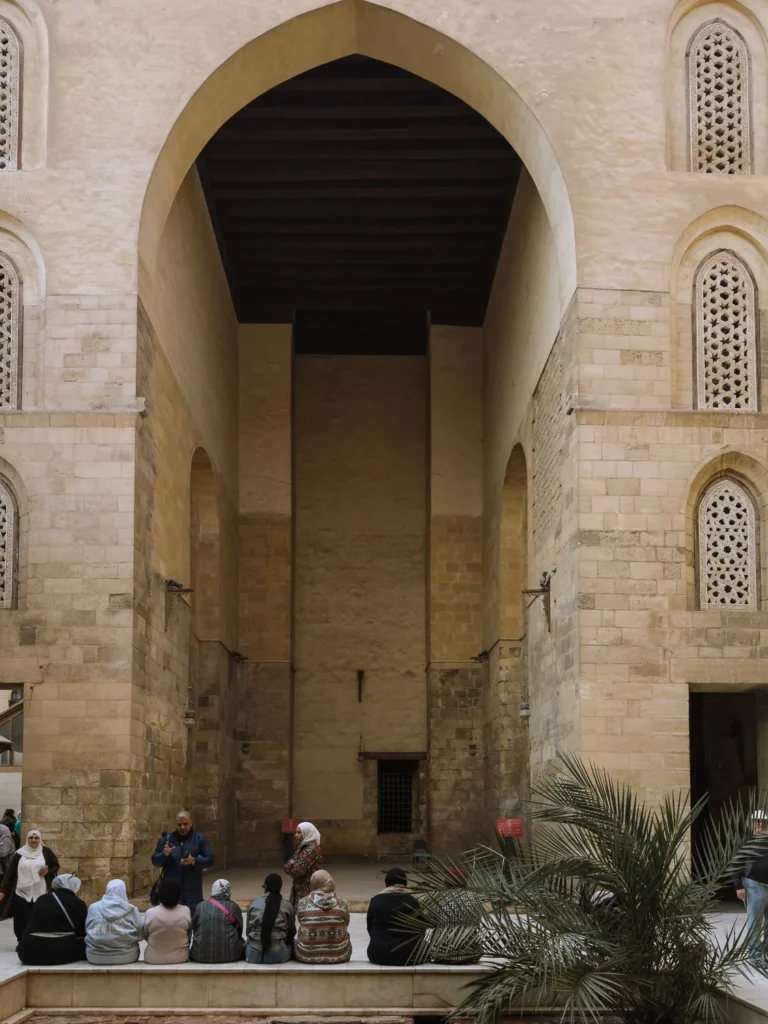
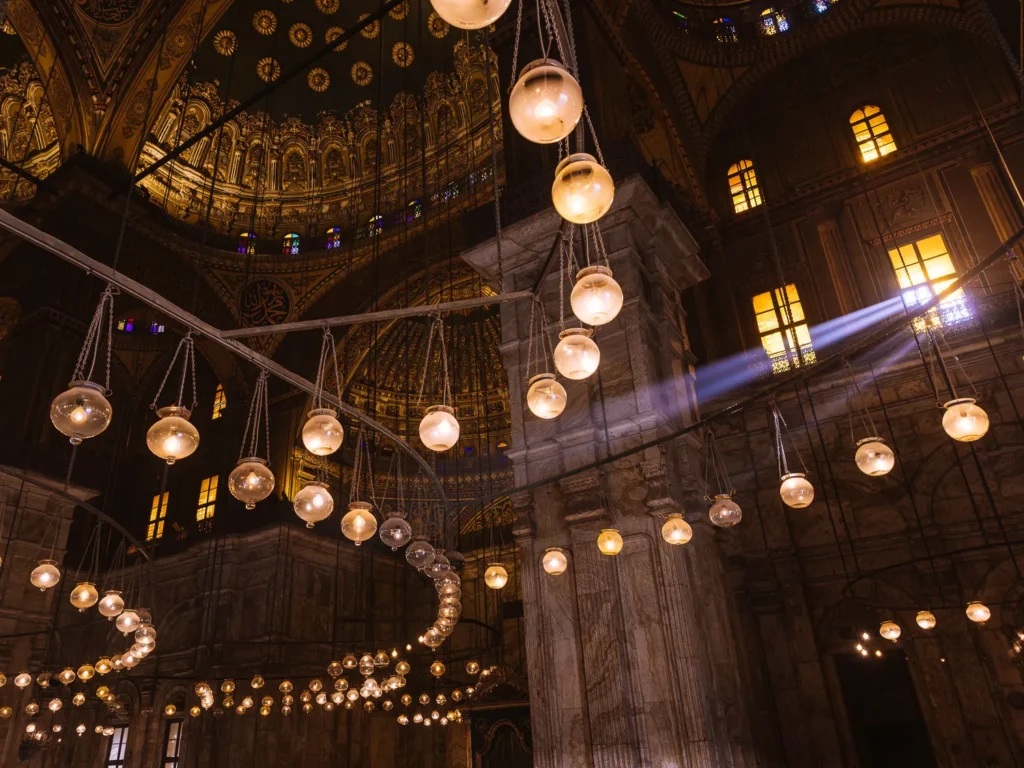
Mosques: Remove shoes before entering. Women should cover their hair. Dress modestly. Don’t visit on Friday afternoons or during prayer times unless you’re participating. Some mosques charge entrance fees for tourists.
Photography: Don’t photograph military installations, airports, bridges, or police/military personnel. Ask permission before photographing people, especially women. Professional photography inside tombs and museums often requires an extra ticket.
Public displays of affection: Keep it minimal. Hand-holding is generally okay, but kissing or hugging in public is frowned upon.
Alcohol: Available in tourist hotels, cruise ships, restaurants, and some shops, but drinking in public or being drunk is inappropriate.
How to Get Around
Flights: Egypt is a big country, and domestic flights between Cairo, Luxor, Aswan, and the Red Sea resorts save time and aren’t expensive. EgyptAir is the main carrier.
Trains: There are comfortable overnight sleeper trains running between Cairo and Luxor/Aswan. Day trains also operate on this route. Book first or second class for more comfort.
Boat: A cruise between Luxor and Aswan is a popular way to see temples while relaxing on the river. They range from budget to luxury.
Taxis and Uber: Uber works well in Cairo and Alexandria, and eliminates price negotiation. Regular taxis are everywhere but require extensive bargaining up front. You can use InDrive to help you negotiate a price or you can get your hotel to help you.
Private drivers: For day trips or multiple destinations, hiring a private driver can be worth it for comfort and convenience. As always, make sure you agree on a price and itinerary upfront.
Buses: Cheap but not always comfortable or reliable. They are okay if you really want to budget and can afford to be flexible, but we wouldn’t recommend them for everyone.
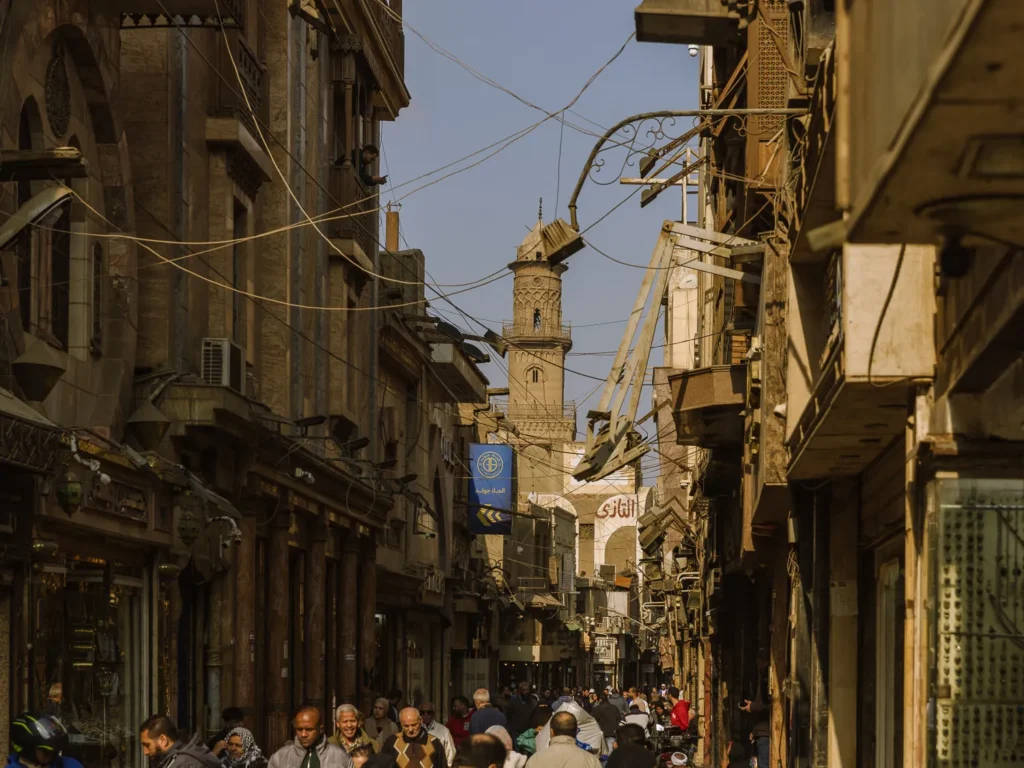
Walking: Cities like Cairo are chaotic, and walking can be challenging with traffic and crowds. I walked along the Luxor promenade alone and was approached every few minutes by men who said, “I know you from your hotel, I work in the kitchen.” It was fine, but I would avoid walking long distances.
Money
Egypt remains largely a cash economy, especially outside major hotels and tourist restaurants.
ATMs are widely available in cities, but they can be unreliable or run out of cash, particularly in smaller towns.
The local currency is the Egyptian pound (EGP). US dollars and euros are widely accepted at tourist sites, hotels, and for tipping, but you’ll need local currency for everyday purchases.
Bring small bills in both Egyptian pounds and US dollars.
Tipping (baksheesh) is part of Egyptian culture, and you’ll tip everyone from bathroom attendants to people who help with your luggage. Having small bills makes this much easier.
Credit cards were accepted at all the hotels and restaurants we used. The cruise ship also took card for our additional purchases at the end of the trip.
However, it’s a good idea to always have cash as a backup.
Tell your bank you’re travelling to avoid having your card blocked.
Common Tourist Scams
Egypt is a great country, but tourist harassment is probably the most annoying thing you’ll have to deal with.
It’s not dangerous, but vendors, taxi drivers, and self-appointed “guides” can be very persistent.
We have to say, though, that since our last visit 20 years ago, the level of hassle has reduced significantly, especially at the Pyramids, which we discuss more in our guide to visiting the Pyramids.
Here are a few common scams and how to avoid them:
Taxi scams: Always agree on a price before getting in a taxi, or use Uber in Cairo and Alexandria (it’s much easier). Many taxi drivers claim their meters are broken. If this happens, just move on to the next one.
Perfume shops and papyrus galleries: Your guide might take you to these shops, where you’ll get a very long, persistent sales pitch. These visits often earn your guide a commission, but you’re under no obligation to buy anything. On a few occasions, we declined the offer to go; they factored this time into your tour, so we were sitting around a bit!
Photography Fees: Some people will offer to take your photo or pose with you, then demand payment. Politely decline the photo or agree on a price first. You may also get told that you need to pay them to photograph a site. This isn’t the case, but make sure you know the actual photography rules. (See below)
Free guides: Someone might offer to “help” you or show you around for “free,” then demand payment afterwards. If you want a guide, hire an official one.
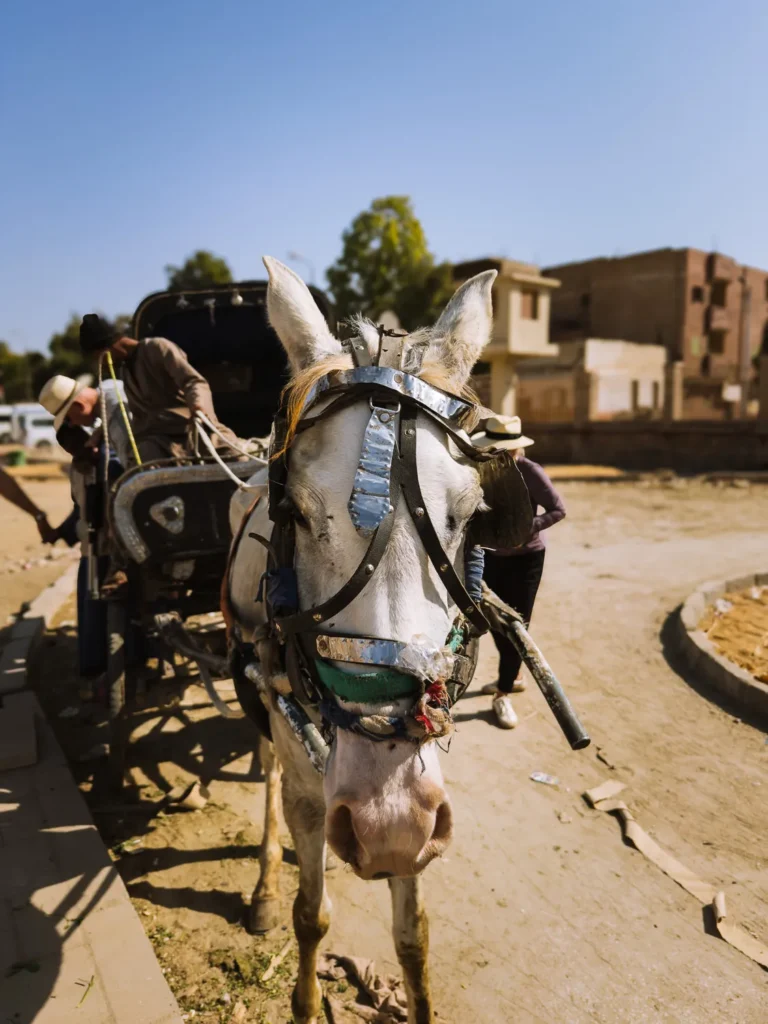
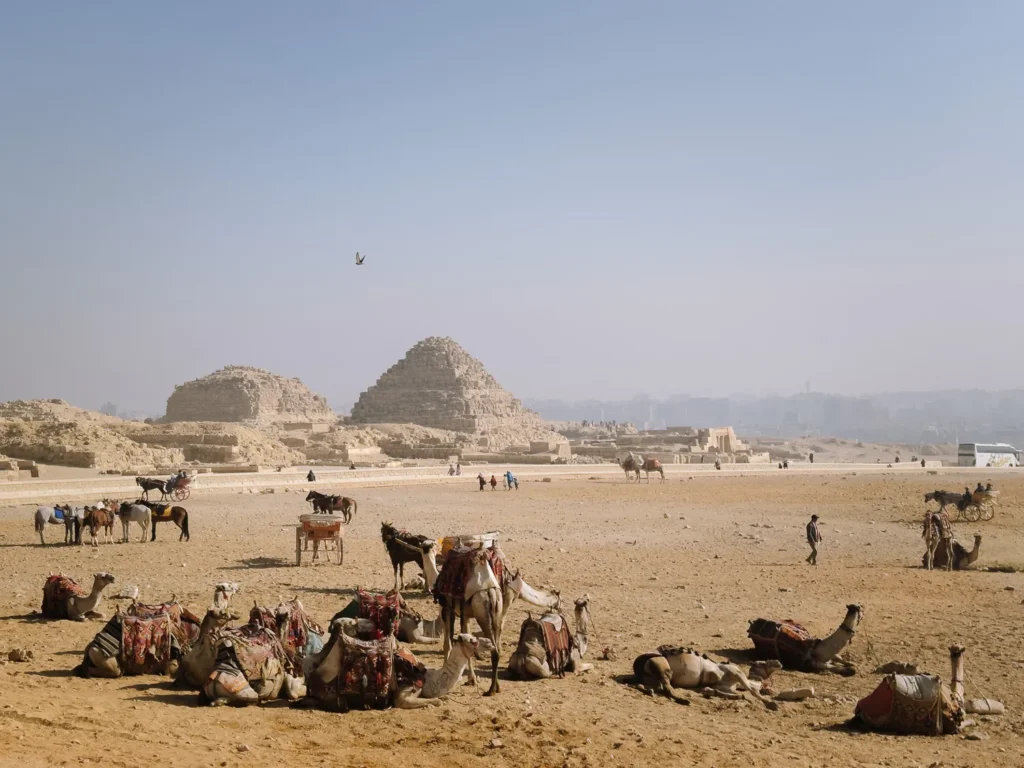
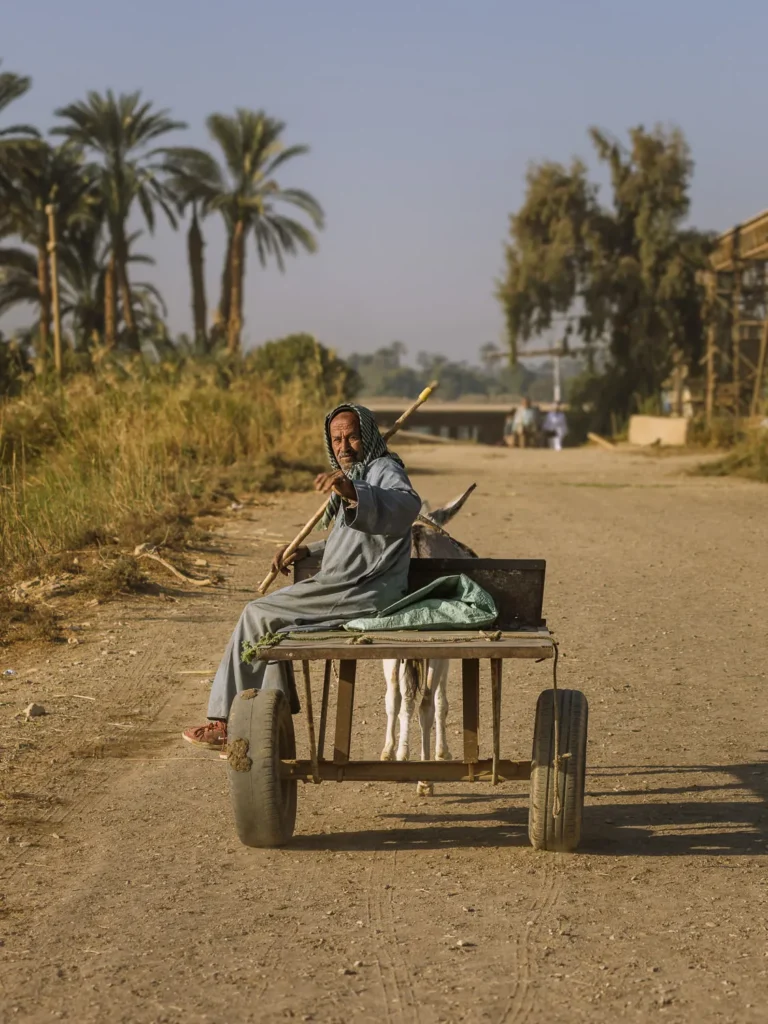
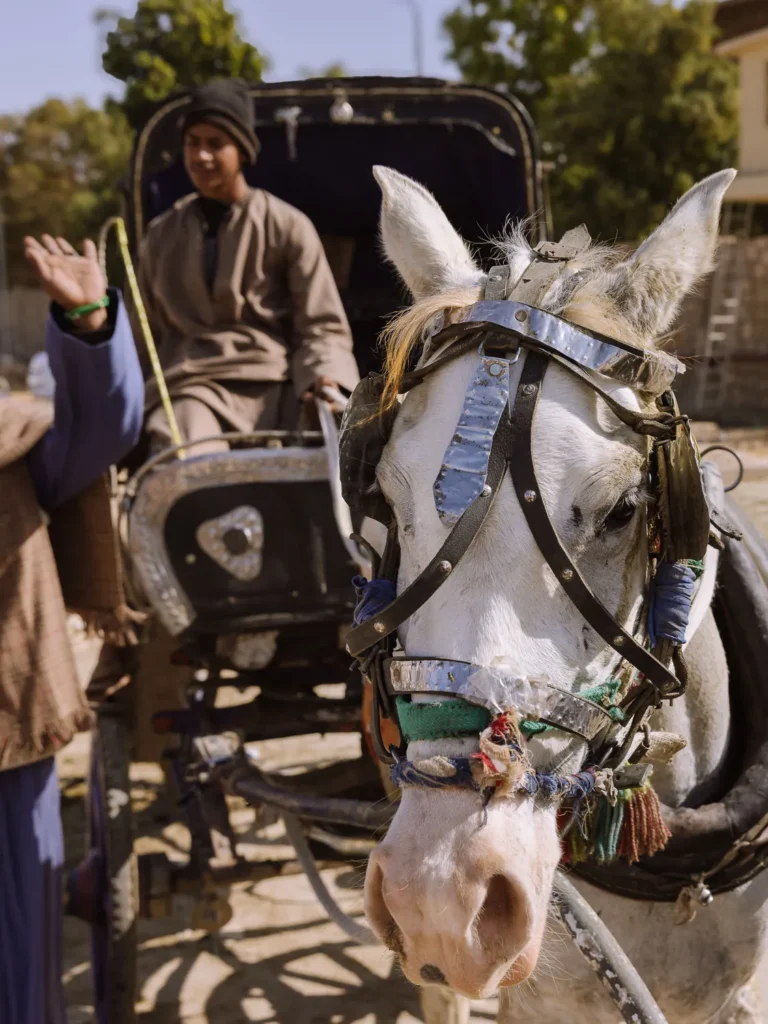
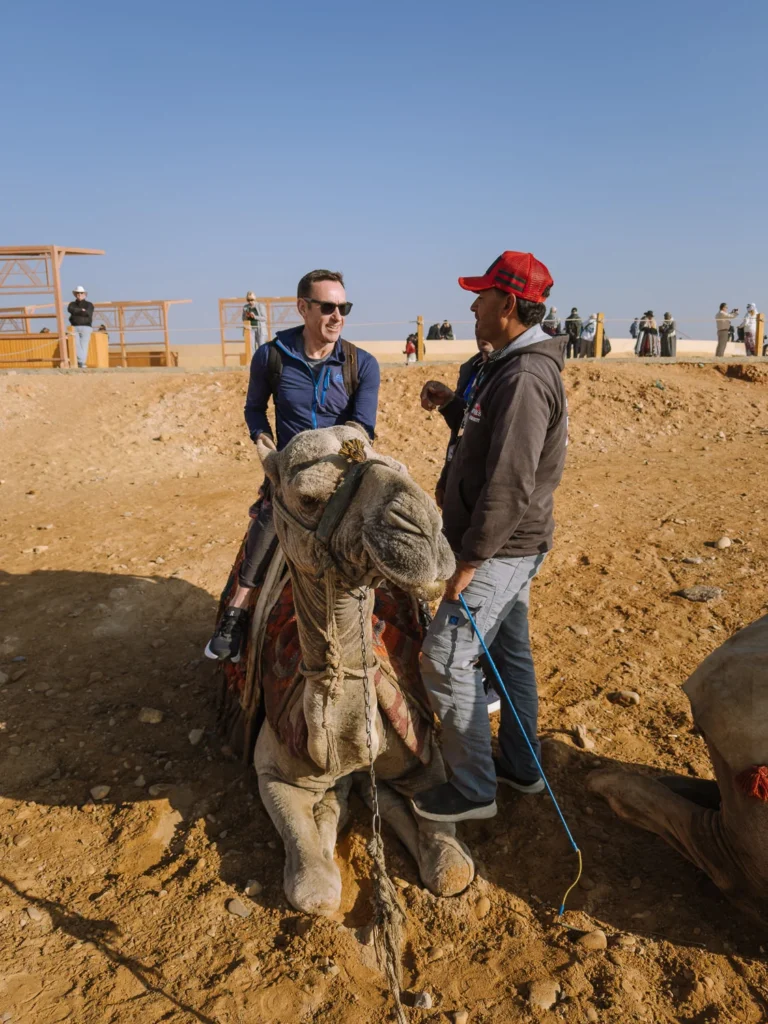
Camel and horse rides: Agree on the total price clearly before getting on. Some operators will quote a low price, then demand more money to get down or to return to the starting point. If you are going to tip after the ride (which you should do, see below), make sure you pay the tip once both feet are on the ground.
Pyramid guards: Someone in official-looking clothing might offer to take you to special areas for photos, then demand a large tip. Stick to official ticket areas and always ask to see their official guide ID.
Fake tickets: Buy tickets only at official booths, not from people approaching you.
Closed attraction trick: Someone might tell you a site is closed and offer to take you somewhere else instead. Verify independently.
Handling the Hassle
Here are a few tips to help if you are being hassled by someone particularly persistent:
- Be firm and polite but keep walking
- “La, shukran” (No, thank you) is useful
- Don’t feel guilty—persistent selling is just part of the culture
- Wear sunglasses and walk confidently
- Sit near families
- If someone is truly helpful, a small tip is appreciated
- Ignore anyone who says a site is “closed today”—it’s usually a trick to redirect you somewhere else
How to Haggle
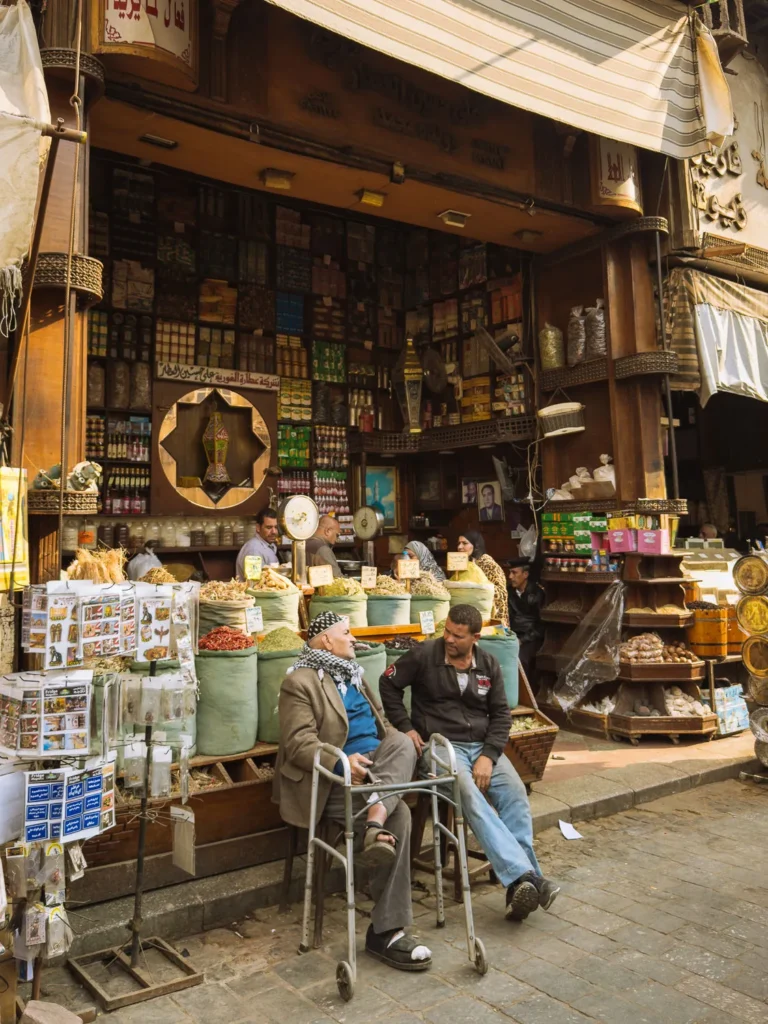
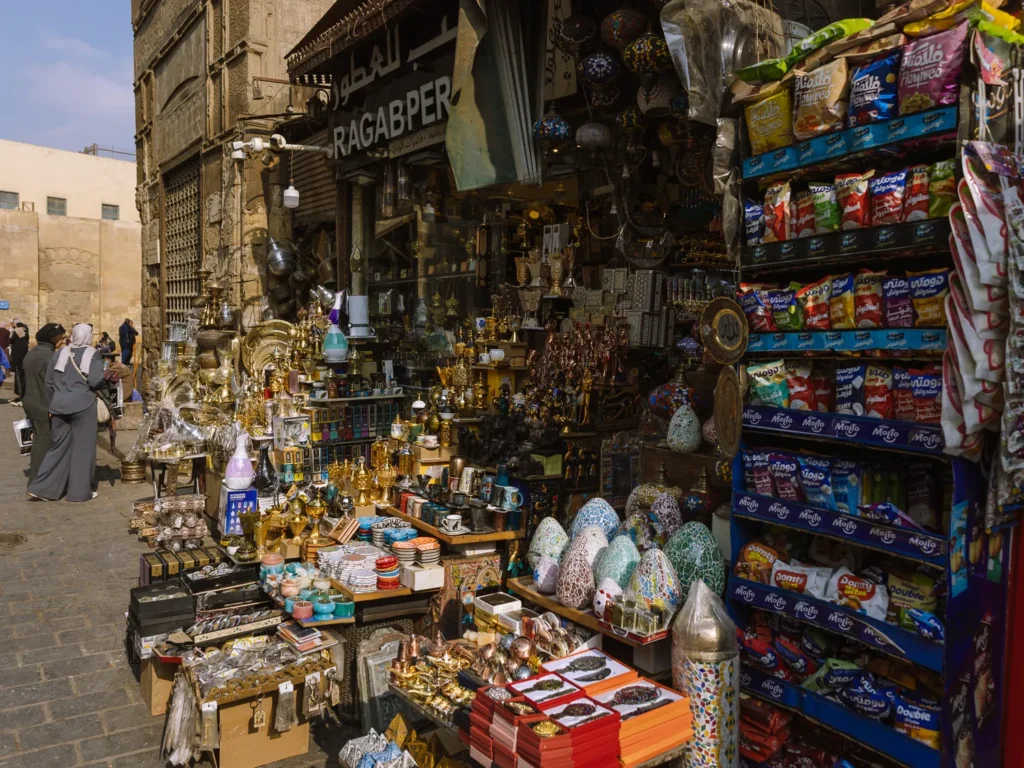
Bargaining is a social engagement in Egypt, and it’s expected in markets and souks; in fact, I think they’d be offended if you didn’t.
If a price is clearly printed, then it’s probably not up for discussion. If the price is verbal, then they’ll expect you to haggle.
Start at 40-50% of the asking price and negotiate from there. Dribble your bids upward so you don’t end up paying more than the seller expects to get.
If they don’t engage at all, you’ve started too low and probably insulted them
Egyptian sellers can be very persistent, so be patient with the process.
Don’t get overly picky with price. If you are close to what you are willing to pay, take it rather than dragging out the proceedings unnecessarily.
Most importantly, don’t start bargaining unless you’re seriously interested in buying.

How to Tip in Egypt
Tipping (baksheesh) is deeply embedded in Egyptian culture and expected for almost any service. Wages are low, and many people rely on tips as a significant source of income.
Here are a few general guidelines to help you determine how much to tip.
- Bathroom attendants: 5-10 EGP
- Luggage help: 10-20 EGP per bag
- Tour guides: 100-200 EGP per person per day
- Drivers: 50-100 EGP per day
- Restaurant servers: 10-15% if service charge isn’t included
- Hotel housekeeping: 20-30 EGP per day
- Anyone who helps you or provides a service: 10-20 EGP
Keep small bills handy. Tour guides, hotel staff, and drivers will appreciate tips in Egyptian pounds or US dollars.
There is no negotiation with tipping; it’s a way to recognise the service you received, so if a server starts haggling with you on the tip, you can politely decline and stick to your original amount.
If you’re tipping for a taxi ride, horse ride, camel ride, or private driver, make sure you hand the tip over when your feet are on the ground. It should be the last thing you do.
We often had people approach us, particularly at airports, who looked fairly official and tried to help us with something. For example, they would take our bags, put them on the security machines for us, then ask for a tip.
Just something to keep in mind, so you are aware of it. If someone helps you with something, they are generally going to expect a tip.
Photography Rules in Egypt
Most outdoor sites allow photography with your ticket, but there are a few things to keep in mind, particularly at the Pyramids.
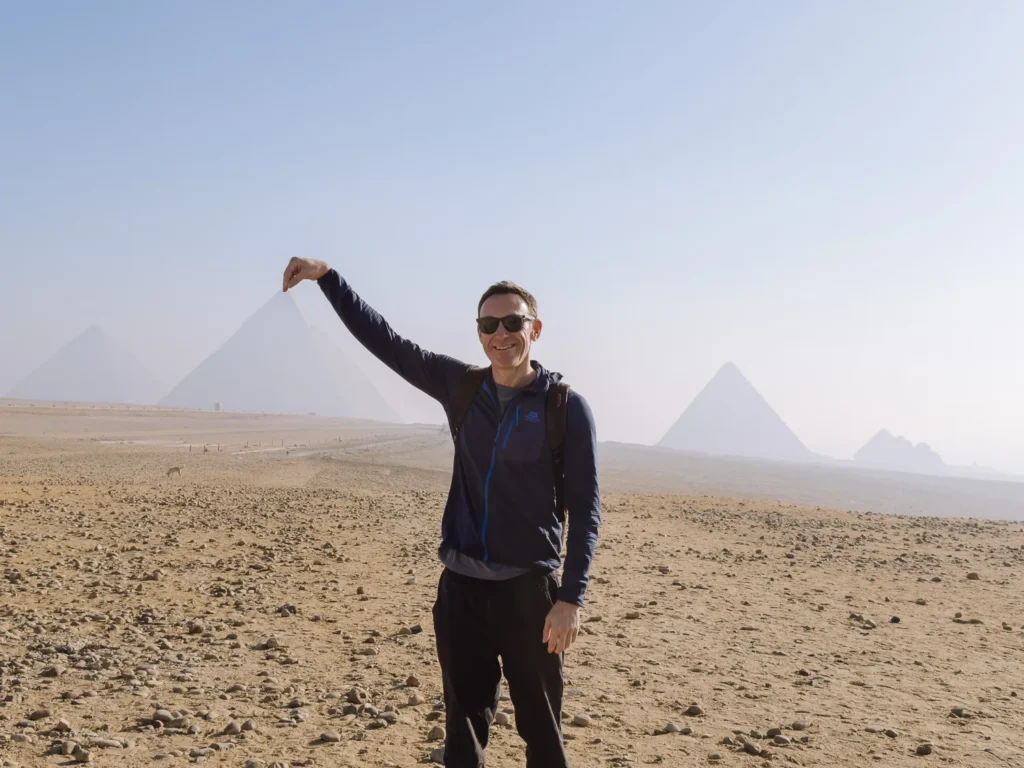
At the Pyramids, you are allowed to take in a regular camera, including phone cameras, standard DSLRs and mirrorless cameras into the Pyramids. However, there are unclear rules regarding the use of telephoto lenses or professional cameras.
Our guide told us telephoto lenses are not allowed, but didn’t specify the exact focal range. Also, it’s unclear what “professional cameras” are.
We usually travel with 3 lenses and planned to take all 3 with us. However, our guide said we may or may not be allowed in with all our gear.
So, we took our Canon R5 DSLR and a 24-70mm lens, leaving everything else behind. We had no trouble getting in, but our guide said it sometimes depends on the guard who checks your bag.
Here are a few other general points about photography:
- Professional camera equipment might require special permits at many sites, so check in advance.
- Museums and some tombs require separate photography tickets.
- Flash and tripods are often prohibited.
- Videography sometimes costs extra.
Health and Safety
Egypt is generally safe for tourists, especially in major tourist areas, which have a significant security presence. However, some basic precautions make sense:
Water: Don’t drink tap water. Stick to bottled water, and make sure the seal is intact when you buy it. Use bottled water for brushing teeth, too. Avoid ice in drinks unless you’re at a reputable hotel or restaurant.
Food: Egyptian food is great, but stick to busy, popular restaurants where food turnover is high. Avoid raw vegetables unless they’re at upscale hotels (they might have been washed in tap water). Street food can be great, but choose vendors with lots of customers.
Stomach issues: Many visitors get mild stomach upset from the change in food and water. Bring anti-diarrhoeal medication and stick to simple foods if you’re feeling off. Most cases resolve in a day or two.
Sun protection: The Egyptian sun is intense. Wear sunscreen, a hat, and sunglasses. Heat exhaustion is real—take breaks in the shade and drink plenty of water.
Travel insurance: Get comprehensive travel insurance that covers medical emergencies and evacuation. Medical facilities in Cairo and major cities are decent, but you want coverage just in case.
Women travelling alone: Egypt can be challenging for solo female travellers due to persistent attention and occasional harassment. Dress modestly, be firm but polite when declining advances, and consider joining group tours for major sites. Many women travel in Egypt solo successfully—just be prepared and aware.
Toilets and Hygiene
Bring tissues and hand sanitiser with you. Many toilets outside major hotels lack soap and water for handwashing.
You’ll also often need to pay a tip for toilet paper, so you might want to consider bringing some with you.
Have small notes or coins on hand to tip toilet attendants.
You may find the occasional squat toilet in Egypt, though we didn’t encounter one on our 10-day itinerary. So, follow that if you don’t want to squat!

More Egypt Guides
- How to plan a 7- or 10-day Egypt itinerary.
- The best places to visit in Egypt.
- Essential tips for visiting Egypt: what to know before you travel.
- The best ancient temples in Egypt.
- Nile Cruise ship vs Dahabiya: which is the best experience?
- The best things to do in Cairo (including the Pyramids).
- Plan your trip with our 2- or 3-day itinerary for Cairo.
- All you need to know about visiting the Valley of the Kings.
- What to do in Aswan, Egypt’s southern escape.
- See the best and other great things to do in Luxor.
- Your complete guide to visiting the Pyramids of Giza.

reader-supported
When you buy through links on our site, we may earn a small affiliate commission at no extra cost to you.
Thanks for your support // Paul & Mark
Exploring Cairo is truly a bucket-list experience, and I must say, this compilation of tours makes planning so much easier! The way GetYourGuide ranks activities by popularity, customer ratings, and diversity is incredibly helpful for travelers who want to make the most of their trip. I especially appreciate that the rankings are algorithmic and regularly updated, which ensures that new experiences are also highlighted fairly.