

The 12-day Manaslu Circuit Trek in Nepal is the perfect hike for your first adventure in the Himalayas. Here’s why.
By: Mark Barnes | Last Updated:
Annapurna was a trade route linking Tibet and Nepal from the early 20th century. Following the introduction of tourism in Nepal in the 1960s, the route has grown to include over 200 lodges on the circuit.
Likewise, Everest Base Camp grew in popularity from the 1980s, when micro-hydro projects provided electricity, mobile coverage and internet access.
As a result, both Everest Base Camp and Annapurna Circuit have become increasingly popular.
We were keen to see the best of the Himalayas, but we wanted a less commercialised hike, one that provided an insight into the unique culture of Nepal.
After a lot of research, we settled on the Manaslu Circuit: a 12-day semi-circular route around the 8th-highest peak in the world. Its highest point is the 5,160m Larke Pass.
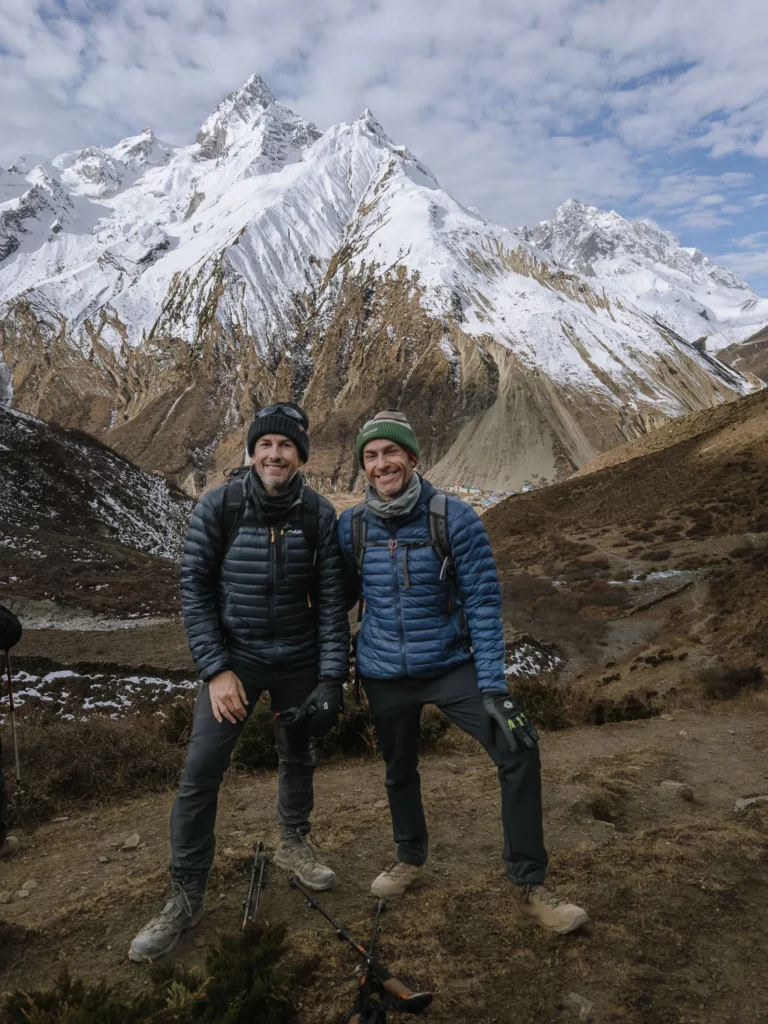
We went with a group of 8 other hikers, 5 porters, 3 assistant guides and a guide leader. It was an incredible experience, and we could not have been happier with our choice of trek.
There are many great highlights from the trip. But here are our top reasons why you might want to choose the Manaslu Circuit for your next, or even your first, Himalayan adventure.
The Scenery Is Diverse
The Everest Region probably has the most dramatic scenery in Nepal, but the Manaslu Circuit comes a close second. What makes it special is the diversity.
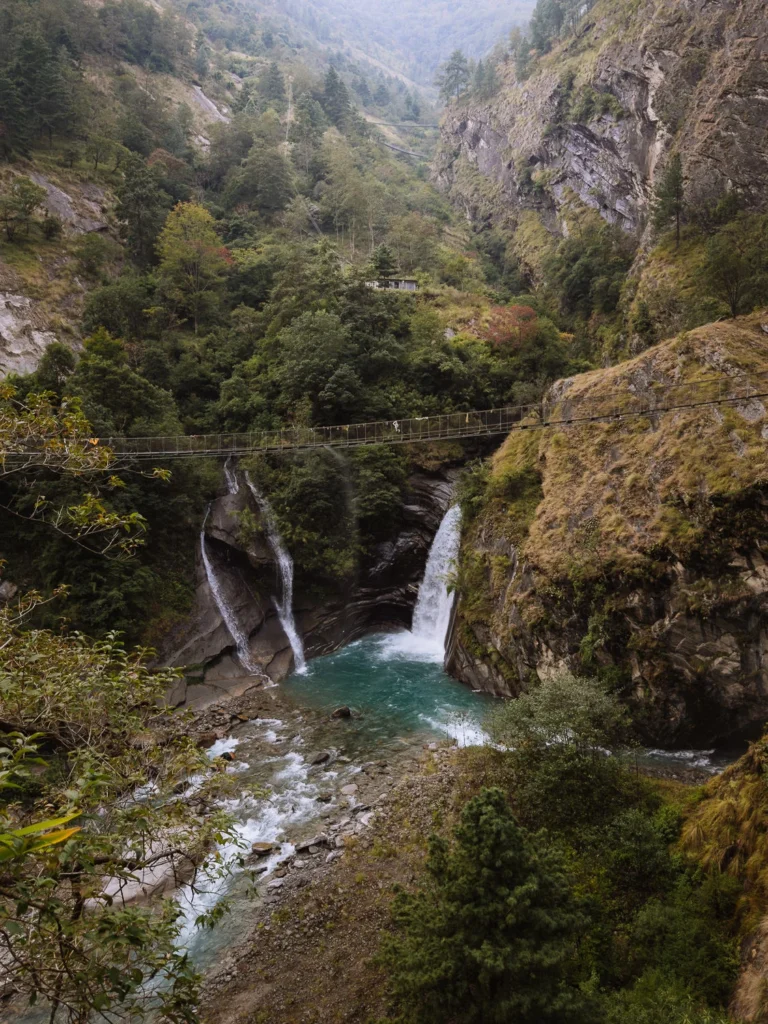
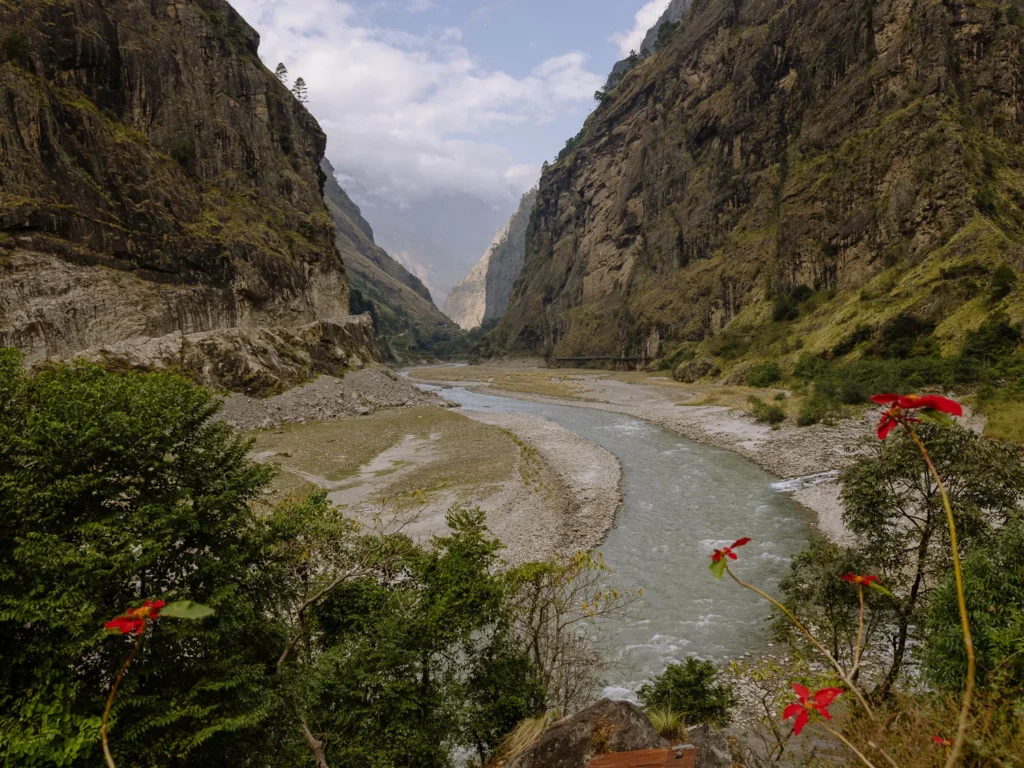
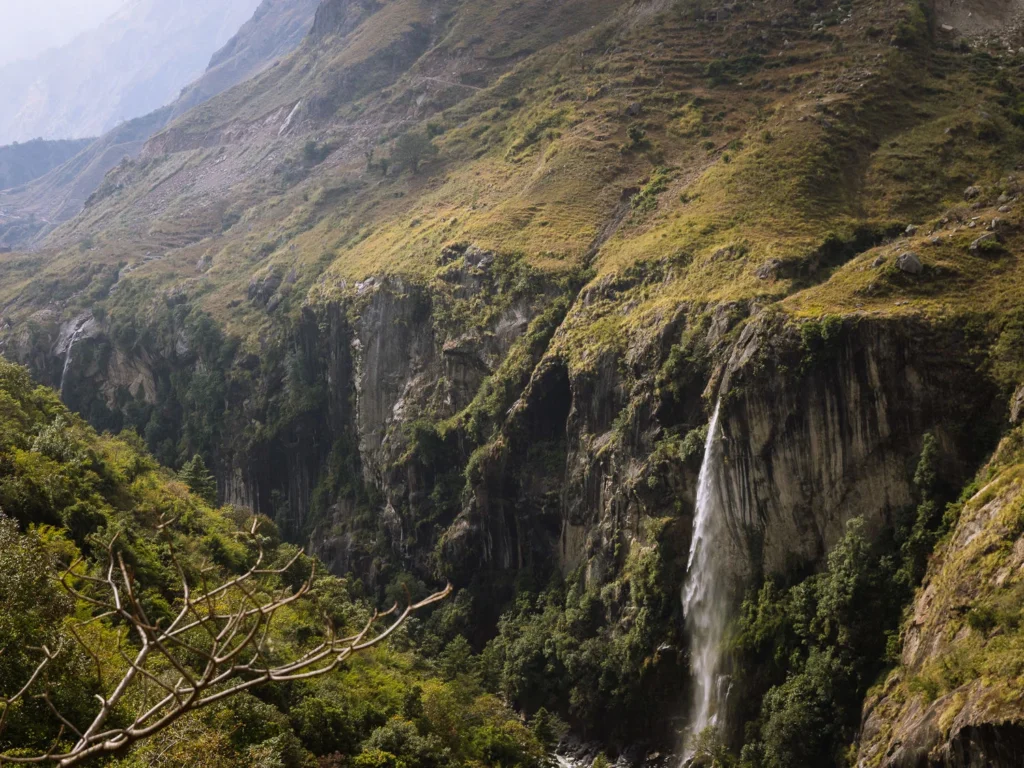
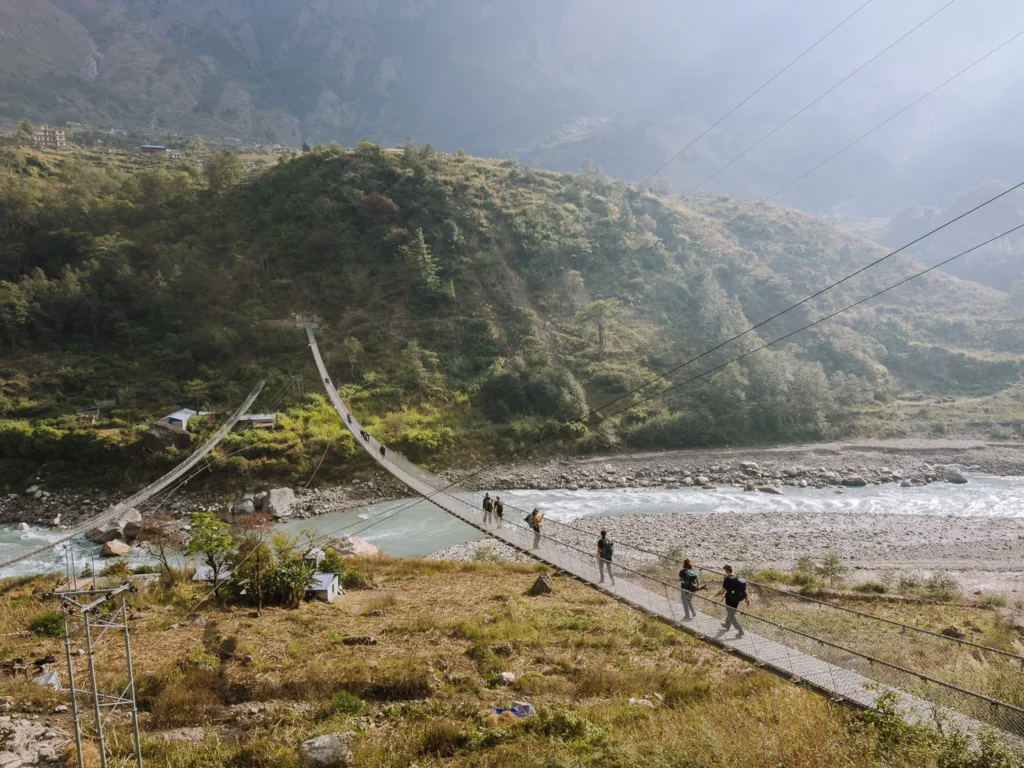
The hike begins by following the Budhi Gandaki River as it carves through a subtropical valley, crossing it several times on dramatic suspension bridges.
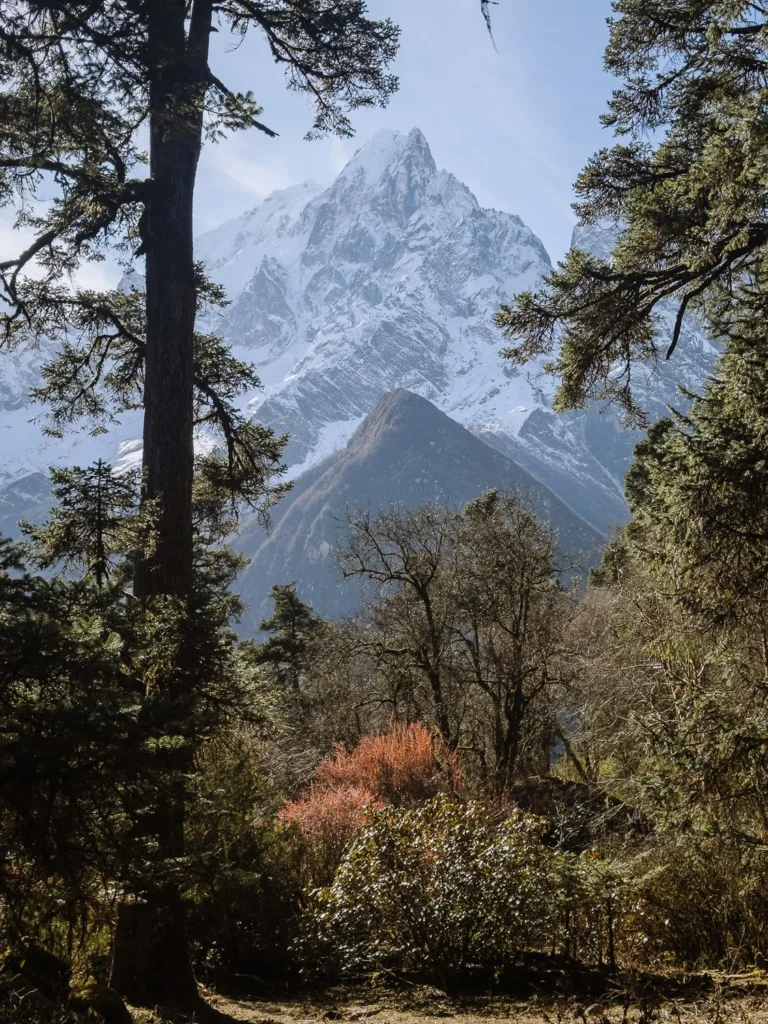
Here, the scenery includes lush green valleys, terraced fields and rhododendron forests.
After a few days, it transforms into an alpine landscape with rugged terrain and mountain peaks, climbing above the valley floor to reveal Manaslu, an 8,000m mountain with iconic twin peaks.
The landscape changes dramatically as you gain altitude near the Tibetan border, finally culminating in a barren, stark, high-altitude environment.
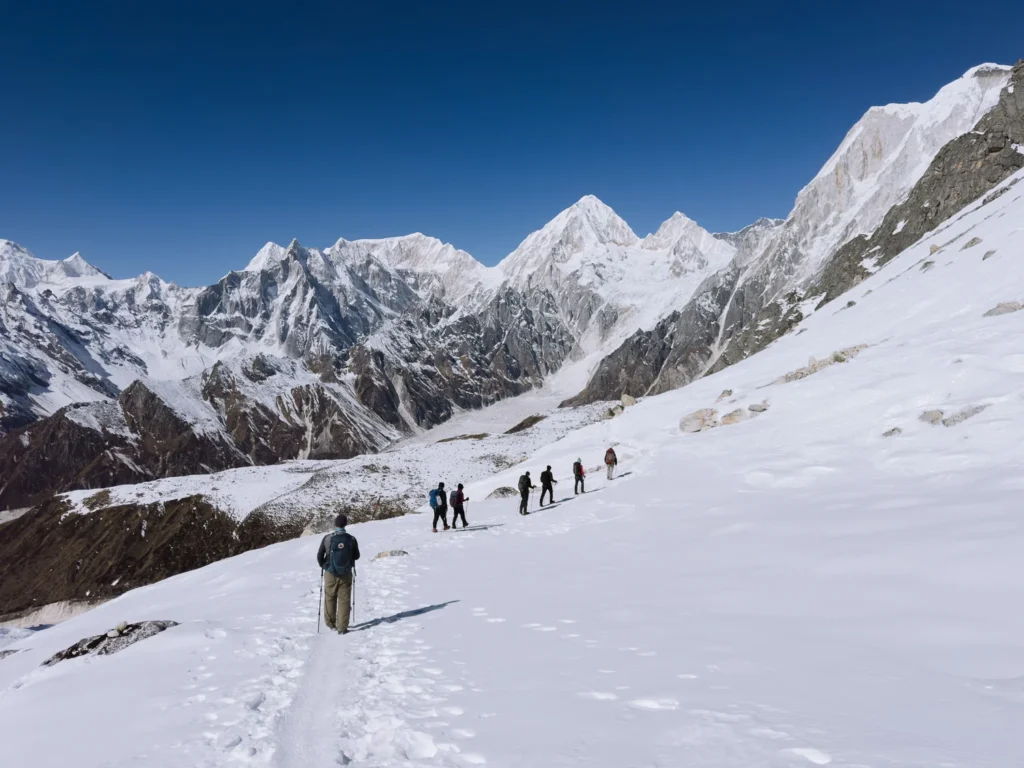
As you circle Manaslu, numerous other 7,000m mountains appear, stretching from Ganesh Himal in the east to Annapurna II in the west.
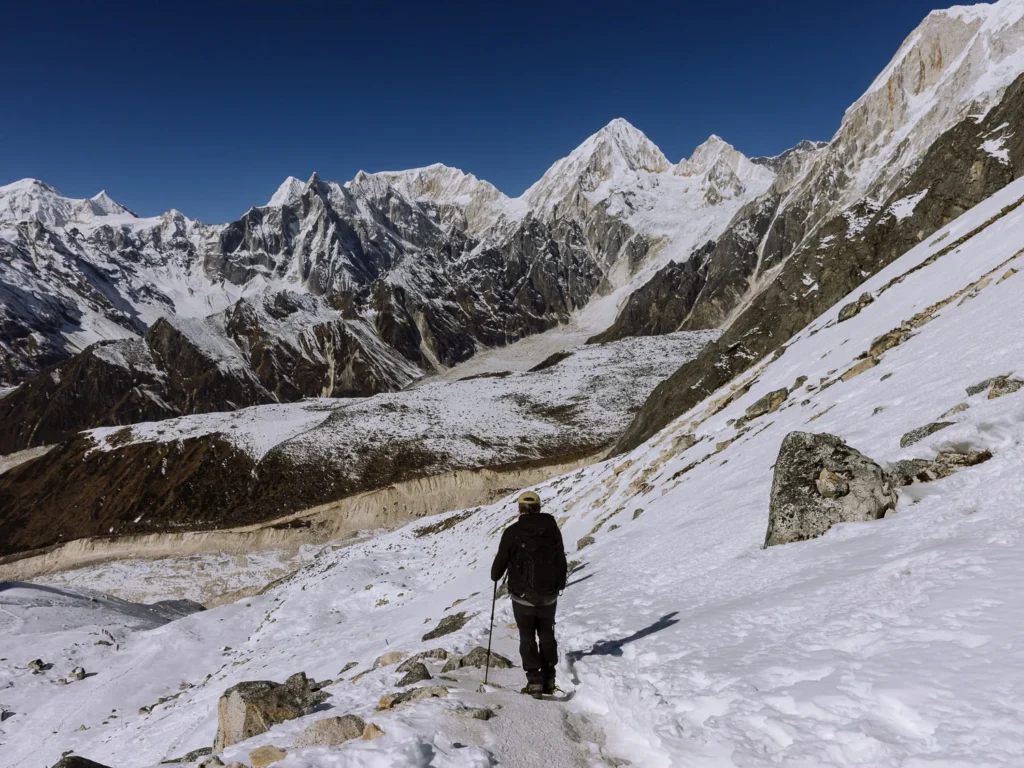
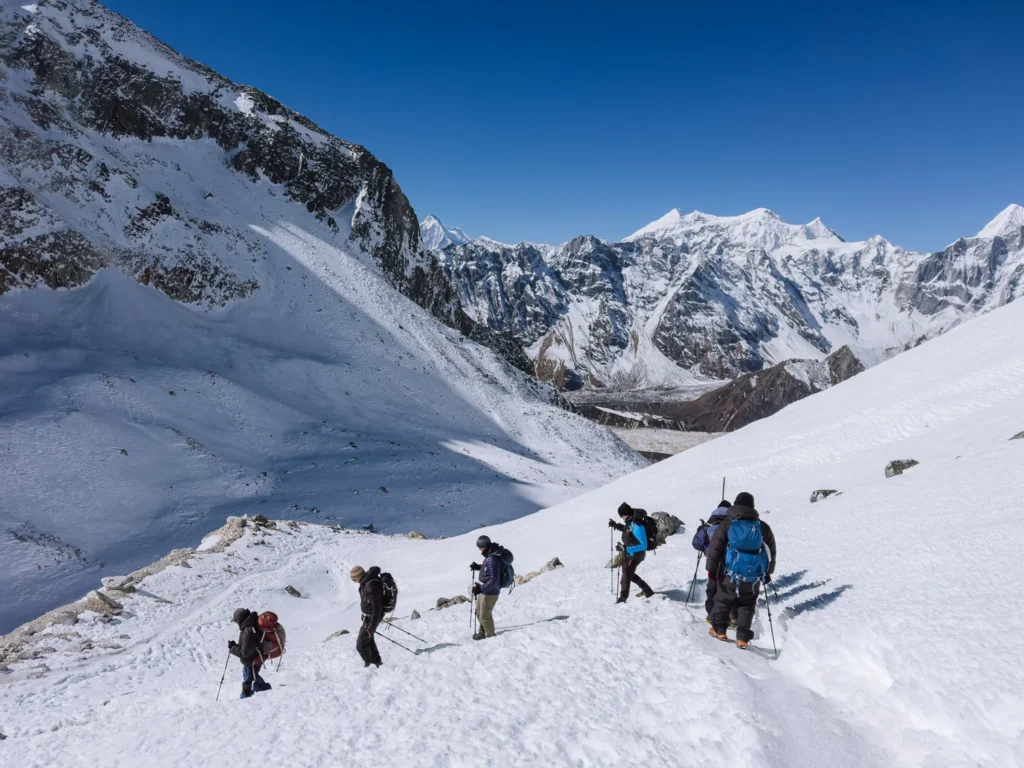
The day over the Larke Pass (5,160m) is an incredible experience. As you descend the other side, a stunning view of triangular peaks, dominated by Nemjung, rises above three spectacular glaciers.
The descent follows the Dudh Khola (meaning ‘milky’ river) as it tumbles through traditional villages and terraced fields backed by snow-capped peaks.
What we enjoyed was that every day brought something different, without missing out on those iconic Himalayan views.
It Has Traditional Tibetan Villages
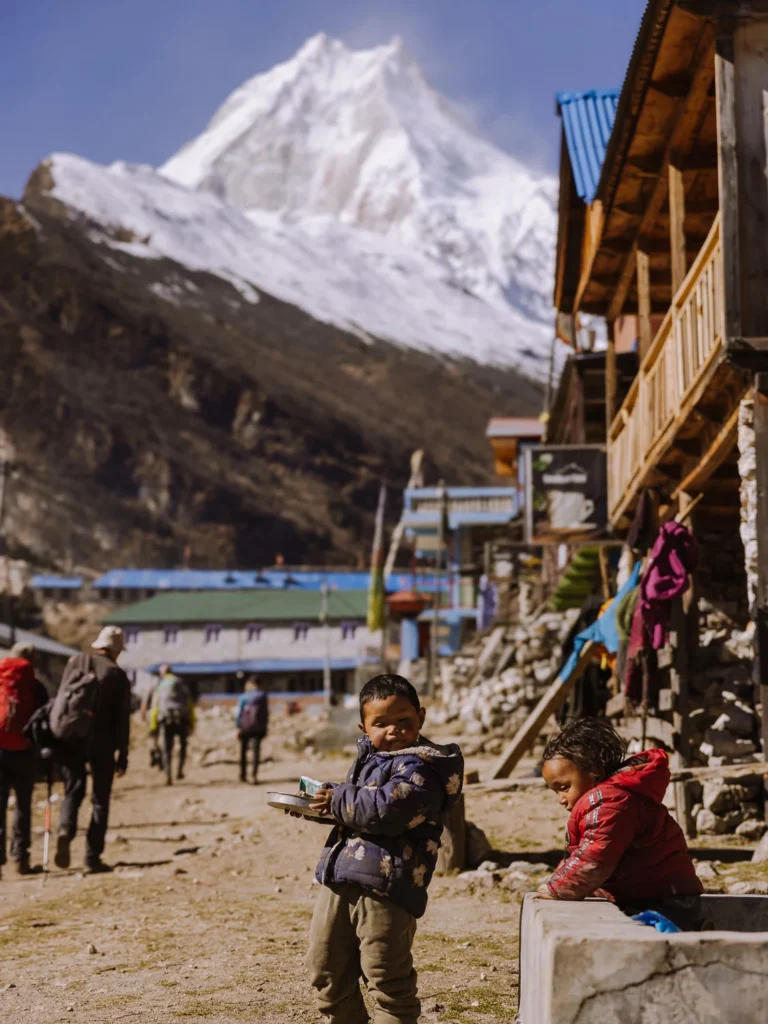
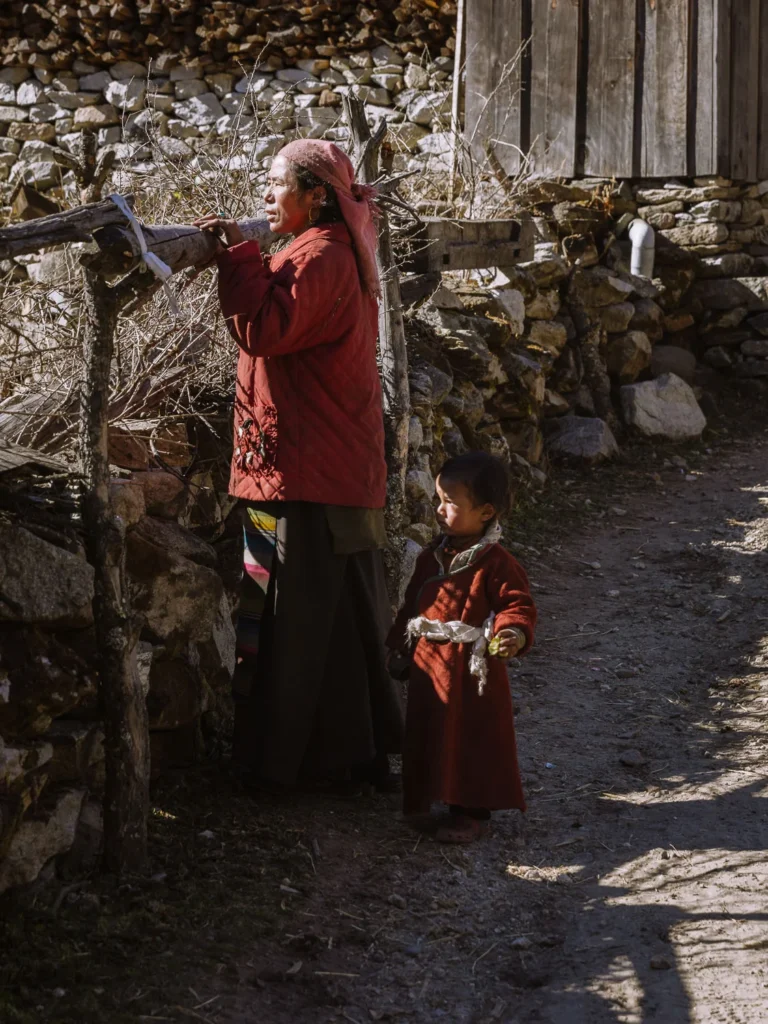
Unlike the Annapurna and Everest Regions of Nepal, whose villages are almost exclusively dedicated to tourism, Manaslu has traditional Tibetan villages with authentic local Himalayan culture.
Primarily developed by yak herders and traders, the villages on Manaslu are Tibetan-influenced stone hamlets with sloping roofs used for drying grain and for storing yak dung (used for heating).
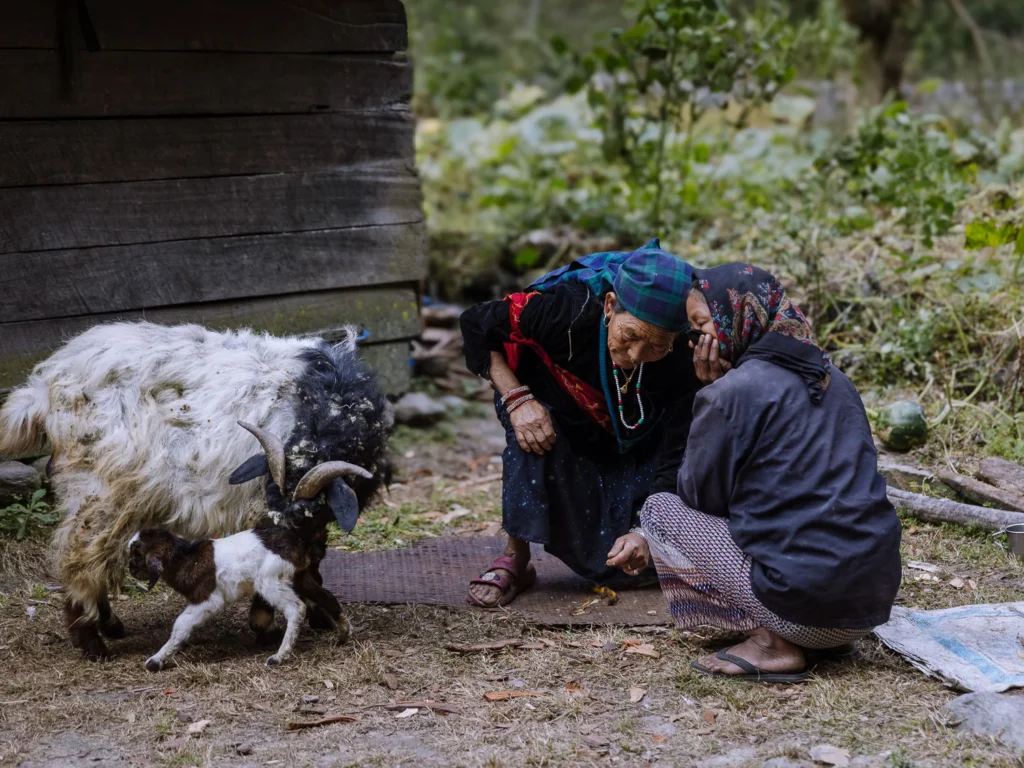
Rice terraced fields are cultivated by hand or with yaks pulling basic ploughs, and there is a steady procession of donkeys carrying supplies from one village to another.
The villages higher in the circuit are more traditional, with Buddhist influences, including mani walls, chortens and prayer flags.
Nepal is an extremely impoverished country. We found that witnessing people still living a traditional (almost medieval) lifestyle was a sobering experience and a vital part of understanding this remarkable nation.
Buddhist Spirituality Is Everywhere
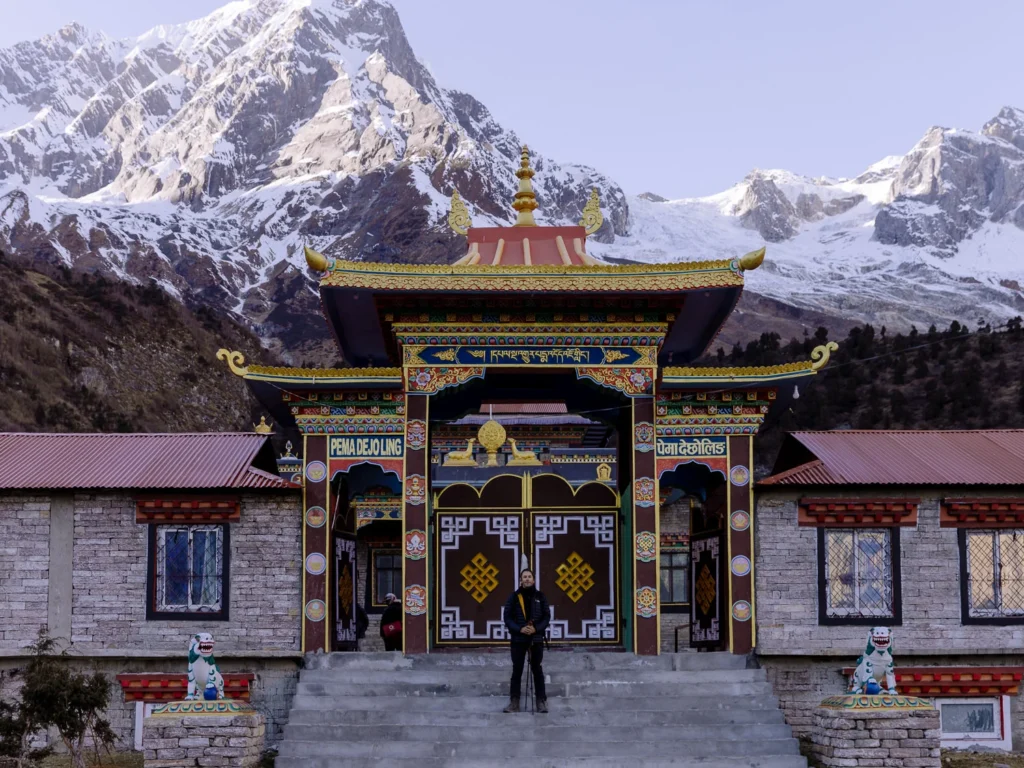
The Manaslu Circuit may begin in heavily Hindu-influenced villages, but as it heads north towards the Tibetan border, it becomes increasingly Buddhist.
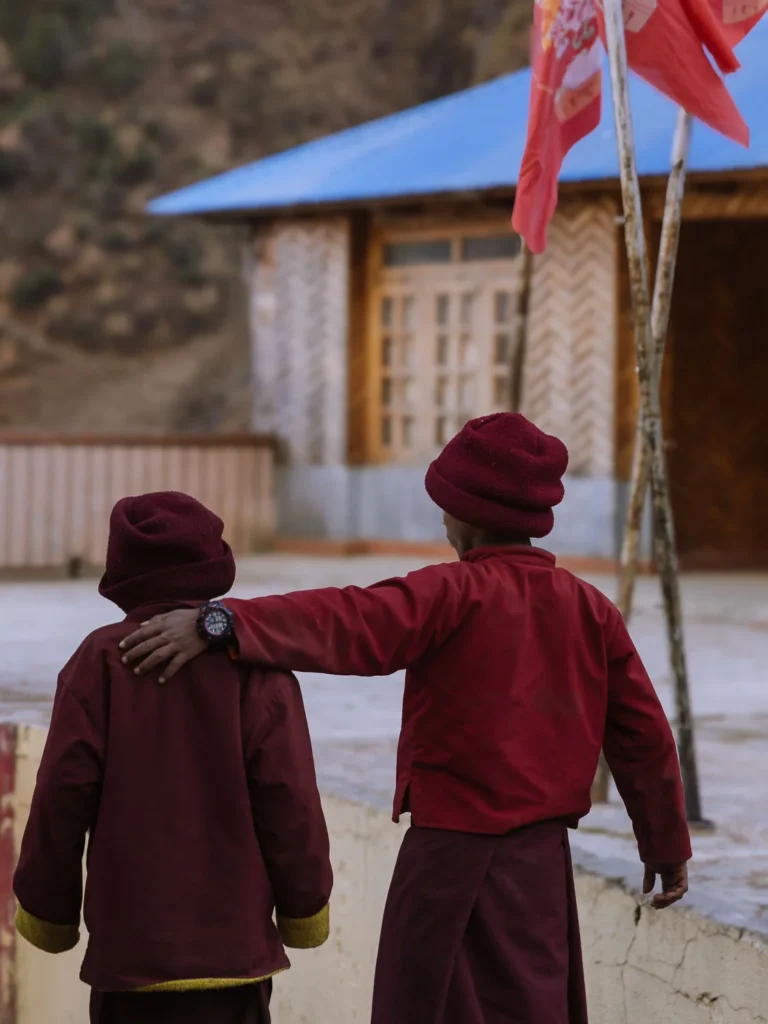
Prayer flags flutter in the breeze. Stupas conceal reliquaries from ancient times, and monasteries nestle under mighty snow-capped mountains.
This Buddhist way of life is spread not just across the land but also across the faces of the people who live there. It fosters a welcoming, friendly atmosphere for walking.
Many of the highlights of our trip involved being absorbed into this spiritual culture. We watched young monks playing football around a monastery as the sun set and saw a moving religious ceremony commemorating the recent death of a local citizen.
We found this approach to life left its mark on us, hopefully for many years to come.
It’s Less Busy
The Manaslu region was closed to foreign tourists until 1991, effectively blocking the development that occurred after Nepal opened to the outside world in 1951.
This closure to the outside world was critical to the preservation of the area.
A strict permit system is in place to control the number of trekkers and prevent trail degradation.
To trek the Manaslu Circuit, you need a certified guide and a permit. It pushes the cost up (a bit), but it means the authorities can regulate the number of people on the trails.
The result is quieter trails than you get on the Annapurna Circuit or Everest Base Camp Treks.
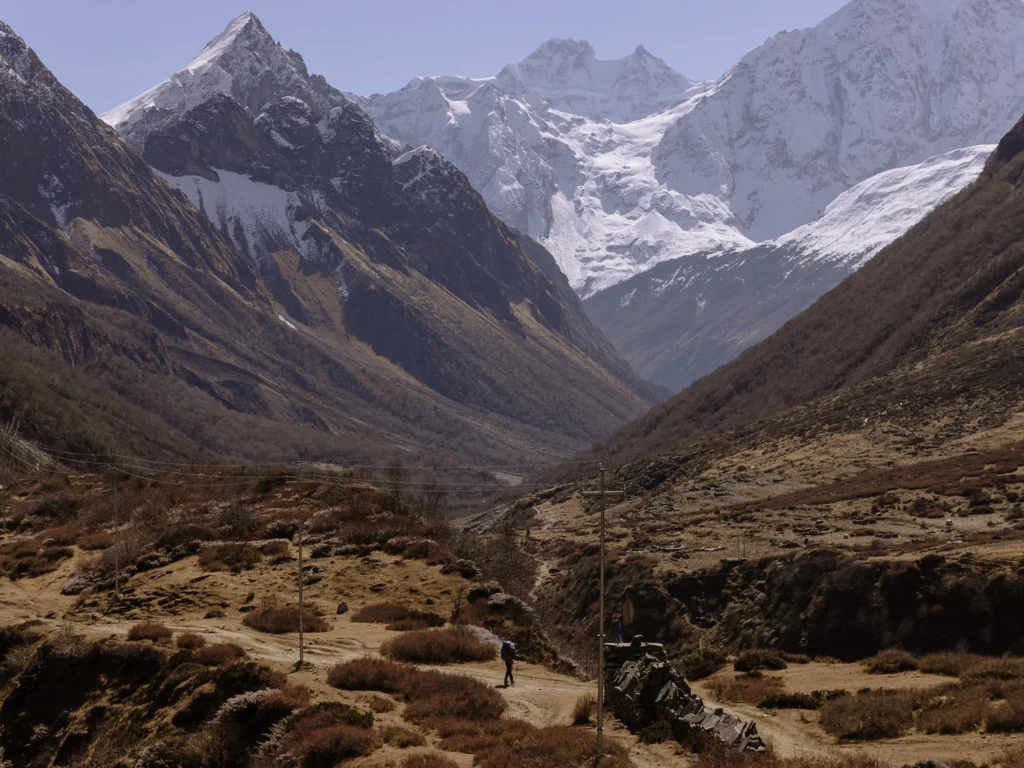
That does not mean you will not see other people on the path; there is still a steady stream of hikers. But it does mean you are unlikely to be in a big queue of walkers all setting off at the same time.
We completed the trek in the final week of the peak trekking season (at the end of November), and on the busy day over the pass, we shared the trail with fewer than 100 other people.
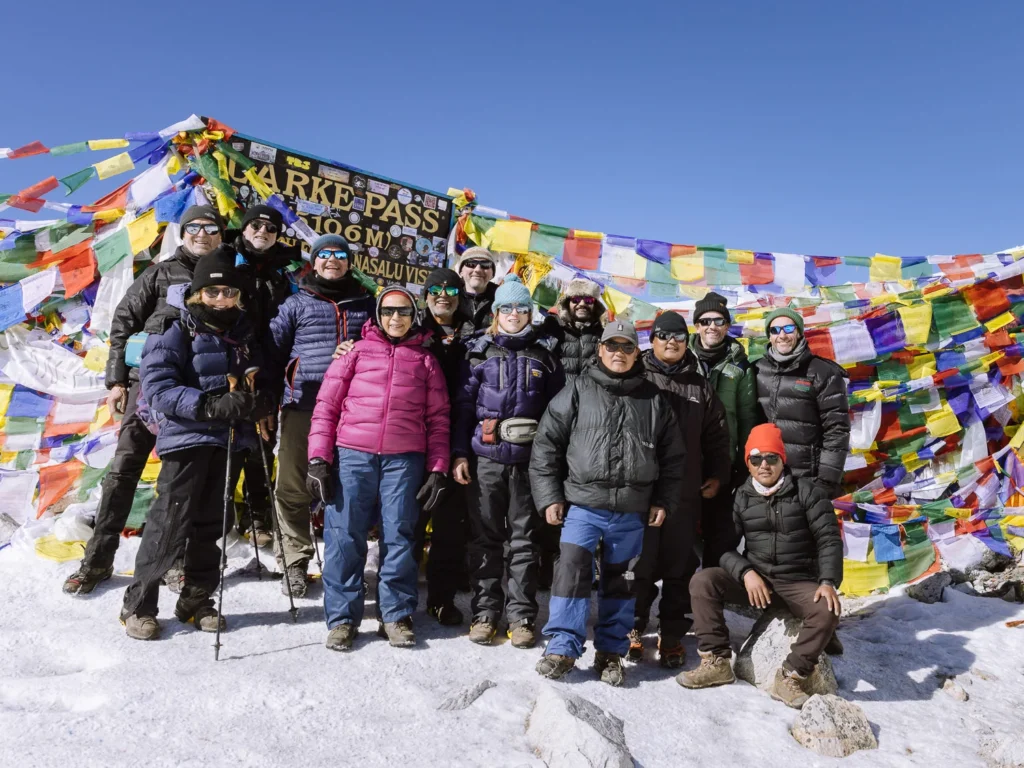
When we arrived at the top of the Larke Pass (5,160m), there were about 30 other people, but by the time we left, we were almost the only group.
The Acclimatisation Is Well Planned
If you have ever flown into Cusco in Peru (3,400m altitude), you’ll know what it means to have a bit of altitude sickness. Upon getting out of the plane, you feel a little dizzy with shortness of breath, and can quickly develop a headache.
Taking your time to acclimatise to higher altitudes is an integral part of trekking. If done incorrectly, you can suffer Acute Mountain Sickness, requiring you to turn around and head back down.
Or more seriously, you might develop medical emergencies like HAPE (High-Altitude Pulmonary Oedema) and HACE (High-Altitude Cerebral Oedema). HAPE involves fluid in the lungs, making it difficult to breathe, whereas HACE involves fluid build-up in the brain, leading to neurological symptoms.
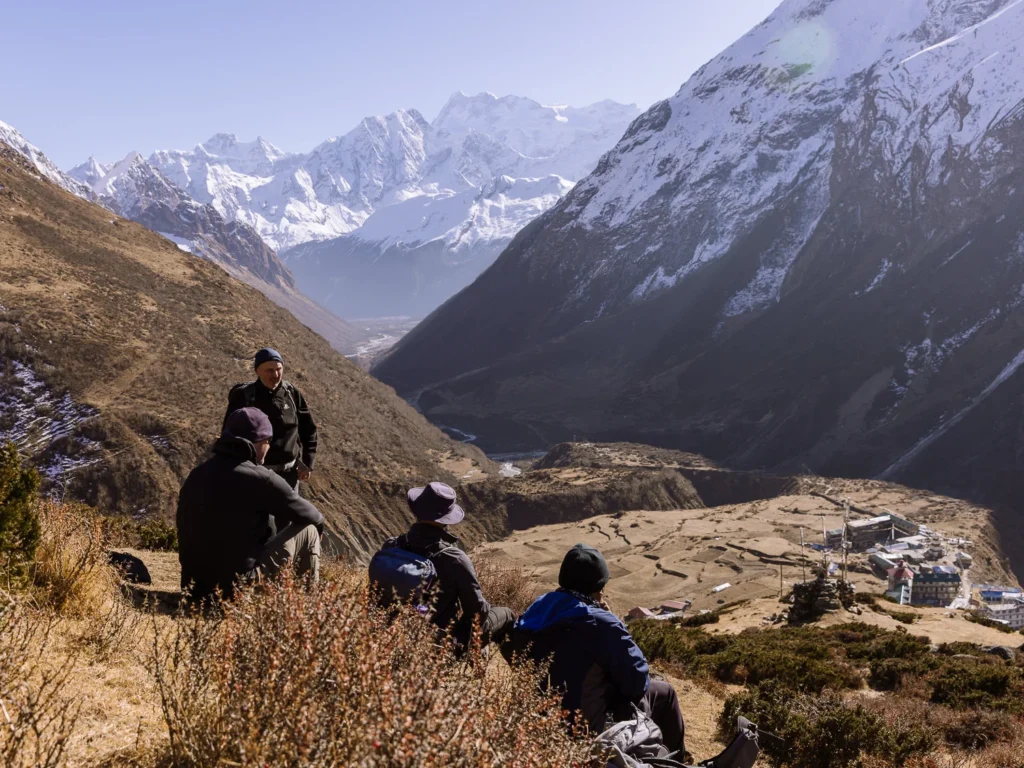
One of the great benefits of the Manaslu Trek is that it starts at a low altitude (870m) and gains height gradually. The high pass of Larkya La (5,160m) is only reached after 10 days of trekking, giving you plenty of time to get used to the lower oxygen levels at this higher altitude.
While 10 to 20% of hikers on the Everest Base Camp Trek may have to turn back due to altitude sickness, the success rate of completing the Manaslu Trek is much higher.
In our group of 10 people, everyone made it over the pass.
The Ecosystems Change
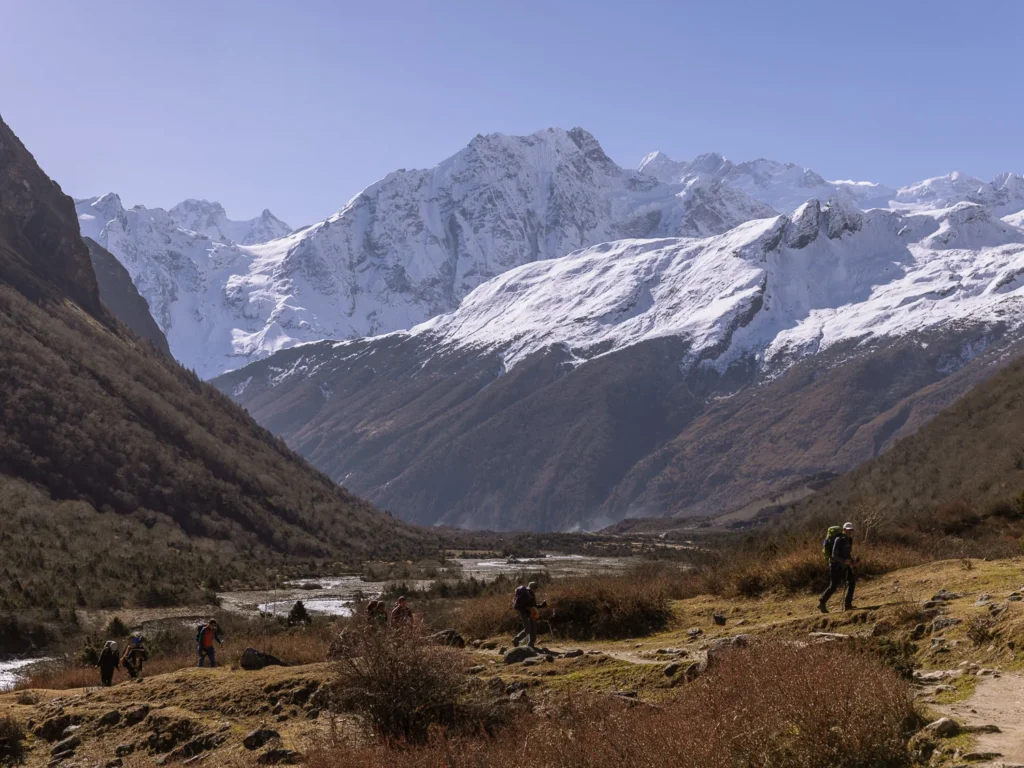
Another benefit of starting at only 870m in altitude and gradually rising to 5,160m is that you experience many different ecosystems.
The trail begins in the subtropical zone. For the first two days, the hike stayed close to the Budhi Gandaki River in the jungle. We saw bamboo groves, orchids, ferns, giant Sal trees and a couple of families of white-faced Langur monkeys.
The path then rises above the river and heads through a temperate subalpine forest zone. The temperatures cooled, and we were surrounded by a mixed forest of rhododendron, oak, pine and Himalayan alder trees.
Finally, the trail enters an alpine subarctic zone.
Above the treeline, we walked through a rocky, windy and arid landscape. Stunted shrubs dotted wide U-shaped valleys before giving way to a world of ice and snow.
There is some unique wildlife up here, and we were lucky enough to see a herd of blue sheep. Unfortunately, the elusive snow leopard stayed out of sight.
After crossing the high pass, the trek descends back through each ecosystem, completing a rewarding cycle of the different types of life in Nepal.
It’s a Circular Route
Several popular treks in the Nepal Himalaya are out-and-back hikes. This means that you are repeating some of the trails you have already walked.
But Manaslu is a circuit, and apart from several short there-and-back acclimatisation hikes, you never retread ground already walked.
Manaslu Is a Teahouse Trek
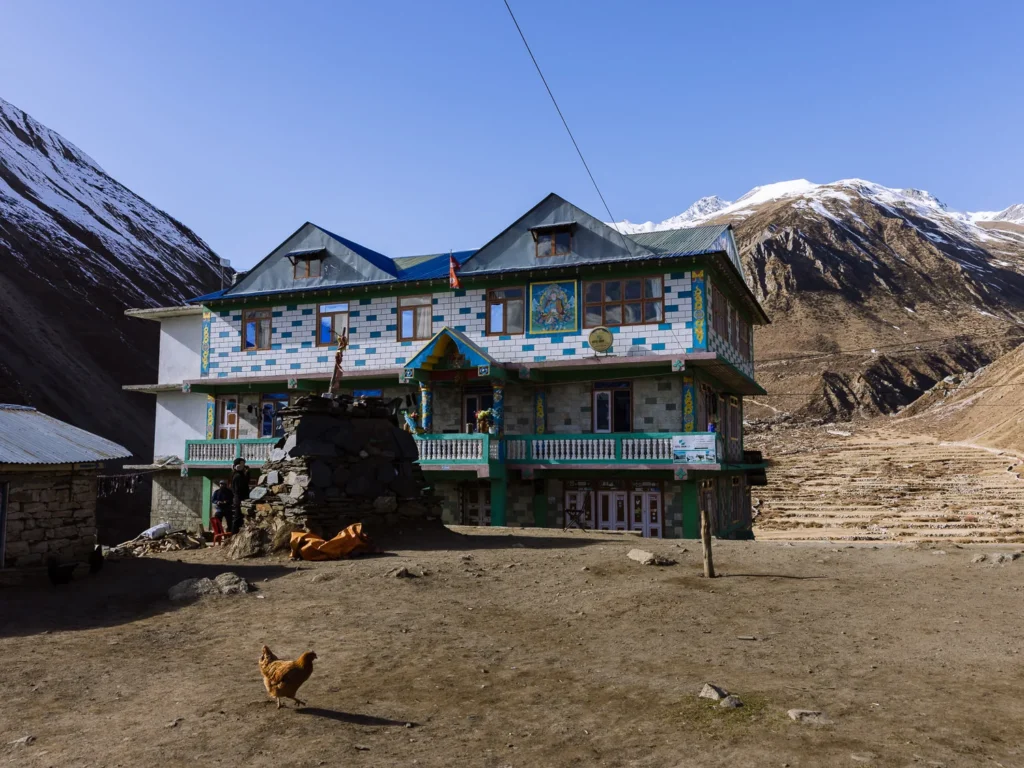
The other great thing about Manaslu is that it’s a Teahouse Trek, where accommodation is provided in small, locally built hotels centred on small communities.
Teahouses on the Manaslu Route only started appearing in recent years. Following the development of the final teahouses at Dharamsala—the highest point before crossing the Larke pass—it’s now possible to complete the entire circuit without camping.
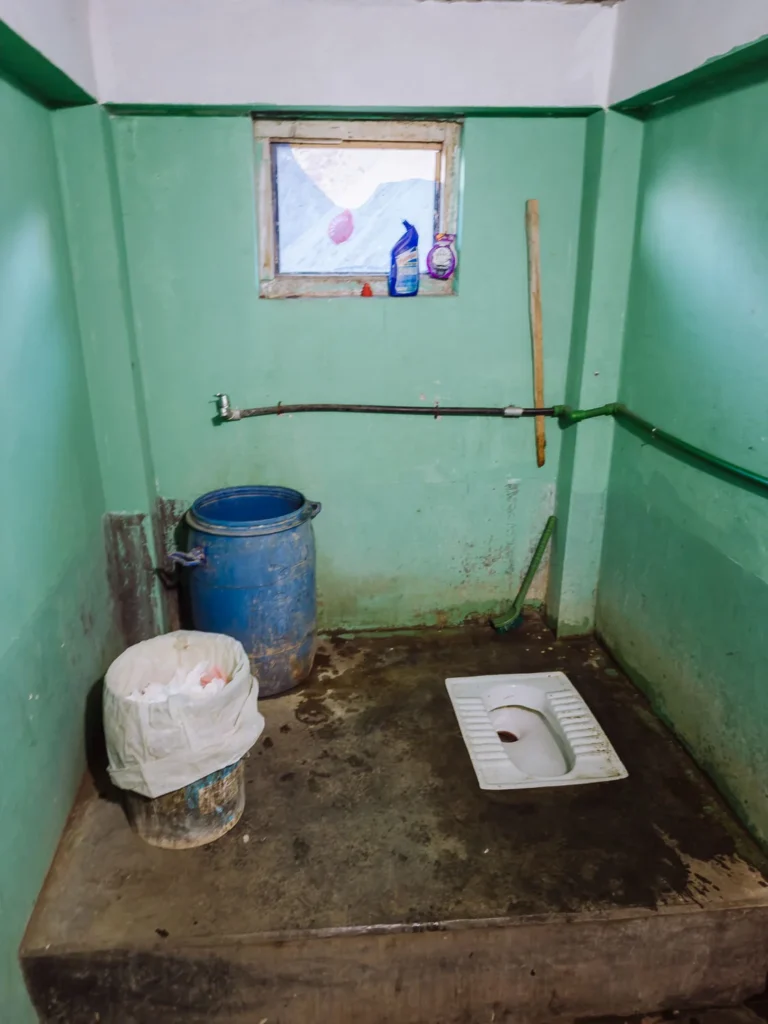
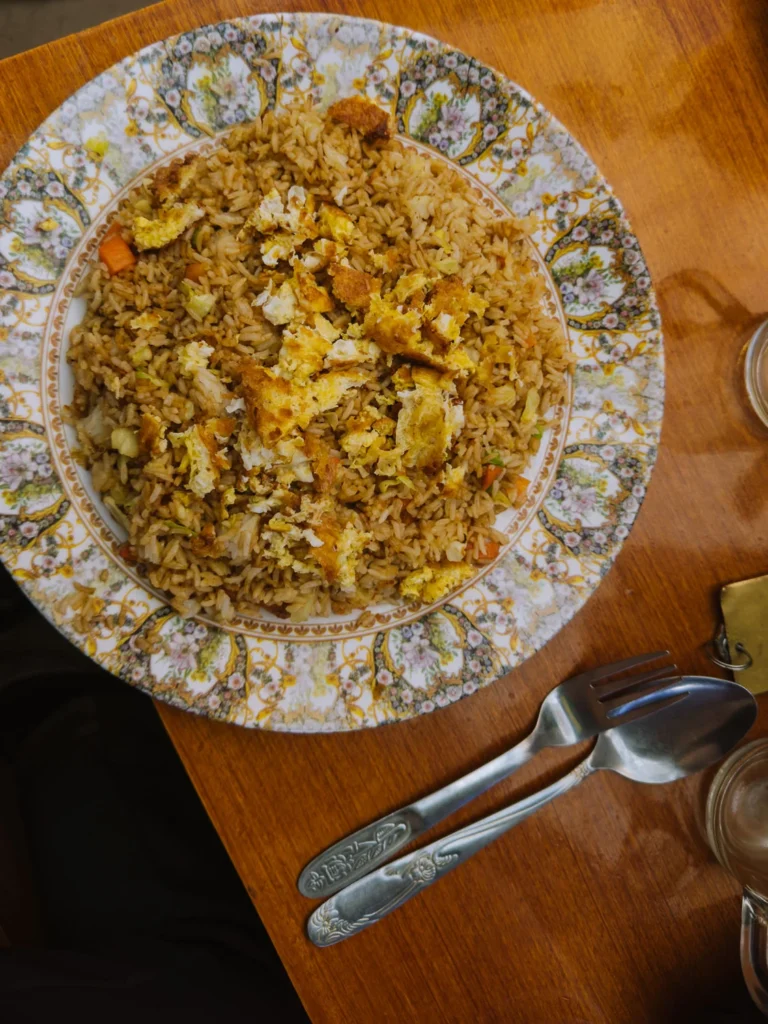
Teahouses provide small, basic and unheated rooms. Most have a table, and everywhere we stayed, they provided a mattress and a pillow. Some at lower altitudes had en-suite bathrooms, but most offered only shared facilities, including a weak but hot shower. There are a few western-style toilets, but most of them are squat toilets.
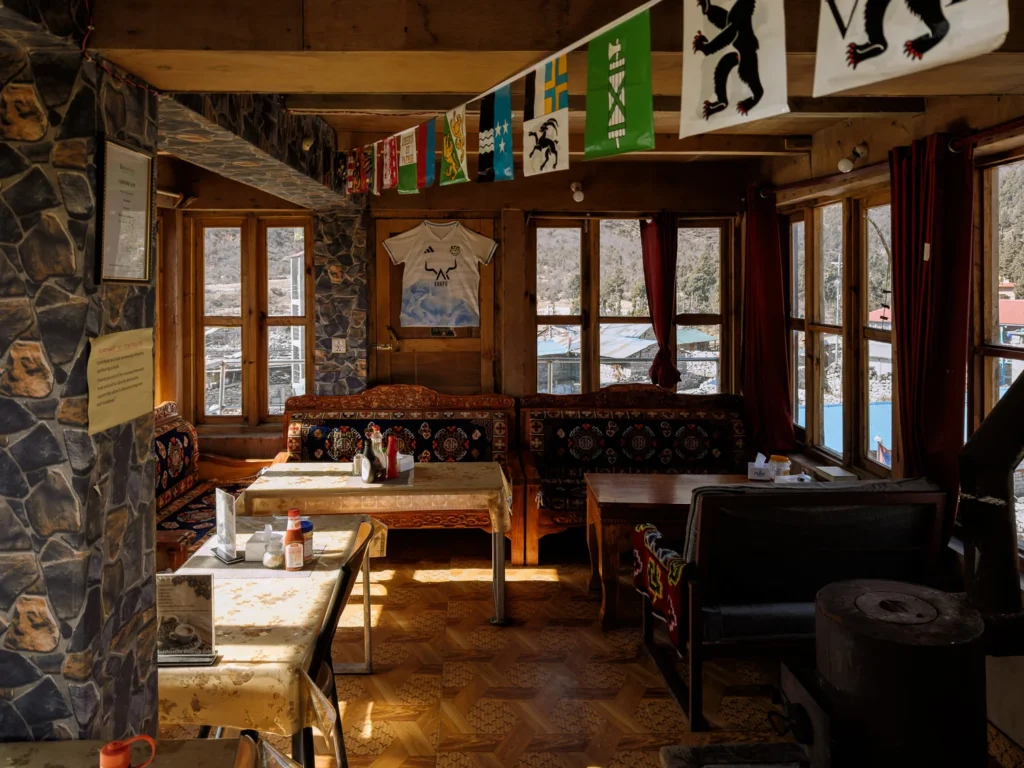
Teahouses have a communal room that is usually heated for a few hours over dinner, providing an environment where you can mix with your fellow trekkers. All have a menu from which you can order food and buy basic supplies such as chocolate bars.
We spent many fun evenings playing cards and chatting with our group.
Overall, we thought the Manaslu Circuit offered a good balance between being in a remote environment and having significantly better facilities than camping. We think it makes a good choice for those coming to the region for the first time.
You Need to Trek in a Group
To hike Manaslu, you need to have a qualified guide with a group of at least two trekkers.
Paul and I have traditionally been independent hikers, and we enjoy heading off the beaten track on our own.
But the increased risk of hiking at these altitudes in the world’s highest mountain range meant we were keen, not just to have a guide, but also to be part of a group.
We were fortunate to share the trek with a wonderful group of fun, interesting and entertaining people, and if you are worried that it might be too late to undertake the challenge, think again.
We had four people over the age of 70 in our group. Each of them was utterly inspiring, not just on the trek but also in their approach to life itself.
More Nepal Guides
- How difficult is the Manaslu Circuit trek in Nepal?
- What is it like hiking the Larke Pass on the Manaslu trek?
- Nepal Tea Houses – our experience staying in the Himalayas.
- Why the Manaslu trek is perfect for first-time hikers in the Himalayas.

reader-supported
When you buy through links on our site, we may earn a small affiliate commission at no extra cost to you.
Thanks for your support // Paul & Mark
Excellent description. Certainly great deal to learn for Nepal Novice.
Thanks Kirit. It’s the perfect introduction to trekking in Nepal.
This is fantastic – a real treat to read and to remind us of what a wonderful trek it was. We loved the company of you two as well and will certainly be following your blog for ideas of where to roam next.
Thank you Jane. We loved your company as well. Great to relive the memories but putting our content together. Stay tuned for more!
Paul. xx
Very nice article. Get an idea.
Glad you liked it.