

Our 2-day Buenos Aires itinerary is perfect if you’re planning a quick trip to the Argentine Capital and want to see all the top sights.
By: Paul Healy // Last Updated:
There’s something about Buenos Aires.
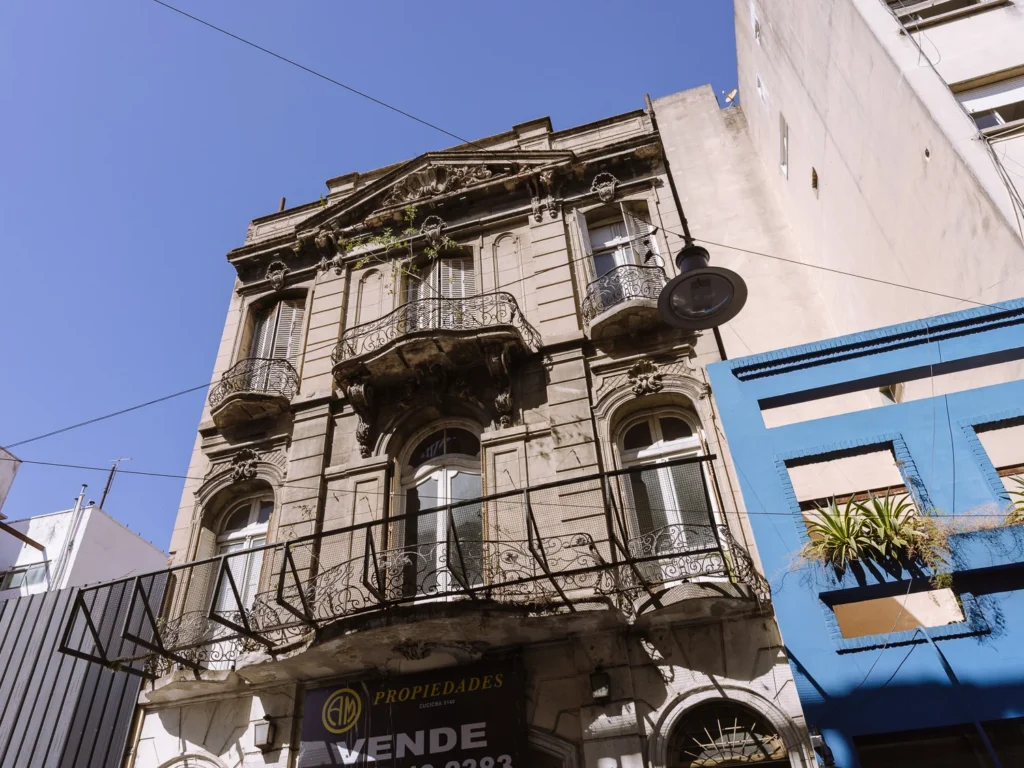
Grand tree-lined boulevards, crumbling baroque façades and the smell of grilling meat drifting from open restaurant doors, tango spilling out onto the street, make it feel like nowhere else.
It’s a city that runs on coffee, passion and a complete disregard for time. If you want somewhere to hang out, Buenos Aires has got you covered.
We were in Buenos Aires at the start and end of our Patagonia trip, spending 5 full days in the city.
In all honesty, most people probably won’t spend quite that long, and if you just want to see the main sights, this Buenos Aires itinerary is for you.
It’s long enough to get a feel for the city, to stroll some cobblestoned streets, visit the city’s tourist attractions and try a good steak.
If you have more time on your hands, you’ll no doubt be able to enjoy the culture at a more relaxed pace, but we haven’t really left anything off this itinerary from a tourist point of view.
Map: Buenos Aires Itinerary
The map below plots everything in this itinerary — all the main sights, recommended restaurants, bars and cafés across both days.
Day 1 covers the southern and central neighbourhoods of La Boca, San Telmo and the Historic Centre, while Day 2 takes you north through Recoleta and Palermo.
You can open the map on your phone and use it as a guide as you go.
Click on the top right corner to open our map in your Google Maps app. Click the star next to the title to save it to your Google account.
Our 2-Day Buenos Aires Itinerary
Day 1: la Boca, San Telmo & the Historic Centre
We suggest spending the first day in Buenos Aires in the south, where you can visit La Boca and San Telmo. Early morning is good before the tourist buses arrive.
After that, you can walk north through the historic centre, which gives you a natural through-line for the day.
La Boca: Caminito
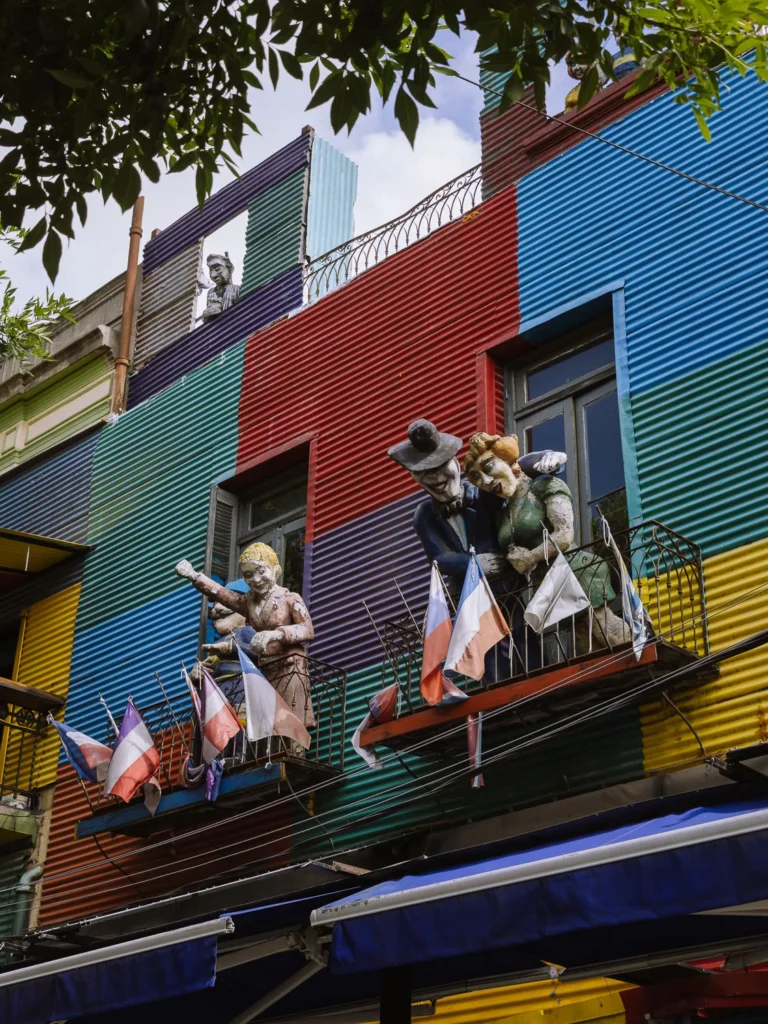
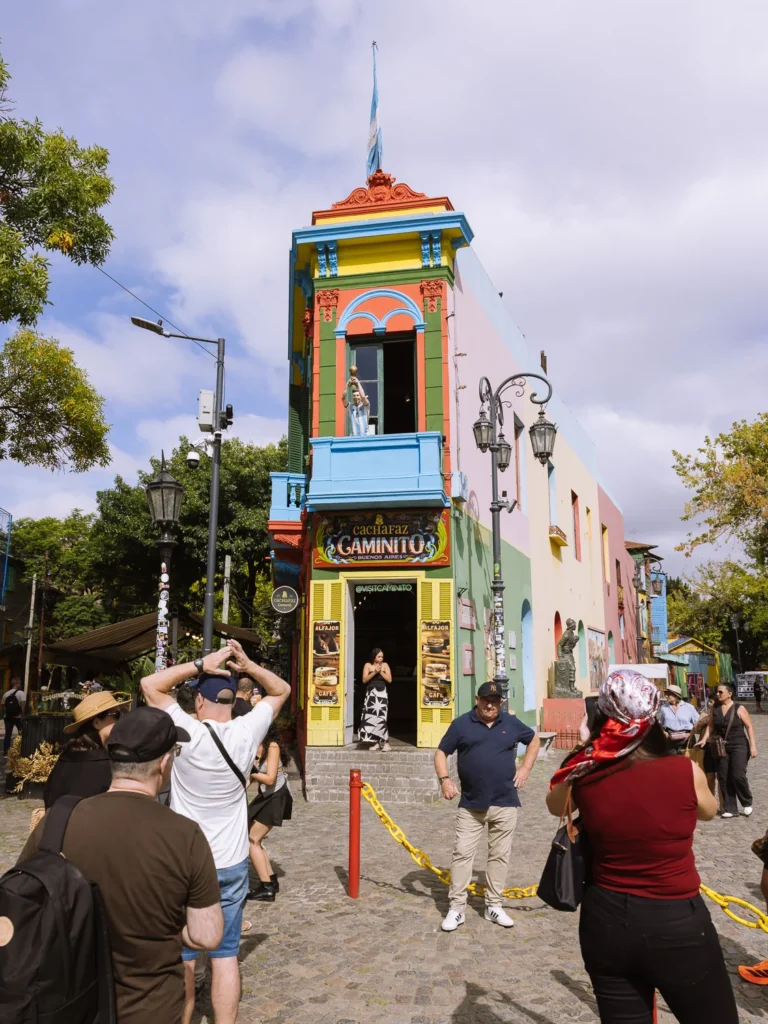
La Boca is the most photographed neighbourhood in Buenos Aires.
It was settled by Genoese immigrants in the 19th century, and the neighbourhood maintains a colourful atmosphere.
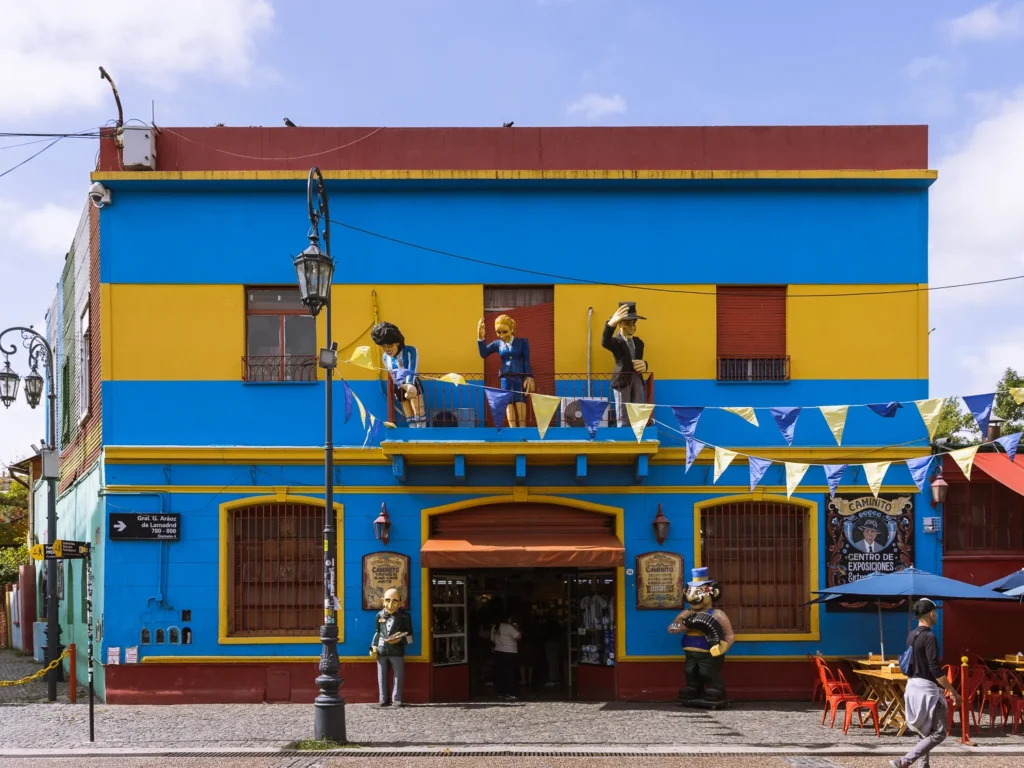
Corrugated-iron houses are painted in bright, mismatched colours of yellow, red, blue and green. The use of leftover ship paint to decorate their houses remained a defining characteristic of La Boca.
The Caminito is a famous pedestrianised lane in La Boca. It is unabashedly touristy but wonderful.
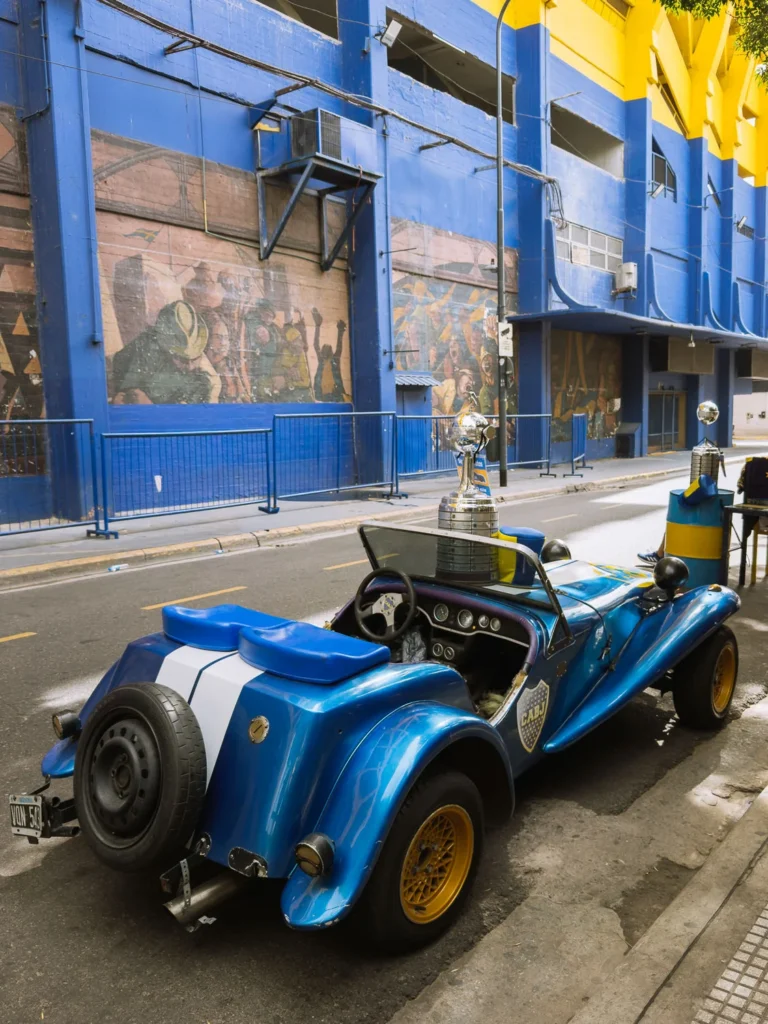
We also highly recommend strolling up to La Bombonera, home of Boca Juniors – one of the world’s most iconic football venues.
Get an Uber to La Boca, then when you’ve had a stroll around, get an Uber back out again.
San Telmo: Lunch & the Market
After strolling around La Boca, get an Uber to San Telmo for lunch.
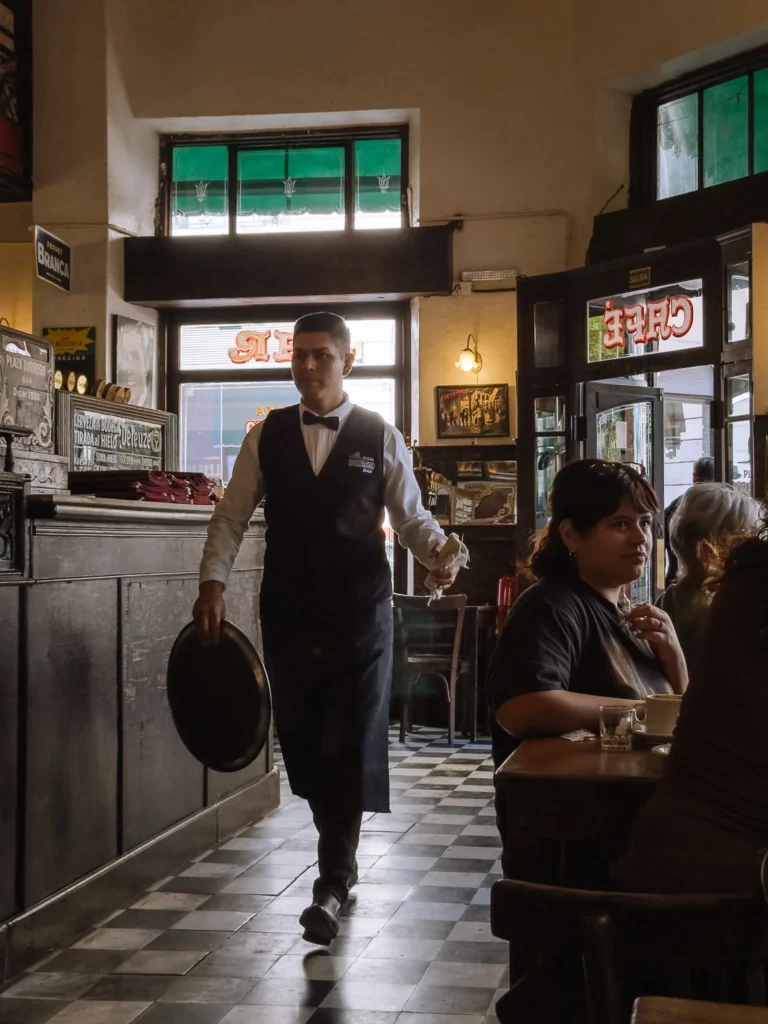
The Mercado de San Telmo is a 19th-century iron market hall that still functions as a working neighbourhood market. It has expanded to include food stalls, bars and antique vendors.
You’ll find plenty of choices in the market for lunch, and if not, the surrounding streets have plenty of great cafés and restaurants as well.
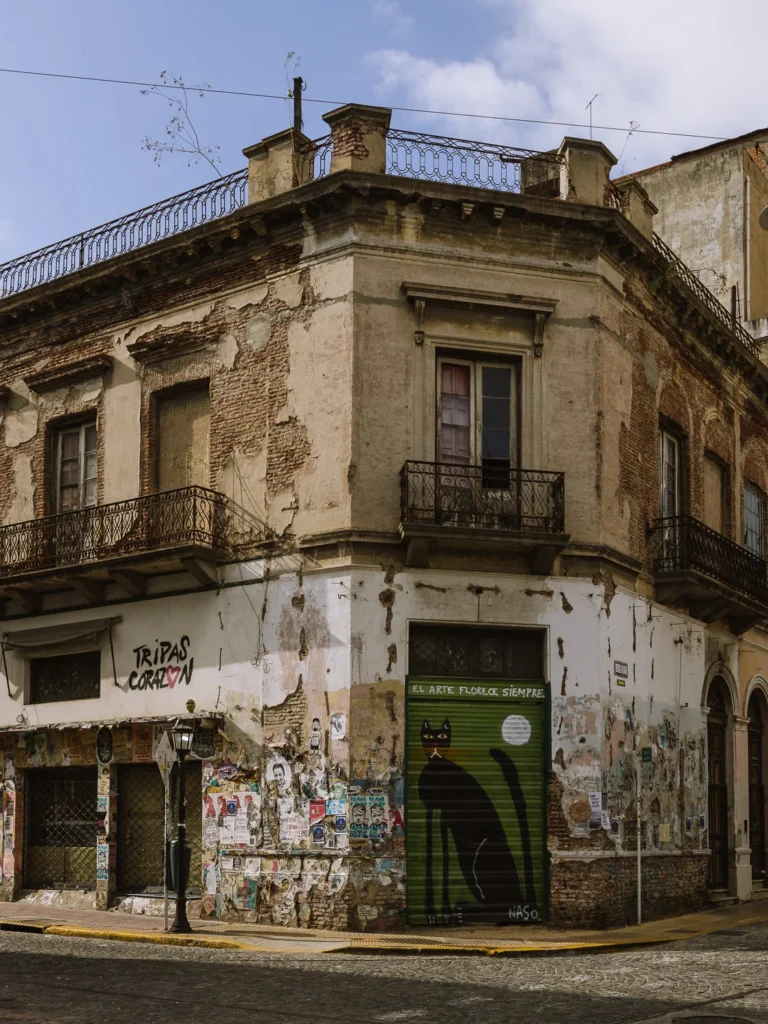
On Sunday mornings, the Plaza Dorrego in the heart of San Telmo becomes the city’s famous antiques fair. You’ll find stalls of silverware, vinyl records, mate gourds and vintage clothing spread across the cobblestones while tango dancers perform in the square.
If your visit falls on a Sunday, arrange the morning around it. If you’re not visiting on a Sunday, San Telmo is still very much worth your time — the market itself is open daily.
Plaza de Mayo & Casa Rosada
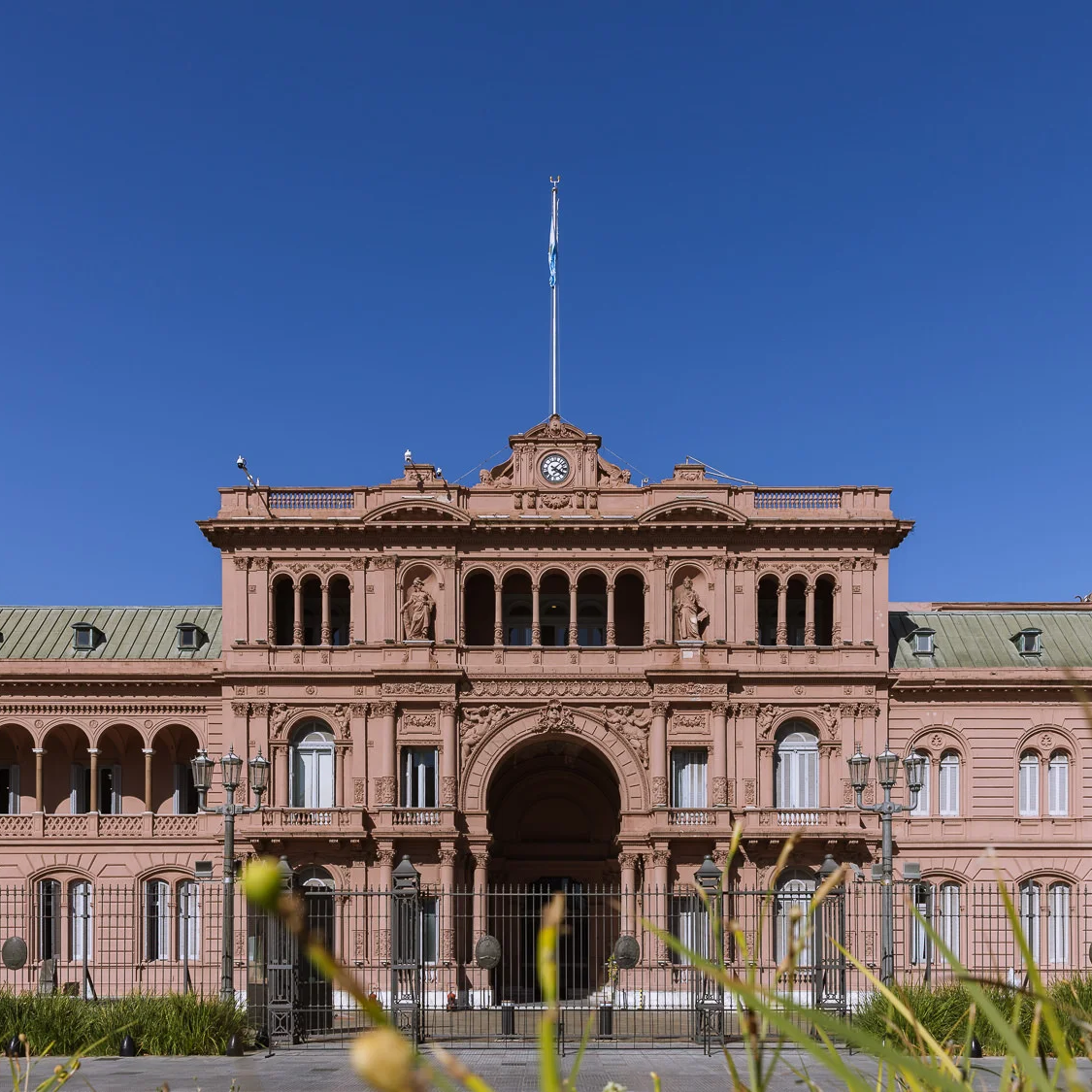
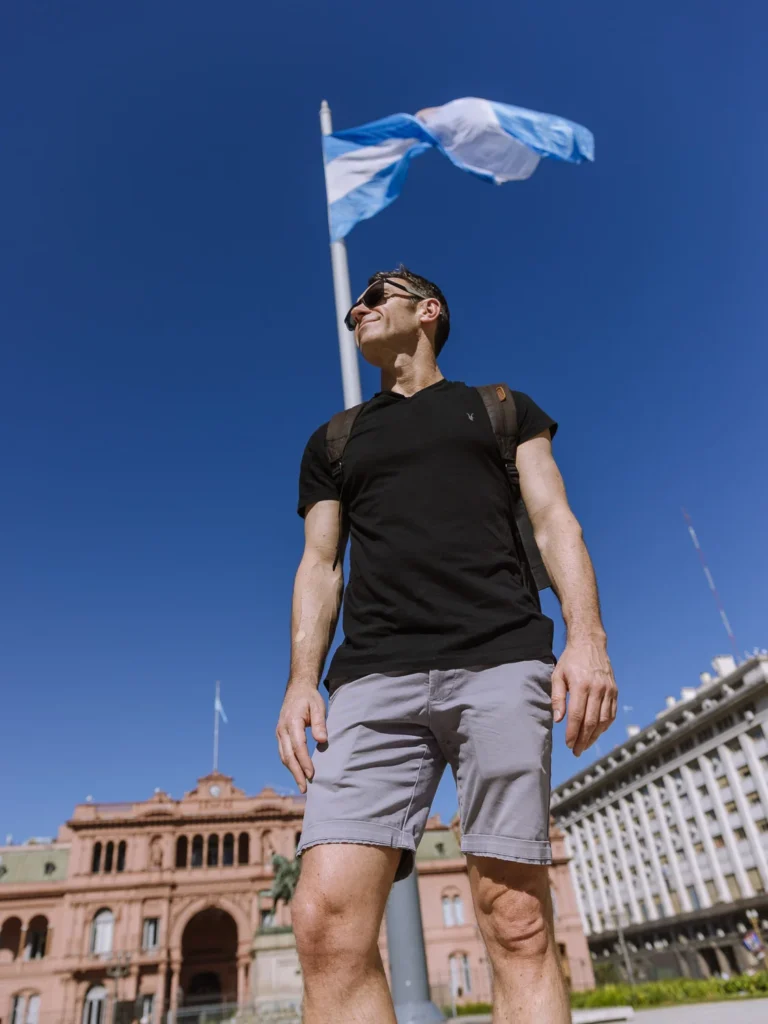
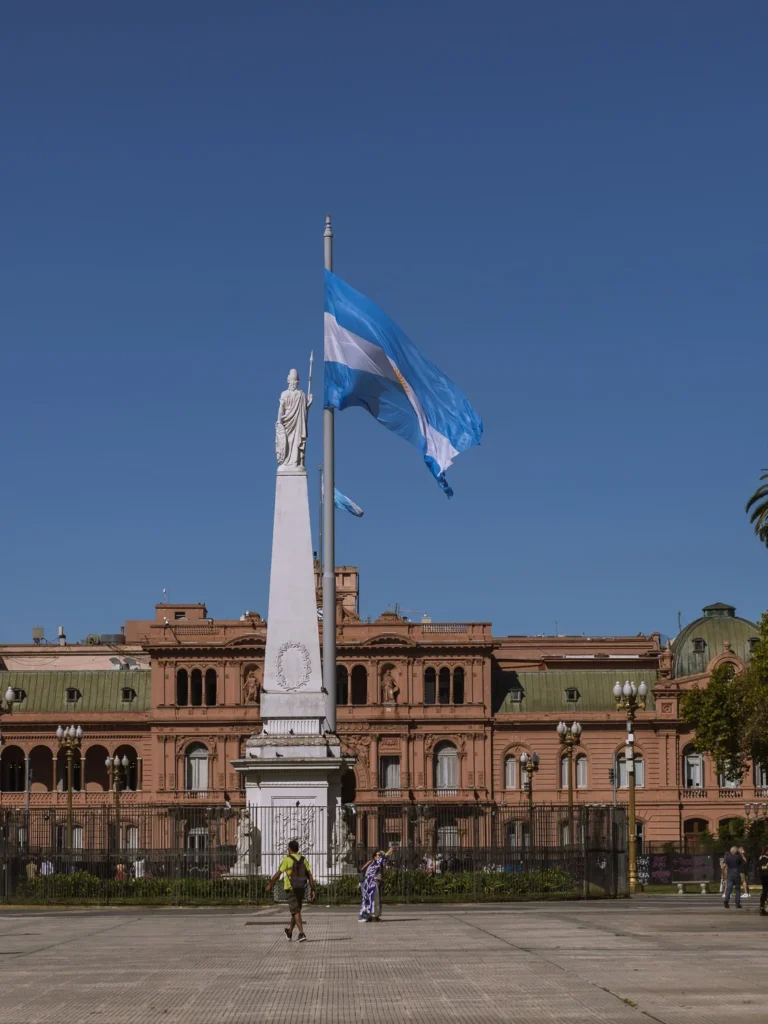
Plaza de Mayo is the historic heart of Buenos Aires. The square is flanked by the Catedral Metropolitana on one side and the unmistakable pink façade of Casa Rosada on the other.
The balcony of Casa Rosada is where Eva Perón addressed the descamisados, where Pope Francis appeared after his election, and where Argentina’s victories have been celebrated.
Free guided tours in English and Spanish run on weekends and can be booked in advance on the Casa Rosada website, but for this itinerary, we’d suggest just taking it in from the outside.
The walk from San Telmo to Plaza de Mayo takes around 15 minutes on foot. In fact, on Sundays, the antiques fair on Defensa Street runs the entire length between the two, from Plaza Dorrego to Plaza de Mayo.
Teatro Colón & the Obelisk
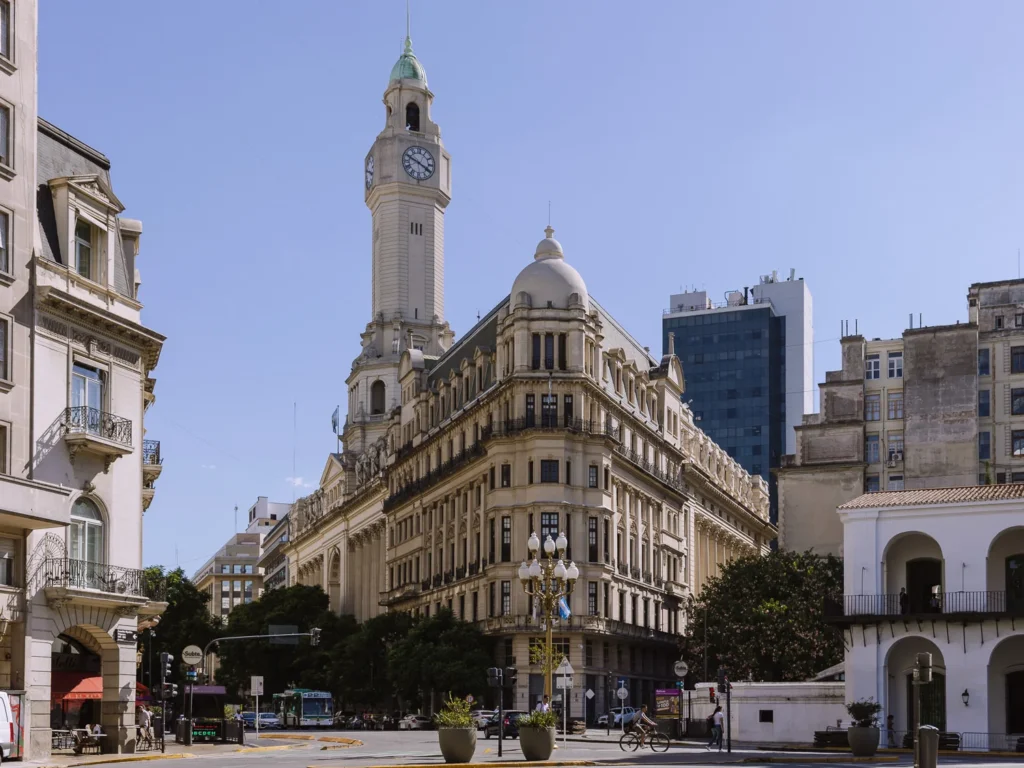
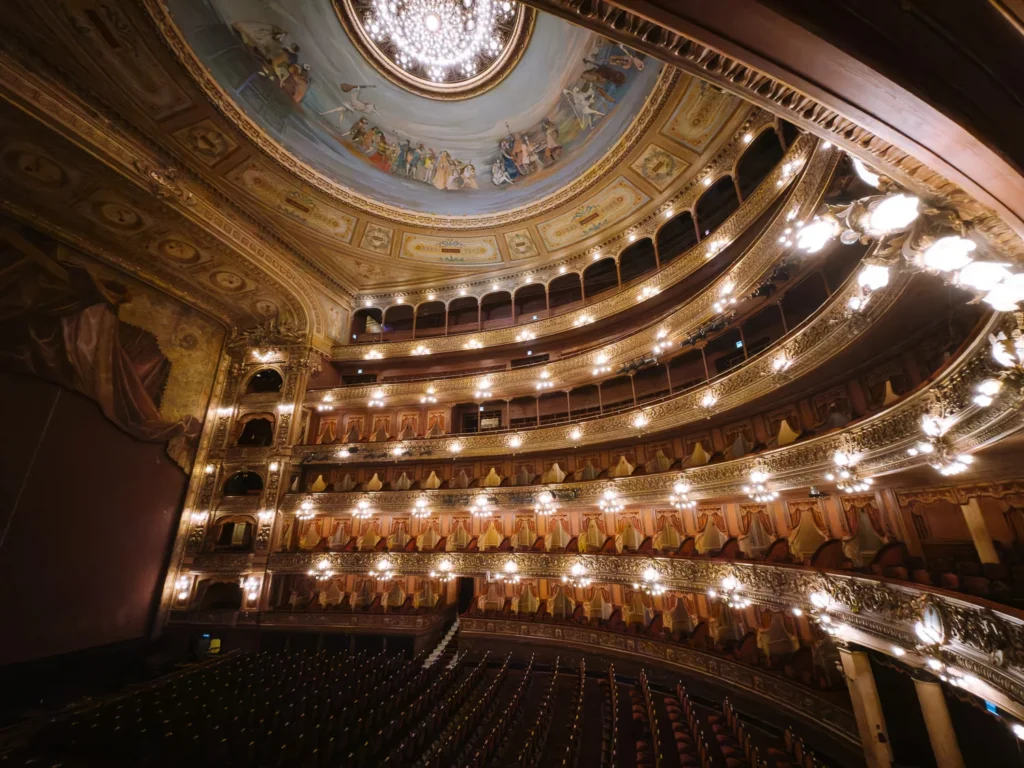
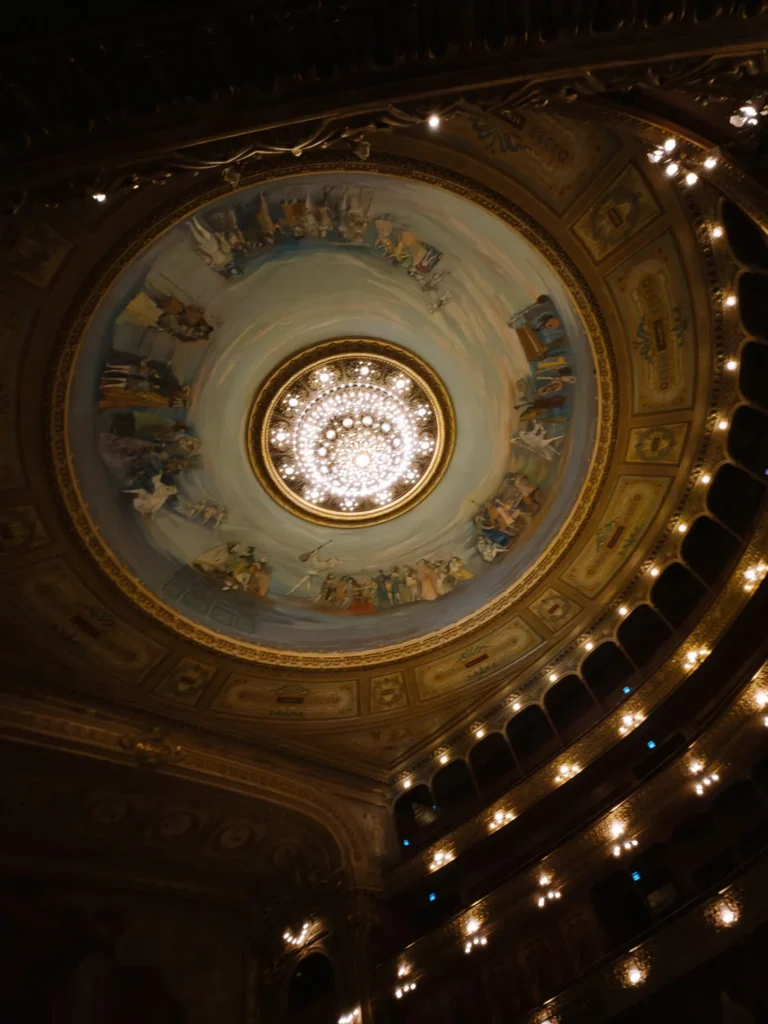
From Plaza de Mayo, it’s around another 15-minute walk to the Teatro Colón, one of the great opera houses of the world.
The building took 20 years to complete and opened in 1908, and the gilded horseshoe auditorium is one of the most beautiful spaces we’ve ever seen.
Guided tours of the building run throughout the day, but you should book ahead online, especially in high season.
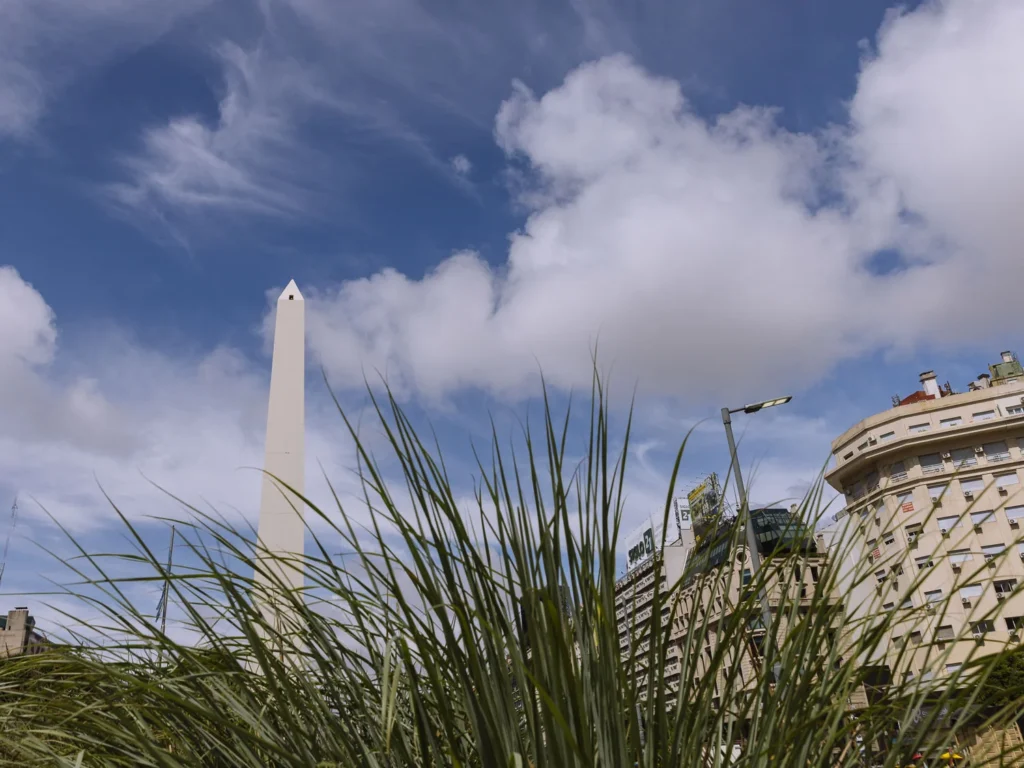
After the tour, walk a few blocks east to the Obelisco — the 67-metre white needle that stands at the intersection of Avenida Corrientes and Avenida 9 de Julio.
You can spend what’s left of the afternoon strolling around Calle Florida, a shopping hub for both tourists and locals.
Evening
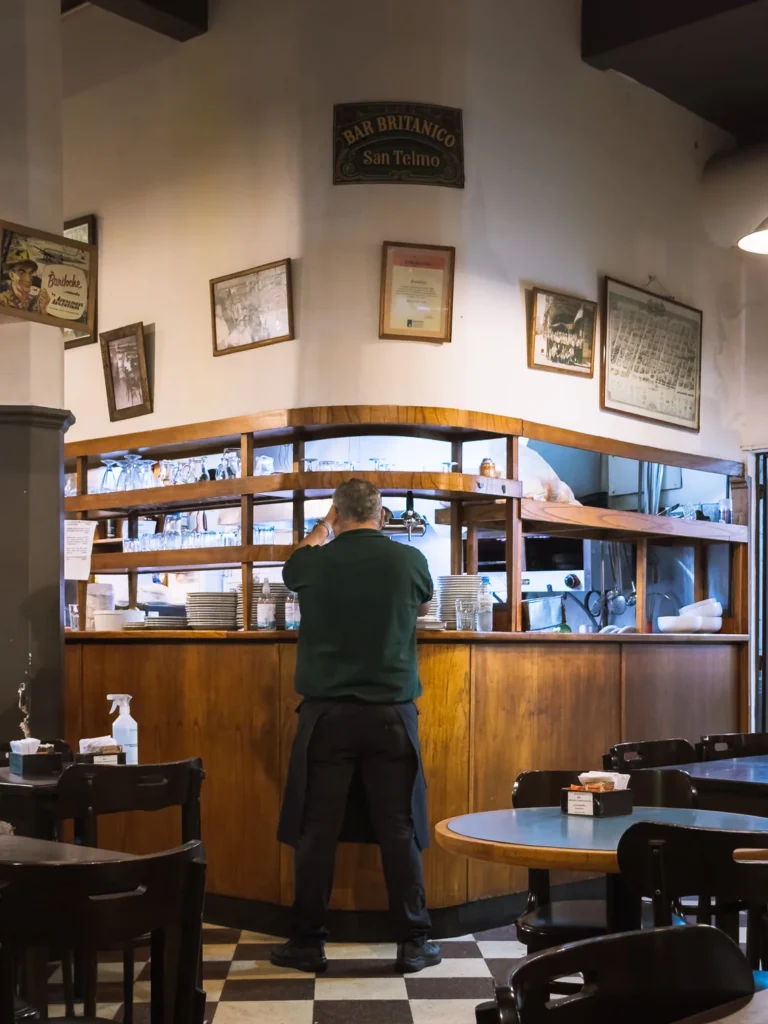
For this first night, we’d suggest returning to San Telmo for the evening.
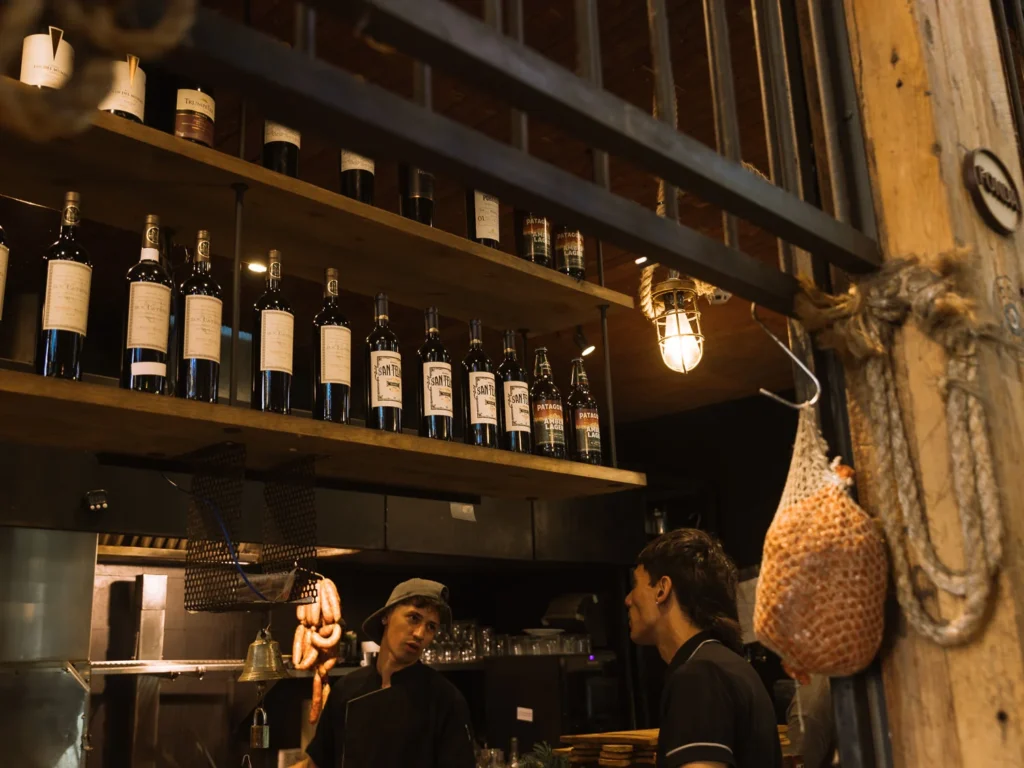
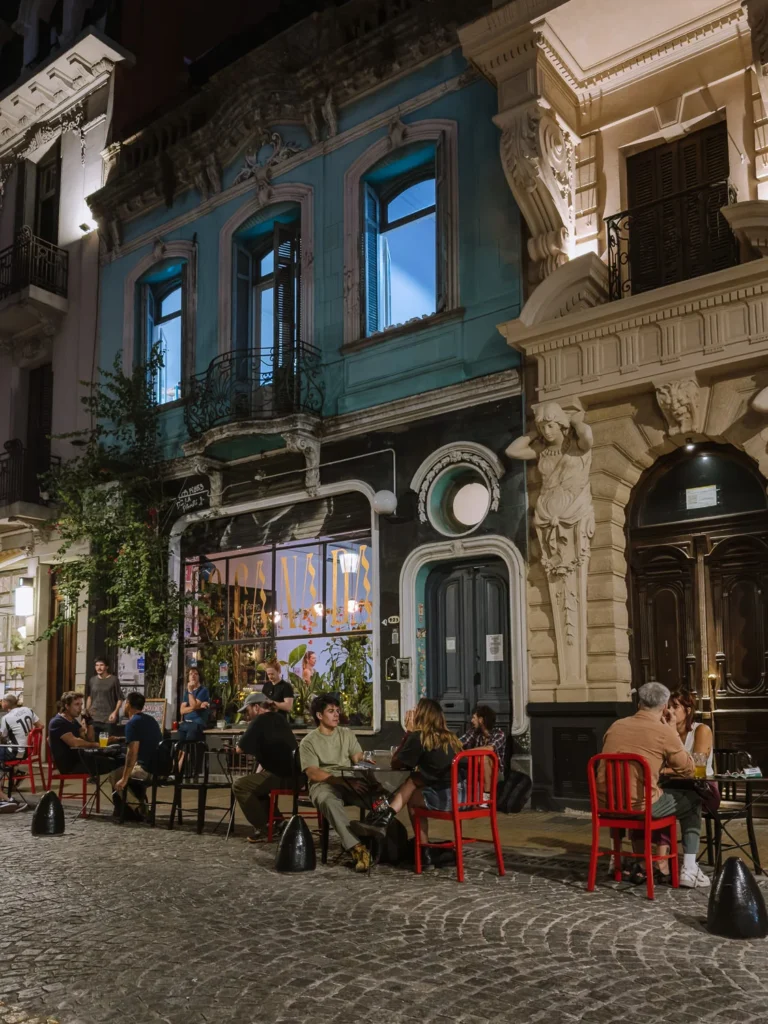
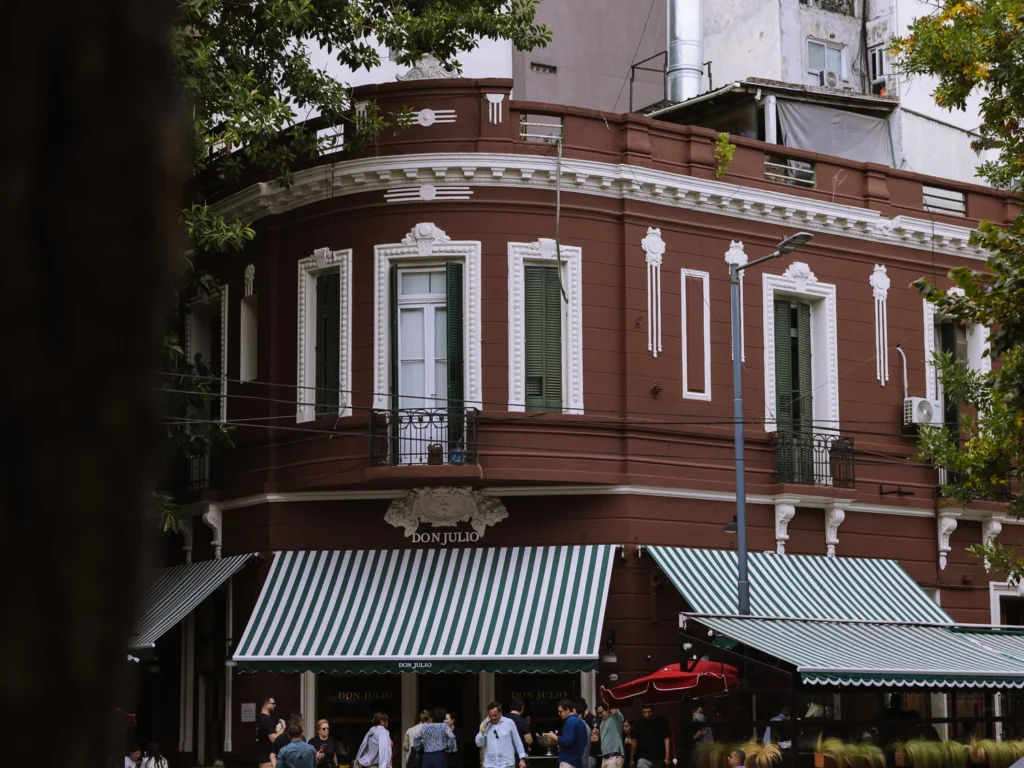
We really liked the area around Bolívar Street, which has several bars and restaurants spilling out onto the street. PES Gastrobar for dinner, followed by drinks across the road at Bocanda, is a great night out in Buenos Aires.
San Telmo is also good for Buenos Aires’ tango scene. El Beso, Confitería Ideal and La Catedral are among the most atmospheric.
Day 2: Recoleta Cemetery, Fine Arts & Palermo
Our second day of this itinerary is all about the grander side of Buenos Aires, starting at the extraordinary cemetery in Recoleta.
Recoleta Cemetery
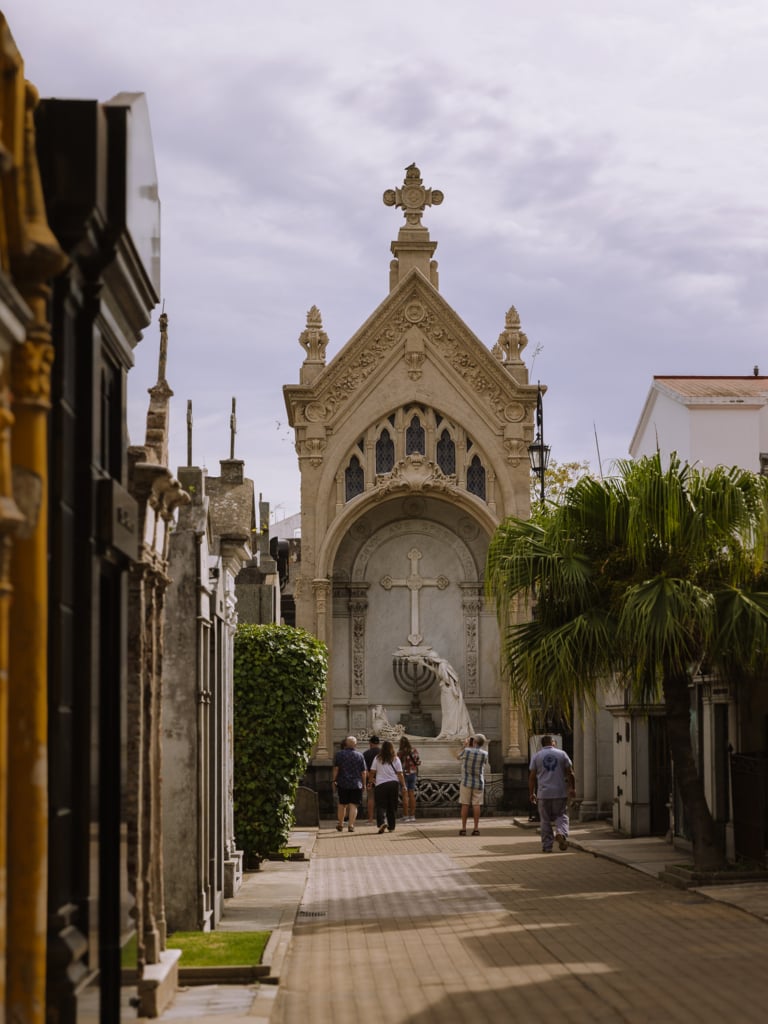
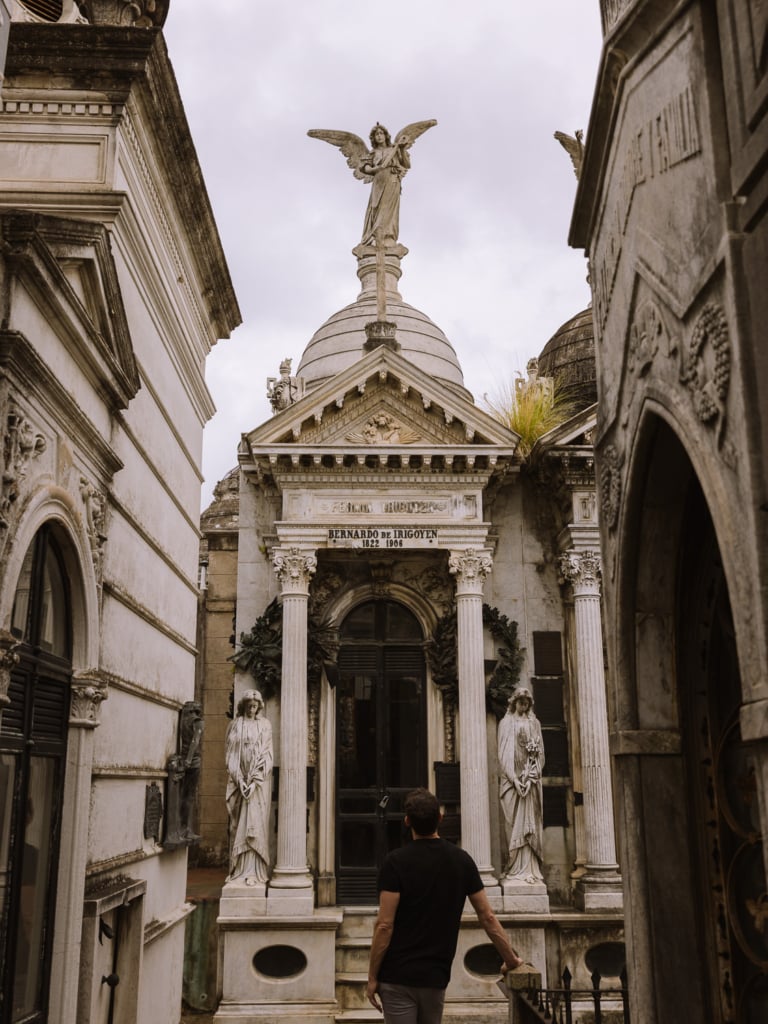
Cementerio de la Recoleta is no ordinary cemetery. An entire city of marble mausoleums — some the size of small chapels — lines narrow streets. The cemetery is the final resting place of Argentina’s presidents, admirals, poets and intellectuals.
The most visited tomb is that of María Eva Duarte de Perón, known to the world as Evita.
There is a map at the entrance to mark the most significant tombs. The cemetery is open daily, 7 am–6 pm. Entry is free.
Museo Nacional de Bellas Artes
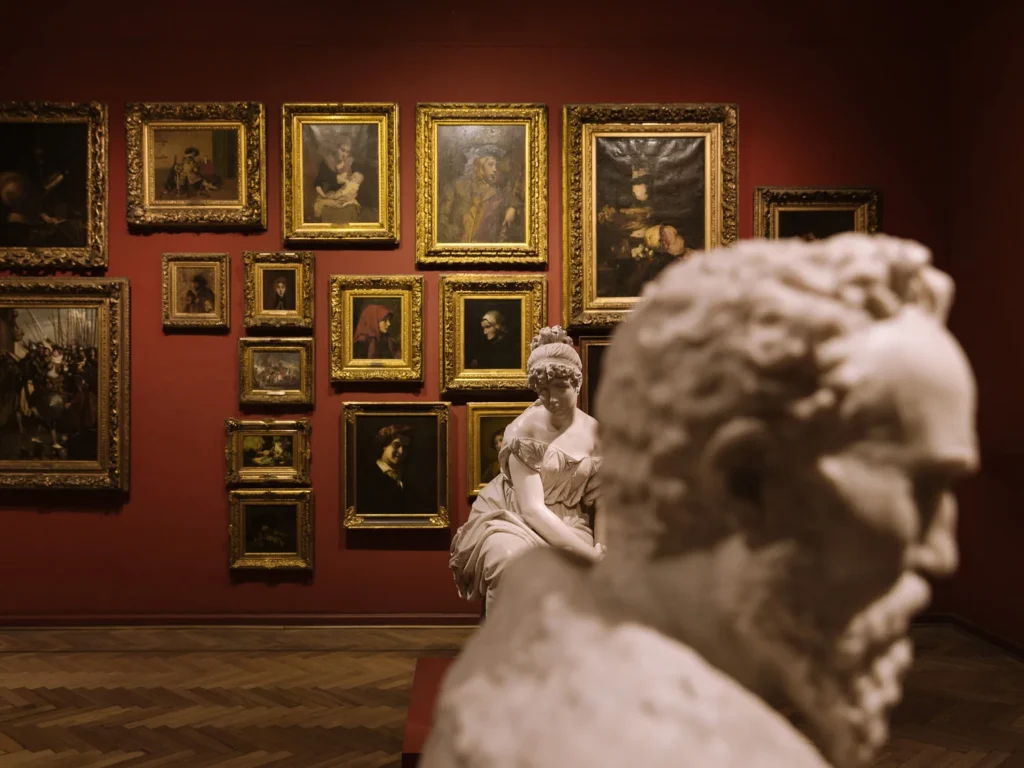
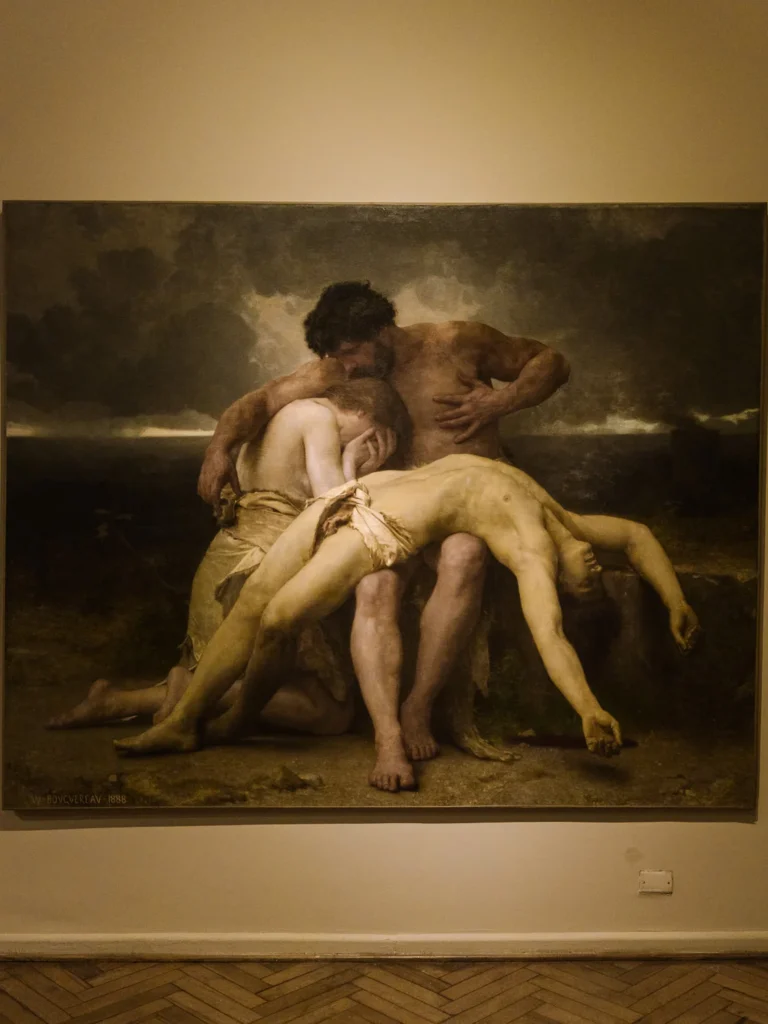
After the cemetery, walk over to the National Museum of Fine Arts – one of the finest art museums in Latin America. It’s about a 5-minute walk away.
The permanent collection spans centuries of European and Argentine art, from El Greco and Rembrandt to Rodin sculptures and a substantial collection of Argentine impressionists and modernists.
The Argentine galleries are particularly worth your time. Open Tuesday–Friday 11 am–8 pm; weekends 10 am–8 pm; closed Mondays.
Malba & Lunch
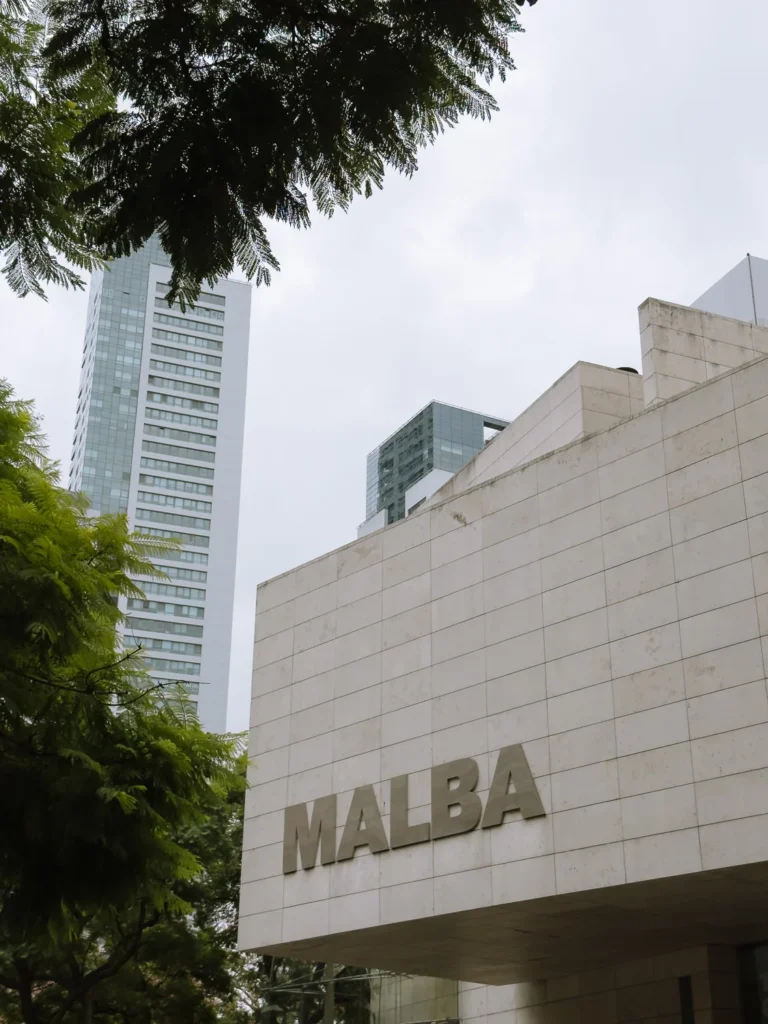
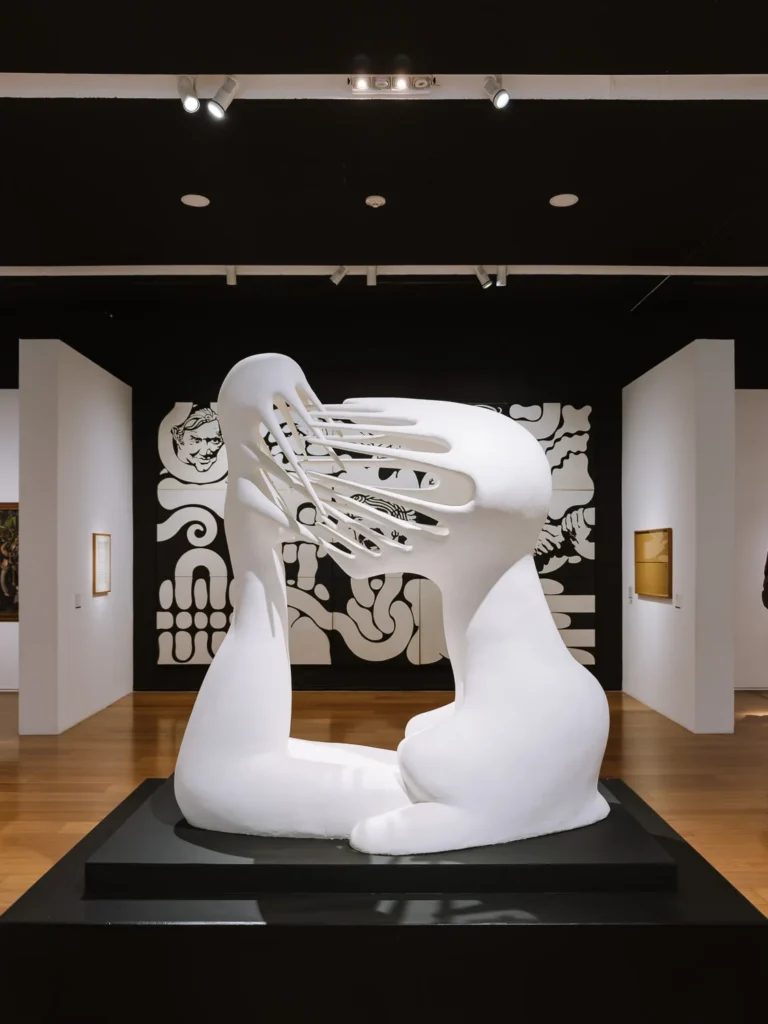
MALBA is the Museo de Arte Latinoamericano de Buenos Aires, and one of the best cultural experiences in the city.
We know that means putting two museums back-to-back, but if you only have 2 days, this is the most efficient way to do it.
The collection focuses on Latin American art from the 20th and 21st centuries, with a permanent collection that includes major works by Frida Kahlo, Diego Rivera, Antonio Berni and Xul Solar.
The MALBA café is a good spot for lunch. Open Thursday–Monday 12 pm–8 pm; closed Tuesdays.
Palermo
After the galleries, we suggest spending the rest of the afternoon in Palermo.
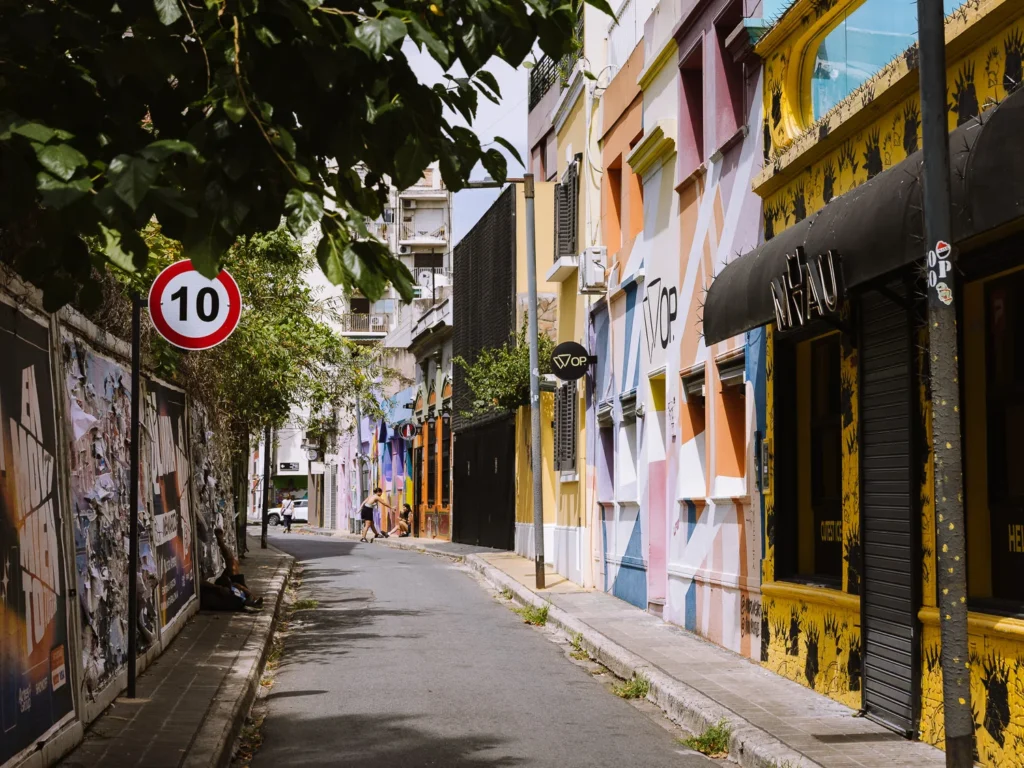
Palermo is a cool residential neighbourhood split between Palermo Soho (boutiques, brunch spots, creative energy) and Palermo Hollywood (restaurants, cocktail bars, late nights).
During the day, we had a great time just strolling the leafy streets of Palermo. There’s a really cool selection of independent shops, concept stores and some of Buenos Aires’ best coffee.
Here are a few things we loved in Palermo:
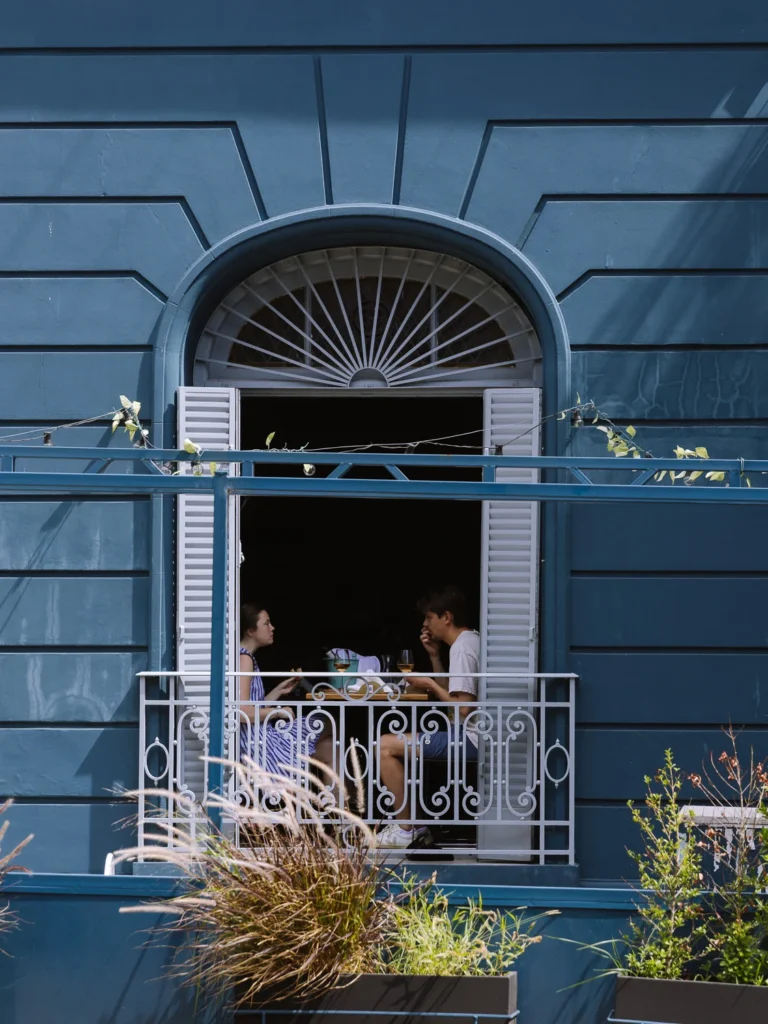
- Backroom Bar – A hidden, speakeasy-style cocktail bar with a low-lit, intimate feel and some of the most inventive drinks in the neighbourhood.
- Minga – A relaxed, stylish restaurant-bar blending natural wines, seasonal plates and a distinctly local, creative crowd.
- Caldén del Soho – A classic Argentine steakhouse setting, known for generous cuts, strong Malbecs and a more traditional parrilla experience in Palermo.
- L’Attente Café – One of Palermo’s standout speciality coffee spots, popular for its expertly brewed coffee, minimalist aesthetic and laid-back daytime atmosphere.
Evening
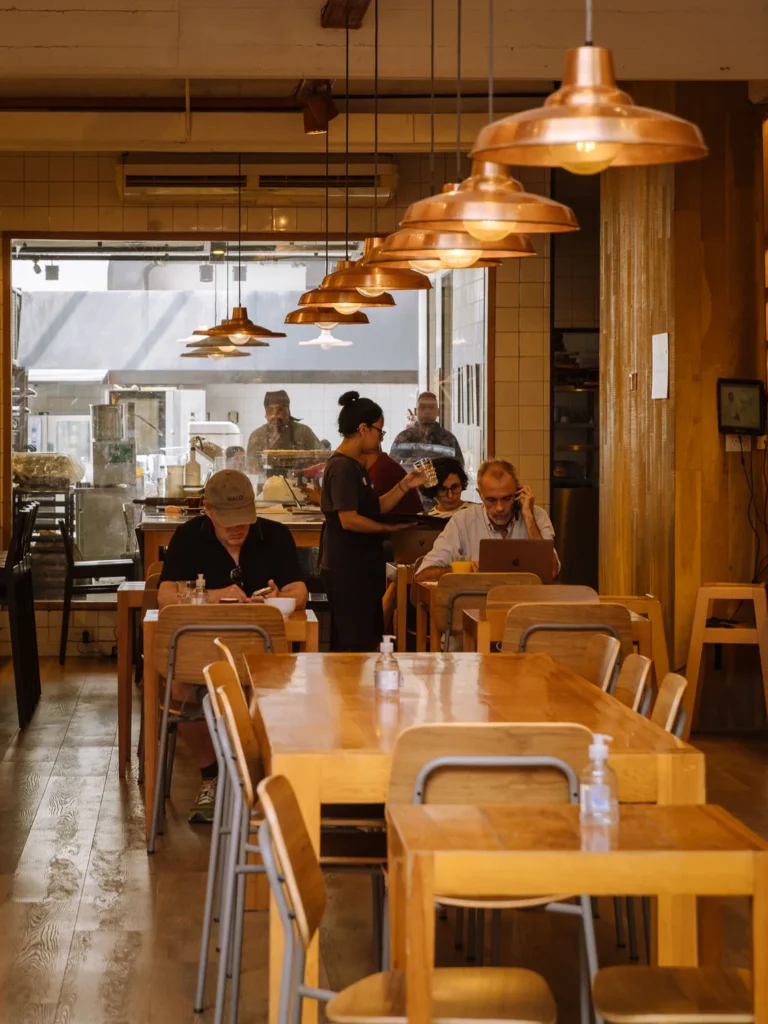
Palermo has some of Buenos Aires’ best restaurants, so it’s the perfect place to spend the evening.
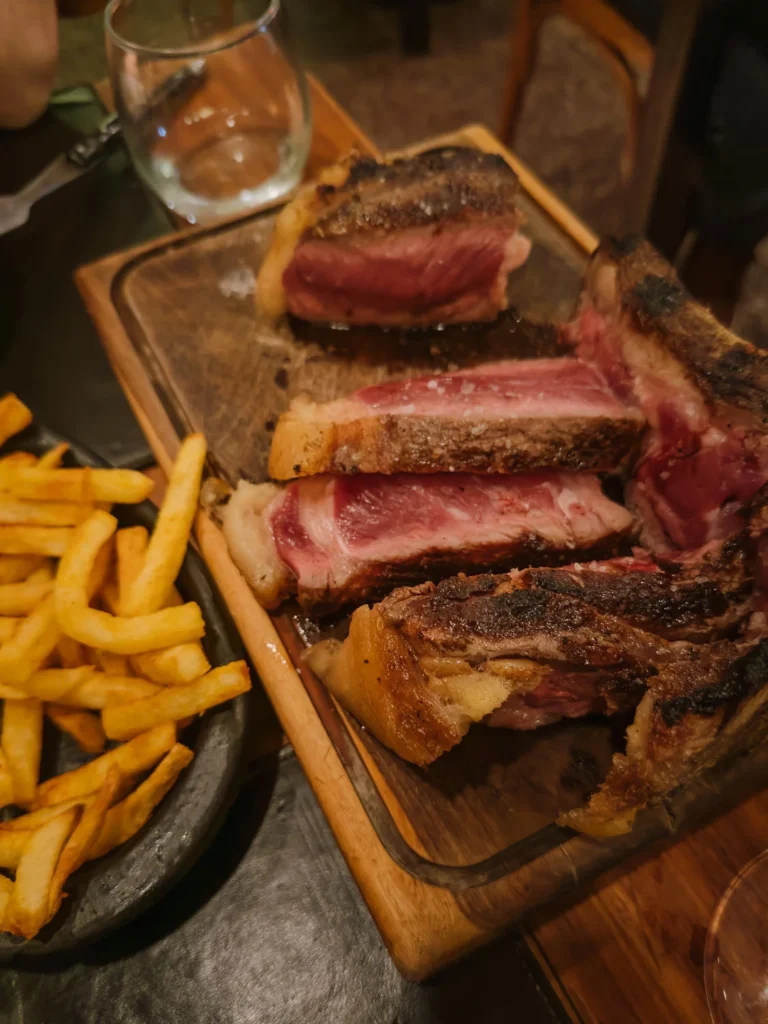
We had dinner at La Carnicería, which often appears on best restaurant lists for Buenos Aires. It’s pricey, but it was probably the best steak we had in Buenos Aires.
Planning & Logistics
Where to Base Yourself
For this itinerary, San Telmo is probably the most practical base, as it’s central to many of the main attractions, but we found the restaurant scene a little empty in the evening. We often had to go to Recoleta for dinner.
Palermo is a great base if you want a neighbourhood vibe and more dining options.
For accommodation, a few options that suit different itinerary styles:
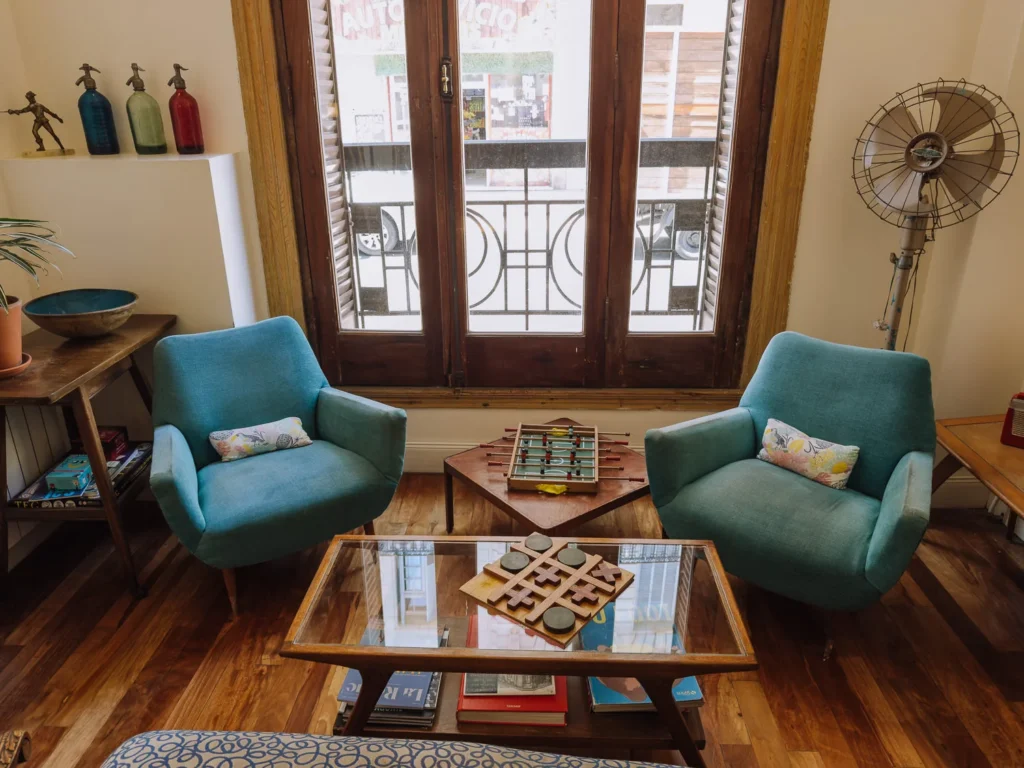
- L’Adresse Hotel Boutique (San Telmo) — A calm, design-led boutique hotel that puts you close to San Telmo’s Sunday market without the surrounding noise.
- Miravida Soho Hotel & Wine Bar (Palermo Soho) — Twelve rooms in a converted mansion with a small pool and a serious wine list. Ideally positioned for Palermo’s gallery and restaurant circuit.
- Vilon Recoleta Hotel (Recoleta) — Spacious suites with warm, attentive service. A more intimate choice than the larger five-star hotels in the area.
For a deeper breakdown of each neighbourhood, see our full Where to Stay in Buenos Aires guide.
Getting There
Buenos Aires has two airports.
Long-haul international flights arrive at Ezeiza (Aeropuerto Internacional Ministro Pistarini), around 35 km from the city. Allow for at least an hour for the transfer, and more during morning rush hour.
Domestic and regional flights use Aeroparque Jorge Newbery, which sits on the riverbank just minutes from Palermo and Recoleta, making arrival much quicker.
From Ezeiza, skip the pre-booked private transfers — they tend to be overpriced.
The best option is to follow the signs to the ride-sharing zone and book an Uber directly from the app; it’s reliable, straightforward, and significantly cheaper.
If you prefer a taxi, only use the official metered rank outside the terminal — don’t accept any approaches from drivers inside the arrivals hall.
Getting Around During Your Stay
For day-to-day movement through your itinerary, Uber is by far the easiest option.
It’s inexpensive by any Western standard — most cross-city trips come in at around under US$5 — and pickup times are fast throughout the day. We relied on it consistently, and it never let us down.
The Subte (metro) has six lines and is useful for zipping between Microcentro, Palermo and along Avenida de Mayo without getting stuck in traffic. It’s worth using when your route aligns with a line.
The colectivo bus network reaches areas the Subte doesn’t and is a cheap, authentic way to travel if you’re not in a hurry.
The SUBE card covers the metro, buses and suburban trains, but unless you’re spending more than a few days relying on public transport, Uber will probably serve you better.
How Many Days to Plan for
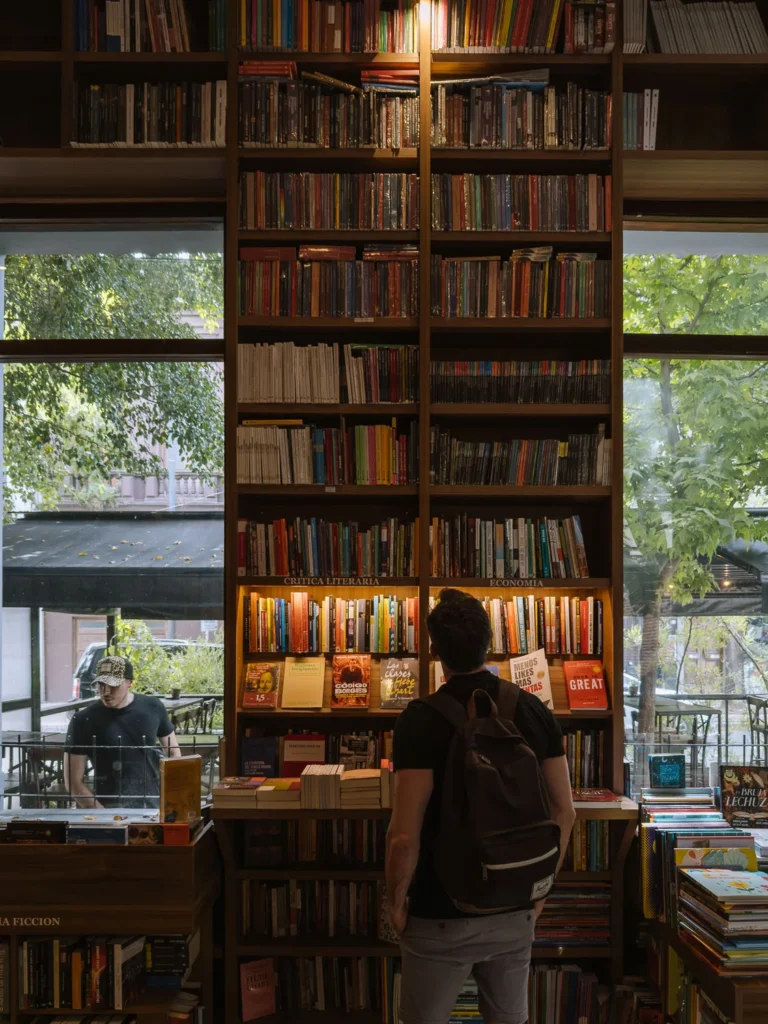
A two-day itinerary covers the essentials comfortably — both major art museums (Museo Nacional de Bellas Artes and MALBA), Teatro Colón, El Ateneo Grand Splendid, the key monuments, and time in La Boca, San Telmo and Palermo.
That’s a full two days without feeling rushed. A third day, let’s take your time and enjoy the city at a slower pace, but you wouldn’t necessarily be adding much.
Our guide to the best things to do in Buenos Aires includes a few more suggestions for when you have more time.
If your wider Argentina trip includes Patagonia or other regions, two full days in Buenos Aires on arrival — with a day on return — is a well-tested structure.
When to Go
Spring (September–November) and autumn (March–May) are the easiest times to plan around. The temperatures are pleasant, outdoor café culture is in full swing, and Palermo’s jacarandas are flowering purple in November.
Summer (December–February) is hot, and January regularly hits 35°C. It’s worth planning indoor activities into the middle of the day. Some smaller restaurants also take their annual break in early January, so check ahead if you’re travelling then.
Winter (June–August) is mild — 10–15°C — quieter, and cheaper for accommodation. The Buenos Aires International Tango Festival runs in August and is worth planning around if tango is a priority.
Avoid the week between Christmas and New Year if possible — much of the city closes, and the itinerary options shrink significantly.
Money and Payments
You won’t need cash to get through your itinerary. All the restaurants, cafés, bars and museums we visited across Buenos Aires accept cards.
For Argentine peso payments, a debit card with no foreign exchange fees works well day-to-day.
Some charges, such as hotel bills, are processed in US dollars and require a credit card, so make sure you have one available.
If you do want cash, avoid ATM withdrawals: fees are high and withdrawal limits are low, which quickly erodes any savings. The better approach is to bring US dollars or euros from home and exchange them at a casa de cambio (exchange bureau) in the city.
Unfortunately for British travellers, sterling rates were much worse, so bring Euros to change if you want cash on you. As mentioned above, we didn’t need cash in Buenos Aires at all.
Practical Planning Notes
A few things worth building into your schedule:
- Dinner reservations should be for 9–10 pm — that’s when restaurants fill, and the city comes alive. Booking for 7 pm will leave you eating in an empty room.
- La Boca is best visited mid-morning to early afternoon on the main tourist streets. Don’t wander into the residential streets beyond, and aim to leave before dark.
- Plan your Sunday around San Telmo — the Plaza Dorrego market, Mercado de San Telmo and El Zanjón de Granados together make a natural full-day loop.
- January and February heat is serious. Keep midday hours for museums and air-conditioned spaces, and stay hydrated throughout.
- Uber is your friend throughout — reliable, fast, and cheap enough that you won’t regret defaulting to it over other options.
More Argentina & Chile Guides
- Our top things to do in Buenos Aires.
- Where to stay in Buenos Aires – perfect for first timers.
- How to spend 2 days in Buenos Aires.
- Our favourite things to do in Torres del Paine National Park.
- All the best viewpoints in Torres del Paine National Park.
- Our favourite lodges in Torres del Paine National Park.

reader-supported
When you buy through links on our site, we may earn a small affiliate commission at no extra cost to you.
Thanks for your support // Paul & Mark