

By: Paul Healy // Last Updated:
Travelling in Scotland requires a little planning, some flexibility for the weather and plenty of space on your memory card. Here’s everything you need to know to plan a trip to Scotland.
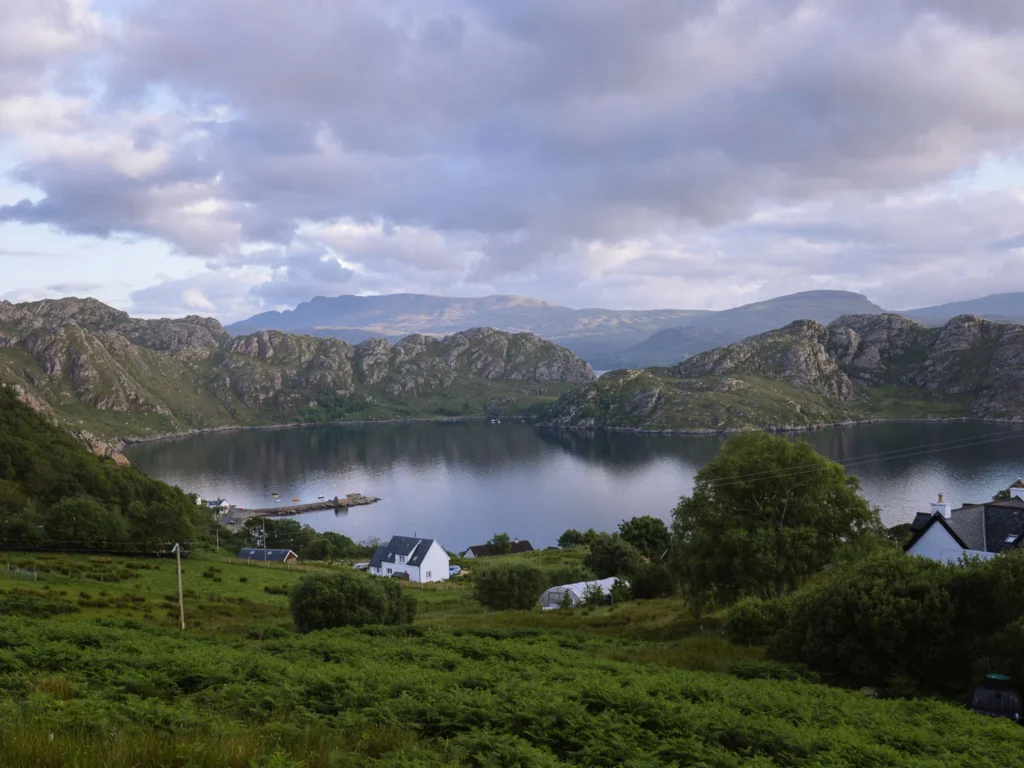
You think you’ll never get a glimpse of the Scottish scenery, but then the clouds part over a Highland glen, and you realise it was worth the wait.
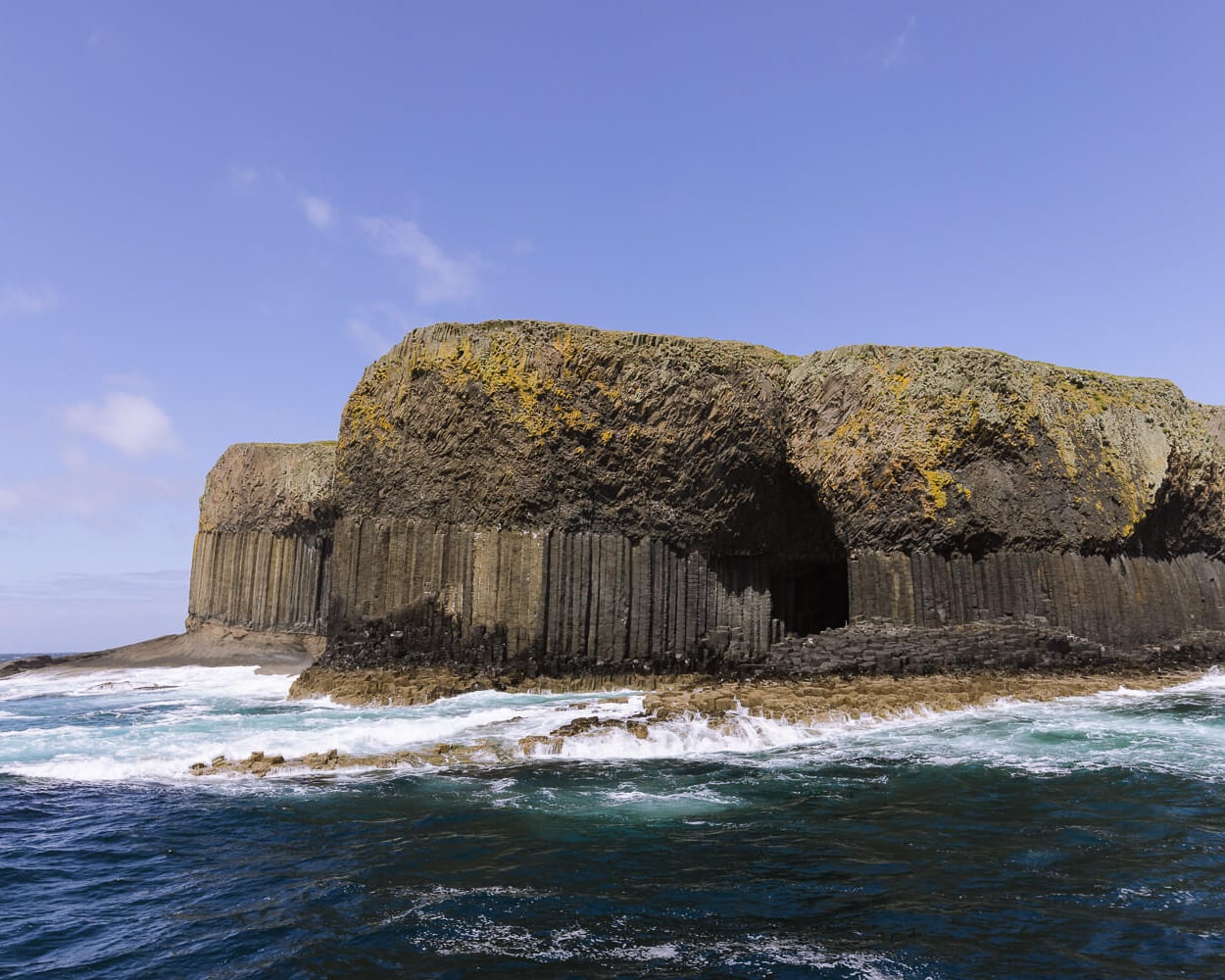
Scotland has medieval castles, island distilleries, remote beaches, and a culture entirely its own. We’ve walked through atmospheric woods with cloud touching the ground, caught glorious sunshine on the Isle of Skye, and watched the sun still lingering at 10 pm in the far north.
Some of the best parts of Scotland are remote in a way that requires planning — for accommodation, ferries, and even mobile signal.
This guide covers everything you need to know before you go.
Best Time to Visit Scotland
Scotland’s weather is famously unpredictable, so it’s worth timing your visit to at least try and hit the best weather you can. Also, the very long hours of daylight over summer are another factor, particularly if you want to do a lot of hiking.
Here is a very (unreliable!) guide to what you can expect in Scotland throughout the year.
Summer (June–August)
Summer brings the warmest weather and very long days. In the far north, the sun can set as late as 10 PM.
This is also peak season, which means higher prices, busier roads, and in some places, parking struggles.
Edinburgh hosts the world-famous Fringe Festival in August, which is a great time to be there. However, accommodation books out months in advance.
Also, if you’re heading to the Highlands in summer, be prepared for midges (more on those below).
Spring (April–May)
Spring is one of the best times to visit Scotland. Daylight is increasing, the landscapes are coming alive, and the crowds haven’t yet arrived.
The weather is changeable but generally more settled as May approaches. Crucially, the midges haven’t yet emerged, so this is a good time of year to visit the Highlands.
Autumn (September–October)
September is another great time to visit. The summer crowds have thinned, the Highlands turn spectacular shades of amber and gold, and temperatures remain comfortable.
Midges decline sharply after mid-September. If you want dramatic Highland scenery without the peak-season frenzy, autumn is hard to beat.
Winter (November–March)
Winter is quieter and the days are short, but Scotland has a moody, dramatic beauty in the colder months.
Snow-capped mountains, roaring fires in highland pubs, and festive city atmospheres all have their appeal.
If you’re visiting the far north, there’s even a chance of seeing the Northern Lights. Note that many attractions operate reduced hours, and some remote roads can be challenging in icy conditions.
Practical tip: Pack layers no matter which season you visit in. Scotland is famous for experiencing all four seasons in a single day, especially in the Highlands. A waterproof jacket is essential.
Getting Around Scotland
Scotland’s best landscapes are often far from the main transport hubs, so it’s worth planning ahead.
By Car
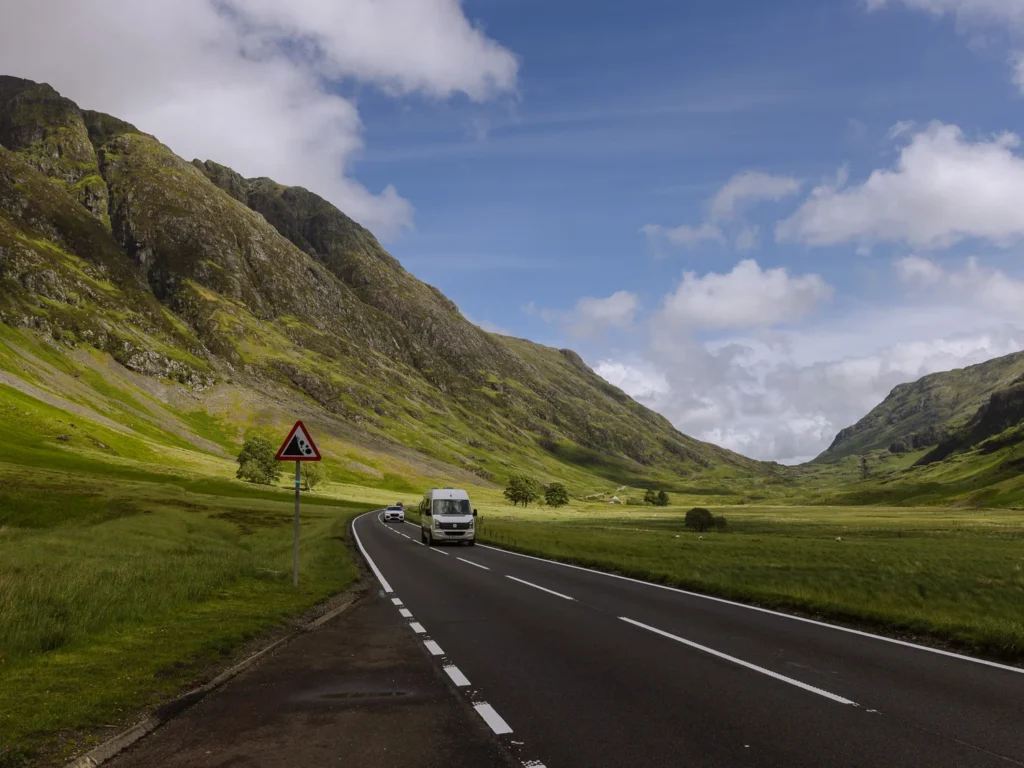
A car is by far the most flexible way to explore Scotland, particularly if you want to reach the Highlands and islands.
The road network is generally excellent, though you’ll frequently encounter single-track roads in more remote areas, but even these are very easy to navigate.
You’ll need patience and good roadside passing etiquette, but it’s all pretty straightforward.
Hiring a car gives you the freedom to stop wherever you like, which matters enormously in Scotland because there is plenty to stop and see.
By Train
ScotRail connects Scotland’s major cities, and the country has some of the most scenic rail routes in Britain.
The West Highland Line from Glasgow to Fort William and Mallaig is one of the most beautiful train journeys in the world. It crosses the Rannoch Moor, skirts the shores of Loch Lomond, and passes near the Glenfinnan Viaduct, the one from Harry Potter.
The rail network beyond the main cities is limited, however, so trains work best for city-hopping rather than visiting the Highlands.


By Bus
Scottish Citylink and a range of local operators connect most towns and cities. Buses are useful for travelling between places like Glasgow, Edinburgh, Inverness, and Fort William, but less practical for reaching more remote areas.
If you’re travelling without a car, combining trains and buses can work well for a pre-planned itinerary.
By Ferry
Reaching Scotland’s islands requires a ferry.
CalMac (Caledonian MacBrayne) operates most ferry routes to the Western Isles from the mainland.
For Orkney and Shetland, NorthLink Ferries runs sailings from Aberdeen to Kirkwall and Lerwick, and a faster route from Scrabster to Stromness in Orkney.
If you’re planning to take a vehicle, book well in advance during the summer months as ferries can fill up quickly, particularly on popular routes to islands like Skye (though Skye is also accessible by road bridge), Mull, and Islay.

Tipping in Scotland
Tipping in Scotland follows broadly similar conventions to the rest of the UK. It’s appreciated but not expected or formalised as in some other countries, particularly the US.
Here’s a practical guide to when and how much to tip.
Restaurants and Cafés
In sit-down restaurants, a tip of 10–15% is customary if you’re happy with the service, and only when a service charge hasn’t already been added to your bill.
Always check before tipping as many restaurants now include a discretionary service charge, typically 10–12.5%. If it’s already there and you’re satisfied, you don’t need to add more.
In casual cafés and coffee shops, tipping is less expected but always appreciated. Many now have a tip option on card readers, but there’s no pressure either way.
Pubs
It’s not customary to tip bar staff in Scottish pubs when ordering drinks at the bar. If you’re being served food at your table by waiting staff, the usual restaurant conventions apply (as above).
Taxis and Private Hire
Rounding up the fare or adding around 10% is standard for taxis. If your driver has been particularly helpful, such as helping with luggage or providing useful local knowledge, you can feel free to give them a slightly bigger tip.
Hotels
For hotel porters carrying luggage, £1–2 per bag is a reasonable guideline. Tipping housekeeping is less common in the UK than in some other countries, but I’m sure they will always appreciate it.
Tours and Guides
If you’ve taken a guided tour, tipping your guide is appreciated, especially if they’ve gone above and beyond. As a ballpark figure, £5–10 per person for a half-day or full-day experience is reasonable.


Practical Travel Tips for Scotland
Currency
Scotland uses the Pound Sterling (£). One quirk worth knowing: Scottish banks, including the Royal Bank of Scotland, Bank of Scotland, and Clydesdale Bank, issue their own banknotes.
These are perfectly legal and valid throughout the UK, despite what the occasional shop in England might incorrectly suggest.
Still, it’s a good idea to keep Scottish notes for spending while you’re there.
Language
English is spoken everywhere. You may come across Scottish Gaelic in parts of the Highlands and islands, where it appears on road signs and place names alongside English.
It’s a beautiful language and a reminder that Scotland has its own distinct cultural heritage that stretches back long before the Union.
Get off the beaten track with our guides to visiting Scotland.
Scotland
Dealing with Midges
Midges are tiny biting insects and Scotland’s least enjoyable feature. They’re most active from May to September and thrive in damp, still conditions. You’ll typically find them near water, in woodland, or on calm Highland mornings and evenings.
A light breeze keeps them away; no wind means they descend in clouds.
If you’re hiking or camping in the Highlands during midge season, bring a reliable insect repellent. Products containing DEET are most effective.
For serious outdoor time in peak midge conditions, a midge head net will be a very welcome addition to your packing list.
Midges decline significantly after mid-September, which is another reason autumn is such an appealing time to visit.


Weather and What to Pack
We cannot overstate this: always pack a waterproof jacket.
It doesn’t matter when you’re going. Scotland’s weather is gloriously unpredictable — you can have brilliant sunshine, drizzle, wind, and mist all in the same afternoon, particularly in the Highlands.
Key items to pack for Scotland:
- A good quality waterproof jacket — non-negotiable
- Layers (fleece, thermals for highland walking)
- Waterproof walking or hiking boots if you plan to explore outdoors
- Midge repellent from late spring through early autumn
- A small day pack for exploring
- Sunscreen — yes, really, especially in summer when the light can be deceptively strong
Wi-Fi and Connectivity
Wi-Fi is widely available in cities, towns, hotels, and most accommodation.
In more remote areas of the Highlands and islands, connectivity becomes patchy or non-existent.
If you’re planning to drive remote routes, the North Coast 500, for example, or the Outer Hebrides, download offline maps before you go and don’t rely on live navigation.
A eSIM with a data plan is not a bad idea if you’re spending significant time off the beaten track.
Opening Hours
Unlike England and Wales, Scotland has no legal restrictions on Sunday trading hours.
However, in parts of the Outer Hebrides and some more remote island communities, Sunday remains an important day of rest. Businesses, including some shops, petrol stations, and even some tourist attractions, may be closed or operate reduced hours.
It’s worth checking in advance if you’re visiting these areas and are relying on anything specific.
Responsible Access
Scotland has some of the most progressive outdoor access rights in the world.
Under the Land Reform (Scotland) Act 2003, you have the legal right to access most land and inland water for recreation and non-motorised travel.
This means you can wild camp, walk, and explore freely across the Highlands without needing landowner permission. It does not include activities like hunting, which are not permitted.
You must follow the Scottish Outdoor Access Code: leave no trace, respect wildlife, and be considerate of those who live and work on the land.
A Few Final Tips for Travelling in Scotland
Here are a few last things worth knowing:
- Book accommodation well in advance for summer, particularly in popular Highland areas and in Edinburgh in August during the Fringe.
- If you’re driving single-track roads, use passing places properly — pull in to let oncoming vehicles pass, and give way to those coming uphill.
- Carry cash for smaller villages and remote areas where card machines may not be available.
- Give yourself more time than you think you need. Distances on a map can be deceptive when roads are winding, and scenic stops are frequent.
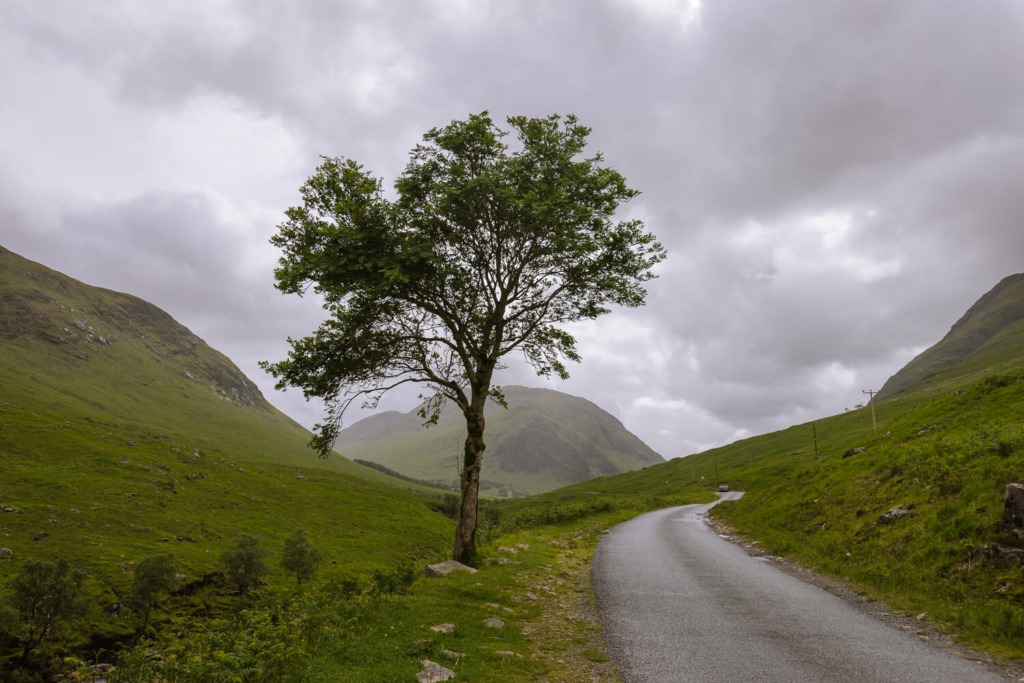
- Don’t be put off by grey skies. Some of the most dramatic Highland scenery looks best under moody clouds.
More Scotland Guides
- Explore all our favourite places to visit in the Scottish Highlands.
- Make sure you don’t miss any highlights in Glencoe.
- Find the best walking route through the Quiraing.
- All our travel tips for visiting Scotland.
- Hike to the best viewpoints over the Old Man of Storr.
- Guide to all the best things to do on the Isle of Skye.
- Explore the under-visited landscapes of Assynt.
- Looking to explore more? Try our best places to visit in UK.

reader-supported
When you buy through links on our site, we may earn a small affiliate commission at no extra cost to you.
Thanks for your support // Paul & Mark