

By: Paul Healy // Last Updated:
The Costa del Sol has plenty of incredible experiences, from hiking dramatic gorges to exploring medieval white villages. Here are the best things to do on the Costa del Sol based on our personal experience in the region.
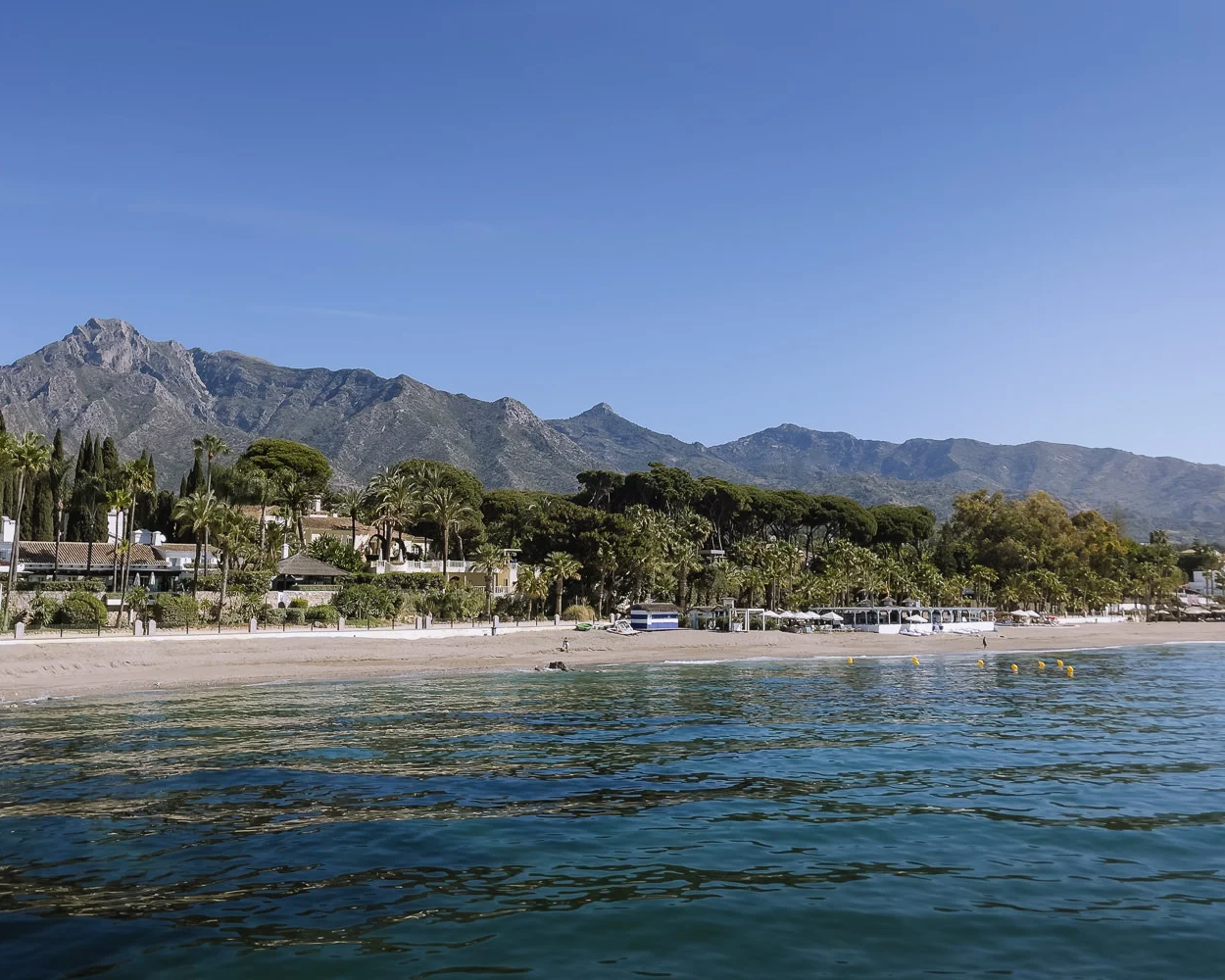
The Costa del Sol is the busy stretch of Mediterranean coastline in southern Spain.
It’s one of Spain’s most visited tourist destinations, thanks to the estimated 325 days of sunshine it enjoys each year.
We spend 2 months a year on the Costa del Sol, so it’s an area we feel something of an authority on.
Apart from sitting on the beach, we love the historic cities teaming with art, history, and charming squares. The mountain ranges are excellent for hiking, and the tiny hillside villages are a joy to stroll around.
This isn’t everything you could possibly do on the coast; instead, we’ve put together what we think are the best experiences unique to this part of Spain.

Where Is the Costa del Sol?
The Costa del Sol lies along the Mediterranean Coast of Southern Spain.
As a tourism area rather than an official political region, it’s broadly considered to be the 161-kilometre stretch of coastline between the beach resort of Nerja in the east and Manilva in the west.
Layout of the Costa del Sol
The eastern section of the Costa del Sol, from Málaga to Nerja, is less developed and attracts fewer tourists. The beaches in this part of the coast are primarily small coves surrounded by rocky formations.
Most of the beach resorts are located in the western section of the Costa del Sol. Travelling west from Málaga, you’ll find Fuengirola, Torremolinos, Benalmadena, and Marbella, which are the most popular beach resorts on the coast.
To find your perfect base, read our guide on the best places to stay on the Costa del Sol.
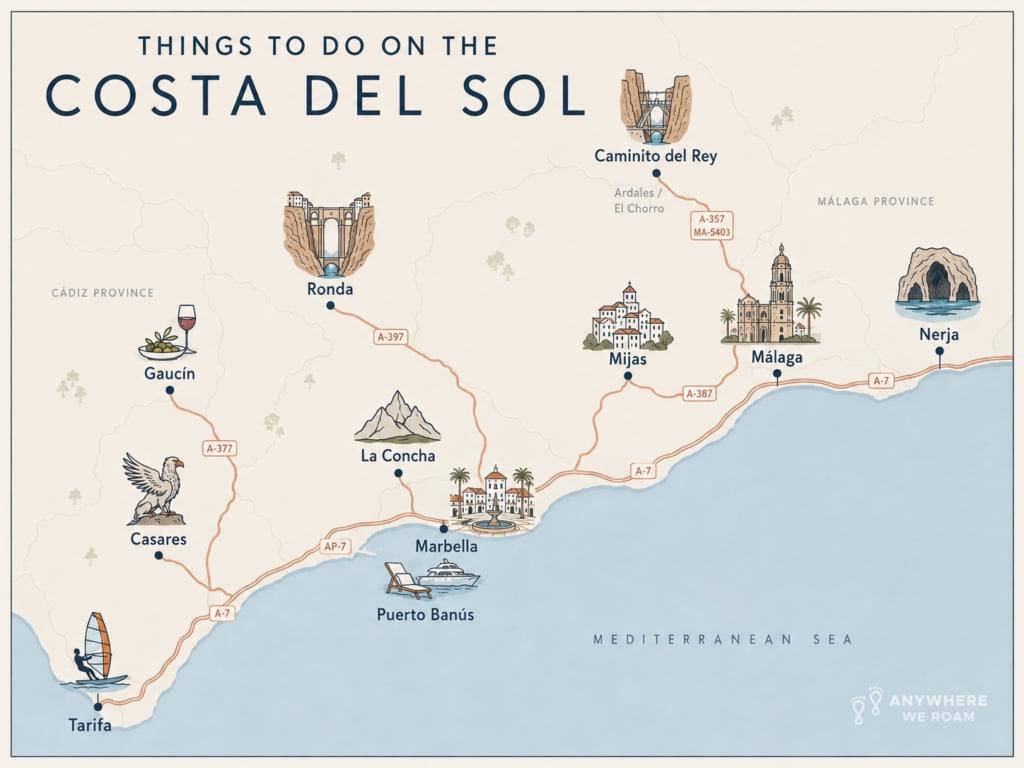
What to Do on the Costa del Sol?
Here are all of our top things to do and places to visit in the region. We’ve been to all of these places, some several times, so you can rest assured this is all based on our personal experience.
1. Explore Málaga’s Historic Centre
Málaga is the gateway to the Costa del Sol, but there’s so much more to see and do here, so make sure you stop for at least a night or two if you can.
It has a wonderful old town with an interesting mix of Roman, Arab, and Christian influences. There’s also a vibrant art scene, plenty of great tapas bars and world-class museums.
The main highlights we tell all visitors to see are the Alcazaba, the cathedral (make sure you do the rooftop tour and the Picasso Museum.
But there’s a lot more to this beautiful city, so head over to our Things to Do in Málaga guide to find out more.


2. Hike the Caminito del Rey
The Caminito del Rey is a dramatic 7-kilometre walk along the walls of the 400-metre-high El Chorro Gorge.
An elevated walkway was restored in 2015, making the Caminito del Rey a safe and very achievable walk for anyone with a reasonable fitness level.
The orange-tinted canyon’s sheer walls are breathtaking, and we highly recommend this excellent walk to anyone who can do it while visiting the Costa del Sol.
It’s popular, so you’ll need to book well in advance. Our detailed article about the Caminito del Rey hike includes everything you need, including how to get there, how to buy tickets, and trail descriptions.


3. Visit Marbella’s Old Town
Marbella’s old town is charming, full of interesting architecture, boutiques, and lovely orange-lined squares.
The highlight is the Plaza de la Naranjos, the central square dating back to 1485. It’s surrounded by beautiful buildings, including the town hall, the governor’s house and the Chapel of Santiago
We generally head into Marbella at least once every visit for dinner. Our top pick would be Arco Tapas Bar, which does innovative dishes or any of the old-school tapas bars. We also stop by Gioelia Cremeria with predictable regularity.
The only thing we don’t love is the shops; there seems to be an inordinate amount of lace and doilies.
Marbella is a great day trip from Málaga if you are planning a city break, but would enjoy a day relaxing on the beaches as well.


4. Relax at a Chiringuito
A chiringuito is a small bar or restaurant on the beach that generally sells tapas, snacks, and drinks. Due to the seaside location, chiringuitos usually specialise in local seafood.
Although they had humble beginnings as beach shacks, chiringuitos have evolved into a variety of offerings, from basic tapas to high-end dining.
We always try to find a new chiringuiot when we can. The last one we liked a lot was Los Flores near Marbella. It’s not smart or clubby, but the family-run vibes and excellent location really worked for us.
The full list of places we recommend is in our Beach Clubs Near Marbella guide, which includes a few smarter options for a special occasion, plus some really great food on teh beach.


5. Take a Day Trip to Ronda
Ronda is an interesting historical town at the top of a deep gorge formed by the Guadalevín River.
It’s a great excursion from the Costa del Sol when you’re looking for history, a picturesque setting and an escape in the mountains.
The old town of Ronda dates back to Islamic times, and its Moorish influence is still evident today.
Rather than covering it all here, you can read our Ronda Day Trip guide, which includes a circular walking route that takes in the top attractions.


6. People Watch in Puerto Banús
Puerto Banús is often in the news for all the wrong reasons, but don’t let that put you off; in fact, it’s probably the reason we suggest you go.
Behind the designer boutiques, high-end cocktail lounges, and super yachts, there’s a seedy backstreet with strip joints, dodgy clubs, and questionable-looking pizza places.
The juxtaposition is a little grubby, a little ridiculous, and strangely compelling. You know you shouldn’t stare, but somehow can’t look away.
What we do love, though, is Puerto Banús beach. We’ve spent a lot of time on the beaches of teh Costa del Sol, and this one has the best sand by a considerable margin.


7. Enjoy the Laid-Back Charm of Nerja
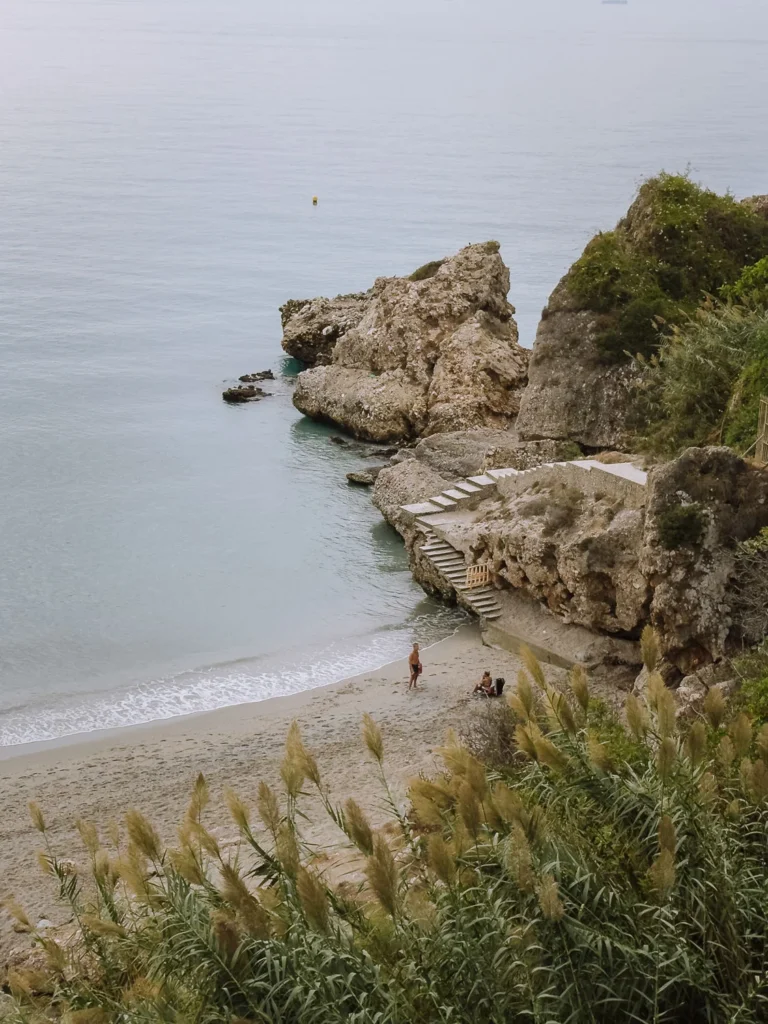
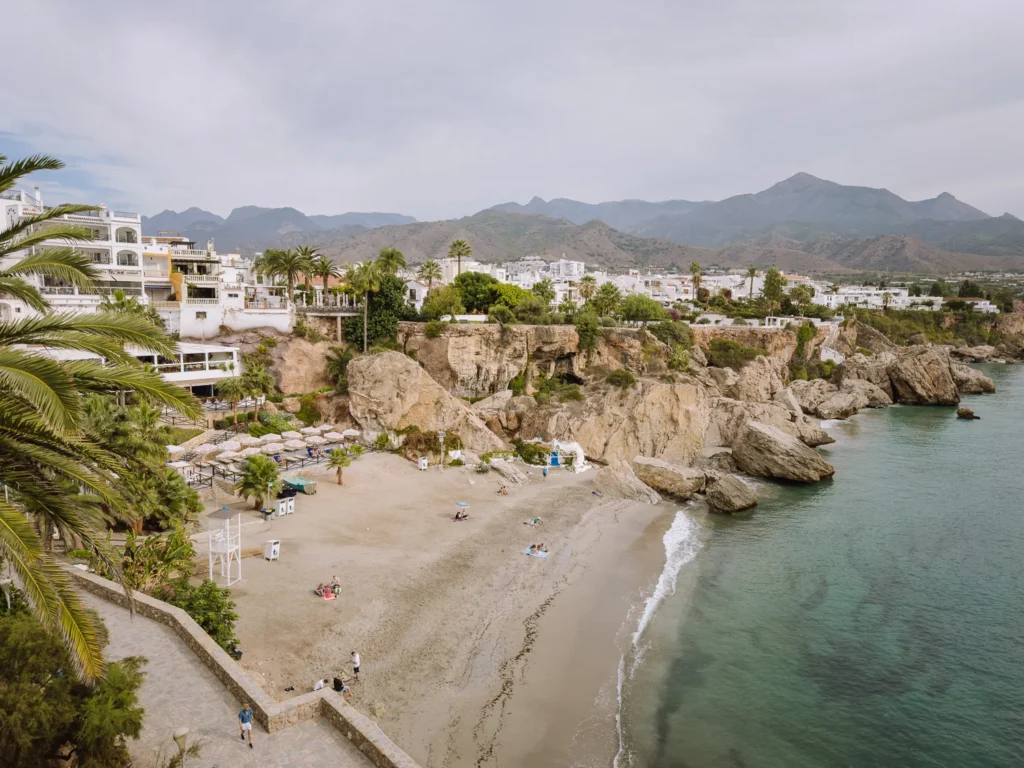
Nerja is a beach town on the eastern edge of the Costa del Sol with a more relaxed vibe than many other resorts in the west.
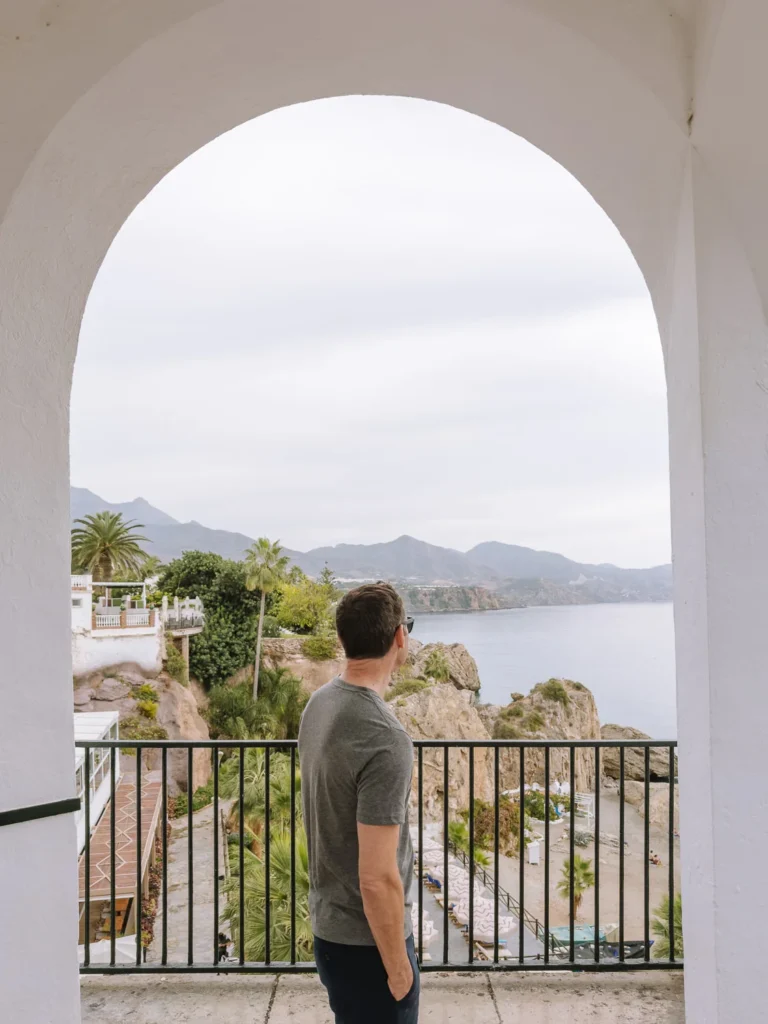
It’s a beautiful whitewashed town perched above dramatic cliffs, with a charming Old Town. The main square, Balcón de Europa, has terrific views of the coastline.
The other highlight is the Nerja Caves, where vast chambers are adorned with stalactites and stalagmites. It’s Spain’s most impressive cave system.
I think what we love most about Nerja is that it has the winning trifecta: lovely beaches, a useful town centre, and far fewer tourists.
8. Discover the Food Scene in Gaucín
This is probably a slightly obscure one. Gaucín is a small village located in the Serranía de Ronda mountains. The village consists of narrow medieval streets lined with tall houses, spread across two hills.
One of the main reasons we suggest people visit is the unusually high number of high-quality restaurants in the town.
Platero & Co is our top choice. They use traditional and modern cooking to deliver an innovative weekly menu. We had a beef carpaccio with goat’s cheese and duck with liquorice jus. Both of which were incredible.
Azulete Restaurant serves beautifully presented Mediterranean dishes and has a small, well-selected wine list. The outdoor terrace is an excellent place for a fancy lunch in this charming mountain village.
Bar Pajuelo has a great corner location serving traditional Andalusian classics. Every time we’ve been, it’s been packed with locals.


9. Hike la Concha
La Concha is a glorious mountain peak standing at 1215 metres above sea level on the Costa del Sol.
It’s close to the beaches of Marbella and a great alternative when we feel like getting a bit more active. Actually, a lot more active.
It doesn’t look like a massive mountain from the coast, but the hike to the top is a strenuous climb that involves some scrambling over large rocks and narrow exposed sections with chains for support.
The upside is that the views along the coastline to Gibraltar and across the North African coast are stunning.
We have a guide to hiking La Concha that includes all the important information.


10. See the Vultures in Casares
Casares is a traditional white village perched on a hilltop in the western Costa del Sol, with origins dating back to the Arab period.
The setting hits you from the moment you arrive at the car park, which has terrific views of the village cascading down the mountainside. From here, it’s a fairly steep walk down into the village.
Casares has a wonderful 13th-century Arab Castle, a ruined church with a Mudéjar bell tower, and a cemetery we highly recommend visiting.
The hilltop setting also makes Casares a great place to see Griffon vultures, which breed on the rocky crags of the nearby Sierra Crestellina. You’ll often see them circling above the village on thermal currents.


11. Kite Surfing in Tarifa
Tarifa is technically in Costa del Luz, but it’s just a short drive from the edge of the Costa del Sol, and it has some of the best beaches in southern Spain.
Located on the Atlantic side of the Straits of Gibraltar, the beaches near Tarifa have bigger waves and stronger winds, making the area the kite surfing capital of Spain.
Playa Valdevaqueros is the best beach for kite surfing. It is sheltered, so the water is often much calmer, and kite surfing pros take advantage of these conditions. By late afternoon, the sky is full of kites.
If Kitesurfing doesn’t do it for you, we recommend going to Tarifa anyway. The beaches are excellent, and the town has a relaxed, bohemian feel with strong African roots.
Read our Things to Do in Tarifa guide for details of what to do.


12. Road Trip Through the White Villages
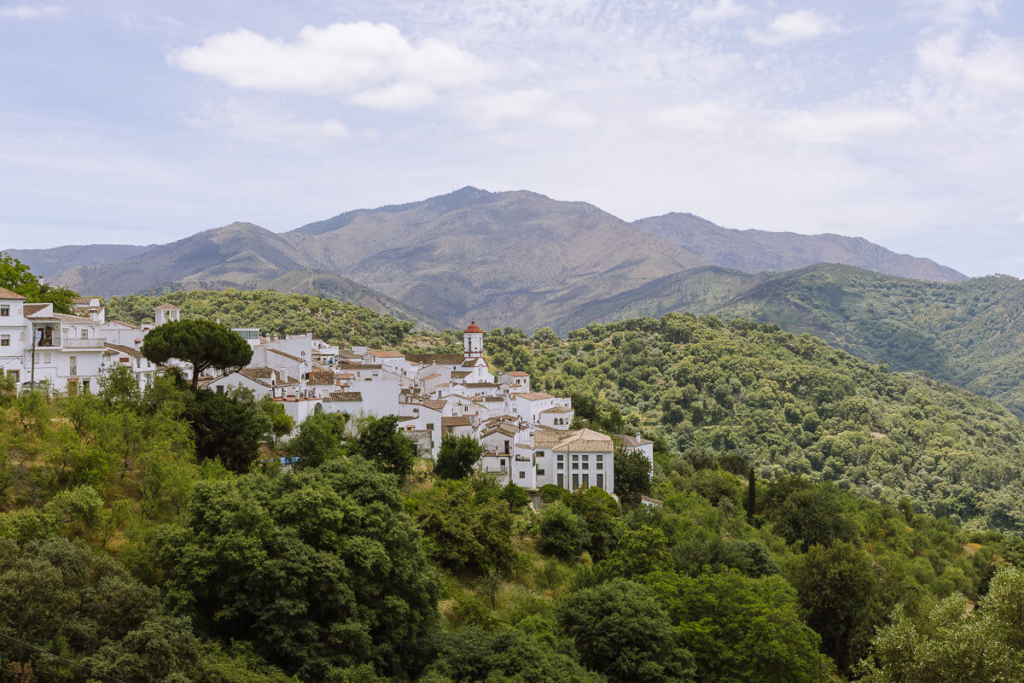
The White Villages of Andalucía cling to rocky hillsides and mountain ridges, surrounded by some of the best scenery in southern Spain.
Many have deep Moorish roots, with whitewashed houses squeezed along steep lanes, ruined castles overlooking the rooftops, and small plazas filled with tapas bars and local life.
If you’re looking for an easy road trip in the area that’s quite different from the coast, the white villages are a great option.
We have put together a Driving Route of the White Villages, allowing you to visit the best of them on an easy-to-follow itinerary.


13. Hit the Beaches
The Costa del Sol has 161 kilometres of coastline from Manilva in the west to Nerja in the East, and the beaches are some of the best in Spain.
The official tourism board claims 320 days of sun a year, which is why it’s a popular destination for Brits looking to escape the gloomy weather.
After sampling several of them, here are our picks:
- Playa Burriana, Nerja – An 800-metre stretch of sand in a sheltered bay, with plenty of restaurants and beach bars nearby.
- Cala del Moral, Rincón de la Victoria – A long, family-friendly beach with plenty going on, including water activities and a floating inflatable park in summer.
- El Bajondillo, Torremolinos – Best for a livelier beach day, with plenty of bars, restaurants and nightlife close by.
- Bil-Bil, Benalmádena – A wide urban beach backed by a long seafront promenade lined with bars and restaurants.
- Cabopino, Marbella – Natural-feeling beach with dunes and few facilities. One section is clothing-optional, while the rest is popular with families.
- El Cristo, Estepona – 700-metre-long family-friendly beach with calm water and a play park close to Estepona town.


14. Day Trip to Mijas
Mijas is a fairy-tale village high in the mountains, overlooking the coast, with spectacular views across the Mediterranean.
It’s considered one of the most beautiful white villages in Spain. However, this may be more because it’s an easy day trip from Málaga, whereas the other white villages require a road trip, which we mentioned above.
Nonetheless, it’s a beautiful village with whitewashed buildings, colourful gardens and plenty of points of interest.
We put a guide together about How to Visit Mijas on A Day Trip.


A Few Practical Tips
How to Get There
The main airport is Málaga-Costa del Sol Airport, which offers a wide variety of flights to many European destinations.
The other major nearby airports are Granada and Seville; however, Málaga is much more central if you plan to spend most of your time on the Costa del Sol.
When to Visit
The Costa del Sol has a Mediterranean climate with long, hot summers and mild winters.
Our favourite window is May to September, when the weather is reliable and sunny. However, August can be very busy, and July is the hottest month.
For us, April is the best time to visit the Costa del Sol. The weather is starting to warm up; it’s a little quieter than in the peak of summer, and the beach bars are generally all open for the season.
Where Should You Stay?
This is the main question you need to ask yourself, as it will determine what you can realistically see. We have put together a detailed guide on Where to Stay on The Costa Del Sol, which provides a summary of each of the main areas and who should stay there.


More Andalucía Guides
- Spend a glorious 3 days in Seville, the capital of Andalucia.
- How to plan a day trip from Seville to Córdoba.
- Our guide to Málaga includes the best things to do, top beaches and great day trips.
- See the Alhambra with our guide to visiting Granada.
- Take a road trip through these beautiful white villages in Andalucía.
- How to visit Ronda on a day trip from Seville or Málaga.
- Read up on the best things to do in Cádiz.
- See the incredible history of the region in our 2-day itinerary for Córdoba.
- Hike the stunning Garganta Verde.
- Find secluded beaches near Tarifa ideal for kite-surfing or bum-sitting.
- Visit more interesting places in Andalucía.
- Read about all the best things to do on the Costa del Sol.

reader-supported
When you buy through links on our site, we may earn a small affiliate commission at no extra cost to you.
Thanks for your support // Paul & Mark