

By: Paul Healy // Last Updated:
Part history lesson, part street art tour, part beer hall crawl: here’s our guide to the Berlin sights that we actually think are worth your time.
Berlin is a city that doesn’t hide its scars, though it does tend to spray paint over them.
Unlike most European capitals defined by picture-perfect old towns, Berlin is raw, relentless, and firmly rooted in counterculture.
Here, history isn’t tucked away in museums; it’s built directly into the pavement. It lives on the walls, breathes in the parks, and thrives inside repurposed government buildings across its sprawling, distinct neighbourhoods.
We absolutely love Berlin, and after a recent return trip, we fell right back under its spell.
There are many things you could do in this fascinating city, but we have built this guide around what interests us most: history, art, food, and culture.
Because Berlin is massive and lacks a single historic centre to anchor yourself in, the sights are spread far and wide. It is definitely not a city where we would recommend just winging it.
To help you out, we’ve covered the main attractions we really think sum up Berlin and explain its recent history, while allowing plenty of time to soak up that wonderful German culture.
Where to Stay
Hotel MANI | €
art’otel Berlin | €€
Hotel Adlon Kempinski | €€€
Exclusive Loft | Airbnb
Map: Getting Around Berlin
As you can see from the map below, Berlin is a large city and many of the main attractions are spread out.
Fortunately, using public transport in Berlin is very straightforward. We used Google Maps to find a route which gave us S-Bahn, U-Bahn, and bus options which were easy to follow.
Tickets need to be purchased from the yellow ticket machines in the train stations. Most of the attractions in Berlin can be reached with a Zone A and B ticket; however, a Zone C ticket is required for Potsdam and the airport.
The Berlin WelcomeCard is a good value option. It includes travel on Zones A, B and C, entry to several museums and discounts on museums, tours, restaurants and shopping.
Click on the top right corner to open our map in your Google Maps app. Click the star next to the title to save it to your Google account.
Things to Do in Berlin
1. East Side Gallery
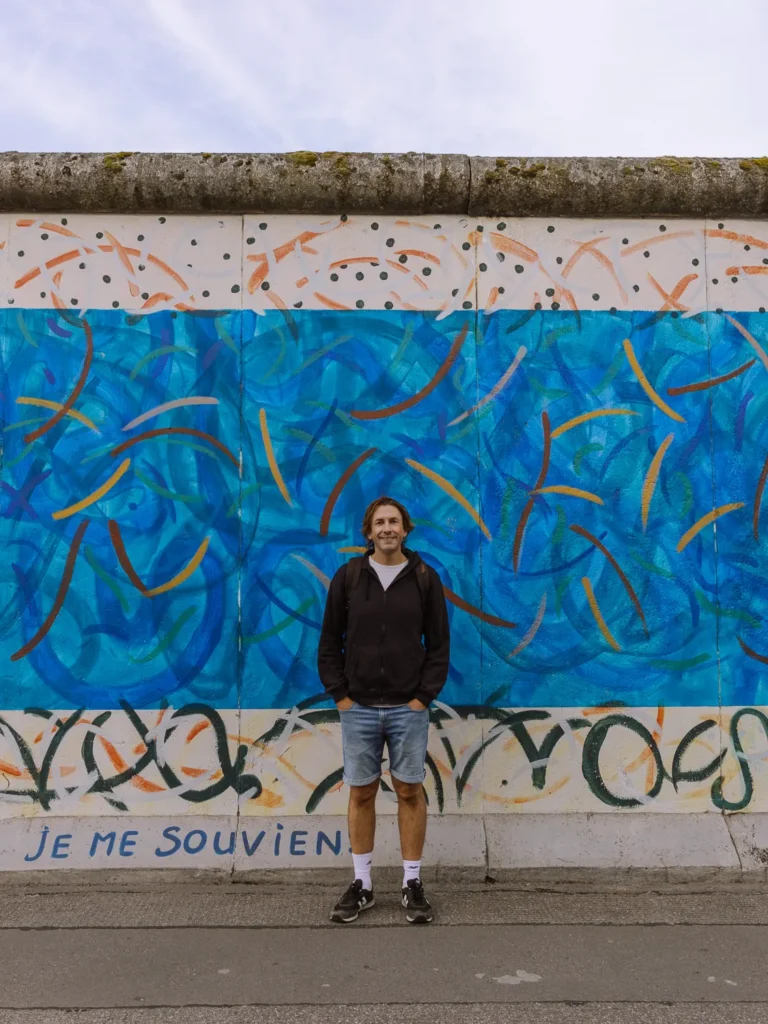
The East Side Gallery is a 1.3-kilometre stretch of the Berlin Wall in Friedrichshain, which was turned into an open-air gallery in 1990 after the fall of the Wall.
Artists from 21 countries were invited to paint over 100 murals on what is now the longest continuous section of the Berlin Wall still standing.
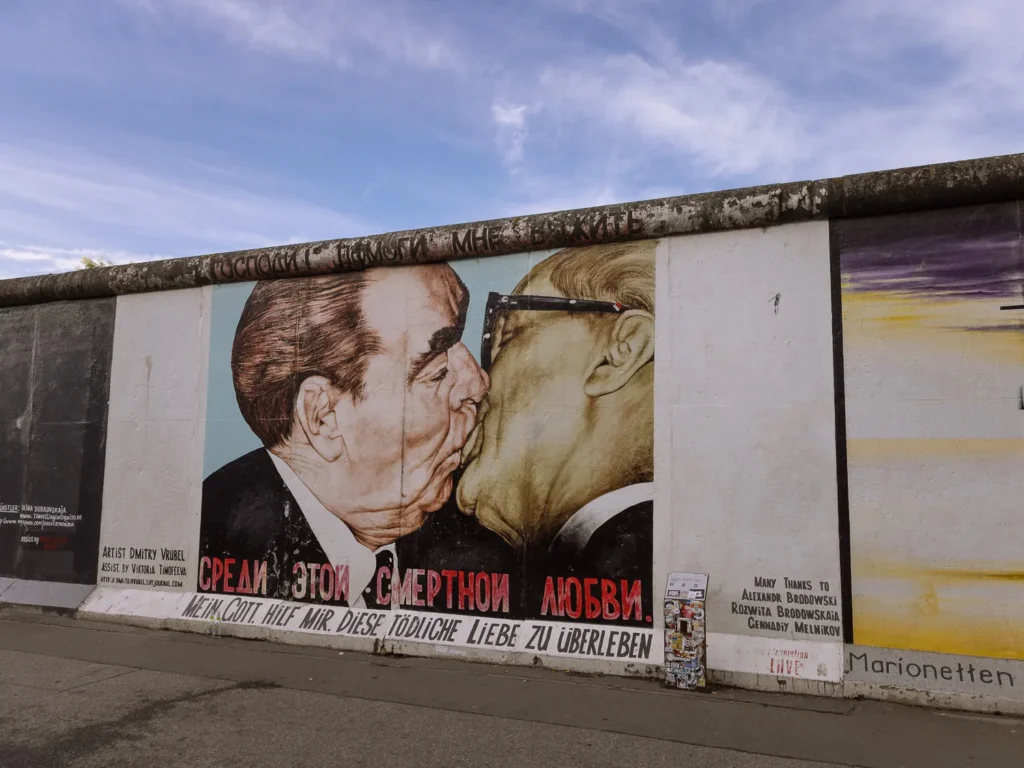
The murals reflect the political changes in Germany at the time, with peace, freedom, and reunification among the main themes that stand out.
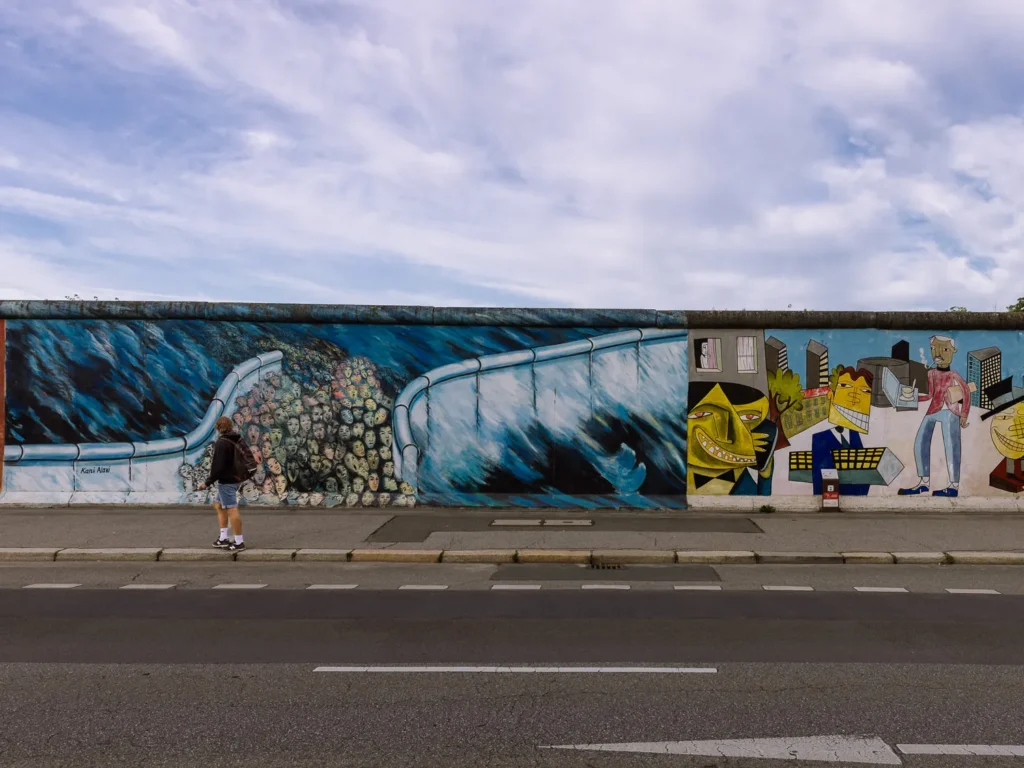
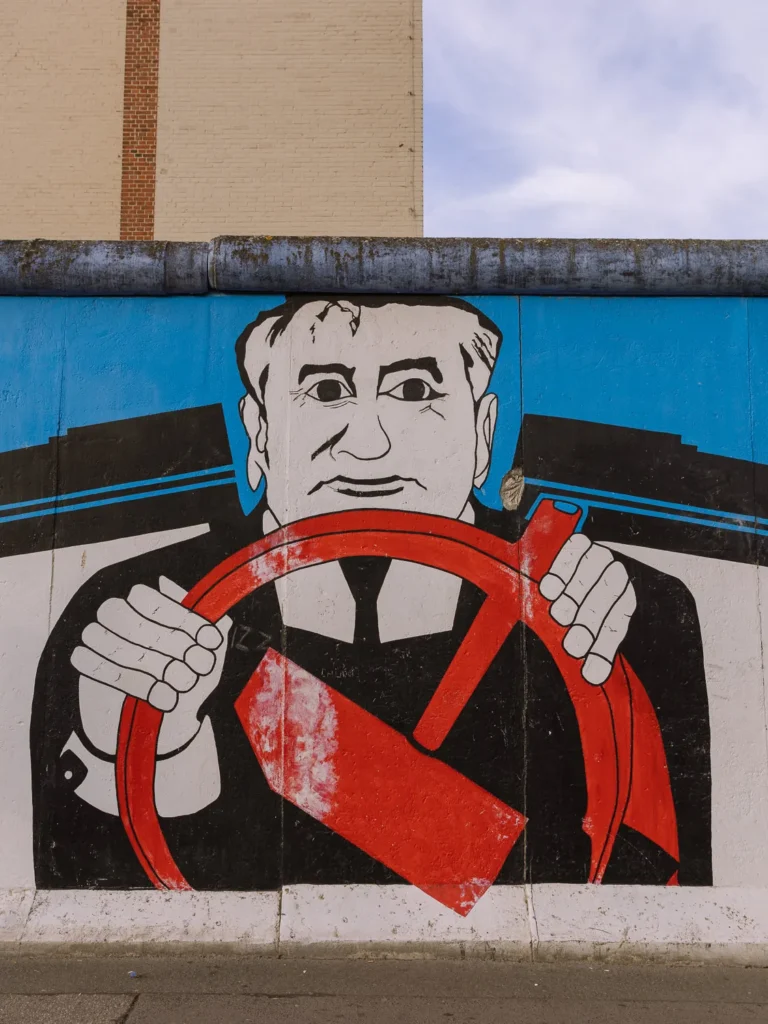
The two most famous murals are Dmitri Vrubel’s Fraternal Kiss and Birgit Kinder’s Trabant breaking through the Wall.
We walked the full stretch of the wall, which runs along Mühlenstraße between Ostbahnhof and Oberbaumbrücke. This took us around an hour or so with plenty of stops for photos.
Some of the original 1990 paintings have been restored over the years, and there are a few new ones as well. So, it’s not a perfect snapshot of the time, but there are boards explaining the repaints that took place in 2009.
2. Jewish Museum
We had been to the Jewish Museum on previous visits to Berlin, but it was just as absorbing the second time around.
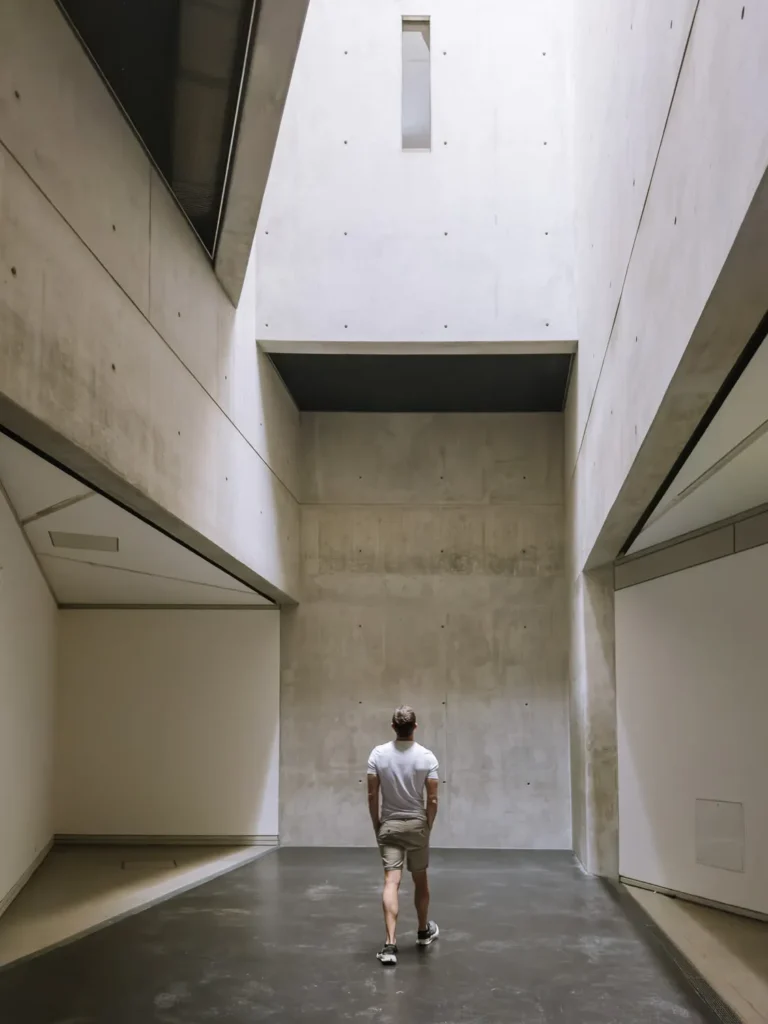
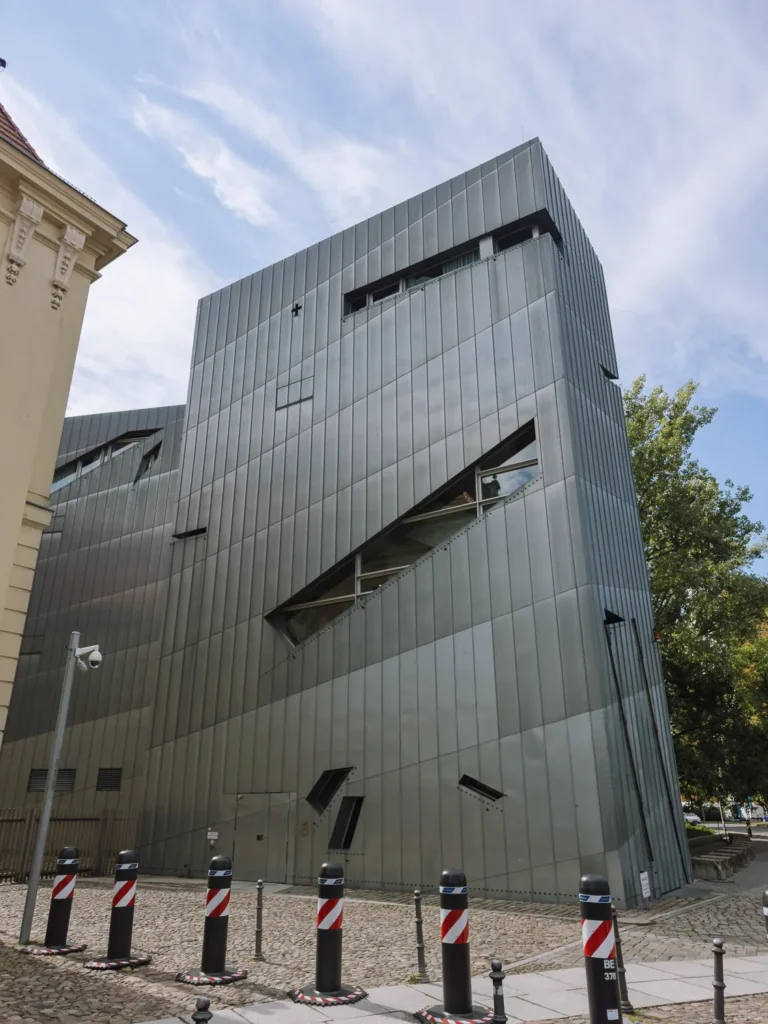
The exhibitions cover over 2,000 years of Jewish history, culture, and life in Germany, but what immediately grabs your attention is the architecture. Daniel Libeskind’s zinc-clad, zigzag building uses sharp angles, sloping spaces and voids to create a deliberately disorienting experience.
You start in the basement with three axes: the Axis of Exile, the Axis of the Holocaust and the Axis of Continuity, which each lead to exhibitions covering different aspects of Jewish life in Germany.
In terms of the building, there were three main highlights for us.
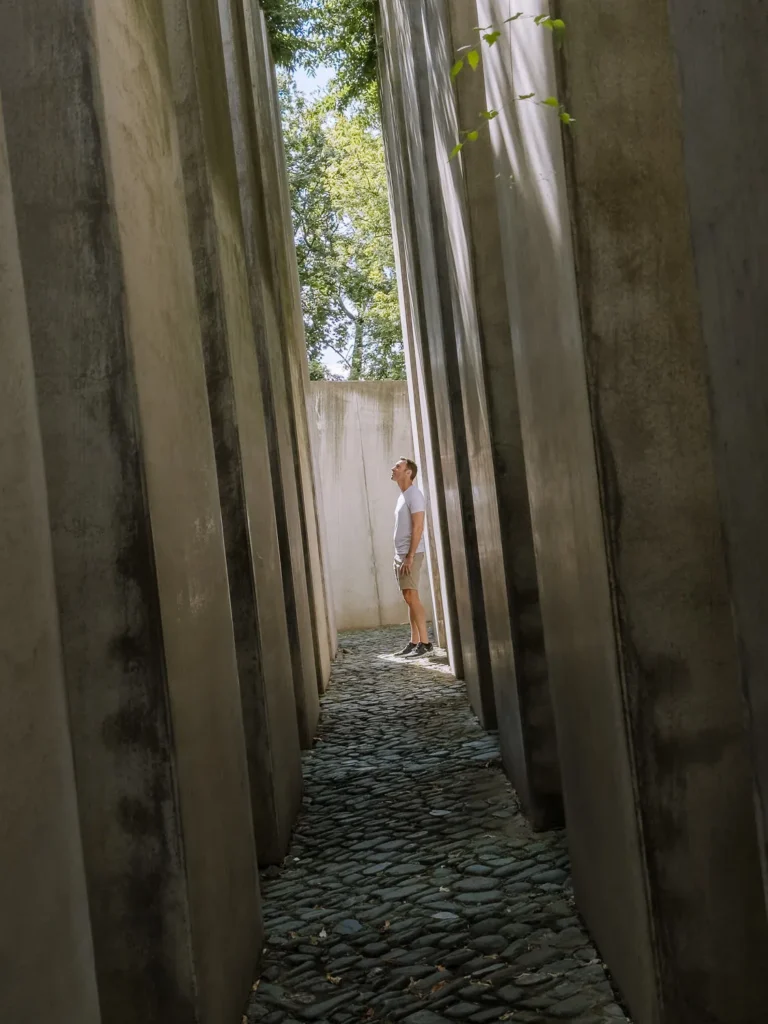
The Garden of Exile, which contains 49 tilted concrete columns, really does feel disorienting.
The Holocaust Tower is a stark, empty concrete tower with only a narrow opening at the top to let in some natural daylight.
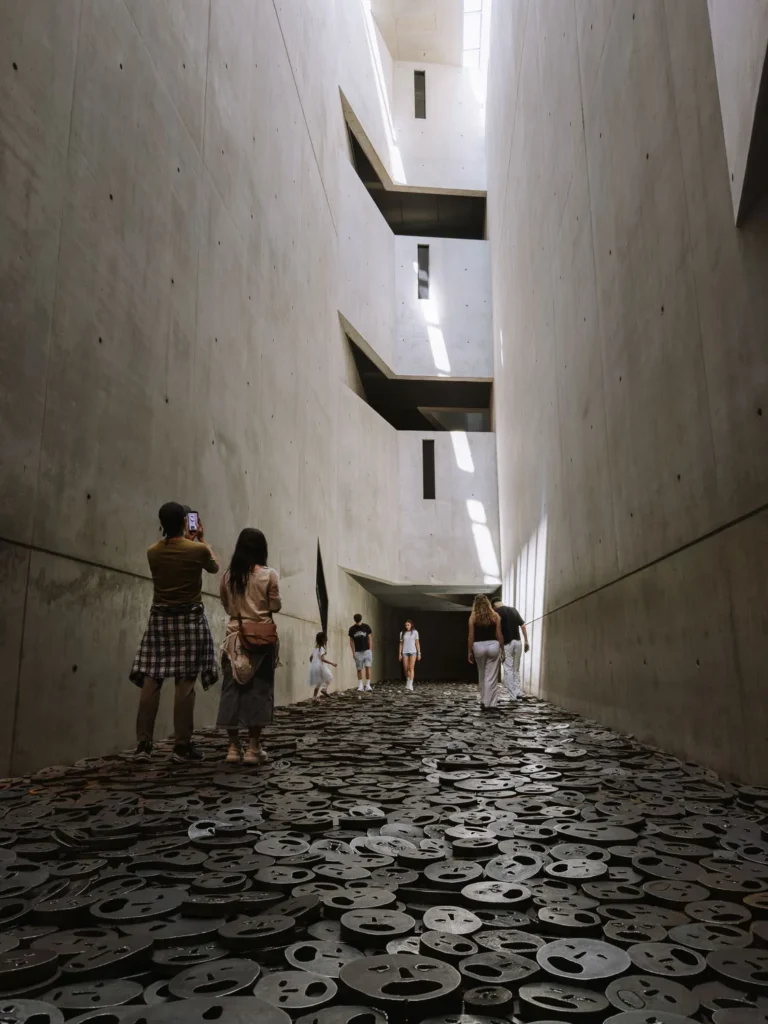
The final one is Shalekhet (Fallen Leaves), in the Memory Void. It has thousands of iron faces covering the floor, which you can walk across, creating a disturbing clattering.
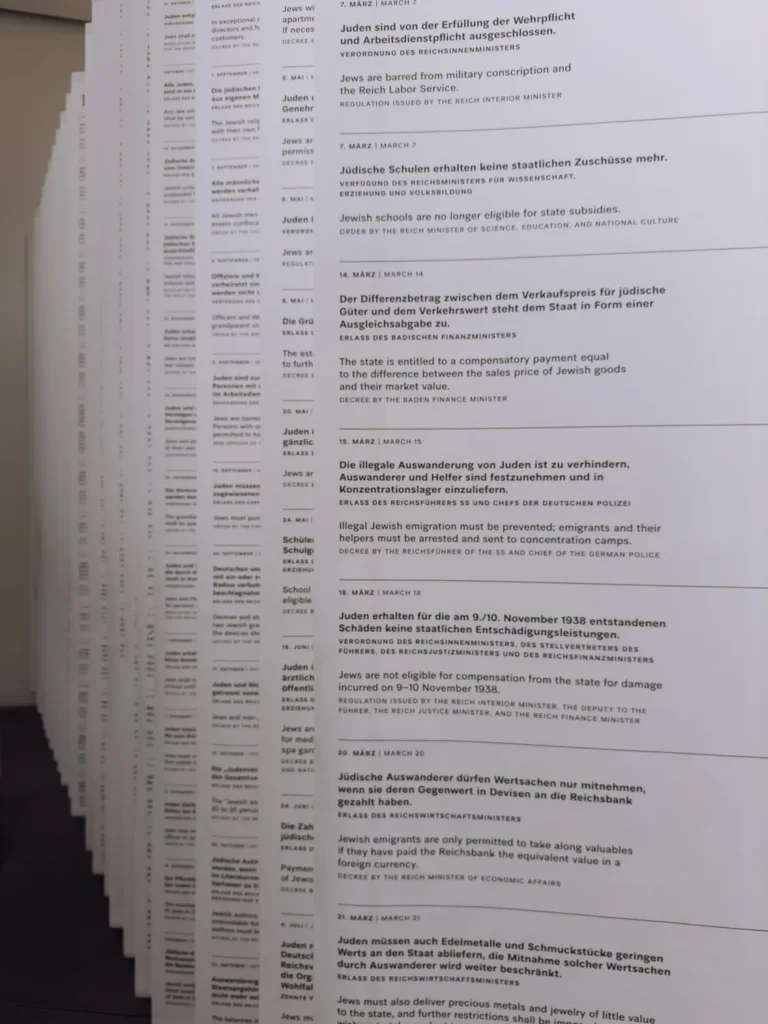
On the upper floors, the core exhibition covers Jewish life in Germany. Although there is more than the Holocaust, the hanging pages listing the laws restricting Jewish freedoms were one of the most impactful displays we have ever seen. Huge sheets of paper hang from the ceiling listing the laws and the dates they were implemented. The sheer scale and volume of new laws is staggering.
We spent most of our time on the middle floor. The top two floors covering Jewish belief and early settlement weren’t as interesting to us.
The Jewish Museum is free to enter.
3. Mauerpark Flea Market
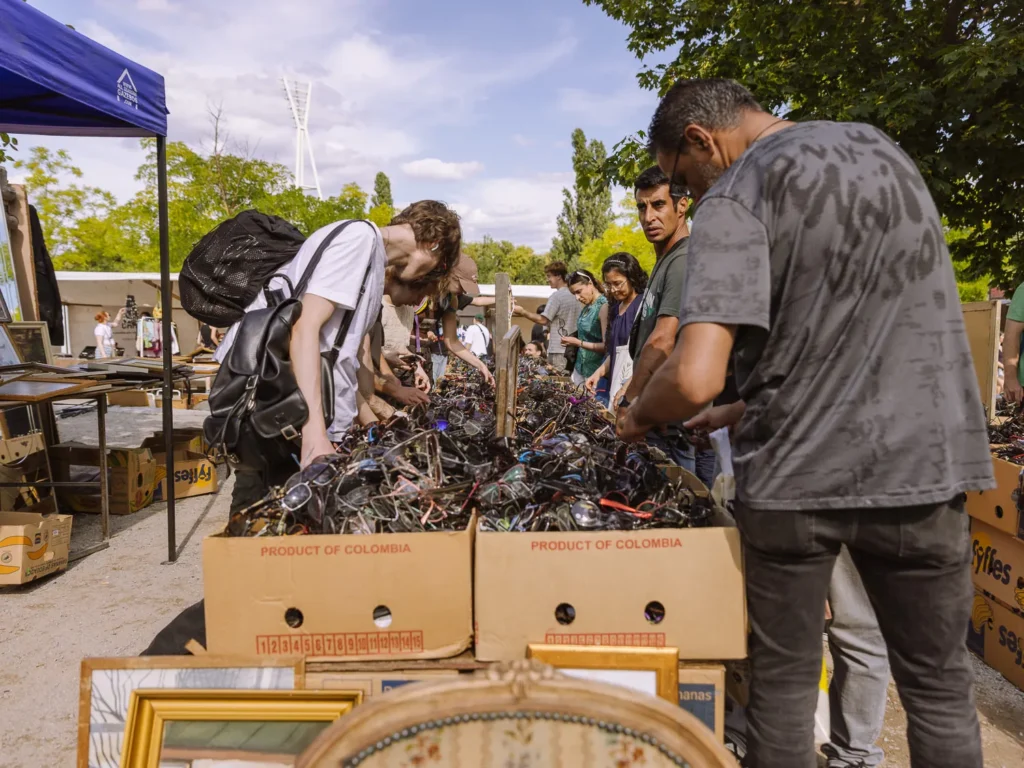
While we firmly believe you should see the main sights a city is famous for, we also love squeezing in a local experience. The Mauerpark Flea Market is one of the best classic Berlin experiences we found.
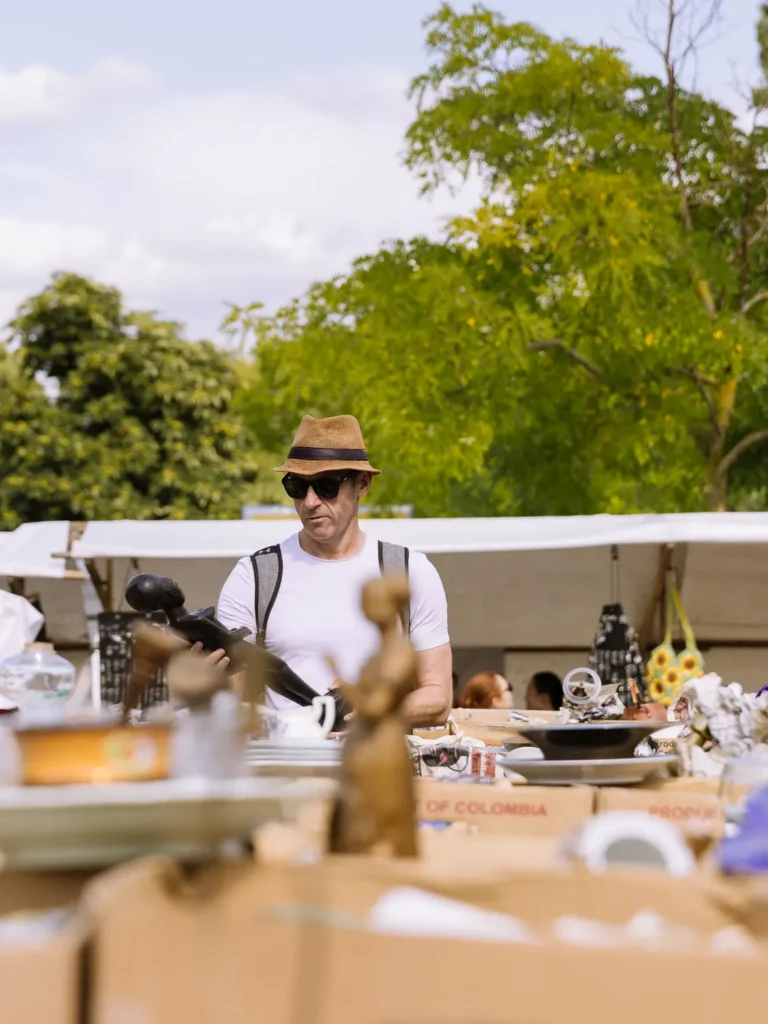
The market is in part of the former Berlin Wall death strip, but today it’s a wonderful market, mostly run by private sellers. You’ll find vintage clothing, shoes, books, vinyl, jewellery and a whole host more.
You should definitely go to the Bearpit Karaoke, held in an amphitheatre in the park just beside the market. It usually kicks off around 3 pm with big crowds cheering on singers no matter their ability.
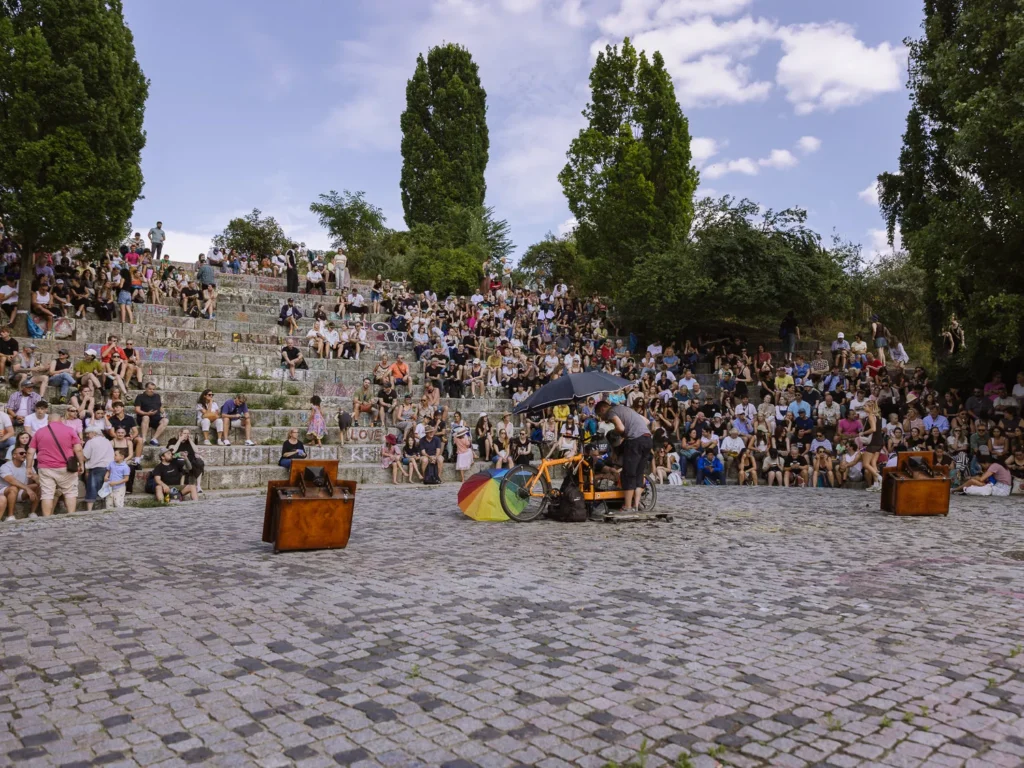
The market is in Prenzlauer Berg and the nearest U-Bahn stations are Eberswalder Straße or Bernauer Straße.
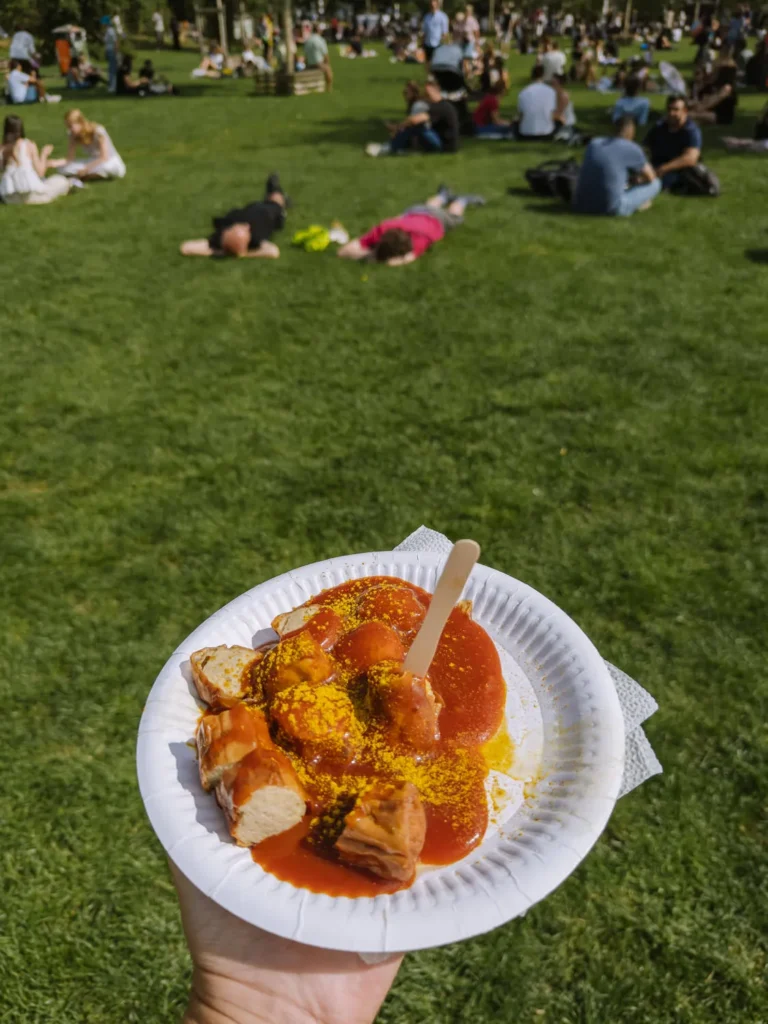
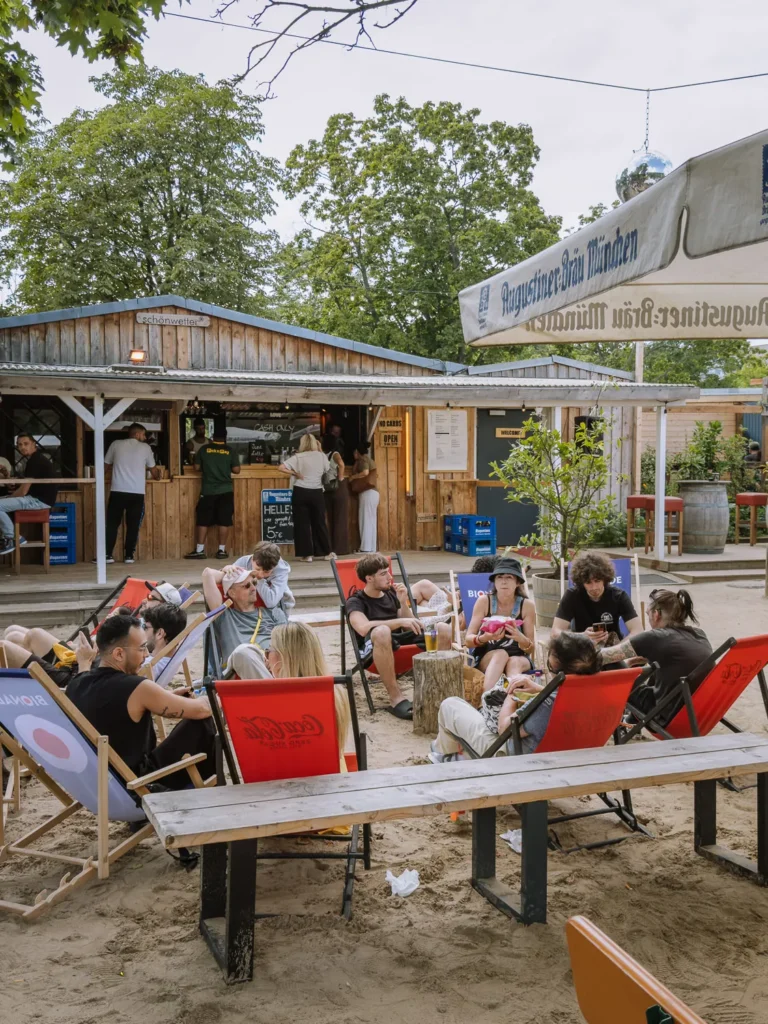
If you want to shop, most stalls accept card payments. However, the sausage stall, which had the best currywurst we had in Berlin, and the bar take cash only.
It’s just a short walk to the Berlin Wall Memorial (Gedenkstätte Berliner Mauer), which is where we went straight after the market.
4. Berlin Wall Memorial (Gedenkstätte Berliner Mauer)
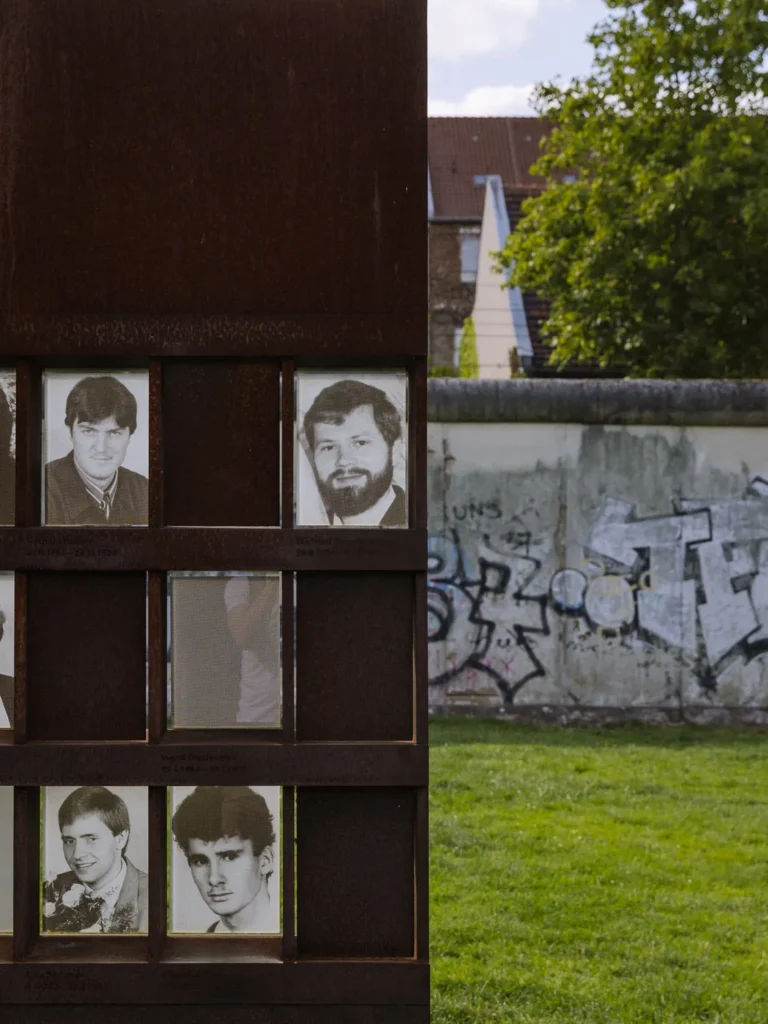
This was new to us on our last trip to Berlin, and it’s well worth doing. It’s probably the best site in Berlin to get a better understanding of how the wall actually operated and affected Berliners’ everyday lives.
For some brief background: When the Wall was built in 1961, the street itself, Bernauer Strasse, became part of the border. So, apartment blocks on the street were technically in the East, but if they jumped out their windows, they would be in the West.
Which is exactly what many people did until the East German authorities eventually bricked up the windows and/or demolished buildings on the border.
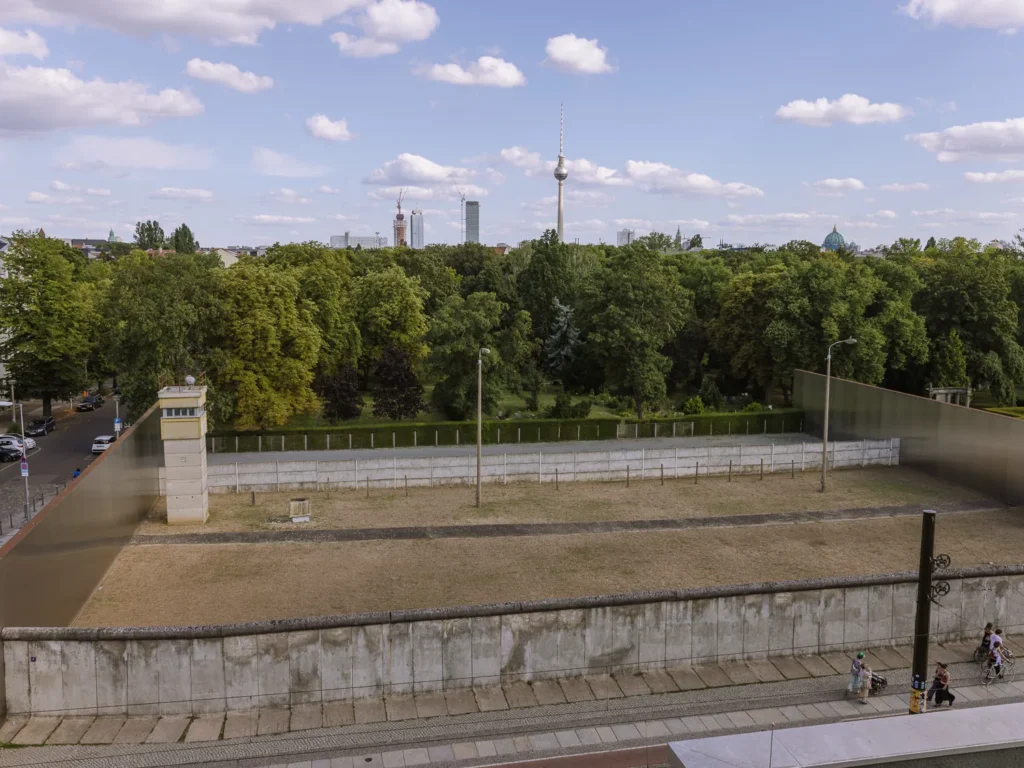
The site is set up as a 1.4-kilometre outdoor memorial. There are preserved sections of wall, watchtowers, and other border installations. This is the only place where you can see the complete sequence of fortifications.
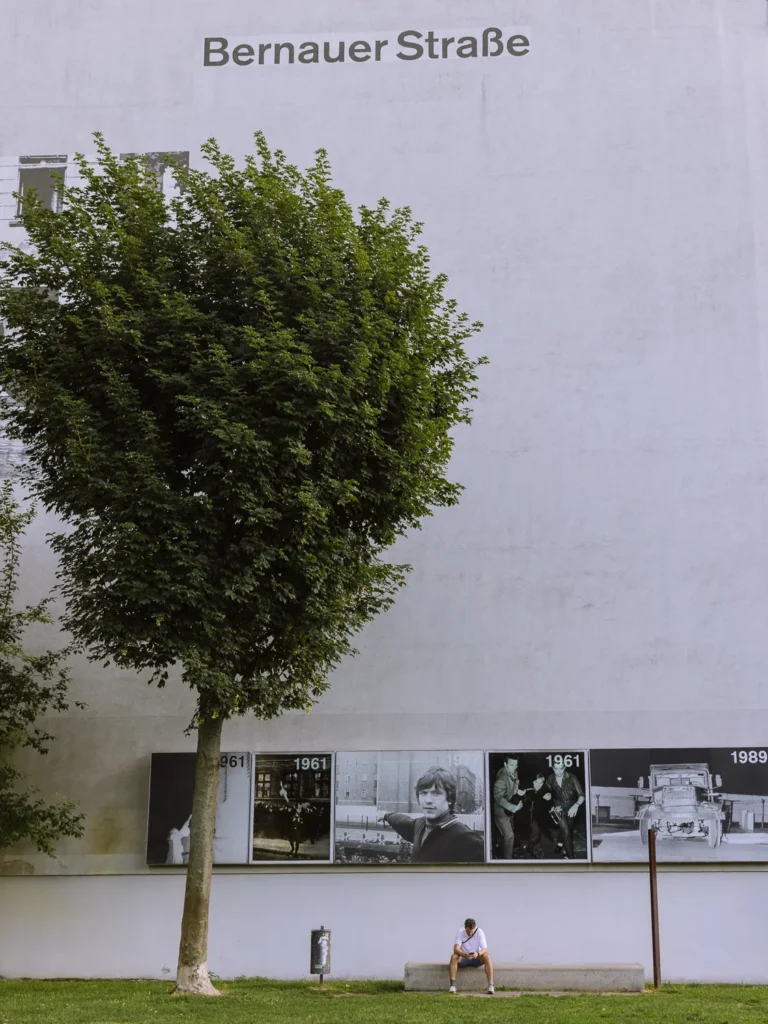
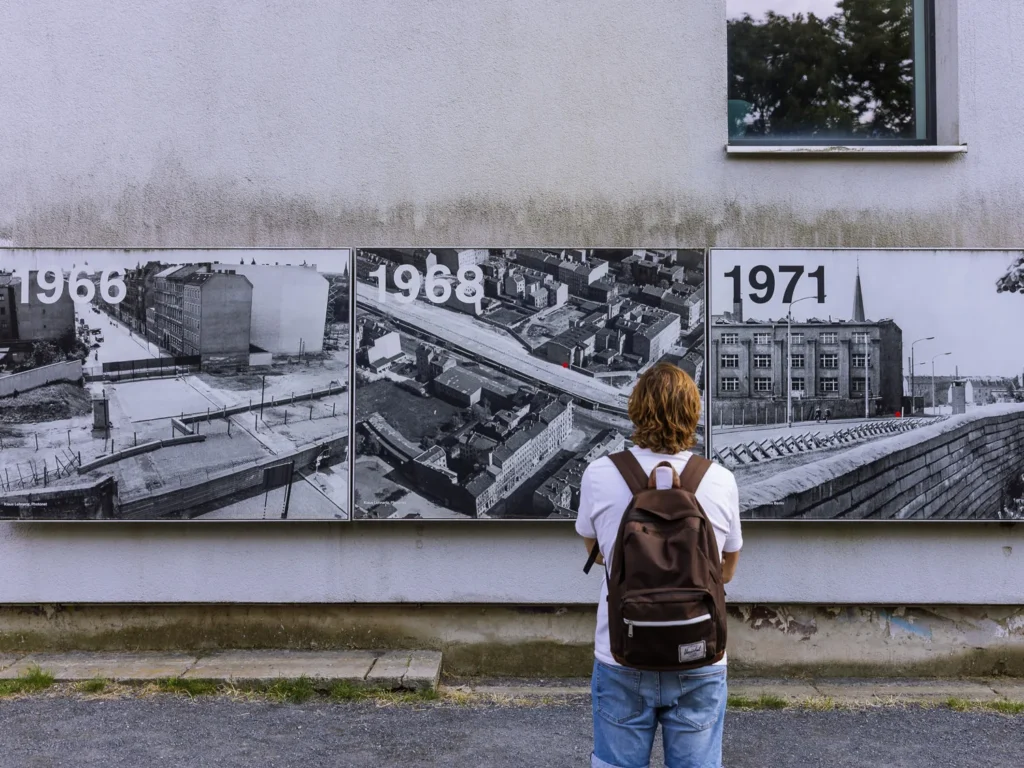
Along the path, there are information boards explaining the history of the wall with photographs, documents, and personal stories. We were pretty absorbed in this museum, and although we seemed to spend a lot of time reading information boards in Berlin, this one is genuinely fascinating.
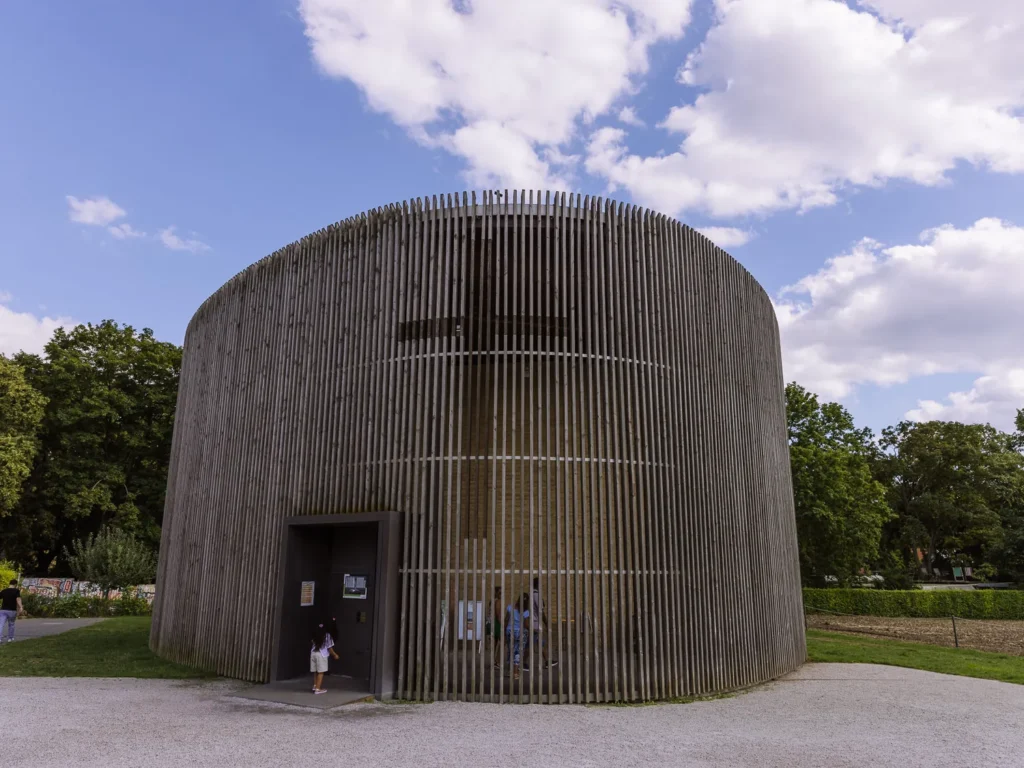
In addition to the sections of wall, there is a Chapel of Reconciliation and a Documentation Centre.
The Documentation Centre has more photos and information, but nothing beyond what you can read outside. There is a viewing platform which gives you a bird’s-eye view of a complete section of the wall with all its defences – definitely do this.
The museum is free to enter and open from 8 am to 10 pm; however, the Documentation Centre is only open from 10 am to 6 pm Tuesday to Sunday.
5. Hofbräu Wirtshaus Berlin
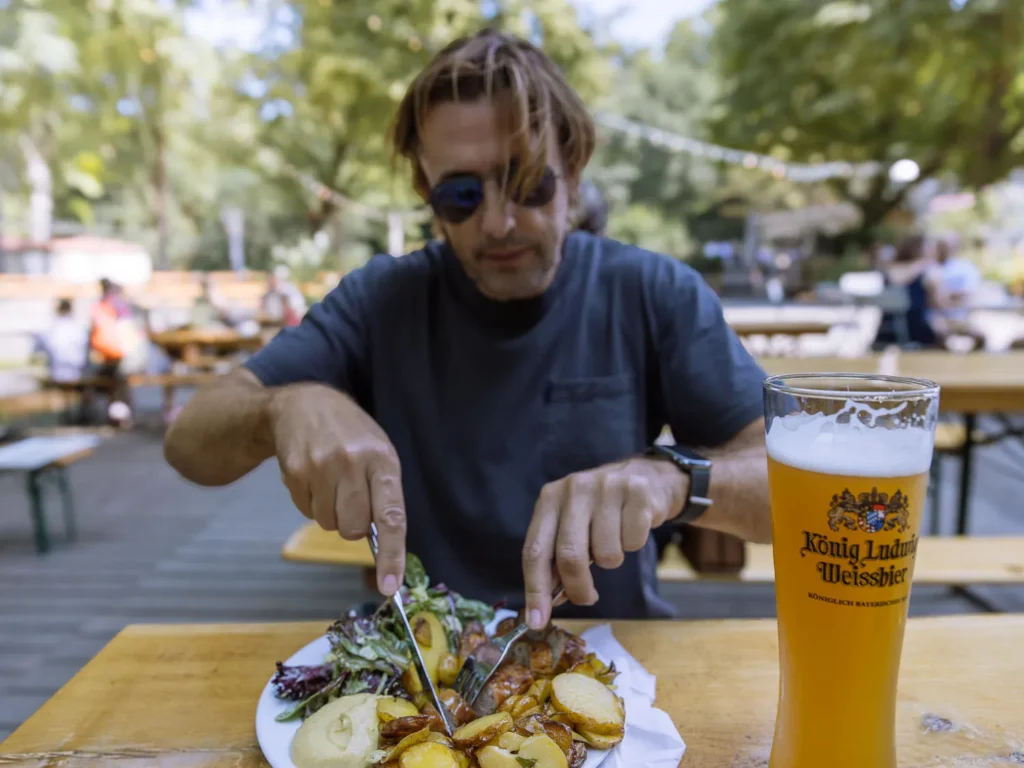
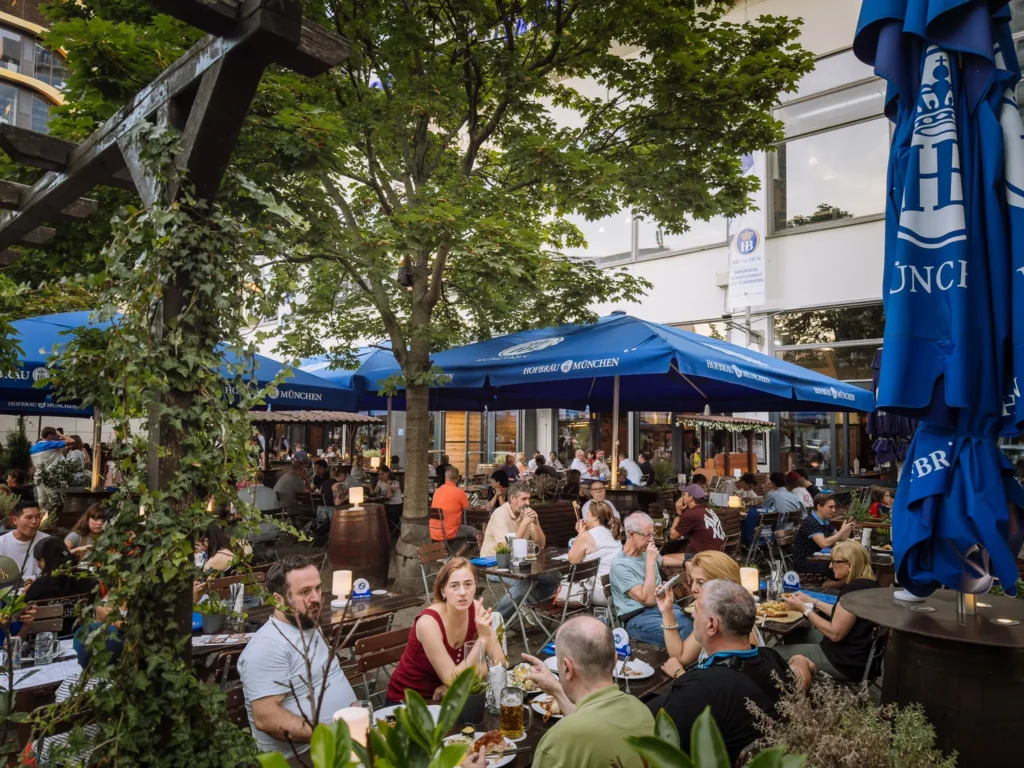
We make no apology for including Hofbräu Wirtshaus in this guide; yes, it’s touristy and Bavarian, but it’s also full of atmosphere, it has great food and beer, and it’s a lot of fun.
To be honest, the food scene in Berlin is excellent, especially the whole casual-eating vibe. Food stalls, vans, and hole-in-the-wall places deliver some of the best food you’ll find, and brunch – like in many places – is a big deal.
But we were struggling to find somewhere for a sit-down meal that felt decidedly German. So, we found ourselves at Hofbräu Wirtshaus – a large traditional Bavarian-style beer hall.
This is not the historic Hofbräuhaus you’ll find in Munich; for legal reasons, they can’t call it that. But it’s from the same family, and you’ll find all the classic Bavarian dishes – they’re known for having the biggest pork knuckle in Berlin – and beers by the litre.
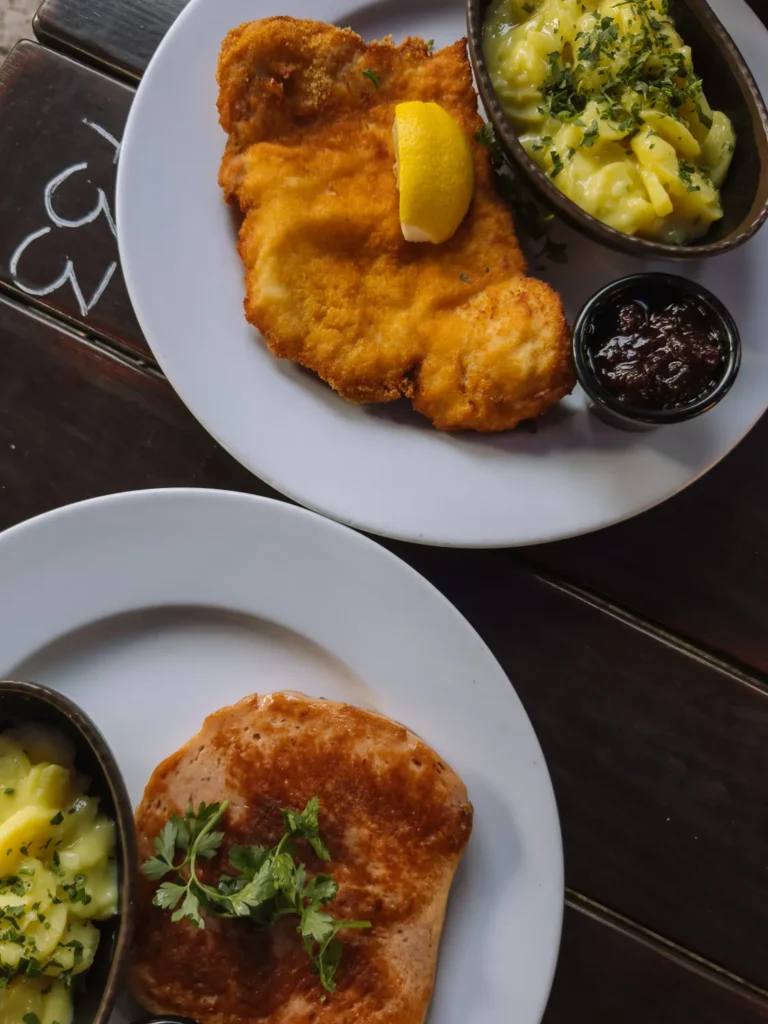
I had the Browned Leberkäse (Bavarian meatloaf), which came with that delicious German-style potato salad. Mark had the chicken schnitzel, which was excellent.
6. Sanssouci Palace
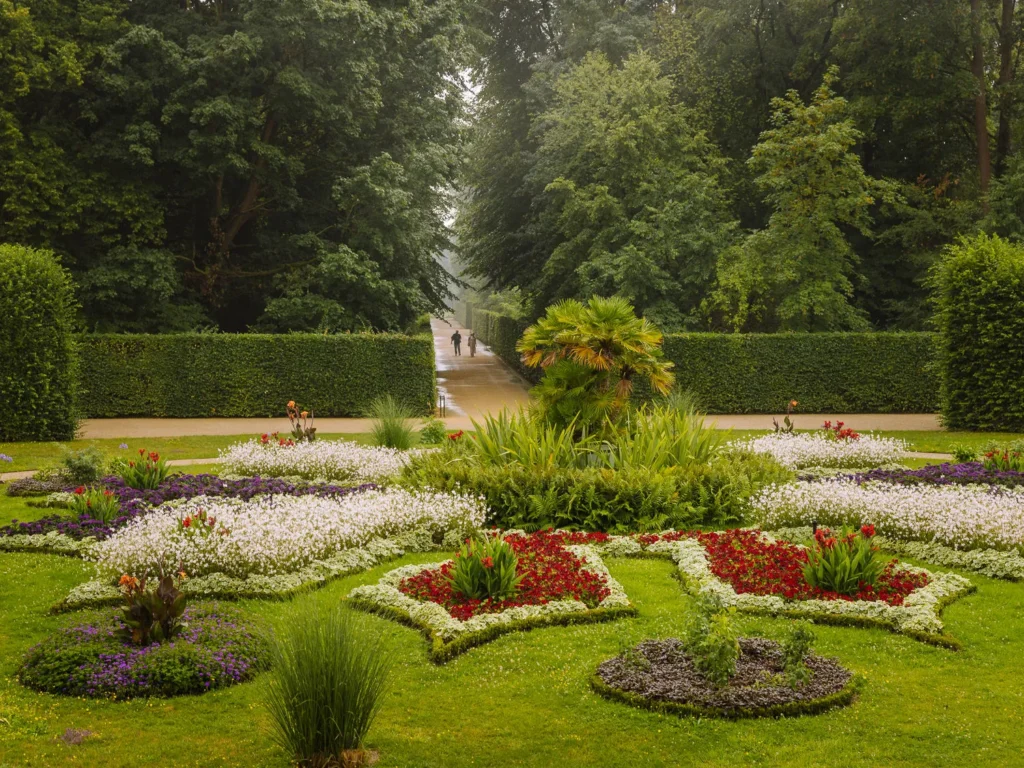
Sanssouci Palace is the former summer residence of Frederick the Great located in Potsdam, just outside Berlin. Sanssouci means “without worries” in French, indicating that the purpose was a summer retreat, not an official seat of power.
This vibe is picked up in all its glory in the gardens, which are spectacular. The terraced vineyards leading up towards the main palace are sublime, and the garden outside the Orangerie is the most beautiful herb garden I’ve ever seen.
The wider park has formal gardens, fountains, terraces and sculptures. They are part of the Palaces and Parks of Potsdam and Berlin’s UNESCO World Heritage Site and are wonderful to stroll around.
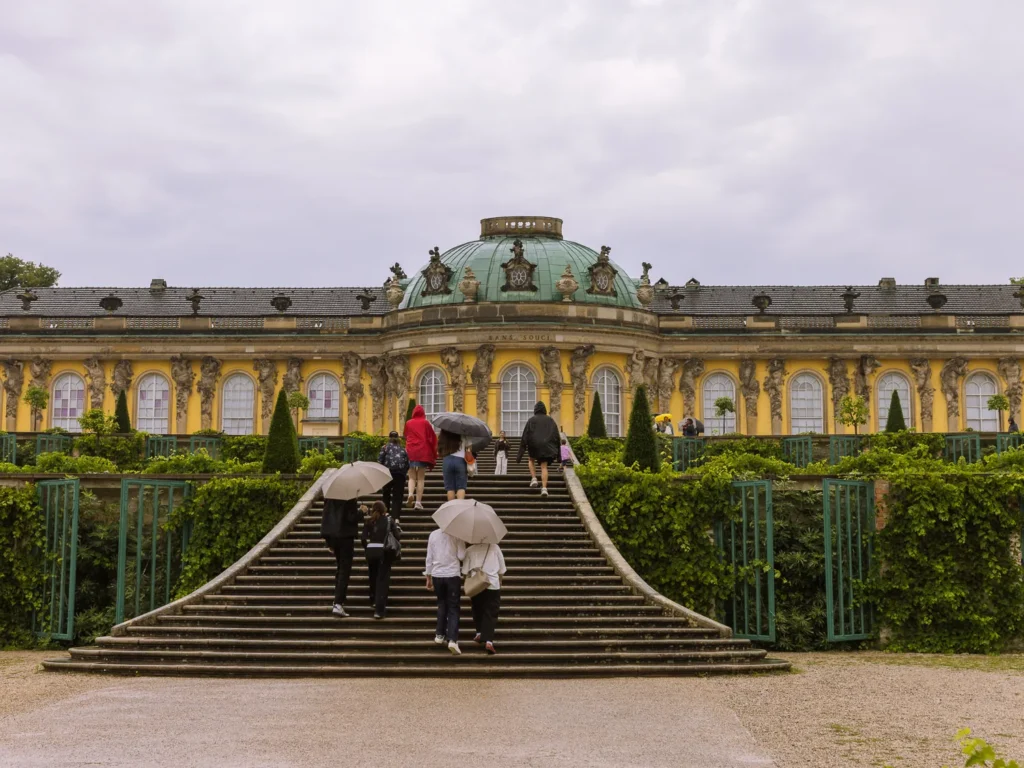
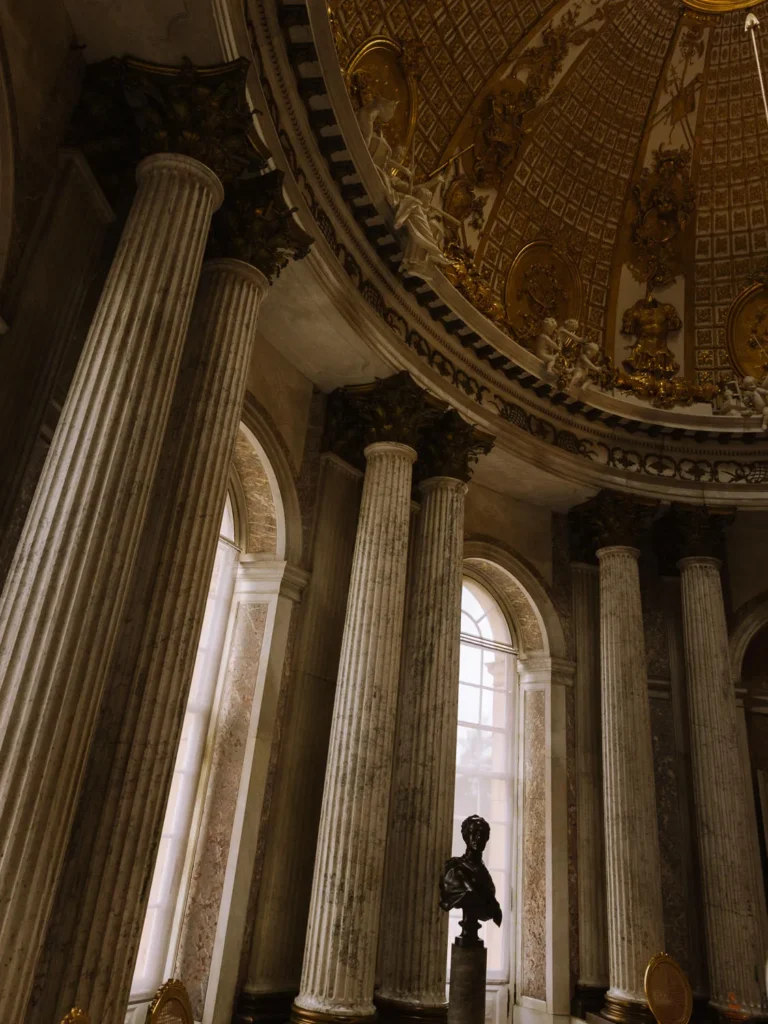
The main palace wasn’t that interesting to us, but if you are into ornate ballrooms, you’ll probably like it.
You need to buy a timed-entry ticket for the Sanssouci Palace, which also gives you access to the other buildings in the complex.
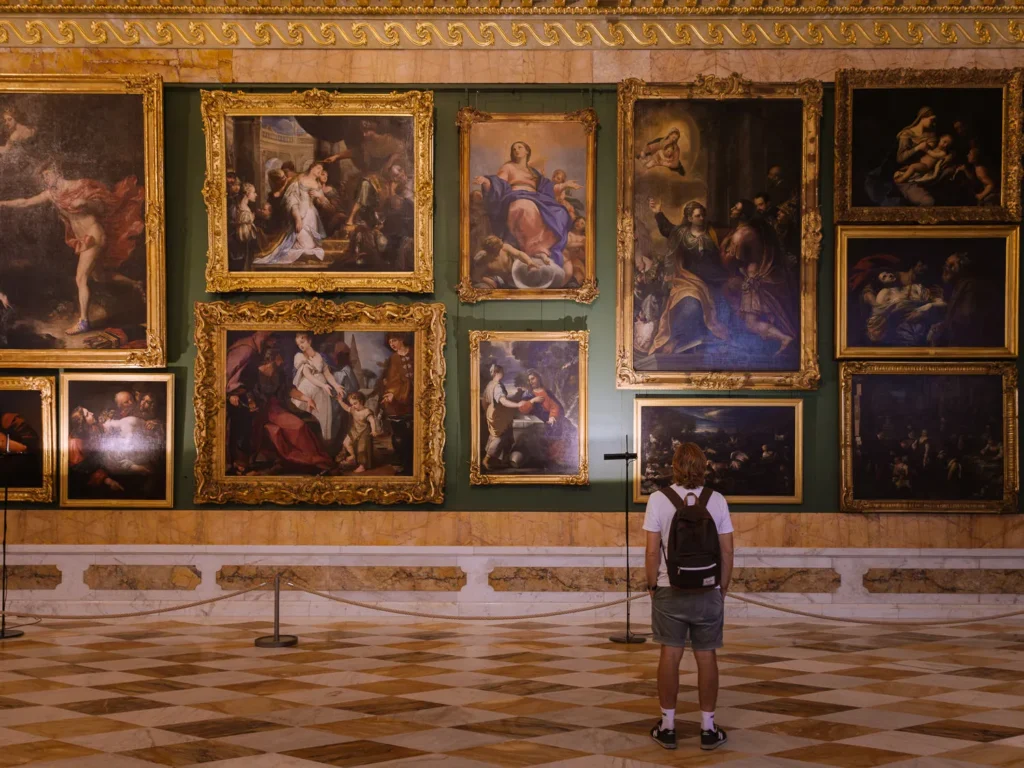
Our favourite was the Picture Gallery of Sanssouci, which was included in the ticket. It features an incredible art collection, including works by Caravaggio and Van Dyck.
The gardens are free to enter and open from 8 am to dusk every day.
The Picture Gallery of Sanssouci and the Sanssouci Palace are open Tuesday to Sunday, 10 am to 5:30 pm.
From central Berlin, we took the S7 S-Bahn to Potsdam Hauptbahnhof, which takes around 35-45 minutes. From the station, there is a local bus to Schloss Sanssouci; however, we walked and stopped for breakfast at Havelbohne, where I had the best coffee of this trip.
7. Haus Der Wannsee-Konferenz
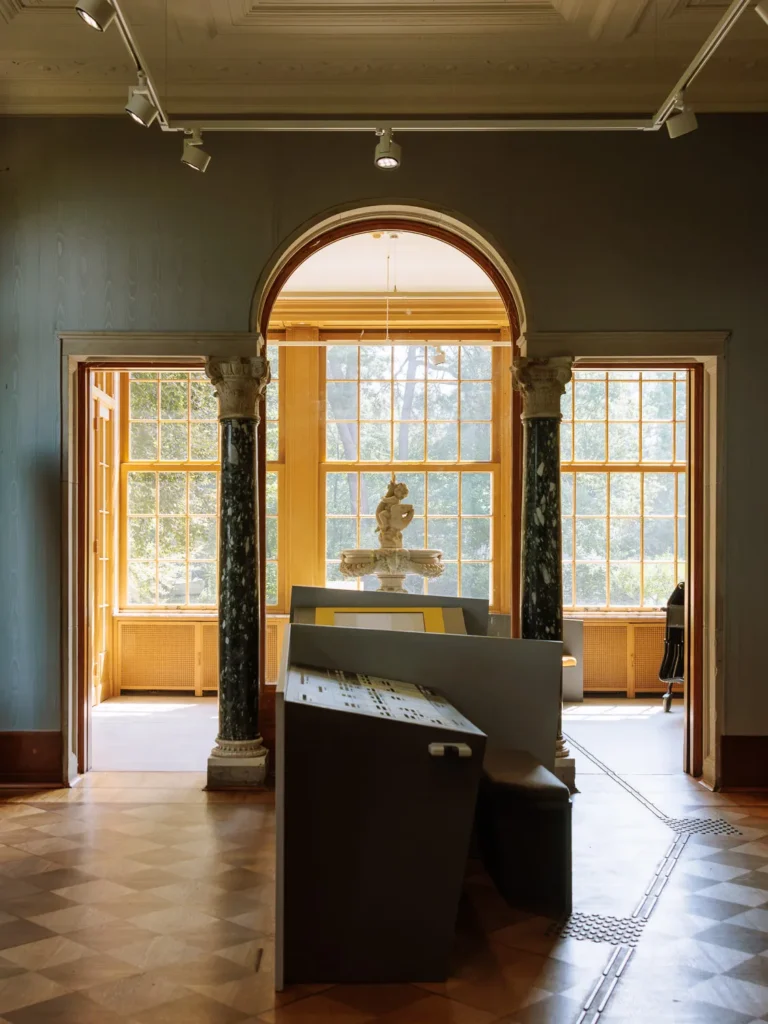
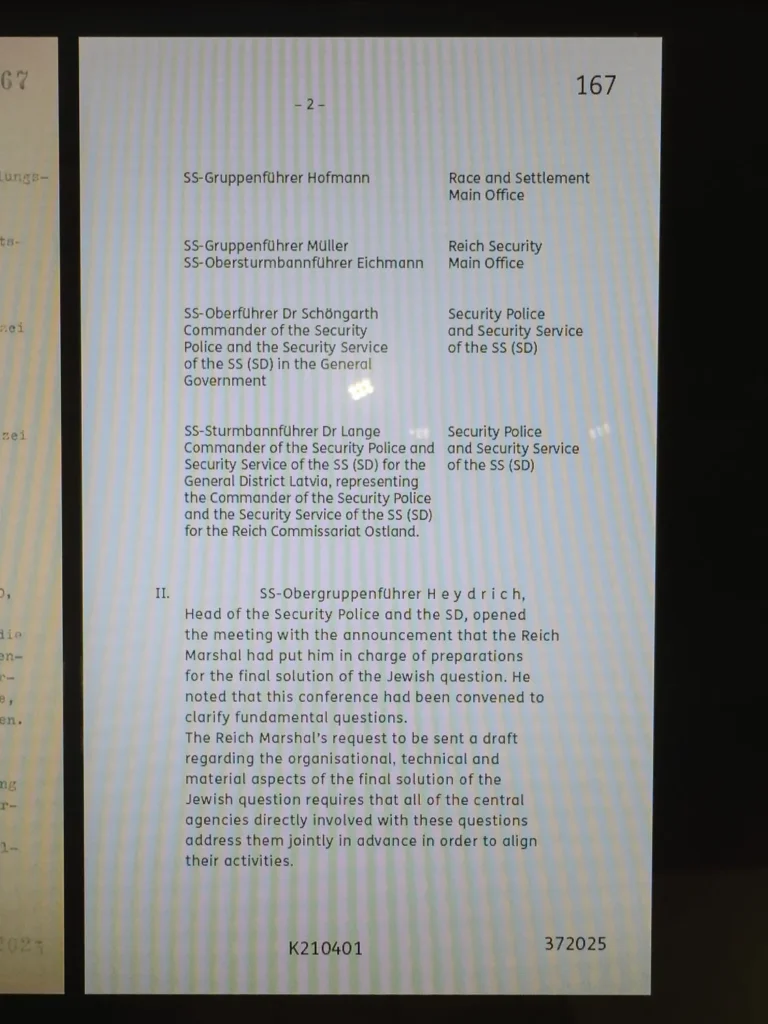
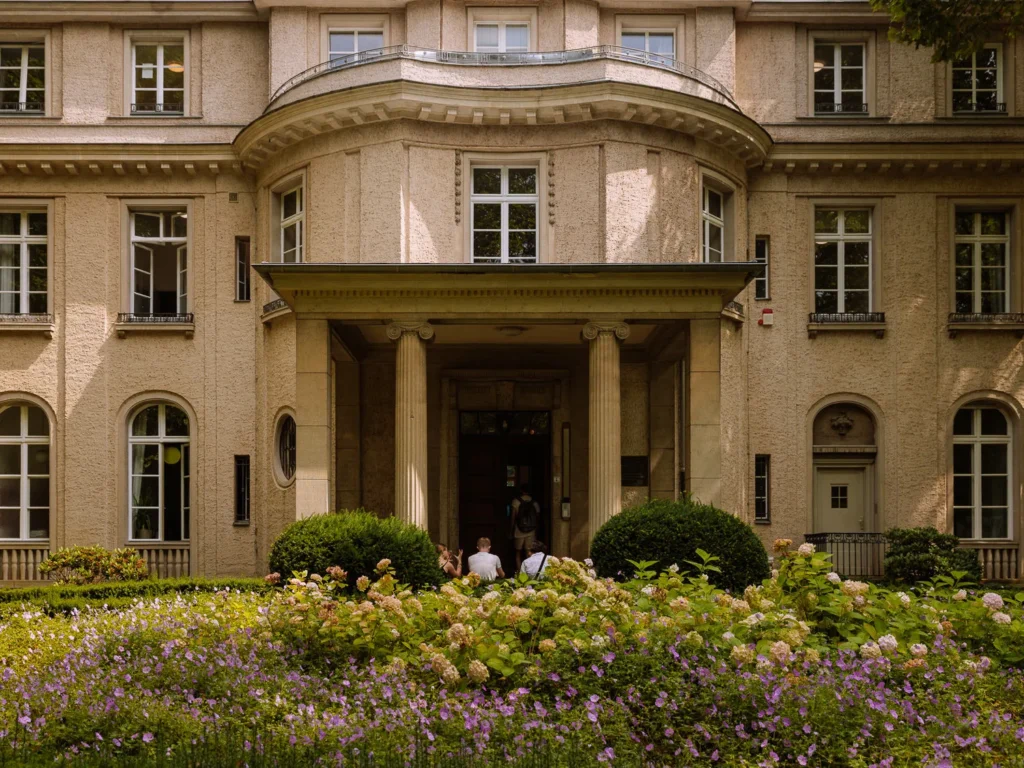
The House of the Wannsee Conference is the villa where 15 senior representatives of the SS, Nazi Party and German ministries met on 20 January 1942 to coordinate the planned deportation and murder of Europe’s Jews.
Today, it’s a memorial and educational centre, using documents, photographs and biographies showing how government officials were involved in the Holocaust.
It was profoundly shocking to read about the cold, bureaucratic efficiency with which human destruction was orchestrated inside this beautiful lakeside villa.
The museum includes a copy of the surviving Wannsee Protocol (copy No. 16), and it’s pretty sobering reading.
We visited the Wannsee Conference on the way back into Berlin from Sanssouci Palace. From Wannsee Station, the 114 bus does a loop every 10 minutes. Take the bus in the direction of Heckeshorn and get off at Haus der Wannsee-Konferenz.
8. Teufelsberg Field Station
After the Wannsee Conference villa, we went straight to Teufelsberg for the best off-the-beaten-path Berlin experience we discovered on our last trip.
The site at Teufelsberg is like a layer cake of 20th-century history.
Firstly, it’s a manmade hill constructed out of 75 million cubic metres of World War II rubble piled on a Nazi military college.
Secondly, the site was a former US and British listening station operated by the NSA, used during the Cold War to spy on East Germany and the Soviet bloc.
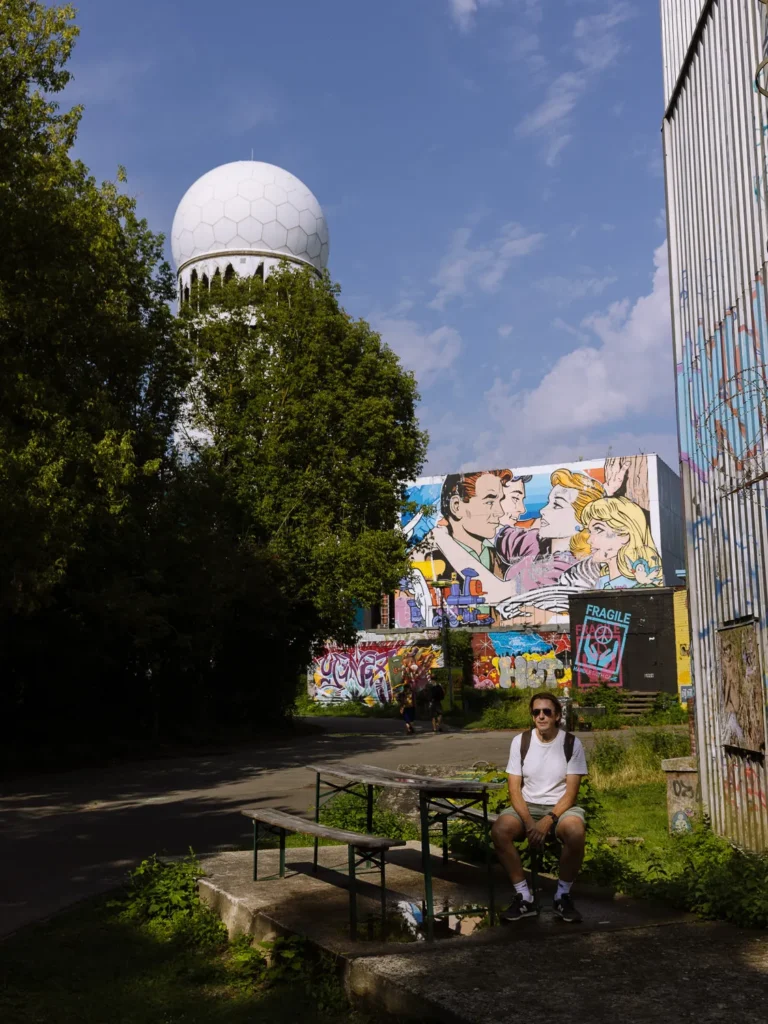
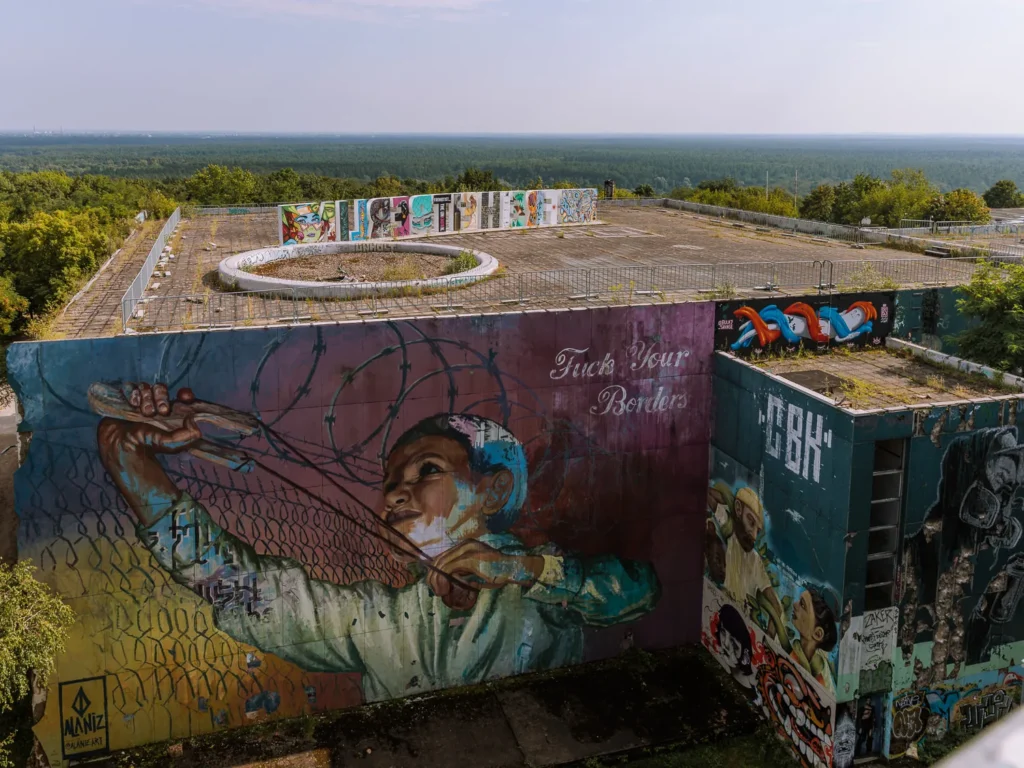
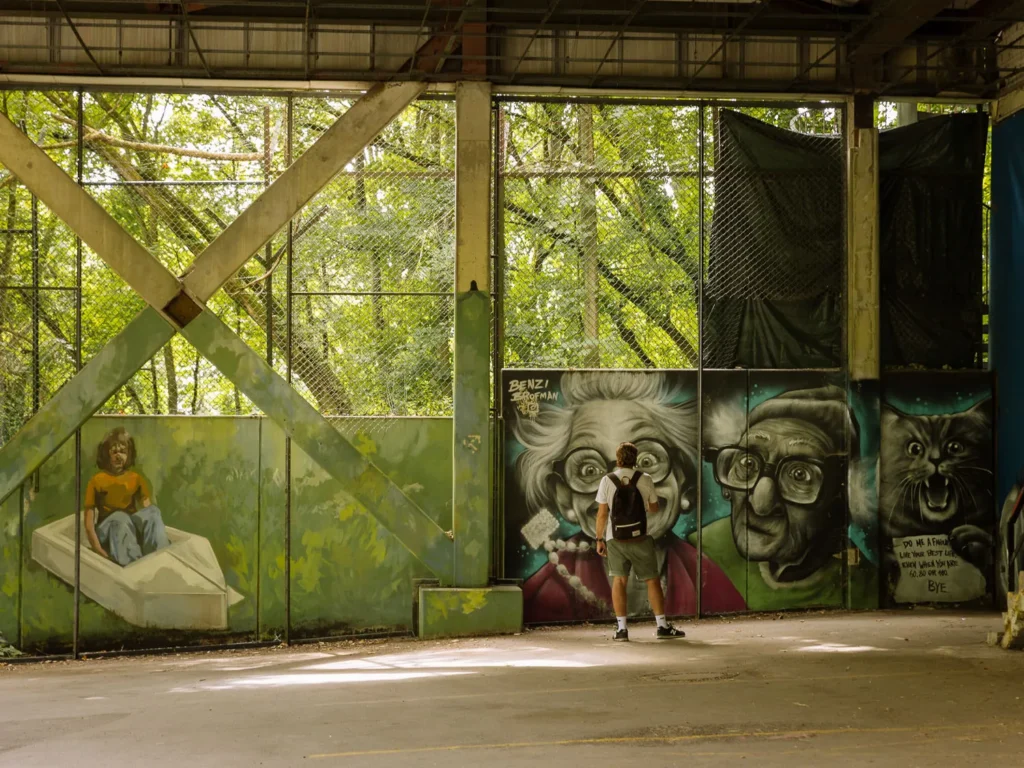
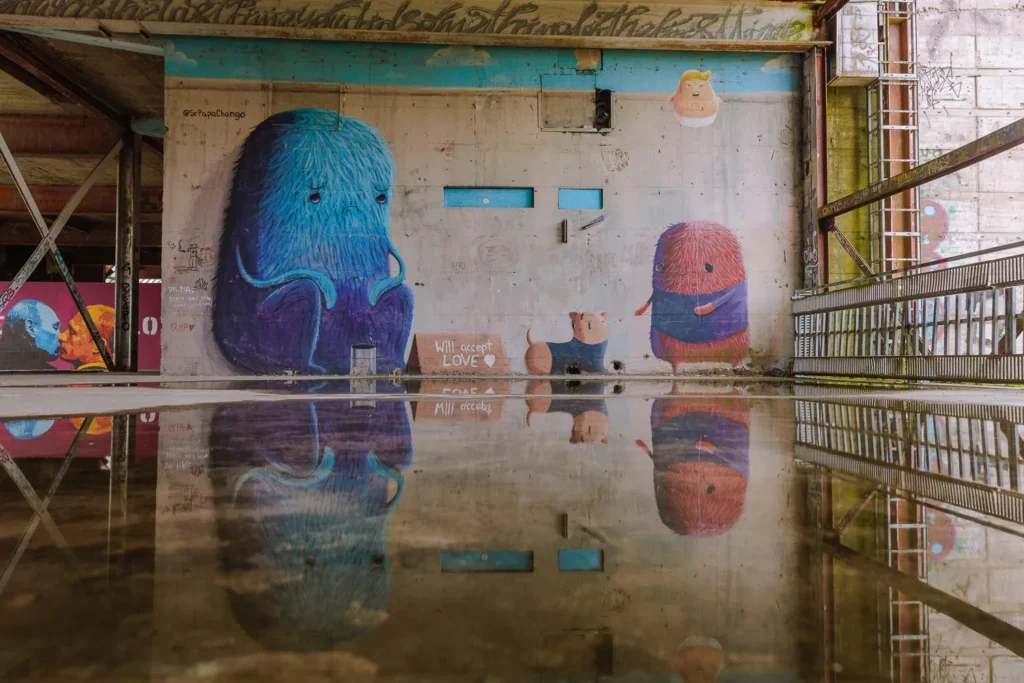
Today, it’s one of Europe’s largest open-air street-art galleries, with constantly changing murals spread across the decaying buildings that have been abandoned since 1992.
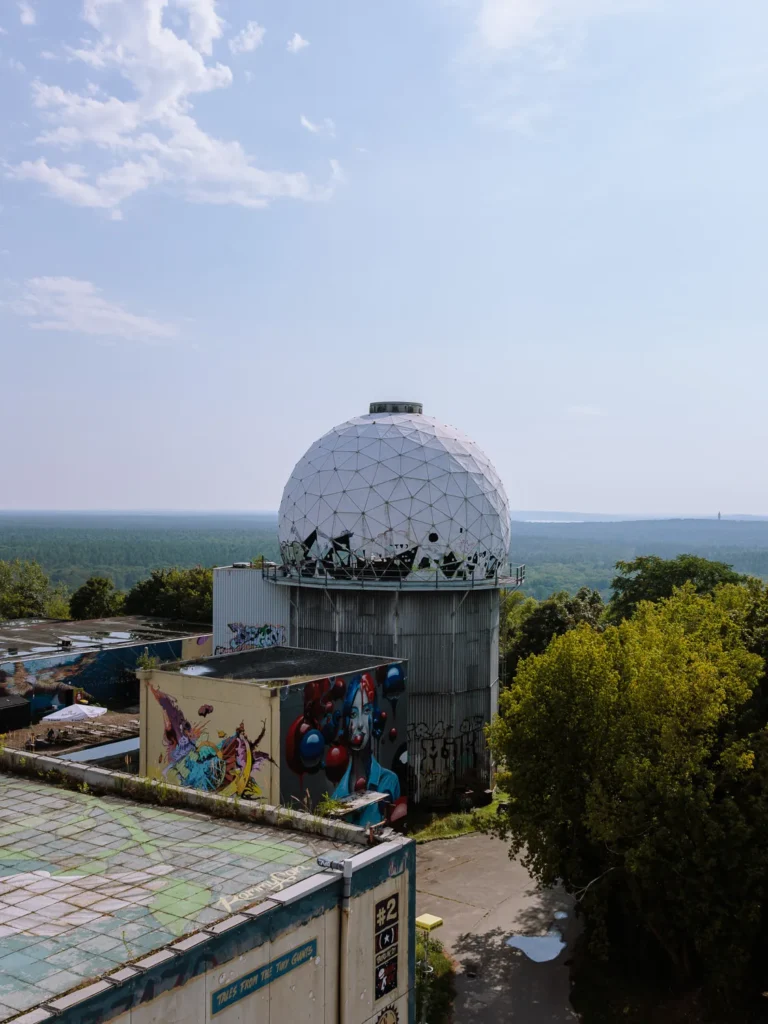
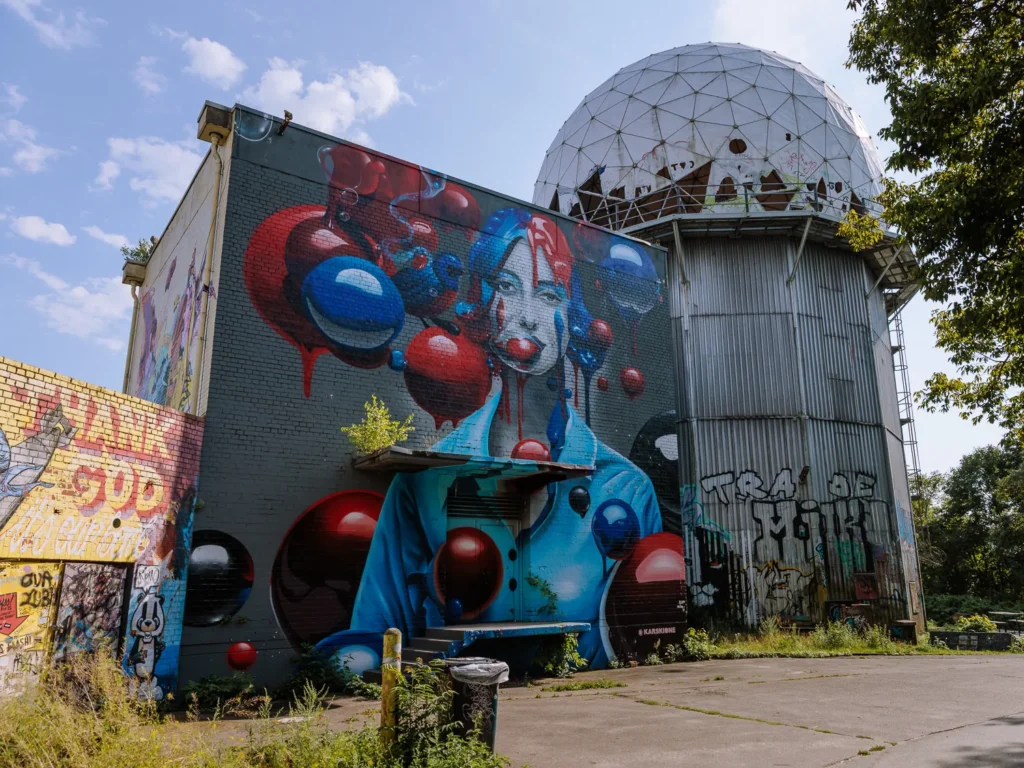
It’s probably the most impressive street art experience we have ever seen. Not just because of the wonderful art, but the derelict buildings and the huge white radar domes, surrounded by forest, make it a pretty special experience.
There is a declassified exhibition explaining the role it played in the Cold War, but to be honest, just a quick scoot through this section will do.
The main highlight is the art and the post-apocalyptic vibes of the location.
Entry is €12 for adults, and it’s open daily from 11 am until sunset.
There’s a little stand where you can buy coffee, drinks and waffles.
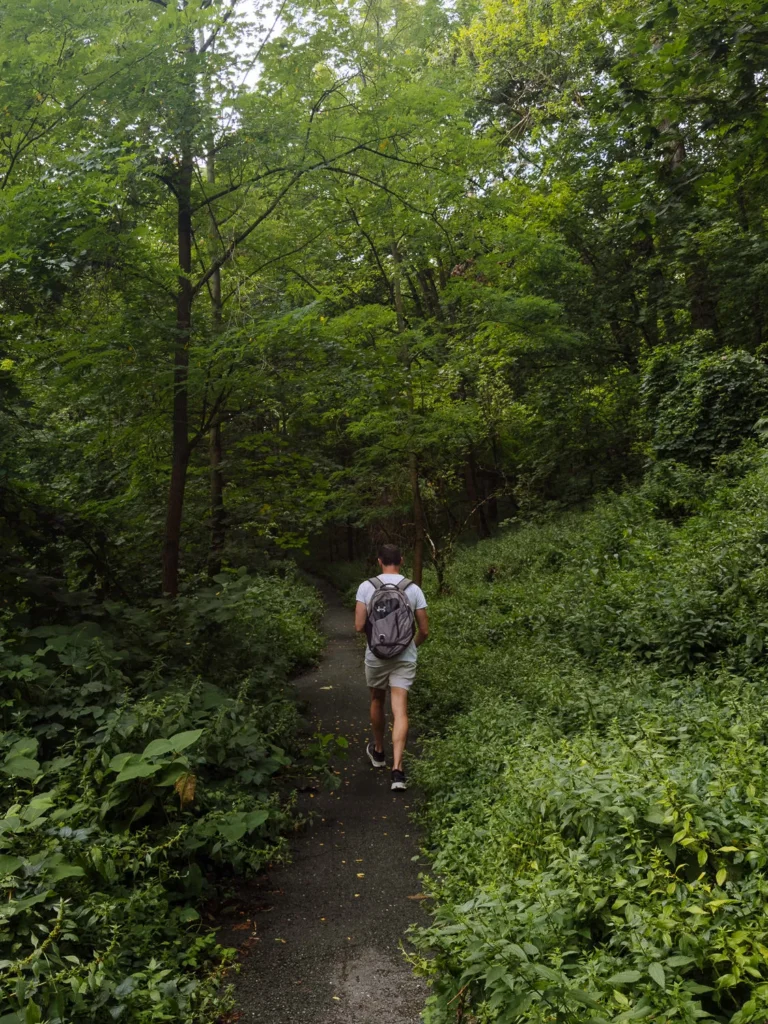
As I mentioned above, we went here straight from the Wannsee Conference, which is very easy to do. Get the S-Bahn to Grunewald or Heerstraße station. You then have to walk around 30 minutes through the forest to get to Teufelsberg. It’s a lovely walk, but it’s mostly uphill.
9. Pergamon Museum
The Pergamon Museum is closed for renovation until June 2027.
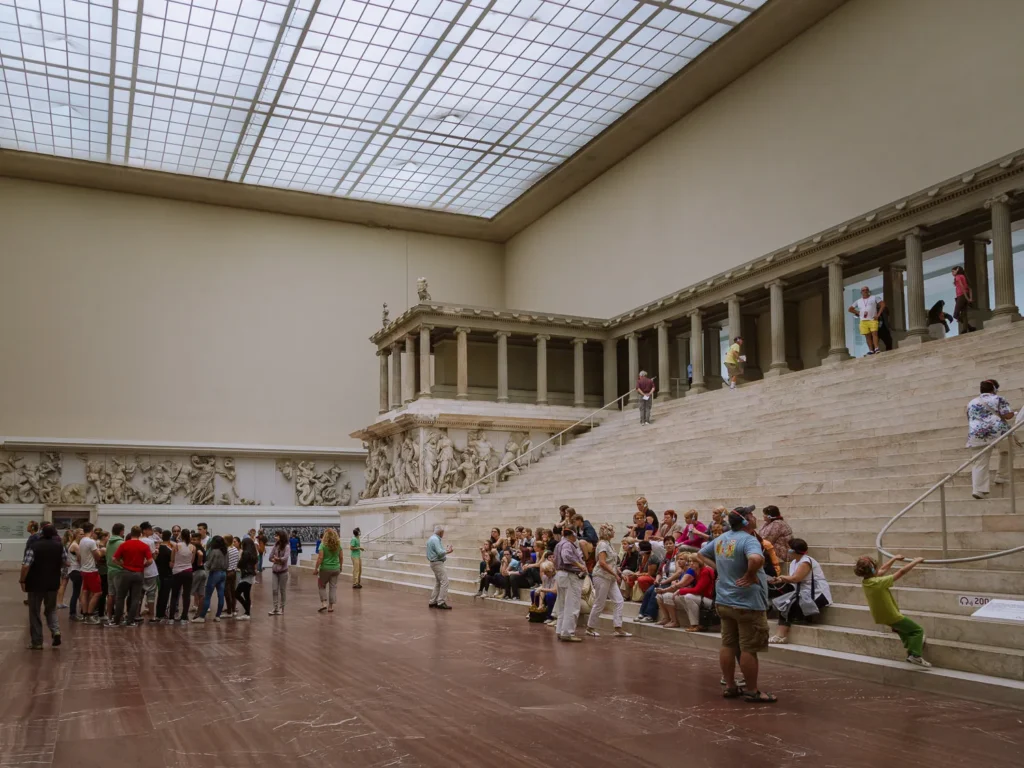
The Pergamon Museum is one of Berlin’s most important archaeological museums, with artefacts from the ancient Mediterranean and Middle East, as well as Islamic art.
It’s part of Museum Island, the UNESCO World Heritage ensemble in the centre of Berlin.
The Pergamon Altar was the star attraction for us, particularly because we visited the ancient city of Pergamon (Bergama) in western Türkiye, where it came from. You can read our Türkiye itinerary here.
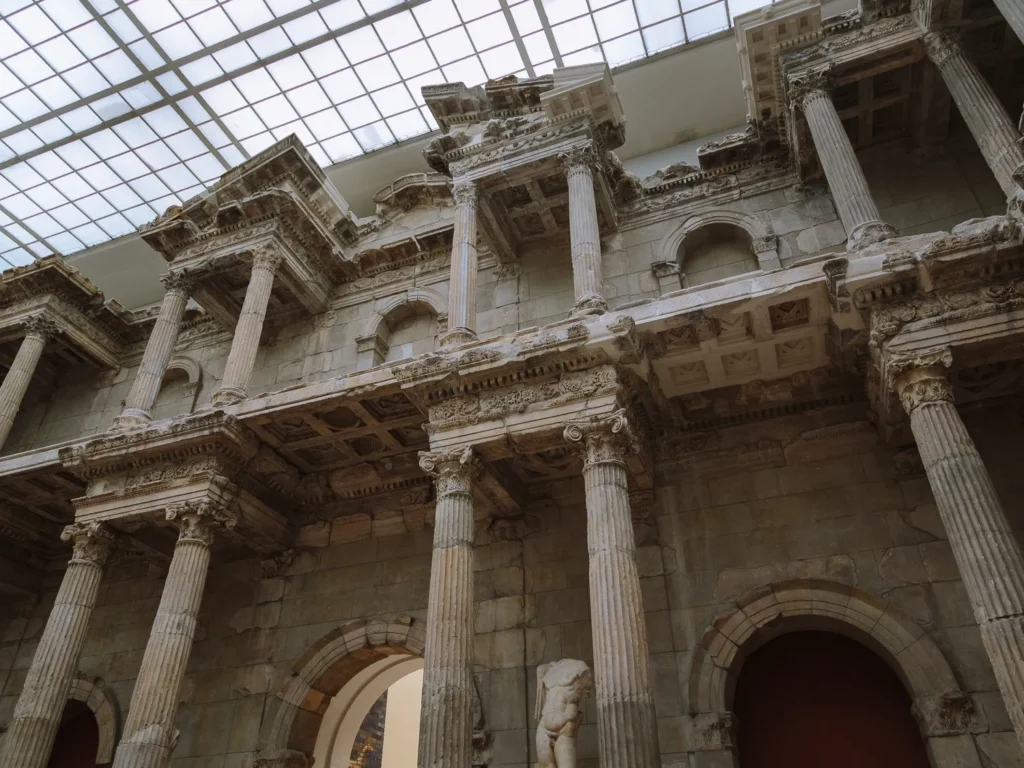
The other main highlights are the Ishtar Gate and Processional Way of Babylon, and the Market Gate of Miletus – another huge reconstructed Roman-era monument.
10. DDR Museum
I’ve always been fascinated by East Germany and what life was like there, and the DDR Museum is a great addition to the historical experiences we’ve covered in this guide so far.
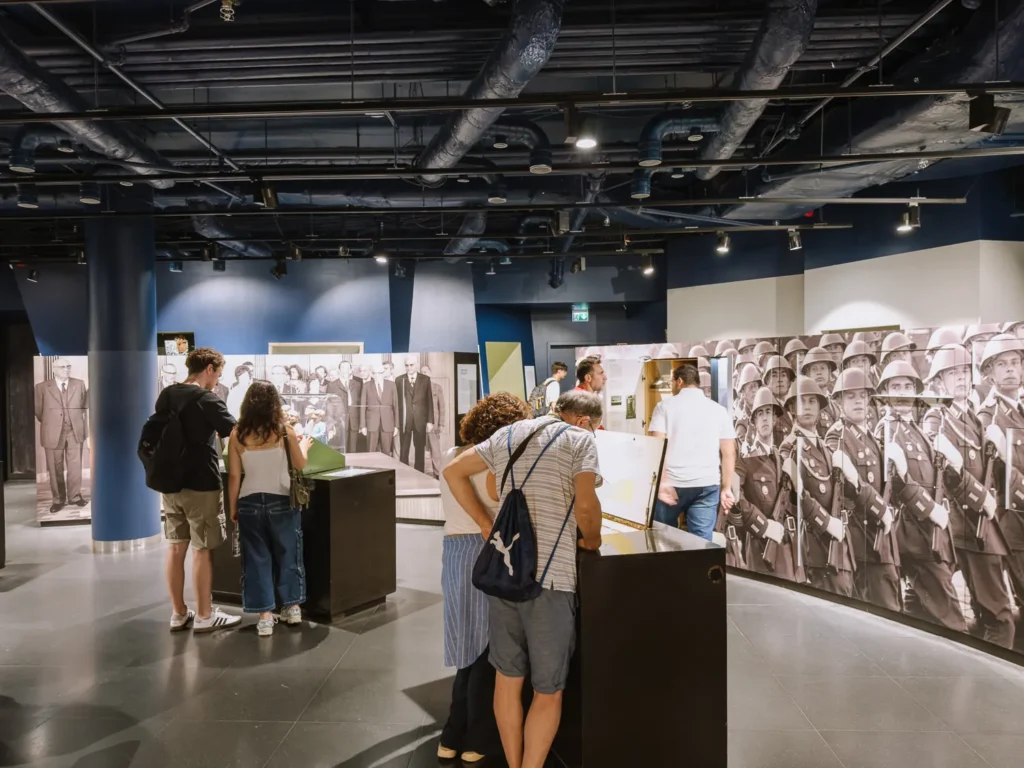
The focus is on everyday life in the DDR (Deutsche Demokratische Republik, or the GDR in English), covering work, education, family, leisure, consumer culture and the Stasi.
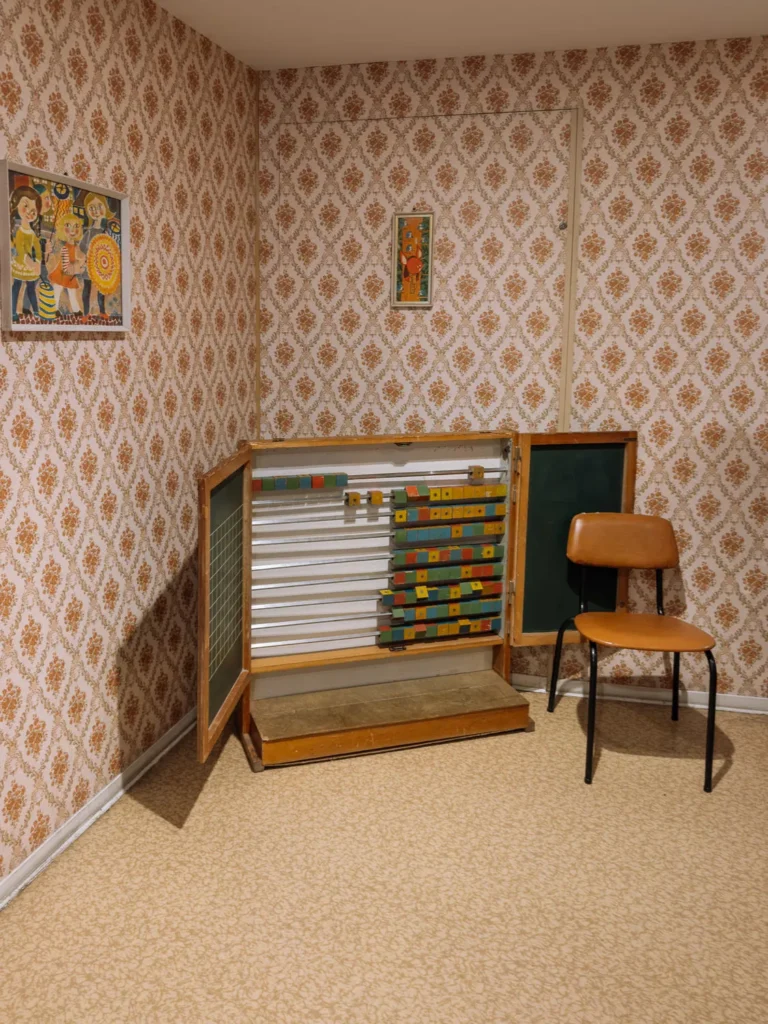
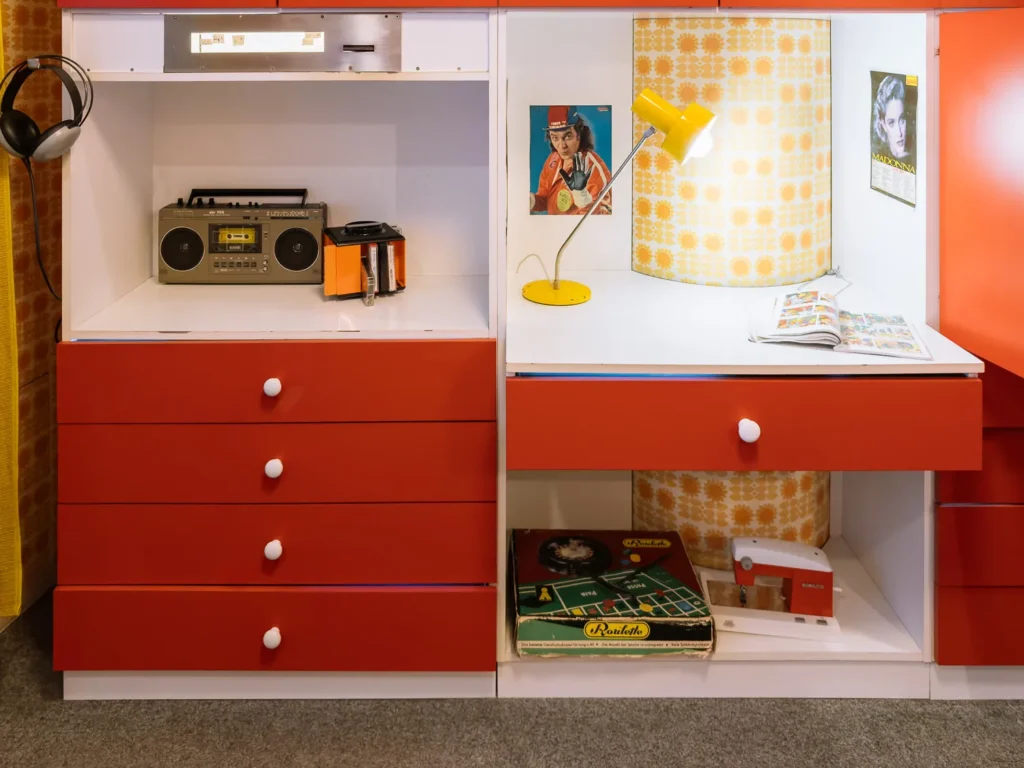
This is hands-on history. Unlike a traditional museum with stuffy glass cabinets full of crockery, the DDR Museum encourages you to have a rummage through the place.
You open cupboards and drawers, handle objects and slide open windows to display pretty cool graphics or videos explaining life in East Germany.
For us, the highlight was the reconstructed apartment, fully furnished with information covering all aspects of Soviet life.
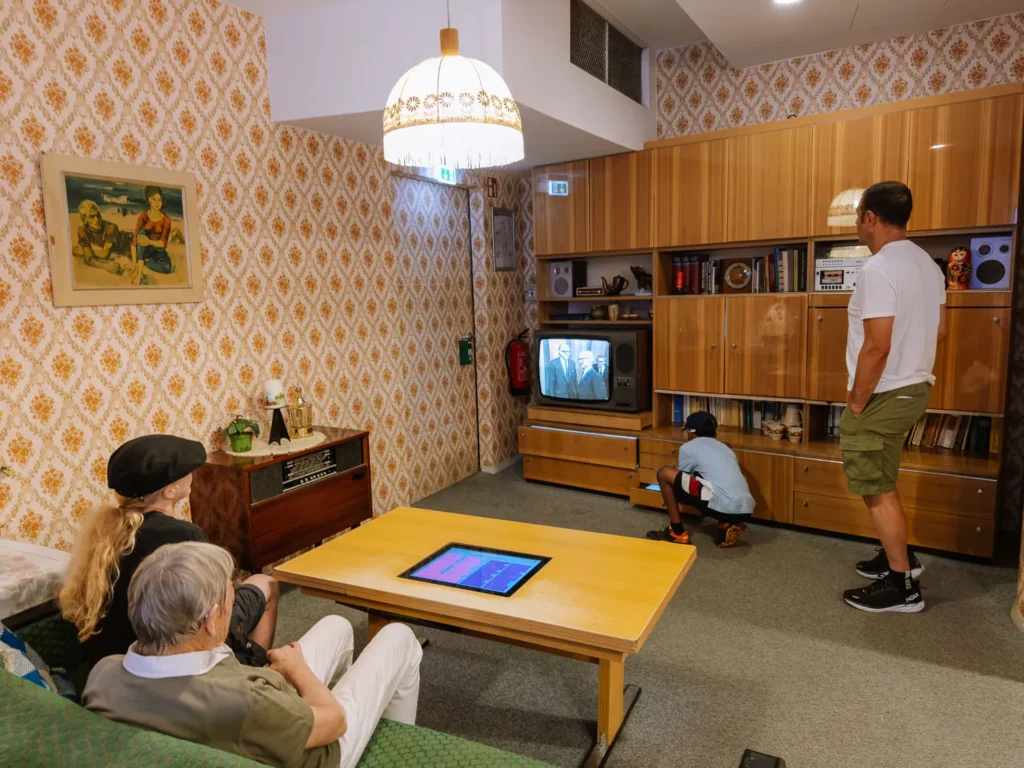
The main thing to be aware of is that the exhibition’s interactive nature makes it very kid-friendly and can be busy during peak times. But there are also more serious elements, including political repression, propaganda, travel restrictions and Stasi censorship.
We loved it. I think families will love it, and anyone interested in the division of Germany and how it affected ordinary life will get something out of it.
The museum is open from 9 am to 9 pm, so it’s a good one to save if you have some time to fill in late in the day.
You can book tickets for the DDR Museum online, which we didn’t, but we should have because we had large groups ahead of us who were really struggling with the whole process of entering the museum.
Other Attractions If You Have Time
If you are interested in history, art, and local culture, the items listed above are the main things to see. If you have some extra time, here are a few more things you could do.
11. Topography of Terror
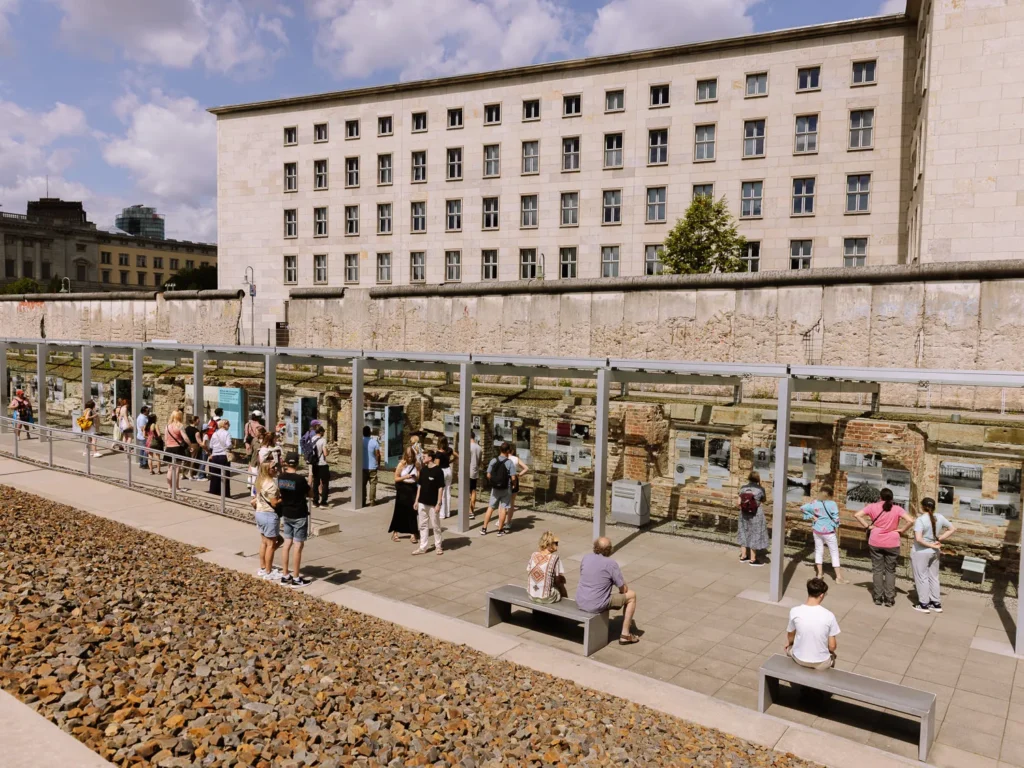
The Topography of Terror is a free documentation centre on the headquarters of the former Gestapo, SS and Reich Security Main Office.
The outdoor displays provide an overview of the rise to power of the Nazi Party through documentation and photography. The indoor exhibition provides more detailed accounts of persecution, deportation and how different groups were treated.
12. Fotografiska Berlin
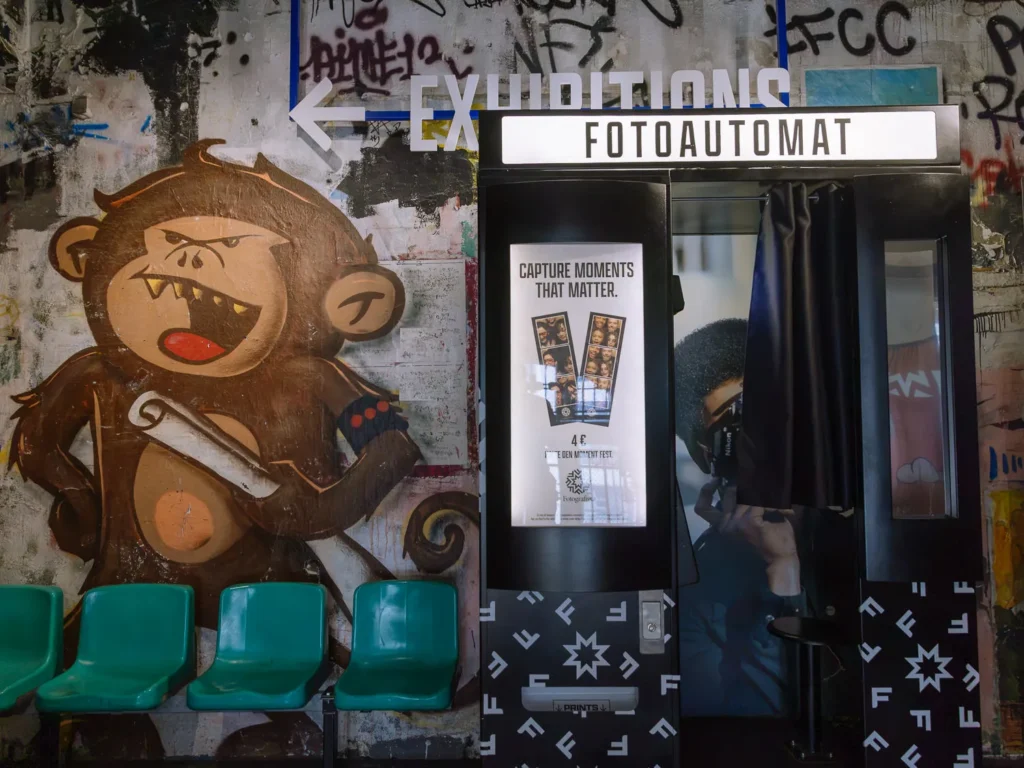
This is a contemporary photography museum in a former department store on Oranienburger Straße. We enjoyed it, but as the exhibitions change regularly, it really just depends on what’s showing during your visit. If you’re on the fence, the building has some interesting graffiti which is also worth a look.
13. C/O Berlin
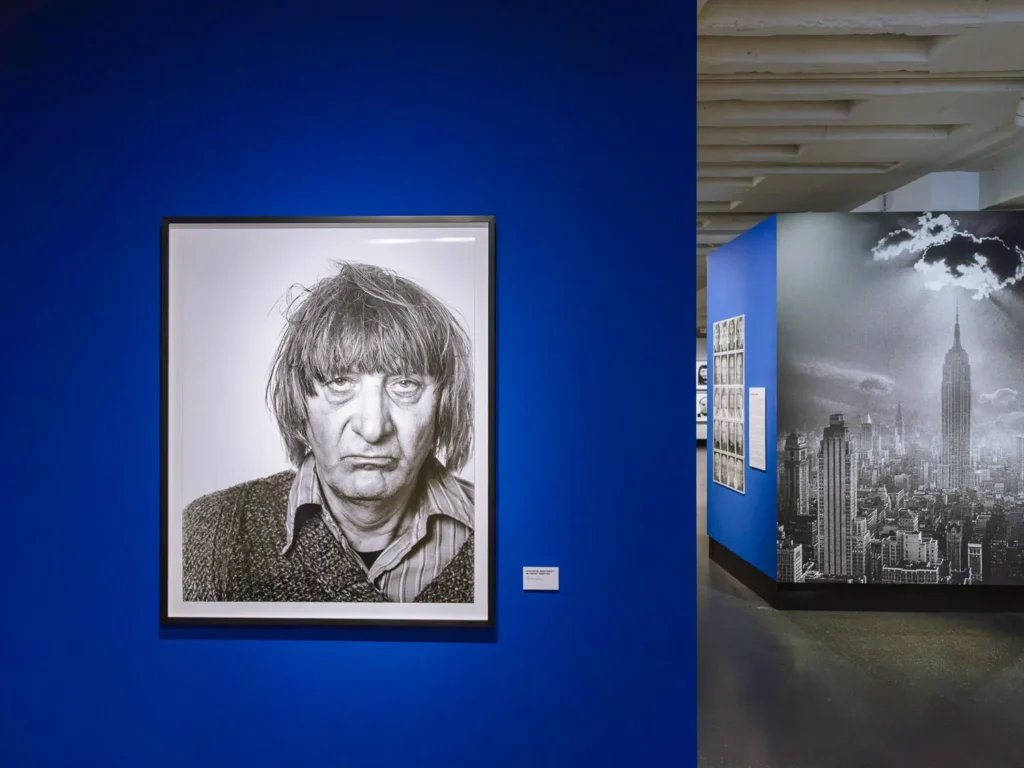
C/O Berlin is another photography exhibition space in a former royal post office near Zoo Station. It displays changing exhibitions by major photographers and emerging artists, so like Fotografiska Berlin, you need to check what’s on before you go to see if it’s something you’re interested in.
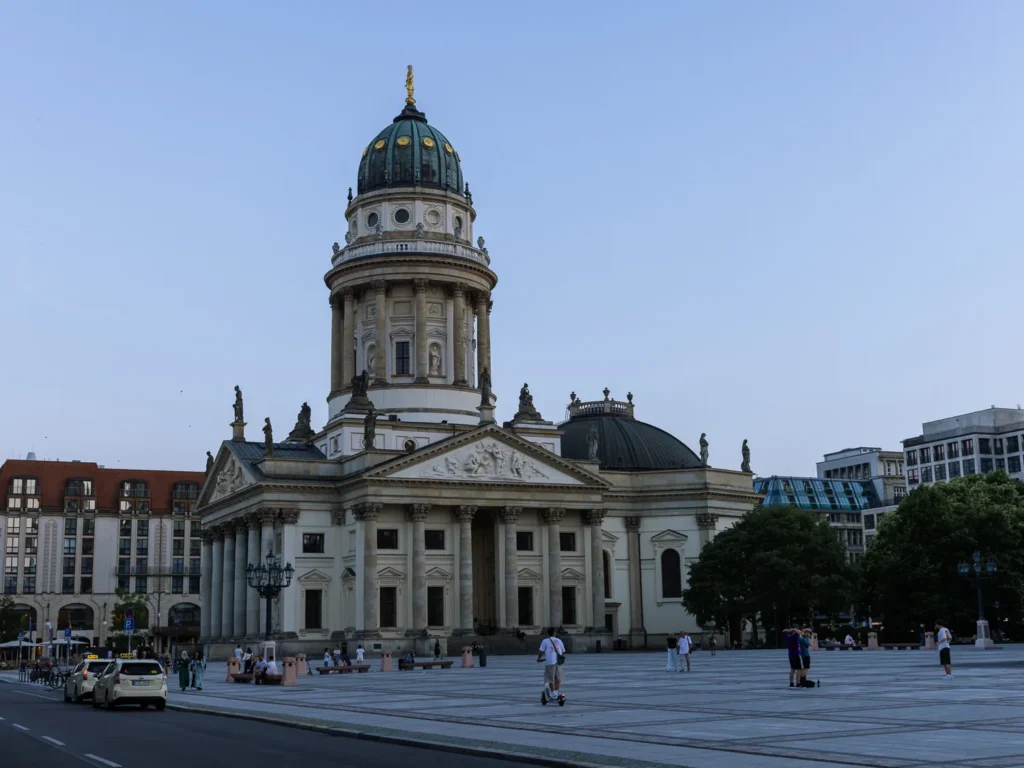
14. Gendarmenmarkt
This is one of Berlin’s most elegant squares framed by the German Cathedral, the French Cathedral and the Konzerthaus. It’s a more classical side to the city with grand architecture and classy restaurants and cafés. We just had a drink in the square one night, and it was nice to not be surrounded by graffiti for something a little different.
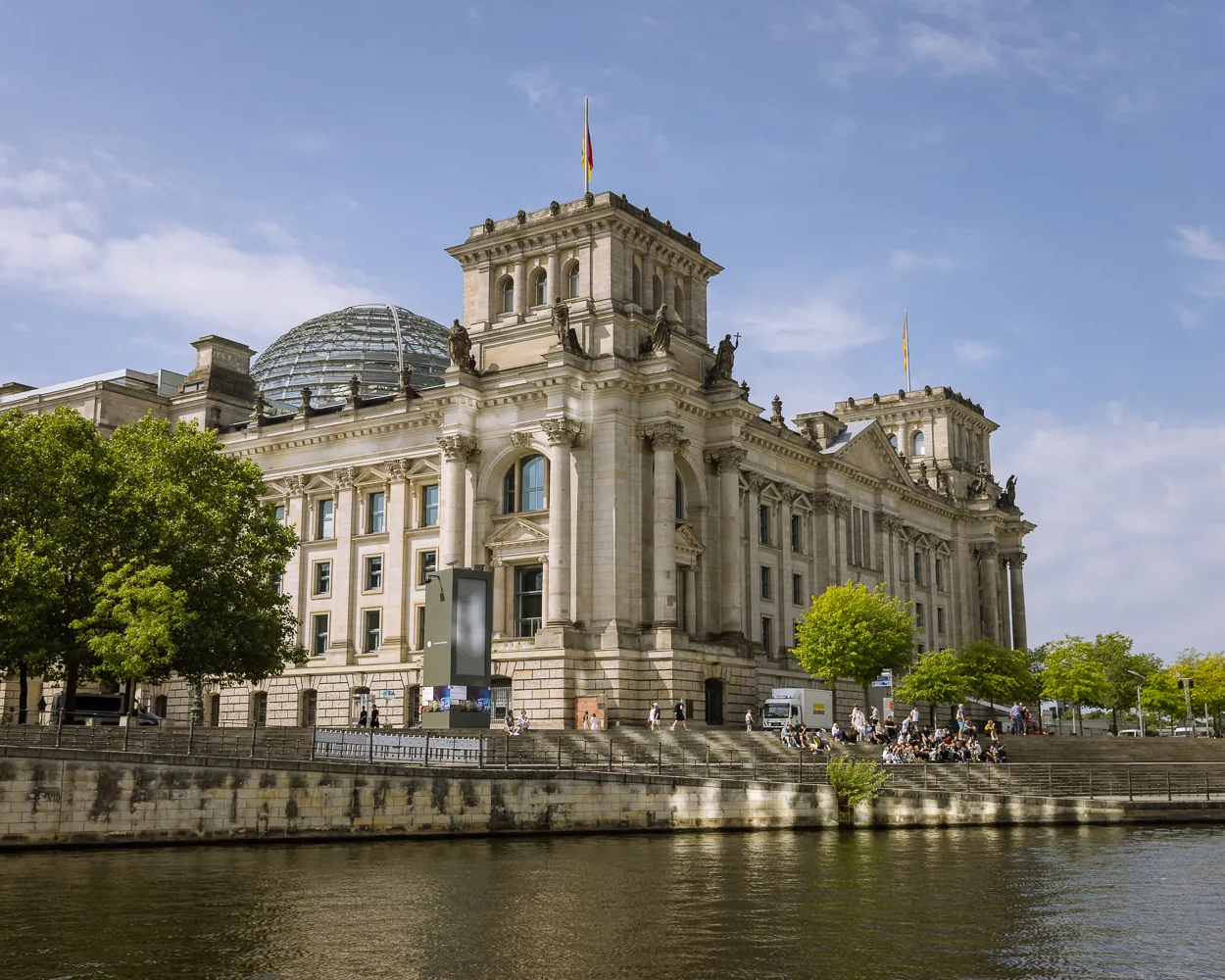
15. Reichstag Dome
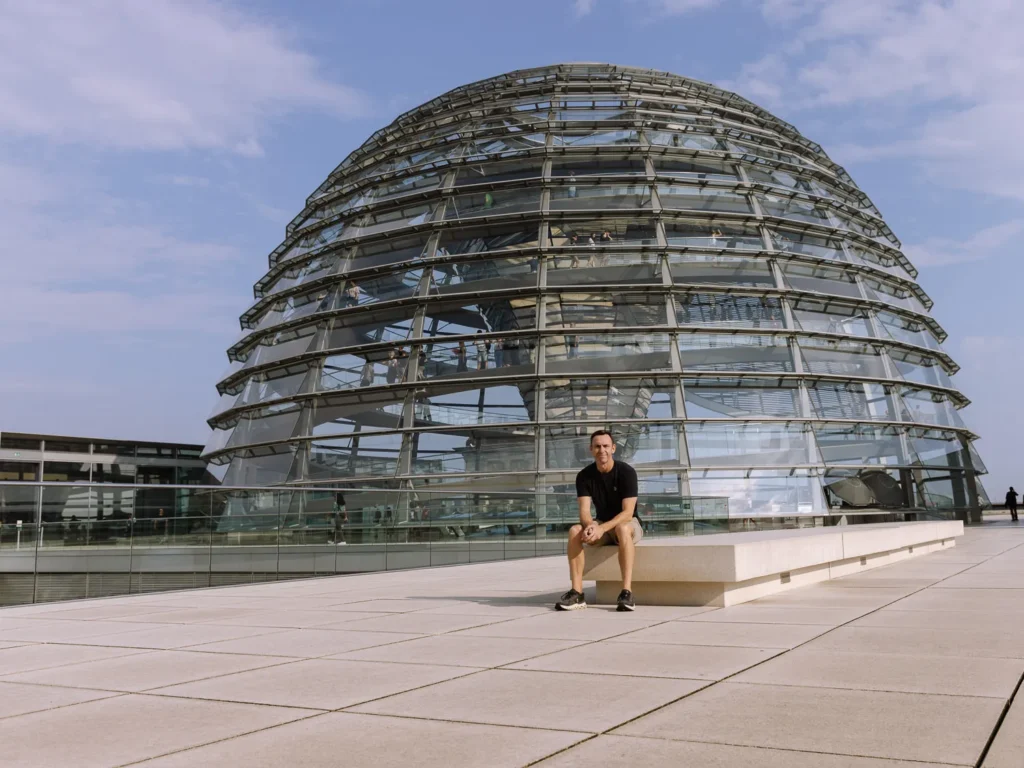
We’ve done the Reichstag Dome tour three times now, and it is good, and it’s one of the most popular things to do in Berlin. But if you are running out of time, you can safely skip it.
A spiral staircase takes you up to the top of the dome with views over Berlin. It’s a unique thing to do, and the views are OK but not outstanding. It’s free to take the tour, but you need to book well in advance to secure a time slot. ID is checked when you arrive.
16. Stasi Museum
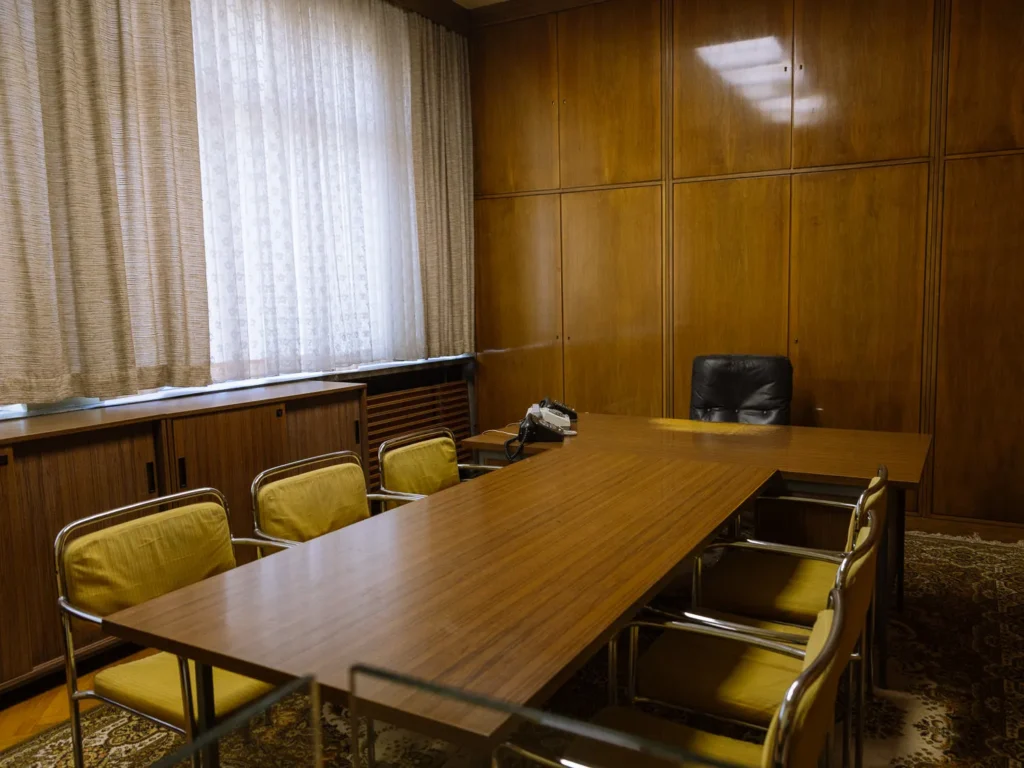
This is the original headquarters of the East German secret police in Lichtenberg. There is a memorial outside which explains the protests and collapse of the East German regime.
Inside, the museum focuses on the Ministry for State Security, its organisation, and its surveillance activities.
It’s good, and I enjoyed being in the old state building, but I probably had a bit of board-reading fatigue by that point. It’s also a little out of the centre, so I would only recommend it if you have a specific interest in the Stasi organisation.
More Europe Guides
- Catch up on our favourite things to do in Innsbruck.
- Discover some of the best food Italy has to offer with our guide to visiting Bologna.
- Revel in the Renaissance masterpiece highlights of Florence
- Best things to do in Berlin.
- Visit one of the best-preserved medieval cities in the world with our guide to Siena.
- Collect the main highlights and a few hidden gems with our 3-day Paris itinerary.
- Get to know the cool side of Antwerp, Belgium.
- Our favourite things to do in Amsterdam.
- Explore street art, cool bars, and pastel de nata in our guide to Lisbon
- Discover Moorish history and the best tapas with our guide to the best things to do in Seville.

reader-supported
When you buy through links on our site, we may earn a small affiliate commission at no extra cost to you.
Thanks for your support // Paul & Mark