

Iceland is a remote wilderness, designed to bring out your adventurous spirit. But this hostile environment needs some pre-planning. Here are our top tips to help with your visit to Iceland.
By: Paul Healy | Last Updated:
Iceland is a unique destination with an intrepid streak.
Quirky natural phenomena, breathtaking scenery and a barren, desolate landscape make Iceland an excellent choice for a road trip with plenty of opportunities to get off the beaten track.
But an Iceland vacation also presents challenges. As a popular tourist destination, it’s prone to overcrowding, putting stress on limited precious resources and tourist infrastructure.
Restaurants, activities and hotels are expensive and can often be booked out months in advance. Although the natural wonders are generally free, constantly changing weather conditions mean that careful packing and planning ahead are essential.
Deciding what car to hire makes a massive difference to where you can drive, what sights you will be able to see and what kind of trip to Iceland you will have.
Finally, the sheer emptiness of some parts of the country means taking precautions that you don’t usually need to take.
Here are our Iceland travel tips to help you plan the perfect vacation and have an amazing adventure. For more advice, read our guide to planning your Iceland trip.
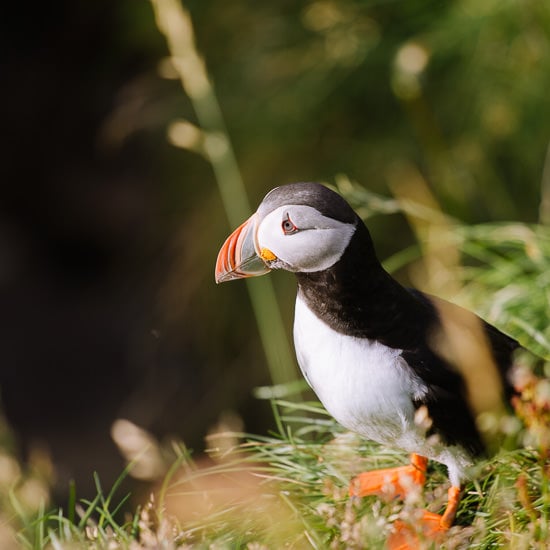

1. Understand Your Impact on Iceland
Each year, Iceland’s 360,000 locals welcome over 2 million visitors. With such an overload of tourists, it’s important to tread lightly as you explore the island.
Some of the wild and remote attractions that make this such a magical place to visit were never established with the facilities required to support so many people.
Therefore, car parks may seem small, rubbish bins may be non-existent and public toilets may not be where you’d hope they would be. This means extra care and planning are required to ensure you travel sustainably in Iceland.
Take all your rubbish with you, check parking in advance and understand what facilities are at a destination so you can plan accordingly.
Always make sure you stick to designated tracks (when driving and hiking) as the flora in Iceland is delicate and can easily be damaged.

2. It’s Generally Expensive, so Budget Carefully
Make no mistake, Iceland is an expensive country. While it’s possible to travel more economically in the main tourist spots, if you want to get off the beaten track and explore remote areas, fewer accommodation options drive the prices up.
In general, hotels are expensive, so hiring a campervan will help; however, adding in nightly camping fees means your accommodation budget will not shrink as dramatically as you might think.
The ability to cook your own meals in your van will help reduce the costs of your Iceland vacation, and taking your own lunch out on day trips is also a good idea.
There is no need to tip at restaurants in Iceland, and the tap water is very good, so take a water bottle and fill it up regularly.
If you travel independently, the incredible natural sights are all free to visit, except for parking charges, which are generally inexpensive.
Planning carefully helps reduce costs – read our guide to planning your Iceland vacation.
COST OF THINGS IN ICELAND
COFFEE IN A CAFE
Kr 650 ($4.70 / £3.70 / €4.30)
LOCAL BEER (HALF LITRE)
Kr 1,400 ($10.20 / £8.00 / €9.30)
INEXPENSIVE RESTAURANT MEAL (WITHOUT BOOZE)
Kr 3,000 ($21.50 / £16.80 / €19.70)
FUEL (PER LITRE)
Kr 300 per litre ($2.35 / £1.85 / €2.10)


3. You Need a Chip & Pin Card
Credit and debit cards are widely accepted in Iceland, and almost everything can be paid for on your card, including very small purchases. All the paid parking that we used throughout Iceland had a card machine.
It might be a good idea to have some cash with you; however, the only things that really required cash were toilets in remote areas, so make sure you have some loose change.
Most importantly, however, many fuel stations in the more remote parts of Iceland are unmanned and accept payment only by chip-and-pin card (debit or credit).
If you are unable to get a chip & pin card for your Iceland trip, you will need to purchase a pre-paid fuel card from a major fuel station near the Reykjavik area before you set off.
The N1 fuel chain has the largest network of unmanned fuel stations in Iceland, so we’d recommend getting your pre-paid fuel card from them. If you have excess funds left over at the end of your Iceland vacation, you can use the remainder on any purchases in their stores.
We have more information on our guide to driving in Iceland.
4. Book Accommodation Well in Advance
One of the blessings of Iceland and its approach to managing large numbers of tourists is that it hasn’t built lots of huge hotels, blighting the landscape.
Accommodation has been added responsibly, in areas that can support it without harming the environment.
The downside to this is that accommodation in Iceland can get booked up very early. This is particularly the case in the South East, which is very popular with overnight trippers from Reykjavik.
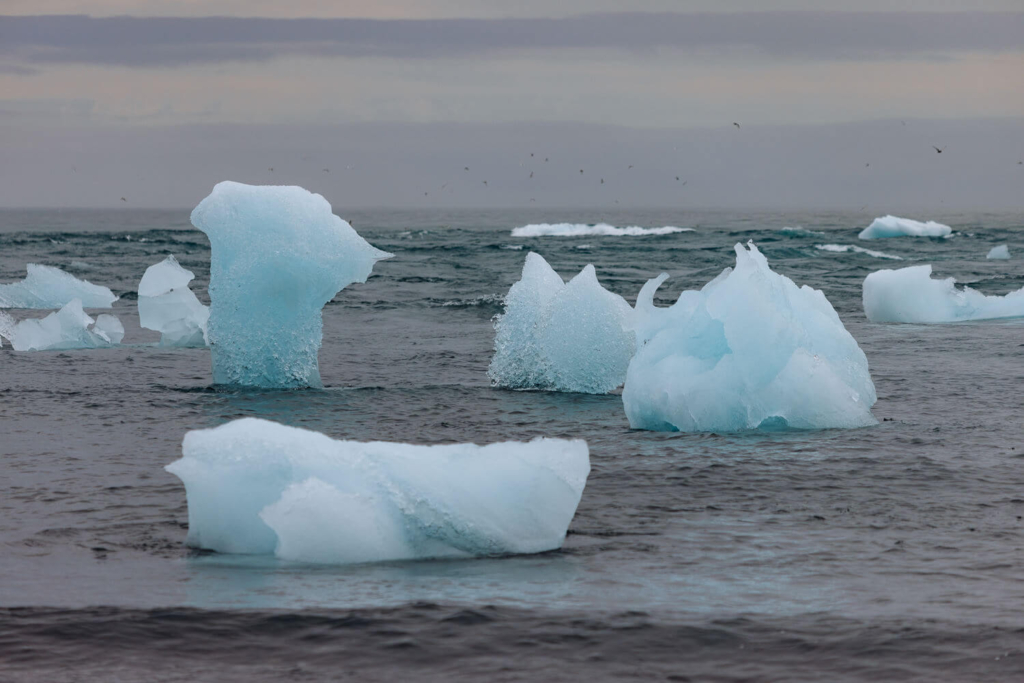
So if you’re planning a trip to Iceland to visit Jökulsárlón to witness Diamond Beach or the incredible canyon of Fjaðrárgljúfur, make sure you book your accommodation well in advance.
Alternatively, you could consider hiring a campervan or camping, but keep in mind that the camping spots need to be booked in advance as well. We have recommendations for where to stay in each area in our guide to accommodation in Iceland.

5. Pack for Changing Conditions
The volatile weather conditions and remote locations mean there are different scenarios that you need to be prepared for when travelling in Iceland.
Even in summer, the weather in Iceland can be unpredictable. Icy blasts, torrential rain and snowstorms can appear out of even the sunniest of days.
Travelling to the highlands can put you in a completely different weather system from the one you left just a few hours ago.
So, our top Iceland travel tip when it comes to packing is to prepare for a few different scenarios you can expect throughout your vacation.
For the cold: You’ll encounter a variety of temperatures throughout the day, so pack layers, including a waterproof, a fleece, and a substantial jacket for when the temperature really drops.
For the rain: If you’re out on a hike in Iceland, the chances are that at least some of the day will involve a bit of rain. Make sure you have decent waterproof hiking boots, raincoats and waterproof covers for your backpack and camera.
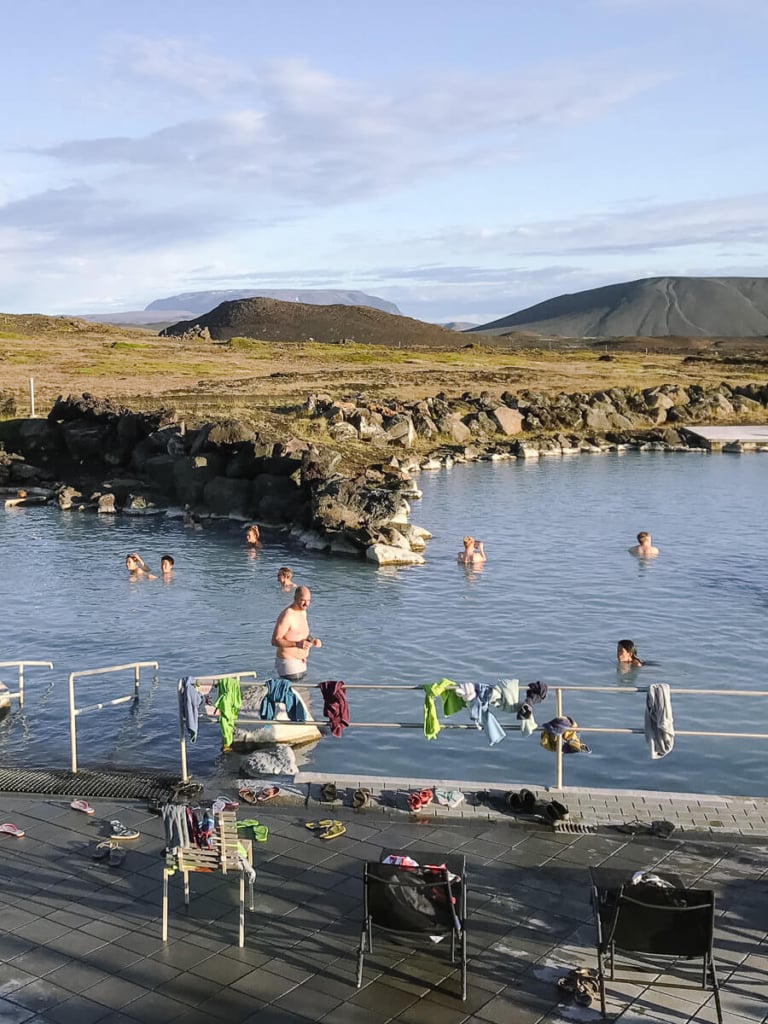
For swimming: In all weather, swimming in the natural thermal pools is a fantastic activity. Even in the rain, it’s wonderfully atmospheric, so don’t forget your swimming gear and a towel.
For the outdoors: Sturdy walking shoes with a good grip are essential for many parts of Iceland, as the unique volcanic surface can be challenging to navigate in flimsy footwear. To save some money, you may want to do some self-catering, so bring cutlery with you and a bottle to fill up with tap water.

6. Prepare for the Endless Daylight in Summer
One of the benefits of travelling to Iceland in summer is the exceptionally long days.
In the height of summer, it never really gets dark, so you can still be out hiking late in the day or take a midnight drive to get some photographs while the beautiful scenic locations are free from visitors.
Keep in mind that restaurants tend to close early in Iceland, especially outside of Reykjavik. So if you’re out late into the evening enjoying the endless sun, make sure you’ve factored in having dinner first.
Surprisingly, several places we stayed at didn’t have blackout curtains, especially in more remote locations. So, eye masks would be a good idea if light tends to wake you up or if you plan on camping.
7. Consider What Type of Rental Car You Need
There are good public transport options in Iceland, even if you intend to travel to some of the remote areas in the highlands.
However, we found that hiring your own car is actually one of the more cost-effective purchases you can make in Iceland. It’s no more expensive than taking public transport, but it significantly opens up the options you have to see more of the country.
The first decision you need to make when planning your Iceland trip is what type of hire car to book. If you intend to stay around the Golden Circle and the Ring Road, a 2WD car will probably suffice.
However, if you want to explore the highlands, you’ll need a 4×4, and you’ll need to drive on the F-roads.
We have more information, including car rental comparisons, in our guide to driving in Iceland and our detailed breakdown of the F-roads in Iceland.


8. Head into the Highlands
One issue with over-tourism in Iceland is that many people use it as a stopover between the USA and Europe.
This means Reykjavik can become very busy with people exploring for just a day or two.
A great way to overcome this and to see more of what makes Iceland unique is to get out into the highlands.
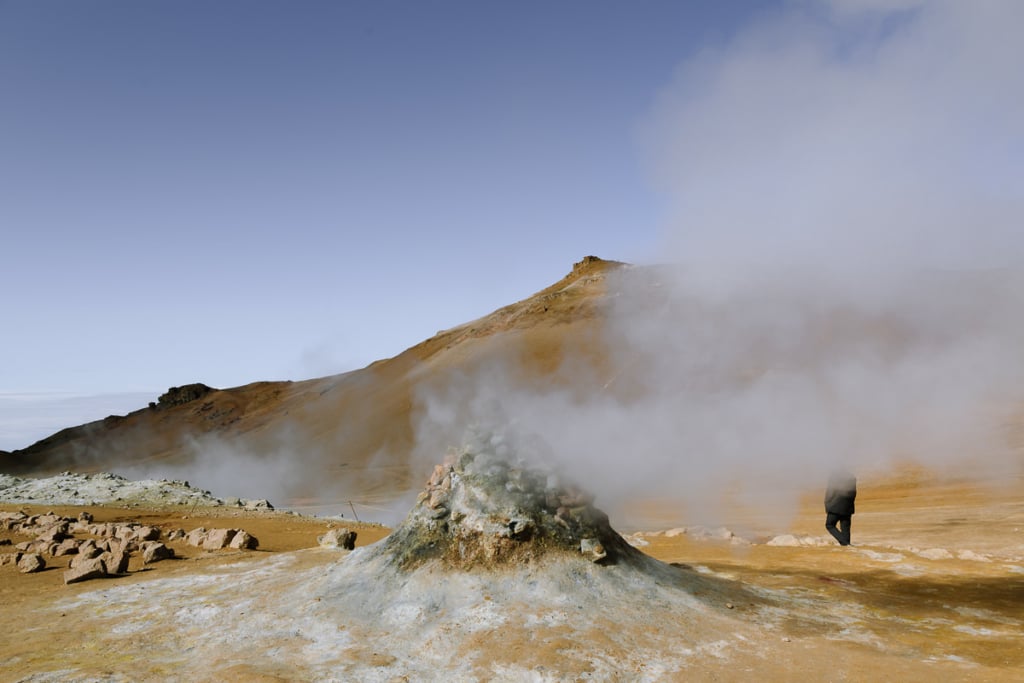
A diversion from the popular Ring Road, the highlands will take you into a wilderness area of steaming volcanic activity and rainbow-coloured mountains. You’ll also discover that there are thermal pools in Iceland that are more enticing, more natural and more awesome than the Blue Lagoon.
We’ve covered all our favourite areas in our Iceland Highlands guide, which includes how to see these amazing parts of the country on a self-drive excursion.
If you don’t feel like doing it yourself, here are some great tours in the highlands.


9. Follow All Our Driving Tips
Iceland is a road trip destination like no other; a stunningly beautiful place with unusual geological wonders dotted all over the island.
Driving around the Ring Road picking off scenic locations is a lot of fun; navigating tricky F-roads in the highlands is exhilarating.
While self-driving is a very achievable adventure, there are several things to consider when planning a driving trip to Iceland.
Our guide to driving in Iceland covers how to prepare for changing weather conditions, how to cross rivers safely, and the specific insurance requirements for Iceland.


10. Get Access to Mobile Data
There is generally very good mobile coverage in Iceland, even in some of the more remote locations. Apart from a few of the wilderness areas in the highlands, we seemed to have good coverage everywhere we went.
However, if you are driving into the highlands, it’s a good idea to create a custom map in Google Maps to download the area you are travelling to. This means that even if you don’t have data, you’ll still have the maps on your phone.
Hotels generally offer good WiFi, and it’s very common for cafés, restaurants and visitor centres to provide free Wifi. If you are coming from the EU, it’s likely your existing plan will include data roaming in Iceland, but check before you travel.
If you are travelling from the US or anywhere else without data roaming in Iceland, there are a few options for getting connected.
Add an international data plan to your phone: Check with your existing provider to see if you can add an international data plan. Keep in mind, this could be very expensive, so it’s only an option if you want roaming mobile data for emergencies.
Get an Iceland SIM Card: Prepaid Iceland SIM cards can be purchased at the airport or in Reykjavik. These give you the advantage of getting high-speed data at reasonable rates; however, your phone will need to be unlocked, and you won’t have access to your existing phone number while you have the Iceland SIM in your phone.
Rent a Pocket Wi-Fi: Pocket Wi-Fi devices can be rented at the airport and from some car rental companies. They’re surprisingly affordable at around $8 a day for unlimited Wifi, and up to 10 people can connect to the one device. Trawire is a great option with a seamless drop-off process at the end of your Iceland vacation.

11. Book the Blue Lagoon for the Start or End of Your Trip
The Blue Lagoon is the run-off water from the nearby power plant, which has been fed into the man-made lagoon since 1976 and became popular for its healing properties.
There are certainly more natural and appealing thermal pools in Iceland (we visit several on our itinerary), but the Blue Lagoon is still a wonderful experience. With a swim-up bar and spa treatments available, it’s at the posh (and expensive) end of thermal swimming in Iceland.
It’s around 20 kilometres from the airport, so it’s a good idea to visit at the start or end of your trip. Book online here about a week in advance to ensure you get the timeslot you want.

12. Know Where Your Next Meal Is Coming from
There are many great excursions you can take in Iceland to appreciate the country’s usual beauty.
If you like to travel independently like us, this means awesome road trips to spectacular natural wonders in very remote areas. But you do need to plan, especially if you want to eat.
In some remote regions, restaurants are limited to hotels and other accommodation providers that may only cater to guests.
Similarly, if you’re self-catering, it’s a good idea to know where you’re getting your supplies from. In some areas of the highlands, shops are few and far between. Where they do exist, it’s hard to imagine you could rustle up a decent meal with the minimal stock they carry.
When travelling around Iceland, keep a backup of some staples, such as bread, with you. If you come across a well-stocked shop, collect some Icelandic food for a few days ahead, rather than just buying for today’s meals.


13. Get Travel Insurance If You Are Not in the EU
If you live in the EU, you should get a free European Health Insurance Card (EHIC) before leaving for Iceland.
This will entitle you to free medical care should you need it while you’re away. However, the EHIC is not a substitute for travel insurance, which you will still need if you require non-urgent treatment, ongoing care or repatriation.
Unfortunately, car insurance in Iceland can really push up the price; however, with lots of natural opportunities to damage a vehicle, it’s necessary.
While your car will have to endure the elements in Iceland, it probably won’t come under any unnatural threats. Iceland is one of the safest countries in the world. Theft protection is often an extra when purchasing car insurance in Iceland for a good reason. It’s unlikely this is something you would need.

14. Enjoy the Icelandic People
The Icelandic people have a delightfully dry sense of humour that’s a treat to enjoy.
However, they can tire of hearing the same old complaints about the weather and the cost of everything. As one local pointed out to us, there isn’t a separate queue for Icelandic people to purchase products at a much cheaper rate.
You’ll also find that there’s more than a stoic disposition and a cracking sense of humour in Icelandic people.
After chatting to a few, you’ll discover that everyone seems to have written a book, played in a band, met Yoko Ono or achieved some other kind of artistic greatness.
The other benefit of getting to know the locals is that they know the country. This is a fragile and at times inhospitable landscape, so it’s good to get advice from people who understand its quirks.

More Iceland Planning Guides
- Working out what to see? Here are our top places to visit in Iceland.
- Where to stay to see the Northern Lights in Iceland.
- All you need to know to plan your next Iceland trip.
- We have 6 epic Iceland itineraries to help you plan your trip.
- Looking for accommodation? Here’s where to stay in Iceland.
- All you need to know about driving in Iceland.
- Explore the stunning Iceland highlands and get off the tourist trail.
- Want to increase your excitement? Consider driving the F-roads.
- If you only visit the highlands once, use this guide to Landmannalaugar.
- Or follow this guide to Thórsmörk and hike the Valley of the Gods.

reader-supported
When you buy through links on our site, we may earn a small affiliate commission at no extra cost to you.
Thanks for your support // Paul & Mark
A really useful guide! I visited Iceland in the winter and would love to return in the summer. I agree going away from the tourist hot spots will reward you with an even better trip. I loved being up in the North of the country and am very keen to see more of it!
Most of our favourite days were in the more remote centre and driving on some of those mountain roads is not as hard as they make it sounds – although some are!