

By: Paul Healy // Last Updated:
Brussels is compact, characterful and much better than its reputation suggests. We’ve ranked the sights Paul would prioritise on a first visit, with neighbourhoods, cafés and practical tips based on his September 2025 trip.
I (Paul) last visited Brussels on a solo trip in September 2025.
On this trip, I visited Bruges, then Ghent, before finishing up in Brussels to catch the Eurostar back home. I’d been to a few other places in Belgium on previous trips, including Antwerp and Leuven, all of which I loved.
I’m almost ashamed to admit that I was really using Brussels as an entry and exit point and wasn’t expecting much from it. In 2008, TripAdvisor published a survey concluding that Brussels was the most boring city in Europe.
When I first stepped off the train from Bruges, yes, it was a bit scruffy in places, but Brussels soon won me over.
In fact, I’d go as far as saying it was my favourite stop on this particular trip. Why? Because it has real lived-in character, genuinely unique attractions and cool neighbourhoods where you can escape the tourist crowds within a 10-minute walk of the Grand-Place.
So, in this guide I have listed the things to do in Brussels in roughly the order I’d prioritise them on a first visit. Numbers 1-7 are the places I thought were very good and distinctive to Brussels. Numbers 8-12 are the ones I’d get to if you have more time.
I’ve also deliberately focused on the historic centre. This is where I think your time is best spent in Brussels.
This means I didn’t go out to the Atomium or Mini-Europe. Neither is particularly interesting to me, and I didn’t think they justified taking several hours out of an already packed itinerary. If you’re with the kids or you have a particular interest in quirky architecture, you may feel differently.
The other thing I’ve included towards the end is some of the neighbourhoods in Brussels I really enjoyed strolling around. For me, this is where you really get a feel for the city.
Map
As you can see on the map below, I have covered the Brussels attractions that are within easy reach of the historical centre. I didn’t use public transport at all, as everything I did was walkable for me.
If you’re arriving or departing by Eurostar, Brussels-Midi is a bit further from the centre. I walked to my hotel, but depending on where you’re staying, you may prefer to take a taxi or use public transport.
Click on the top right corner to open our map in your Google Maps app. Click the star next to the title to save it to your Google account.
Top Things to Do in Brussels
1. Belgian Beer World & the Beer Lab
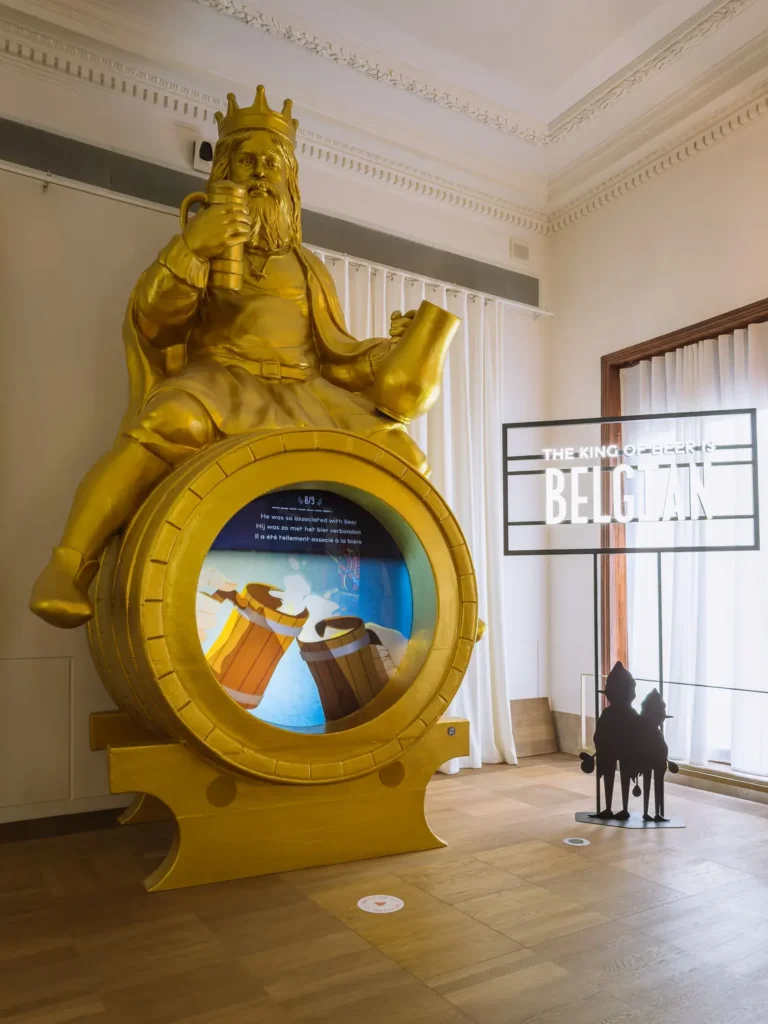
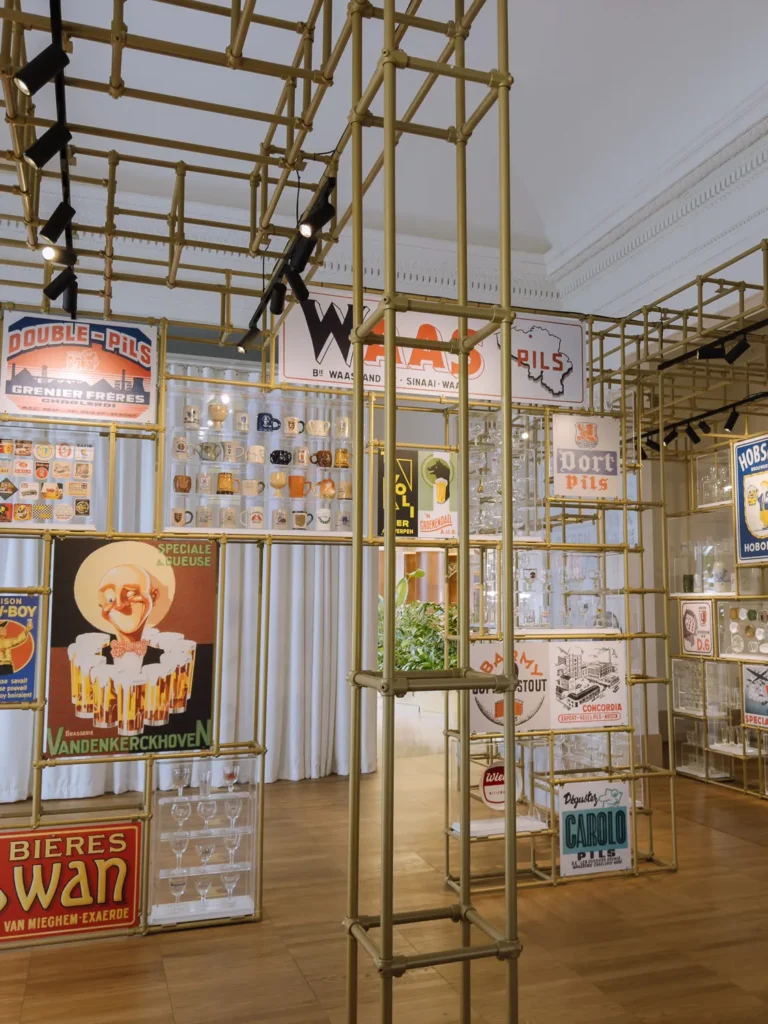
Belgian Beer World is an interactive museum dedicated to Belgian beer culture, and it was my favourite paid attraction in Brussels.
The exhibition covers the history of beer, brewing processes, and different zones where you can explore all things beer.
You can interact with the ingredients that go into beer, find out what type of beer you’d like and get a feel for just how important beer is to the Belgian psyche.
The museum feels geared to families, so I wasn’t expecting to enjoy it as much as I did. I think the building itself had a lot to do with that.
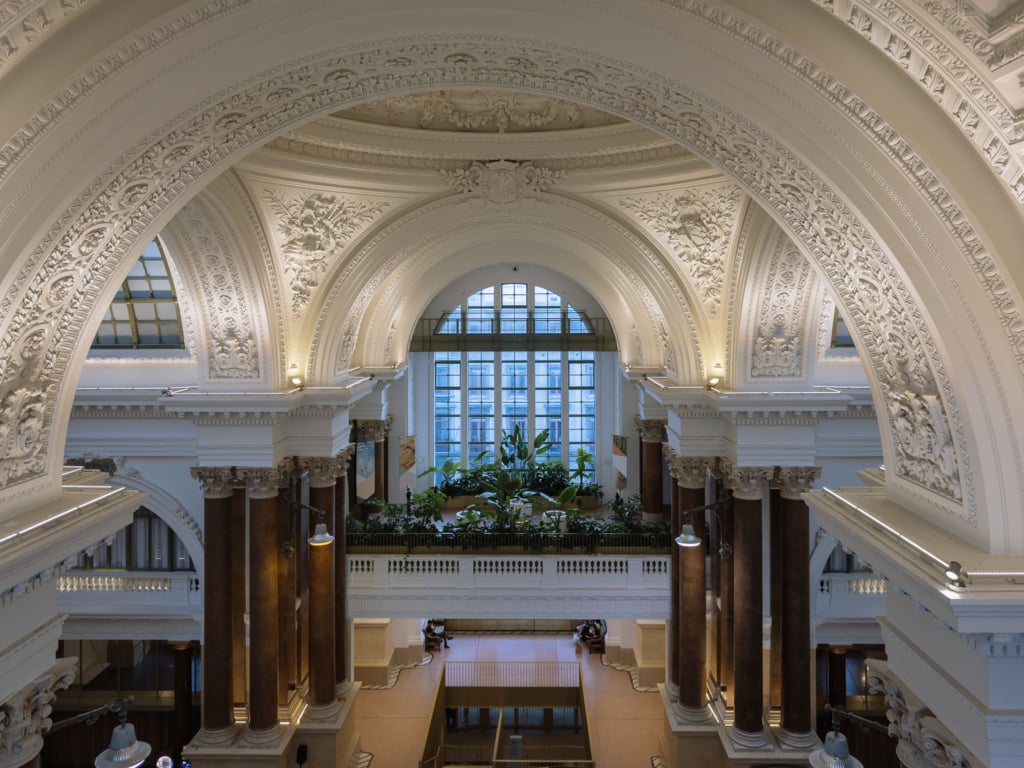
The museum is housed in La Bourse, the former Brussels Stock Exchange, a grand neoclassical building with ornate decoration, statues, and a huge leafy atrium in the middle. For me, the building alone was reason enough to visit.
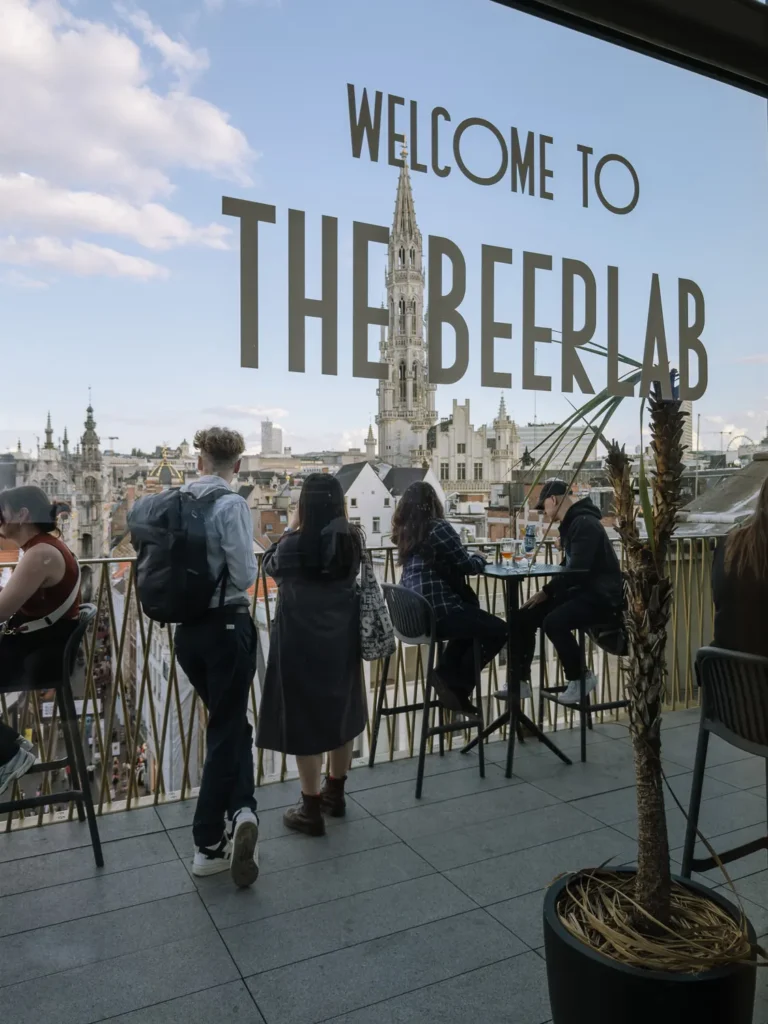
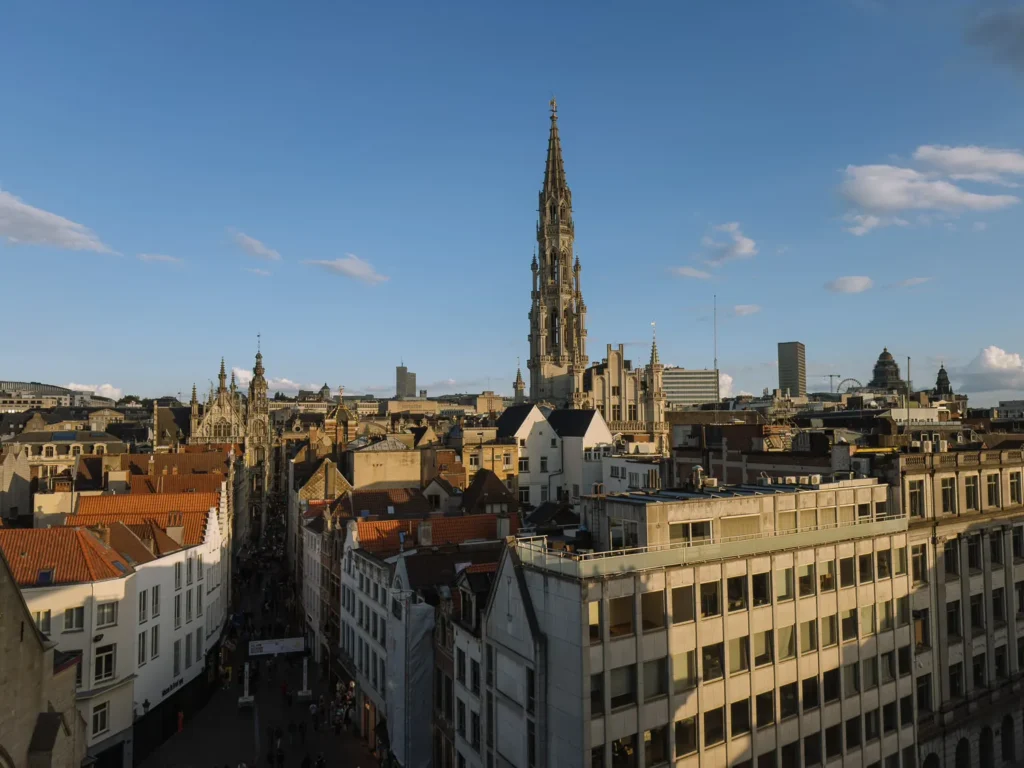
But the other thing I loved was the free tasting on the rooftop terrace bar, the Beer Lab. They have 150 Belgian beers on tap, so you’re spoilt for choice, and the open-air terrace has excellent views of Brussels.
You can skip the museum and head straight to the bar instead, which isn’t a bad option if you’re short on time. Personally, I really enjoyed the museum and would do both again.
The entrance to the Beer Lab is at the back of the building, separate from the museum entrance. Take the lift to the top floor.
Belgian Beer World is included on the Brussels Card, which is well worth getting if you are spending a few days in Brussels. I have more information about this at the end of this article.
2. Grand Place (Grote Markt)
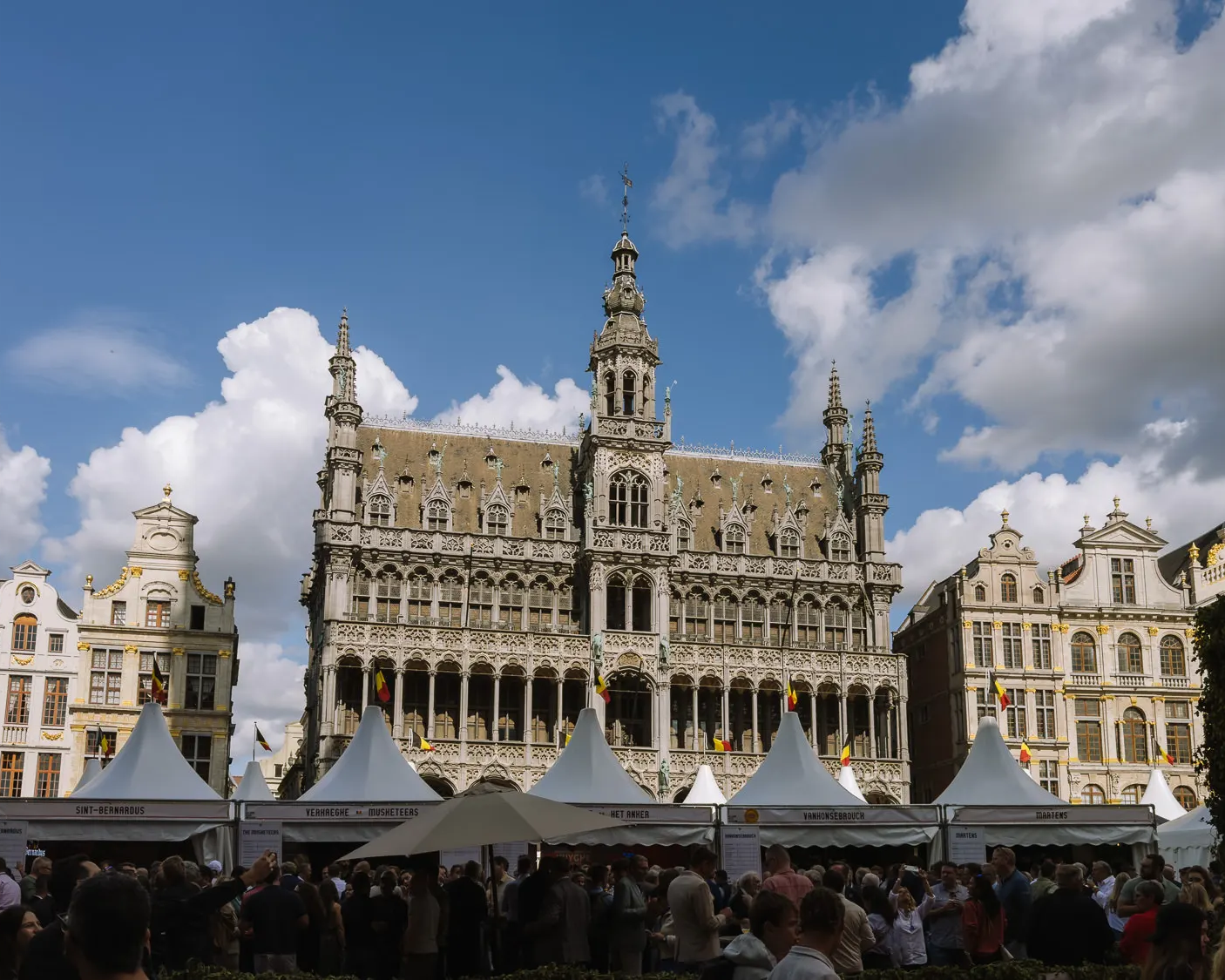
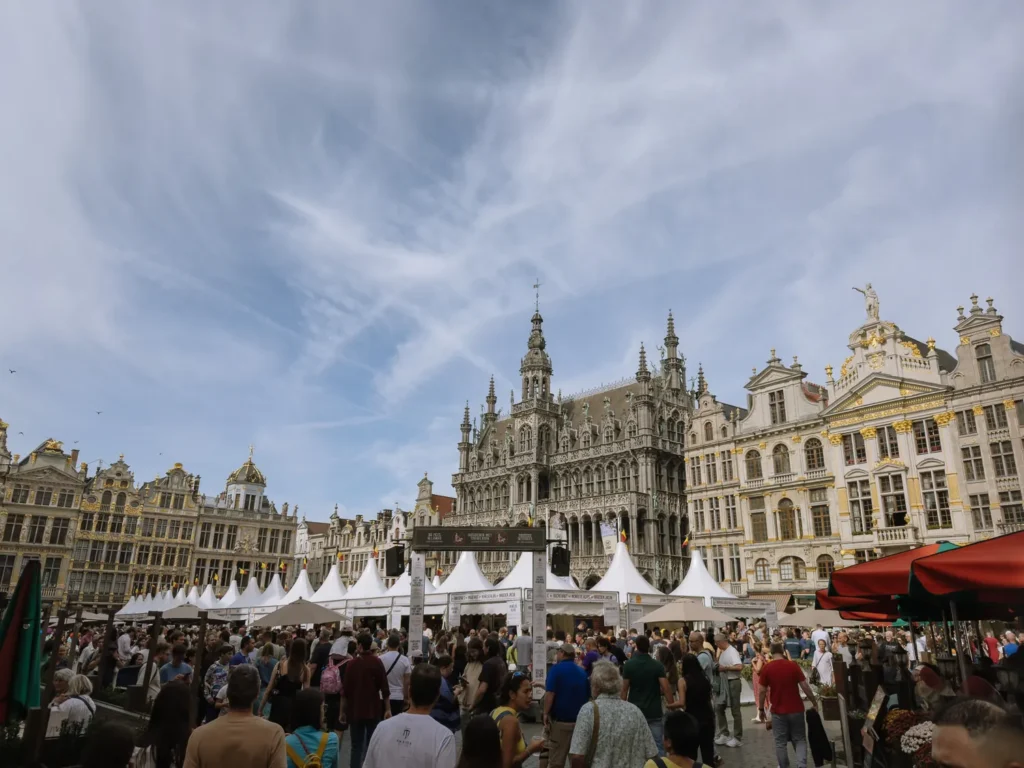
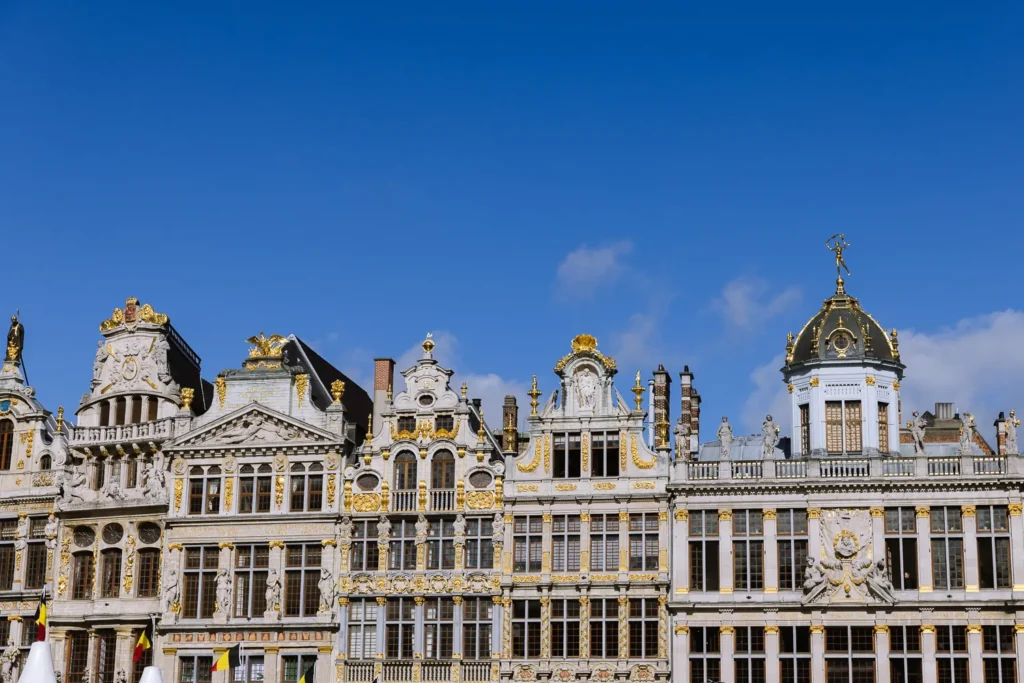
Grand Place (or Grote Markt) is the main central square in Brussels, surrounded by ornate guild houses, including the Town Hall and the King’s House.
The square has been a UNESCO World Heritage Site since 1998 and sits right at the heart of the historic centre. I crossed through it several times during my stay, simply getting from one place to another.
I love hanging out in Grand Place for one important reason: I was there during the annual Belgian Beer Weekend, so it was packed with crowds, beer, and a buzzing atmosphere.
At other times, I’d still stop by to see it, but you don’t need to spend ages here. The cafés around the square are very tourist-focused, so I’d head elsewhere to eat.
3.Hôtel de Ville
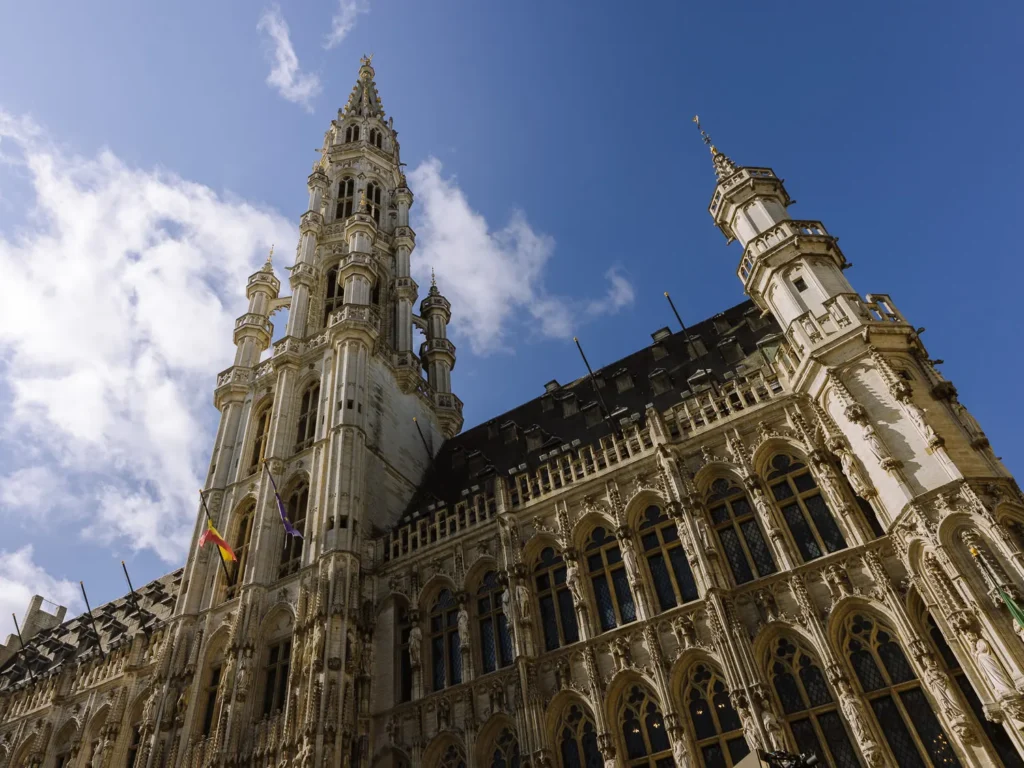
Hôtel de Ville is the Brussels Town Hall, a stunning Gothic masterpiece overlooking Grand Place.
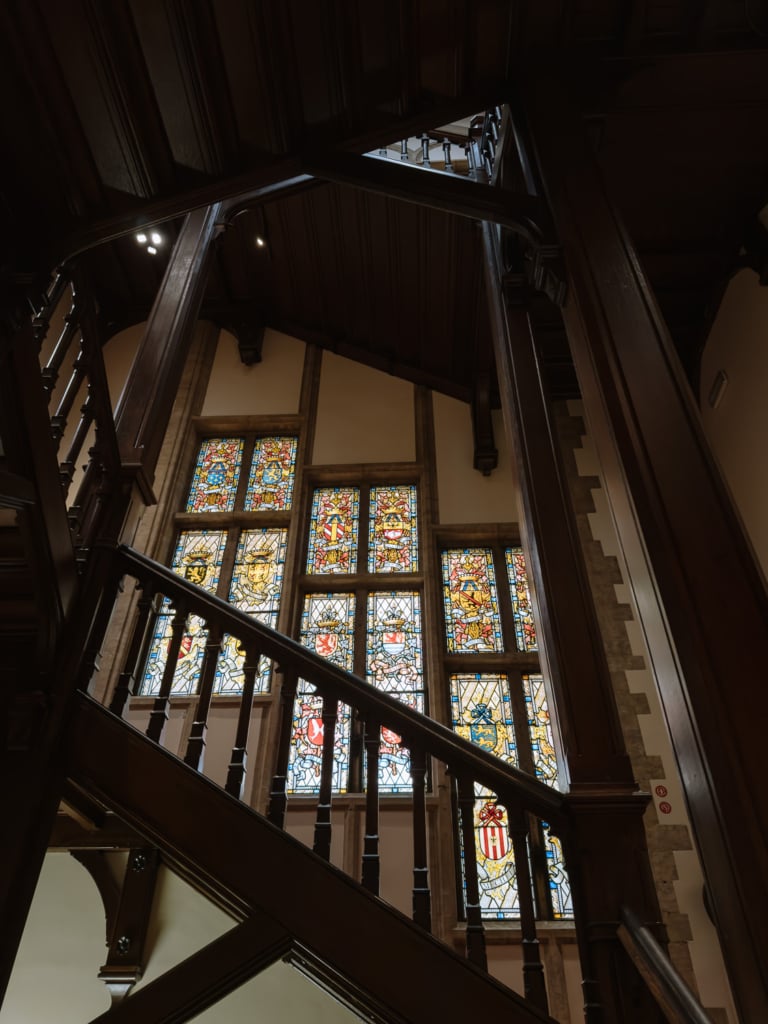
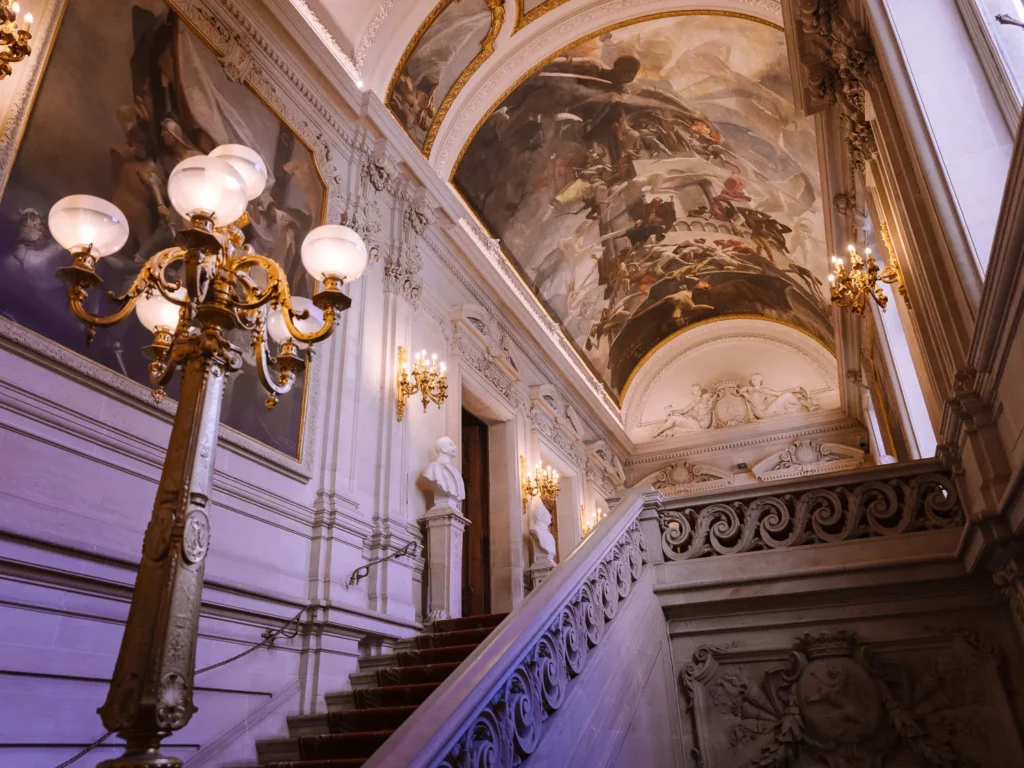
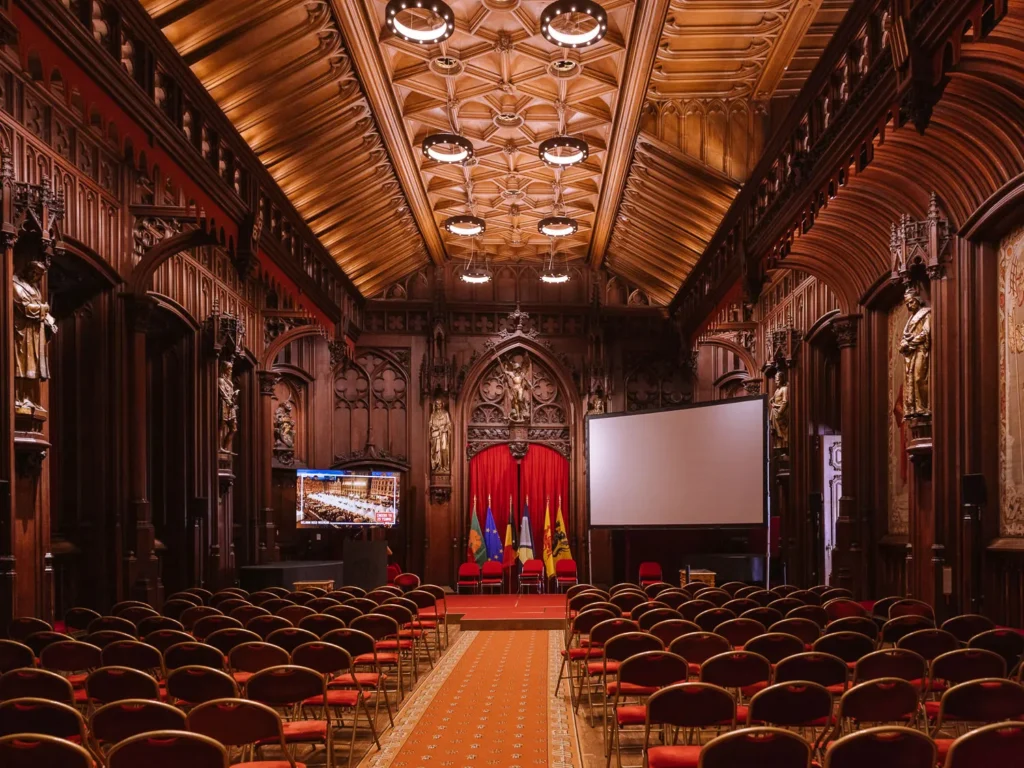
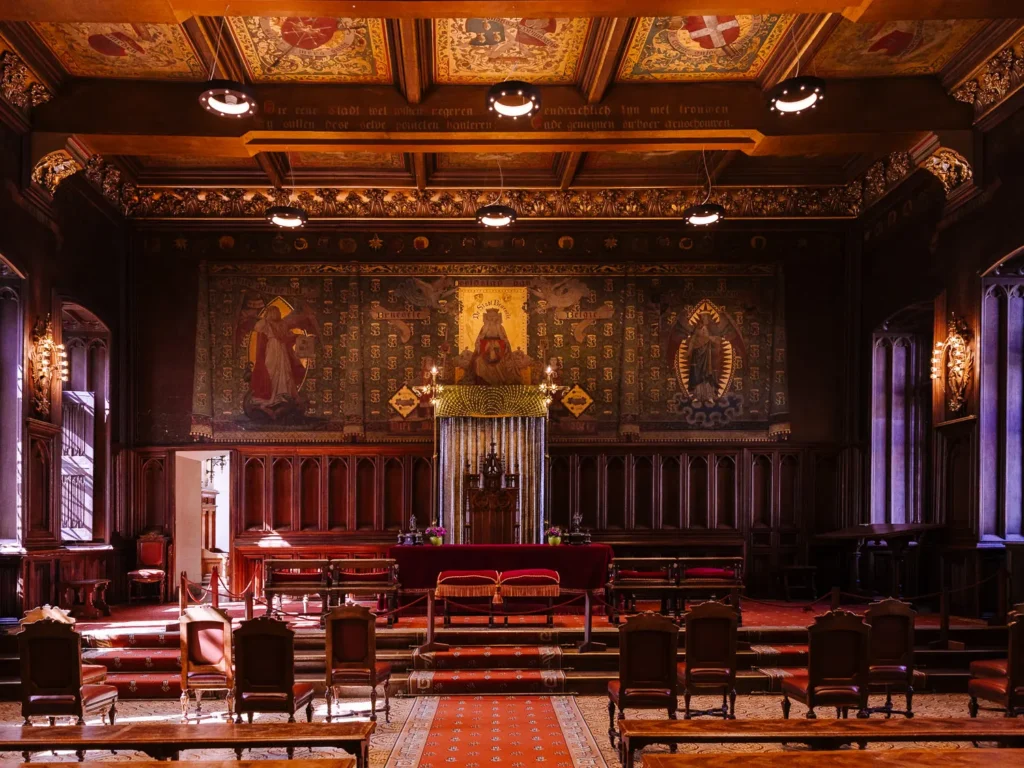
It’s a beautiful building to admire from the outside, but I also took the self-guided audio tour of the grand rooms. If you like ornate interiors, this is something you’ll probably like.
The audio tour is extremely corny, but it takes you through room after room. They are all very elaborate, but they started to look very similar after a while, so I started skipping through them fairly briskly.
For me, it was worth it to reach the Gothic Hall and the beautiful Wedding Hall, both of which are worth a little more time.
You need to book a time slot in advance to visit the City Hall. You can either book online here or at the ticket machines inside the Town Hall.
If you book online and use the Brussels Card, select the Brussels Card ticket to reserve a time slot without paying. You’ll need to show your Brussels Card when you arrive for your time slot.
I booked tickets from the office in the morning, and there were plenty of available slots that afternoon.
When I arrived, there was a long queue to have my tickets checked at a desk, which looked like the place to buy a ticket if you needed to. This is not the case, and several people got sent back to the machines to buy a ticket and had to queue again.
Make sure you book a ticket in advance.
4. Belgian Comic Strip Centre
I call myself a massive comic book fan, but I loved visiting the Belgian Comic Strip Centre.
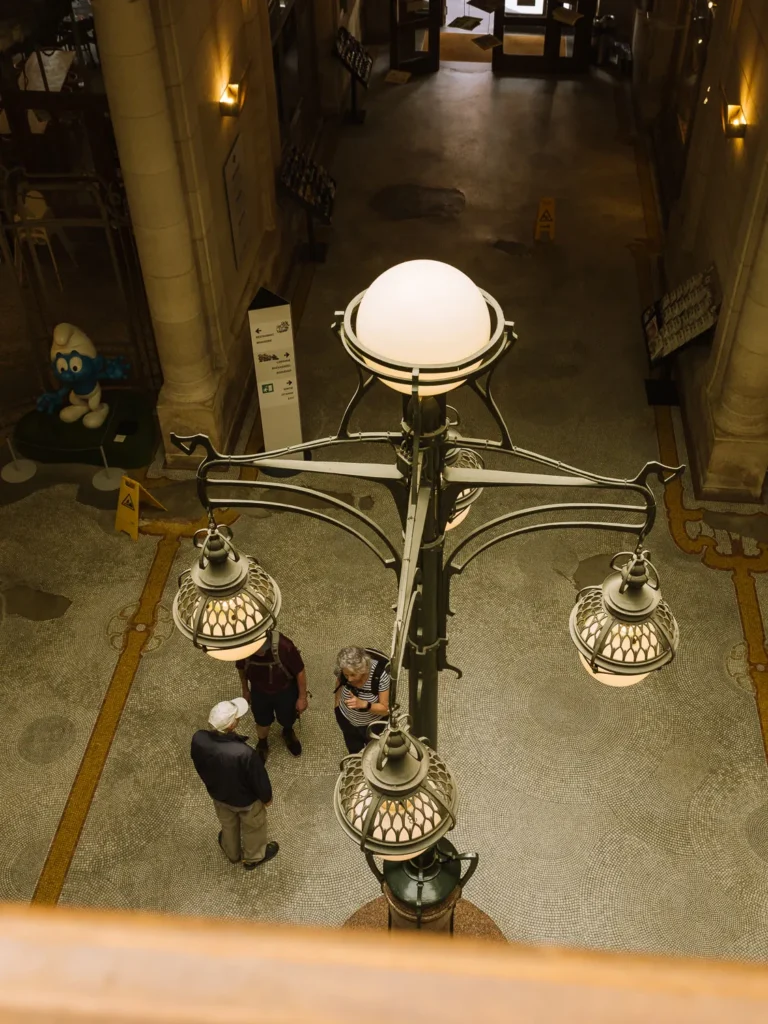
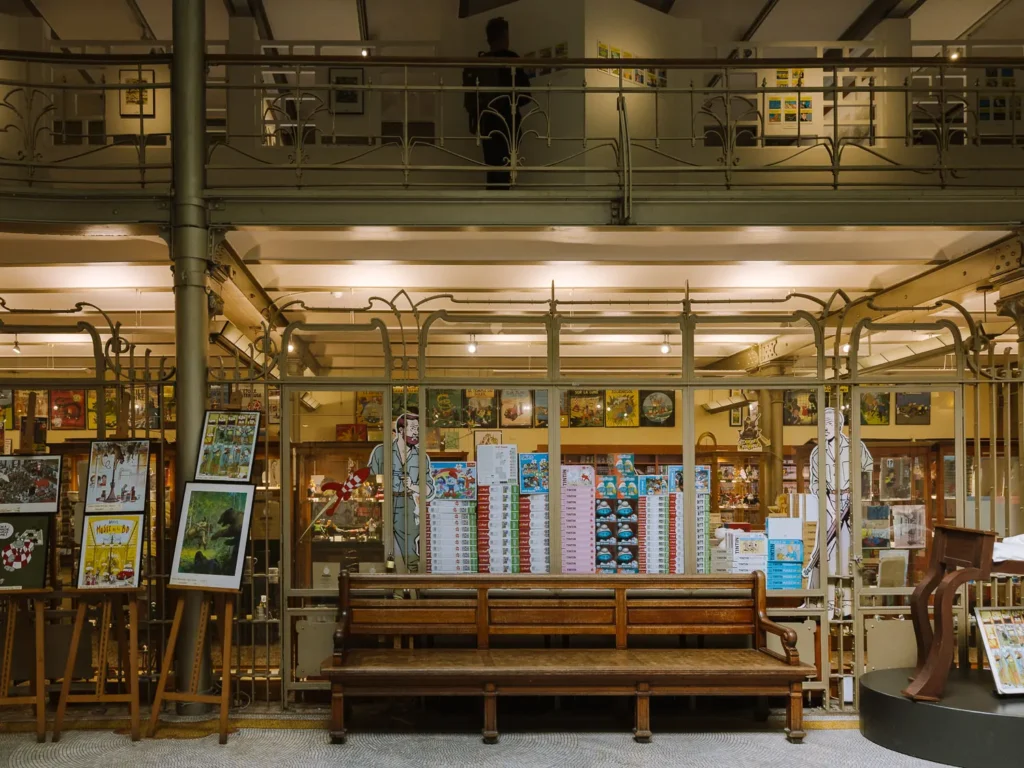
For me, it was primarily the architecture. The museum is housed in a classic Art Nouveau building designed by Victor Horta, with decorative ironwork, glass, and mosaics.
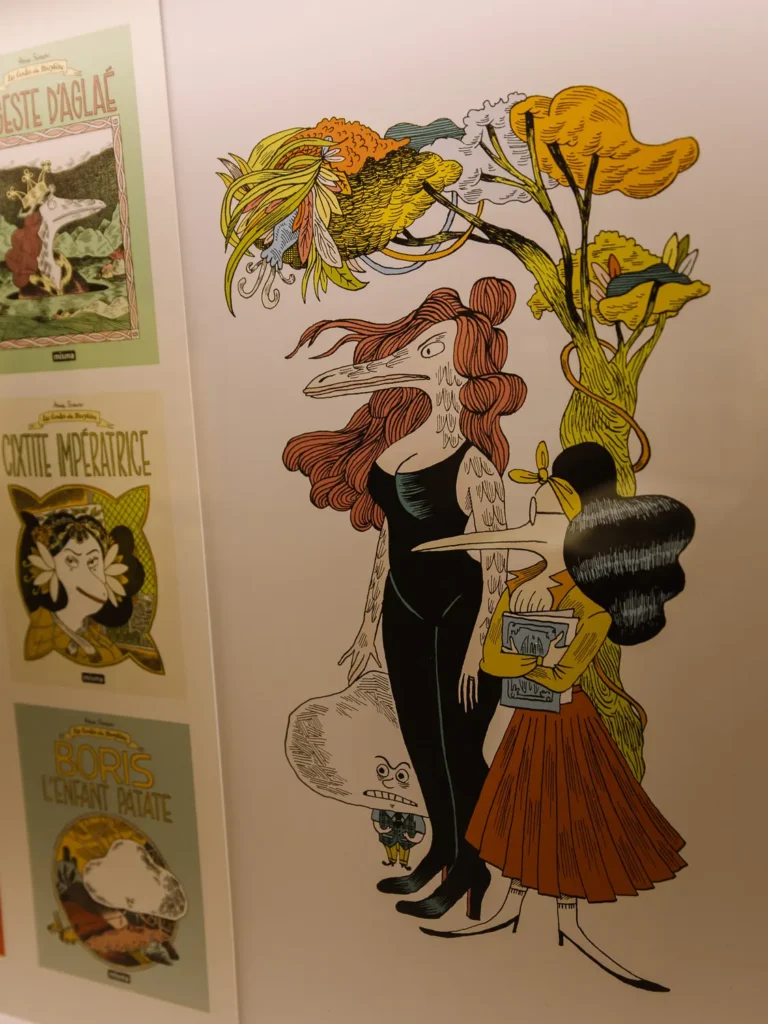
But the museum is also a nod to pop culture, picking up on childhood themes that most people can probably relate to. There are famous comics, original art, themed rooms and cool animations.
A permanent exhibition celebrates Belgium’s leading position in the comic world, which unsurprisingly features the Smurfs and Tintin.
I just turned up on the day without tickets, but the Belgian Comic Strip Centre is included on the Brussels Card.
5. Old Masters Museum & Musée Magritte
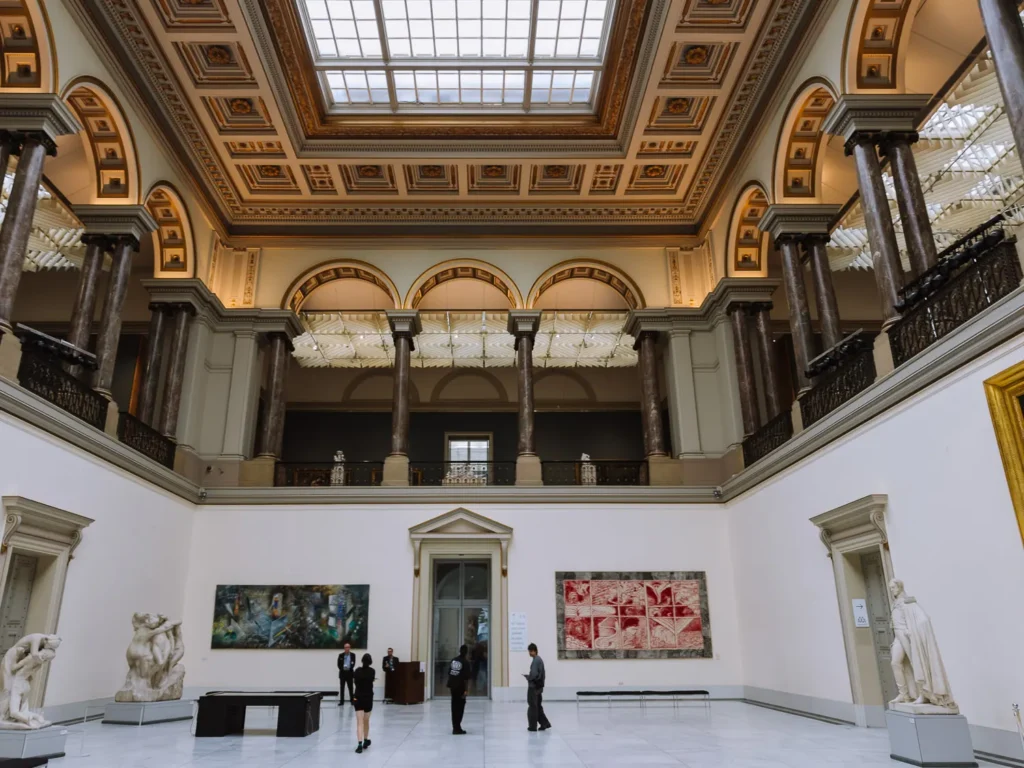
The Old Masters Museum and the Magritte Museum are part of the Royal Museums of Fine Arts of Belgium. Both are included on a single entry ticket (and on the Brussels Card), and I’d highly recommend them if you’re interested in art.
The Magritte Museum is dedicated to the life and work of Belgium’s most famous surrealist artist, René Magritte. It houses the largest collection of his works, but it’s still a very manageable size.
They have mostly paintings and drawings, as well as some of his photographs and early films. If you’re a fan of surrealist art, you’ll love the Magritte collection.
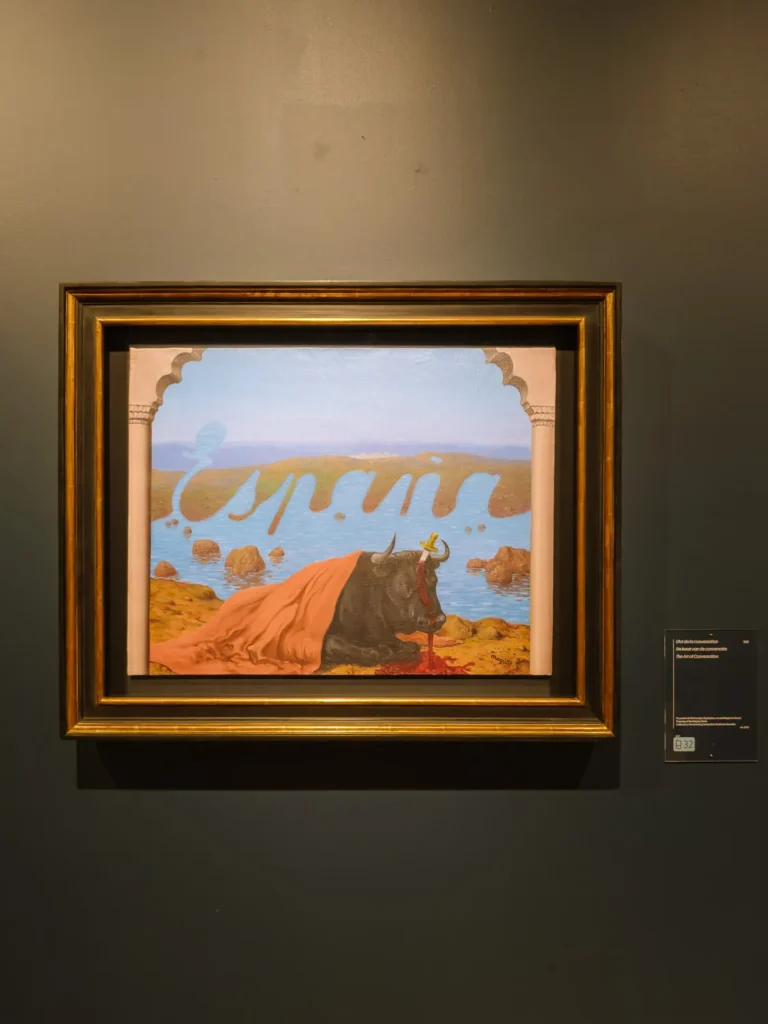
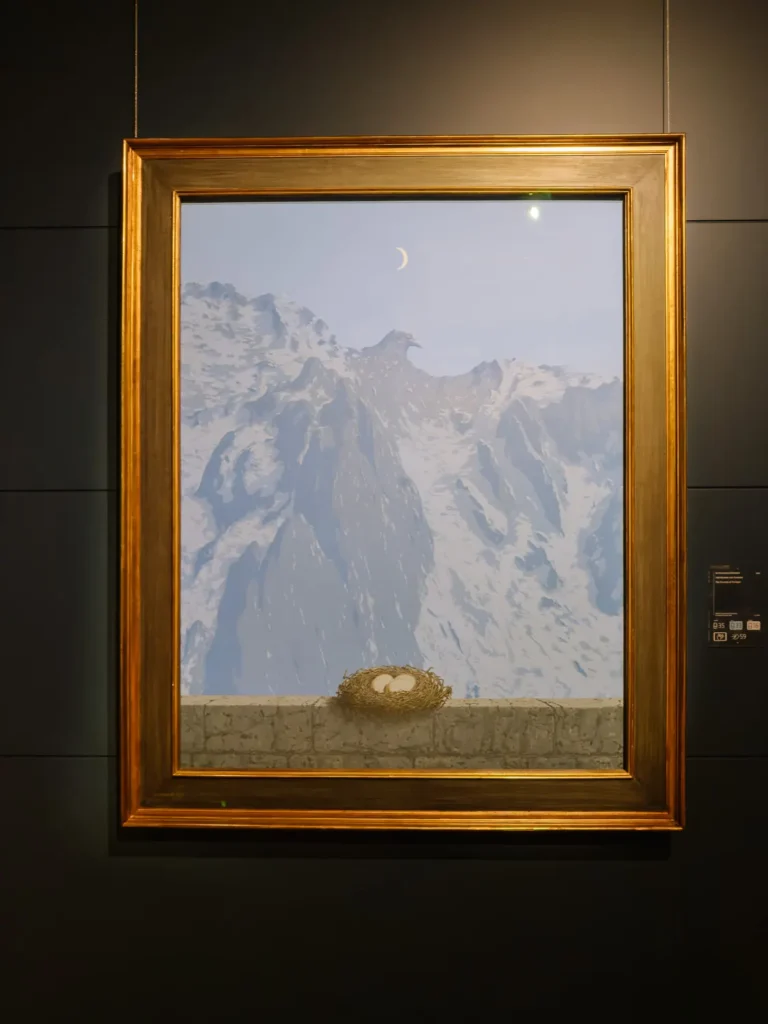
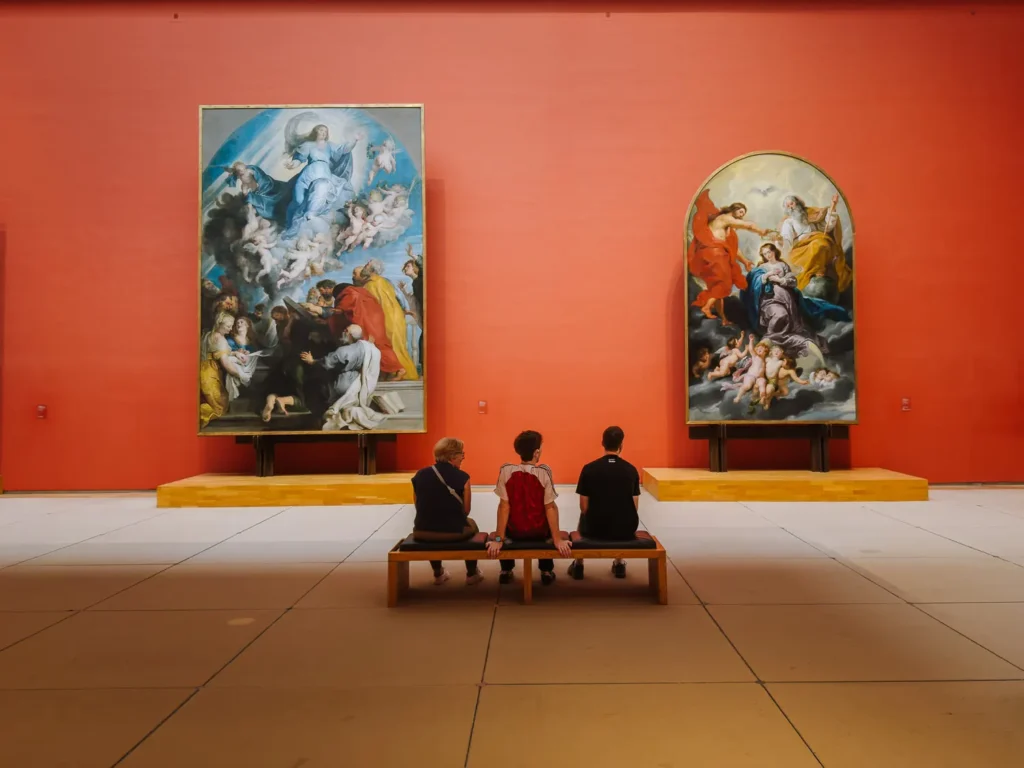
The Old Masters Museum features European paintings from the 15th to the 18th centuries, with a focus on Flemish and Belgian artists.
Some of the standouts include the Pieter Bruegel the Elder collection and the colossal works by Peter Paul Rubens.
The Old Masters and Magritte Museums are included on a single ticket, so you can divide your time depending on which gallery interests you most. If you only have time for one, I’d recommend the Magritte Museum. You can see European masters in galleries all over Europe, but the Magritte collection is much more distinctive to Brussels.
Both museums are included on the Brussels Card.
6. Manneken Pis
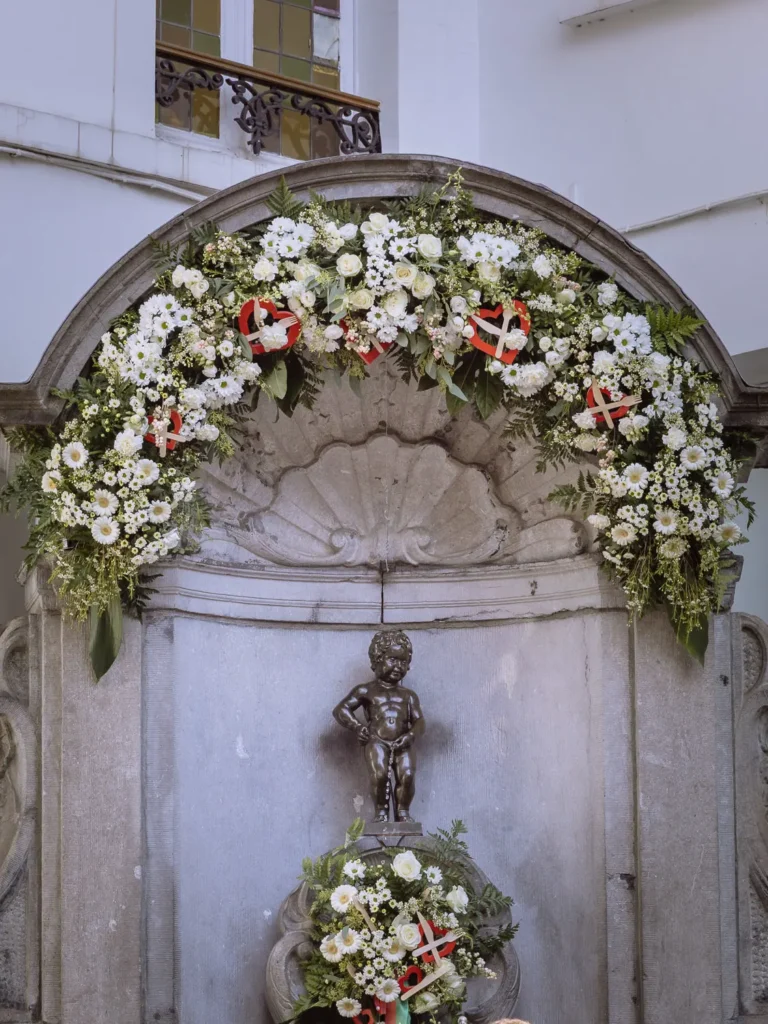
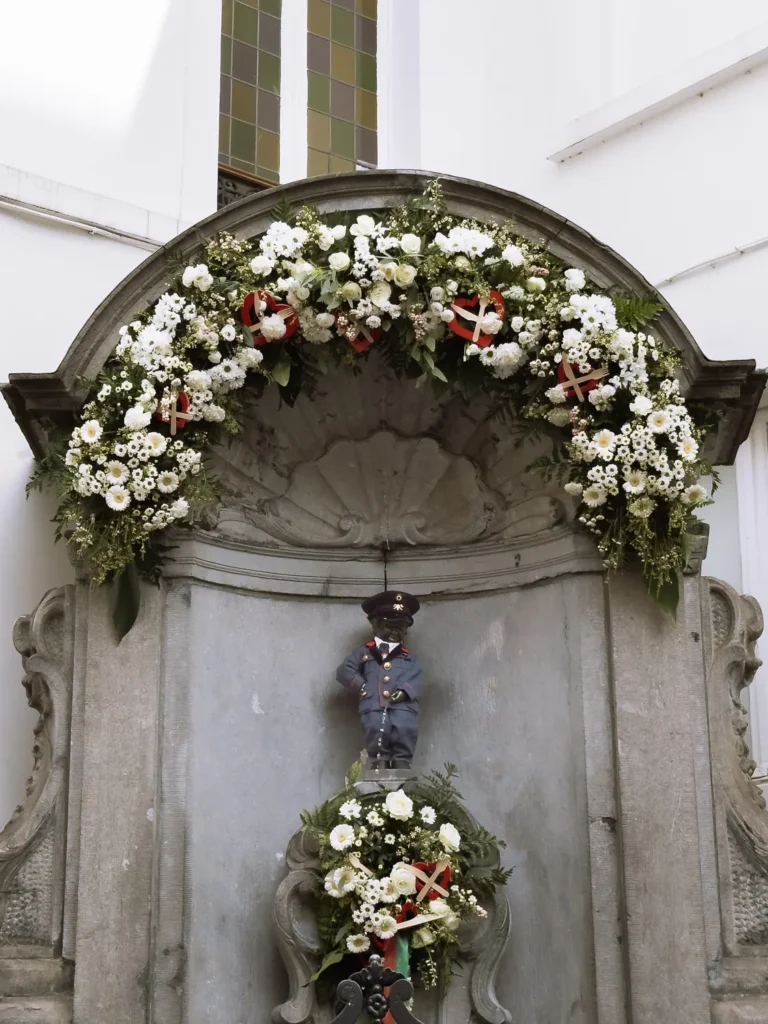
Manneken Pis is a small bronze statue of a naked boy peeing into a fountain.
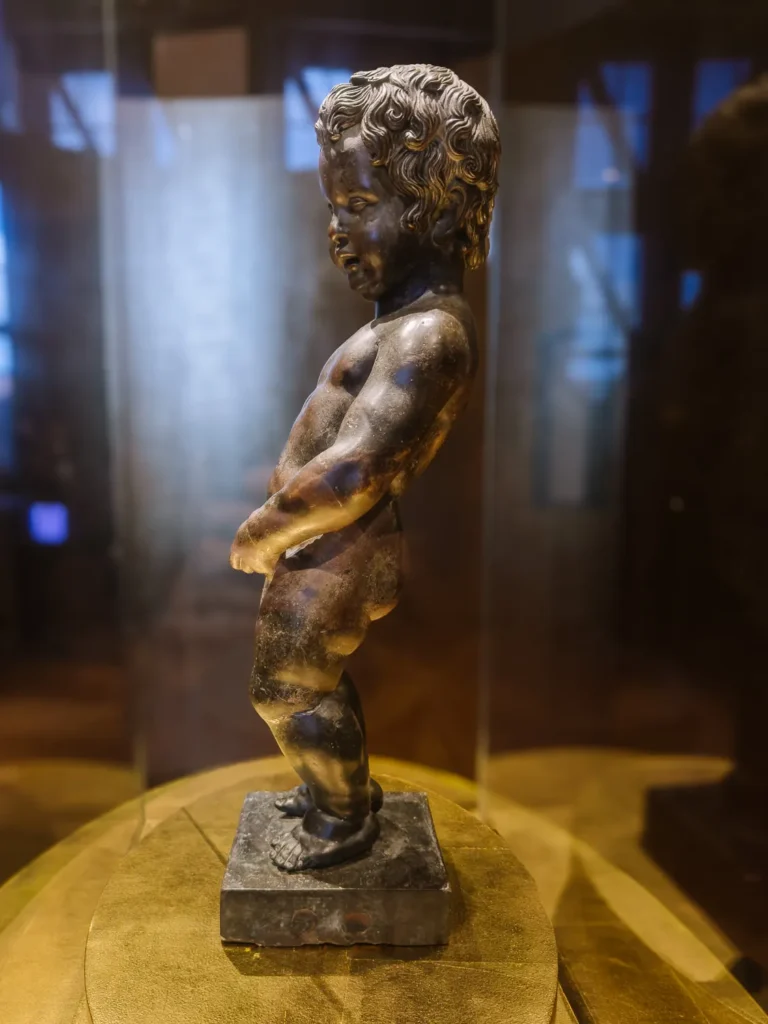
The current statue was made by Jérôme Duquesnoy the Elder in 1619. It was stolen and vandalised several times, so the version you see on the corner of Rue de l’Étuve and Rue du Chêne is a copy. The original is in the City Museum of Brussels.
Personally, I think Manneken Pis is worth seeing once because it’s such a famous Brussels landmark, but it’s really a five-minute stop to get a selfie in front of it. I wouldn’t make a special journey for it, but it’s right in the historic centre, so you’ll probably pass close by anyway.
The little statue has a wardrobe of around 1,000 costumes, which he wears on special occasions. I passed twice during my visit: once in all his glory, and the second time dressed in a military outfit, which you can see in my photos below.
7. Royal Saint-Hubert Galleries
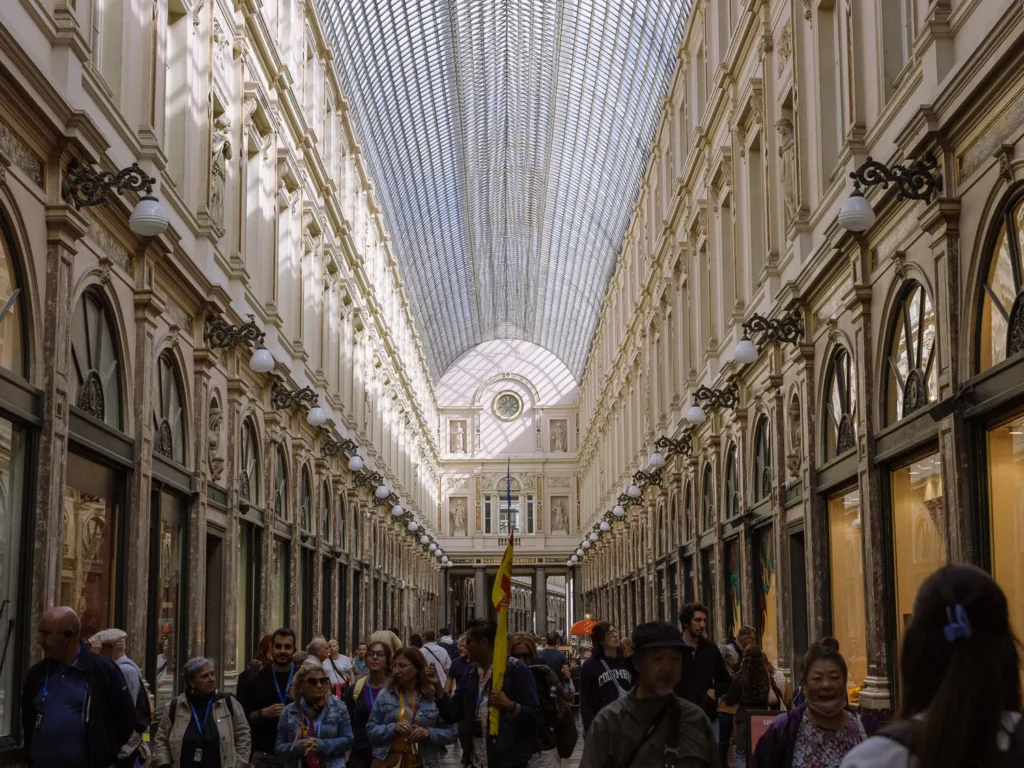
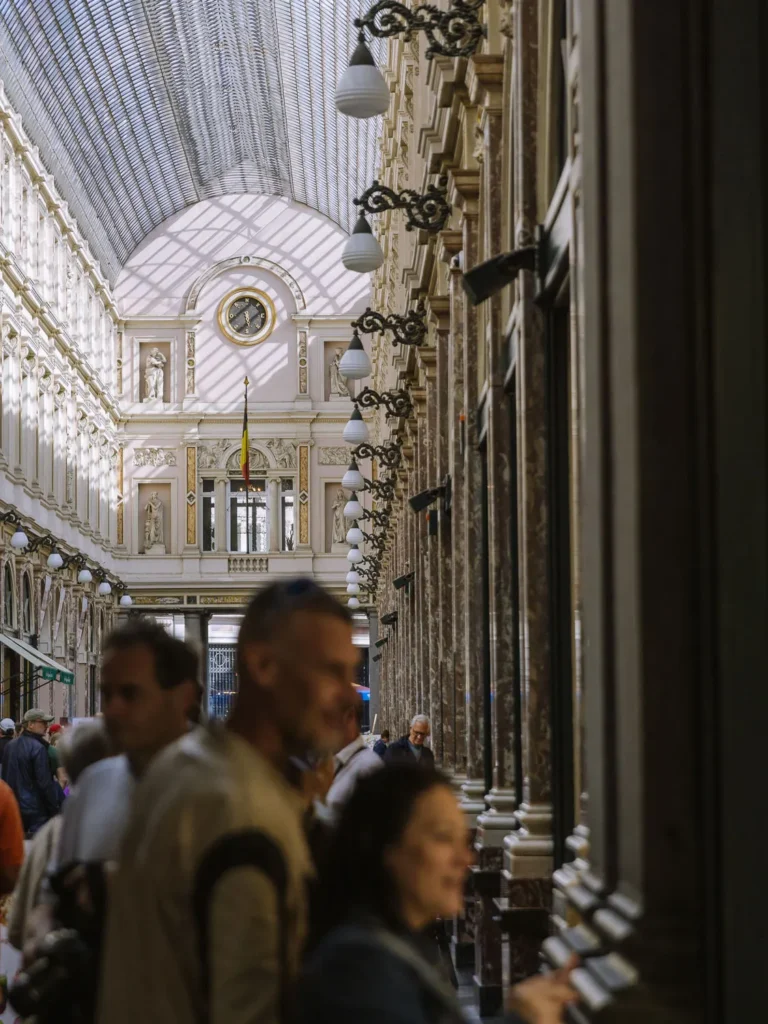
The Royal Saint-Hubert Galleries are one of Europe’s oldest glazed shopping arcades. It consists of three arcades in central Brussels that form a long, elegant, covered promenade near the Grand-Place.
The galleries have luxury boutiques, chocolate shops, speciality shops, jewellers, bookshops and restaurants.
I’m not really into shopping when I travel, so for me it’s more about a beautiful place to walk through than browsing the shops. The architecture is the main reason to visit, and it makes an easy stop while exploring the historic centre.
If you want to sit down for a coffee, it’s also a good place to people-watch, although I wouldn’t go out of my way to eat here.
Other Attractions If You Have Time
8. Brussels City Museum
The Brussels City Museum is located in the historic King’s House on the Grand Place.
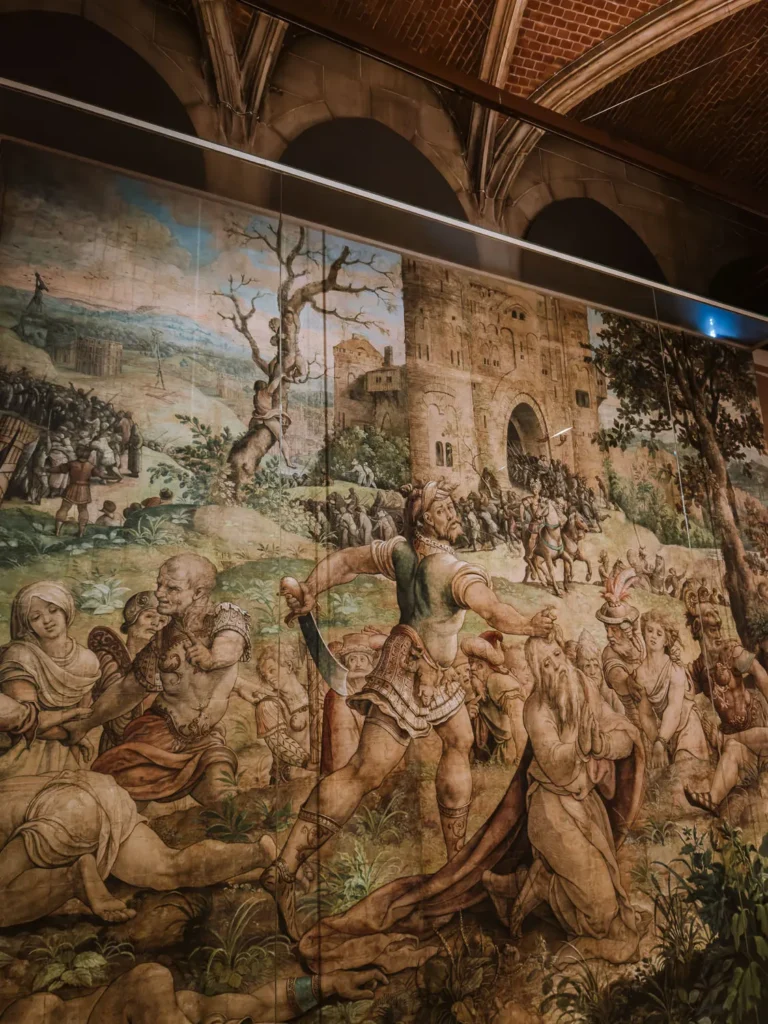
It has a wide selection of artefacts that cover the history of Brussels, including paintings, tapestries, sculptures, maps, and models of the city.
I found some of the audio guides in Brussels pretty lame, but this one was actually interesting.
It’s also a beautiful old building to wander around, although most people are here to see the original Manneken Pis, who is proudly on display behind a glass cabinet along with several of his favourite costumes.
If you want to see the original Manneken Pis and you like strolling around old buildings, this could be a good option for you. If not, you can safely save time by skipping the Brussels City Museum.
The Brussels City Museum is included on the Brussels Card.
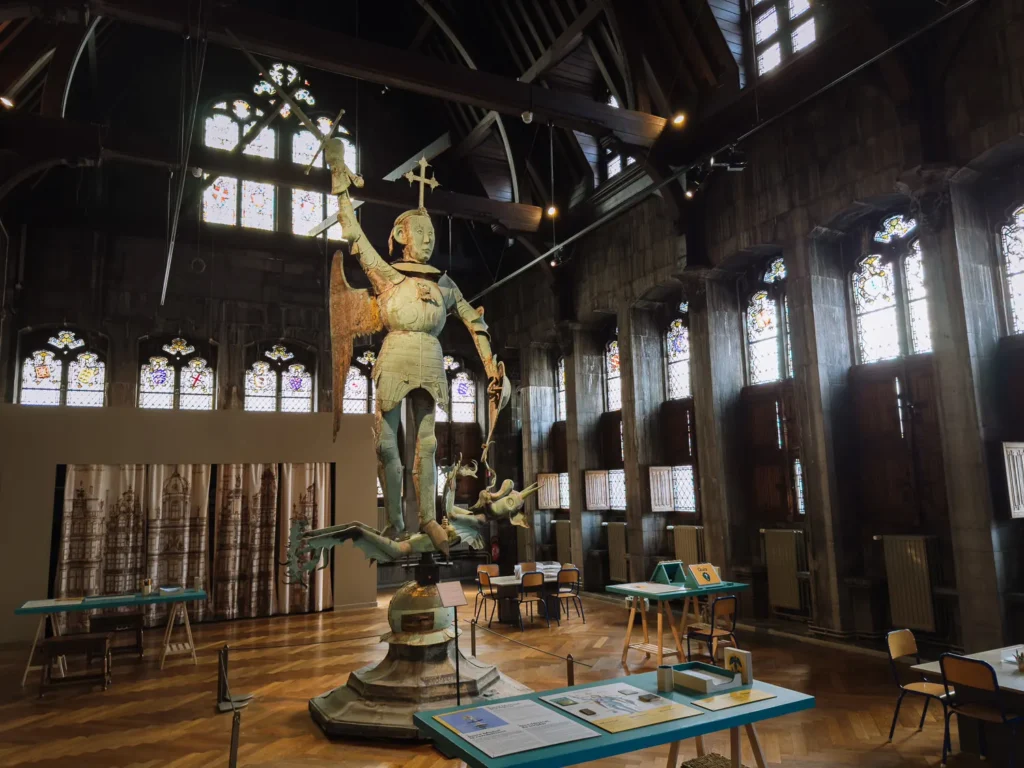
9. St. Michael & St. Gudula Cathedral
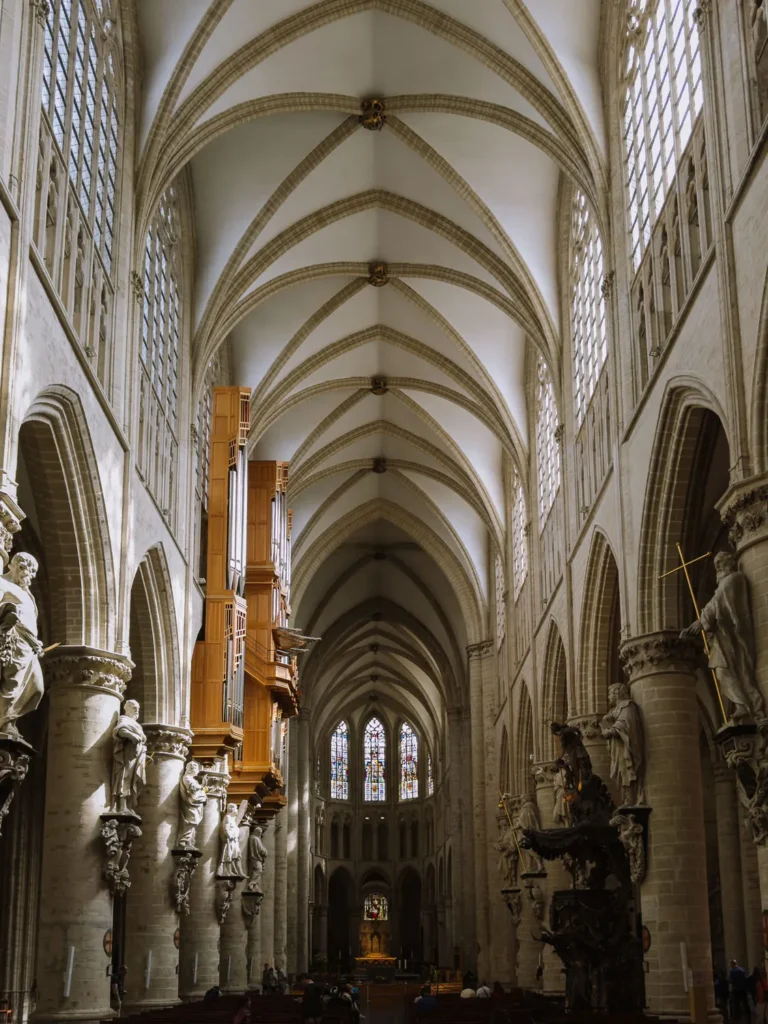
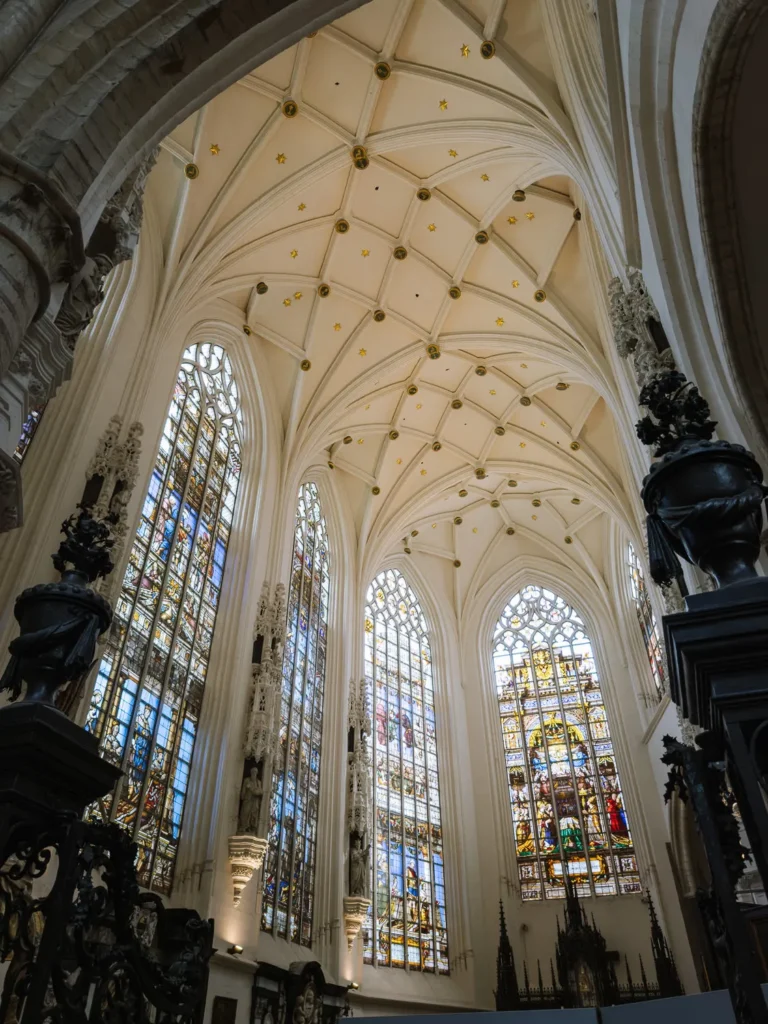
The Cathedral of St Michael and St Gudula is a colossal example of Gothic architecture in the heart of Brussels. It’s dedicated to the city’s two patron saints and was completed in the 16th century after 300 years of construction.
The stained-glass windows depicting scenes from the Last Judgement and the Holy Trinity are beautiful.
The cathedral is free to enter. But you can also visit the Crypt (€3), the Archaeological Site (€1), which contains remains of the original 11th-century church, and the Treasury (€2).
I only popped into the cathedral itself and didn’t visit the paid areas. I wouldn’t go out of my way to get here, but it’s a worthwhile quick stop if you’re nearby and have time.
10. Musical Instruments Museum
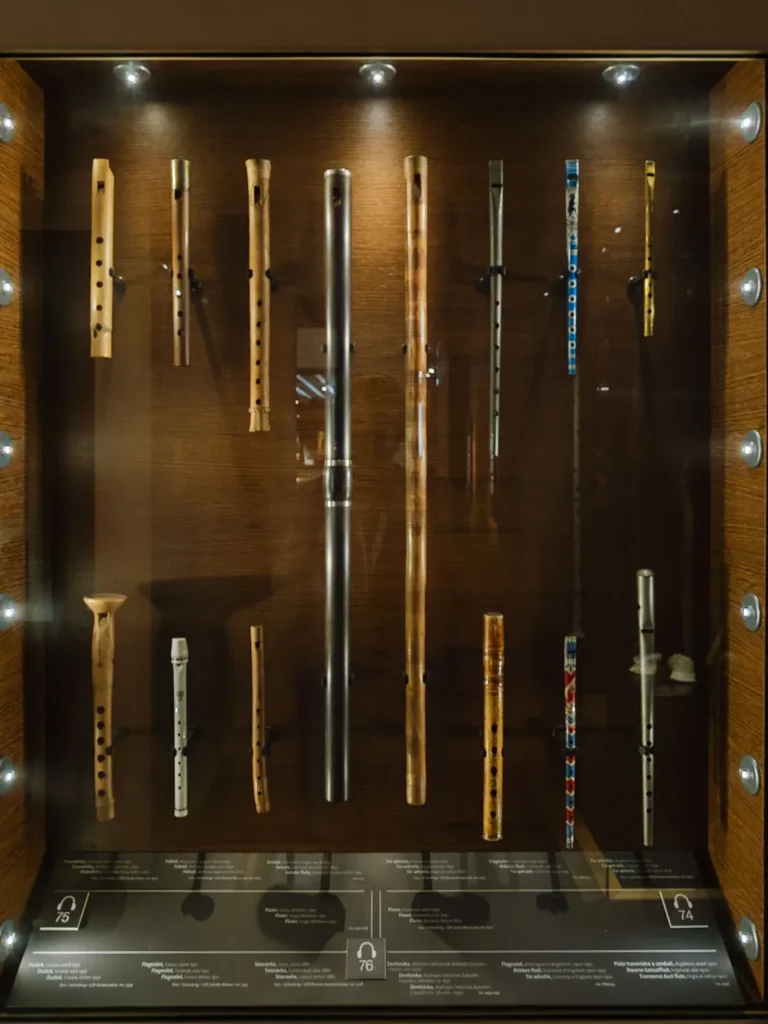
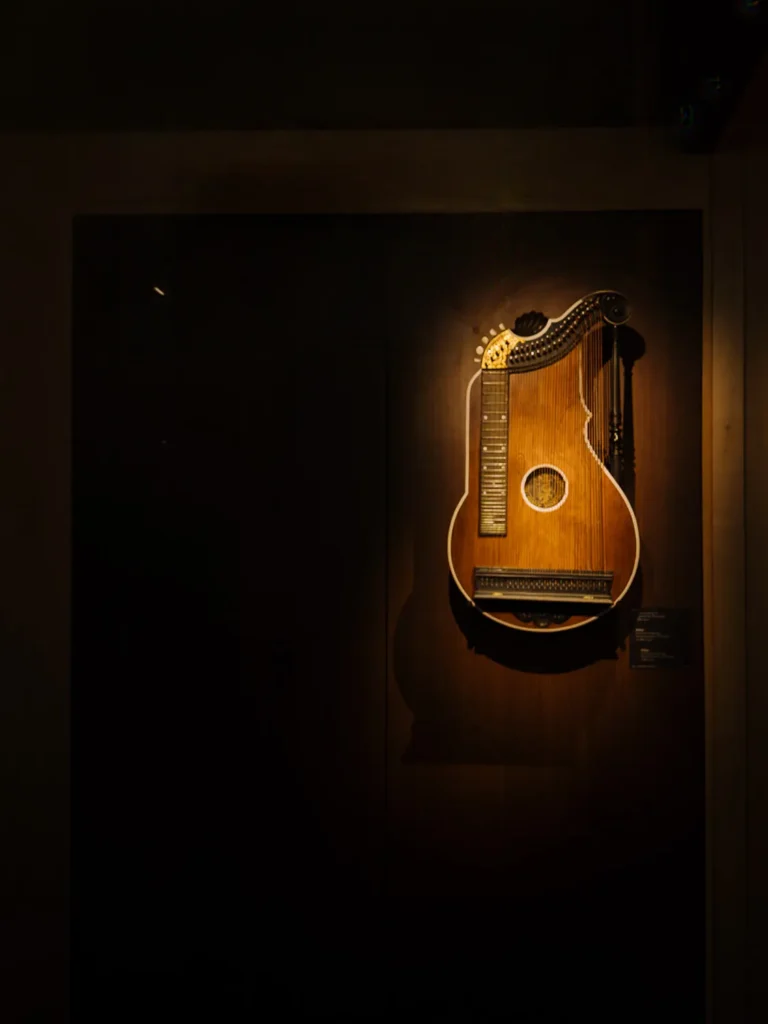
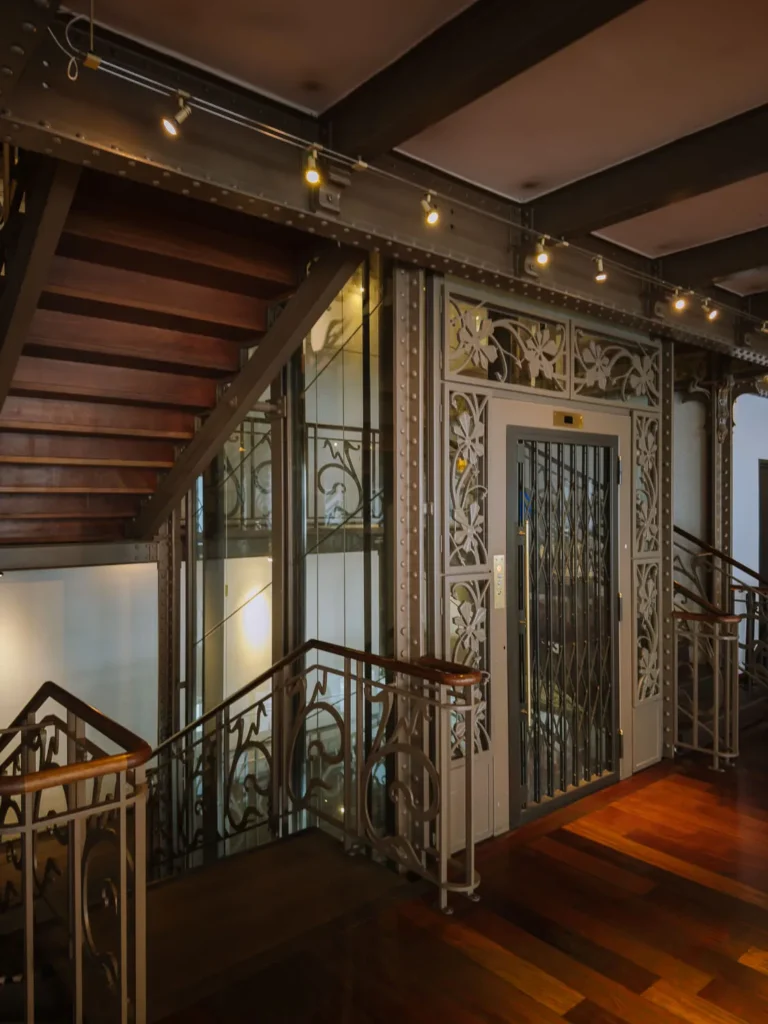
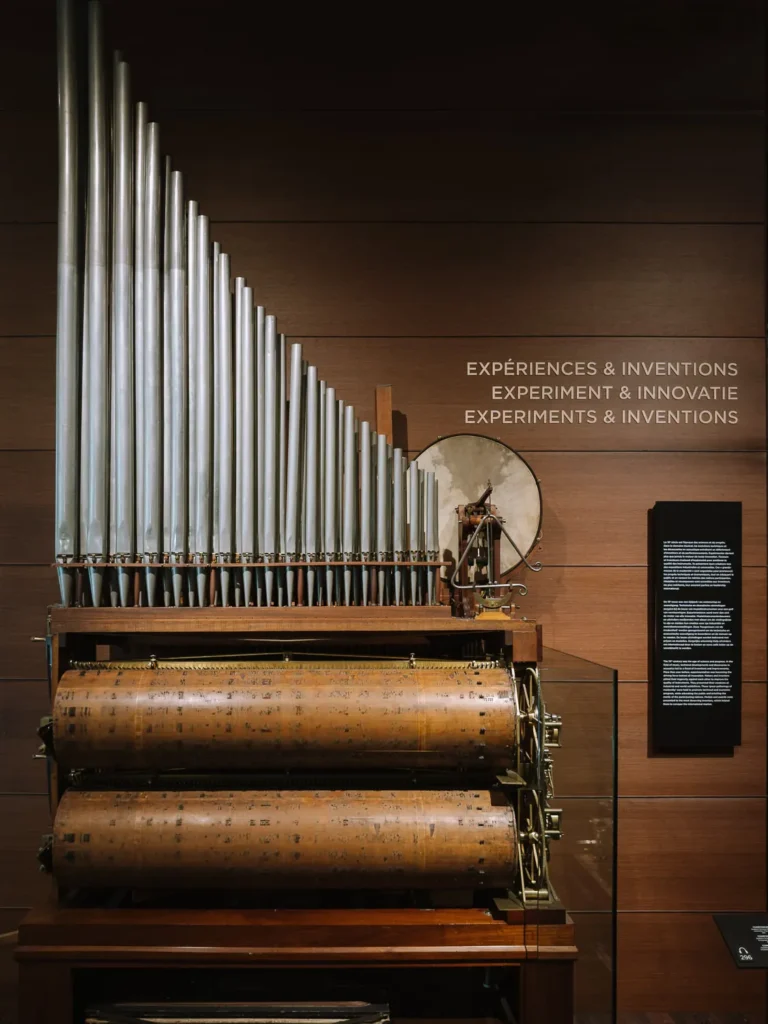
Housed in another stunning Art Nouveau building, the Musical Instruments Museum has around 1,200 musical instruments on display at any one time, from a collection of over 8,000.
The exhibits cover the evolution of musical instruments, craftsmanship and different musical traditions from around the world.
An audio guide is provided, which allows you to listen to a sample of music from each instrument. My favourite was the Chitarrone – definitely give it a listen if you go, one of the most unusual instruments I’ve ever heard.
There isn’t much information beyond listening to the instruments, so I’d only prioritise this if you have a genuine interest in music or musical instruments.
The Musical Instruments Museum is included on the Brussels Card.
11. Royal Palace of Brussels
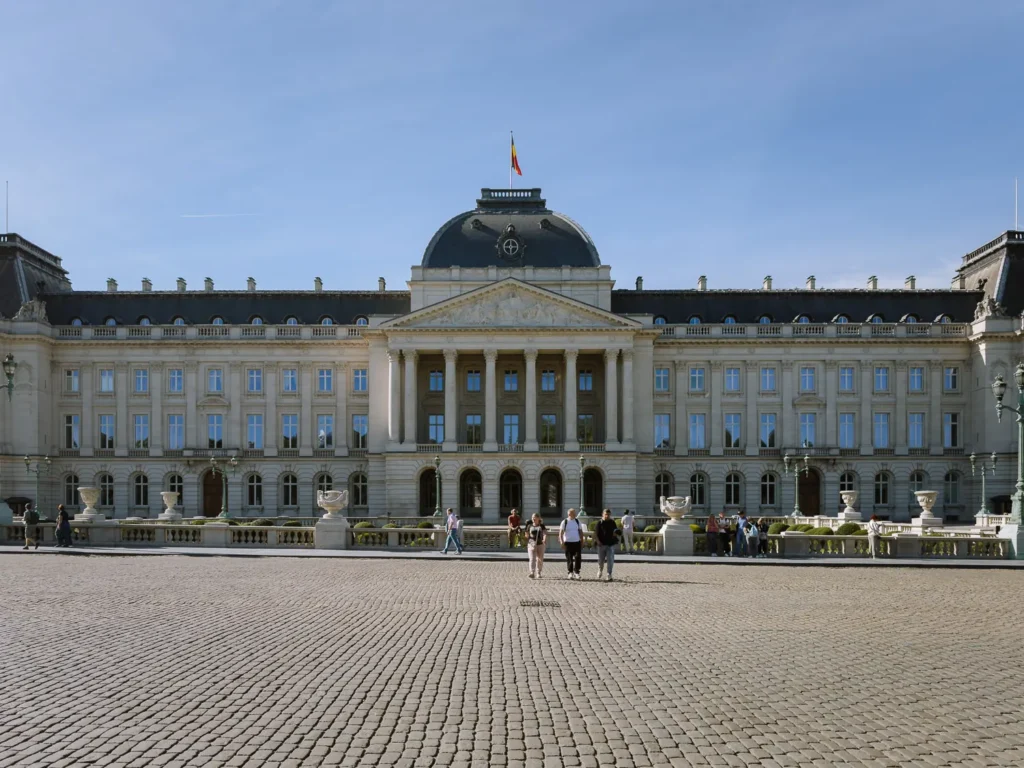
The Royal Palace of Brussels is the official residence of the King and Queen of Belgium. It features a Neoclassical façade with grand columns and beautiful gardens, with the Parc de Bruxelles (Warandepark) flanking it.
I didn’t get to go inside last time I was in Brussels, because the palace was closed for renovations.
It reopened to visitors in summer 2026 and is usually only accessible during a limited summer opening period, so check the Belgian Monarchy website before you go
For most of the year, I’d treat it as a quick exterior stop rather than a major attraction. It’s close to the Musical Instruments Museum, Old Masters Museum and Magritte Museum, so it’s easy to see while you’re already in the area.
12. Église Notre-Dame du Sablon & Square du Petit Sablon
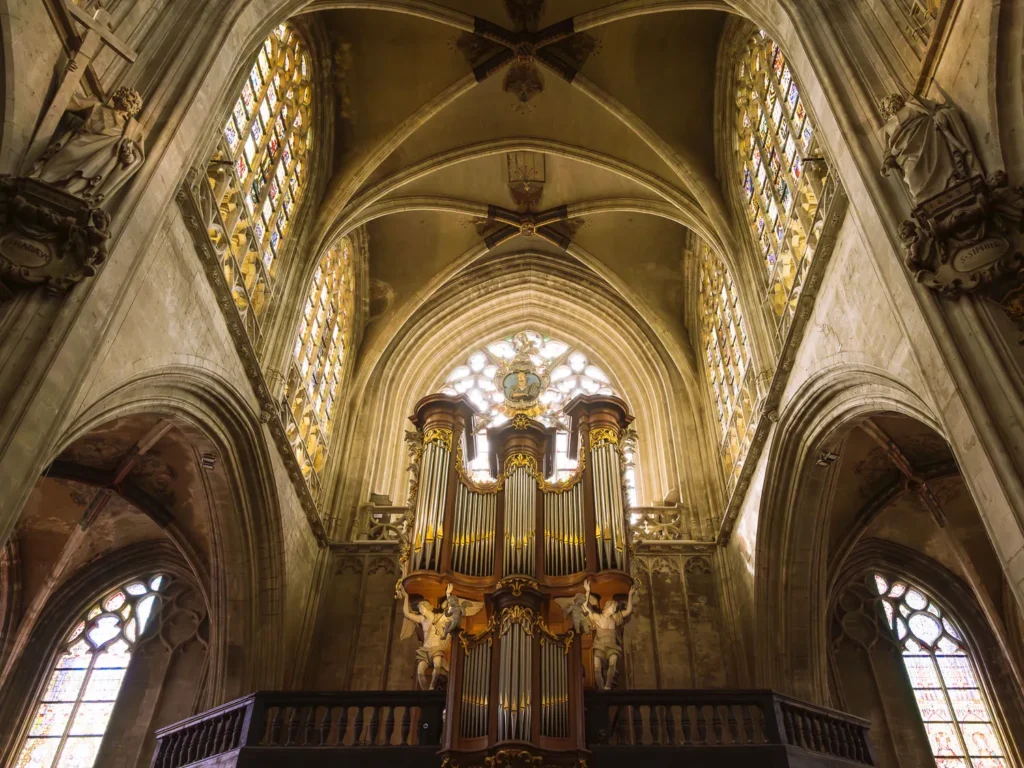
Notre-Dame du Sablon is one of the most striking Gothic churches in Brussels.
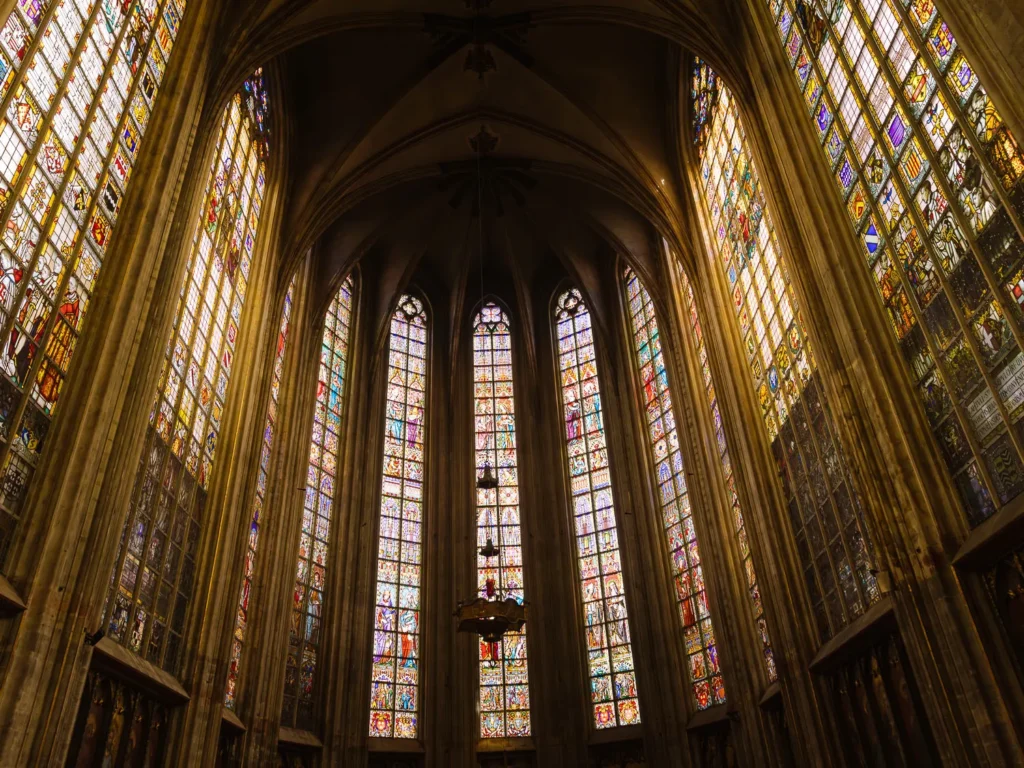
Eleven tall stained-glass windows give the interior a surprising amount of light, while the ornate Baroque side chapels and soaring choir make it well worth a quick look inside.
The church is free to visit, but the main reason I’ve included it here is that I really liked the surrounding Sablon area, which I go into a bit more detail in the sections below.
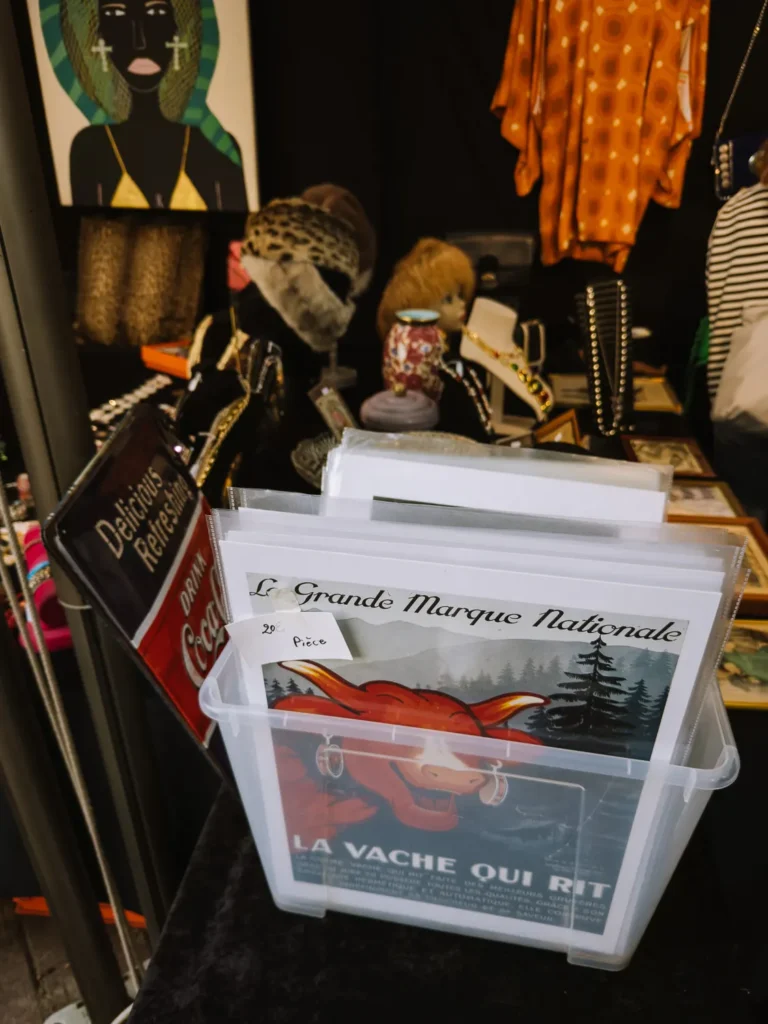
The Marché des Antiquaires du Sablon takes place at Place du Grand Sablon on Saturdays (9:00-17:00) and Sundays (9:00-15:00). In addition to antiques, there are vintage clothes, crafts and bric-a-brac.
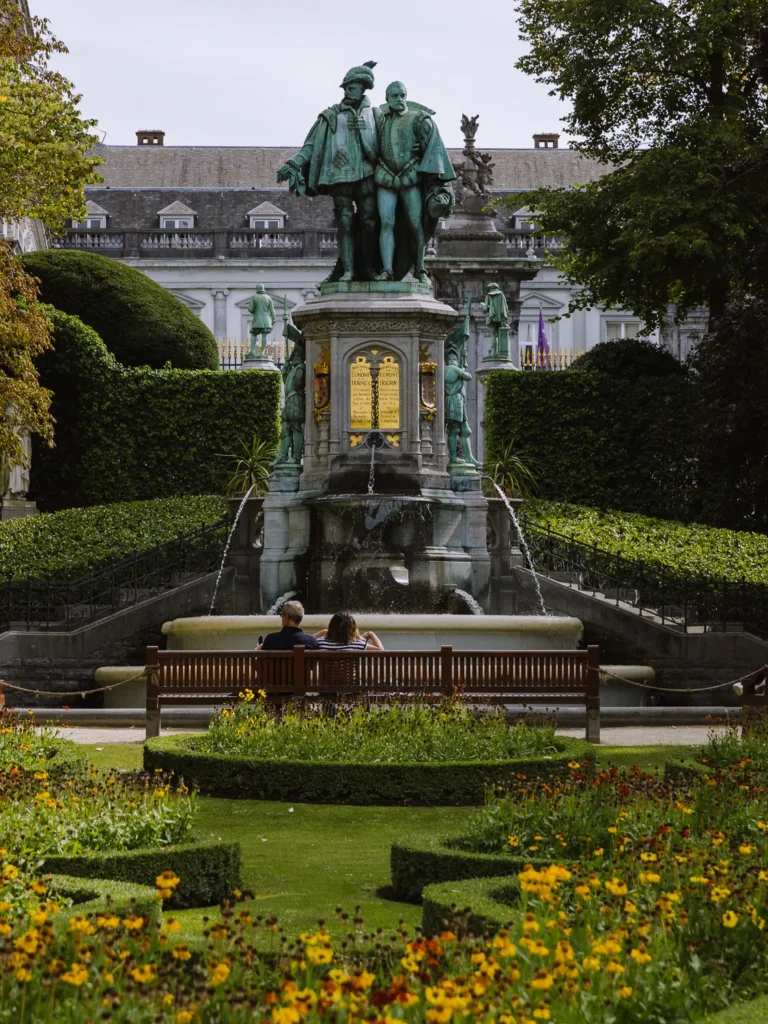
Just opposite the church, Petit Sablon Square is a small, elegant public garden with 48 statues representing Brussels’ crafts and others celebrating Belgian humanists of the 16th century.
For me, this is less about making a special trip to the church and more about spending time in Sablon as a whole.
Neighbourhoods & Coffee
That completes the main tourist attractions I think are worth visiting in Brussels. But, as I mentioned up front, what I liked most about Brussels was exploring the different neighbourhoods.
Here are some of the main areas you might want to navigate towards.
Sablon / Zavel
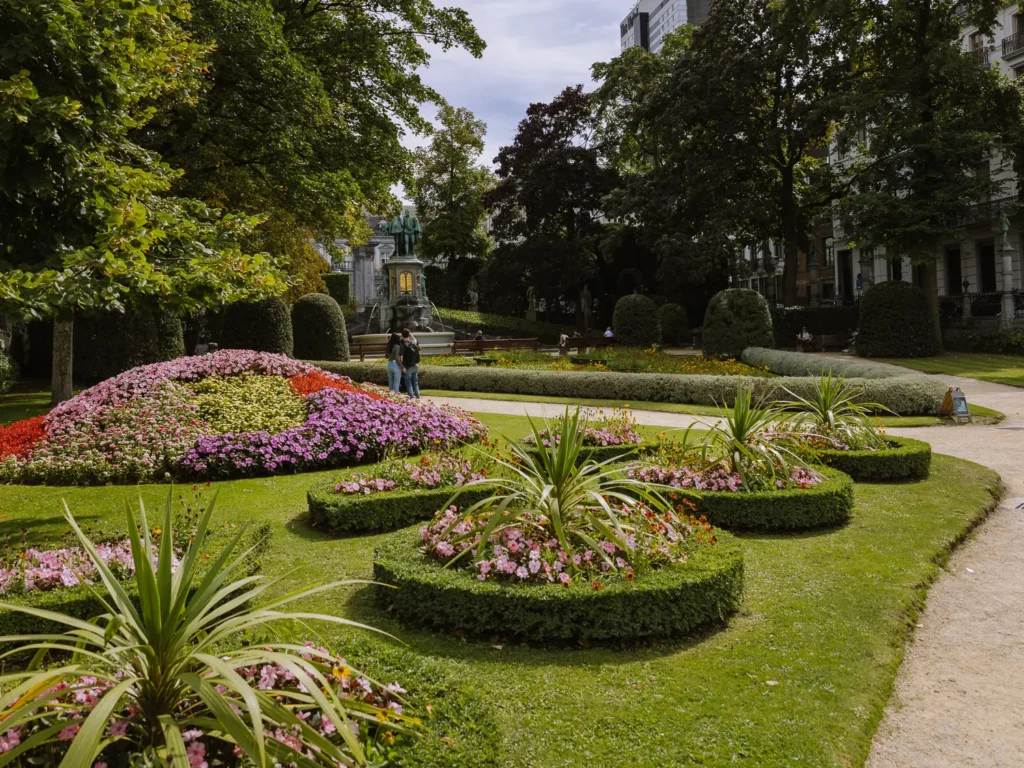
Sablon is an elegant part of Brussels with the twin squares of Grand and Petit Sablon (mentioned above) at the centre. You’ll find beautiful architecture alongside antique dealers, luxury chocolate shops and upmarket patisseries.
This is where I’d suggest exploring during the day if you have time. It’s good for shopping, coffee, and people-watching.
Some of the best streets to explore are:
- Rue de Rollebeek: A restaurant-lined street connecting Sablon to Marolles.
- Rue des Minimes: Great for antique shops and art galleries.
- Rue de la Régence: Elegant boulevard linking Sablon to the Royal Palace and museums.
Marolles
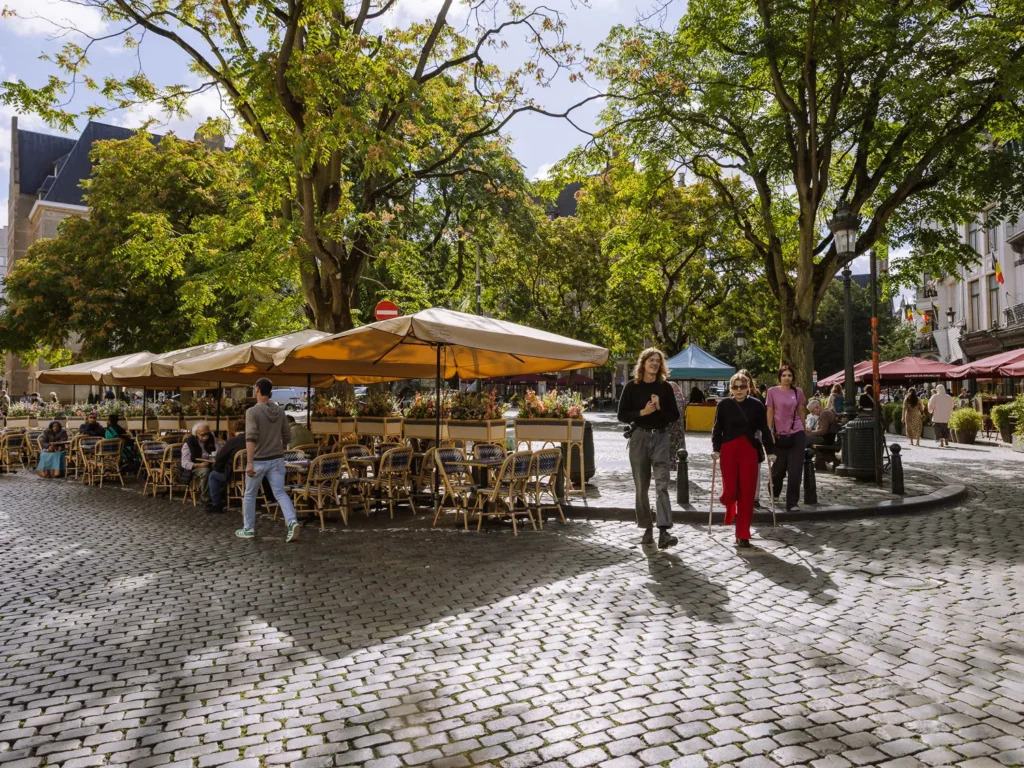
Marolles is a quirky local neighbourhood with worn facades, cool cafes and bars and plenty of edge and character.
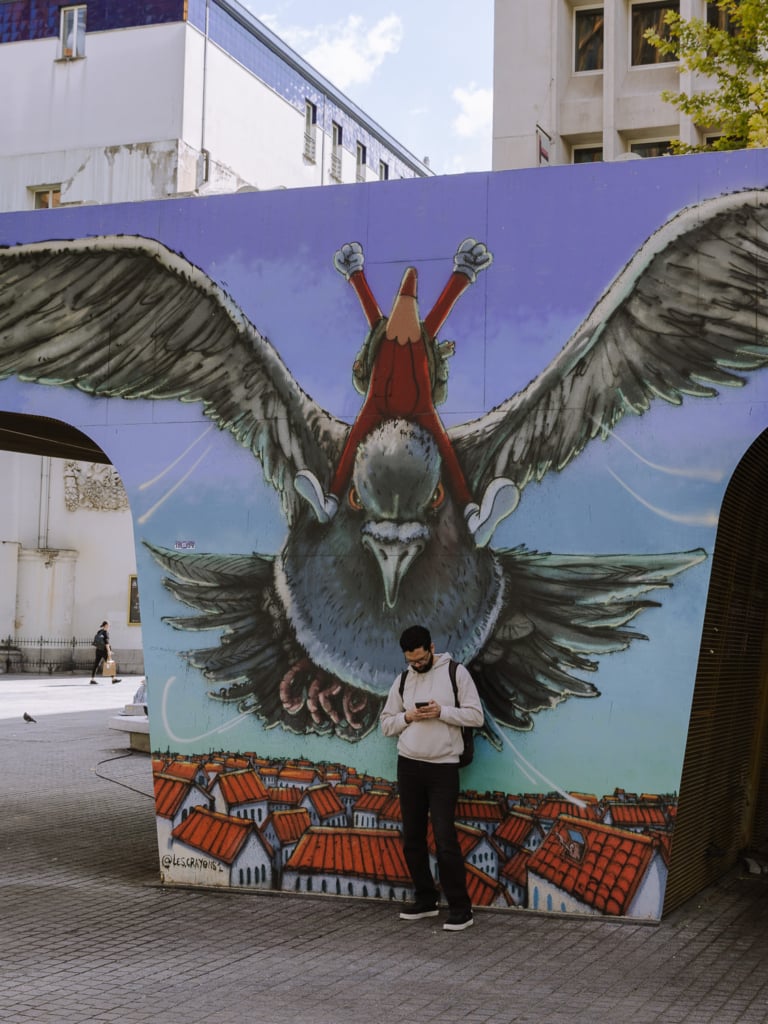
There’s a daily flea market at Place du Jeu de Balle, and you’ll find local art galleries, street art, record stores and cafes where locals hang out.
This is a good area to explore if you want the cool, local side of Brussels.
- Rue Haute (Hoogstraat): The main street in Marolles with cool art shops, cafes, galleries and concept stores.
- Rue Blaes: Good for antiques, vintage stores, and design boutiques.
- Rue des Renards: A cool bohemian-feeling street with indie shops.
Marolles felt a lot like many parts of Berlin, particularly Kreuzberg, with its slightly rough-around-the-edges character. Read our guide to Berlin if this sounds interesting to you.
Îlot Sacré
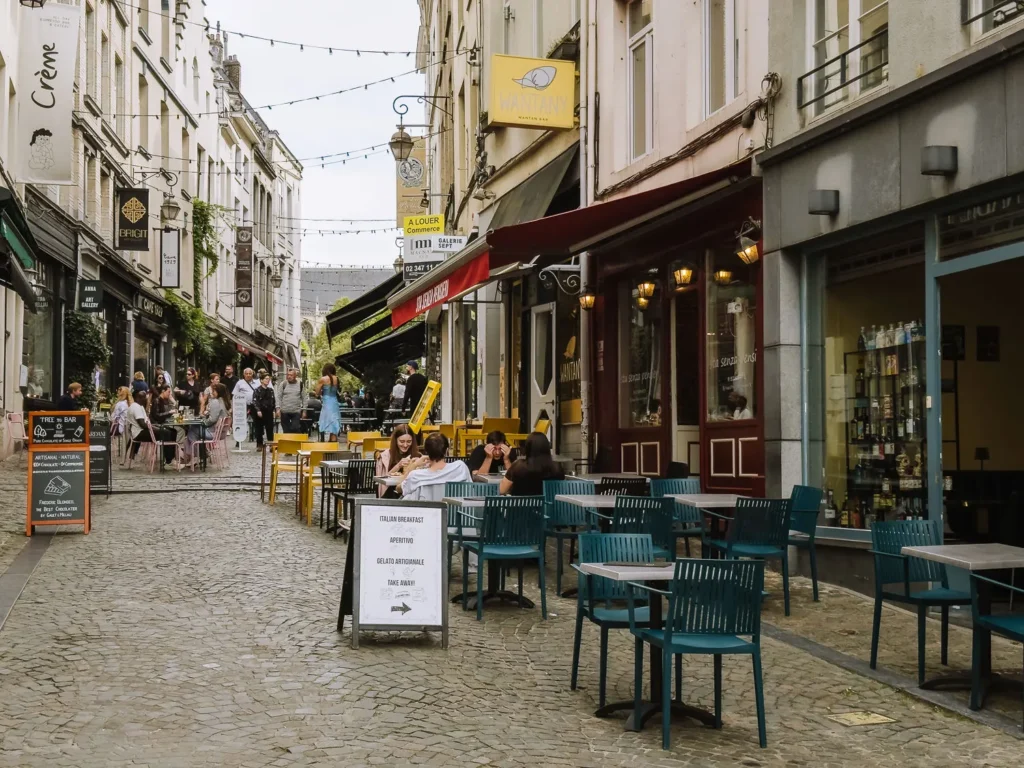
This is the historic core around Grand Place and the most touristy part of the city. Locals will no doubt roll their eyes at including this area in our guide, but as a visitor, you’ll want to stroll around at least and check it out.
This is the UNESCO World Heritage Zone, and it’s pedestrian-friendly with narrow streets lined with bars, restaurants, beer halls and cafes.
The restaurant quality and prices are targeted at tourists but it does have some great streets that I think are worth exploring:
- Rue des Bouchers: This is the most popular street, lined with restaurants and bars. It’s busy, but there’s no denying it has atmosphere. I ate at Le Marmiton, which was very good.
- Rue du Marché aux Herbes: A busy pedestrian shopping street.
- Impasse de la Fidélité: This is a little alley with Jeanneke Pis (the female version of Manneken Pis) and Delirium Café, a popular beer hall with over 2,000 beers.
Saint-Géry
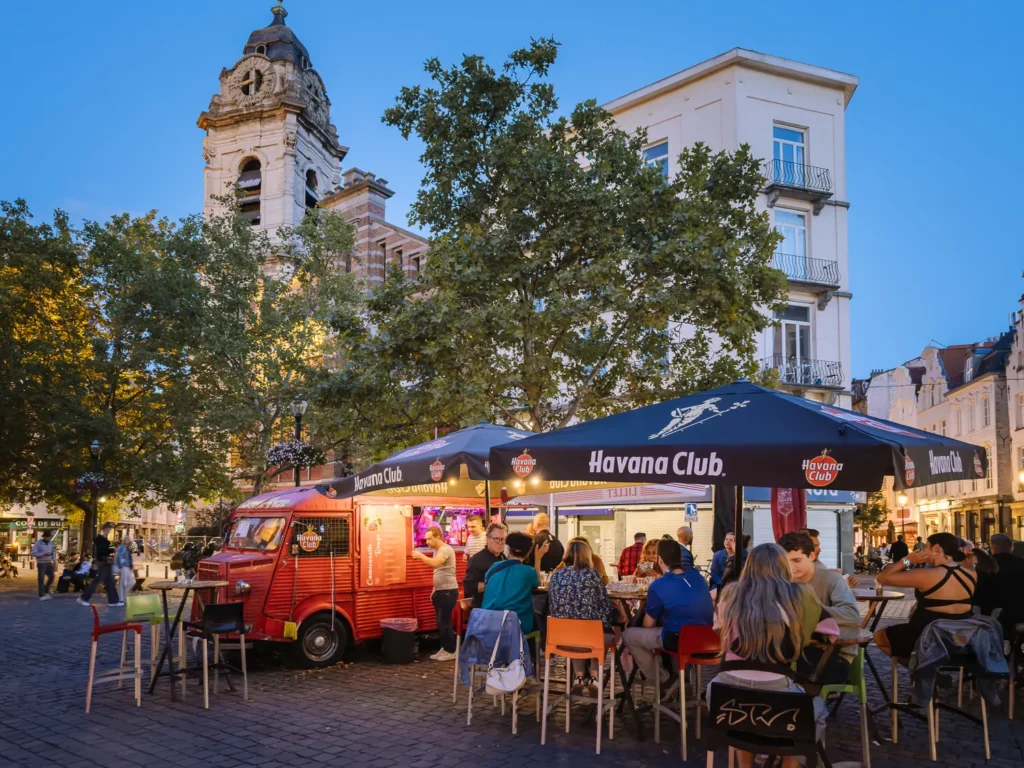
Saint-Géry is another neighbourhood I really liked. It’s within easy walking distance of Grand-Place and Îlot Sacré, but it feels primarily local, with cafes spilling out onto the streets in the evening.
I spent one evening here hopping from bar to bar and trying a few different restaurants. The nightlife is relaxed, a bit student-feeling and very social.
- Rue Sainte Catherine: The area around Rue Sainte Catherine and Place Sainte-Catherine is packed with local bars and cafes.
- Rue Antoine Dansaert: Great for Belgian fashion, concept stores, and trendy restaurants.
- Rue de Flandre (Vlaamsesteenweg): Cool cafés, bistros, and a lively vibe.
Coffee & Brunch
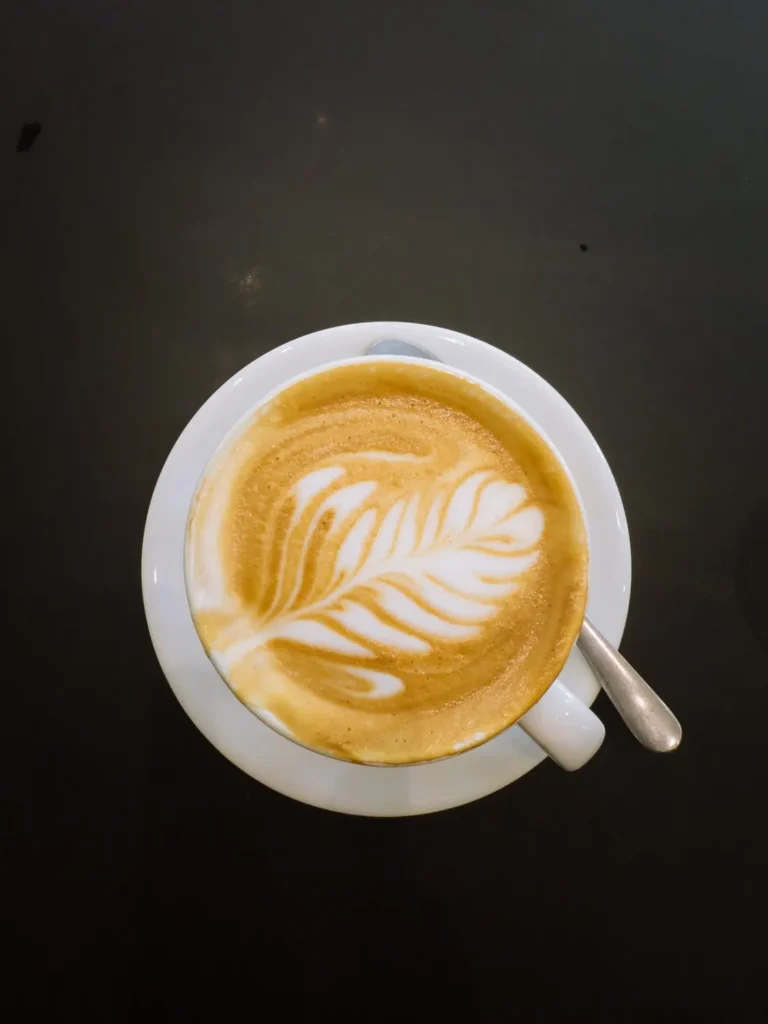
I found plenty of cafes in Brussels that advertised speciality coffee with all the right signifiers, so I think the city’s coffee scene is generally pretty good.
But there’s only so much coffee you can consume, so here are the cafes I can personally vouch for:
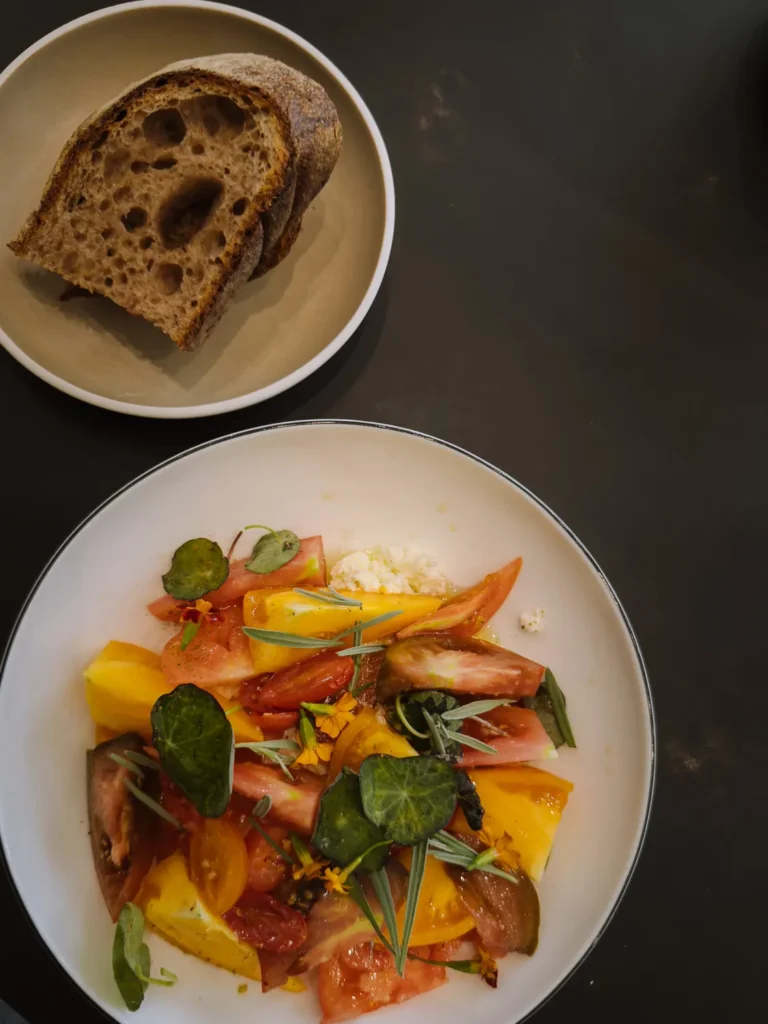
- Frank – Australian, design-focused café with the best coffee I had in Brussels. The brunch menu is great if you’re looking for something a bit different.
- Kaffabar – Speciality coffee spot in the city centre, known for quality beans and skilled baristas. They have a good value breakfast deal.
- Bouche – Charming café in the museum district with artisanal pastries. I thought the coffee was pretty good.
- Café du Sablon – Elegant café near the Sablon squares; perfect for people-watching.
Planning & Logistics
When to Go?
The best time to visit Brussels is during the shoulder seasons: April-June and September-October.
From April to June, the weather is mild, the gardens are in bloom, and the crowds are manageable.
In September and October, you may start to get clear, crisp days, and visitor numbers will be lower at this time as well.
Brussels is a popular European destination over Christmas with markets and cosy cafes, but the weather will be cold and damp, and it can get very busy.
Peak season is July-August, when temperatures are around 15-23°C (59-73°F). It can be very busy, especially around Grand-Place and Sablon.
How Long Do You Need?
A 2-day visit is enough to see the main sights around Grand Place and Îlot Sacré, while still having time to explore neighbourhoods such as Sablon, Marolles and Saint-Géry.
With 1 day, I’d focus on the central highlights, one good museum or gallery, and one neighbourhood — I’d choose Saint-Géry. You’ll still have time for waffles, chocolate and a few Belgian beers along the way.
With 2 days, you should be able to cover everything I’ve listed in this guide at a comfortable pace. I did it all in about a day and a half on my last trip, but two full days would make it feel much less rushed.
With 3 days, you could start venturing beyond the historic centre to places such as the Atomium, Mini-Europe, the European Quarter, the Design Museum or Autoworld.
How to Get There?
The best way to get to Brussels is by train. Belgium has an excellent rail network that is fast, efficient, and generally good value.
Here are the most common train routes to Brussels:
- From London: Eurostar to Brussels (2 hours), then connecting train (total 3-4 hours)
- From Amsterdam: 3-4 hours with one connection in Brussels or Antwerp
- From Paris: Thalys to Brussels, then connecting train (total 4 hours)
All your train journeys can be booked via thetrainline.com or omio.com. Both platforms accept international cards. Most international journeys arrive at Bruxelles-Midi (Brussel-Zuid).
Getting Around
Central Brussels is compact; most historic districts, squares, and landmarks are within 10–20 minutes’ walk. I visited all the sights listed in this guide on foot and didn’t need to use public transport at all.
However, it’s possible to include public transport on the Brussels Card if you decide to save your legs a little. More information about the card is below.
There are two main train stations in Brussels where you’ll probably start your trip. Bruxelles-Central (Brussel-Centraal) is a 5-minute walk to Grand-Place; Bruxelles-Midi (Brussel-Zuid) is a 15-20 minute walk to Grand-Place.
Where to Stay
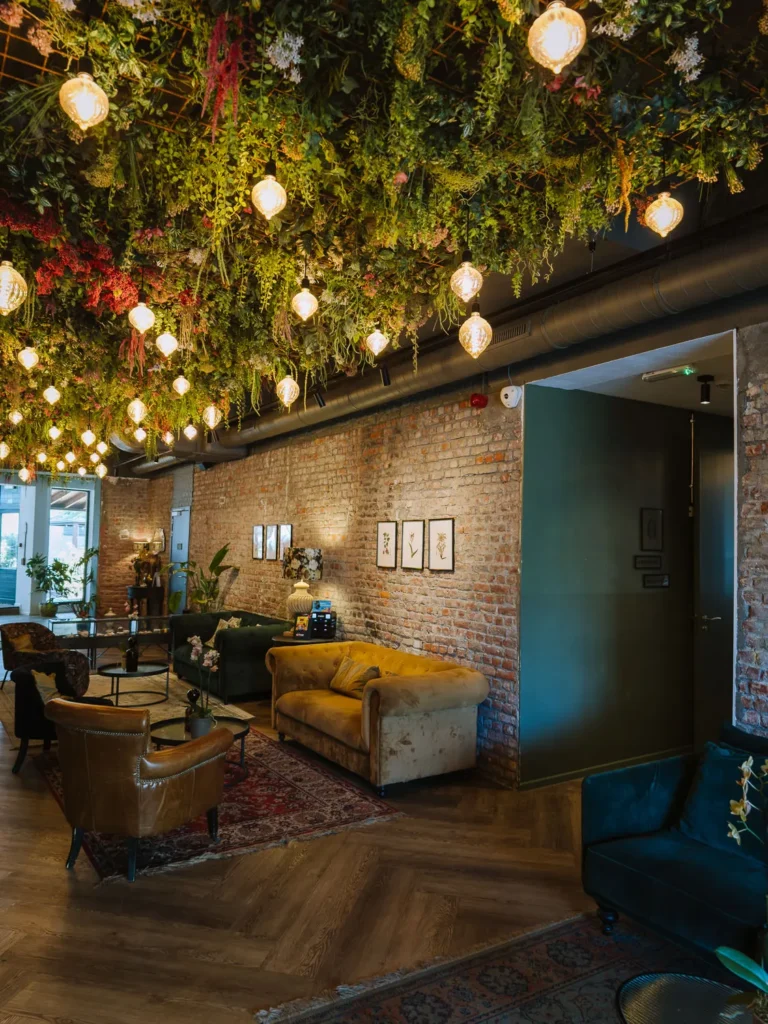
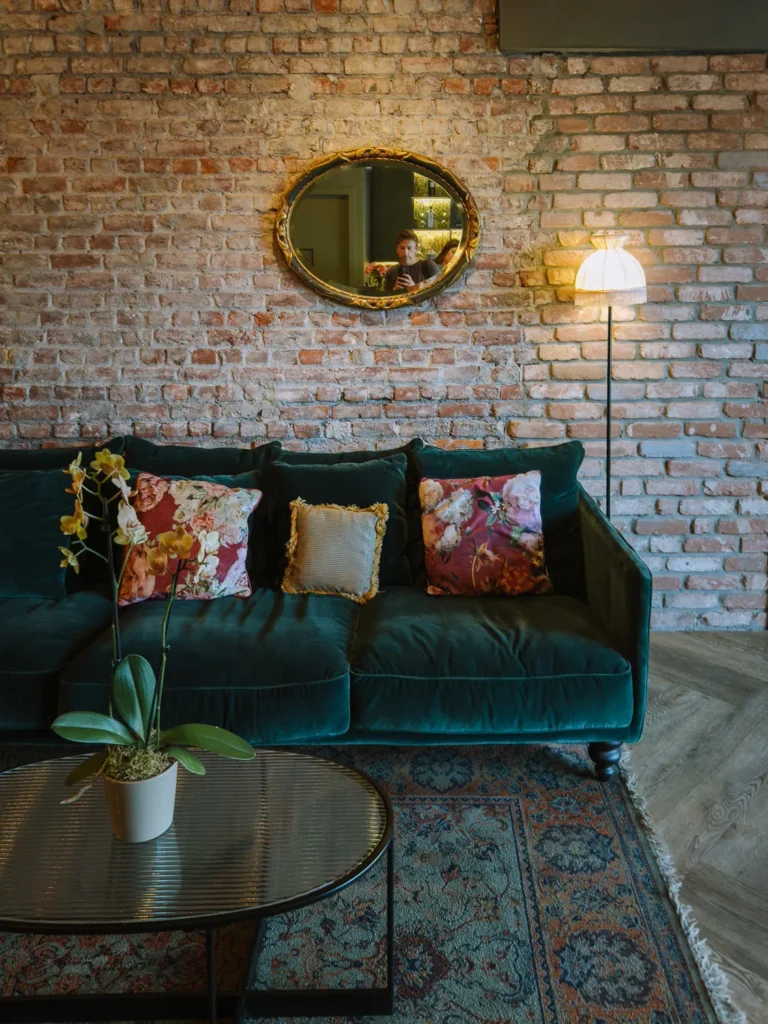
- Pillows City Hotel (€€€) – A stylish 4-star hotel close to Brussels Central Station with modern rooms.
- Fleur de Ville (€€€€) – Elegant hotel in the heart of Brussels with a fitness centre, shared lounge and restaurant.
- Urban Yard Hotel (€€) – A boutique hotel located less than 5 minutes from Brussels Midi station, perfect if you are arriving on the Eurostar.
- Studio Apartment (Airbnb) – If you want something that feels more like home, this apartment is perfectly located for exploring the city.
Brussels Card
The Brussels Card includes entry to 47 museums, plus discounts on many others, with options to include travel passes and the hop-on-hop-off bus.
The current prices of the card are:
- 24-hour pass: €41
- 48-hour pass: €53
- 72-hour pass: €59
Unlimited access to public transport can be added on top of the above fees. In my experience, this wasn’t necessary because Brussels is a very walkable city. I didn’t need to use public transport at all, including getting to and from the train station.
All the main museums in Brussels charge admission, so the pass is well worth it if you plan on visiting more than 3 museums or galleries per day.
You can buy your Brussels Card online here and present the QR code on your smartphone at your first museum. Your pass starts from the entry to your first museum.
Practical Tips
- Contactless payment was accepted everywhere. I literally didn’t even have any euros with me, and it was never a problem.
- French and Dutch are the official languages, but English is widely spoken.
- It’s a compact city, and you’ll do a lot of walking, so wear comfortable shoes.
- Central Brussels is generally safe, but watch out for pickpockets in crowded areas.
More Belgium & Netherlands Guides
- Our top things to do in Amsterdam.
- The best things to do in Brussels.
- Our Ghent guide and itinerary.
- The best things to do in Bruges: 1- or 2-day itinerary.
- Our guide to visiting Antwerp.
- Where to stay in Amsterdam.
- The best things to do in Mechelen.
- What to do in Leuven, Belgium.

reader-supported
When you buy through links on our site, we may earn a small affiliate commission at no extra cost to you.
Thanks for your support // Paul & Mark