

By: Mark Barnes // Last Updated:
Planning two weeks in the UK? Our complete 14-day itinerary travels by train from London to Edinburgh, covering Bath, Stonehenge, the Cotswolds, Oxford, York and the Scottish Highlands — with day-by-day guides, hotel picks and expert booking tips.
Fourteen days is just enough time to understand what makes Britain extraordinary, and just short enough to leave you wanting to come back.
This itinerary covers the full length of the country by train, threading together two thousand years of history across ten destinations.
It visits the energy of London, the Roman elegance of Bath, the prehistoric mystery of Stonehenge, the dreaming spires of Oxford, the Viking streets of York, the volcanic grandeur of Edinburgh, and the great wilderness of the Scottish Highlands.
We have designed it for travellers who want to see the real Britain as well as the greatest-hits tour. That is why it includes places like Lacock, Castle Combe and Avebury alongside the famous landmarks.
Everything on this itinerary is reachable by train, the pace is deliberately unhurried, and every recommendation comes from personal experience.


UK Itinerary Overview
This itinerary begins and ends in London, and assumes you will fly into one of London’s international airports or at the Eurostar train station.
It has been designed to visit all that is unique in the UK – London’s iconic sights, pretty villages, towering castles and medieval walled cities. Along the way you’ll find our favourite pubs, restaurants and markets.
The whole trip has been planned so you do not need a car. It mainly uses direct trains, which are fast; the longest journey is only 3 hours.
The itinerary splits into 5 distinct sections.
London (Days 1–4) — Enough time to cover the royal and political landmarks of Westminster, the medieval drama of the Tower of London and Borough Market, and the bohemian pleasures of Notting Hill and Soho, without feeling rushed.
Bath (Days 5–6) – Two nights in this beautiful Georgian city give you time to explore the Roman Baths and Royal Crescent, with a full day excursion taking in Stonehenge, Avebury, Lacock and Castle Combe — four of the most photogenic and historically significant sights in southern England.
Oxford (Days 7–9) – Two and a half days in the city of dreaming spires, touring the Bodleian, wandering the colleges, and visiting Blenheim Palace, before an afternoon train carries you north towards York.
York (Day 10) – A walled city of Viking streets, a soaring Gothic minster, where England’s medieval history feels most vivid and most intact.
Edinburgh (Days 11–13) – One of Europe’s finest capital cities, with the Scottish Highlands waiting just beyond the city limits for the wildest day trip on the entire itinerary.
To help get your bearings, below is a map of the route taken.
Click on the top right corner to open our map in your Google Maps app. Click the star next to the title to save it to your Google account.
How to Get Around the UK
The first 3 days of the itinerary are spent in London. London is a very easy city to get around. A comprehensive tube (underground railway) system connects all the main sights, and trains run every 2 or 3 minutes.
It is an extremely safe and good value way to travel. Contactless cards work at all the stations, or you can purchase an Oyster card.
For the remaining 10 days, you’ll be exploring the rest of the UK. There is no need to rent a car for this itinerary. We have put it together so you can get around via trains (with the odd day tour).
Train tickets are much less subsidised than in the rest of Europe and can be expensive. Fortunately, there are many tricks for saving money.

How to Save Money on UK Trains
Train journeys in the UK are generally quick, but can be very expensive. Especially if you book for peak hours and at short notice. Fortunately, there are many ways to get large discounts.
Book in Advance
This is the single biggest money-saver. UK train tickets are released 12 weeks in advance of travel, and the cheapest advance fares sell out quickly. The same journey can cost three or four times more if booked the day before than if booked 2 months in advance.
Plan your route and book your tickets between 8 and 12 weeks before you travel.
Travel Off-Peak
Train tickets for peak hours are often twice as expensive as off-peak hours. Peak hours are typically before 9.30 am and between 4–7 pm on weekdays. This itinerary has been planned to avoid peak-hour train tickets, saving considerable money.
Split Ticketing
Buying two or more tickets for different legs of the same journey is often significantly cheaper than a one-through ticket, even though you stay on the same train throughout.
For example, London to Edinburgh might be £180, but London to York plus York to Edinburgh bought separately as different seats on the same train could be £95.
We’ve bought split tickets a few times, especially for longer journeys, and once we didn’t even need to change seats.
Railcards
A 16-25 Railcard, 26-30 Railcard, Two Together Railcard or Senior Railcard gives you a third off most fares for one year. The cards cost about £30 – £35 and usually pay for themselves after one or two journeys.
These railcards are not just for Brits, but for international travellers too. The Two Together Railcard, in particular, can be helpful for couples exploring the country by train. Paul and I have bought it numerous times.

Britrail Pass
A BritRail Pass gives unlimited train travel for a set number of days within a period and is only available to non-UK residents. You must purchase it before you arrive in the country.
However, it’s not always cheaper than booking individual tickets in advance. Our recommendation is to get one of the railcards (16-25 Railcard, 26-30 Railcard, Two Together Railcard or Senior Railcard), book in advance, and travel off-peak rather than get the BritRail Pass.
Luggage Storage
Paul and I often use left luggage facilities at major stations (London Paddington, Bath Spa, York, Edinburgh Waverley) to help store luggage during the day. To allay any fears about storing your luggage, Stasher.com has a comprehensive list of drop-off locations.
Use the Right Booking Platform
The best official platform for booking trains is the Transport for Wales website. It covers the entire UK network and has no third-party fees.
We often also check Trainline. It has the most user-friendly app, offers discounted split tickets, and allows you to purchase railcards.
In summary, if you buy a railcard, book in advance, use split tickets, and avoid peak hours, you can often save about 75% compared with booking a peak-hour train the day before.
We strongly recommend booking at least the Oxford-to-York, York-to-Edinburgh, and Edinburgh-to-London tickets in advance. The other train journeys are shorter, and the prices vary a bit less.

UK Itinerary: Detailed Breakdown
Day 1 – Arrive in London
By Air
Most international flights from the US land at either London Heathrow or London Gatwick airports.
From London Heathrow, it’s a 15-minute train journey on the Heathrow Express (more expensive) or 25 minutes on the Elizabeth line (cheaper) to London Paddington train station. Both trains depart from the same train station, and you just need to follow the signs saying, “Trains to Central London.”
From London Gatwick, it is 30 minutes on the Gatwick Express to London Victoria, 35 minutes on the Thameslink Line to Blackfriars Station, or 40 minutes on Southern Railways to London Bridge.
If you are arriving from mainland Europe, you may also be flying into London Stansted, London City or London Luton airports.
By Train
The Eurostar arrives at the beautiful London St Pancras Train Station, which is in central London.
Direct trains run from Paris, Amsterdam and Brussels, but many more European destinations are connected with a single change.
Where to Stay
There are six neighbourhoods that we recommend you stay in London. Each has a different atmosphere, but all have great transport links for getting around London.
You can find a breakdown of the neighbourhoods and recommended hotels for every budget on our Best Areas to Stay in London.

Day 2 – London
The first full in London explores two thousand years of history, taking in royal palaces, wartime bunkers, the tombs of kings and poets, and ending somewhere considerably less reverent, in the bars and theatres of the West End.
Morning
Start the day at Buckingham Palace, the Royal Residence of the British Monarch. The head through St. James Park to the Churchill War Museum to explore the underground bunkers used by Churchill during WWII.
Stop at the mounted guards at Horse Guards Parade and head down Whitehall to Downing Street, home to the British Prime Minister.
Next, head to Westminster Square and look at the statues that peer up at Big Ben and the magnificent Westminster Palace.
Lunch
For your first lunch in the UK, head to a traditional pub, The Red Lion on Parliament Street, where you might find British politicians plotting their next move. Or try the Blue Boar in nearby St. James, an excellent, stylish, modern pub.


Afternoon
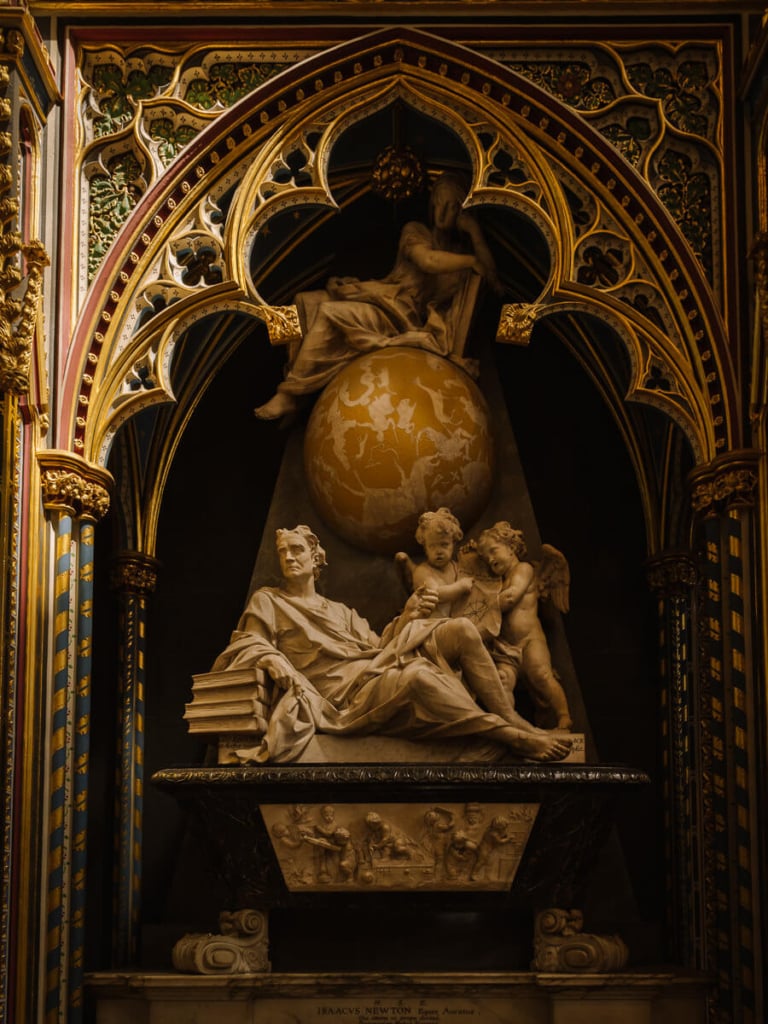
After lunch, go to Westminster Abbey. In my opinion, this is the one historical sight not to miss in London. The ceiling above the nave is amazing; the floor below is dotted with the tombs of kings and queens, scientists and poets, but the real highlight is the incredible King Henry VII Lady Chapel.
Allow about 1 hour to 90 minutes, and it’s best to book in advance.
Cross over Westminster Bridge, getting photos back to the palace. Decide whether to take a turn on the London Eye for views over London, then follow the South Bank to Hungerford Bridge. From there, cross over the River Thames and head to Trafalgar Square and into Soho & the West End.
Evening
Soho has a rich bohemian heritage with everything from vintage shops to Michelin-starred restaurants.
Small streets are packed with traditional pubs, cafes and restaurants which spill onto the street in the summer months. It’s a wonderful place to explore.
Navigate around Carnaby Street, Berwick Street, and Old Compton Street, and you can’t go wrong.


Day 3 – London
Morning
Start at the Tower of London. This is the imposing Norman fortress on the north bank of the Thames, which has played a pivotal role in British history.
Over the centuries, the tower has served as a fortress, a palace, a prison and even a zoo. It’s probably most famous for incarcerating and executing Queen Anne Boleyn.
The highlight is the Treasury, which houses the Crown Jewels, among the world’s most valuable and historic royal jewellery and regalia. Exploring takes about 2 hours, and we recommend booking in advance for the first thing in the morning.
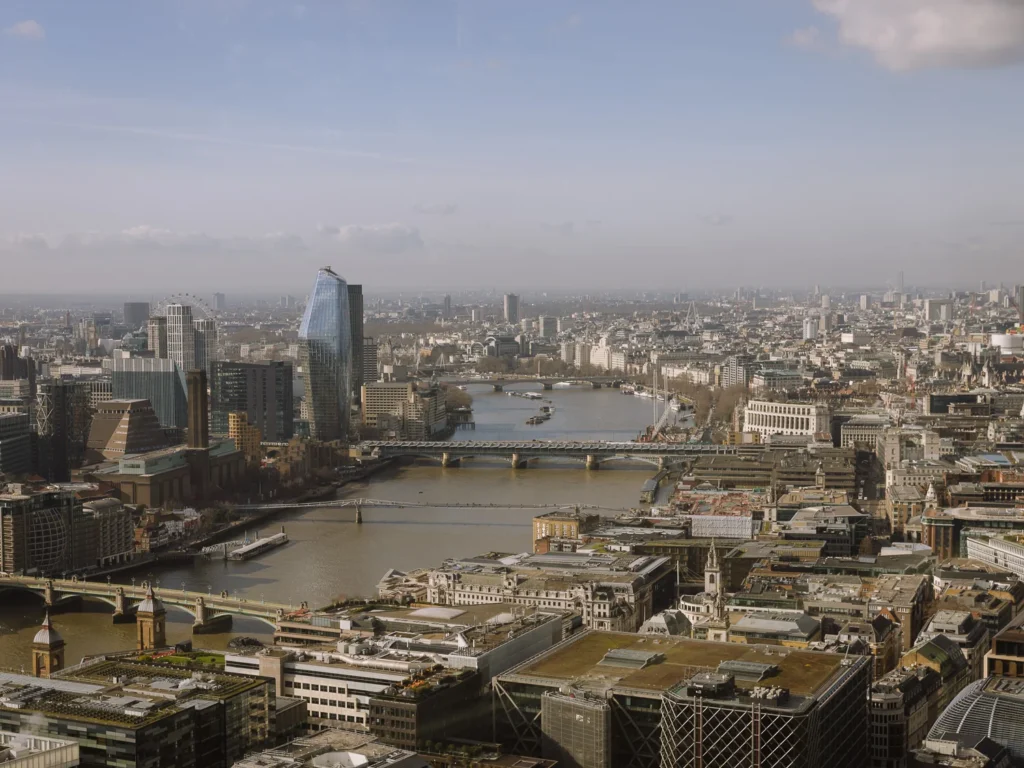
Next, cross over Tower Bridge and walk along the south bank of the Thames, past the Shard to Borough Market.
Lunch
Borough Market started as a medieval market around 1,000 years ago. Today, it celebrates sustainable food production, short supply chains, and top-quality food.
There are plenty of restaurants and food stalls dotted around the market fo lunch. Some of our favourites are:
- Arabica Bar & Kitchen – Sample Middle Eastern small plates and mezze.
- Padella – Amazing hand-rolled pasta.
- Berenjak – Persian stews, kebabs and sharing dishes.
- Mallow – Excellent plant-based restaurant.
- BAO Borough – Taiwanese street food.


Afternoon
Continue along the South Bank past Sheakpeare’s Globe to the Tate Modern. The UK’s national collection of modern and contemporary art, it is one of the finest galleries in the world – and completely free.
Now head across the River Thames on the Millennium Bridge to see St Paul’s Cathedral. If you plan to go inside, the last entry is at 4 pm. If you are pushed for time, don’t worry, in our opinion, Westminster Abbey is the better choice to go inside.
Instead, admire the remarkable building from the outside and walk to the Sky Garden. The Sky Garden sits on the top floor of the Walkie Talkie building. It’s free to visit, but you need to book in advance – we suggest booking a late afternoon slot.
Evening
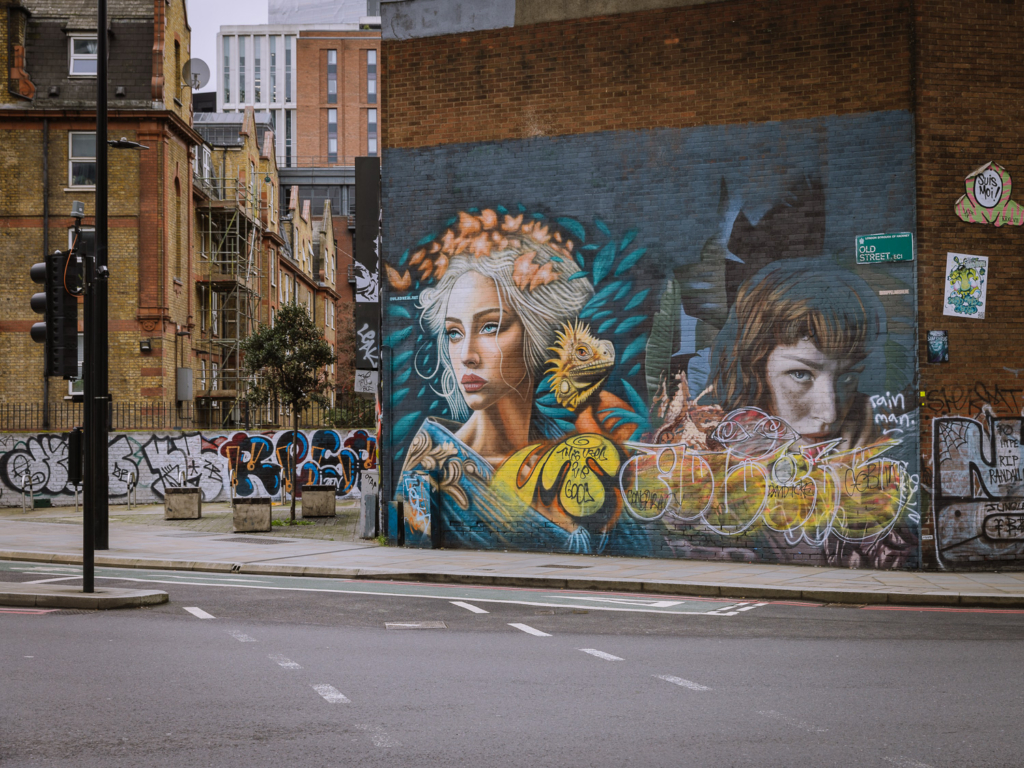
In the evening, head over to Brick Lane to enjoy an evening in one of London’s most colourful neighbourhoods. There is street art on all the walls, and the area is a hive of activity.
Grab a curry on Brick Lane, or a meal in one of the independent restaurants around Artillery Lane. End the day with a cocktail at the Discount Suit Company.


Day 4 – London
Morning
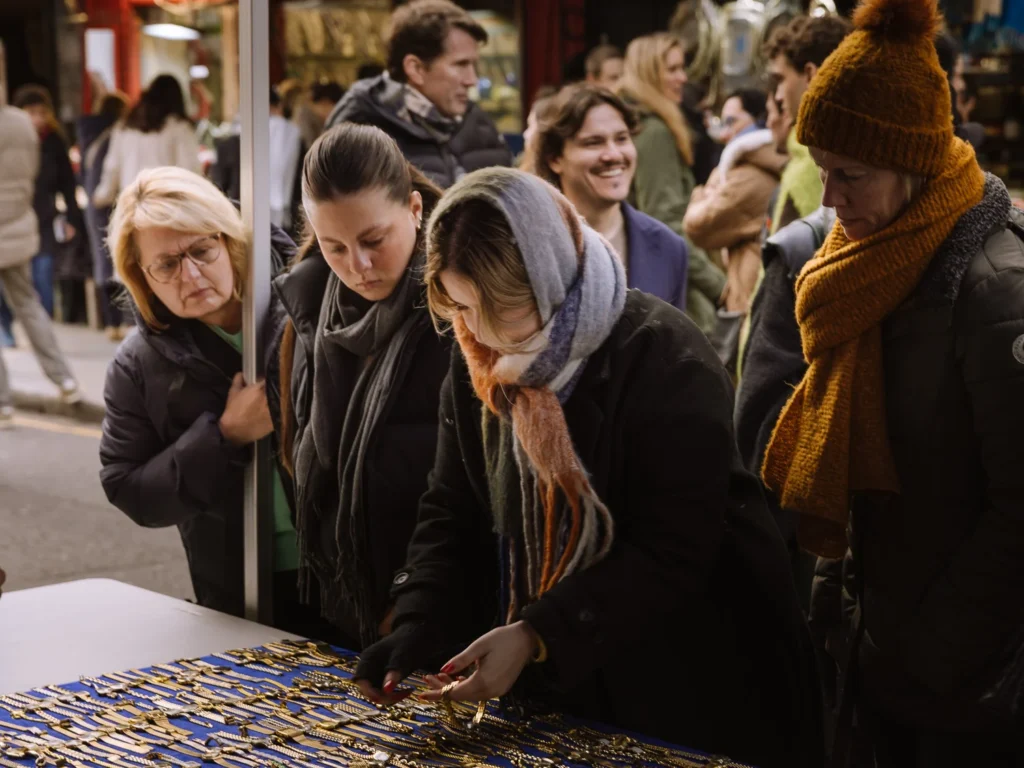
Notting Hill is a vibrant neighbourhood (and our home) in West London. You’ll find high-end boutiques, colourful houses, a wonderful street market and some cool independent shops. Ideally, go on Friday or Saturday, when the Portobello Market is fully open.
Start with breakfast in one of its excellent brunch spots, then follow our Notting Hill self-guided walk. It takes 1 -2 hours and explores the best of the market, colourful houses and film locations from Notting Hill with Julia Roberts and Hugh Grant.

Afternoon
In the afternoon, combine one of London’s excellent free museums with a bit of shopping.
In South Kensington, you’ll find the Natural History Museum, the V&A Museum and nearby Harrods.
In Fitzrovia, you’ll find the British Museum, from where it’s a short walk to Oxford Street.
In the West End, you’ll find the National Gallery, National Portrait Gallery and the boutiques of Carnaby and Covent Garden.
Evening
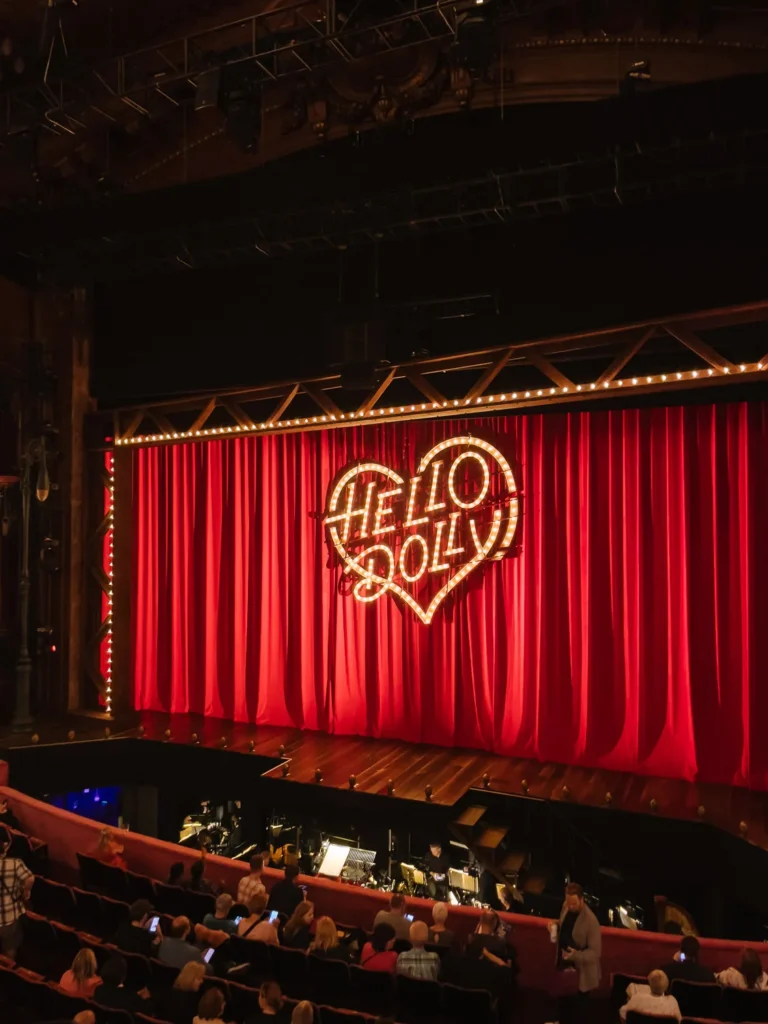
End the day with a West End Show. Performances usually start at 7:30 PM. Ticketmaster has a comprehensive list of what’s on.
For more options for visiting London, read our Best Free Things to Do in London and our 4-Day Itinerary.


Day 5 – Bath
On Day 5, take the train to Bath, where two thousand years of history are tucked into its golden stone streets. Roman ruins are beneath your feet, Georgian crescents are above your head, and cobbled laneways conceal local treats.
Morning
Get the morning train from London Paddington to Bath Spa Station. The first non-peak train leaves at 9:30 am and arrives at 10:45 am. Drop your bags wherever you have chosen to stay – we recommend Henrietta House – and spend the rest of the day exploring the city.
Start at the Roman Baths (book in advance), one of the best-preserved Roman ruins outside the Mediterranean. Built in 70 CE as an elaborate bath complex, the site has attracted visitors for two millennia because of its healing powers.
Today, the excellent audio guide (included in the ticket price) transports you around the complex. It’s the one sight in Bath we highly recommend you pay to see, and the visit takes about 90 minutes.


Lunch
For lunch, we suggest Sally Lunn’s Historic Eating House. Set in the oldest house in Bath, dating back to 1482, Sally Lunn’s Historic Eating House serves sweet and savoury Bath Buns, High and Cream Teas, and set lunches. There can be a bit of a queue, but we’ve always found it turns over quickly.
Afternoon
In the afternoon, walk around the magnificent Georgian architecture that makes Bath one of our favourite cities. Bath Abbey is an ostentatious Gothic structure with an extraordinary fan-vaulted ceiling. Pulteney Bridge is one of only four bridges in the world to have shops on both sides across its full span.
The Circus and Royal Crescent form a magnificent sweep of Georgian architecture and are home to some of the most impressive residences in England.
Finally, decide whether to pop into the Jane Austen museum. The interactive tours can be a lot of fun or a little cheesy, depending on your view. The centre has costumed guides and waxwork mannequins, and you can dress up in period costumes.
Evening
If you’re tempted to soak in the spa waters, head to Thermae Bath Spa. It is the only place in Britain where you can bathe in naturally warm, mineral-rich waters. It’s not cheap, but it’s a very relaxing way to end a day walking around the town. Bring your swimming costume. Towels are included in the price.
For dinner, head to the cosy but classy Circus Restaurant, where we have had many a fine meal.
For more sights, information, and hotel options in Bath, read Day Trip to Bath.


Day 6 – Cotswold Villages & Stonehenge
Today packs in a lot of what makes the UK special. Two stunning Cotswolds villages, and two iconic prehistoric stone circles, one of which has a medieval village in its centre.
Getting There
Today combines four sights that surround Bath. All of them are extraordinary, but getting to them on public transport in a day is not possible. The best way to see them is to join a day tour.
There are two very well-rated options. The Mad Max tour (does not include Stonehenge entrance ticket) starts with the Cotswold villages and ends at the two stone circles. The Robbies Small Group tour (includes Stonehenge entrance) does it the other way round.
Seeing 4 sights in one day on a tour is usually too much, but here it works well as none of the sights is that big or takes that long to see.
An alternative option is to hire a car for the day and explore it on your own.
Morning
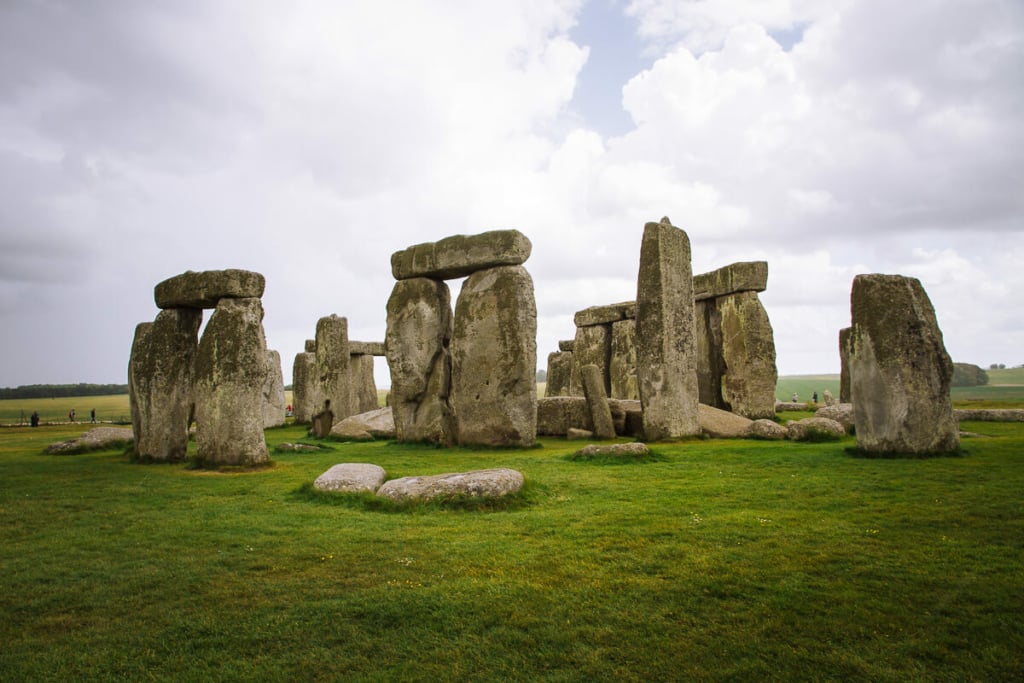
Start the day at Stonehenge. Standing on Salisbury Plain for over 4,500 years, this prehistoric circle of towering stones remains one of humanity’s great unsolved mysteries, and one of its most quietly powerful sights.
There are a few things to do, but none take very long. Walk around the Stone Circle, check out the 300 objects in the Visitors museum and explore the reconstructed Neolithic Houses. The entrance ticket costs £23 for adults, but check whether it’s included in your tour.
Next, head to Avebury. While Stonehenge gets the crowds and the coach parties, Avebury quietly gets on with being the larger, older and arguably more impressive of England’s great stone circles.
We love it because you can walk right up to the stones and touch them. The village is pretty too, with an excellent pub and an old National Trust manor house.

Lunch
There are a few spots for lunch in Avebury. The Red Lion serves classic pub food, and the National Trust’s Circles Café offers sandwiches, light lunches, and pastries.
But we usually choose to pick up sandwiches from the Avebury Community Shop and picnic amongst the stones.
Afternoon
In the afternoon, head to Lacock.
Lacock is arguably the most filmed village in England. Its perfectly preserved medieval streets have stood in for everything from Pride and Prejudice to Downton Abbey and Harry Potter.
The entire village is owned by the National Trust, which is why it looks almost exactly as it did in the 15th century. Wandering around takes an hour or so. Make sure you don’t miss Lacock Abbey.
The final stop is Castle Combe. This Cotswold Village is generally considered the most beautiful in the country (which is why we put it in the itinerary). It’s very compact, but make sure you see the 14th-century market square surrounded by rows of honey-coloured cottages and take a photo of the bridge over the babbling river.
For more of our favourite villages, read the prettiest villages in the Cotswolds.
Evening
End the day back in Bath. If you fancy a late-night cocktail, Opium Bar is a richly decorated hangout that hits the quirky/vintage stylings just right.


Day 7 – Oxford
Few cities in the world reward slow walking quite like Oxford, and we have designed this itinerary to let you do exactly that. Drift between medieval colleges, climb a church tower for the finest rooftop view in England, and finish the evening in a pub that has been pulling pints since the 13th century.
Getting There
Get the train from Bath to Oxford. The first off-peak train leaves about 9:15 am and, after changing at Didcot Parkway, arrives in Oxford at about 10:45 am.
Drop your bags wherever you have chosen to stay – we recommend the Royal Oxford (just a hundred meters from the train station) or the more upmarket Malmaison – and spend the rest of the day exploring the city.
Morning
Start by making your way to Broad Street, which is lined with colleges and Gothic buildings. The highlight is the Sheldonian Theatre, Sir Christopher Wren’s architectural jewel, where graduation ceremonies are still held in Latin.
Next, head under the Bridge of Sighs and down the atmospheric New College Lane to the entrance to New College (£8). This is one of Oxford’s most rewarding colleges to explore, and it’s often blissfully quiet compared to Christ Church.
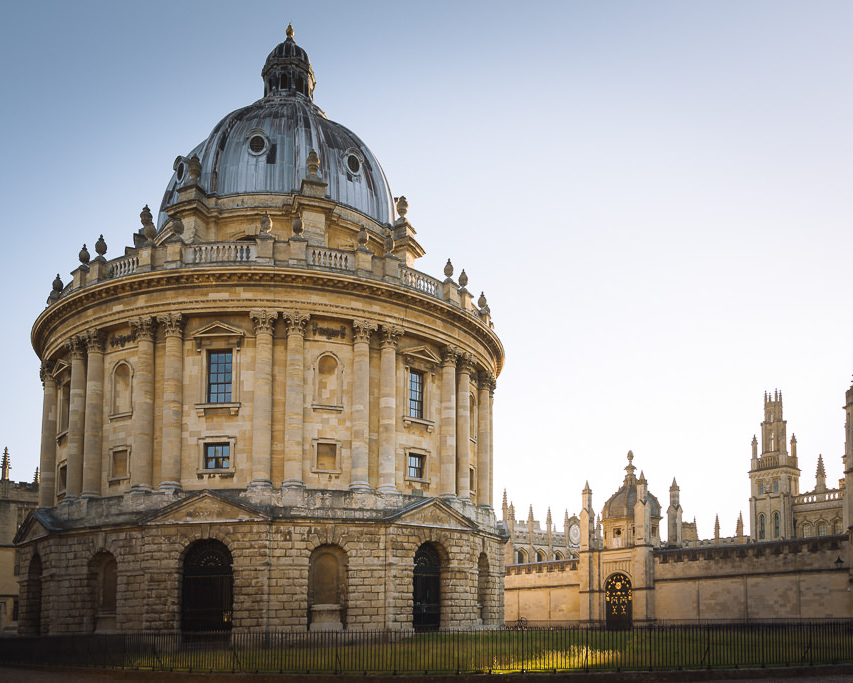
Head back down New College Lane and into Radcliffe Square, one of the finest urban squares anywhere in the world.
For the best view of the square, climb the bell tower of St Mary’s Church. The view over the Radcliffe Camera and rooftops of Oxford from the top is one of the best in the city and well worth the effort.


Lunch
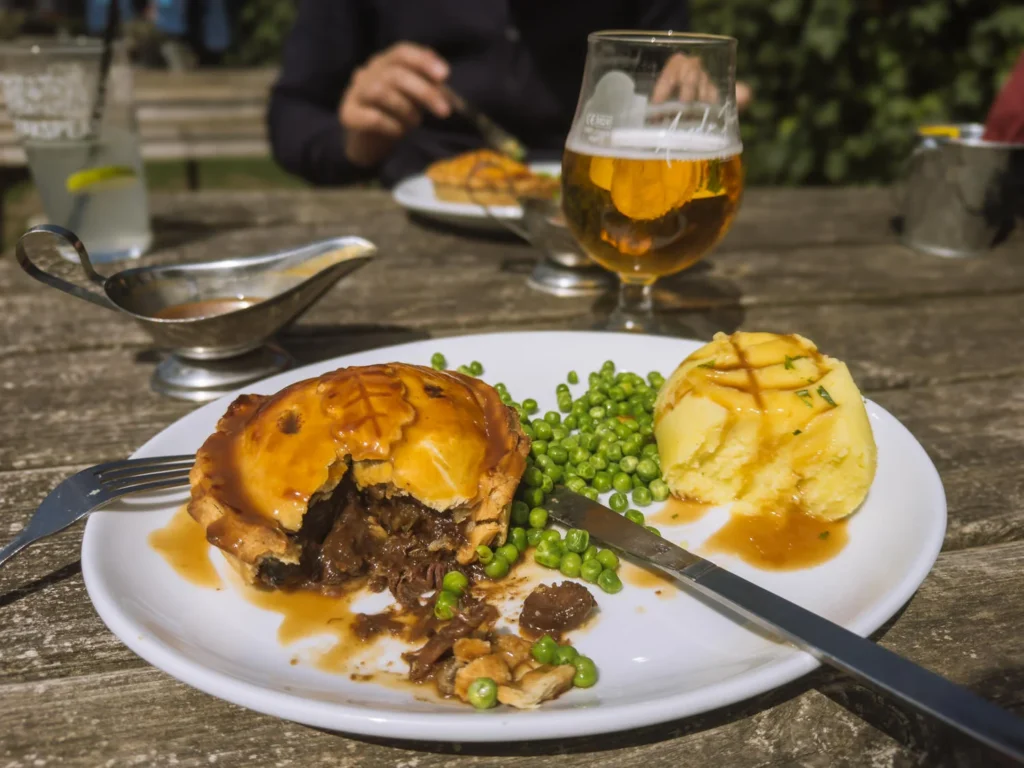
Grab lunch at the Covered Market. Dating back to 1770, the undercover stalls are packed with edible goodies. We usually opt for the pie at Pieminister, and wash it down with a coffee and brownie from Columbia’s Coffee Roasters.
Afternoon
In the afternoon, some of Oxford’s smaller colleges open their doors to the public — and a couple are well worth your time. Exeter College is one of the best, with a great view of the Radcliffe Camera from one of its walls.
Next door is Lincoln College. I am biased because I spent three years here, but the main quad is beautiful, especially in autumn. Then head east along the High Street.
You’ll pass the grand facades of Queen’s College and University College, the imposing Oxford Examination Schools, and finally Magdalen College. From Magdalen, double back along Merton Street to Christ Church.
Christ Church College is the grandest college of them all and an inspiration for the Harry Potter films, with numerous scenes filmed on its grounds.
We highly recommend booking tickets in advance. Tickets go on sale on Friday at 10 am for the following week. Be prepared, as they can sell out quickly.
If you don’t manage to get a ticket in advance, you can get a ‘ticket on the day’, and late afternoon is usually when there is the most availability.
Evening
End the day with a pint and pub dinner in the Turf Tavern, one of the most atmospheric old English pubs in Oxford. It’s a low-beamed, crowded pub bursting with stories. Famous patrons have included Elizabeth Taylor, Tony Blair and Margaret Thatcher.
For more options and information about Oxford, read Day Trip to Oxford.


Day 8 – Blenheim Palace
No trip to the UK is complete without visiting one of its great country houses. Blenheim Palace is the finest in the country, with gilded state rooms and tapestries, and is only half an hour from Oxford.
Morning
Blenheim Palace is a UNESCO World Heritage Site and one of the greatest palaces in the UK (if not the greatest).
It was built between 1705 and 1722 as a gift from a grateful nation to the Duke of Marlborough following his victory at the Battle of Blenheim. In 1874, Winston Churchill was born here.
The baroque palace is set in one of the greatest landscaped parks in Europe, and exploring the palace and its grounds is one of the great days out in England.
Take the S3 Bus from Oxford to Blenheim Palace (30 minutes). and spend the morning exploring the house.
The state rooms alone take a good hour, the formal gardens another 30 minutes, and Churchill’s birth room and the exhibition dedicated to his life are fascinating.


Lunch
For lunch, sit down at the Stables Cafe. Located in the West Courtyard, it’s a relaxed option serving breakfast, lunch and tea. If it’s a nice day, consider bringing a picnic and taking it to the banks of the Great Lake.
Afternoon
Spend the afternoon exploring the landscaped gardens designed by Capability Brown. There’s the Great Lake with magnificent views back to the house, a walled garden, and acres of sweeping parkland to explore.
When you are finished, walk through the village of Woodstock and pick up the S3 bus back to Oxford.
Evening
Oxford is packed with lots of great culture. A great free option is to attend Evensong at Magdalen College. Even if you are not religious, it is a moving experience with soaring voices echoing around the medieval chapel. Services are available Wed, Thurs, Sat, and Sun during term time only, starting at 6 pm.
Alternative Option
An alternative option for today is to take a tour of more Cotswold Villages. This 7-hour day tour visits 6 of the best, including Bourton-on-the-Water and Lower Slaughter.
Personally, we would opt for Blenheim because you’ve already seen two Cotswold Villages from Bath. But either is a great choice.
If you have an extra day to explore, read our best things to do in the Cotswolds.


Day 9 – Oxford
Today involves getting the train from Oxford to York, but before you go, there’s time to take a tour of the Bodleian Library. One of the hidden secrets of Oxford, it’s Duke Humfrey’s Reading Room, is like being in a Harry Potter film.
Morning
I love the Duke Humphrey’s Reading Room. This medieval reading room, at the heart of the Bodleian Library, transports you into the world of Harry Potter.
The painted ceiling, the dark oak shelving running floor to gallery and the smell of centuries of accumulated knowledge make it one of the most beautiful rooms in England.
The Duke Humphrey’s Reading Room can only be seen as part of a tour of the Bodleian – and not all tours visit the Reading Room, so make sure you book the right one. You can book online one month in advance, and they sell out very quickly.
Only a few tickets are sold online; most can only be bought on the day at the Weston Library on Broad Street. Go early.


Afternoon
Get the train from Oxford to York. Be sure to book one of the three or four direct trains that run daily. They only take three hours and are significantly cheaper than going via London.
The first non-peak train leaves at 9:15 am, but we recommend spending the morning in Oxford and leaving at lunch time or early afternoon.
Once in York, check into your hotel. We recommend The Grand, York, a magnificent hotel just a couple of hundred meters from the train station.
Evening
Having sat on the train for a few hours, you might be up for a walk, and the medieval walled city of York is great for a Ghost Tour. This tour dredges up scary stories from York’s 2000 years of history and uncovers the macabre tales of the Romans, Vikings, and the plague.
The tours run from April to October at 6 pm and 8 pm every night except Monday and Wednesday.

Day 10 – York
No itinerary that claims to show the best of England is complete without York — a city of Roman walls, Viking streets and a Gothic minster so magnificent it took two and a half centuries to finish.
Morning
Spend the morning walking the medieval walls, before visiting the York Minster. The standout feature is the Great East Window, the largest expanse of medieval stained glass anywhere in the world.
If you are able, and it’s a nice day, climb the 275 steps to the top of the tower for a bird’s eye view of York, where you can see its tiny lanes forming a maze inside the city walls.
Lunch
For lunch, pick from one of the many international street foods in the Shambles Market. If you need something sweet (and we always do), York specialises in fudge, and the Fudge Kitchen makes it better than most.


Afternoon
After lunch, explore The Shambles. This tiny, cobbled street with overhanging stores is one of the best-preserved medieval shopping streets in Europe and is thought to be the inspiration for Harry Potter’s Diagon Alley.
Then pick from one of York’s excellent museums: The Merchant Adventurers Hall, the Jorvik Museum, the York Dungeon (great for kids) and the National Railway Museum (a surprisingly great couple of hours).
Evening
There are endless great restaurants in York. The Guy Fawkes Inn serves a seriously good pub meal in an evocative old setting. After which, we are usually drawn towards Lendal Cellars, which is in the former Lord Mayor’s wine cellar and dates to the 18th century.
For more ideas on what to do in York, read our guide on how to spend a day in York.


Day 11 – Edinburgh
Edinburgh earns its place on this itinerary not just because it’s spectacular but because it feels genuinely different from everything that comes before it. We love the distinctive Scottish culture.
Morning
Get the train from York to Edinburgh. Trains run direct and take about 2 hours and 30 minutes. The first non-peak train leaves just after 9:30 am and arrives just after midday.
Once in Edinburgh, check into your hotel. We recommend 100 Princes Street with its beautiful Scottish design, or for a tighter budget, the well-located Frederick House Hotel.
Afternoon
In the afternoon, head to the Palace of Holyroodhouse. This is the official Royal Residence of the British monarch in Scotland. The ticket includes a multi-media guide that lasts 1 hour. Expect to spend about 1.5 to 2 hours. The last booking time slot is 3 pm.
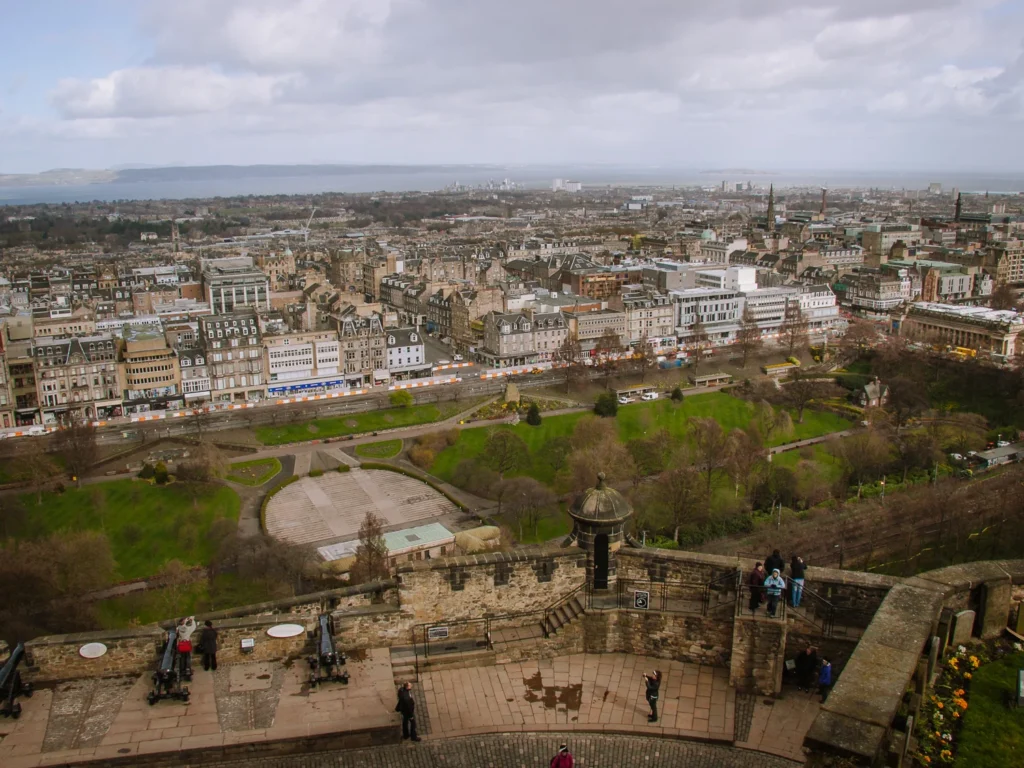
Next to the palace, Arthur’s Seat looms above the city. This ancient volcanic hill sits improbably within the city boundaries and offers the finest views in Edinburgh. If the weather is kind and your legs are willing, climb the 45 minutes to the top for panoramic views.
Evening
Head to the Grassmarket for dinner, a lively square at the foot of the castle rock lined with good restaurants and traditional pubs. Whiski Bar is a good option for a friendly introduction to Scottish whisky.
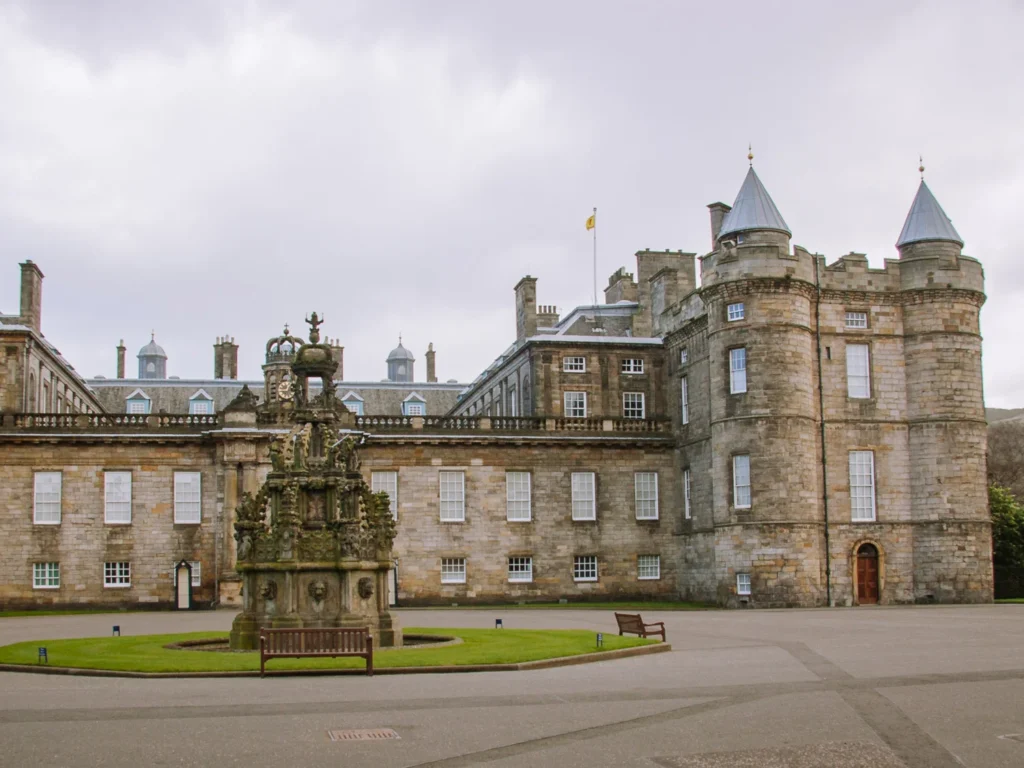
Day 12 – Edinburgh
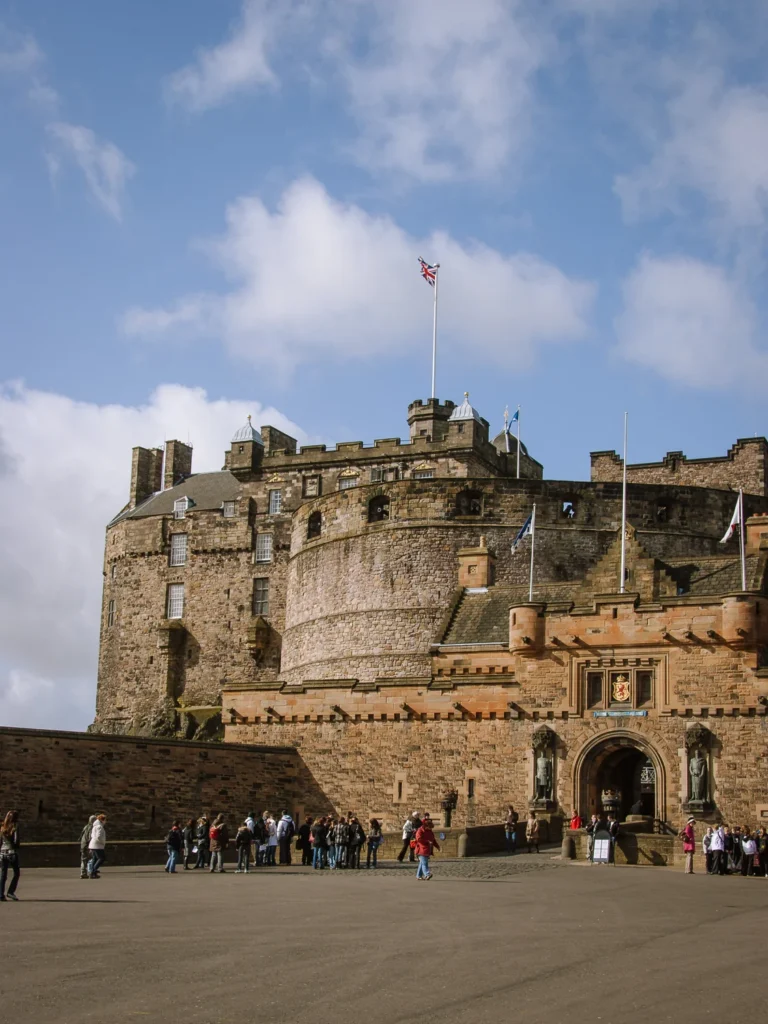
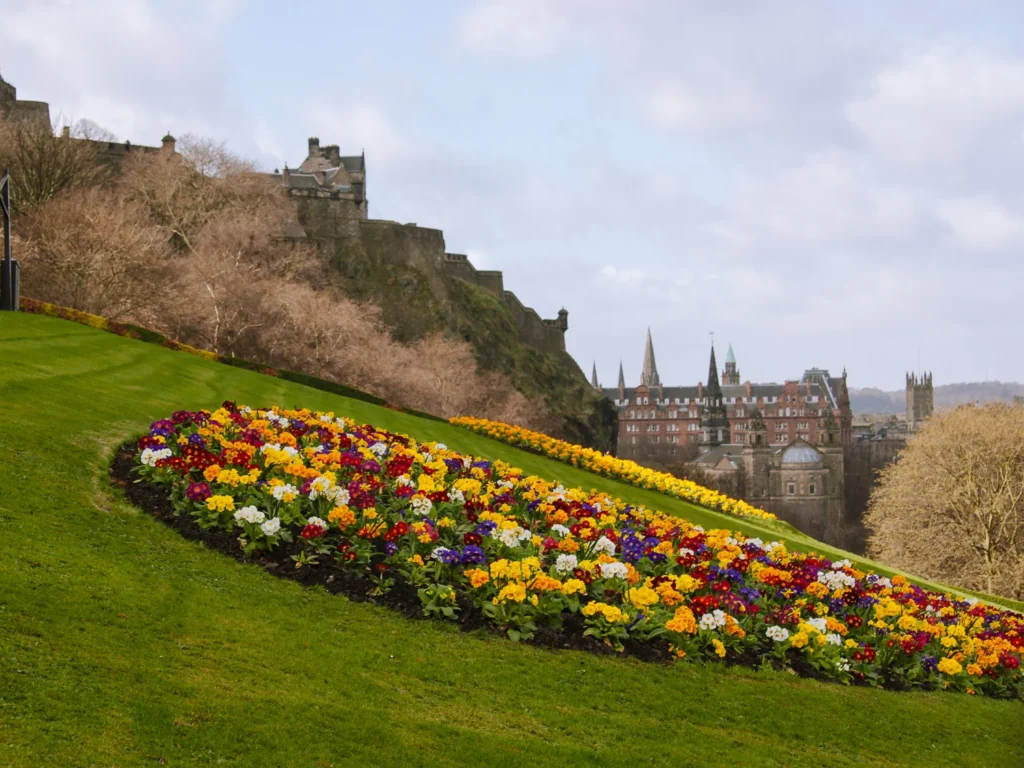
Edinburgh is one of the great city experiences in Europe. Today, the itinerary visits the imposing Edinburgh Castle perched on a rock overlooking the city, and then delves into the back streets around the Royal Mile.
Morning
Start at Edinburgh Castle (book tickets in advance as they sell out, particularly in summer). The castle has been continuously occupied for over a millennium and houses the Scottish Crown Jewels and the Stone of Destiny, on which Scottish monarchs were crowned for centuries. Allow 90 minutes to two hours to visit.
Lunch
For lunch, head into the medieval chaos of the Old Town. Markars Gourmet Mash serves good-value traditional Scottish comfort food.
Afternoon
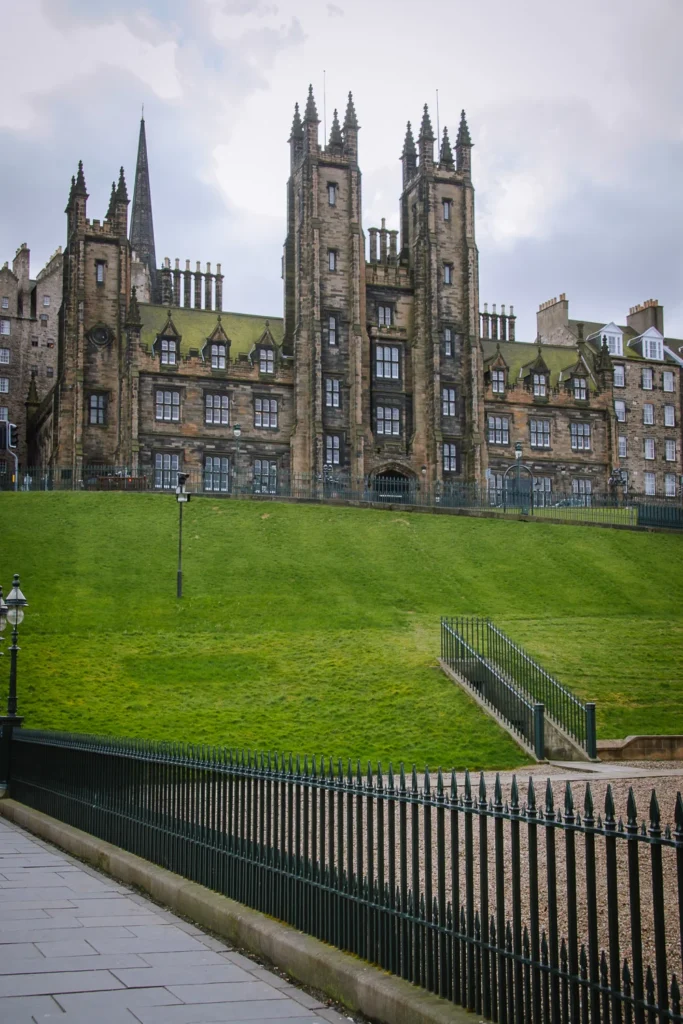
In the afternoon, stroll down the Royal Mile, pottering down whichever side street takes your fancy. The shops are packed with Scottish tartan, bottles of whisky and a distinctive Scottish vibe.
Duck into St Giles’ Cathedral, the historic heart of Scottish Presbyterianism. Nearby, the Real Mary King’s Close offers a fascinating underground tour through the buried medieval streets. Book in advance and allow an hour.
Evening
For dinner, head into the New Town, an elegant Georgian grid that sits in deliberate contrast to the medieval chaos of the Old Town.
End the evening in one of the Rose Street pubs — the pedestrianised street running parallel to Princes Street that was once famous for its pub crawl culture and still has some of Edinburgh’s finest traditional bars.
Day 13 – Scottish Highlands
Today is a long day trip. But we think it would be madness to come all the way here and not experience the wilderness of the magical Scottish Highlands.
All Day Tour
There are numerous day trips to the Scottish Highlands, but we would pick this one. It misses Loch Ness, but in our opinion, it spends more time at the more dramatic parts of the Highlands.
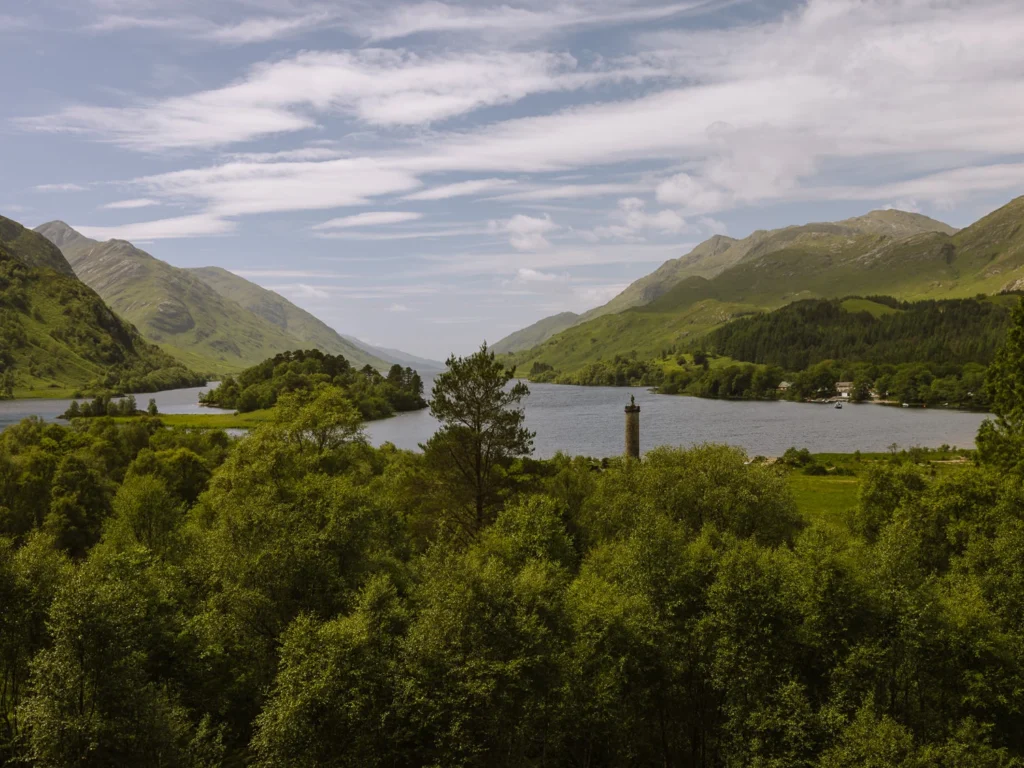
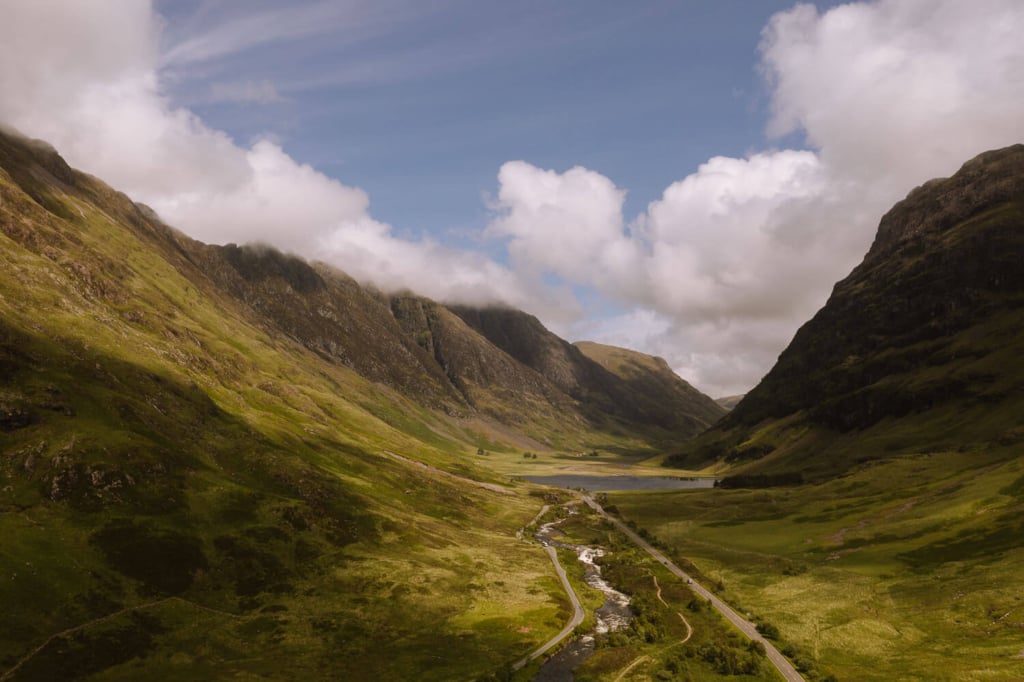
Over the course of the day, you see the Jacobite train at Glenfinnan Viaduct, take in the views at Glencoe, visit Glenfinnan Monument with views over Loch Shiel, and get lunch in Fort William.
From the windows of the coach, there are wonderful views across the Cairngorms and Scottish Highlands. A long but rewarding day.
If you have longer you can find more of our favourite spots in Best Places to Visit in the Scottish Highlands.
Day 14 – Depart for Home
This ends our 14-day UK itinerary.
Edinburgh has an international airport, and it might be possible to get flights home from here.
Another option is to take the train back to London (4 hours 30 minutes) and catch your flight or Eurostar from there.
Itinerary Amendments
10-Day England Itinerary
This 14-day UK Itinerary can easily be adapted to a 10-day England Itinerary. Start the itinerary in London, then head to Bath and the Cotswolds, and finally to Oxford and Blenheim.
From Oxford, head back into London and get the train or a flight home.
If you are keen to see York, cut London by a day, go from Oxford to York, and then return to London.
Extra Days
If you have a few extra days or want to replace some of the suggestions above, here are some other ideas.
Cambridge – The other great university town in England, it could easily be added to the itinerary as an easy day trip from London.
Seven Sisters – For many, the White Cliffs are one of the iconic sights of the UK. The most dramatic section is the Seven Sisters, which can be visited on a day trip from London.
Stratford-upon-Avon – We did not want the itinerary to be too rushed, but you could squeeze in a trip to the home of Shakespeare. Slot it in between Oxford and York.
Lake District – In my opinion, the most scenically beautiful part of the UK, but it’s tough to get to. If you have three or four more days, try to add it in. Read our How to Visit the Lake District by Public Transport.


What to Book in Advance
Making sure you book everything you need in advance can be tricky. Here’s a quick guide. Stick the dates in your calendar to help you remember.
3 to 6 months – Book flights and accommodation.
8 to 12 weeks – Buy your railcard and book your train tickets for the best discounts. Look to book the more popular West End Shows.
4 to 6 weeks – Edinburgh Castle, Roman Baths, Westminster Abbey and Tower of London tickets. Bodleian tickets go on sale exactly one month in advance.
2 to 4 weeks – Palace of Holyroodhouse in Edinburgh. Day tours to Stonehenge and the Scottish Highlands.
1 week – Christ Church Tours in Oxford (as soon as the window opens on Friday morning), Sky Garden in London.


More Guides for Your UK Trip
- Put your trip together with our 2-week UK itinerary by train.
- Follow our 4-day London Itinerary for the best of the capital.
- Visit York on a day trip from London.
- Plan your stay in the capital with our area & hotel guide to London.
- All our top places to see in England are here.
- Feeling adventurous? Try these outdoor experiences in England & the UK.
- These wild swimming spots in the Lake District are perfect after a long hike.
- Find more great things to do in the Cotswolds here.
- Enjoy one of these country walks in the Cotswolds.
- Our guide to the top places to see in the UK might give you some ideas for your next trip.

reader-supported
When you buy through links on our site, we may earn a small affiliate commission at no extra cost to you.
Thanks for your support // Paul & Mark